Jacques Torres Best Chocolate Chip Cookies
Jacques Torres Best Chocolate Chip Cookies are the kind of cookies I reached for when I wanted something reliably comforting and a touch indulgent.
Years ago I first made these on a rain-soaked afternoon, juggling a steaming mug and a chipped mixing bowl, and the kitchen filled with a warm, toasty aroma that stopped me mid task. I remember the first bite, a crisp rim giving way to a tender, almost chewy center dotted with generous pools of chocolate. That texture contrast became my favorite part, and I found myself tweaking small things until the balance felt just right.
My friends started requesting these for gatherings, and I learned how letting the dough rest overnight transformed the flavor into something deeper and more caramel like. Over time I developed rituals around the recipe, like using a bench scraper to portion dough and waiting with impatient curiosity as the cookies turned golden in the oven. These rituals made the whole process feel less like baking and more like a ritual of comfort I could share.
Recipe Snapshot
50 mins
30 mins
20 mins
Medium
200 kcal
American
Gluten-Free, Low FODMAP
Desserts
Electric mixer with paddle attachment, Mixing bowl, Spatula, Baking sheets, Parchment paper, Wire rack, Scoops, Refrigerator
Why This Jacques Torres Best Chocolate Chip Cookies Is So Good
Huge chocolate pockets
I love how this version uses a lot of chocolate so every bite has a satisfying, melty hit. When you fold in the chocolate, you end up with glossy, dark pools that create both visual drama and deep cocoa flavor, which keeps people coming back for more. I tend to say that the chocolate here is the leading performer, and it never steals the show, it complements the buttery dough.
Textural magic
What sets these apart is the crisp edge and tender interior. I like to think of the contrast as a conversation between the cookie parts. Using a combination of flours and careful creaming gives a structure that browns nicely while staying soft inside, which I always praise when guests ask why these taste so layered.
Flexible timeline
I adore that the dough can rest up to 72 hours. This gives you scheduling freedom, and also lets the flavors mature. I have thrown dough in the fridge the night before a party, and it felt like an effortless cheat that rewarded me with superior flavor. It also helps if you need to bake closer to the event, you can make the dough ahead and keep the stress low.
Big batch friendly
These cookies scale well. I’ve doubled the recipe for gatherings and the results remain consistent. The techniques are repeatable, and the dough tolerates refrigeration, which means you can produce many cookies without quality loss. I often appreciate that predictability when I’m feeding a crowd.
Classic yet elevated
The recipe reads familiar, but details such as the mix of cake and bread flours and the long rest time lift it into something special. I find that these small, intentional choices deliver a cookie that feels artisanal, even if you’re making it in a weekday evening at home.
What You Need for Jacques Torres Best Chocolate Chip Cookies
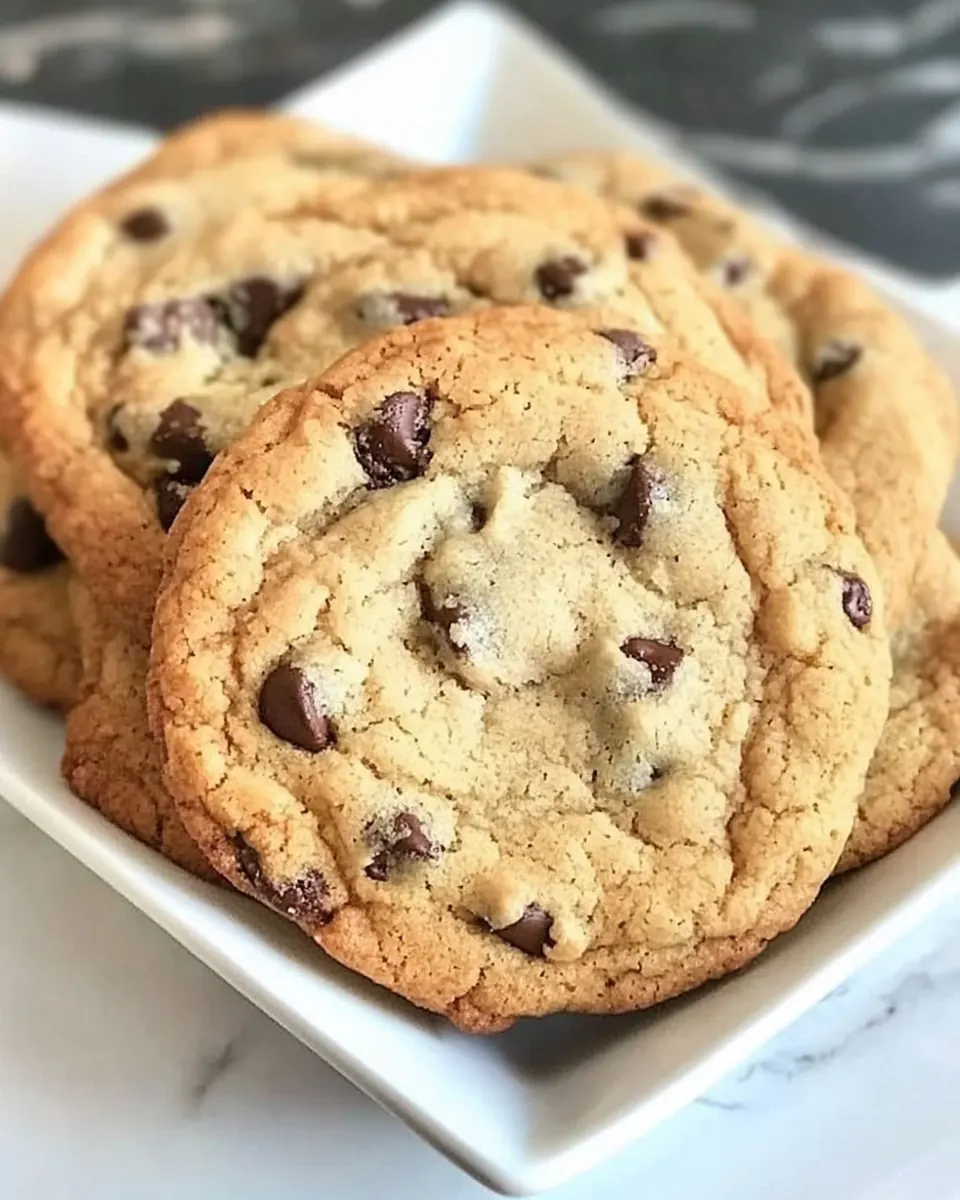
These ingredients are straightforward, but they have distinct roles. The combination of flours builds a cookie that browns on the outside while remaining tender inside. Sugars and butter create flavor and texture, eggs bind and enrich, leaveners add lift, and chocolate provides the emotional payoff.
- 1 pound butter: Soften to room temperature to provide a rich, tender fat base that helps create spread and chew in the cookies; creaming with sugars incorporates air for lift and structure during baking.
- 1 3/4 cups granulated sugar: Sweeten and assist in creaming to create a fine, tender crumb while aiding in spreading; helps balance flavors and contributes to browning through caramelization.
- 2 1/4 cups brown sugar: Add deep, molasses-like sweetness and moisture; contributes to chewiness, a complex caramel flavor, and helps retain moisture for softer cookies over time.
- 4 large eggs: Beat until combined to provide liquid, structure, and richness; egg proteins coagulate during baking to set the cookie and add tenderness and binding.
- 3 cups plus 2 tablespoons cake flour: Provide a delicate, tender texture and lightness when combined with other flours; lower gluten content minimizes toughness while contributing to a fine crumb.
- 3 cups bread flour: Contribute strength and chew by providing higher gluten content that supports structure and helps the cookies hold their shape and achieve a satisfying bite.
- 2 teaspoons salt (1 tablespoon if using unsalted butter): Season and enhance overall flavor while balancing sweetness; also influences dough chemistry and, if using unsalted butter, adjust amount to maintain proper seasoning.
- 2 teaspoons baking powder: Leaven gently to add lift and a slightly airy texture; reacts with acids in the dough to create small bubbles that lighten the cookie interior.
- 2 teaspoons baking soda: Act as a fast-acting leavening agent when combined with an acid or liquid; contributes to spread and rise by producing carbon dioxide during baking.
- 1 tablespoon vanilla extract: Add aromatic vanilla flavor and depth, rounding out the sweetness and enhancing the chocolate notes; a little goes a long way in elevating the overall taste.
- 2 pounds 60-percent chocolate semisweet or bittersweet chocolate disks, feves or morsels: Provide intense chocolate flavor and texture; evenly distributed disks or morsels melt into pockets of chocolate that create signature flavor and richness in each bite.
Step by Step Guide for Jacques Torres Best Chocolate Chip Cookies
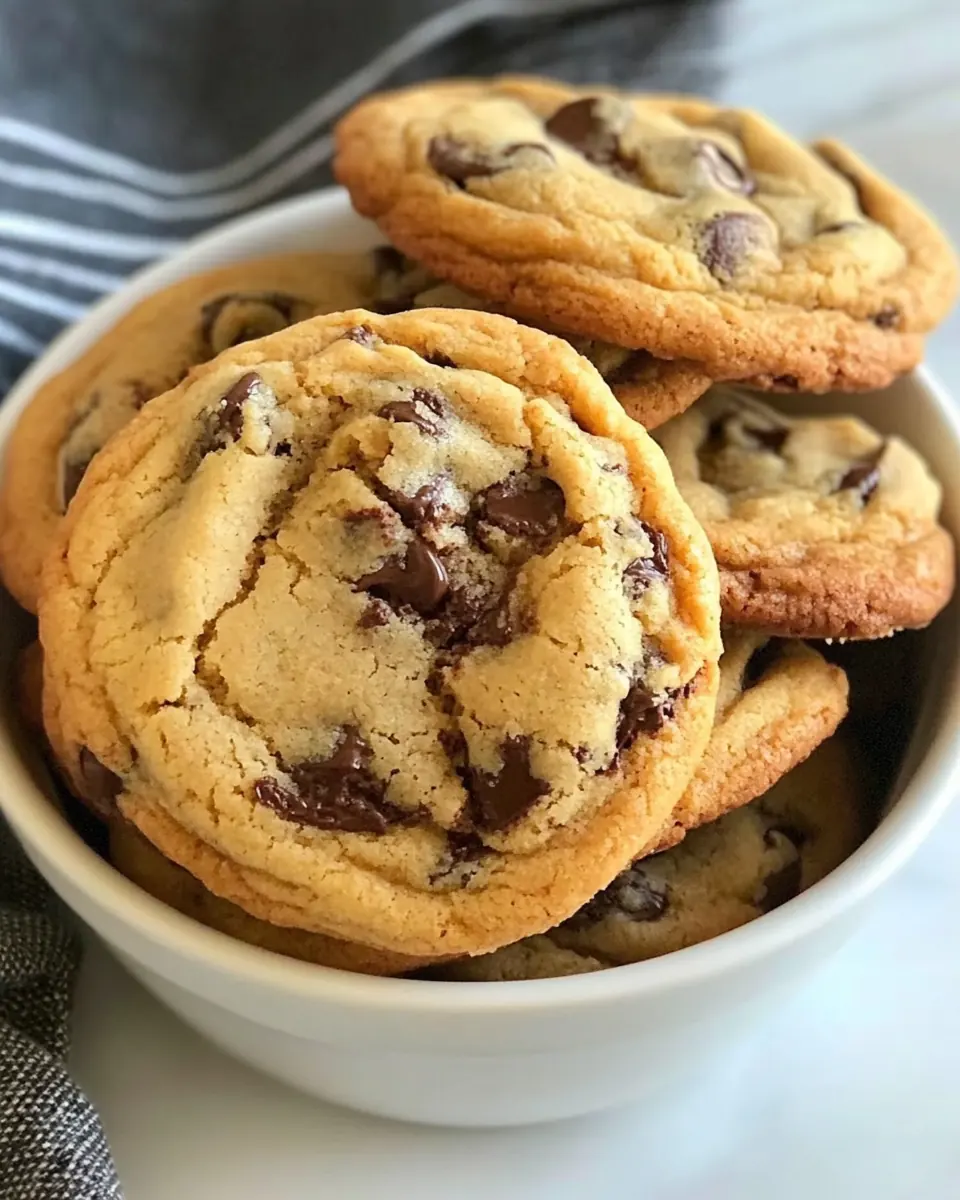
These steps will guide you through creaming, mixing, chilling, and baking. They feel ritualistic once you get the rhythm, and the long chilling rewards patience. Read each step carefully and pay attention to sensory cues to know when you are on track.
- In the bowl of an electric mixer fitted with the paddle attachment, cream together butter and sugars.: You should notice the butter and sugars start to become lighter in color and airier in texture, a soft, whipped scent rising as the sugars abrade the butter. This aeration builds tiny air pockets that help the cookies rise and form a tender crumb, and you want to stop when the mixture is pale and fluffy, not melted or greasy. If you undercream, your cookies will be dense and lack lift, while overcreaming can lead to excessive spread. One easy sign you’ve gone too far is a thin, greasy sheen on the batter. Keep the mixer at medium speed and scrape the bowl occasionally so everything incorporates evenly, and chill briefly if the mix seems to become too soft.
- Add eggs, one at a time, mixing well after each addition. Reduce speed to low and add both the cake flour and bread flour, baking powder, baking soda, and vanilla; mix until well combined.: As each egg blends in, you will see the mixture become smoother and more cohesive, with a glossy look and a faint eggy sweetness in the aroma. Adding eggs slowly prevents the batter from breaking and ensures a uniform texture; they add moisture and richness that help the cookie stay tender. If you add eggs too cold, the butter can seize and create a curdled appearance, which makes mixing harder. If that happens, let the bowl sit at room temperature for a few minutes and mix gently until smooth.
- Fold in the chocolate making sure to distribute well.: As you incorporate the dry ingredients, watch the dough transform from glossy to a more structured mass, with faint streaks of flour disappearing into a cohesive dough. Mixing on low prevents overdeveloping gluten, which keeps the interior tender while still allowing the exterior to crisp, a subtle balance between the two flours. Overmixing here will make the cookie tough and gummy; stop as soon as the last streak of flour is gone. If you see big flakes of flour, fold briefly by hand to finish and avoid a heavy texture.
- Cover and refrigerate the dough overnight or for up to 72 hours.: When you fold in the chocolate, you will hear a soft clink as disks or chips nestle into the dough, and the dough will take on beautiful flecks and pools of dark color. Distribute the chocolate so each scoop yields a generous amount, which ensures flavor in every bite. If you add the chocolate too early or mix too vigorously, you can melt pieces into the dough and lose those distinct pockets. Use a spatula and fold gently until you see chocolate throughout, resisting the urge to overwork the dough which can warm it up and change the texture.
- Before baking, bring the dough out of the refrigerator for about an hour.: The dough will become firmer and the flavors will deepen during refrigeration, producing more caramelized, complex notes when baked. You should notice a firmer, more cohesive feel after chilling, and the butter re solidifies which reduces spread in the oven. A common mistake is skipping the chill which results in flatter, less developed cookies. If you are short on time, chill for at least a few hours, but for best results give it the overnight rest when possible.
- Preheat oven to 350º. Line baking sheets with parchment paper and set them aside.: Allowing the dough to sit lets it lose some coldness so that scooping is easier and the interior bakes evenly. You want it cool but pliable, the surface slightly yielding when pressed. Baking straight from rock hard can cause uneven bake and interiors that remain undercooked, while baking with dough too soft causes excessive spread. If the dough is still very firm after an hour, let it warm a bit longer in short increments until scoopable.
- Using a 2-ounce scoop (1/4 cup) for larger cookies or a medium scoop (1 1/2 T) for smaller cookies, scoop cookie dough onto prepared baking sheets, about 2 inches apart.: As the oven heats, you’ll sense the warm, dry air that encourages surface drying on the cookie dough and aids in developing those crisp edges. Parchment prevents sticking and promotes even browning on the bottom. A frequent oversight is neglecting to preheat fully, which can change bake time and texture. Use an oven thermometer if you suspect your oven runs cool or hot, and rotate sheets halfway if you notice uneven browning.
- Bake until lightly browned, but still soft, about 18-20 minutes for larger cookies and 12-15 minutes for smaller cookies. Cool slightly on baking sheets before transferring to a wire rack to cool completely.: You should hear a soft thunk as dough hits the parchment, and the scoops should form neat mounds with visible chocolate pockets. Keeping spacing consistent ensures cookies have room to spread and bake evenly. A mistake is crowding the sheet which causes merged cookies and uneven browning. I recommend using the same scoop for consistency and chilling scooped dough briefly if it becomes too warm to hold its shape.
- Bake until lightly browned, but still soft, about 18 to 20 minutes for larger cookies and 12 to 15 minutes for smaller cookies.: Watch for the rims to turn a light golden brown and the centers to look set yet slightly underdone; you will notice a toasty aroma and gentle crackling at the surface. The centers will continue to set as the cookies cool, so pull them when they still feel a touch soft to the touch. Baking too long turns them dry and crunchy, while underbaking leaves the interior raw. If your oven runs hot, check earlier and use visual cues rather than strictly the clock.
- Cool slightly on baking sheets before transferring to a wire rack to cool completely.: As they cool, the cookies firm up and the chocolate settles into glossy pockets, with a final texture that is crisp at the edges and tender in the middle. Leaving them on the sheet for a few minutes avoids breaking, while moving them to a rack ensures bottoms do not steam and become soggy. A common error is moving them too soon which can make them fall apart, so be patient for a short cooling period before transferring gently.
Substitutions and Tips
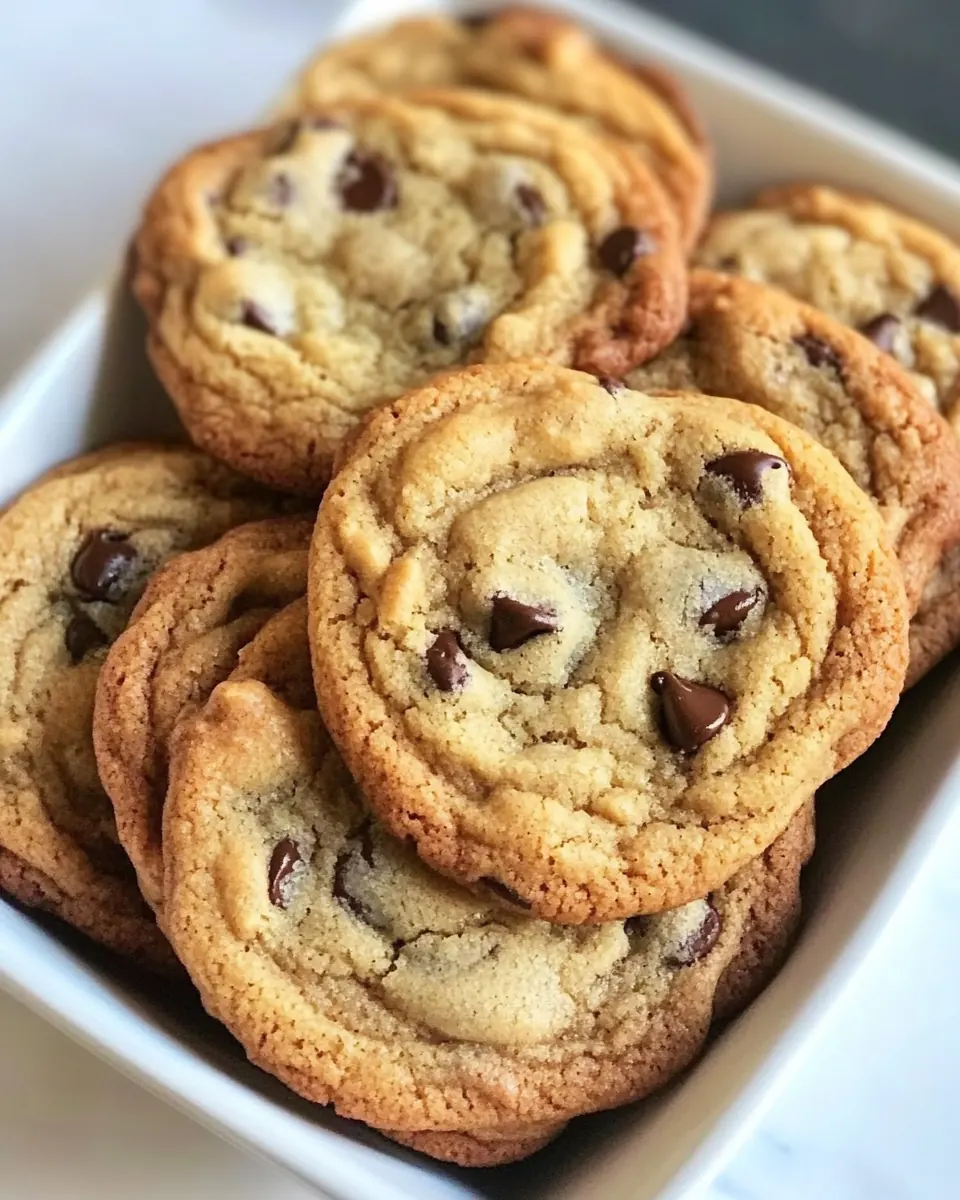
I like giving you practical options that keep the outcome reliable. Below are focused, actionable tips I use in my kitchen to get consistent results and to adapt the recipe to different schedules without trading away texture.
- Chilling flexibility: You can refrigerate the dough anywhere from overnight to 72 hours, which deepens flavor. Longer chill yields more developed, caramel like notes. Keep dough tightly wrapped to avoid absorbing fridge smells.
- Scoop consistency: Use the same scoop for every cookie so they bake uniformly. If dough softens while scooping, pop trays into the freezer for 10 minutes before baking to retain shape.
- Oven accuracy: An oven thermometer prevents surprises; set the oven to 350º and verify actual temperature. Inaccurate ovens change browning timing and texture, so adjust as needed.
- Flour measuring: Spoon and level flours instead of scooping directly with the cup to avoid over packing, which makes cookies dense. If you bake often, weigh your flours for precision.
- Chocolate choice: Opt for good quality 60 percent chocolate for balanced flavor; darker chocolate will add bitterness, and lower percent will be sweeter. Chop disks for varied chocolate pockets instead of uniform chips for better texture.
How to Enjoy Jacques Torres Best Chocolate Chip Cookies
These cookies are wonderfully versatile. Serve them warm from the oven for gooey centers, or pack them for lunchboxes where their sturdiness stands up well. They are well suited to casual gatherings or as a sweet finish to a cozy evening.
- Serve warm: Pull from the oven and let cool briefly on the sheet, then offer while the chocolate is still soft for maximum indulgence.
- Snack pack: Layer cookies between parchment in a tin for gifting or school lunches, they hold shape and flavor beautifully for a day or two.
- Party platter: Arrange on a large board with small bowls of extra chocolate disks for guests to add, making an interactive treat station.
- Storage: Keep in an airtight container at room temperature for up to three days, or freeze baked cookies for longer storage and thaw at room temperature.
- Occasions: Great for birthdays, casual get togethers, or whenever you need a comforting homemade dessert that travels well.
- Seasonal pairing: These fit any season, bringing cozy warmth in cooler months and crowd pleasing sweetness in summer.
FAQ
Conclusion
These cookies stand out because they balance crisp edges, tender interiors, and generous chocolate in every bite. I encourage you to give the recipe a try, especially if you can plan ahead and let the dough rest, because the results reward patience with richer flavor and perfect texture. Enjoy the process, listen to the sensory cues as you bake, and share the warm results with friends and family.
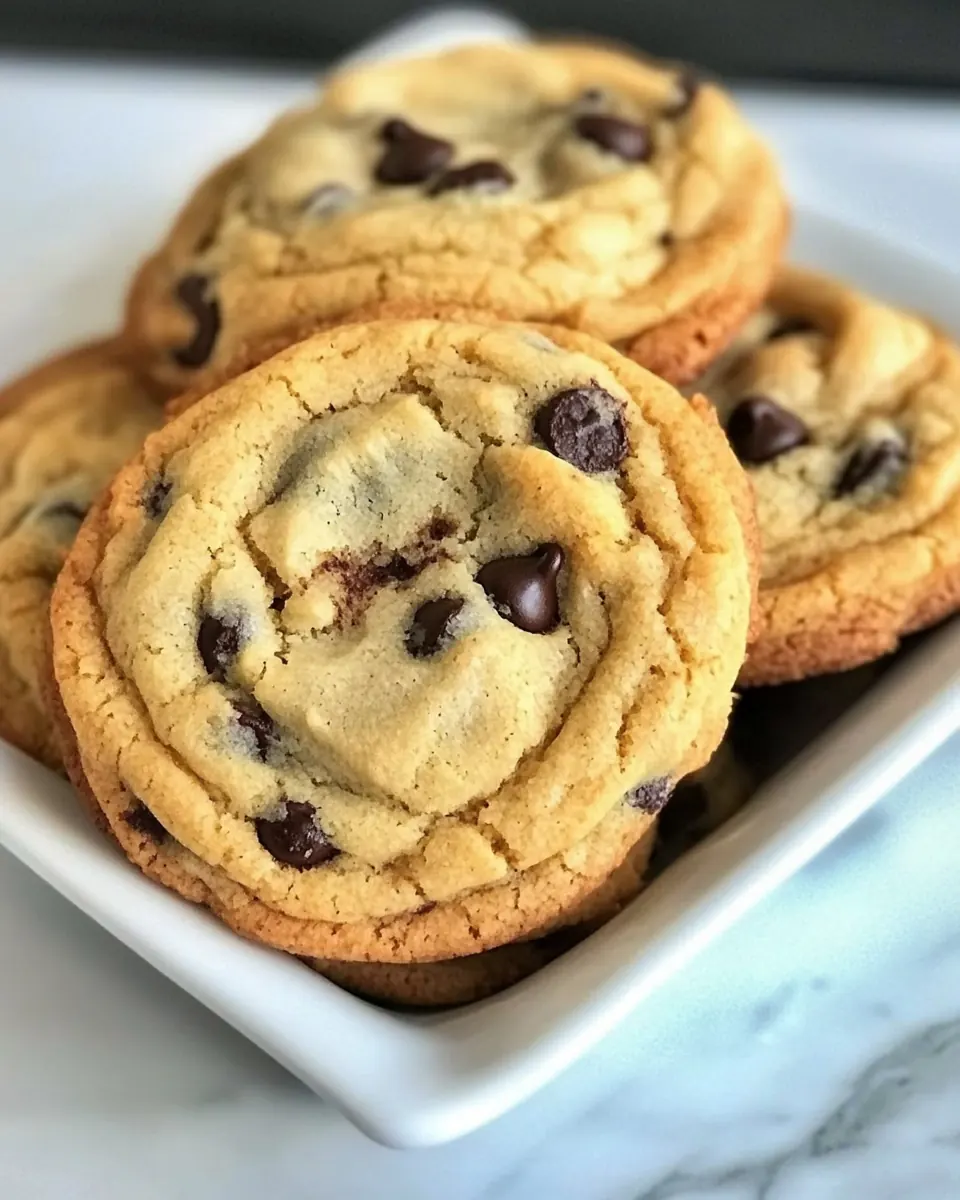
Jacques Torres Best Chocolate Chip Cookies
Ingredients
Equipment
Method
- In the bowl of an electric mixer fitted with the paddle attachment, cream together butter and sugars.: You should notice the butter and sugars start to become lighter in color and airier in texture, a soft, whipped scent rising as the sugars abrade the butter. This aeration builds tiny air pockets that help the cookies rise and form a tender crumb, and you want to stop when the mixture is pale and fluffy, not melted or greasy. If you undercream, your cookies will be dense and lack lift, while overcreaming can lead to excessive spread. One easy sign you’ve gone too far is a thin, greasy sheen on the batter. Keep the mixer at medium speed and scrape the bowl occasionally so everything incorporates evenly, and chill briefly if the mix seems to become too soft.
- Add eggs, one at a time, mixing well after each addition. Reduce speed to low and add both the cake flour and bread flour, baking powder, baking soda, and vanilla; mix until well combined.: As each egg blends in, you will see the mixture become smoother and more cohesive, with a glossy look and a faint eggy sweetness in the aroma. Adding eggs slowly prevents the batter from breaking and ensures a uniform texture; they add moisture and richness that help the cookie stay tender. If you add eggs too cold, the butter can seize and create a curdled appearance, which makes mixing harder. If that happens, let the bowl sit at room temperature for a few minutes and mix gently until smooth.
- Fold in the chocolate making sure to distribute well.: As you incorporate the dry ingredients, watch the dough transform from glossy to a more structured mass, with faint streaks of flour disappearing into a cohesive dough. Mixing on low prevents overdeveloping gluten, which keeps the interior tender while still allowing the exterior to crisp, a subtle balance between the two flours. Overmixing here will make the cookie tough and gummy; stop as soon as the last streak of flour is gone. If you see big flakes of flour, fold briefly by hand to finish and avoid a heavy texture.
- Cover and refrigerate the dough overnight or for up to 72 hours.: When you fold in the chocolate, you will hear a soft clink as disks or chips nestle into the dough, and the dough will take on beautiful flecks and pools of dark color. Distribute the chocolate so each scoop yields a generous amount, which ensures flavor in every bite. If you add the chocolate too early or mix too vigorously, you can melt pieces into the dough and lose those distinct pockets. Use a spatula and fold gently until you see chocolate throughout, resisting the urge to overwork the dough which can warm it up and change the texture.
- Before baking, bring the dough out of the refrigerator for about an hour.: The dough will become firmer and the flavors will deepen during refrigeration, producing more caramelized, complex notes when baked. You should notice a firmer, more cohesive feel after chilling, and the butter re solidifies which reduces spread in the oven. A common mistake is skipping the chill which results in flatter, less developed cookies. If you are short on time, chill for at least a few hours, but for best results give it the overnight rest when possible.
- Preheat oven to 350º. Line baking sheets with parchment paper and set them aside.: Allowing the dough to sit lets it lose some coldness so that scooping is easier and the interior bakes evenly. You want it cool but pliable, the surface slightly yielding when pressed. Baking straight from rock hard can cause uneven bake and interiors that remain undercooked, while baking with dough too soft causes excessive spread. If the dough is still very firm after an hour, let it warm a bit longer in short increments until scoopable.
- Using a 2-ounce scoop (1/4 cup) for larger cookies or a medium scoop (1 1/2 T) for smaller cookies, scoop cookie dough onto prepared baking sheets, about 2 inches apart.: As the oven heats, you’ll sense the warm, dry air that encourages surface drying on the cookie dough and aids in developing those crisp edges. Parchment prevents sticking and promotes even browning on the bottom. A frequent oversight is neglecting to preheat fully, which can change bake time and texture. Use an oven thermometer if you suspect your oven runs cool or hot, and rotate sheets halfway if you notice uneven browning.
- Bake until lightly browned, but still soft, about 18-20 minutes for larger cookies and 12-15 minutes for smaller cookies. Cool slightly on baking sheets before transferring to a wire rack to cool completely.: You should hear a soft thunk as dough hits the parchment, and the scoops should form neat mounds with visible chocolate pockets. Keeping spacing consistent ensures cookies have room to spread and bake evenly. A mistake is crowding the sheet which causes merged cookies and uneven browning. I recommend using the same scoop for consistency and chilling scooped dough briefly if it becomes too warm to hold its shape.
- Bake until lightly browned, but still soft, about 18 to 20 minutes for larger cookies and 12 to 15 minutes for smaller cookies.: Watch for the rims to turn a light golden brown and the centers to look set yet slightly underdone; you will notice a toasty aroma and gentle crackling at the surface. The centers will continue to set as the cookies cool, so pull them when they still feel a touch soft to the touch. Baking too long turns them dry and crunchy, while underbaking leaves the interior raw. If your oven runs hot, check earlier and use visual cues rather than strictly the clock.
- Cool slightly on baking sheets before transferring to a wire rack to cool completely.: As they cool, the cookies firm up and the chocolate settles into glossy pockets, with a final texture that is crisp at the edges and tender in the middle. Leaving them on the sheet for a few minutes avoids breaking, while moving them to a rack ensures bottoms do not steam and become soggy. A common error is moving them too soon which can make them fall apart, so be patient for a short cooling period before transferring gently.
Notes
- Chilling flexibility: You can refrigerate the dough anywhere from overnight to 72 hours, which deepens flavor. Longer chill yields more developed, caramel like notes. Keep dough tightly wrapped to avoid absorbing fridge smells.
- Scoop consistency: Use the same scoop for every cookie so they bake uniformly. If dough softens while scooping, pop trays into the freezer for 10 minutes before baking to retain shape.
- Oven accuracy: An oven thermometer prevents surprises; set the oven to 350º and verify actual temperature. Inaccurate ovens change browning timing and texture, so adjust as needed.
- Flour measuring: Spoon and level flours instead of scooping directly with the cup to avoid over packing, which makes cookies dense. If you bake often, weigh your flours for precision.
- Chocolate choice: Opt for good quality 60 percent chocolate for balanced flavor; darker chocolate will add bitterness, and lower percent will be sweeter. Chop disks for varied chocolate pockets instead of uniform chips for better texture.