In the bowl of an electric mixer fitted with the paddle attachment, cream together butter and sugars.: You should notice the butter and sugars start to become lighter in color and airier in texture, a soft, whipped scent rising as the sugars abrade the butter. This aeration builds tiny air pockets that help the cookies rise and form a tender crumb, and you want to stop when the mixture is pale and fluffy, not melted or greasy. If you undercream, your cookies will be dense and lack lift, while overcreaming can lead to excessive spread. One easy sign you’ve gone too far is a thin, greasy sheen on the batter. Keep the mixer at medium speed and scrape the bowl occasionally so everything incorporates evenly, and chill briefly if the mix seems to become too soft.
Add eggs, one at a time, mixing well after each addition. Reduce speed to low and add both the cake flour and bread flour, baking powder, baking soda, and vanilla; mix until well combined.: As each egg blends in, you will see the mixture become smoother and more cohesive, with a glossy look and a faint eggy sweetness in the aroma. Adding eggs slowly prevents the batter from breaking and ensures a uniform texture; they add moisture and richness that help the cookie stay tender. If you add eggs too cold, the butter can seize and create a curdled appearance, which makes mixing harder. If that happens, let the bowl sit at room temperature for a few minutes and mix gently until smooth.
Fold in the chocolate making sure to distribute well.: As you incorporate the dry ingredients, watch the dough transform from glossy to a more structured mass, with faint streaks of flour disappearing into a cohesive dough. Mixing on low prevents overdeveloping gluten, which keeps the interior tender while still allowing the exterior to crisp, a subtle balance between the two flours. Overmixing here will make the cookie tough and gummy; stop as soon as the last streak of flour is gone. If you see big flakes of flour, fold briefly by hand to finish and avoid a heavy texture.
Cover and refrigerate the dough overnight or for up to 72 hours.: When you fold in the chocolate, you will hear a soft clink as disks or chips nestle into the dough, and the dough will take on beautiful flecks and pools of dark color. Distribute the chocolate so each scoop yields a generous amount, which ensures flavor in every bite. If you add the chocolate too early or mix too vigorously, you can melt pieces into the dough and lose those distinct pockets. Use a spatula and fold gently until you see chocolate throughout, resisting the urge to overwork the dough which can warm it up and change the texture.
Before baking, bring the dough out of the refrigerator for about an hour.: The dough will become firmer and the flavors will deepen during refrigeration, producing more caramelized, complex notes when baked. You should notice a firmer, more cohesive feel after chilling, and the butter re solidifies which reduces spread in the oven. A common mistake is skipping the chill which results in flatter, less developed cookies. If you are short on time, chill for at least a few hours, but for best results give it the overnight rest when possible.
Preheat oven to 350º. Line baking sheets with parchment paper and set them aside.: Allowing the dough to sit lets it lose some coldness so that scooping is easier and the interior bakes evenly. You want it cool but pliable, the surface slightly yielding when pressed. Baking straight from rock hard can cause uneven bake and interiors that remain undercooked, while baking with dough too soft causes excessive spread. If the dough is still very firm after an hour, let it warm a bit longer in short increments until scoopable.
Using a 2-ounce scoop (1/4 cup) for larger cookies or a medium scoop (1 1/2 T) for smaller cookies, scoop cookie dough onto prepared baking sheets, about 2 inches apart.: As the oven heats, you’ll sense the warm, dry air that encourages surface drying on the cookie dough and aids in developing those crisp edges. Parchment prevents sticking and promotes even browning on the bottom. A frequent oversight is neglecting to preheat fully, which can change bake time and texture. Use an oven thermometer if you suspect your oven runs cool or hot, and rotate sheets halfway if you notice uneven browning.
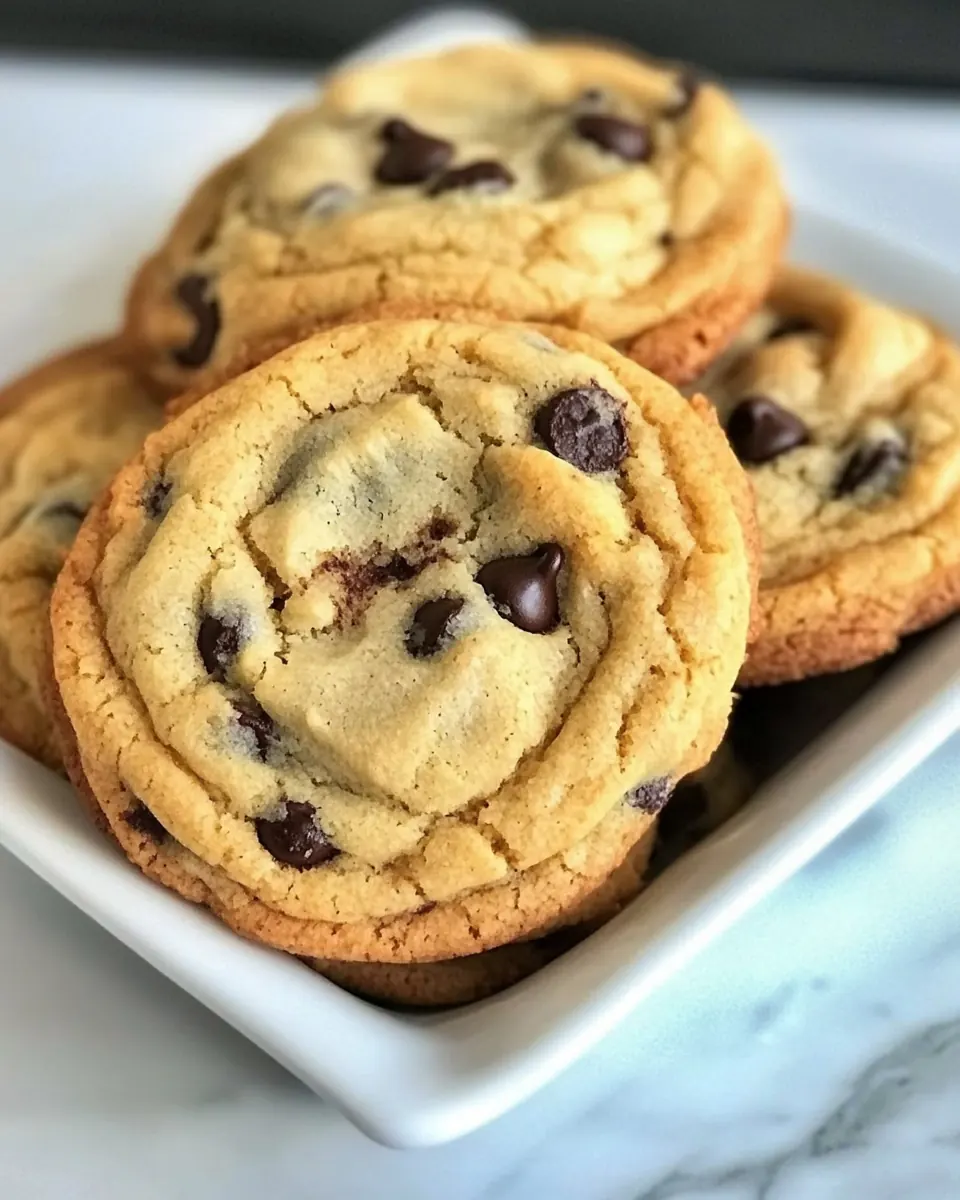
Bake until lightly browned, but still soft, about 18-20 minutes for larger cookies and 12-15 minutes for smaller cookies. Cool slightly on baking sheets before transferring to a wire rack to cool completely.: You should hear a soft thunk as dough hits the parchment, and the scoops should form neat mounds with visible chocolate pockets. Keeping spacing consistent ensures cookies have room to spread and bake evenly. A mistake is crowding the sheet which causes merged cookies and uneven browning. I recommend using the same scoop for consistency and chilling scooped dough briefly if it becomes too warm to hold its shape.
Bake until lightly browned, but still soft, about 18 to 20 minutes for larger cookies and 12 to 15 minutes for smaller cookies.: Watch for the rims to turn a light golden brown and the centers to look set yet slightly underdone; you will notice a toasty aroma and gentle crackling at the surface. The centers will continue to set as the cookies cool, so pull them when they still feel a touch soft to the touch. Baking too long turns them dry and crunchy, while underbaking leaves the interior raw. If your oven runs hot, check earlier and use visual cues rather than strictly the clock.
Cool slightly on baking sheets before transferring to a wire rack to cool completely.: As they cool, the cookies firm up and the chocolate settles into glossy pockets, with a final texture that is crisp at the edges and tender in the middle. Leaving them on the sheet for a few minutes avoids breaking, while moving them to a rack ensures bottoms do not steam and become soggy. A common error is moving them too soon which can make them fall apart, so be patient for a short cooling period before transferring gently.