King Ranch Casserole
King Ranch Casserole has been the weekday supper hero in my kitchen for years, a layered, cozy dish that arrives at the table warm and full of familiar comforts. I first encountered it at a potluck where the dish sat quietly between salads and roasted vegetables, but one forkful changed everything. From that moment on, I kept a mental map of the aromas and textures, and eventually made it my own, riffing on the spice levels and cheese amounts to match whatever mood I was in.
The memory of that first spoonful stays with me, partly because of the way the roasted peppers and softened onion mingle with the tomato and creamy soups, and partly because the tortillas become little pockets that soak up flavor while still holding structure. Over time I learned which steps make the texture sing and which shortcuts leave it flat, so I tend to be protective about a few techniques, especially the sautéing and the layering. Friends have asked for the recipe after tasting it, then returned with stories of their own tweaks.
Recipe Snapshot
50 mins
10 mins
40 mins
Medium
350 kcal
Mexican
Gluten-Free, Low FODMAP
Dinner
Large skillet, 9 x 13 inch baking dish, Large mixing bowl
Why This King Ranch Casserole Hits Different
Comfort food with purpose
I love King Ranch Casserole because it delivers familiar comfort without fuss. The creamy cans and shredded cheese create a rich mouthfeel that feels indulgent, yet the dish is straightforward enough for a busy weeknight. When I serve it, everyone slows down, forks in hand, and the room feels cozier.
Layered textures that play well together
I appreciate how the layers contrast: soft saucy pockets, tender chicken, and slightly chewy corn tortillas. That interplay is the reason each bite stays interesting. I like to explain to guests that the tortillas act like sponges that hold sauce, while the melted cheese binds everything with gooey satisfaction.
Flexible and forgiving
I often recommend this casserole because it forgives timing and small mistakes. If you have leftover roasted chicken or cooked tortillas, it’s a fantastic way to transform them. I once assembled mine early for a potluck and it came out beautifully after reheating, which proved that this recipe adapts to real life.
Make ahead and crowd friendly
I value recipes that scale, and King Ranch Casserole scales beautifully. I’ve doubled it for family gatherings and used a slow cooker alternative for a potluck. The casserole holds well in the fridge, and the flavors often deepen after sitting, which makes it ideal for planning ahead.
Bright spices that lift the dish
I enjoy the subtle Tex Mex notes from ground cumin and chile powder, and the canned diced tomatoes with green chiles give a gentle, smoky kick. These seasonings keep the casserole from tasting flat, they play supporting roles that let the creamy soups and cheese shine.
What to Buy for King Ranch Casserole
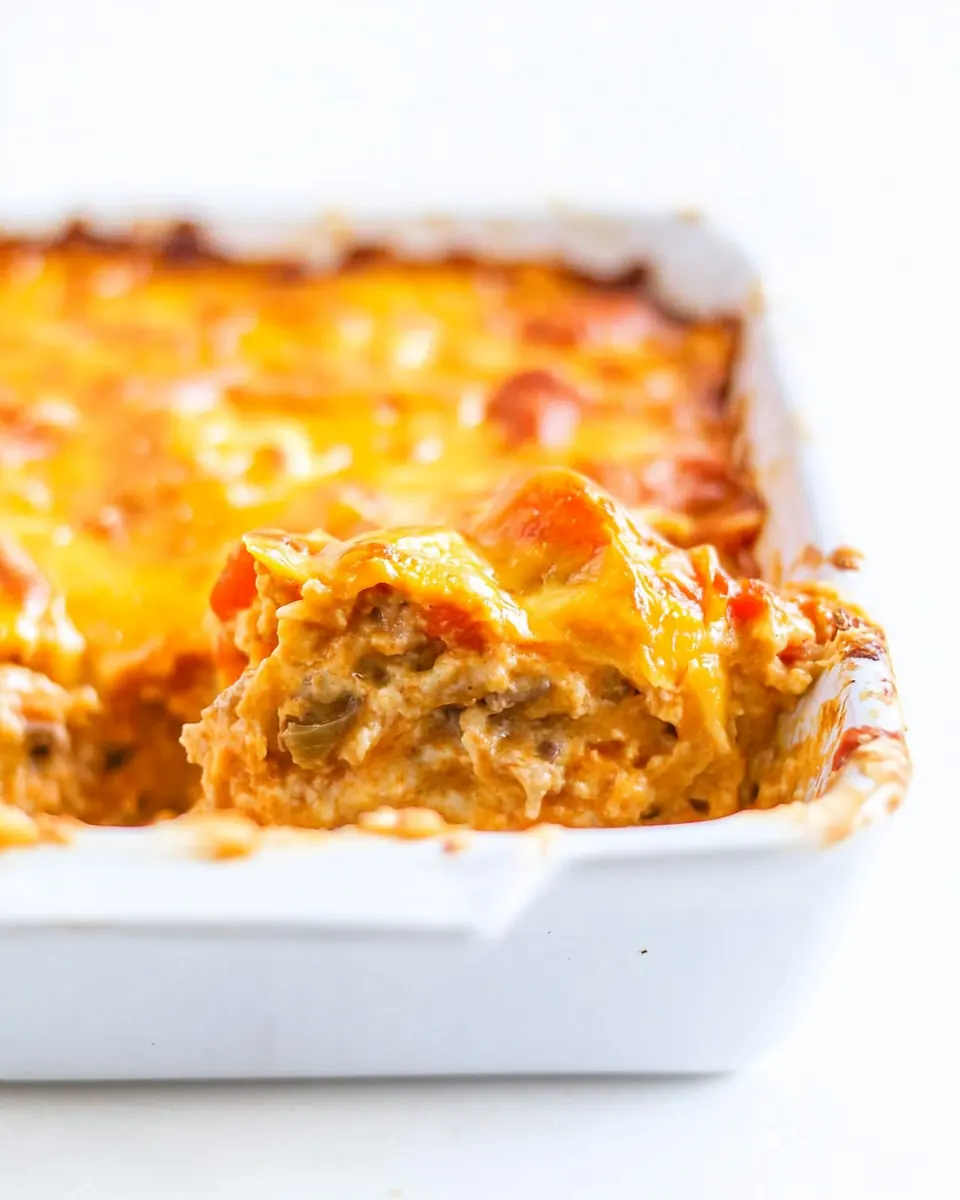
The ingredients for King Ranch Casserole are straightforward and focused on texture and comfort. I think of the list as three key groups: aromatics that build the base, creamy canned components that provide body, and structural players like chicken and corn tortillas that give the dish its layered identity. Together they create a balance of savory, tangy, and melty flavors.
- 1 tbsp olive oil: Sauté gently in a skillet to develop flavor and provide a fragrant cooking fat that prevents sticking while forming the base for the casserole.
- 1 yellow onion peeled and diced: Peel and dice finely to add sweet, aromatic depth and moisture; cook until translucent to build savory complexity in the dish.
- 1 red bell pepper diced: Dice and cook until softened to contribute bright, sweet pepper flavor and colorful texture that balances the dish's creaminess.
- 1 green bell pepper diced: Dice and soften to supply slightly bitter, vegetal notes and a contrasting green color while enhancing the overall pepper medley.
- 10.75 oz can condensed cream of mushroom soup: Stir into the mixture as a creamy, savory element that imparts earthy mushroom flavor and helps bind the casserole together.
- 10.75 oz can condensed cream of chicken soup: Blend with other creamy components to add rich poultry flavor and additional creaminess that enhances the overall sauce body.
- 10 oz can diced tomatoes with green chile peppers: Drain and fold in to bring zesty tomato flavor with a mild heat from green chiles, adding acidity and texture to the casserole.
- 2 tsp ground cumin: Sprinkle and mix thoroughly to introduce warm, earthy notes that complement the chiles and season the entire filling evenly.
- 1 tsp chile powder: Measure and incorporate to add a smoky, mildly spicy backbone that elevates the dish's southwestern flavor profile without overpowering it.
- 2 c cooked and cubed chicken: Cube and distribute evenly to provide substantial protein, tender texture, and savory meatiness that makes the casserole hearty and filling.
- 2 c shredded cheddar cheese: Shred and layer to provide melty, sharp creaminess that binds the layers, adds richness, and forms an appetizing golden top.
- 12 corn tortillas cut into quarters: Cut into quarters and layer to create tender, slightly chewy starch that soaks up the sauces and provides structure to the casserole.
Cooking Method for King Ranch Casserole
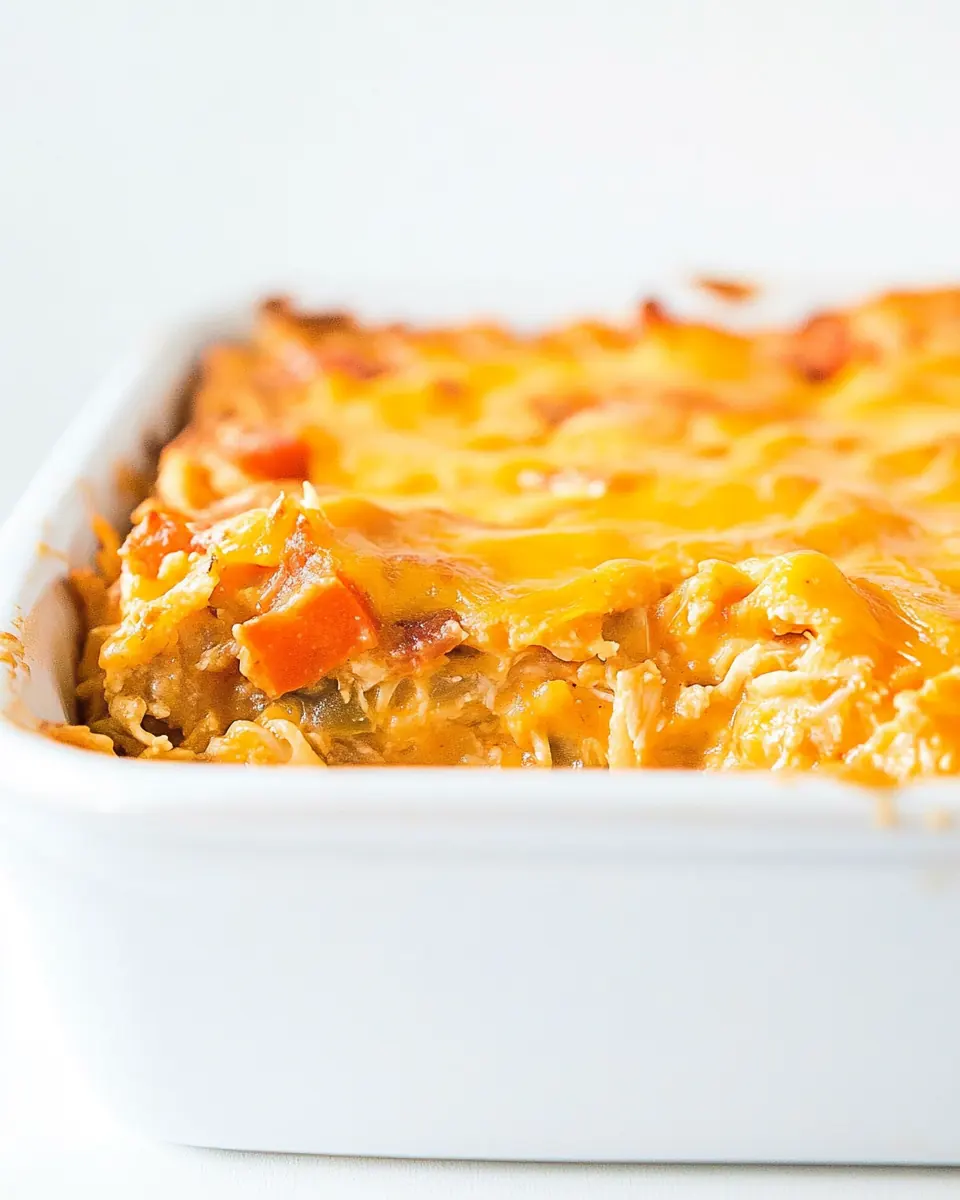
This casserole assembly is straightforward but rewards attention to texture and timing. I like to move deliberately when sautéing and layering, because each phase impacts the final chew and creaminess. The steps below will guide you through the sensory cues and common pitfalls so your dish turns out bubbling and golden.
- Preheat oven to 350 degrees F.: You should notice the oven warming and a consistent steady heat that will help the casserole bake evenly, producing a bubbly interior and a lightly golden top. Setting the oven properly matters because a too hot oven can brown the top before the center is heated through, while a too cool oven will lengthen bake time and give a dense texture. A common mistake is skipping preheating, which causes uneven cooking. If your oven runs hot, use an oven thermometer to confirm the temperature.
- Heat oil in a large skillet over medium-high heat. Saute onion, red and green peppers until softened about 7-10 minutes.: When the olive oil shimmers and moves easily in the pan you will hear a soft sizzle as the onion and peppers hit the surface. That first sizzle is aromatic promise, releasing sweet and vegetal scents. Cooking at the right temperature ensures the vegetables soften without burning, which would introduce bitterness. A frequent error is using too high heat, causing the edges to char; lower the heat if you see rapid browning.
- In a large mixing bowl combine the onion and pepper mixture, cream of mushroom soup, cream of chicken soup, diced tomatoes, cumin, and chile powder. Stir until completely combined. Reserve 3/4 c. of sauce for later.: You will notice the onion turn translucent and the peppers become glossy and tender, with a gentle sweet smell and faint caramel notes. Stirring occasionally encourages even color and prevents sticking. This step matters because softened aromatics meld into the sauce, creating a layered flavor foundation. Avoid undercooking, which leaves a sharp, raw taste; if the pan dries, add a splash of water to deglaze.
- Spread 1/2 c. of sauce on the bottom of a greased 9 x 13 inch baking dish. Spread 1/2 of the chicken over the sauce. Top chicken with half of the remaining sauce and then 1/3 of the cheese. Spread a layer of corn tortillas (1/2 the tortillas) over the cheese. Spread remaining chicken over the tortillas, top with remaining sauce (except reserved sauce) then 1/3 of the cheese, remaining tortillas, and the reserved sauce and remaining cheese.: As you stir these elements together the sauce will take on a uniform, creamy texture and a fragrant spice lift from the ground cumin and chile powder . You should hear a soft mixing sound and see the flecks of seasoning dispersed evenly. Combining here ensures every layer has consistent flavor, which prevents pockets of dryness. A pitfall is over thinning the mixture, which makes the casserole soupy rather than cohesive.
- Bake in preheated oven for about 40 minutes or until bubbling and golden brown.: The sauce should look homogeneous, glossy, and slightly thick, clinging to a spoon rather than running off. Reserving a portion preserves a finishing layer that will penetrate the top tortillas and keep the crown from drying. If you skip reserving sauce you risk a dry top layer. Keep the reserved sauce covered so it does not form a skin.
- Spread 1/2 c. of sauce on the bottom of a greased 9 x 13 inch baking dish.: The first smear should be even and thin, creating a lubricant layer that prevents the bottom tortillas from sticking and helps the casserole heat uniformly. Use the back of a spoon to press it into corners. Uneven sauce distribution can create dry pockets on reheating, so take a moment to coat the whole base.
- Spread 1/2 of the chicken over the sauce.: When you dot the dish with the cubed chicken , you should see a balanced scatter so every forkful later includes protein. Chunks that are too large may not warm through evenly; aim for uniform sizes. A common oversight is clumping the chicken in one area, which leads to uneven bites.
- Top chicken with half of the remaining sauce and then 1/3 of the cheese.: The sauce should soak into and around the chicken , and when you sprinkle the shredded cheese you will notice a glossy top that will melt into pockets. This layered method ensures distribution of creaminess and melty texture through the casserole. Avoid adding all the cheese at once, which can create a single dense layer that overbrowns.
- Spread a layer of corn tortillas 1/2 the tortillas over the cheese.: Arrange the quartered corn tortillas so they slightly overlap and cover the cheesy layer without piling too thickly. They will steam and soften while absorbing sauce, creating tender strata. If tortillas are chilled and brittle, warm them briefly to prevent cracking. Overlapping unevenly can yield inconsistent layering and texture.
- Spread remaining chicken over the tortillas, top with remaining sauce except reserved sauce then 1/3 of the cheese.: The second protein layer should be evenly distributed and then dressed with sauce so the tortillas above it become flavorful. Adding the cheese now creates melting layers that fuse the strata. A misstep is skimping on sauce between layers, which can leave tortillas dry and chewy rather than tender and integrated.
- Remaining tortillas, and the reserved sauce and remaining cheese.: Finish by covering with the last tortillas, spooning the reserved sauce over them so it seeps into the top layer, and scattering the final 1/3 of cheese to form a golden crust. That reserved sauce is crucial for keeping the surface moist while promoting bubbling from beneath. If the top browns too quickly during baking, tent with foil to prevent burning while the center heats through.
- Bake in preheated oven for about 40 minutes or until bubbling and golden brown.: As the casserole bakes you will hear gentle bubbling and smell a concentrated roasted aroma, with the cheese turning golden and the edges crisping. Baking melts the layers together and reduces excess moisture, producing a cohesive interior and a pleasing top. The primary error is removing it too early, resulting in a lukewarm center; ensure the middle is hot and bubbling before serving. If the top reaches color too soon, cover loosely with foil and continue baking until heated through.
Recipe Variations about King Ranch Casserole
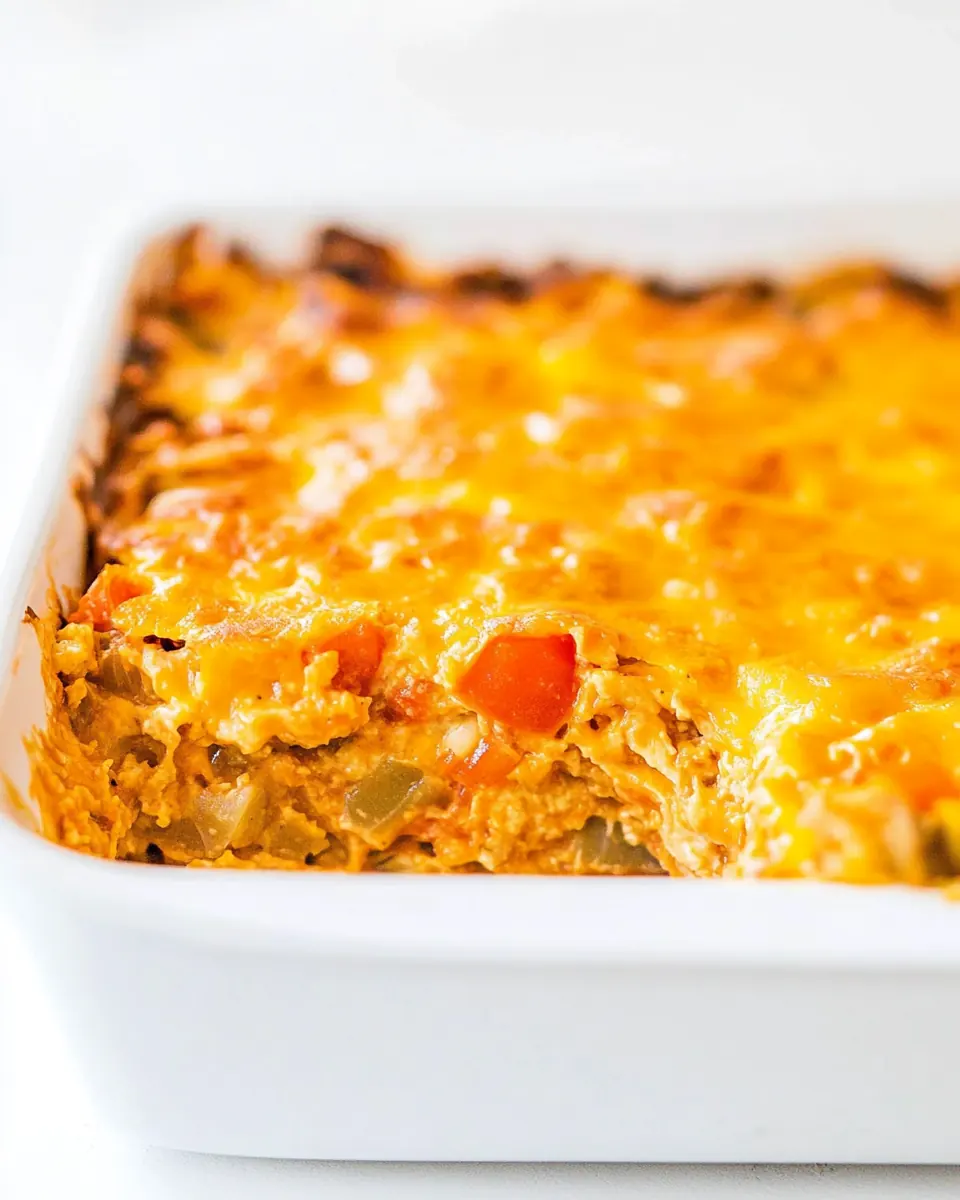
This recipe is very adaptable without losing its identity, so I like to offer a few route options that preserve texture while letting you tailor flavor and convenience. Below are practical variations and notes to help you personalize the dish while keeping the essential structure intact.
- Spice it up: Use the hotter diced tomatoes with green chiles to increase heat, and adjust the chile powder by a pinch at a time so you keep balance.
- Make ahead: Assemble the casserole fully, refrigerate up to three days, then bake adding 10 to 15 minutes to the time if it is cold from the fridge.
- Freeze for later: Prepare and cool completely, then freeze for up to three months; thaw in the fridge overnight and add 10 to 15 minutes to baking time when reheating.
- Slow cooker option: Layer the casserole in a slow cooker and cook on low for 2 to 3 hours until heated through and the cheese is melted for easy potluck transport.
- Cheese choice: Stick with a good melting cheddar cheese or blend with a milder melting cheese for extra creaminess, and grate from a block for best results.
What to Serve With King Ranch Casserole
This casserole is rich and crowd friendly, so pairing it with bright or crisp sides keeps the meal balanced. I usually choose one fresh element and one textural contrast, and I consider the occasion when building the plate. Below are detailed serving ideas for different contexts.
- Fresh green salad: A simple mixed leaf salad dressed with a light vinaigrette cuts through the richness, offering crisp bite and acidity that refreshes the palate.
- Steamed or roasted vegetables: Lightly roasted broccoli or green beans provide a warm vegetal side that complements the creamy casserole without overwhelming it.
- Pico de gallo or fresh salsa: A bright tomato based salsa adds zesty acidity and a cooling counterpoint to the warm spices and melted cheese.
- Rice on the side: Plain or cilantro lime rice soaks up any extra sauce and stretches the meal for larger gatherings while staying neutral in flavor.
- Occasions and timing: This dish is ideal for family dinners, casual potlucks, and seasonal fall gatherings, because it serves multiple people and can be made ahead.
- Storage tips: Cool the casserole completely before covering and refrigerating for up to three days, or freeze in portions for up to three months; reheat covered to retain moisture.
- Seasonal pairings: In cooler months I serve it with roasted root vegetables, and in milder weather I prefer bright salads to lighten the plate.
FAQ
Conclusion
King Ranch Casserole is special because it layers creamy soups, spicy tomato, tender chicken, and melty cheese into a comforting, crowd pleasing bake. Give it a try when you want a make ahead meal that feeds a family or a potluck crowd, and enjoy how the textures and flavors come together. I hope this recipe becomes a reliable favorite in your kitchen, one you reach for when you want comfort, simplicity, and a dish that brings people around the table.
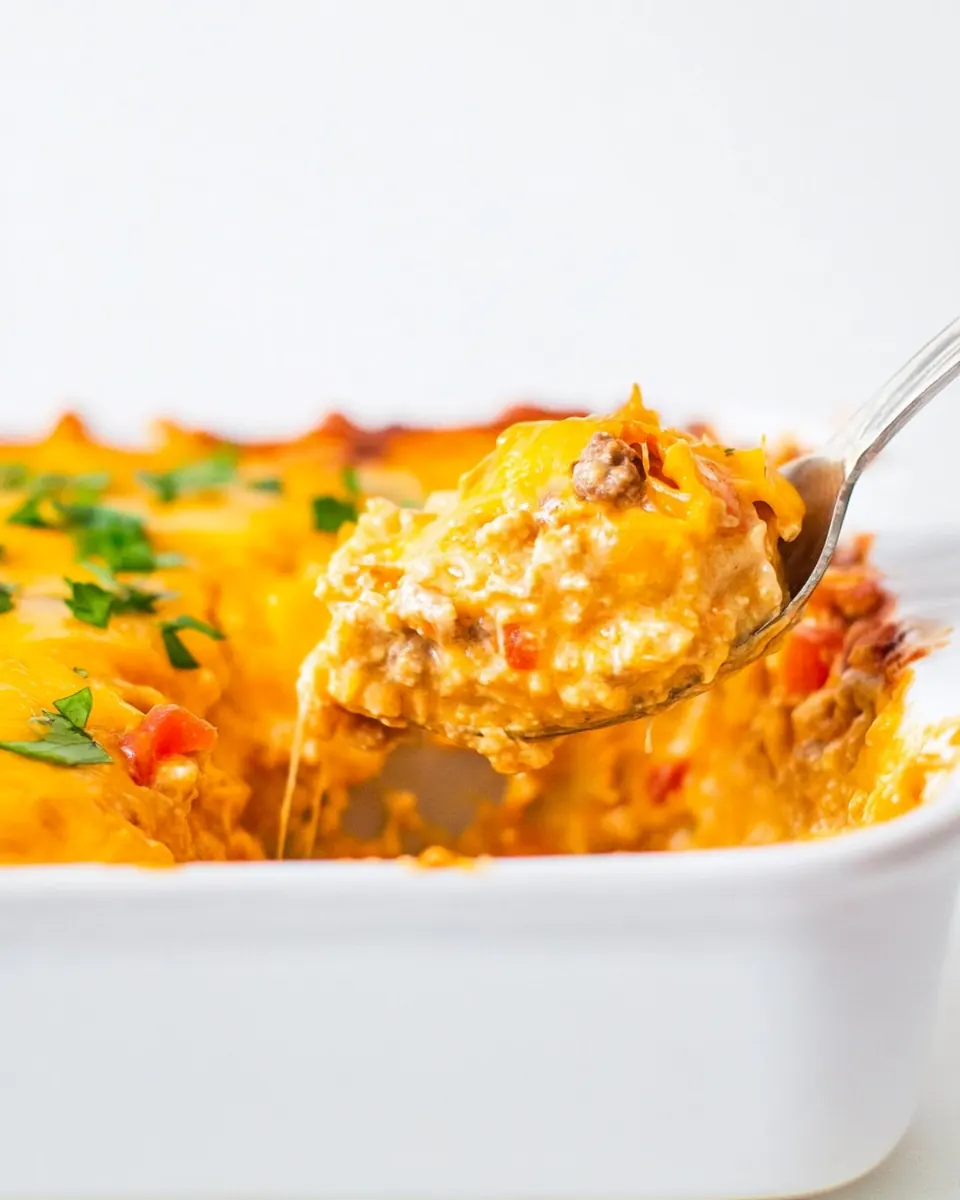
King Ranch Casserole
Ingredients
Equipment
Method
- Preheat oven to 350 degrees F.: You should notice the oven warming and a consistent steady heat that will help the casserole bake evenly, producing a bubbly interior and a lightly golden top. Setting the oven properly matters because a too hot oven can brown the top before the center is heated through, while a too cool oven will lengthen bake time and give a dense texture. A common mistake is skipping preheating, which causes uneven cooking. If your oven runs hot, use an oven thermometer to confirm the temperature.
- Heat oil in a large skillet over medium-high heat. Saute onion, red and green peppers until softened about 7-10 minutes.: When the olive oil shimmers and moves easily in the pan you will hear a soft sizzle as the onion and peppers hit the surface. That first sizzle is aromatic promise, releasing sweet and vegetal scents. Cooking at the right temperature ensures the vegetables soften without burning, which would introduce bitterness. A frequent error is using too high heat, causing the edges to char; lower the heat if you see rapid browning.
- In a large mixing bowl combine the onion and pepper mixture, cream of mushroom soup, cream of chicken soup, diced tomatoes, cumin, and chile powder. Stir until completely combined. Reserve 3/4 c. of sauce for later.: You will notice the onion turn translucent and the peppers become glossy and tender, with a gentle sweet smell and faint caramel notes. Stirring occasionally encourages even color and prevents sticking. This step matters because softened aromatics meld into the sauce, creating a layered flavor foundation. Avoid undercooking, which leaves a sharp, raw taste; if the pan dries, add a splash of water to deglaze.
- Spread 1/2 c. of sauce on the bottom of a greased 9 x 13 inch baking dish. Spread 1/2 of the chicken over the sauce. Top chicken with half of the remaining sauce and then 1/3 of the cheese. Spread a layer of corn tortillas (1/2 the tortillas) over the cheese. Spread remaining chicken over the tortillas, top with remaining sauce (except reserved sauce) then 1/3 of the cheese, remaining tortillas, and the reserved sauce and remaining cheese.: As you stir these elements together the sauce will take on a uniform, creamy texture and a fragrant spice lift from the ground cumin and chile powder . You should hear a soft mixing sound and see the flecks of seasoning dispersed evenly. Combining here ensures every layer has consistent flavor, which prevents pockets of dryness. A pitfall is over thinning the mixture, which makes the casserole soupy rather than cohesive.
- Bake in preheated oven for about 40 minutes or until bubbling and golden brown.: The sauce should look homogeneous, glossy, and slightly thick, clinging to a spoon rather than running off. Reserving a portion preserves a finishing layer that will penetrate the top tortillas and keep the crown from drying. If you skip reserving sauce you risk a dry top layer. Keep the reserved sauce covered so it does not form a skin.
- Spread 1/2 c. of sauce on the bottom of a greased 9 x 13 inch baking dish.: The first smear should be even and thin, creating a lubricant layer that prevents the bottom tortillas from sticking and helps the casserole heat uniformly. Use the back of a spoon to press it into corners. Uneven sauce distribution can create dry pockets on reheating, so take a moment to coat the whole base.
- Spread 1/2 of the chicken over the sauce.: When you dot the dish with the cubed chicken , you should see a balanced scatter so every forkful later includes protein. Chunks that are too large may not warm through evenly; aim for uniform sizes. A common oversight is clumping the chicken in one area, which leads to uneven bites.
- Top chicken with half of the remaining sauce and then 1/3 of the cheese.: The sauce should soak into and around the chicken , and when you sprinkle the shredded cheese you will notice a glossy top that will melt into pockets. This layered method ensures distribution of creaminess and melty texture through the casserole. Avoid adding all the cheese at once, which can create a single dense layer that overbrowns.
- Spread a layer of corn tortillas 1/2 the tortillas over the cheese.: Arrange the quartered corn tortillas so they slightly overlap and cover the cheesy layer without piling too thickly. They will steam and soften while absorbing sauce, creating tender strata. If tortillas are chilled and brittle, warm them briefly to prevent cracking. Overlapping unevenly can yield inconsistent layering and texture.
- Spread remaining chicken over the tortillas, top with remaining sauce except reserved sauce then 1/3 of the cheese.: The second protein layer should be evenly distributed and then dressed with sauce so the tortillas above it become flavorful. Adding the cheese now creates melting layers that fuse the strata. A misstep is skimping on sauce between layers, which can leave tortillas dry and chewy rather than tender and integrated.
- Remaining tortillas, and the reserved sauce and remaining cheese.: Finish by covering with the last tortillas, spooning the reserved sauce over them so it seeps into the top layer, and scattering the final 1/3 of cheese to form a golden crust. That reserved sauce is crucial for keeping the surface moist while promoting bubbling from beneath. If the top browns too quickly during baking, tent with foil to prevent burning while the center heats through.
- Bake in preheated oven for about 40 minutes or until bubbling and golden brown.: As the casserole bakes you will hear gentle bubbling and smell a concentrated roasted aroma, with the cheese turning golden and the edges crisping. Baking melts the layers together and reduces excess moisture, producing a cohesive interior and a pleasing top. The primary error is removing it too early, resulting in a lukewarm center; ensure the middle is hot and bubbling before serving. If the top reaches color too soon, cover loosely with foil and continue baking until heated through.
Notes
- Spice it up: Use the hotter diced tomatoes with green chiles to increase heat, and adjust the chile powder by a pinch at a time so you keep balance.
- Make ahead: Assemble the casserole fully, refrigerate up to three days, then bake adding 10 to 15 minutes to the time if it is cold from the fridge.
- Freeze for later: Prepare and cool completely, then freeze for up to three months; thaw in the fridge overnight and add 10 to 15 minutes to baking time when reheating.
- Slow cooker option: Layer the casserole in a slow cooker and cook on low for 2 to 3 hours until heated through and the cheese is melted for easy potluck transport.
- Cheese choice: Stick with a good melting cheddar cheese or blend with a milder melting cheese for extra creaminess, and grate from a block for best results.