Lemon Pudding Cake
Lemon Pudding Cake is one of those desserts I turn to when I want something that feels both nostalgic and a little fanciful.
I first encountered this dessert at a small summer potluck years ago, where the host arrived with a glass baking dish steaming slightly under a tea towel. The top was a delicate, lightly browned cake, and when a spoon dove in it revealed a silky, lemony pudding beneath. I remember the bright snap of lemon juice cutting through the sweet, and the airy lift courtesy of whipped eggs. That night I scribbled down a version of the recipe and later adapted it to my oven and my instincts. Since then, it has become my go to for warm welcome desserts, the kind I serve when friends pop over unexpectedly or when I want to end a weeknight dinner on a cheerful note.
Over the years I learned to respect the little rituals that make a reliable Lemon Pudding Cake every time: warming the milk just so, coaxing the whites to their proper peaks, and shielding the dish with a gentle water bath for even baking. I love how simple pantry staples transform into layers of texture, and how the top sets into a fragile cake while the bottom remains dreamy and spoonable. Guests often rave about its homey charm but are surprised by the sophistication of its contrast in textures.
Recipe Snapshot
55 mins
20 mins
35 mins
Medium
220 kcal
American
Gluten-Free, Low FODMAP
Desserts
KitchenAid Hand Mixer, 8 ounce Glass Ramekins (Set of 4)
Why This Lemon Pudding Cake Is a Winner
Bright citrus flavor that sings
I adore how lemon juice and lemon zest bring instant lift. The tang cuts through the sweet base, giving each bite clarity. I often say the citrus is the backbone, it keeps the pudding from tasting cloying while making it feel fresh and summery.
Elegant contrast of textures
The split personality of the dish fascinates me. The top becomes a light cake that offers a gentle resistance, while the bottom stays lush and silky. That contrast makes every spoonful interesting, and I find guests linger over it longer than they might with a single texture dessert.
Simple ingredients, impressive result
I love recipes where pantry staples like granulated sugar, all purpose flour, and milk transform into something special. This recipe rewards careful technique rather than fancy shopping, so it’s approachable for cooks of all levels.
Versatile serving options
Whether I serve the Lemon Pudding Cake warm with a dusting of powdered sugar or chilled alongside fresh berries, it adapts beautifully. It can be a casual weeknight finish or a gently composed ending to a celebratory meal.
Reliable technique that builds confidence
Working with whipped egg whites and a water bath teaches useful pastry skills. Once you master gentle folding and recognizing stiff peaks, you’ll find the same knowledge helps in many other desserts.
Everything You Need for Lemon Pudding Cake
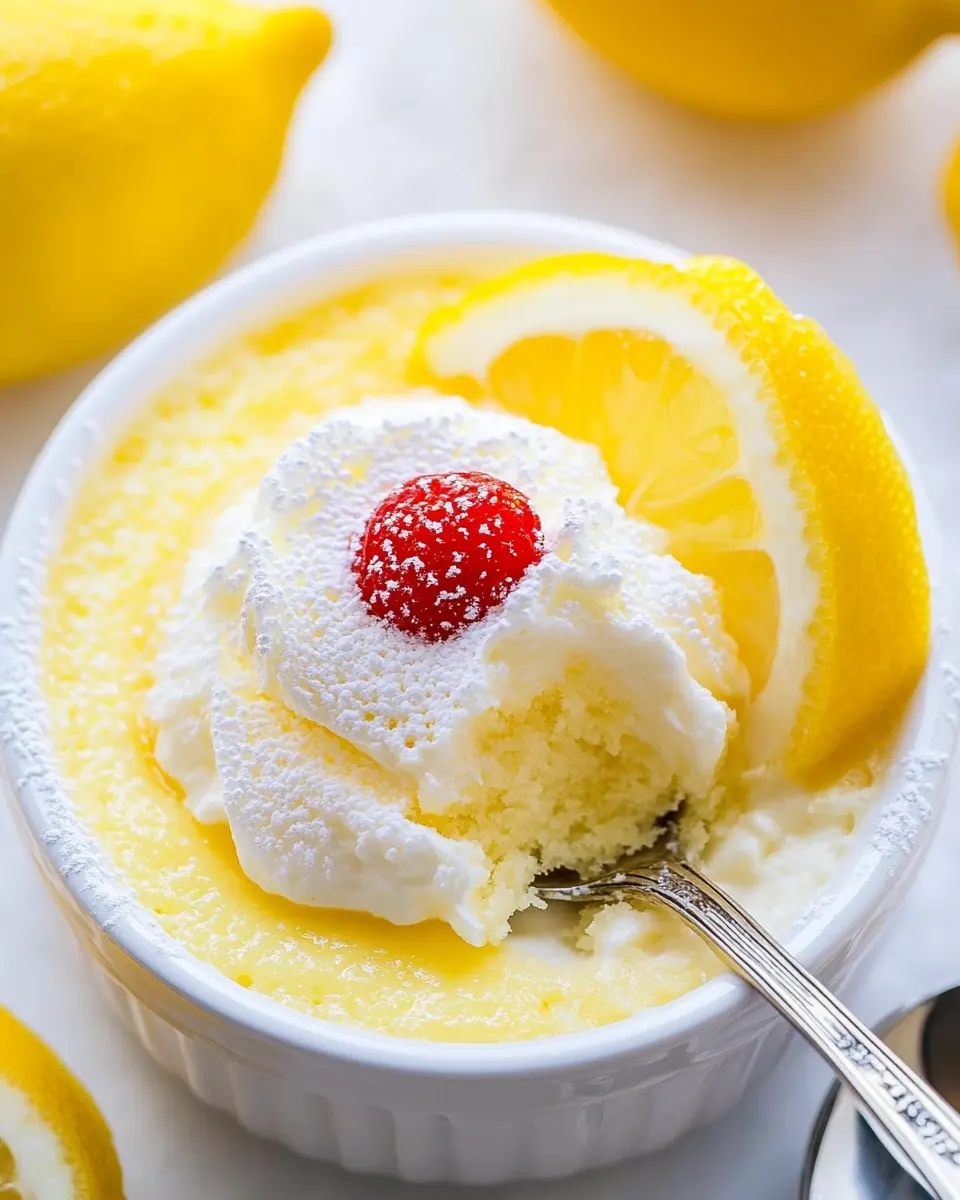
These ingredients come together with a simple purpose: to balance airy lift with creamy body and bright citrus clarity. The key players are the eggs, which provide structure and lift when separated, the lemon juice and lemon zest for brightness, and a modest amount of flour to give the top its cake like stability while allowing the bottom to stay custardy.
- 1 cup granulated sugar: Sweeten the batter and provide structure by caramelizing slightly during baking; helps achieve a tender crumb and balanced flavor when combined with acidic lemon juice.
- 3 tablespoon all purpose flour: Bind and thicken the mixture by contributing gluten for structure; helps stabilize the custard-like pudding and lightly absorb liquids to create the cake layer.
- 3 large eggs (separated): Separate and incorporate for lift and richness: yolks add fat and creaminess while beaten whites aerate the batter to create a light, airy texture in the cake.
- 1/4 cup butter (unsalted, melted): Melt and enrich the batter with fat, promoting a tender mouthfeel and improved flavor; melted unsalted butter also helps distribute richness without adding saltiness.
- 1 tablespoon lemon zest: Brighten with concentrated citrus aroma and essential oils; lemon zest intensifies fresh lemon flavor without increasing acidity or liquid content.
- 1/2 cup lemon juice (freshly squeezed): Acidify and add pronounced citrus flavor while providing liquid; fresh lemon juice balances sweetness and helps set the pudding's custard-like layer.
- 1 1/2 cups milk (2%): Add creaminess and moisture while contributing mild dairy flavor; 2% milk dilutes batter to the proper consistency and supports the custard structure when baked.
Cooking Method for Lemon Pudding Cake
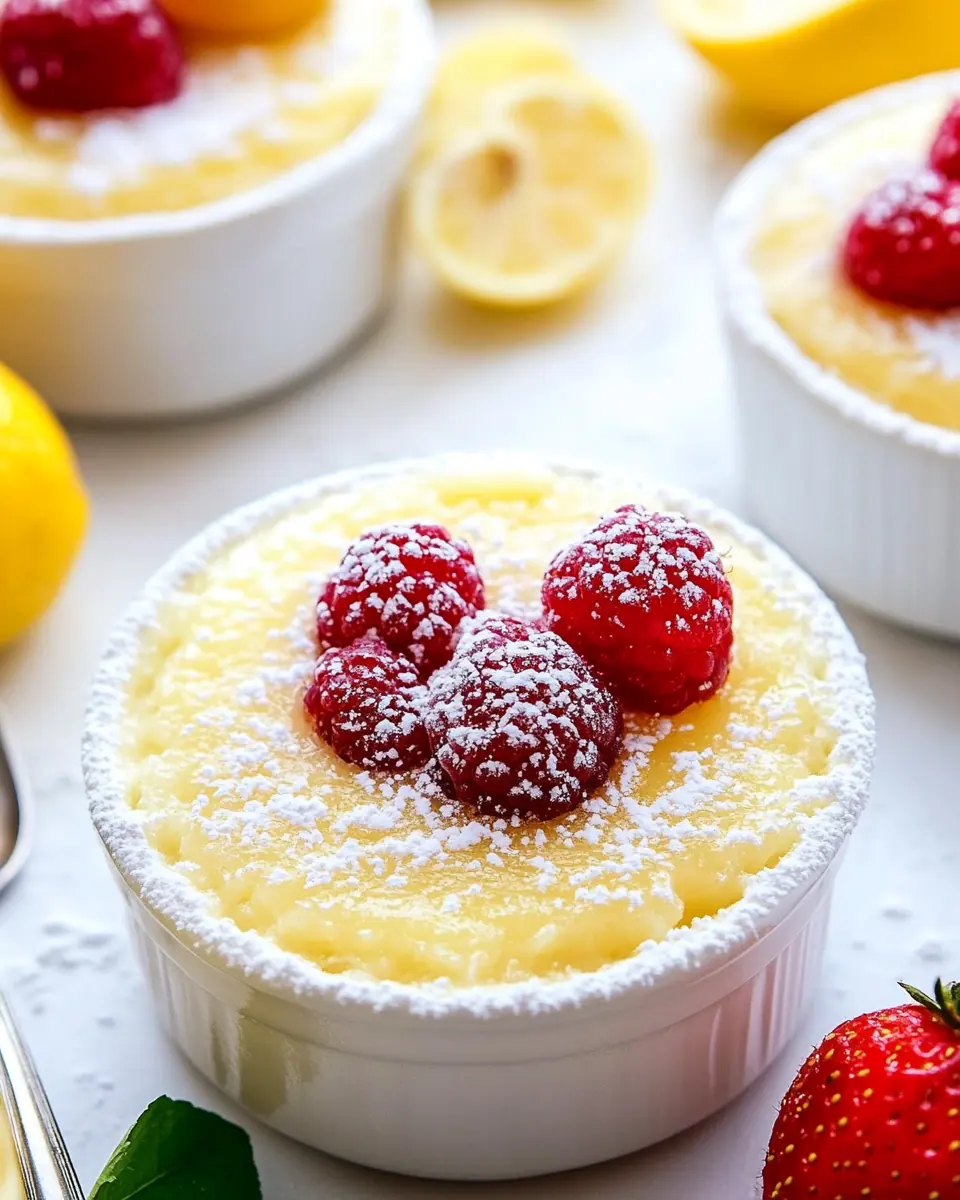
This recipe is forgiving if you pay attention to the small cues. Move at a calm pace when whipping and folding, and be mindful of the water bath that keeps the pudding tender. Below I expand each direction into detailed steps so you’ll know exactly what to expect.
- Prep: Preheat the oven to 350°F (180°C). Butter an 8-inch square glass baking dish, or 6 individually sized ramekins. In bowl, combine together the sugar and flour; set aside.: Preheat the oven to 350°F (180°C). Butter an 8-inch square glass baking dish, or 6 individually sized ramekins. In bowl, combine together the sugar and flour; set aside : The room will smell faintly warm from the oven as it reaches 350°F , a comforting cue that the kitchen is ready. Buttering the dish not only prevents sticking but also encourages even browning around the edges. Combining granulated sugar and all purpose flour upfront ensures the dry ingredients distribute evenly when added to the wet mix later, preventing pockets of flour. As you mix them, listen for the soft whisper of sifted flour, a sign everything is aerated. A common mistake is skimping on greasing the dish, which can make unmolding or serving messy. Also avoid leaving lumps in the dry mix, which will show as gritty bits in the finished pudding.
- Whip the whites: Place egg whites in a medium sized bowl and beat on high speed for 4 to 5 minutes or until stiff peaks form.: Place egg whites in a medium sized bowl and beat on high speed for 4 to 5 minutes or until stiff peaks form : When you beat the egg whites , you'll first notice them go cloudy, then turn glossy as air is incorporated. The sound of the mixer will shift from a watery hum to a firmer, rhythmical thrum as peaks form. Stiff peaks mean the whites hold their shape and do not slump when the beater is lifted, which supplies the structure for the airy top. Temperature matters, so I often use room temperature whites for better volume. Over whipping is a common pitfall, and it leads to dry, grainy whites that collapse; stop as soon as you see stable, shiny peaks.
- Whip the yolks: Add the egg yolks to a medium size bowl and beat on medium-high speed until the yolks are thick and lightened in colour. Add the butter, lemon zest and juice; beat for 1 more minute on medium speed. Alternately beat in flour/sugar mixture and milk, making 5 additions of flour and 4 of milk.: Add the egg yolks to a medium size bowl and beat on medium-high speed until the yolks are thick and lightened in colour. Add the butter, lemon zest and juice; beat for 1 more minute on medium speed. Alternately beat in flour/sugar mixture and milk, making 5 additions of flour and 4 of milk : The egg yolks will transform from dense to pale and slightly ribbon like as air incorporates, offering a silkier mouthfeel. Adding the melted butter now coats the yolks, creating an emulsion that helps the batter remain smooth. When you add the lemon zest and lemon juice , inhale the bright citrus that instantly sharpens the aroma. Alternating small additions of the dry mix and warm milk encourages the batter to come together gradually, preventing lumps and encouraging a silky texture. If you dump everything in at once you risk a curdled or uneven batter. A typical error is adding cold milk straight to hot yolks, which can shock and seize them; temper gently and stir steadily.
- Finish the batter: Fold in the egg whites with a spatula. Transfer to the prepared baking dish or ramekins. Place dish in large shallow roasting pan. Add hot water to half way up side of baking dish or ramekins.: Fold in the egg whites with a spatula. Transfer to the prepared baking dish or ramekins. Place dish in large shallow roasting pan. Add hot water to half way up side of baking dish or ramekins : Folding is where patience shows. Use a wide spatula and a gentle lifting motion to preserve the air in the whipped whites; you want ribbons, not full deflation. The combined batter should look marbled initially then harmonize into a pale, airy mixture. Transferring into the buttered dish, the surface will feel glossy and slightly billowy. Setting the dish inside a shallow roasting pan and adding hot water to come halfway up the sides forms a bain marie, which insulates the custard and prevents abrupt temperature swings that create cracks or tough edges. A mistake here is pouring boiling water too close to the dish rim and splashing batter; pour slowly to avoid disturbing the surface.
- Bake: Bake in the centre of oven for 50 to 55 minutes. If making in ramekins, bake for 35 to 40 minutes until the cakes start to lightly brown on top. Cool for 5 minutes. Top two-thirds will be cake consistency and bottom third will be pudding consistency.: Bake in the centre of oven for 50 to 55 minutes. If making in ramekins, bake for 35 to 40 minutes until the cakes start to lightly brown on top. Cool for 5 minutes. Top two-thirds will be cake consistency and bottom third will be pudding consistency : As the dish bakes, steam will rise from the water bath and the top will gradually set and take on a pale golden hue. You may hear a faint whisper as the surface tightens. When the top springs back slightly to the touch and shows a light tan, the structure is ready; the internal split between cake and pudding is the hallmark of success. Ramekins shorten the time because of their smaller mass, so check them earlier. If you underbake, the top may flop; if you overbake, it becomes dry and loses the luscious pudding below. Allowing a short rest before serving helps the layers settle so the texture reads clearly on the spoon.
- Garnish: These can be served warm or chilled. Sprinkle with powdered sugar and serve with berries.: These can be served warm or chilled. Sprinkle with powdered sugar and serve with berries : Warm servings offer a comforting steam and stronger citrus aroma, while chilling highlights a silkier pudding texture and firmer slice. A dusting of powdered sugar adds a gentle sweet note and a pretty finish, and fresh berries introduce a tart counterpoint and color. When plating, use a gentle hand to keep the top intact. A common slip is attempting to unmold too vigorously, which shatters the delicate top crust; serve directly from the dish or spoon portions instead.
Ways to Adapt This Recipe
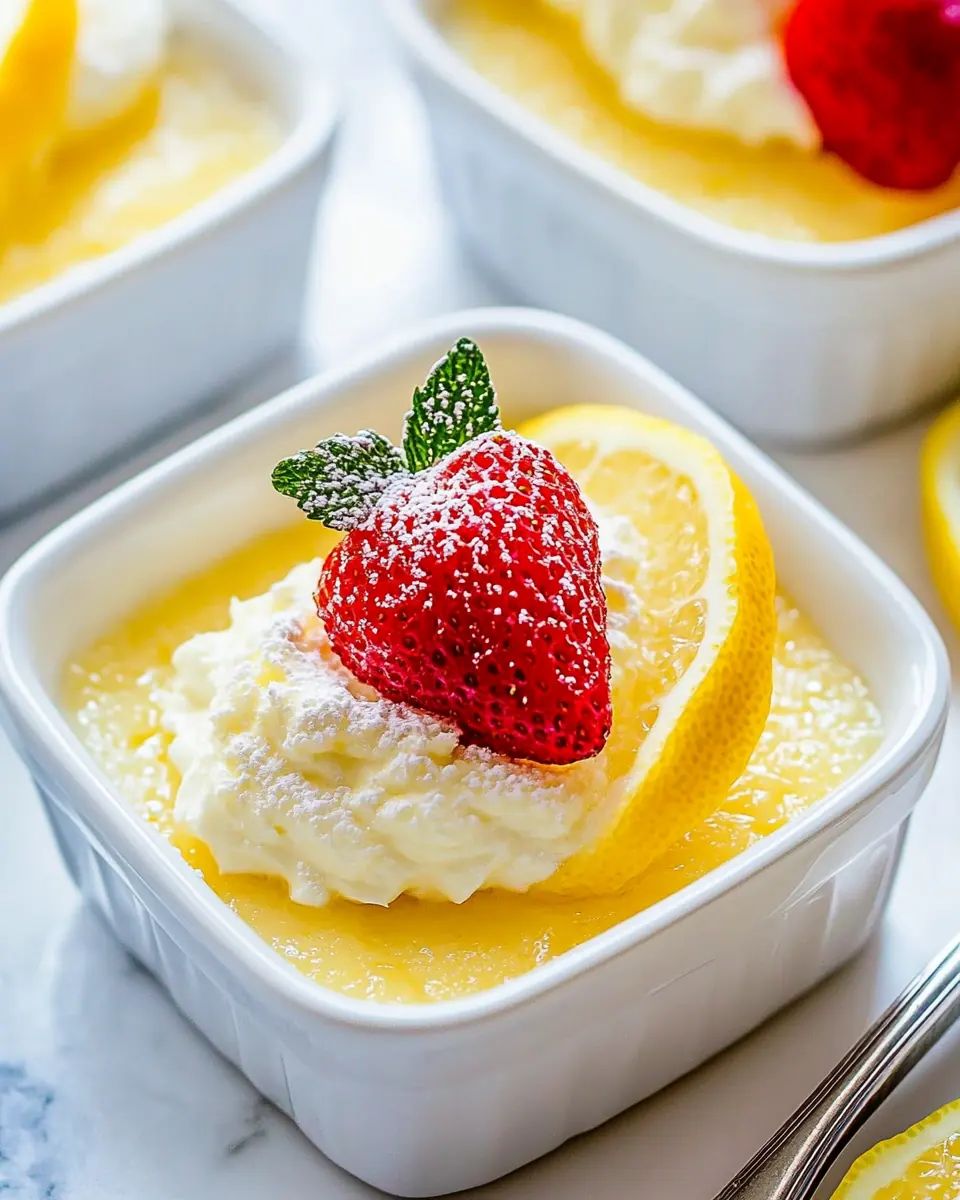
This section expands practical ways to make the Lemon Pudding Cake your own while staying true to its core mechanics. Below are suggestions that respect the technique and flavor balance, each with a clear first phrase to guide you.
- Use full fat milk for a richer pudding — Swapping to whole milk will yield a slightly creamier texture and rounder mouthfeel, especially if you prefer a more custardy bottom. I appreciate the added silk when hosting a cozy dinner, but be mindful that higher fat can slightly shorten baking time because fats conduct heat differently.
- Serve warm for immediate aroma — Offering the cake warm maximizes the lemon scent and gives a more delicate top texture. When I serve it hot from the oven, the contrast between warm cake and cool berries is particularly lovely.
- Chill for a firmer slice — Refrigerating the pudding overnight sets the custard and makes serving neater for gatherings. If you plan ahead, chilling is the best way to present tidy portions.
- Use a fine microplane for zest — Freshly grated lemon zest from a microplane gives the brightest citrus oils without introducing bitter pith. I always zest directly over the bowl to capture the fragrant oils.
- Prepare in individual ramekins for portion control — Baking in ramekins shortens bake time and makes serving effortless for dinner parties. Guests enjoy the personal touch of their own ramekin.
Serve This Lemon Pudding Cake With
Think about contrast and balance when serving the Lemon Pudding Cake. The pudding pairs well with fresh fruit and light garnishes. Below are thoughtful serving ideas and contexts to help you present it beautifully and appropriately for the occasion.
- Fresh berries for brightness — A scattering of raspberries or blueberries on top provides color and a complementary tartness that echoes the lemon. I often toss a few berries with a touch of sugar to macerate them slightly before plating.
- Light dusting of powdered sugar for presentation — A fine dusting adds a touch of elegance and softens the lemon sharpness visually. Use a small sieve and a gentle wrist motion for an even coat.
- Serve warm after a casual weeknight meal — The homey nature of this pudding cake makes it ideal for relaxed dinners where you want a comforting, unfussy dessert.
- Chilled for brunch or afternoon gatherings — When chilled, its neat texture and bright flavor suit daytime events or tea service, pairing nicely with light sandwiches or scones.
- Store in the refrigerator covered for short term — Keep the pudding cake in its baking dish, lightly wrapped, for one to two days. I avoid transferring it to other containers to preserve texture.
- Not recommended for freezing — Because the whipped egg whites create a delicate structure, freezing can cause textural breakdown; enjoy it fresh when possible.
FAQ
Conclusion
This Lemon Pudding Cake shines because of its simple ingredients transformed into a dual textured dessert, with a tender cake top and a silky lemon pudding beneath. I encourage you to give it a try when you want an easy yet impressive finish to a meal, whether warm for cozy nights or chilled for a lighter presentation. It rewards gentle technique and delivers a memorable citrus note that guests will ask about, making it a reliable dessert to keep in your repertoire.
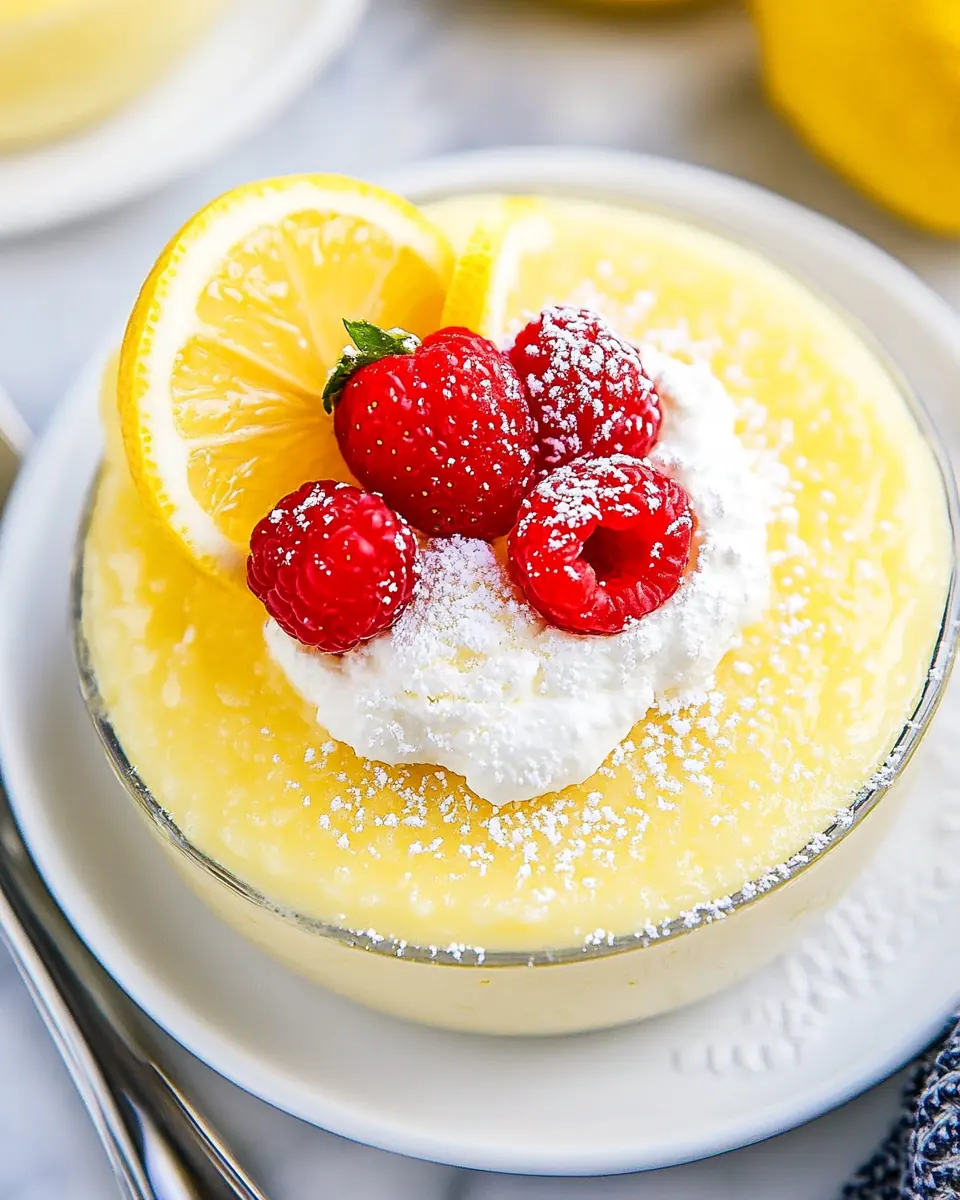
Lemon Pudding Cake
Ingredients
Equipment
Method
- Prep: Preheat the oven to 350°F (180°C). Butter an 8-inch square glass baking dish, or 6 individually sized ramekins. In bowl, combine together the sugar and flour; set aside.: Preheat the oven to 350°F (180°C). Butter an 8-inch square glass baking dish, or 6 individually sized ramekins. In bowl, combine together the sugar and flour; set aside : The room will smell faintly warm from the oven as it reaches 350°F , a comforting cue that the kitchen is ready. Buttering the dish not only prevents sticking but also encourages even browning around the edges. Combining granulated sugar and all purpose flour upfront ensures the dry ingredients distribute evenly when added to the wet mix later, preventing pockets of flour. As you mix them, listen for the soft whisper of sifted flour, a sign everything is aerated. A common mistake is skimping on greasing the dish, which can make unmolding or serving messy. Also avoid leaving lumps in the dry mix, which will show as gritty bits in the finished pudding.
- Whip the whites: Place egg whites in a medium sized bowl and beat on high speed for 4 to 5 minutes or until stiff peaks form.: Place egg whites in a medium sized bowl and beat on high speed for 4 to 5 minutes or until stiff peaks form : When you beat the egg whites , you'll first notice them go cloudy, then turn glossy as air is incorporated. The sound of the mixer will shift from a watery hum to a firmer, rhythmical thrum as peaks form. Stiff peaks mean the whites hold their shape and do not slump when the beater is lifted, which supplies the structure for the airy top. Temperature matters, so I often use room temperature whites for better volume. Over whipping is a common pitfall, and it leads to dry, grainy whites that collapse; stop as soon as you see stable, shiny peaks.
- Whip the yolks: Add the egg yolks to a medium size bowl and beat on medium-high speed until the yolks are thick and lightened in colour. Add the butter, lemon zest and juice; beat for 1 more minute on medium speed. Alternately beat in flour/sugar mixture and milk, making 5 additions of flour and 4 of milk.: Add the egg yolks to a medium size bowl and beat on medium-high speed until the yolks are thick and lightened in colour. Add the butter, lemon zest and juice; beat for 1 more minute on medium speed. Alternately beat in flour/sugar mixture and milk, making 5 additions of flour and 4 of milk : The egg yolks will transform from dense to pale and slightly ribbon like as air incorporates, offering a silkier mouthfeel. Adding the melted butter now coats the yolks, creating an emulsion that helps the batter remain smooth. When you add the lemon zest and lemon juice , inhale the bright citrus that instantly sharpens the aroma. Alternating small additions of the dry mix and warm milk encourages the batter to come together gradually, preventing lumps and encouraging a silky texture. If you dump everything in at once you risk a curdled or uneven batter. A typical error is adding cold milk straight to hot yolks, which can shock and seize them; temper gently and stir steadily.
- Finish the batter: Fold in the egg whites with a spatula. Transfer to the prepared baking dish or ramekins. Place dish in large shallow roasting pan. Add hot water to half way up side of baking dish or ramekins.: Fold in the egg whites with a spatula. Transfer to the prepared baking dish or ramekins. Place dish in large shallow roasting pan. Add hot water to half way up side of baking dish or ramekins : Folding is where patience shows. Use a wide spatula and a gentle lifting motion to preserve the air in the whipped whites; you want ribbons, not full deflation. The combined batter should look marbled initially then harmonize into a pale, airy mixture. Transferring into the buttered dish, the surface will feel glossy and slightly billowy. Setting the dish inside a shallow roasting pan and adding hot water to come halfway up the sides forms a bain marie, which insulates the custard and prevents abrupt temperature swings that create cracks or tough edges. A mistake here is pouring boiling water too close to the dish rim and splashing batter; pour slowly to avoid disturbing the surface.
- Bake: Bake in the centre of oven for 50 to 55 minutes. If making in ramekins, bake for 35 to 40 minutes until the cakes start to lightly brown on top. Cool for 5 minutes. Top two-thirds will be cake consistency and bottom third will be pudding consistency.: Bake in the centre of oven for 50 to 55 minutes. If making in ramekins, bake for 35 to 40 minutes until the cakes start to lightly brown on top. Cool for 5 minutes. Top two-thirds will be cake consistency and bottom third will be pudding consistency : As the dish bakes, steam will rise from the water bath and the top will gradually set and take on a pale golden hue. You may hear a faint whisper as the surface tightens. When the top springs back slightly to the touch and shows a light tan, the structure is ready; the internal split between cake and pudding is the hallmark of success. Ramekins shorten the time because of their smaller mass, so check them earlier. If you underbake, the top may flop; if you overbake, it becomes dry and loses the luscious pudding below. Allowing a short rest before serving helps the layers settle so the texture reads clearly on the spoon.
- Garnish: These can be served warm or chilled. Sprinkle with powdered sugar and serve with berries.: These can be served warm or chilled. Sprinkle with powdered sugar and serve with berries : Warm servings offer a comforting steam and stronger citrus aroma, while chilling highlights a silkier pudding texture and firmer slice. A dusting of powdered sugar adds a gentle sweet note and a pretty finish, and fresh berries introduce a tart counterpoint and color. When plating, use a gentle hand to keep the top intact. A common slip is attempting to unmold too vigorously, which shatters the delicate top crust; serve directly from the dish or spoon portions instead.
Notes
- Use full fat milk for a richer pudding — Swapping to whole milk will yield a slightly creamier texture and rounder mouthfeel, especially if you prefer a more custardy bottom. I appreciate the added silk when hosting a cozy dinner, but be mindful that higher fat can slightly shorten baking time because fats conduct heat differently.
- Serve warm for immediate aroma — Offering the cake warm maximizes the lemon scent and gives a more delicate top texture. When I serve it hot from the oven, the contrast between warm cake and cool berries is particularly lovely.
- Chill for a firmer slice — Refrigerating the pudding overnight sets the custard and makes serving neater for gatherings. If you plan ahead, chilling is the best way to present tidy portions.
- Use a fine microplane for zest — Freshly grated lemon zest from a microplane gives the brightest citrus oils without introducing bitter pith. I always zest directly over the bowl to capture the fragrant oils.
- Prepare in individual ramekins for portion control — Baking in ramekins shortens bake time and makes serving effortless for dinner parties. Guests enjoy the personal touch of their own ramekin.