Low Carb Keto Peanut Butter Cookies
Low Carb Keto Peanut Butter Cookies have been my go to when I need a quick, satisfying treat that fits my low carb lifestyle. The first time I made these cookies I was rushed between meetings and wanted something I could snack on without derailing my macros. I remember the warm, nutty aroma filling my kitchen as the cookies baked, and thinking how simple ingredients can yield something so comforting.
I love how this recipe balances convenience with flavor. There are moments when I want to bake something elaborate, and other times when I crave straightforward baking that still feels a little indulgent. These cookies hit that sweet spot. Every batch I make changes slightly based on the peanut butter I have on hand, and I enjoy experimenting with the texture from crunchy to smoother bites. Friends who do not follow low carb diets still reach for seconds, which always makes me smile.
Recipe Snapshot
15 mins
5 mins
10 mins
Medium
150 kcal
American
Keto, Gluten-Free
Desserts
Baking sheet, Mixing bowl, Fork, Cookie scoop, Wire rack
What Sets This Low Carb Keto Peanut Butter Cookies Apart
The joy of simplicity
I adore that Low Carb Keto Peanut Butter Cookies require minimal fuss. With only a handful of ingredients, I can pull them together in minutes, and the result is a satisfyingly textured cookie. This simplicity makes baking approachable, even on busy days, and I often toss the ingredients together while a pot simmers for dinner.
Perfect for low carb life
These cookies fit cleanly into a ketogenic plan without feeling like a compromise. Using a granulated sweetener keeps them sweet without the carbs, and the peanut butter provides fat and flavor that feels indulgent. When I want a snack that won’t spike my blood sugar, these are my reliable choice.
Flavor and texture contrast
Crunchy peanut butter gives a lovely bite, while the optional cinnamon adds warmth. I appreciate the way the fork-pressed criss cross creates thin edges that bake up slightly crisp, while the center can stay tender depending on bake time. That contrast keeps each cookie interesting.
Flexible and forgiving
I value recipes that forgive little mistakes. The dough is forgiving if you overmix a touch, and the bake time range from soft to crunchy lets you decide your preference. I usually err on the side of slightly underbaked for chewier results, but both ways are good. This adaptability makes them a kitchen staple.
Snackable and shareable
Finally, these cookies are easy to portion and store, so I make them for gatherings or to keep at home for quick snacking. They travel well, and I like how friends are surprised they are low carb. Making a double batch is often the smart move if you expect company.
Ingredients Required for Low Carb Keto Peanut Butter Cookies
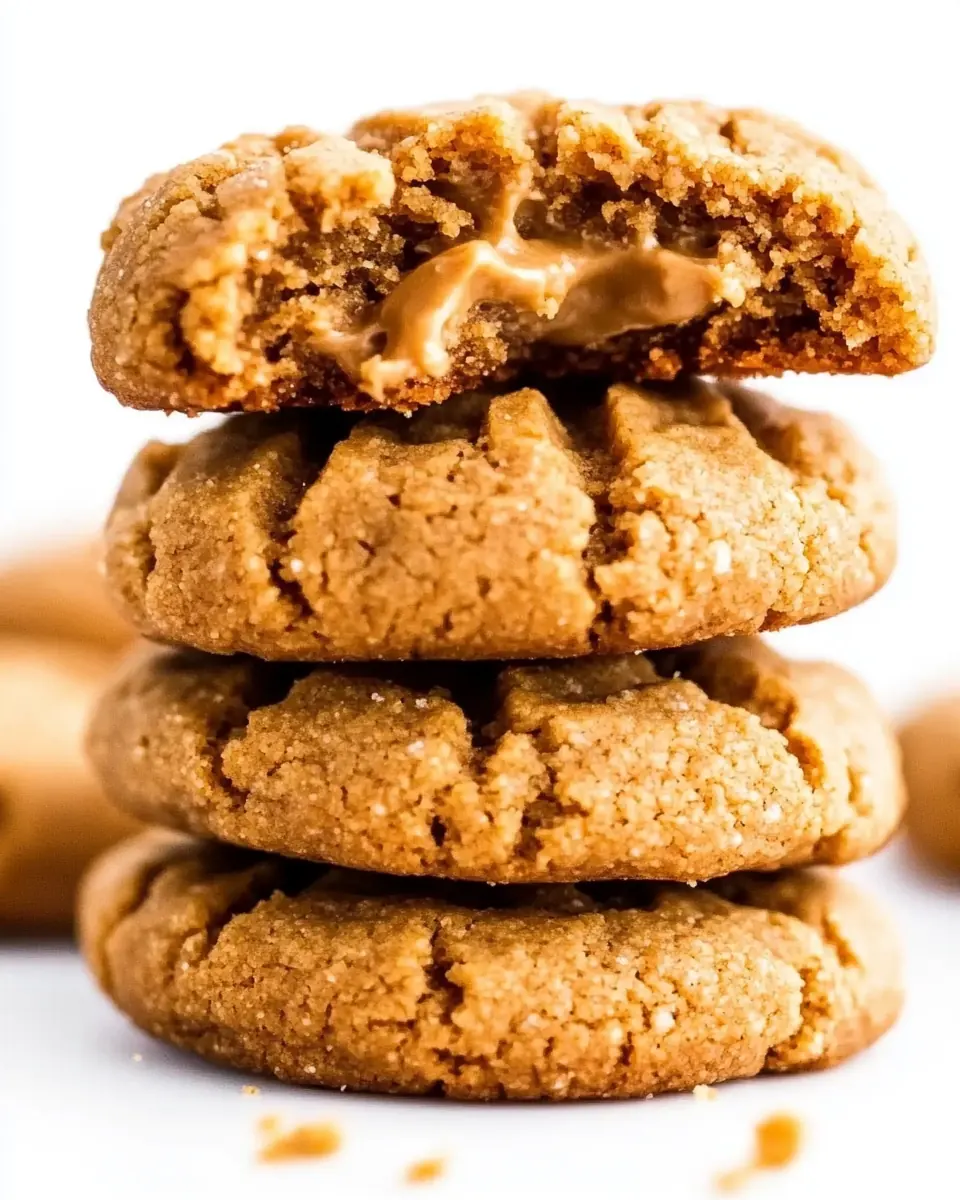
These ingredients are chosen to produce a bold peanut forward cookie that stays low in carbs. The list focuses on a few key players that bring structure, sweetness, and seasoning. Together they deliver a cookie that is nutty, slightly salty, and easy to adapt based on texture preferences.
- 1 cup crunchy peanut butter (100% peanuts) (250 g): Provides creamy texture and rich nutty flavor while acting as the primary fat and binder for the cookies; use a 100% peanut butter for best keto compliance. Adds moisture and helps create the classic peanut butter cookie crumb without flour. Contributes to satiety and fat content important in low-carb diets.
- 1/2 cup granulated sweetener (100 g): Adds sweetness without raising net carbs, dissolving into the batter to balance peanut butter's savory notes. Choose a granulated erythritol or monk fruit blend for good texture and minimal aftertaste. Helps with browning and crisp exterior when baked.
- 1 egg large: Binds ingredients together and contributes structure and slight lift from coagulated proteins during baking, producing a tender yet cohesive cookie. Adds moisture and richness that complements the peanut butter. Helps create the characteristic chewy interior.
- pinch of sea salt: Enhances and balances overall flavor by cutting through richness and accentuating sweetness; a small pinch sharpens taste and rounds savory notes. May also slightly promote browning. Important even in tiny amounts to prevent flat flavor.
- 1/2 teaspoon cinnamon (optional): Imparts warm, aromatic notes and subtle complexity when used, pairing well with peanut and sweetener for a cozy flavor profile. Optional addition elevates taste without adding carbs. Use sparingly to avoid overpowering the peanut butter.
Putting Together Low Carb Keto Peanut Butter Cookies
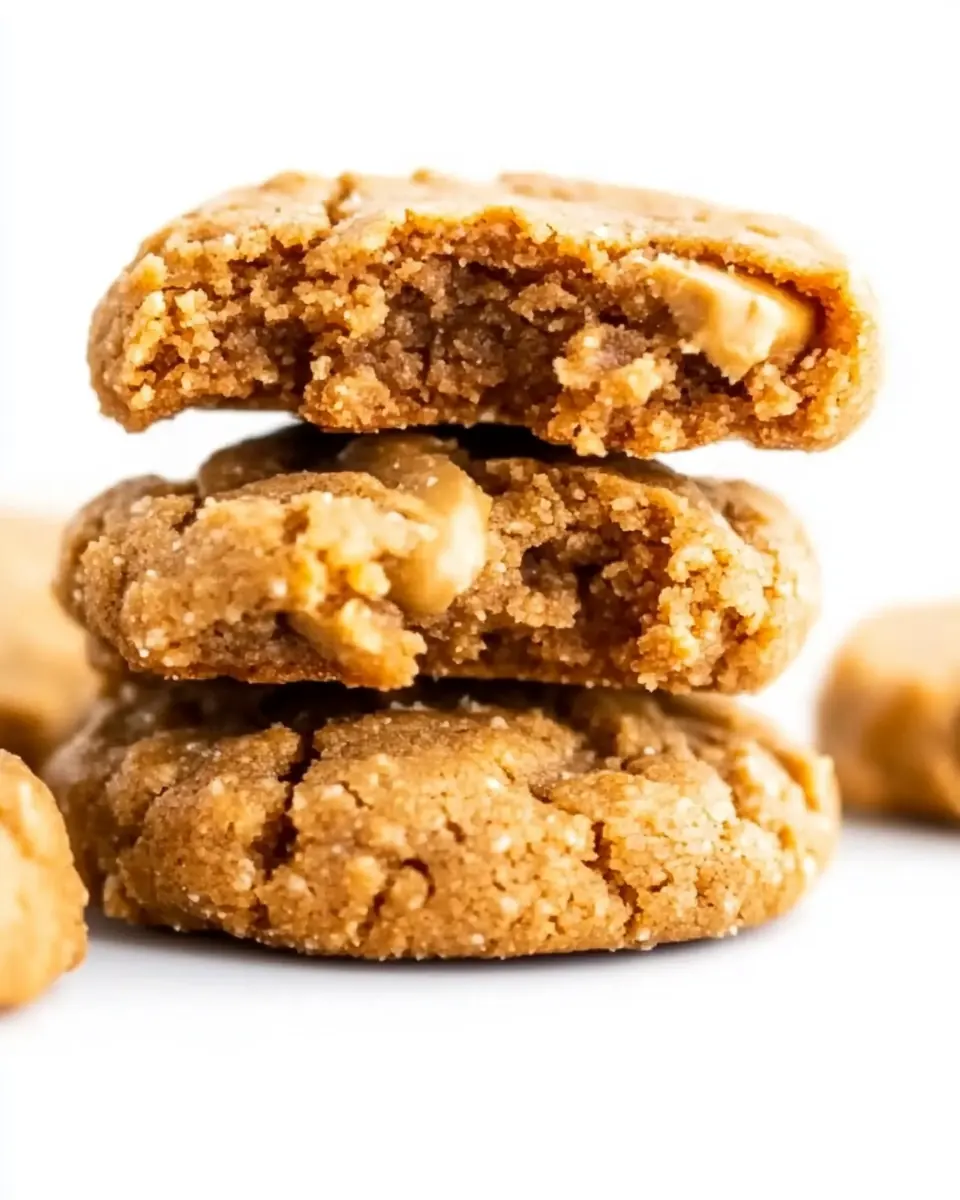
These instructions move from preheating to cooling, and the method is so straightforward I often chat while the cookies bake. Follow the sequence and pay attention to visual cues and aroma to hit the texture you prefer.
- Preheat oven to 180 Celsius / 350 Fahrenheit.: You will notice the air in the oven warming and the scent of residual oil from previous bakes, which signals the environment is ready. Preheating matters because it ensures the cookies start baking immediately on contact, creating those crisper edges and set centers. If you skip preheating, the cookies can spread too much and become flat. A common mistake is relying on the oven light to judge temperature instead of actually preheating, so give the oven time to reach the target.
- Put all ingredients in a bowl and mix with a fork.: The dough will smell intensely of roasted peanuts right away, and the fork's scraping gives a slightly chunky texture from the peanut butter . Mixing with a fork preserves some of the crunchy bits which become textural highlights when baked. It's important not to overwork the dough, because overmixing can make the cookies tough. Avoid using an electric mixer at high speed, which can incorporate too much air and change the rise and texture.
- Roll small balls of dough (about 15 g each) with your hands (or use a small cookie scoop) and flatten them on a baking sheet.: When you roll the dough, it will feel slightly oily and pliable, and you will see the tiny peanut pieces. Flattening creates an even surface so cookies bake uniformly. Using a standard scoop keeps sizes consistent, which helps with even baking. A frequent error is making uneven sizes, which leads to some cookies burning while others are undercooked, so try to keep them similar in weight.
- Wet a fork and press on cookies to create a criss cross pattern.: Pressing with a wet fork produces a clean imprint and prevents sticking, and it crushes peanut bits into the surface so they toast nicely. The pattern also slightly thins the cookie at the top edges, helping those areas become crisp faster. If the fork is dry, it will drag and tear the cookie, so keep it lightly moistened. Resist pressing too hard, as overly thin cookies can overbake quickly.
- Bake 8 – 10 minutes, until the edges are firm. (8 minutes = soft centre, 10 minutes = overall crunchy): As they bake, watch for the aroma of roasted nuts and a faint caramelizing scent from the sweetener. At around 8 minutes the centers will look set but tender while 10 minutes yields a more uniformly crisp cookie. This time controls texture, so choose based on your preference. A common mistake is opening the oven frequently, which causes temperature dips and uneven baking, so check through the oven light when possible.
- Let cool completely before eating. They are very soft when just out of the oven, but will become crunchy once cooled.: When you remove them, the cookies may feel very soft and slightly fragile, but as they cool they firm up and crisp. Cooling allows the structure to set and the oils to redistribute, improving mouthfeel. Eating too soon often results in cookies that crumble or feel doughy, so patience is rewarded. If you want a quicker cool, transfer them to a wire rack, but avoid stacking warm cookies which traps steam and softens them.
- Store in an airtight container.: Proper storage preserves both texture and flavor, keeping cookies crisp when cool. You'll notice that in an airtight container at room temperature they maintain their crunch for days. Leaving them exposed can cause them to stale or absorb odors, so seal them well. A common oversight is storing warm cookies, which creates condensation and makes them soggy, so ensure they are fully cooled before sealing.
Make It Your Own
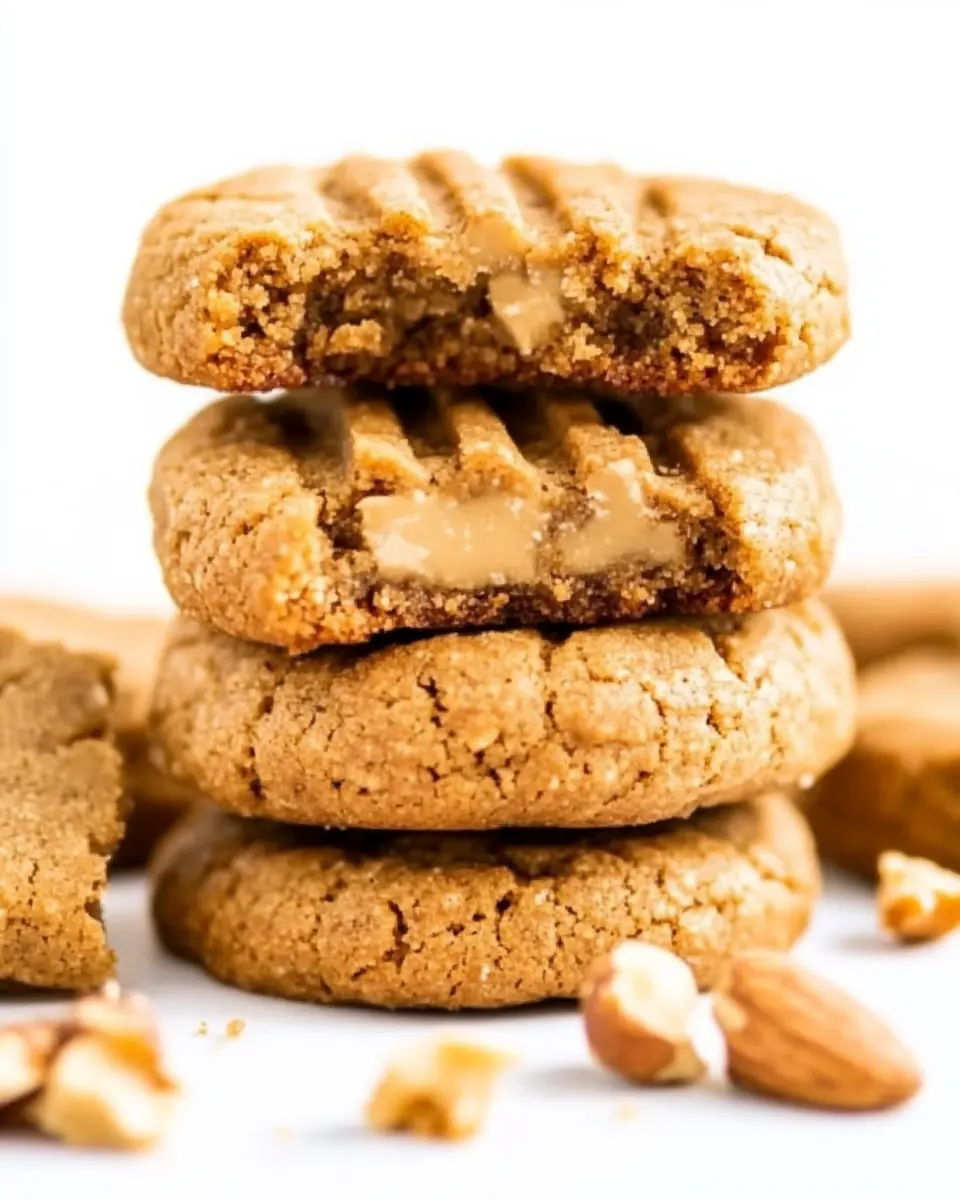
These tips help you personalize texture, flavor, and storage. Small changes in technique or ingredient choice make noticeable differences, so experiment and trust your senses.
- Choose your peanut butter, crunchy for texture or smooth for a tender cookie, but make sure it contains only peanuts so the carb count stays accurate and the flavor stays pure.
- Adjust bake time, aiming for 8 minutes for a softer center and 10 minutes for a crisp cookie, and watch the edges for firming as your best cue.
- Weigh dough balls, about 15 g each, for consistent size which ensures even baking and predictable results across batches.
- Salt finish, sprinkle a tiny bit of sea salt on top before baking to heighten contrast between sweetener and peanut, creating that craveable sweet and salty note.
- Make ahead and freeze, shape the dough into balls and freeze on a tray, then bake from frozen adding a minute or two to the bake time for fresh cookies anytime.
- Storing tip, keep in an airtight container at room temperature for up to a week, or freeze baked cookies for longer storage without losing texture.
Serving Ideas for Low Carb Keto Peanut Butter Cookies
These cookies are versatile for snacks, packed lunches, and gatherings. They travel well, pair nicely with coffee, and make a simple dessert for special occasions.
- Casual snack, serve a few with a cup of coffee or tea for a mid afternoon pick me up that satisfies sweet cravings without derailing nutrition goals.
- Packable treat, include in a lunchbox or snack bag for on the go energy, they are sturdy and do not require refrigeration for short trips.
- Occasion friendly, bring them to a potluck labeled low carb, they are often a surprising hit even among non keto guests.
- Seasonal pairing, add the optional cinnamon in cooler months for a cozy twist, or leave it out in summer for a straightforward peanut profile.
- Storage tips, keep at room temperature in an airtight container for up to a week, or freeze for longer keeping them layered between parchment to prevent sticking.
- Serving size, offer one to two cookies per person for balanced snacking, and label portions clearly if you are tracking macros.
FAQ
Conclusion
These Low Carb Keto Peanut Butter Cookies are special because they deliver rich, nut forward flavor with minimal ingredients and fuss. Give them a try when you want a quick, satisfying snack that fits a low carb plan, and I think you will be pleasantly surprised by how simple ingredients can feel indulgent. They are forgiving, portable, and versatile, making them an easy recipe to return to, personalize, and enjoy often.
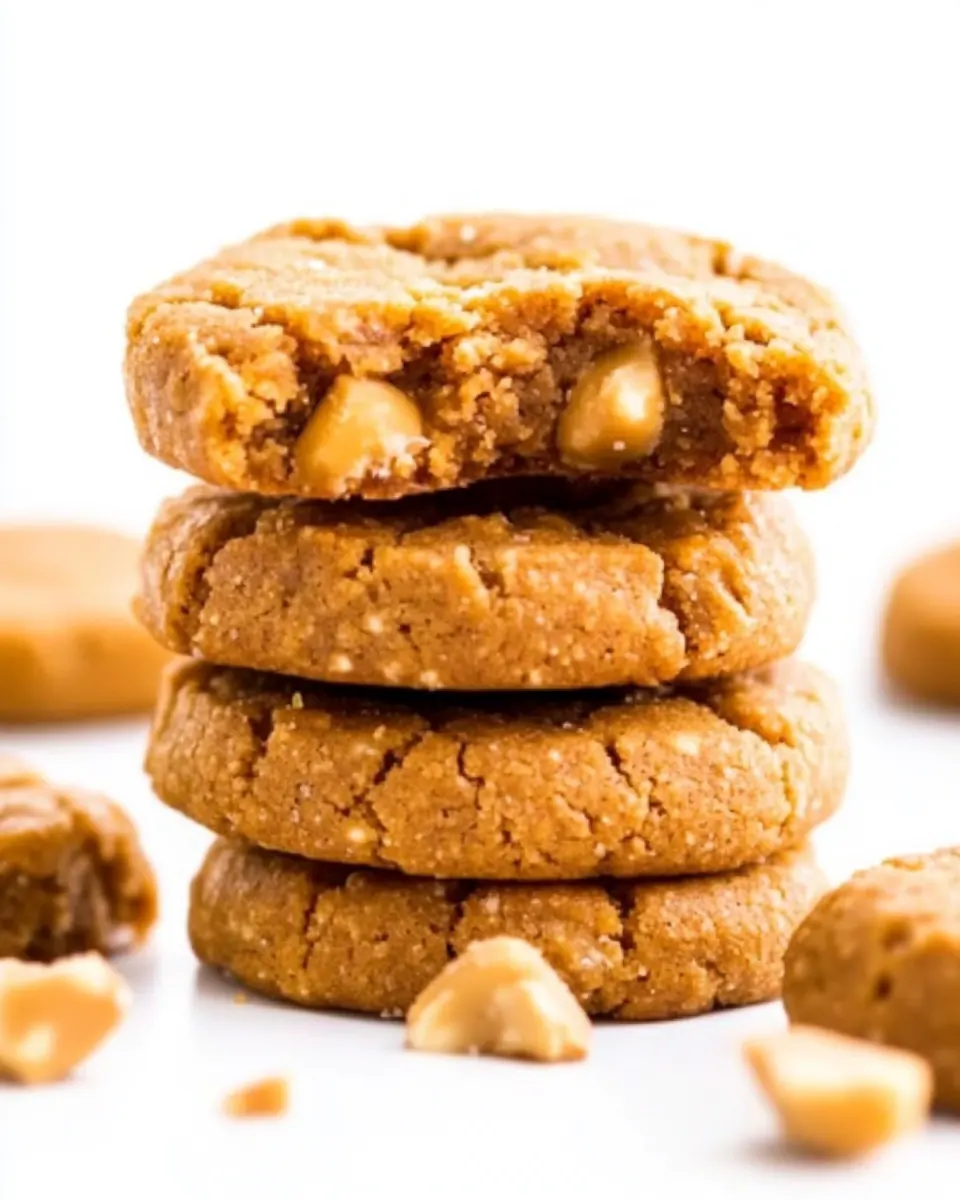
Low Carb Keto Peanut Butter Cookies
Ingredients
Equipment
Method
- Preheat oven to 180 Celsius / 350 Fahrenheit.: You will notice the air in the oven warming and the scent of residual oil from previous bakes, which signals the environment is ready. Preheating matters because it ensures the cookies start baking immediately on contact, creating those crisper edges and set centers. If you skip preheating, the cookies can spread too much and become flat. A common mistake is relying on the oven light to judge temperature instead of actually preheating, so give the oven time to reach the target.
- Put all ingredients in a bowl and mix with a fork.: The dough will smell intensely of roasted peanuts right away, and the fork's scraping gives a slightly chunky texture from the peanut butter . Mixing with a fork preserves some of the crunchy bits which become textural highlights when baked. It's important not to overwork the dough, because overmixing can make the cookies tough. Avoid using an electric mixer at high speed, which can incorporate too much air and change the rise and texture.
- Roll small balls of dough (about 15 g each) with your hands (or use a small cookie scoop) and flatten them on a baking sheet.: When you roll the dough, it will feel slightly oily and pliable, and you will see the tiny peanut pieces. Flattening creates an even surface so cookies bake uniformly. Using a standard scoop keeps sizes consistent, which helps with even baking. A frequent error is making uneven sizes, which leads to some cookies burning while others are undercooked, so try to keep them similar in weight.
- Wet a fork and press on cookies to create a criss cross pattern.: Pressing with a wet fork produces a clean imprint and prevents sticking, and it crushes peanut bits into the surface so they toast nicely. The pattern also slightly thins the cookie at the top edges, helping those areas become crisp faster. If the fork is dry, it will drag and tear the cookie, so keep it lightly moistened. Resist pressing too hard, as overly thin cookies can overbake quickly.
- Bake 8 - 10 minutes, until the edges are firm. (8 minutes = soft centre, 10 minutes = overall crunchy): As they bake, watch for the aroma of roasted nuts and a faint caramelizing scent from the sweetener. At around 8 minutes the centers will look set but tender while 10 minutes yields a more uniformly crisp cookie. This time controls texture, so choose based on your preference. A common mistake is opening the oven frequently, which causes temperature dips and uneven baking, so check through the oven light when possible.
- Let cool completely before eating. They are very soft when just out of the oven, but will become crunchy once cooled.: When you remove them, the cookies may feel very soft and slightly fragile, but as they cool they firm up and crisp. Cooling allows the structure to set and the oils to redistribute, improving mouthfeel. Eating too soon often results in cookies that crumble or feel doughy, so patience is rewarded. If you want a quicker cool, transfer them to a wire rack, but avoid stacking warm cookies which traps steam and softens them.
- Store in an airtight container.: Proper storage preserves both texture and flavor, keeping cookies crisp when cool. You'll notice that in an airtight container at room temperature they maintain their crunch for days. Leaving them exposed can cause them to stale or absorb odors, so seal them well. A common oversight is storing warm cookies, which creates condensation and makes them soggy, so ensure they are fully cooled before sealing.
Notes
- Choose your peanut butter, crunchy for texture or smooth for a tender cookie, but make sure it contains only peanuts so the carb count stays accurate and the flavor stays pure.
- Adjust bake time, aiming for 8 minutes for a softer center and 10 minutes for a crisp cookie, and watch the edges for firming as your best cue.
- Weigh dough balls, about 15 g each, for consistent size which ensures even baking and predictable results across batches.
- Salt finish, sprinkle a tiny bit of sea salt on top before baking to heighten contrast between sweetener and peanut, creating that craveable sweet and salty note.
- Make ahead and freeze, shape the dough into balls and freeze on a tray, then bake from frozen adding a minute or two to the bake time for fresh cookies anytime.
- Storing tip, keep in an airtight container at room temperature for up to a week, or freeze baked cookies for longer storage without losing texture.