Preheat oven to 180 Celsius / 350 Fahrenheit.: You will notice the air in the oven warming and the scent of residual oil from previous bakes, which signals the environment is ready. Preheating matters because it ensures the cookies start baking immediately on contact, creating those crisper edges and set centers. If you skip preheating, the cookies can spread too much and become flat. A common mistake is relying on the oven light to judge temperature instead of actually preheating, so give the oven time to reach the target.
Put all ingredients in a bowl and mix with a fork.: The dough will smell intensely of roasted peanuts right away, and the fork's scraping gives a slightly chunky texture from the peanut butter . Mixing with a fork preserves some of the crunchy bits which become textural highlights when baked. It's important not to overwork the dough, because overmixing can make the cookies tough. Avoid using an electric mixer at high speed, which can incorporate too much air and change the rise and texture.
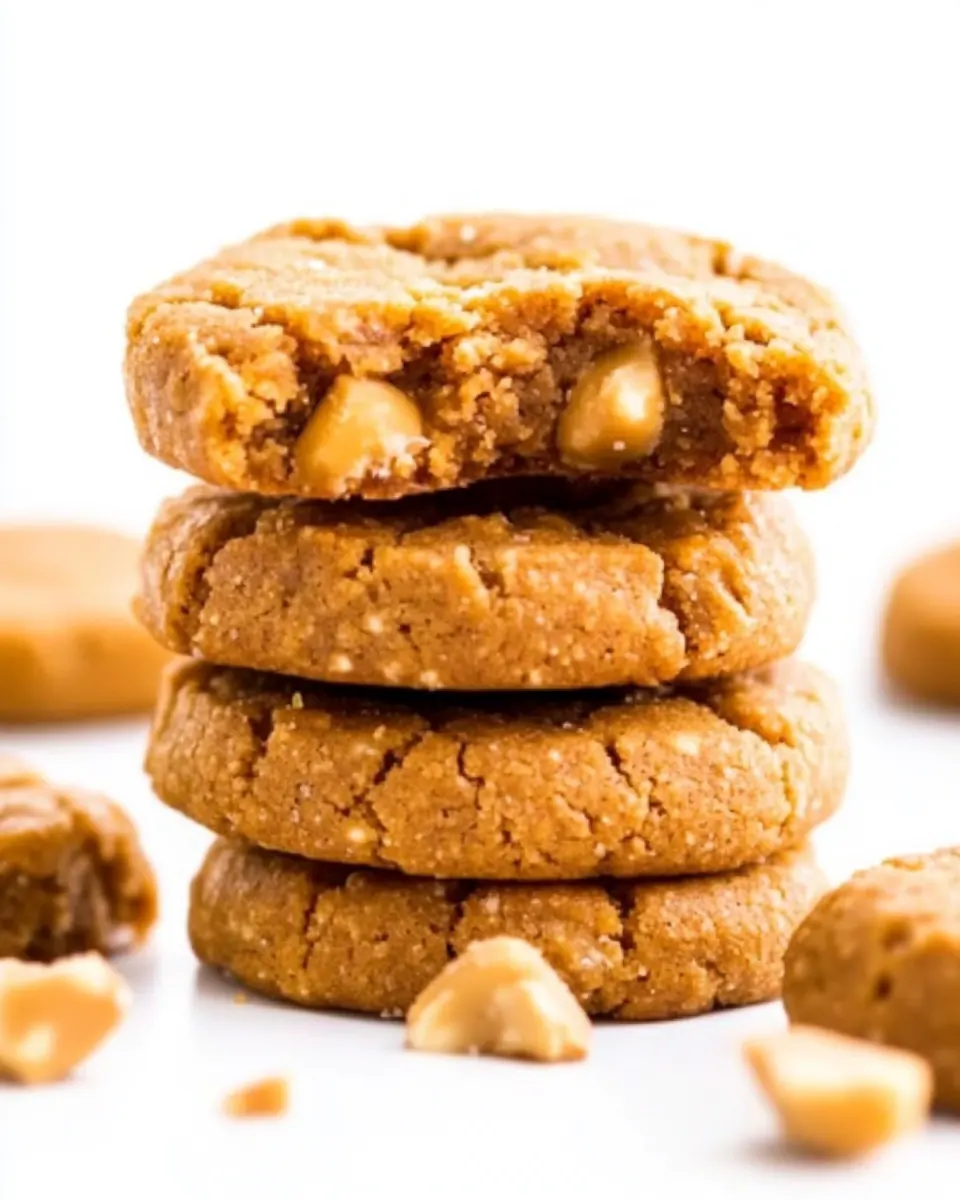
Roll small balls of dough (about 15 g each) with your hands (or use a small cookie scoop) and flatten them on a baking sheet.: When you roll the dough, it will feel slightly oily and pliable, and you will see the tiny peanut pieces. Flattening creates an even surface so cookies bake uniformly. Using a standard scoop keeps sizes consistent, which helps with even baking. A frequent error is making uneven sizes, which leads to some cookies burning while others are undercooked, so try to keep them similar in weight.
Wet a fork and press on cookies to create a criss cross pattern.: Pressing with a wet fork produces a clean imprint and prevents sticking, and it crushes peanut bits into the surface so they toast nicely. The pattern also slightly thins the cookie at the top edges, helping those areas become crisp faster. If the fork is dry, it will drag and tear the cookie, so keep it lightly moistened. Resist pressing too hard, as overly thin cookies can overbake quickly.
Bake 8 - 10 minutes, until the edges are firm. (8 minutes = soft centre, 10 minutes = overall crunchy): As they bake, watch for the aroma of roasted nuts and a faint caramelizing scent from the sweetener. At around 8 minutes the centers will look set but tender while 10 minutes yields a more uniformly crisp cookie. This time controls texture, so choose based on your preference. A common mistake is opening the oven frequently, which causes temperature dips and uneven baking, so check through the oven light when possible.
Let cool completely before eating. They are very soft when just out of the oven, but will become crunchy once cooled.: When you remove them, the cookies may feel very soft and slightly fragile, but as they cool they firm up and crisp. Cooling allows the structure to set and the oils to redistribute, improving mouthfeel. Eating too soon often results in cookies that crumble or feel doughy, so patience is rewarded. If you want a quicker cool, transfer them to a wire rack, but avoid stacking warm cookies which traps steam and softens them.
Store in an airtight container.: Proper storage preserves both texture and flavor, keeping cookies crisp when cool. You'll notice that in an airtight container at room temperature they maintain their crunch for days. Leaving them exposed can cause them to stale or absorb odors, so seal them well. A common oversight is storing warm cookies, which creates condensation and makes them soggy, so ensure they are fully cooled before sealing.