Meatloaf Casserole
Meatloaf Casserole has been my go to when a weeknight needs comforting and practical food that feeds a crowd without fuss.
I first made Meatloaf Casserole on a snowy evening, with the oven warming the whole house while I chopped onions and stirred the glaze. There was a steady rhythm to the prep that felt like therapy, and the scent of browned ground beef and tangy ketchup filled the kitchen. My family gathered around the table, and the casserole proved soothing, filling, and unfussy in a way that leftover sandwiches rarely match.
Over the years I have tweaked small things, noting how a little milk makes the meat tender, and how mashed potatoes on top keep the interior moist while finishing with a golden, cheesy top. I love recipes that let me chat with guests instead of babysitting pots, and this one gives me that freedom while landing on the table with warmth and nostalgia. When I serve it, people always ask for the recipe, and that sense of handing over something reliable makes me smile.
Recipe Snapshot
1 hr 20 mins
20 mins
60 mins
Medium
350 kcal
American
Gluten-Free, Low FODMAP
Dinner
13 x 9 x 2 inch baking dish, Mixing bowl, Small bowl, Aluminum foil
What We Adore About This Meatloaf Casserole
Comforting and Familiar
I find that Meatloaf Casserole brings immediate comfort because it combines the best parts of meatloaf and shepherd style bakes into one pan. The texture contrast between the seasoned ground beef base and the creamy mashed potatoes topping creates a familiar dish that feels like home every time.
Hands Off, Crowd Friendly
I love that this dish scales well. Once assembled it bakes in one dish, freeing me to tend to sides or relax with guests. It serves a family or a small gathering easily, and leftovers reheat beautifully for a next day meal.
Layered Flavor, Simple Ingredients
The recipe uses pantry staples like Italian bread crumbs, Worcestershire sauce, and ketchup, which come together to build depth without complicated steps. That sweet and tangy glaze with a touch of balsamic vinegar and brown sugar caramelizes on top, giving an extra layer of flavor that elevates simple ingredients.
Textural Contrast
I appreciate how the creamy mashed potatoes and melted cheddar cheese form a soft, rich crown over the seasoned meat. The cheese browns and bubbles around the edges, adding a stretchy, savory finish that kids and adults both love.
Reliable Techniques
There is comfort in dependable steps. Mixing the meat thoughtfully without overworking it prevents toughness, and pressing the meat evenly into the dish ensures even cooking. These small techniques produce consistent results that I trust whenever time is limited.
Ingredients Required for Meatloaf Casserole
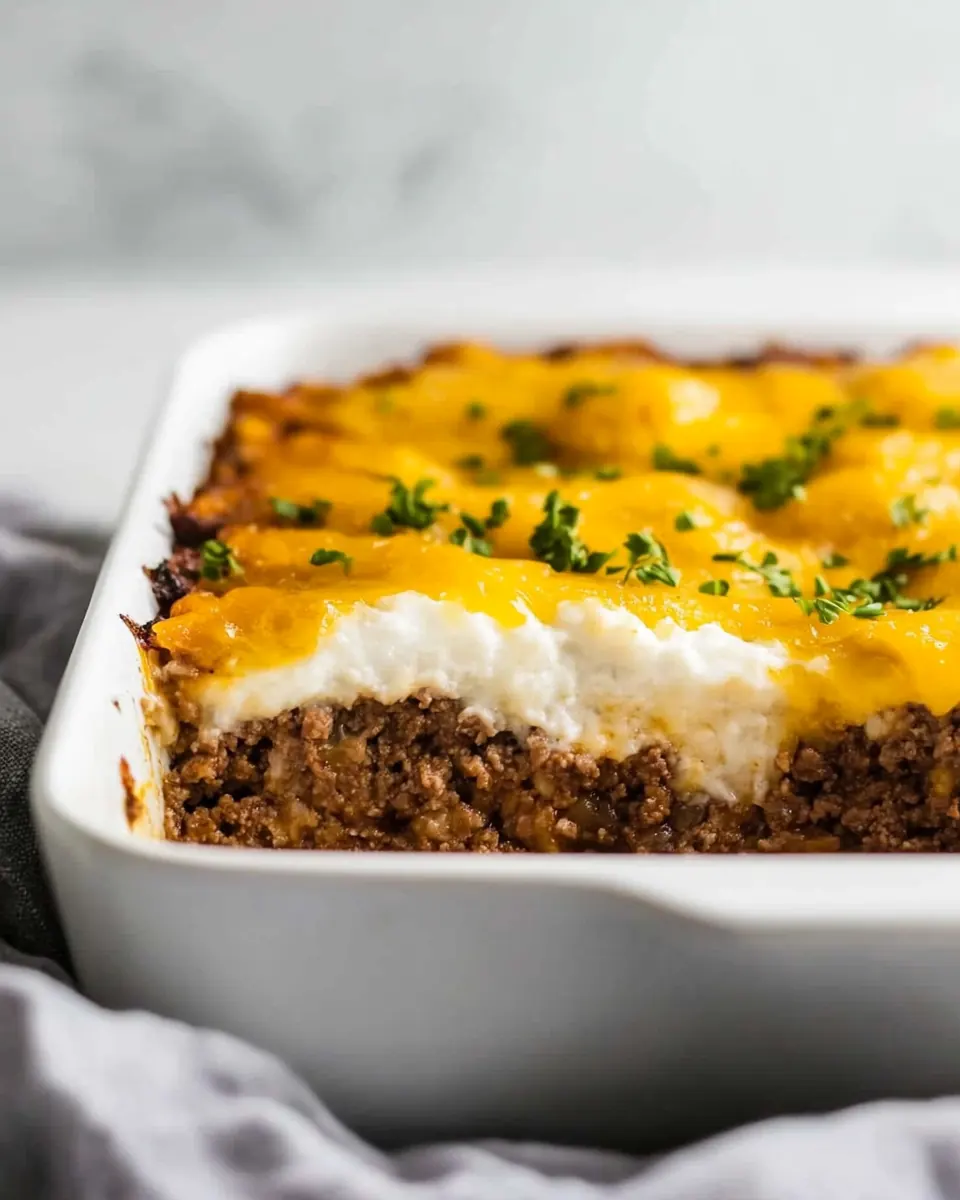
These ingredients form a classic, no fuss casserole that balances savory protein, aromatics, binder elements, and a rich topping. Each item plays a part: the ground beef provides the hearty core, the Italian bread crumbs and eggs bind and tenderize, and the mashed potatoes and cheddar cheese finish the dish with creaminess and melt.
- 2 pounds lean ground beef: Provide a hearty, protein-rich base that binds and gives structure to the casserole while delivering savory flavor and moisture when cooked through.
- 1/2 cup diced onion: Add a mild, sweet aromatic element that softens during cooking, contributing moisture and a subtle savory-sweet backbone to the meat mixture.
- 3 tablespoons fresh parsley chopped: Bring fresh, herbaceous brightness and a hint of peppery green flavor that lifts the richness of the beef and balances heavier elements.
- 3/4 cup Italian bread crumbs: Contribute bulk and texture while absorbing moisture to help bind the meatloaf; add a subtle savory crumbly bite and gentle toasty notes when baked.
- 1/2 cup milk: Introduce creaminess and moisture to the meat mixture, softening breadcrumbs and ensuring a tender, cohesive final texture without drying out.
- 2 tablespoons Worcestershire sauce: Deliver deep umami and tangy savory complexity that heightens the beef’s flavor and complements the sweet and acidic components of the casserole.
- 2 large eggs: Provide structure and additional binding to help the casserole hold together, while adding richness from the yolks to enhance overall texture.
- 1 teaspoon garlic powder: Impart concentrated savory garlic flavor without adding moisture; help season the meat mixture evenly and contribute depth to the overall profile.
- 1/2 teaspoon salt: Season the mixture to bring out flavors and balance richness; help control overall taste so the casserole isn’t flat or overly bland.
- 1/4 teaspoon black pepper: Add a mild heat and peppery lift that brightens the savory elements and balances sweetness from other components without overwhelming the dish.
- 3/4 cup ketchup: Contribute tangy-sweet tomato flavor to the top layer and interior, creating a glossy, slightly acidic component that complements the beef.
- 3 tablespoons balsamic vinegar: Introduce a complex, slightly sweet acidity that sharpens flavors and adds depth to glazes or sauces accompanying the meatloaf.
- 3 tablespoons brown sugar: Provide caramel-like sweetness and molasses notes that round out the glaze, creating a balanced sweet-savory finish when combined with ketchup and vinegar.
- 4 cups store-bought or Homemade mashed potatoes: Offer a smooth, buttery, and starchy topping that adds comfort and creaminess; helps mellow strong flavors and gives the casserole a hearty finish.
- 1 cup shredded cheddar cheese: Add a salty, sharp, melty finish that creates a golden, flavorful crust and enhances overall richness when sprinkled over the top.
Instructions for Meatloaf Casserole
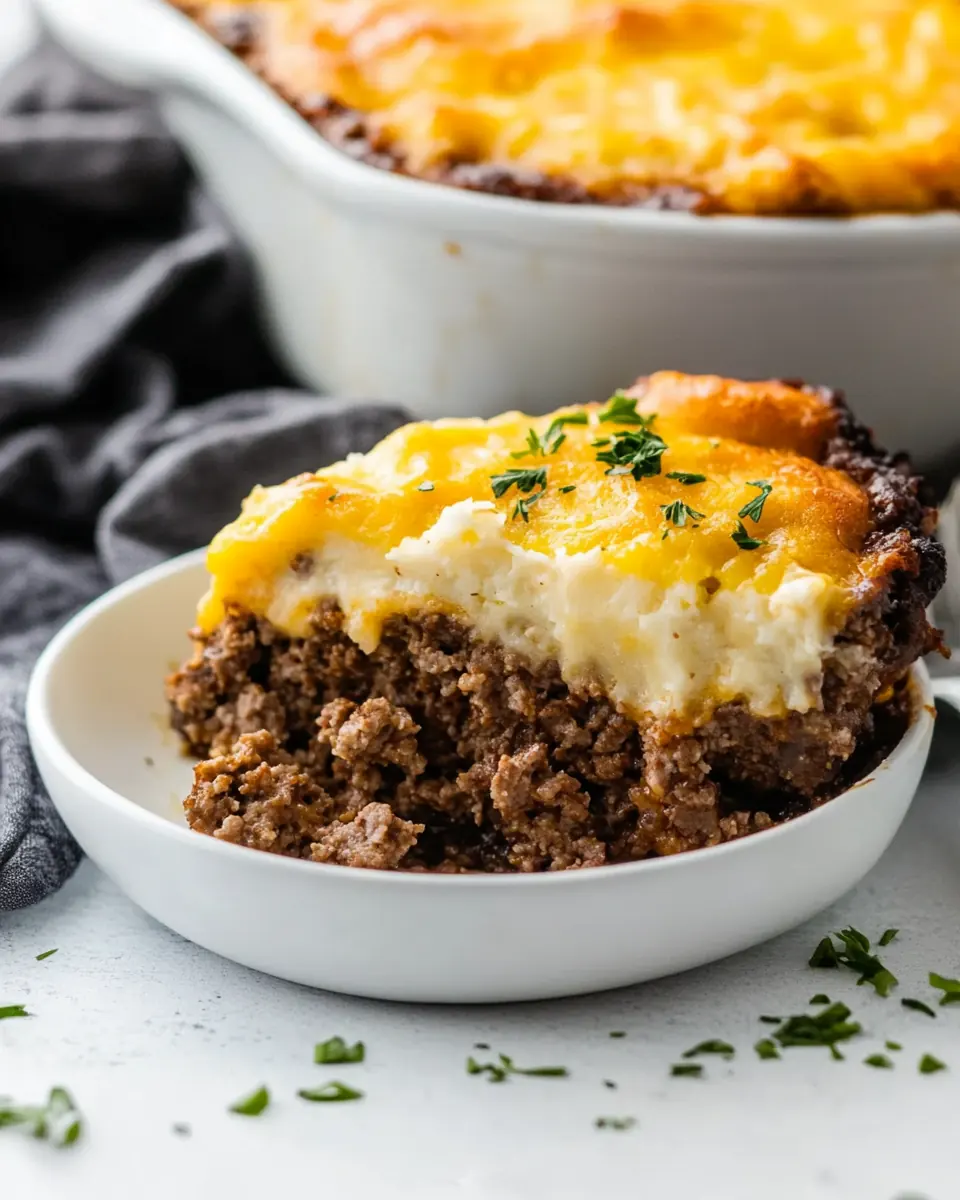
The method below is straightforward, and once you get the assembly rhythm it becomes almost meditative. Follow each stage to ensure even cooking and a moist interior. These steps will guide you from oven preheat to the golden cheesy finish.
- Preheat the oven to 350 degrees Fahrenheit. Spray a 13 x 9 x 2-inch baking dish with non-stick cooking spray and set aside.: Warmth in the oven fills the kitchen and creates the predictable environment needed for even cooking. You should smell a faint, dry warmth as the oven reaches 350 degrees Fahrenheit , and the preheated air helps the meat begin cooking immediately when it goes in, reducing total time and enhancing texture. Preparing the baking dish by spraying it ensures the casserole releases cleanly after baking. A typical mistake here is skipping the spray which can make serving difficult, so make sure the dish is well coated. Also, allow the oven to fully reach temperature before placing the dish inside to avoid uneven cook through.
- In a large bowl combine 2 pounds lean ground beef, 1/2 cup diced onion, 3 tablespoons fresh parsley chopped, 3/4 cup Italian bread crumbs, 1/2 cup milk, 2 tablespoons Worcestershire sauce, 2 large eggs, 1 teaspoon garlic powder, 1/2 teaspoon salt, and 1/4 teaspoon black pepper. Use clean hands to mix well.: When all ingredients meet, you will notice the aroma of onion and the savory, meaty scent from the ground beef . The mixture should feel cohesive but not overly compact; the milk hydrates the breadcrumbs so the texture becomes tender. Mixing with clean hands gives tactile feedback so you can gauge uniformity, feeling when the eggs and crumbs are fully incorporated. Overmixing is a frequent error that creates a dense loaf, so combine just until evenly distributed. If the mixture feels dry, a tablespoon of extra milk can help reach the right consistency.
- In a small bowl, whisk 3/4 cup ketchup, 3 tablespoons balsamic vinegar, and 3 tablespoons brown sugar.: As you whisk these glaze components, the mixture will thicken slightly and smell both sweet and tangy with a faint caramel note from the brown sugar . The acidity of the balsamic vinegar brightens the ketchup , creating a glaze that will set on top and provide a glossy finish. Whisk until smooth so the sugar dissolves and the flavors meld. If the glaze seems too thin, let it rest briefly so the sugar integrates; avoid using cold ingredients because they slow dissolution. A common oversight is skipping the whisk step which can leave grainy sugar pockets on the surface.
- Add the glaze mixture into the meat mixture and mix to combine.: Once added, you will sense the sweet and tangy notes infusing into the savory meat, shifting the aroma to something more layered and appetizing. The glaze binds with the meat components so that cooking yields pockets of caramelized flavor throughout. Mix gently to ensure even distribution without compressing the meat. If you find large pockets of glaze, press and fold them through to avoid uneven sweet spots. Avoid adding too much glaze or the mixture may become overly wet and fail to hold shape.
- Press the meat mixture evenly into the prepared baking dish.: Using your hands or a spatula, press the meat layer into an even sheet so the thickness is consistent across the dish. You want a level surface which helps the meat cook uniformly, preventing edges from drying while the center remains underdone. As you press, you may hear a faint compression sound and feel the mixture firm. Avoid packing it too tightly because that can yield a dense texture; instead, aim for firm but yielding. Misjudging the thickness can cause uneven bake, so check that the layer looks uniform from edge to edge.
- Spread 4 cups store-bought or Homemade mashed potatoes on top of the meat mixture. Top with 1 cup shredded cheddar cheese.: The action of spreading mashed potatoes creates a creamy blanket that insulates the meat and contributes to a luscious mouthfeel. Smooth the surface for even browning of the cheddar cheese , which will melt and bubble at the edges. You should notice a contrast between the soft potato and the dense meat beneath. If your potatoes are lumpy, run a spatula through them to smooth before spreading, because uneven topping can cause hot spots. A common mistake is adding cold, stiff mashed potatoes, so warm them slightly to make spreading easier and to encourage even reheating in the oven.
- Cover with aluminum foil and bake in the preheated oven for 50-60 minutes. Remove the foil and bake for an additional 10 minutes or until the cheese is melted.: As the casserole bakes under foil, humid steam keeps the meat tender and prevents the potatoes from drying out. During this covered phase you might notice a savory steam and the oven releasing a comforting aroma of cooked ground beef and seasonings. Removing the foil for the final stage allows the cheddar cheese to brown and the glaze to caramelize a bit at the edges. Use a thermometer if unsure, aiming for a safe internal temperature for beef, and watch the cheese closely in the last minutes to reach a bubbly, golden surface. A common error is leaving the foil on too long which prevents browning, so time the uncovering carefully.
Tips and Tricks about Meatloaf Casserole
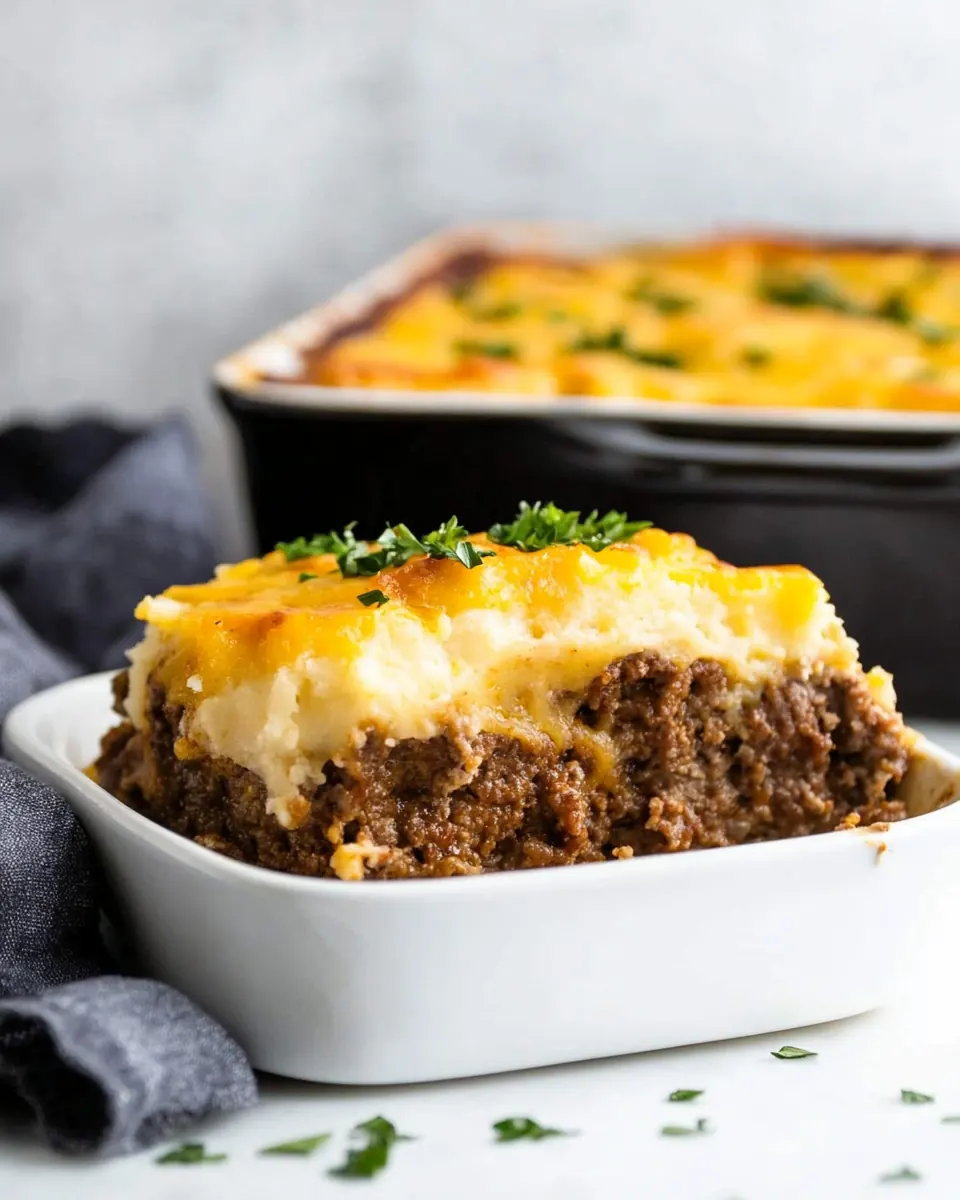
This dish is forgiving, but a few reliable practices make it even better. Below are practical tips I use every time to refine texture, flavor, and presentation while keeping the process simple and repeatable.
- Bind with care Use the eggs, milk, and Italian bread crumbs just until combined to keep the texture tender and not dense.
- Fresh herbs matter Adding freshly chopped parsley brightens the meat layer; add it right before baking to keep the flavor lively.
- Glaze balance Taste the glaze before adding to the meat, and adjust brown sugar or balsamic vinegar slightly if your ketchup is very sweet or tangy.
- Smooth topping Warm the mashed potatoes so they spread easily and create an even surface for browning the cheddar cheese.
- Watch the finish Remove the foil for the final minutes to allow the cheese to bubble and become golden; stay nearby to avoid burning.
What Goes Well With This Meatloaf Casserole
This casserole pairs well with simple, bright sides and suits hearty occasions like family dinners or casual gatherings. The suggestions below consider texture contrasts, seasonal pairings, and storage notes to make serving straightforward and appealing.
- Simple green salad A crisp salad with a light vinaigrette adds freshness and balances the richness of the casserole, making it suitable for a weekday dinner.
- Roasted vegetables Oven roasted carrots, Brussels sprouts, or green beans complement the casserole’s savory profile and add variety to the plate.
- Pickled accents A few pickled cucumbers or onions provide acidity that cuts through the richness and brightens each bite.
- Family style occasions Serve on a large platter for communal meals, as the casserole is easy to portion and comforting for gatherings in winter or cooler seasons.
- Storage tips Cool completely, then refrigerate in an airtight container for up to three days. Reheat gently in the oven to preserve texture and melt the cheese anew.
- Make ahead Assemble the casserole up to the point of baking, cover, and refrigerate overnight. Bring to room temperature while the oven preheats and then bake, which helps when planning dinners.
- Seasonal pairing This dish shines in winter when diners look for warm, substantial meals, and pairs well with hearty root vegetables or a robust soup starter.
FAQ
Conclusion
Meatloaf Casserole stands out as a reliable, comforting one dish meal that combines seasoned meat and creamy mashed potatoes into a satisfying family favorite. It’s easy to assemble, bakes into a tender, flavorful dish, and finishes with a golden cheesy top that makes each portion feel special. Give it a try on a busy evening when you want something wholesome and crowd pleasing; the straightforward steps and pantry friendly ingredients will make it a repeat in your rotation.
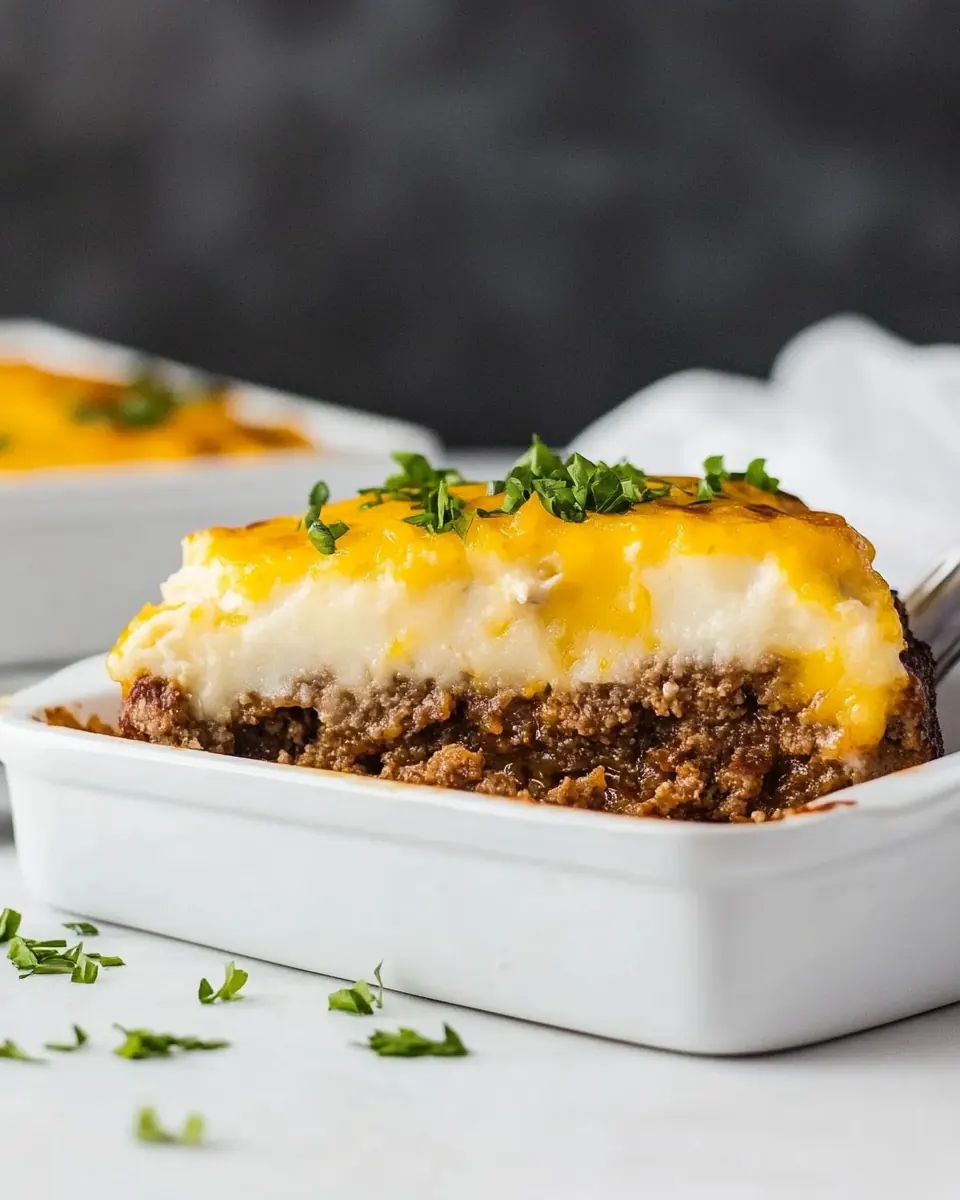
Meatloaf Casserole
Ingredients
Equipment
Method
- Preheat the oven to 350 degrees Fahrenheit. Spray a 13 x 9 x 2-inch baking dish with non-stick cooking spray and set aside.: Warmth in the oven fills the kitchen and creates the predictable environment needed for even cooking. You should smell a faint, dry warmth as the oven reaches 350 degrees Fahrenheit , and the preheated air helps the meat begin cooking immediately when it goes in, reducing total time and enhancing texture. Preparing the baking dish by spraying it ensures the casserole releases cleanly after baking. A typical mistake here is skipping the spray which can make serving difficult, so make sure the dish is well coated. Also, allow the oven to fully reach temperature before placing the dish inside to avoid uneven cook through.
- In a large bowl combine 2 pounds lean ground beef, 1/2 cup diced onion, 3 tablespoons fresh parsley chopped, 3/4 cup Italian bread crumbs, 1/2 cup milk, 2 tablespoons Worcestershire sauce, 2 large eggs, 1 teaspoon garlic powder, 1/2 teaspoon salt, and 1/4 teaspoon black pepper. Use clean hands to mix well.: When all ingredients meet, you will notice the aroma of onion and the savory, meaty scent from the ground beef . The mixture should feel cohesive but not overly compact; the milk hydrates the breadcrumbs so the texture becomes tender. Mixing with clean hands gives tactile feedback so you can gauge uniformity, feeling when the eggs and crumbs are fully incorporated. Overmixing is a frequent error that creates a dense loaf, so combine just until evenly distributed. If the mixture feels dry, a tablespoon of extra milk can help reach the right consistency.
- In a small bowl, whisk 3/4 cup ketchup, 3 tablespoons balsamic vinegar, and 3 tablespoons brown sugar.: As you whisk these glaze components, the mixture will thicken slightly and smell both sweet and tangy with a faint caramel note from the brown sugar . The acidity of the balsamic vinegar brightens the ketchup , creating a glaze that will set on top and provide a glossy finish. Whisk until smooth so the sugar dissolves and the flavors meld. If the glaze seems too thin, let it rest briefly so the sugar integrates; avoid using cold ingredients because they slow dissolution. A common oversight is skipping the whisk step which can leave grainy sugar pockets on the surface.
- Add the glaze mixture into the meat mixture and mix to combine.: Once added, you will sense the sweet and tangy notes infusing into the savory meat, shifting the aroma to something more layered and appetizing. The glaze binds with the meat components so that cooking yields pockets of caramelized flavor throughout. Mix gently to ensure even distribution without compressing the meat. If you find large pockets of glaze, press and fold them through to avoid uneven sweet spots. Avoid adding too much glaze or the mixture may become overly wet and fail to hold shape.
- Press the meat mixture evenly into the prepared baking dish.: Using your hands or a spatula, press the meat layer into an even sheet so the thickness is consistent across the dish. You want a level surface which helps the meat cook uniformly, preventing edges from drying while the center remains underdone. As you press, you may hear a faint compression sound and feel the mixture firm. Avoid packing it too tightly because that can yield a dense texture; instead, aim for firm but yielding. Misjudging the thickness can cause uneven bake, so check that the layer looks uniform from edge to edge.
- Spread 4 cups store-bought or Homemade mashed potatoes on top of the meat mixture. Top with 1 cup shredded cheddar cheese.: The action of spreading mashed potatoes creates a creamy blanket that insulates the meat and contributes to a luscious mouthfeel. Smooth the surface for even browning of the cheddar cheese , which will melt and bubble at the edges. You should notice a contrast between the soft potato and the dense meat beneath. If your potatoes are lumpy, run a spatula through them to smooth before spreading, because uneven topping can cause hot spots. A common mistake is adding cold, stiff mashed potatoes, so warm them slightly to make spreading easier and to encourage even reheating in the oven.
- Cover with aluminum foil and bake in the preheated oven for 50-60 minutes. Remove the foil and bake for an additional 10 minutes or until the cheese is melted.: As the casserole bakes under foil, humid steam keeps the meat tender and prevents the potatoes from drying out. During this covered phase you might notice a savory steam and the oven releasing a comforting aroma of cooked ground beef and seasonings. Removing the foil for the final stage allows the cheddar cheese to brown and the glaze to caramelize a bit at the edges. Use a thermometer if unsure, aiming for a safe internal temperature for beef, and watch the cheese closely in the last minutes to reach a bubbly, golden surface. A common error is leaving the foil on too long which prevents browning, so time the uncovering carefully.
Notes
- Bind with care Use the eggs, milk, and Italian bread crumbs just until combined to keep the texture tender and not dense.
- Fresh herbs matter Adding freshly chopped parsley brightens the meat layer; add it right before baking to keep the flavor lively.
- Glaze balance Taste the glaze before adding to the meat, and adjust brown sugar or balsamic vinegar slightly if your ketchup is very sweet or tangy.
- Smooth topping Warm the mashed potatoes so they spread easily and create an even surface for browning the cheddar cheese.
- Watch the finish Remove the foil for the final minutes to allow the cheese to bubble and become golden; stay nearby to avoid burning.