Preheat the oven to 350 degrees Fahrenheit. Spray a 13 x 9 x 2-inch baking dish with non-stick cooking spray and set aside.: Warmth in the oven fills the kitchen and creates the predictable environment needed for even cooking. You should smell a faint, dry warmth as the oven reaches 350 degrees Fahrenheit , and the preheated air helps the meat begin cooking immediately when it goes in, reducing total time and enhancing texture. Preparing the baking dish by spraying it ensures the casserole releases cleanly after baking. A typical mistake here is skipping the spray which can make serving difficult, so make sure the dish is well coated. Also, allow the oven to fully reach temperature before placing the dish inside to avoid uneven cook through.
In a large bowl combine 2 pounds lean ground beef, 1/2 cup diced onion, 3 tablespoons fresh parsley chopped, 3/4 cup Italian bread crumbs, 1/2 cup milk, 2 tablespoons Worcestershire sauce, 2 large eggs, 1 teaspoon garlic powder, 1/2 teaspoon salt, and 1/4 teaspoon black pepper. Use clean hands to mix well.: When all ingredients meet, you will notice the aroma of onion and the savory, meaty scent from the ground beef . The mixture should feel cohesive but not overly compact; the milk hydrates the breadcrumbs so the texture becomes tender. Mixing with clean hands gives tactile feedback so you can gauge uniformity, feeling when the eggs and crumbs are fully incorporated. Overmixing is a frequent error that creates a dense loaf, so combine just until evenly distributed. If the mixture feels dry, a tablespoon of extra milk can help reach the right consistency.
In a small bowl, whisk 3/4 cup ketchup, 3 tablespoons balsamic vinegar, and 3 tablespoons brown sugar.: As you whisk these glaze components, the mixture will thicken slightly and smell both sweet and tangy with a faint caramel note from the brown sugar . The acidity of the balsamic vinegar brightens the ketchup , creating a glaze that will set on top and provide a glossy finish. Whisk until smooth so the sugar dissolves and the flavors meld. If the glaze seems too thin, let it rest briefly so the sugar integrates; avoid using cold ingredients because they slow dissolution. A common oversight is skipping the whisk step which can leave grainy sugar pockets on the surface.
Add the glaze mixture into the meat mixture and mix to combine.: Once added, you will sense the sweet and tangy notes infusing into the savory meat, shifting the aroma to something more layered and appetizing. The glaze binds with the meat components so that cooking yields pockets of caramelized flavor throughout. Mix gently to ensure even distribution without compressing the meat. If you find large pockets of glaze, press and fold them through to avoid uneven sweet spots. Avoid adding too much glaze or the mixture may become overly wet and fail to hold shape.
Press the meat mixture evenly into the prepared baking dish.: Using your hands or a spatula, press the meat layer into an even sheet so the thickness is consistent across the dish. You want a level surface which helps the meat cook uniformly, preventing edges from drying while the center remains underdone. As you press, you may hear a faint compression sound and feel the mixture firm. Avoid packing it too tightly because that can yield a dense texture; instead, aim for firm but yielding. Misjudging the thickness can cause uneven bake, so check that the layer looks uniform from edge to edge.
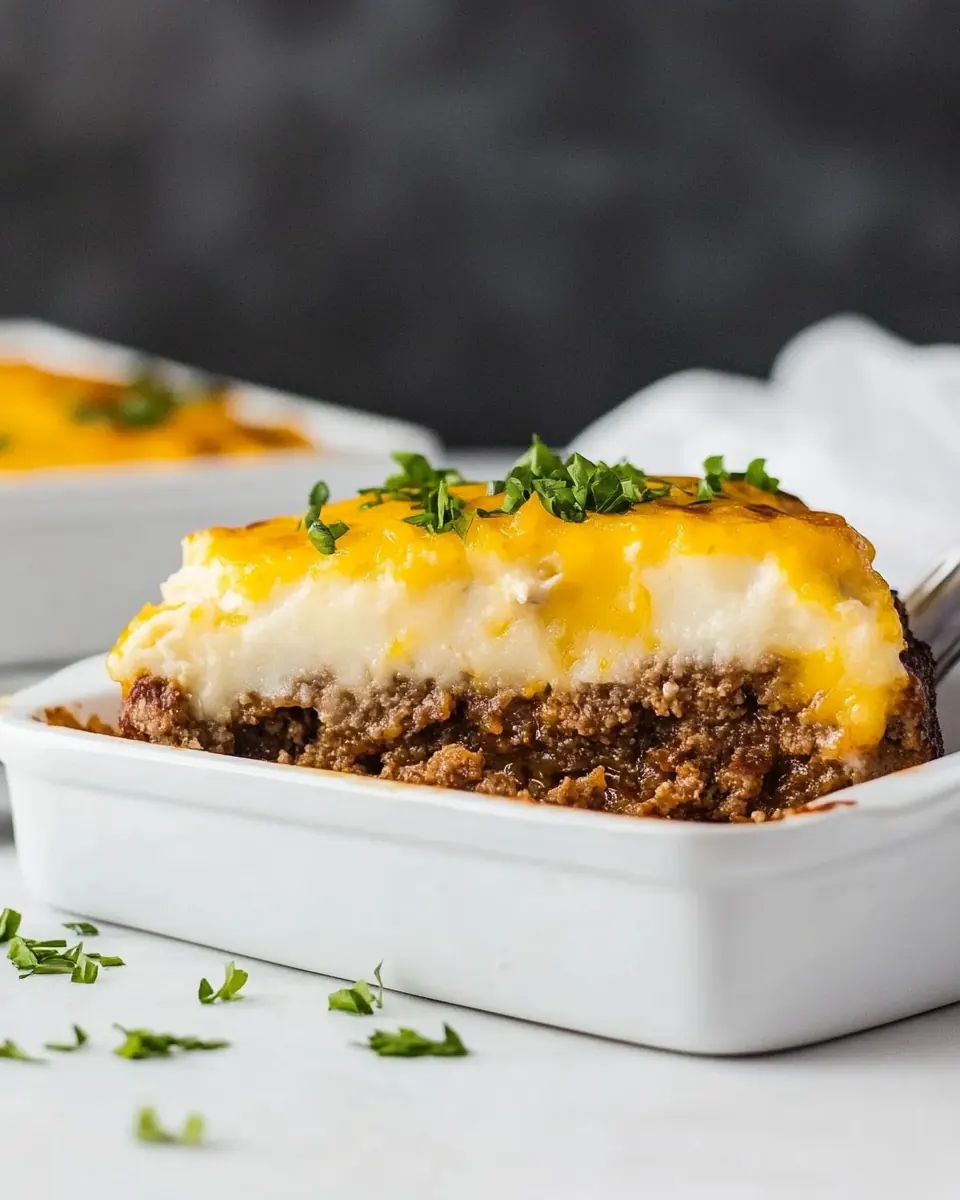
Spread 4 cups store-bought or Homemade mashed potatoes on top of the meat mixture. Top with 1 cup shredded cheddar cheese.: The action of spreading mashed potatoes creates a creamy blanket that insulates the meat and contributes to a luscious mouthfeel. Smooth the surface for even browning of the cheddar cheese , which will melt and bubble at the edges. You should notice a contrast between the soft potato and the dense meat beneath. If your potatoes are lumpy, run a spatula through them to smooth before spreading, because uneven topping can cause hot spots. A common mistake is adding cold, stiff mashed potatoes, so warm them slightly to make spreading easier and to encourage even reheating in the oven.
Cover with aluminum foil and bake in the preheated oven for 50-60 minutes. Remove the foil and bake for an additional 10 minutes or until the cheese is melted.: As the casserole bakes under foil, humid steam keeps the meat tender and prevents the potatoes from drying out. During this covered phase you might notice a savory steam and the oven releasing a comforting aroma of cooked ground beef and seasonings. Removing the foil for the final stage allows the cheddar cheese to brown and the glaze to caramelize a bit at the edges. Use a thermometer if unsure, aiming for a safe internal temperature for beef, and watch the cheese closely in the last minutes to reach a bubbly, golden surface. A common error is leaving the foil on too long which prevents browning, so time the uncovering carefully.