Mexican Shrimp
Mexican Shrimp is the kind of weeknight dinner I reach for when I want something bright, comforting, and perfectly spiced without a lot of fuss.
One late summer evening I found myself with a bag of frozen shrimp, a few bell peppers from the farmers market, and an open jar of cilantro that needed a purpose. I wanted a dish that felt festive enough for guests, yet simple enough for a solo meal. That balance of vibrant heat, citrus brightness, and tender shrimp is exactly what drew me to this combination. The rice soaks up the tomato and chile juices while the beans add body so every spoonful feels complete.
I remember the first time I made this I underestimated how quickly the shrimp would cook. They went from translucent to perfectly pink in minutes, teaching me to keep a close eye and to trust small visual cues more than a timer. Ever since, this recipe has been my fallback for potluck dinners, lazy weekend lunches, or nights when I want something with personality but little cleanup. I like serving it with lime wedges and a dollop of tangy sour cream or plain Greek yogurt to cool the spices.
Recipe Snapshot
60 mins
10 mins
50 mins
Medium
350 kcal
Mexican
Gluten-Free, Low FODMAP
Dinner
Large skillet or Dutch oven, Tight fitting lid, Wooden spoon
The Best Thing About This Mexican Shrimp
Big on flavor with very little fuss
I love how Mexican Shrimp brings bold, layered flavor without demanding a long ingredient list. The blend of chili powder, garlic powder, and cumin gives the dish a warm backbone while the diced tomatoes in green chiles add acidity and a subtle kick. Because the spices are split between the shrimp and the vegetables, every component tastes thoughtfully seasoned. For busy evenings this kind of efficient seasoning feels like a superpower.
Textural contrast that keeps every bite interesting
What keeps me coming back to this recipe is the contrast between tender, juicy shrimp, fluffy long grain brown rice, and the slight crispness of sauteed bell peppers and onion. The black beans add a creamy chew that makes the bowl feel hearty and satisfying. I find this interplay of textures especially comforting when serving a crowd where tastes vary.
Flexible and forgiving
I appreciate that Mexican Shrimp tolerates small swaps and timing variations. Using thawed frozen shrimp works great and the recipe still sings if the rice needs a touch more water or a few extra minutes. It is a forgiving one pot style meal that doesn’t punish you for small timing differences, which is why I bring it to potlucks and weeknight dinners alike.
Bright finishing touches make it pop
Finishing with fresh cilantro, a squeeze of lime, sliced jalapeno, or a spoonful of sour cream transforms the pot into something vibrant. Those final garnishes lend freshness, creaminess, and heat control, so everyone can customize their bowl. That ability to personalize each serving is a huge reason this dish is so well loved at my table.
One pot ease and straightforward cleanup
Because the recipe cooks in a single large skillet or Dutch oven, cleanup is quick, and flavors meld beautifully while everything simmers together. I often cook this when I want minimal kitchen time but maximum flavor payoff, and it reliably delivers.
What You Need for Mexican Shrimp
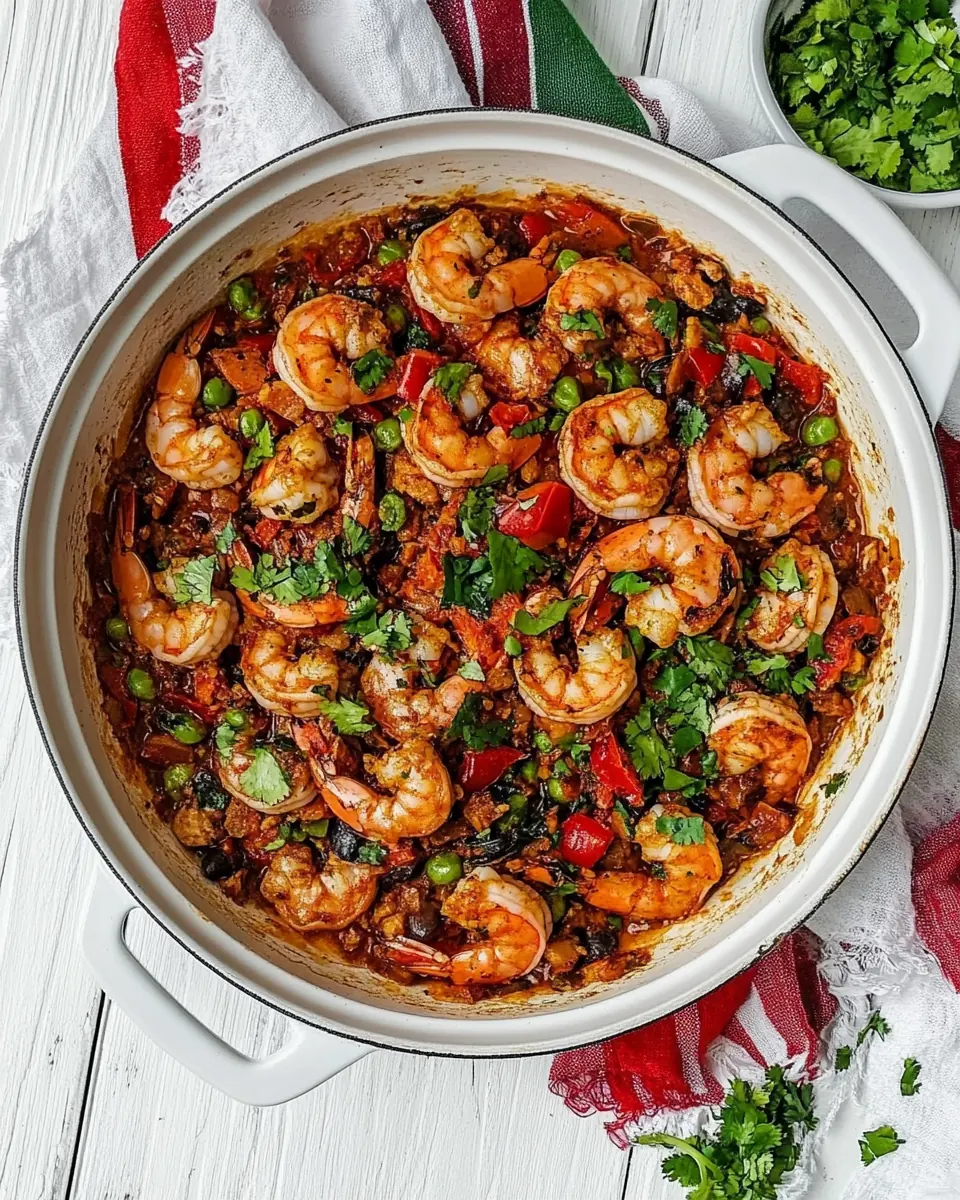
These ingredients are deliberately chosen to play specific roles. The shrimp provides sweet, briny protein, while the long grain brown rice offers a nutty, chewy base that soaks up tomato and chile juices. Aromatics like onion and jalapeno build the savory foundation, and the spice trio of chili powder, garlic powder, and cumin ties flavors together. Black beans add creaminess and heft so bowls feel complete without extra sides.
- 1 1/2 tablespoons extra-virgin olive oil divided: Drizzle and heat to lightly coat the pan, providing a medium smoking point ideal for sautéing aromatics and sealing shrimp without overpowering flavors. Reserve half to finish the dish for added sheen and subtle richness that carries spices and herbs.
- 1 pound medium shrimp peeled and deveined (I use frozen shrimp, then thaw it): Peel and devein then pat dry to ensure even cooking and proper absorption of seasonings; medium size offers a tender, slightly firm bite. Thaw if frozen and toss with spices before searing to develop a caramelized exterior while remaining juicy inside.
- 1 1/2 teaspoons ground chili powder divided: Measure and divide to layer smoky heat through multiple cooking stages; ground chili powder imparts depth and a mild earthy spice. Sprinkle early into vegetables and later onto shrimp to build cohesive Mexican-style flavor.
- 1 1/2 teaspoons garlic powder divided: Sprinkle in portions to infuse savory, roasted garlic notes without burning; garlic powder disperses evenly and dissolves into sauces and rice. Use divided amounts to maintain consistent garlicky undertone throughout the recipe.
- 3/4 teaspoon ground cumin divided: Stir in small increments to contribute warm, aromatic earthiness that complements chili and cumin-forward profiles; ground cumin accentuates the Mexican seasoning base. Divide to season both the vegetables and the shrimp for balanced flavor distribution.
- 1/2 teaspoon kosher salt divided: Season in divided amounts to regulate overall saltiness while enhancing natural flavors and aiding moisture retention in shrimp and rice. Use half with the rice and vegetables and the rest to finish the shrimp so layers remain controlled.
- 1 small yellow onion chopped: Chop and sauté until translucent to create a sweet, savory foundation; yellow onion softens and caramelizes, offering natural sugars that balance spice. Cook early with oil and aromatics to release flavors that permeate the entire dish.
- 2 small jalapenos or 1 large jalapeno, core and seeds discarded, diced: Core, seed, and dice to add bright, grassy heat and a crisp texture that mellows when cooked; jalapeños contribute fresh spice and green notes. Adjust quantity or use sliced jalapeño for garnish to manage spiciness level for diners.
- 2 red bell peppers cored and chopped: Core and chop to introduce sweet, juicy crunch and vivid color that softens with cooking to release natural sugars; red bell peppers complement heat with mellow sweetness. Incorporate with onions to create a flavorful vegetable base for rice and shrimp.
- 1 teaspoon oregano: Add to introduce herbal, slightly bitter Mediterranean notes that pair with cumin and chili; oregano enhances savory depth in tomato-based mixtures. Sprinkle into the simmer to meld with tomatoes and beans for layered complexity.
- 1/4 teaspoon ground black pepper: Grind and season lightly to provide a sharp, pungent counterpoint to earthy spices and sweet peppers; black pepper adds subtle heat and aroma. Use sparingly to avoid overpowering delicate shrimp while still boosting overall flavor.
- 1 can reduced sodium black beans — 15 ounces, rinsed and drained: Rinse and drain then stir in for earthy, creamy protein and fiber that bulk up the dish and make it heartier. Reduced–sodium black beans contribute texture and absorb surrounding spices, helping create a balanced, filling meal.
- 1 cup long-grain brown rice do not use short grain or instant, as it will become mushy: Measure and thoroughly rinse to prevent stickiness, then simmer as specified; long–grain brown rice provides chewy texture and nutty flavor that stands up to saucy components. Avoid short–grain or instant varieties to maintain distinct grains and prevent mushiness.
- 2 cans diced tomatoes in green chiles, such as Rotel 10-ounce cans, 20 ounces total: Open and pour in to supply tangy, seasoned tomato flavor with a mild kick from green chiles; diced tomatoes in green chiles add acidity and moisture. Use the canned mixture to cook with rice and beans so flavors meld during simmering.
- 1 1/2 cups water: Measure and add to the cooking liquid to control consistency and ensure rice cooks through; water balances canned liquid to achieve proper grain texture. Use the specified amount to avoid overly wet or undercooked rice.
- 3 medium green onions chopped: Chop and sprinkle at the end to add a mild oniony crunch and fresh green color that brightens the finished dish. Green onions provide a lighter, fresher allium note compared with raw yellow onion and work well as a garnish or folded into the rice.
- 1/4 cup chopped fresh cilantro plus additional for serving: Chop fresh to fold in at the finish for bright, citrusy herbal aroma and a cooling contrast to the spices; cilantro ties together Mexican-style flavors. Reserve some for garnish so the herb’s brightness remains vibrant on serving.
- 1 lime cut into wedges: Cut into wedges to serve alongside for squeezing over each portion and adding bright, acidic lift that balances richness and spice. Lime juice wakes up the flavors, cuts through oil, and enhances the overall freshness of the dish.
- additional sliced jalapeno: Slice additional jalapeño for garnish to provide an optional extra kick and vivid visual contrast; raw slices offer crisp heat and a crisp texture. Offer on the side so diners can customize spiciness to taste without altering the cooked dish.
- sour cream or plain Greek yogurt: Spoon or dollop to add cool, creamy tang that soothes heat and enriches mouthfeel; sour cream or Greek yogurt lends a smooth contrast to spiced shrimp and rice. Use as a finishing element to balance acidity and spice and to add richness without heaviness.
- diced avocado: Dice and serve fresh to contribute creamy texture, buttery flavor, and healthy fats that mellow spiciness and add richness. Avocado pieces brighten each bite and pair well with lime and cilantro for a classic Mexican finish.
The Method for Mexican Shrimp
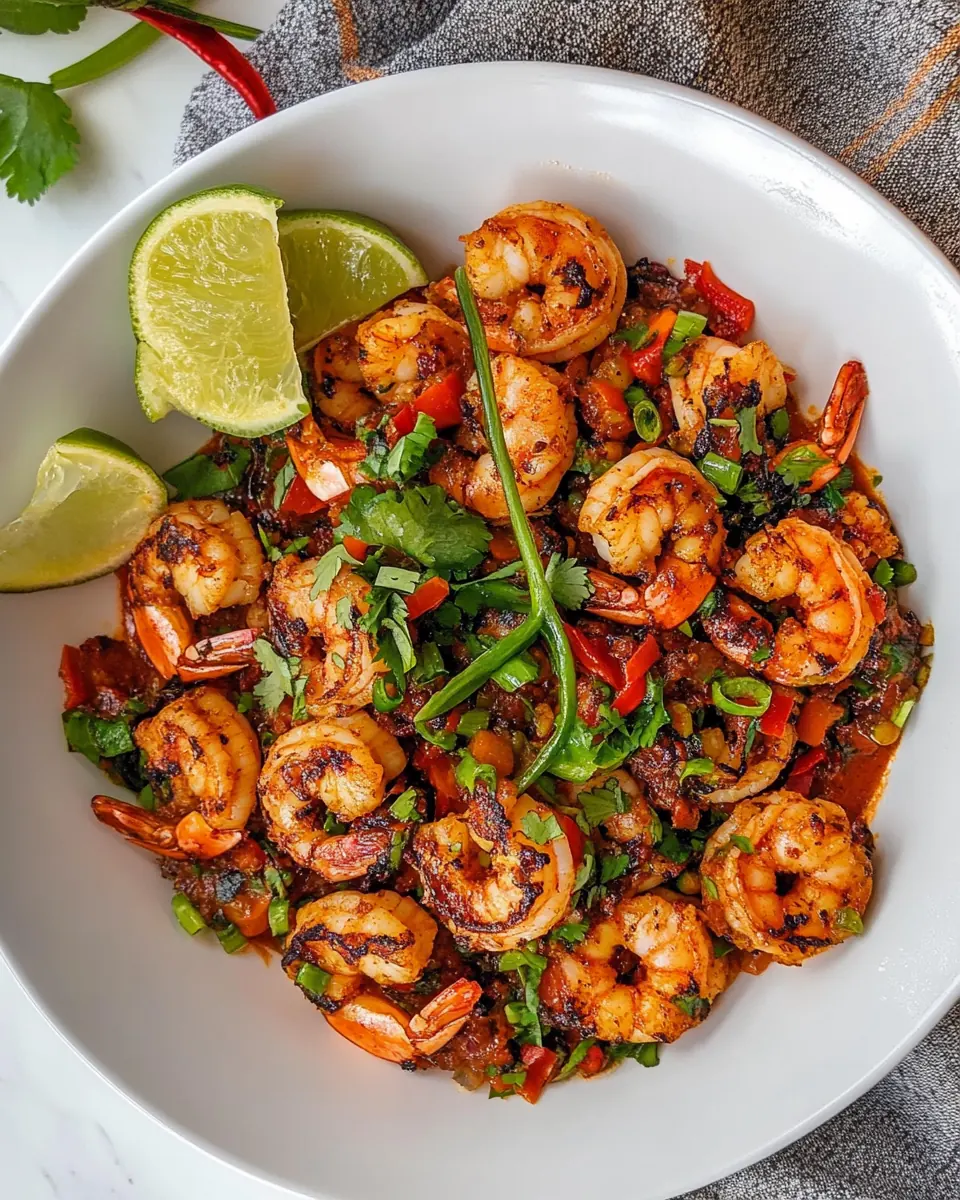
I like to think of this method as an orchestra where each section enters at the right time to build harmonious flavor. The technique hinges on quick searing for the shrimp, then a patient simmer for the rice so it absorbs all the tomato and chile juices. Stay attentive and taste as you go, and you will be rewarded with a richly flavored pot.
- In a large skillet or Dutch oven with a tight-fitting lid, heat 1 tablespoon of the oil over medium-high heat. Once the oil is hot but not smoking, swirl to coat the pan, then add the shrimp. Sprinkle with 1/2 teaspoon chili powder, 1/2 teaspoon garlic powder, 1/4 teaspoon cumin, and 1/4 teaspoon salt. Stir to coat the shrimp with the spices, then continue to saute just until the shrimp is pink and fully cooked through, about 2 to 3 minutes. Remove to a plate and set aside.: The moment the oil warms you should see it shimmer and feel it move easily across the pan when tilted, that tells you it is ready to sear. At this temperature the surface of the pan will quickly create a thin crust on the shrimp which locks in juices and concentrates flavor. You want the oil hot but not smoking because overheated oil will burn spices and leave a bitter note. A common mistake is cranking the heat too high and then adding crowded shrimp which causes them to steam rather than sear. If the pan smokes, lower the heat and wipe out the pan if needed before proceeding.
- Add the remaining 1/2 tablespoon oil, onion, jalapeno, and bell pepper. Cook until the vegetables begin to soften, about 5 minutes. Add the oregano, black pepper, the remaining 1 teaspoon chili powder, 1 teaspoon garlic powder, and 1/2 teaspoon cumin. Stir to coat the vegetables and cook 30 seconds. Add the rice and beans. Stir to coat once more.: When the shrimp hit the pan you should hear a gentle sizzle which signals proper contact. Arrange them in a single layer and avoid moving them immediately so they can form that delicate browned edge. This firm exterior gives a pleasing texture in contrast to the tender interior. If you try to flip them too early they will stick; wait until the edges turn opaque and pink.
- Add the diced tomatoes in their juices and water. Stir to combine the ingredients. Bring to a gentle boil, cover, then reduce the heat to a simmer. Let simmer 30 minutes. Remove the lid and stir, scraping up any rice that has started to stick to the bottom of the pot. Re-cover and continue to let simmer with the lid on until the rice is tender, 10 to 15 additional minutes, stirring the pot every 10 minutes to prevent sticking. If the rice begins to dry out, add a bit more water as needed.: Dusting the shrimp with spices at this stage seasons the surface and creates an aromatic crust as they cook, releasing warm, toasty notes. The spices bloom in the hot oil, intensifying their flavors quickly. Be cautious not to over season at once, measured amounts let other elements shine later. If the spices start to blacken, reduce the heat immediately to avoid bitter flavors.
- Stir in the green onions, cilantro, and reserved shrimp. Squeeze the lime over the top. Serve warm with desired toppings.: Listen for a light sizzling and watch the shrimp change from translucent to opaque pink; that visual cue is the best doneness indicator. Overcooking will make the shrimp rubbery, so remove them the instant they curl and firm slightly. A frequent misstep is leaving them in the pan because you are distracted; set a short timer if you must.
- Remove to a plate and set aside: Letting the shrimp rest off heat prevents carryover cooking from drying them out, and retains their juiciness for when they are stirred back into the finished rice. Resting also allows the residual heat to redistribute, keeping texture pleasant. A mistake is stacking them while hot which can steam and soften the exterior; spread them on a plate instead.
- Add the remaining 1/2 tablespoon oil, onion, jalapeno, and bell pepper: The second portion of oil helps the chopped onion and peppers soften without sticking. When these vegetables hit the pan the aroma will lift immediately, and you should notice the pan filling with sweet and vegetal scents. Softening rather than browning preserves a bright pepper flavor. If you let them scorch the dish will take on a charred bitterness.
- Cook until the vegetables begin to soften, about 5 minutes: You want the onion to become translucent and the bell peppers to lose raw bite while still holding some body, creating pleasant texture contrast with the rice. Stir occasionally so pieces cook evenly; uneven heat will leave some raw and some burned. If the pan gets too dry, add a splash of water to deglaze and prevent burning.
- Add the oregano, black pepper, the remaining 1 teaspoon chili powder, 1 teaspoon garlic powder, and 1/2 teaspoon cumin: Introducing these dried herbs and spices now warms the mixture and allows their flavors to infuse the softened vegetables, producing a fragrant base. This step enhances complexity by layering spices rather than dumping everything at once. Be mindful not to add salty ingredients before tasting; seasoning balance is key. If the spices clump, stir vigorously to distribute them evenly.
- Stir to coat the vegetables and cook 30 seconds: The quick toast deepens the spice aromas and helps the flavors adhere to the vegetables, releasing a rich perfume that signals readiness for the rice. This brief time is enough to bloom dried seasonings but short enough to avoid burning. A common error is extending this step too long which darkens the spices and introduces bitterness.
- Add the rice and beans: Adding the long grain brown rice and the rinsed black beans lets the grains and legumes mingle with the seasoned vegetables so every kernel and bean picks up flavor. You should notice the rice grains gaining color from the pan and the beans warming through, creating a unified mixture. If you skip rinsing the beans, canned starches can make the texture gummy, so rinse well.
- Stir to coat once more: Coating the rice and beans distributes the flavored oil and spices, ensuring even seasoning throughout. This action helps prevent clumps and prepares the mixture to absorb the tomato juices uniformly. If the rice feels dry after coating, a small splash of water helps loosen it before adding the tomatoes.
- Add the diced tomatoes in their juices and water: The canned diced tomatoes in green chiles bring both acidity and liquid which the rice needs to cook, while the water balances the overall volume. As the mixture heats, aromas of tomato and chile will rise, and you should see a loose stew forming. If you reduce liquids too much early on, the rice will undercook, so maintain enough moisture.
- Stir to combine the ingredients: Combining now ensures the rice sits evenly in the cooking liquid and prevents pockets of dry grain. Use a gentle hand to keep the vegetables distributed without smashing them. A mistake is failing to scrape any browned bits from the bottom, which hold concentrated flavor; a wooden spoon is great for scraping gently.
- Bring to a gentle boil, cover, then reduce the heat to a simmer: A gentle boil before simmering is important because it uniformly raises the pot temperature, then lowering to a simmer lets the rice absorb liquid steadily without splattering. You will hear a quieter, softer bubbling when the simmer is right. Boiling too vigorously can cause uneven cooking and spillover.
- Let simmer 30 minutes: During this time the brown rice softens and soaks up the tomato and chile flavors. You will notice the pot become thicker and aroma deepen. Avoid lifting the lid often, because steam loss lengthens cooking time. One common error is checking too frequently which lets heat escape and disrupts even cooking.
- Remove the lid and stir, scraping up any rice that has started to stick to the bottom of the pot: Scraping redistributes flavor and prevents burning on the bottom, while also allowing you to check moisture levels. If you see sticking early, loosen the rice gently and add a splash of water to reincorporate. Leaving stuck rice unattended will lead to a scorched bottom flavor in the finished dish.
- Re cover and continue to let simmer with the lid on until the rice is tender, 10 to 15 additional minutes, stirring the pot every 10 minutes to prevent sticking: This final stage finishes the brown rice without overcooking it, producing grains that are tender with a slight chew. Stirring periodically keeps the bottom from scorching and helps distribute heat. If the rice seems dry before tender, add small amounts of water and check again in a few minutes.
- If the rice begins to dry out, add a bit more water as needed: Maintaining the right moisture is essential for even cooking; add water sparingly so you don’t overshoot and turn the rice mushy. A few tablespoons at a time gives you control. Avoid adding too much at once which can leave the dish soupy and extend cooking time.
- Stir in the green onions, cilantro, and reserved shrimp: Adding the green onions and cilantro at the end preserves their bright color and fresh flavor, and folding the warm shrimp back in keeps them tender while integrating their savory juices. The aroma will lift immediately and the bowl will look vibrant. Overheating at this point will wilt herbs and overcook the shrimp .
- Squeeze the lime over the top: The juice of the lime adds bright acidity which balances the dish’s richness and amplifies the spice notes. Squeezing just before serving preserves the fresh citrus aroma. Bottled citrus lacks the same lively aroma, so choose fresh whenever possible.
- Serve warm with desired toppings: Let people customize with additional jalapeno , sour cream , or diced avocado to control heat and creaminess. The final presentation should look colorful and inviting, with green herbs and lime wedges on the side. A frequent mistake is letting the pot cool too long before serving, which flattens the flavors.
How to Switch It Up
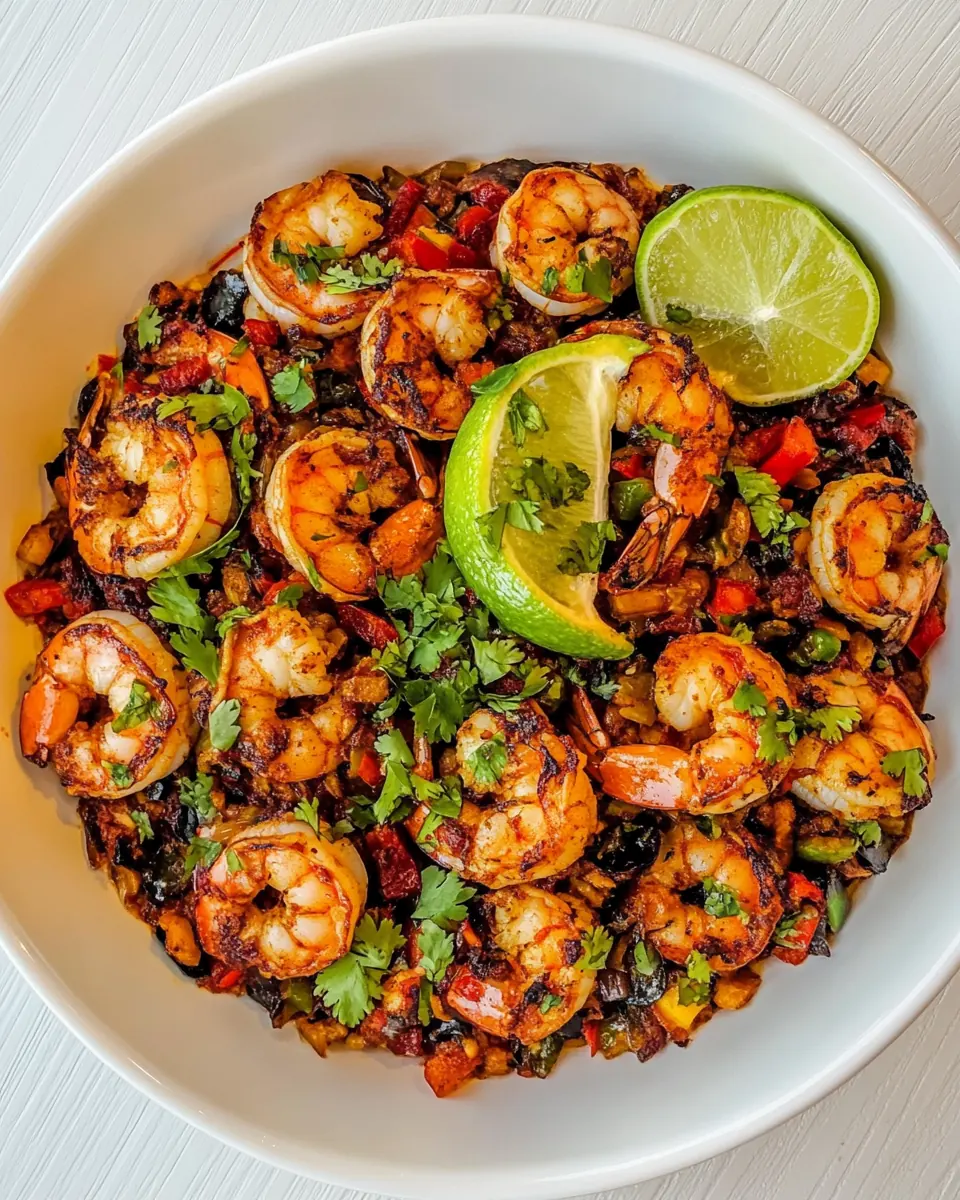
This section offers practical variations and small adjustments to tailor Mexican Shrimp to your taste or pantry. Each tip starts with a bold lead that highlights the idea, followed by useful details and reasons to try it.
- Make it milder: Reduce or remove the seeds from the jalapeno and use a single can of diced tomatoes in green chiles if you want a gentler heat. You will still get the tomato and chile character but with less burn on the tongue, which is great for kids or guests who prefer mild spice.
- Boost the brightness: Add extra lime wedges and more chopped cilantro at the table for guests who love zesty flavors. Citrus cuts through richness and makes each bite feel fresher, especially after the rice has absorbed the tomato juices.
- Swap beans for variety: Keep the same technique but try a different canned legume if you want to change texture, however, do not introduce ingredients not listed in the original recipe when serving the classic version. Different legumes will alter the mouthfeel, so adjust liquid slightly if using denser beans.
- Adjust rice texture: If you prefer slightly firmer rice, reduce the final additional simmer time by a few minutes and check early; for softer rice, add a little more water and allow extra time. The timing for brown rice can vary by brand and age, so glance at the grains as you approach the final minutes.
- Make it meal prep friendly: Store portions in airtight containers and keep toppings separate. Reheat gently in the microwave and add fresh cilantro and a lime wedge after warming to revive flavors. Avoid reheating shrimp too long as it becomes rubbery.
Serving Ideas for Mexican Shrimp
This section describes how I like to serve Mexican Shrimp across occasions and seasons, with ideas for sides and storage. The list format helps you mix and match serving styles to suit lunch, dinner, or gatherings.
- Casual family dinner: Serve bowls of the hot mixture with extra lime wedges and a small dish of sliced jalapeno so everyone can customize heat. A scoop of sour cream or plain Greek yogurt on the side helps mellow spice for younger diners.
- Potluck or buffet: Keep the dish warm in a shallow pan on a low oven setting and top with chopped cilantro and diced avocado just before guests serve themselves. The one pot nature helps transport and simplifies setup.
- Summer entertaining: This recipe pairs well with grilled vegetables or a simple green salad; add extra lime and fresh herbs to lean into seasonal brightness. It is a great option for summer because the flavors are lively without feeling heavy.
- Meal prep lunches: Divide into containers with toppings stored separately to preserve texture. The rice and beans reheat well, and adding fresh cilantro and a squeeze of lime after reheating revitalizes the bowl.
- Ramadan or communal meals: The dish works well for when you need a substantial shared plate, offering both protein and grains in one pot. Keep condiments like sour cream and sliced jalapeno nearby so guests can personalize servings.
- Storage tips: Refrigerate leftovers in airtight containers for up to five days and rewarm gently to avoid overcooking the shrimp. Freeze if needed, but textures may change; thaw and reheat slowly for best results.
FAQ
Conclusion
Mexican Shrimp stands out for its bright balance of spice, acidity, and comforting rice and beans in a single pot. The combination of quickly seared shrimp and a patiently simmered brown rice base creates layers of texture and flavor that are both homey and exciting. Give it a try on a busy weeknight or for a casual gathering, and you will see how easy it is to impress with minimal effort. I hope this recipe becomes one of your reliable go to meals when you want bold flavor with very little cleanup.
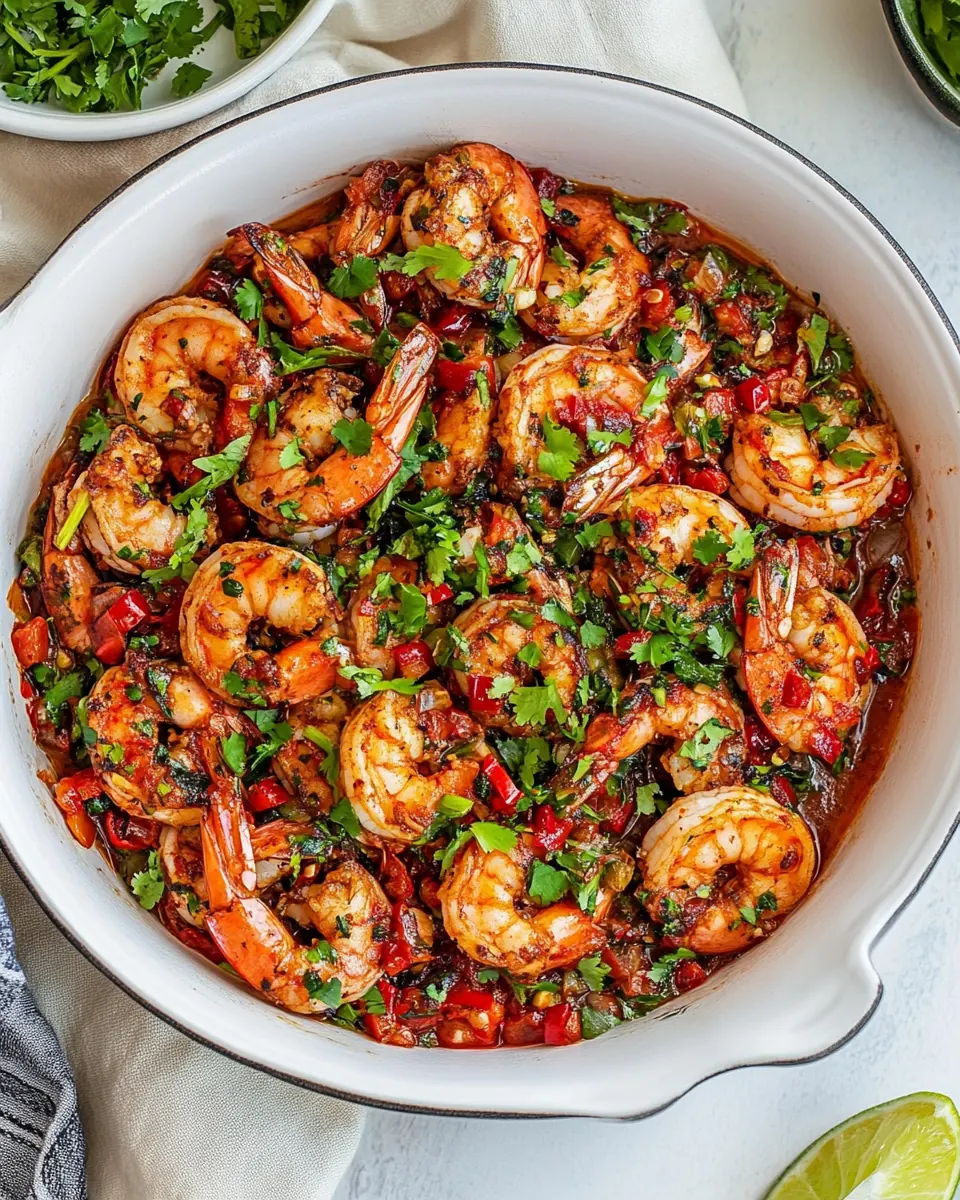
Mexican Shrimp
Ingredients
Equipment
Method
- In a large skillet or Dutch oven with a tight-fitting lid, heat 1 tablespoon of the oil over medium-high heat. Once the oil is hot but not smoking, swirl to coat the pan, then add the shrimp. Sprinkle with 1/2 teaspoon chili powder, 1/2 teaspoon garlic powder, 1/4 teaspoon cumin, and 1/4 teaspoon salt. Stir to coat the shrimp with the spices, then continue to saute just until the shrimp is pink and fully cooked through, about 2 to 3 minutes. Remove to a plate and set aside.: The moment the oil warms you should see it shimmer and feel it move easily across the pan when tilted, that tells you it is ready to sear. At this temperature the surface of the pan will quickly create a thin crust on the shrimp which locks in juices and concentrates flavor. You want the oil hot but not smoking because overheated oil will burn spices and leave a bitter note. A common mistake is cranking the heat too high and then adding crowded shrimp which causes them to steam rather than sear. If the pan smokes, lower the heat and wipe out the pan if needed before proceeding.
- Add the remaining 1/2 tablespoon oil, onion, jalapeno, and bell pepper. Cook until the vegetables begin to soften, about 5 minutes. Add the oregano, black pepper, the remaining 1 teaspoon chili powder, 1 teaspoon garlic powder, and 1/2 teaspoon cumin. Stir to coat the vegetables and cook 30 seconds. Add the rice and beans. Stir to coat once more.: When the shrimp hit the pan you should hear a gentle sizzle which signals proper contact. Arrange them in a single layer and avoid moving them immediately so they can form that delicate browned edge. This firm exterior gives a pleasing texture in contrast to the tender interior. If you try to flip them too early they will stick; wait until the edges turn opaque and pink.
- Add the diced tomatoes in their juices and water. Stir to combine the ingredients. Bring to a gentle boil, cover, then reduce the heat to a simmer. Let simmer 30 minutes. Remove the lid and stir, scraping up any rice that has started to stick to the bottom of the pot. Re-cover and continue to let simmer with the lid on until the rice is tender, 10 to 15 additional minutes, stirring the pot every 10 minutes to prevent sticking. If the rice begins to dry out, add a bit more water as needed.: Dusting the shrimp with spices at this stage seasons the surface and creates an aromatic crust as they cook, releasing warm, toasty notes. The spices bloom in the hot oil, intensifying their flavors quickly. Be cautious not to over season at once, measured amounts let other elements shine later. If the spices start to blacken, reduce the heat immediately to avoid bitter flavors.
- Stir in the green onions, cilantro, and reserved shrimp. Squeeze the lime over the top. Serve warm with desired toppings.: Listen for a light sizzling and watch the shrimp change from translucent to opaque pink; that visual cue is the best doneness indicator. Overcooking will make the shrimp rubbery, so remove them the instant they curl and firm slightly. A frequent misstep is leaving them in the pan because you are distracted; set a short timer if you must.
- Remove to a plate and set aside: Letting the shrimp rest off heat prevents carryover cooking from drying them out, and retains their juiciness for when they are stirred back into the finished rice. Resting also allows the residual heat to redistribute, keeping texture pleasant. A mistake is stacking them while hot which can steam and soften the exterior; spread them on a plate instead.
- Add the remaining 1/2 tablespoon oil, onion, jalapeno, and bell pepper: The second portion of oil helps the chopped onion and peppers soften without sticking. When these vegetables hit the pan the aroma will lift immediately, and you should notice the pan filling with sweet and vegetal scents. Softening rather than browning preserves a bright pepper flavor. If you let them scorch the dish will take on a charred bitterness.
- Cook until the vegetables begin to soften, about 5 minutes: You want the onion to become translucent and the bell peppers to lose raw bite while still holding some body, creating pleasant texture contrast with the rice. Stir occasionally so pieces cook evenly; uneven heat will leave some raw and some burned. If the pan gets too dry, add a splash of water to deglaze and prevent burning.
- Add the oregano, black pepper, the remaining 1 teaspoon chili powder, 1 teaspoon garlic powder, and 1/2 teaspoon cumin: Introducing these dried herbs and spices now warms the mixture and allows their flavors to infuse the softened vegetables, producing a fragrant base. This step enhances complexity by layering spices rather than dumping everything at once. Be mindful not to add salty ingredients before tasting; seasoning balance is key. If the spices clump, stir vigorously to distribute them evenly.
- Stir to coat the vegetables and cook 30 seconds: The quick toast deepens the spice aromas and helps the flavors adhere to the vegetables, releasing a rich perfume that signals readiness for the rice. This brief time is enough to bloom dried seasonings but short enough to avoid burning. A common error is extending this step too long which darkens the spices and introduces bitterness.
- Add the rice and beans: Adding the long grain brown rice and the rinsed black beans lets the grains and legumes mingle with the seasoned vegetables so every kernel and bean picks up flavor. You should notice the rice grains gaining color from the pan and the beans warming through, creating a unified mixture. If you skip rinsing the beans, canned starches can make the texture gummy, so rinse well.
- Stir to coat once more: Coating the rice and beans distributes the flavored oil and spices, ensuring even seasoning throughout. This action helps prevent clumps and prepares the mixture to absorb the tomato juices uniformly. If the rice feels dry after coating, a small splash of water helps loosen it before adding the tomatoes.
- Add the diced tomatoes in their juices and water: The canned diced tomatoes in green chiles bring both acidity and liquid which the rice needs to cook, while the water balances the overall volume. As the mixture heats, aromas of tomato and chile will rise, and you should see a loose stew forming. If you reduce liquids too much early on, the rice will undercook, so maintain enough moisture.
- Stir to combine the ingredients: Combining now ensures the rice sits evenly in the cooking liquid and prevents pockets of dry grain. Use a gentle hand to keep the vegetables distributed without smashing them. A mistake is failing to scrape any browned bits from the bottom, which hold concentrated flavor; a wooden spoon is great for scraping gently.
- Bring to a gentle boil, cover, then reduce the heat to a simmer: A gentle boil before simmering is important because it uniformly raises the pot temperature, then lowering to a simmer lets the rice absorb liquid steadily without splattering. You will hear a quieter, softer bubbling when the simmer is right. Boiling too vigorously can cause uneven cooking and spillover.
- Let simmer 30 minutes: During this time the brown rice softens and soaks up the tomato and chile flavors. You will notice the pot become thicker and aroma deepen. Avoid lifting the lid often, because steam loss lengthens cooking time. One common error is checking too frequently which lets heat escape and disrupts even cooking.
- Remove the lid and stir, scraping up any rice that has started to stick to the bottom of the pot: Scraping redistributes flavor and prevents burning on the bottom, while also allowing you to check moisture levels. If you see sticking early, loosen the rice gently and add a splash of water to reincorporate. Leaving stuck rice unattended will lead to a scorched bottom flavor in the finished dish.
- Re cover and continue to let simmer with the lid on until the rice is tender, 10 to 15 additional minutes, stirring the pot every 10 minutes to prevent sticking: This final stage finishes the brown rice without overcooking it, producing grains that are tender with a slight chew. Stirring periodically keeps the bottom from scorching and helps distribute heat. If the rice seems dry before tender, add small amounts of water and check again in a few minutes.
- If the rice begins to dry out, add a bit more water as needed: Maintaining the right moisture is essential for even cooking; add water sparingly so you don’t overshoot and turn the rice mushy. A few tablespoons at a time gives you control. Avoid adding too much at once which can leave the dish soupy and extend cooking time.
- Stir in the green onions, cilantro, and reserved shrimp: Adding the green onions and cilantro at the end preserves their bright color and fresh flavor, and folding the warm shrimp back in keeps them tender while integrating their savory juices. The aroma will lift immediately and the bowl will look vibrant. Overheating at this point will wilt herbs and overcook the shrimp .
- Squeeze the lime over the top: The juice of the lime adds bright acidity which balances the dish’s richness and amplifies the spice notes. Squeezing just before serving preserves the fresh citrus aroma. Bottled citrus lacks the same lively aroma, so choose fresh whenever possible.
- Serve warm with desired toppings: Let people customize with additional jalapeno , sour cream , or diced avocado to control heat and creaminess. The final presentation should look colorful and inviting, with green herbs and lime wedges on the side. A frequent mistake is letting the pot cool too long before serving, which flattens the flavors.
Notes
- Make it milder: Reduce or remove the seeds from the jalapeno and use a single can of diced tomatoes in green chiles if you want a gentler heat. You will still get the tomato and chile character but with less burn on the tongue, which is great for kids or guests who prefer mild spice.
- Boost the brightness: Add extra lime wedges and more chopped cilantro at the table for guests who love zesty flavors. Citrus cuts through richness and makes each bite feel fresher, especially after the rice has absorbed the tomato juices.
- Swap beans for variety: Keep the same technique but try a different canned legume if you want to change texture, however, do not introduce ingredients not listed in the original recipe when serving the classic version. Different legumes will alter the mouthfeel, so adjust liquid slightly if using denser beans.
- Adjust rice texture: If you prefer slightly firmer rice, reduce the final additional simmer time by a few minutes and check early; for softer rice, add a little more water and allow extra time. The timing for brown rice can vary by brand and age, so glance at the grains as you approach the final minutes.
- Make it meal prep friendly: Store portions in airtight containers and keep toppings separate. Reheat gently in the microwave and add fresh cilantro and a lime wedge after warming to revive flavors. Avoid reheating shrimp too long as it becomes rubbery.