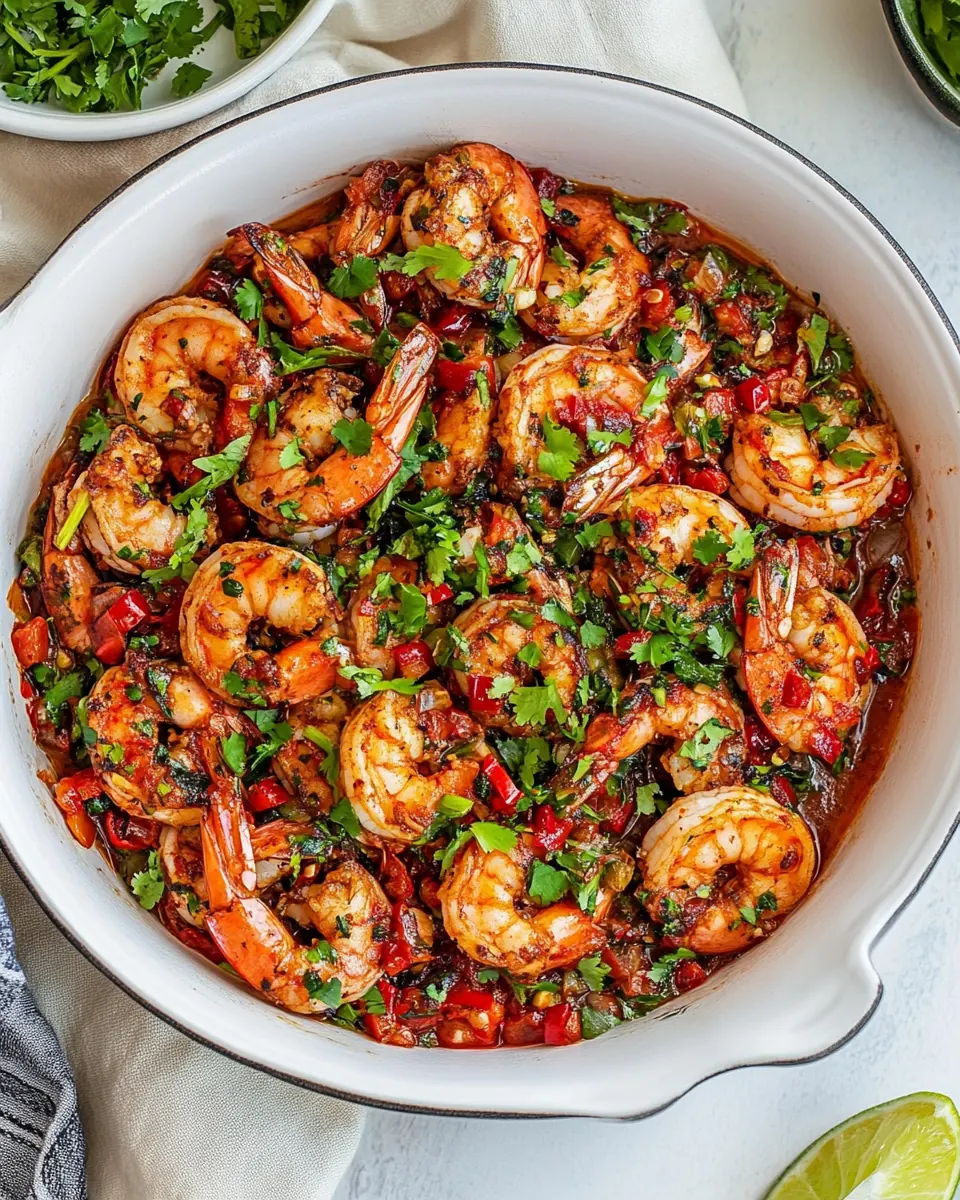
In a large skillet or Dutch oven with a tight-fitting lid, heat 1 tablespoon of the oil over medium-high heat. Once the oil is hot but not smoking, swirl to coat the pan, then add the shrimp. Sprinkle with 1/2 teaspoon chili powder, 1/2 teaspoon garlic powder, 1/4 teaspoon cumin, and 1/4 teaspoon salt. Stir to coat the shrimp with the spices, then continue to saute just until the shrimp is pink and fully cooked through, about 2 to 3 minutes. Remove to a plate and set aside.: The moment the oil warms you should see it shimmer and feel it move easily across the pan when tilted, that tells you it is ready to sear. At this temperature the surface of the pan will quickly create a thin crust on the shrimp which locks in juices and concentrates flavor. You want the oil hot but not smoking because overheated oil will burn spices and leave a bitter note. A common mistake is cranking the heat too high and then adding crowded shrimp which causes them to steam rather than sear. If the pan smokes, lower the heat and wipe out the pan if needed before proceeding.
Add the remaining 1/2 tablespoon oil, onion, jalapeno, and bell pepper. Cook until the vegetables begin to soften, about 5 minutes. Add the oregano, black pepper, the remaining 1 teaspoon chili powder, 1 teaspoon garlic powder, and 1/2 teaspoon cumin. Stir to coat the vegetables and cook 30 seconds. Add the rice and beans. Stir to coat once more.: When the shrimp hit the pan you should hear a gentle sizzle which signals proper contact. Arrange them in a single layer and avoid moving them immediately so they can form that delicate browned edge. This firm exterior gives a pleasing texture in contrast to the tender interior. If you try to flip them too early they will stick; wait until the edges turn opaque and pink.
Add the diced tomatoes in their juices and water. Stir to combine the ingredients. Bring to a gentle boil, cover, then reduce the heat to a simmer. Let simmer 30 minutes. Remove the lid and stir, scraping up any rice that has started to stick to the bottom of the pot. Re-cover and continue to let simmer with the lid on until the rice is tender, 10 to 15 additional minutes, stirring the pot every 10 minutes to prevent sticking. If the rice begins to dry out, add a bit more water as needed.: Dusting the shrimp with spices at this stage seasons the surface and creates an aromatic crust as they cook, releasing warm, toasty notes. The spices bloom in the hot oil, intensifying their flavors quickly. Be cautious not to over season at once, measured amounts let other elements shine later. If the spices start to blacken, reduce the heat immediately to avoid bitter flavors.
Stir in the green onions, cilantro, and reserved shrimp. Squeeze the lime over the top. Serve warm with desired toppings.: Listen for a light sizzling and watch the shrimp change from translucent to opaque pink; that visual cue is the best doneness indicator. Overcooking will make the shrimp rubbery, so remove them the instant they curl and firm slightly. A frequent misstep is leaving them in the pan because you are distracted; set a short timer if you must.
Remove to a plate and set aside: Letting the shrimp rest off heat prevents carryover cooking from drying them out, and retains their juiciness for when they are stirred back into the finished rice. Resting also allows the residual heat to redistribute, keeping texture pleasant. A mistake is stacking them while hot which can steam and soften the exterior; spread them on a plate instead.
Add the remaining 1/2 tablespoon oil, onion, jalapeno, and bell pepper: The second portion of oil helps the chopped onion and peppers soften without sticking. When these vegetables hit the pan the aroma will lift immediately, and you should notice the pan filling with sweet and vegetal scents. Softening rather than browning preserves a bright pepper flavor. If you let them scorch the dish will take on a charred bitterness.
Cook until the vegetables begin to soften, about 5 minutes: You want the onion to become translucent and the bell peppers to lose raw bite while still holding some body, creating pleasant texture contrast with the rice. Stir occasionally so pieces cook evenly; uneven heat will leave some raw and some burned. If the pan gets too dry, add a splash of water to deglaze and prevent burning.
Add the oregano, black pepper, the remaining 1 teaspoon chili powder, 1 teaspoon garlic powder, and 1/2 teaspoon cumin: Introducing these dried herbs and spices now warms the mixture and allows their flavors to infuse the softened vegetables, producing a fragrant base. This step enhances complexity by layering spices rather than dumping everything at once. Be mindful not to add salty ingredients before tasting; seasoning balance is key. If the spices clump, stir vigorously to distribute them evenly.
Stir to coat the vegetables and cook 30 seconds: The quick toast deepens the spice aromas and helps the flavors adhere to the vegetables, releasing a rich perfume that signals readiness for the rice. This brief time is enough to bloom dried seasonings but short enough to avoid burning. A common error is extending this step too long which darkens the spices and introduces bitterness.
Add the rice and beans: Adding the long grain brown rice and the rinsed black beans lets the grains and legumes mingle with the seasoned vegetables so every kernel and bean picks up flavor. You should notice the rice grains gaining color from the pan and the beans warming through, creating a unified mixture. If you skip rinsing the beans, canned starches can make the texture gummy, so rinse well.
Stir to coat once more: Coating the rice and beans distributes the flavored oil and spices, ensuring even seasoning throughout. This action helps prevent clumps and prepares the mixture to absorb the tomato juices uniformly. If the rice feels dry after coating, a small splash of water helps loosen it before adding the tomatoes.
Add the diced tomatoes in their juices and water: The canned diced tomatoes in green chiles bring both acidity and liquid which the rice needs to cook, while the water balances the overall volume. As the mixture heats, aromas of tomato and chile will rise, and you should see a loose stew forming. If you reduce liquids too much early on, the rice will undercook, so maintain enough moisture.
Stir to combine the ingredients: Combining now ensures the rice sits evenly in the cooking liquid and prevents pockets of dry grain. Use a gentle hand to keep the vegetables distributed without smashing them. A mistake is failing to scrape any browned bits from the bottom, which hold concentrated flavor; a wooden spoon is great for scraping gently.
Bring to a gentle boil, cover, then reduce the heat to a simmer: A gentle boil before simmering is important because it uniformly raises the pot temperature, then lowering to a simmer lets the rice absorb liquid steadily without splattering. You will hear a quieter, softer bubbling when the simmer is right. Boiling too vigorously can cause uneven cooking and spillover.
Let simmer 30 minutes: During this time the brown rice softens and soaks up the tomato and chile flavors. You will notice the pot become thicker and aroma deepen. Avoid lifting the lid often, because steam loss lengthens cooking time. One common error is checking too frequently which lets heat escape and disrupts even cooking.
Remove the lid and stir, scraping up any rice that has started to stick to the bottom of the pot: Scraping redistributes flavor and prevents burning on the bottom, while also allowing you to check moisture levels. If you see sticking early, loosen the rice gently and add a splash of water to reincorporate. Leaving stuck rice unattended will lead to a scorched bottom flavor in the finished dish.
Re cover and continue to let simmer with the lid on until the rice is tender, 10 to 15 additional minutes, stirring the pot every 10 minutes to prevent sticking: This final stage finishes the brown rice without overcooking it, producing grains that are tender with a slight chew. Stirring periodically keeps the bottom from scorching and helps distribute heat. If the rice seems dry before tender, add small amounts of water and check again in a few minutes.
If the rice begins to dry out, add a bit more water as needed: Maintaining the right moisture is essential for even cooking; add water sparingly so you don’t overshoot and turn the rice mushy. A few tablespoons at a time gives you control. Avoid adding too much at once which can leave the dish soupy and extend cooking time.
Stir in the green onions, cilantro, and reserved shrimp: Adding the green onions and cilantro at the end preserves their bright color and fresh flavor, and folding the warm shrimp back in keeps them tender while integrating their savory juices. The aroma will lift immediately and the bowl will look vibrant. Overheating at this point will wilt herbs and overcook the shrimp .
Squeeze the lime over the top: The juice of the lime adds bright acidity which balances the dish’s richness and amplifies the spice notes. Squeezing just before serving preserves the fresh citrus aroma. Bottled citrus lacks the same lively aroma, so choose fresh whenever possible.
Serve warm with desired toppings: Let people customize with additional jalapeno , sour cream , or diced avocado to control heat and creaminess. The final presentation should look colorful and inviting, with green herbs and lime wedges on the side. A frequent mistake is letting the pot cool too long before serving, which flattens the flavors.