Mississippi Pot Roast
Mississippi Pot Roast is the kind of recipe that shows up when life gets busy and you need a warm, comforting meal with almost no fuss.
I first met this dish on a chaotic weeknight when I had a pile of errands, a tired family, and zero desire to hover over the stove. I grabbed a chuck roast, tossed a few pantry packets into the slow cooker, and let it do the heavy lifting while I caught up on life. By the time I returned, the kitchen smelled rich and buttery, and the meat was falling-apart tender, which felt like a small, delicious victory.
Over time I learned little adjustments that make a big difference to the final plate. I always sear the chuck roast first to build that deep, savory crust, and I keep an eye on the pepperoncini peppers to dial the brightness and heat. Small choices, like using low sodium beef broth and real unsalted butter, let the core flavors sing without overwhelming the dish. It has become my go-to when I want something hands-off but soulful.
Recipe Snapshot
8 hr 15 mins
15 mins
480 mins
Hard
500 kcal
American
Keto, Gluten-Free
Dinner
Large skillet, Slow cooker, Forks for shredding
Why This Mississippi Pot Roast Works
Comfort without the fuss
I love that Mississippi Pot Roast delivers deep, homey flavors with very little active time from me. The slow cooker does most of the work, creating a rich, buttery sauce that transforms the chuck roast into something downright irresistible. When I bring this to the table, folks immediately settle in, which is a rare, lovely thing on a busy evening.
Bold, balanced flavors
The combination of ranch dressing mix, au jus mix, and pepperoncini peppers gives this roast a savory backbone with tangy brightness. I find the interplay between the buttery gravy and the tangy peppers keeps each bite interesting, and you get savory, salty, and slightly piquant notes in every forkful.
Reliable technique
Slow cooking is forgiving, and I appreciate that the method is so hard to mess up. Once the chuck roast is seared and in the pot, the long, gentle heat breaks down connective tissue and produces that shreddable texture we all crave. I rely on this predictability for family dinners and when I need to bring a dish to a potluck.
Pantry friendly
Most of the components are pantry staples, which makes this a go-to when the fridge is sparse. That simplicity is a huge plus for weeknight cooks. I love that a handful of seasonings and a few pantry packets can turn an economical cut of beef into a centerpiece worthy of guests.
Flexible and forgiving
You can adapt timing and portion size depending on your schedule and appetite. I often adjust the number of pepperoncini peppers for milder or more pronounced tang, and the recipe holds up well if you need to keep it on warm for a while. This versatility keeps it in my regular rotation.
What to Gather for Mississippi Pot Roast
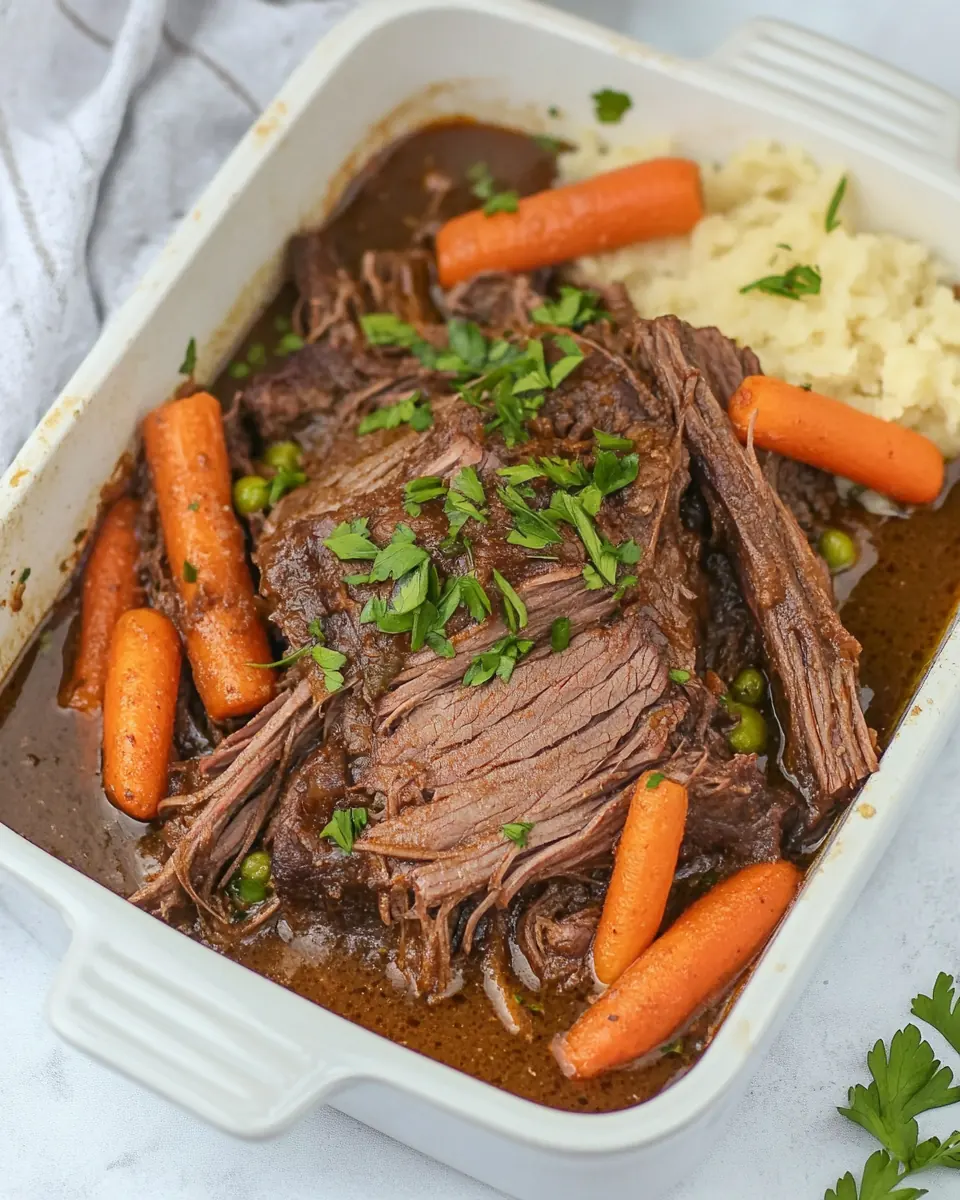
These ingredients are simple and purposeful. The star is the chuck roast, an economical cut that becomes meltingly tender with low, slow heat. The other components create a layered sauce, where savory packets add depth, butter brings richness, and pepperoncini peppers add a bright, tangy counterpoint. Together they transform basic pantry items into a cohesive, comforting meal.
- 3 4 lbs chuck roast: Season generously to enhance savory depth and balance the richness of the roast; adjust amount by taste and for dietary sodium concerns. Provide mild heat and aromatic backbone when rubbed on the meat before searing and slow cooking.
- 1/2 tsp ground black pepper, or to taste: Season lightly to provide subtle heat and complexity; can be adjusted to preference and sprinkled before browning to build crust flavor. Aid in balancing the beef‘s richness and complementing the tangy pepperoncini.
- 1/4 cup beef broth, low-sodium: Moisten and deglaze the pan to capture browned fond, preventing dryness during braising and contributing a gentle beefy base. Add gradually to maintain a saucy consistency and to concentrate flavor during slow cooking.
- 2 tbsp olive oil: Sear the roast in a hot skillet to create a flavorful browned crust and to lock in juices before slow cooking. Provide fat for caramelization and help dissolve dry mixes into the cooking liquid.
- 1 packet ranch dressing mix, (1 oz or 3 Tbsp) *see notes for GF: Season immediately to impart herby, tangy, and savory notes that mimic classic ranch flavor; stir into the cooking liquid so the mix dissolves and flavors the roast. Ensure gluten-free options are used if needed to keep the dish suitable for dietary restrictions.
- 4 tbsp unsalted butter: Enrich the cooking liquid with creamy, buttery richness that melts into the sauce and tenderizes the meat during slow cooking. Add atop the roast so it softens into a silky finishing sauce.
- 6 pepperoncini peppers, or added to taste: Add acidity and mild heat to brighten flavors and cut through the roast‘s richness; include brine for pungency and subtle tang. Scatter into the pot so juices infuse the meat and the sauce with pickled pepper flavor.
- 1 packet au jus mix, or substitute with brown gravy mix *see notes for GF: Season and enhance savory, beefy umami with a concentrated gravy mix that thickens the sauce as it simmers; can be swapped for gluten-free alternatives if required. Sprinkle into the braising liquid to boost depth and create a glossy finish.
- 2 garlic cloves, minced: Aromatize the dish with pungent, savory flavor that permeates the meat and sauce; mince finely so garlic disperses evenly during long cooking. Add near the start of braising to mellow and sweeten while infusing the roast.
How to Prepare Mississippi Pot Roast
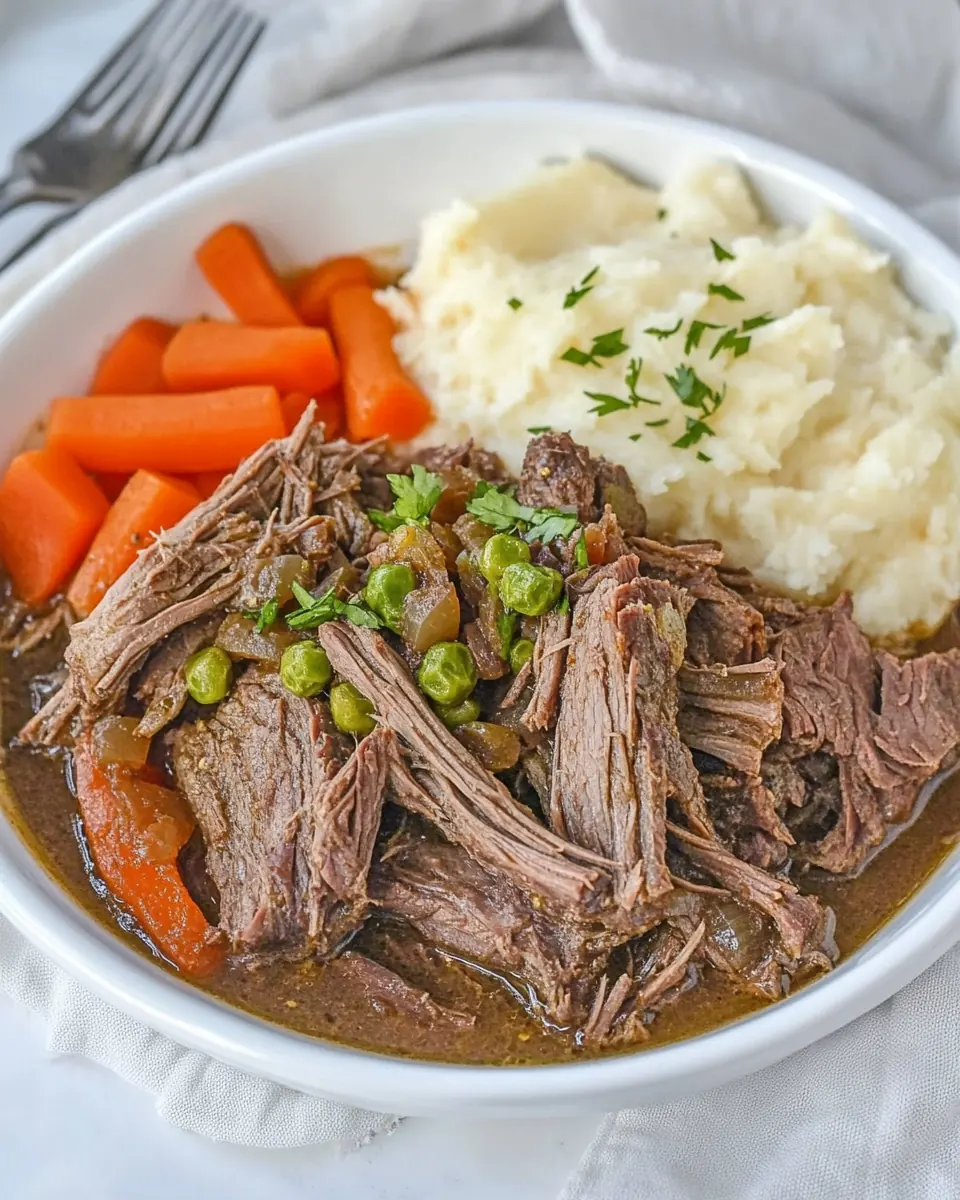
I like to keep the instruction tone conversational and encouraging because slow cooker recipes should feel accessible. These steps will walk you through searing for flavor, layering the pot for an even sauce, and finishing with gentle shredding. You will end up with tender meat and a glossy, buttery gravy.
- Season the chuck roast with pepper on both sides.: The air right after seasoning should smell faintly of warm, earthy spice, which primes the surface for a good sear. Proper seasoning helps form a savory crust when you sear, which enhances the overall flavor of the finished dish. A common mistake is over seasoning early, which can make the exterior taste too strong after long cooking; start with the specified amount and adjust later. Ensure you pat the chuck roast dry first so the seasoning adheres, and press the ground black pepper into the meat so it does not fall off during searing.
- In a large skillet, heat 2 tbsp oil. Once hot, sear and brown the beef for 2-3 minutes per side.: When the oil shimmers and you hear an immediate sizzle, you know the pan is ready. The aroma of caramelizing meat and Maillard notes develops quickly, creating depth you cannot get from slow cooking alone. This initial browning locks in savory flavors and forms a rich crust that will infuse the final dish. Avoid crowding the pan, which traps steam and prevents browning; sear in batches if needed. If the pan smokes, lower the heat slightly to prevent burnt flavors, and use a spatula to press the roast gently for even contact.
- In a slow cooker bowl, add the beef broth. Then, add the seared beef, and top with ranch mix, au jus powder, minced garlic, pepperoncini, and sliced butter.: The moment you pour in the warm beef broth you will see fragrant steam rise and the savory smell will deepen. Layering the seasonings and butter on top ensures they melt and mingle over the roast, creating a unified gravy as the heat rises. The melted butter brings silkiness while the packets dissolve into the liquid, distributing flavor evenly. A frequent error is stirring everything at this stage, which can disperse the butter and change how the packets hydrate; it is fine to nestle ingredients on top and let the slow cooker do the work. Make sure the liquid level is enough to cover the bottom but not submerge the roast fully, preserving concentrated flavors.
- Cook on low heat for about 7-9 hours, or on high heat for 4-6 hours or until fork-tender (a thinner piece of meat will cook faster and a thicker cut will take longer).: During the long, gentle cook, connective tissues convert into gelatin, making the meat tender and juicy; you will notice a deep, savory aroma filling the kitchen as collagen breaks down. The surface of the roast will soften and the sauce will thicken and concentrate, with buttery sheen and pepperoncini brightness. Avoid the temptation to check too often, as lifting the lid releases heat and prolongs cooking; only peek near the end to test doneness. If the roast seems to be sticking to the sides, add a splash more beef broth to maintain moisture. Thicker cuts need more time, so use a fork to test for easy shredding as your indicator.
- Shred the beef and add back into the slow cooker, gently mix until combined with the buttery gravy.: When you pull the roast apart with two forks, the texture should be feathery and moist, releasing rich, savory juices that mingle with the glossy gravy. The scent at this point is rich and slightly tangy from the pepperoncini peppers , and the garlic aroma will be mellow and integrated. Gently mixing ensures the shredded meat soaks up the sauce without becoming mushy. A common slip-up is over shredding to the point of paste; aim for tender ribbons rather than pulverized meat. Taste and adjust the seasoning now, keeping in mind the ranch dressing mix and au jus mix can contain salt, so add additional salt sparingly.
Helpful Hints
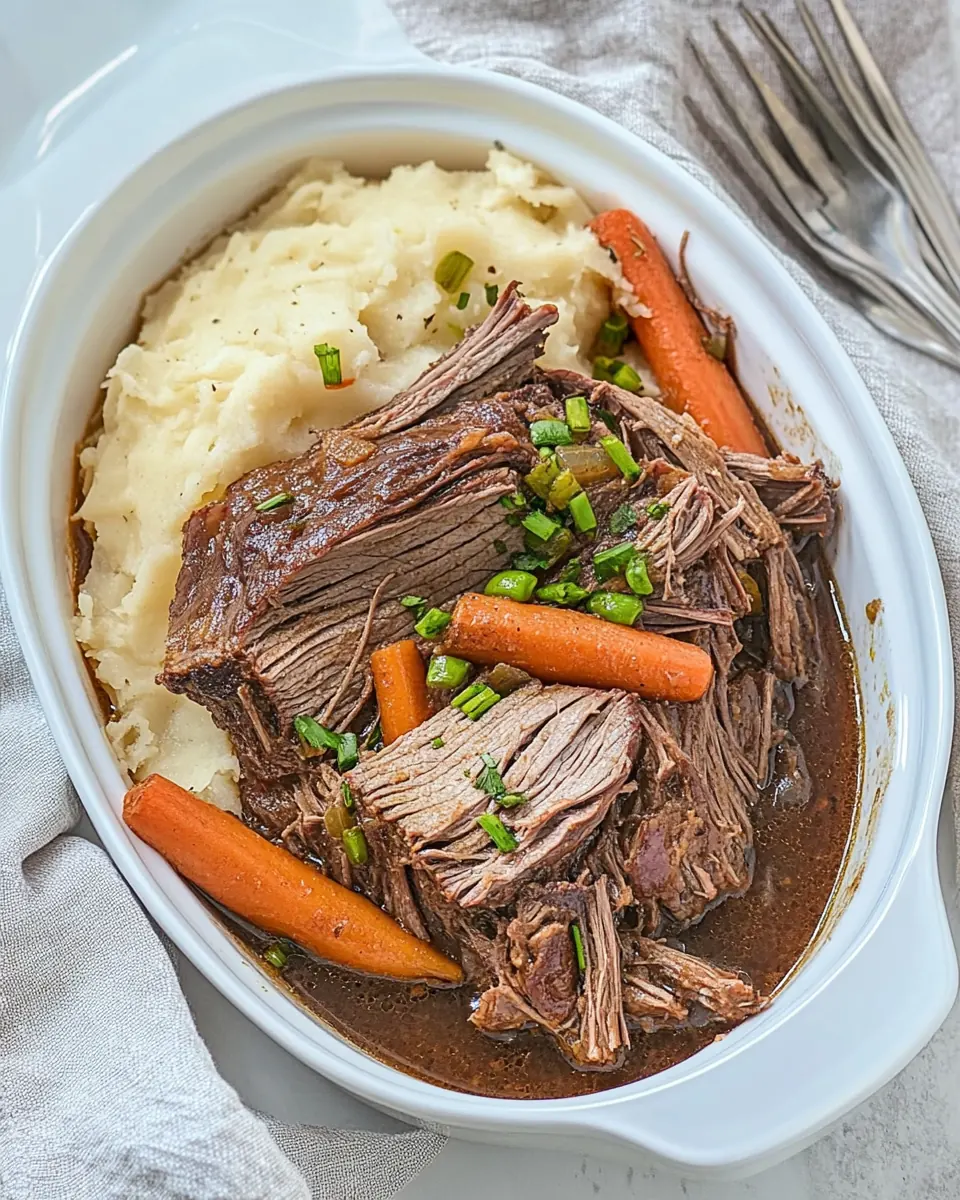
I keep these hints close when making Mississippi Pot Roast because they solve common hiccups and elevate the final dish. Read them before you cook so you can plan the small choices that yield big results.
- Choose the right cut: A well marbled chuck roast will break down into tender strands and provide the richest flavor, whereas leaner cuts can end up dry.
- Sear properly: Heat the olive oil until shimmering and sear the roast in batches if necessary, ensuring a deep brown crust without steaming the meat.
- Control salt: Since the ranch dressing mix and au jus mix can be salty, use low sodium beef broth and taste before adding extra salt at the end.
- Adjust tang: Add or remove pepperoncini peppers to tune the dish from mild to tang-forward, tasting as you go if uncertain.
- Slow and steady: For the most tender results, cook on low and avoid frequent lid lifts which release heat and prolong cooking time.
Serving Options for Mississippi Pot Roast
This roast lends itself to hearty, home-style serving approaches and pairs well with comforting accompaniments. Consider the occasion, whether a casual weeknight dinner or a gathering, and plan sides and presentation that showcase the rich, buttery meat and tangy sauce.
- Classic plate: Serve the shredded chuck roast over mashed potatoes so the buttery gravy soaks into the mash, creating a spoonable, comforting bite.
- Sandwich style: Pile the shredded meat on toasted rolls, spooning extra sauce over top for moist, flavorful sliders that are perfect for casual lunches or game day.
- Family dinner: Place the roast in a shallow serving dish and offer sides like roasted vegetables or simple steamed greens to balance the richness of the gravy.
- Storing leftovers: Cool the roast to room temperature, then move to an airtight container; refrigerate for up to four days or freeze for up to three months, which makes for reliable meal prep.
- Reheating: Thaw in the fridge if frozen, then warm gently in the slow cooker or a covered pan until heated through, stirring occasionally for even heating.
- Occasions: This dish is ideal for winter gatherings or any time you want a hands-off, crowd-pleasing main course that fills the house with comfort.
FAQ
Conclusion
This recipe stands out because it transforms an economical cut into a richly flavored, tender centerpiece with minimal hands on time. Give Mississippi Pot Roast a try on a busy evening and enjoy the comfort of a buttery, savory meal that practically cooks itself. I hope it becomes one of your reliable go to dishes for family dinners and casual gatherings, providing both ease and genuine, satisfying flavor.
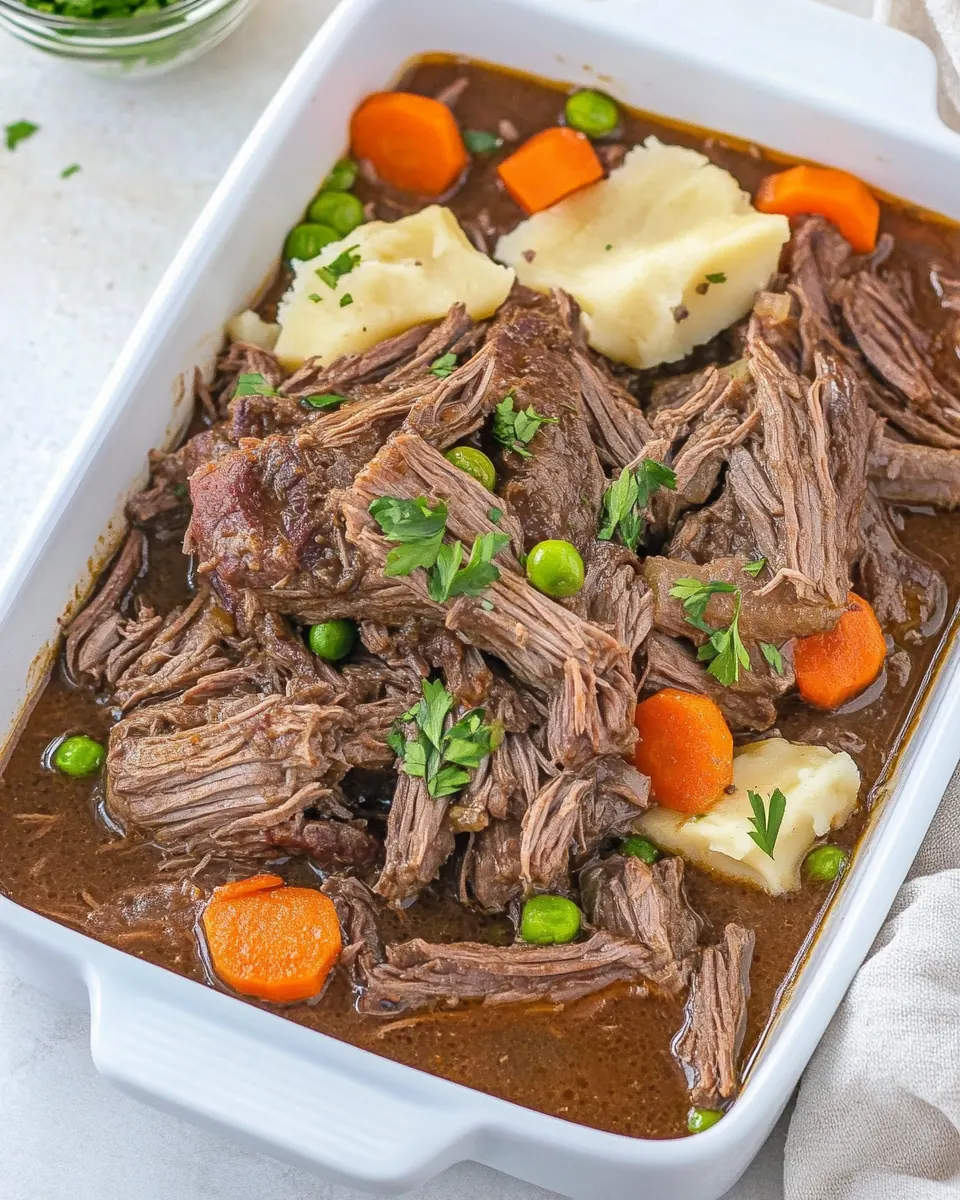
Mississippi Pot Roast
Ingredients
Equipment
Method
- Season the chuck roast with pepper on both sides.: The air right after seasoning should smell faintly of warm, earthy spice, which primes the surface for a good sear. Proper seasoning helps form a savory crust when you sear, which enhances the overall flavor of the finished dish. A common mistake is over seasoning early, which can make the exterior taste too strong after long cooking; start with the specified amount and adjust later. Ensure you pat the chuck roast dry first so the seasoning adheres, and press the ground black pepper into the meat so it does not fall off during searing.
- In a large skillet, heat 2 tbsp oil. Once hot, sear and brown the beef for 2-3 minutes per side.: When the oil shimmers and you hear an immediate sizzle, you know the pan is ready. The aroma of caramelizing meat and Maillard notes develops quickly, creating depth you cannot get from slow cooking alone. This initial browning locks in savory flavors and forms a rich crust that will infuse the final dish. Avoid crowding the pan, which traps steam and prevents browning; sear in batches if needed. If the pan smokes, lower the heat slightly to prevent burnt flavors, and use a spatula to press the roast gently for even contact.
- In a slow cooker bowl, add the beef broth. Then, add the seared beef, and top with ranch mix, au jus powder, minced garlic, pepperoncini, and sliced butter.: The moment you pour in the warm beef broth you will see fragrant steam rise and the savory smell will deepen. Layering the seasonings and butter on top ensures they melt and mingle over the roast, creating a unified gravy as the heat rises. The melted butter brings silkiness while the packets dissolve into the liquid, distributing flavor evenly. A frequent error is stirring everything at this stage, which can disperse the butter and change how the packets hydrate; it is fine to nestle ingredients on top and let the slow cooker do the work. Make sure the liquid level is enough to cover the bottom but not submerge the roast fully, preserving concentrated flavors.
- Cook on low heat for about 7-9 hours, or on high heat for 4-6 hours or until fork-tender (a thinner piece of meat will cook faster and a thicker cut will take longer).: During the long, gentle cook, connective tissues convert into gelatin, making the meat tender and juicy; you will notice a deep, savory aroma filling the kitchen as collagen breaks down. The surface of the roast will soften and the sauce will thicken and concentrate, with buttery sheen and pepperoncini brightness. Avoid the temptation to check too often, as lifting the lid releases heat and prolongs cooking; only peek near the end to test doneness. If the roast seems to be sticking to the sides, add a splash more beef broth to maintain moisture. Thicker cuts need more time, so use a fork to test for easy shredding as your indicator.
- Shred the beef and add back into the slow cooker, gently mix until combined with the buttery gravy.: When you pull the roast apart with two forks, the texture should be feathery and moist, releasing rich, savory juices that mingle with the glossy gravy. The scent at this point is rich and slightly tangy from the pepperoncini peppers , and the garlic aroma will be mellow and integrated. Gently mixing ensures the shredded meat soaks up the sauce without becoming mushy. A common slip-up is over shredding to the point of paste; aim for tender ribbons rather than pulverized meat. Taste and adjust the seasoning now, keeping in mind the ranch dressing mix and au jus mix can contain salt, so add additional salt sparingly.
Notes
- Choose the right cut: A well marbled chuck roast will break down into tender strands and provide the richest flavor, whereas leaner cuts can end up dry.
- Sear properly: Heat the olive oil until shimmering and sear the roast in batches if necessary, ensuring a deep brown crust without steaming the meat.
- Control salt: Since the ranch dressing mix and au jus mix can be salty, use low sodium beef broth and taste before adding extra salt at the end.
- Adjust tang: Add or remove pepperoncini peppers to tune the dish from mild to tang-forward, tasting as you go if uncertain.
- Slow and steady: For the most tender results, cook on low and avoid frequent lid lifts which release heat and prolong cooking time.