Bunny Pancakes
Bunny Pancakes are the kind of playful breakfast that turns an ordinary morning into a moment worth remembering. The first time I made Bunny Pancakes, I was half asleep but determined to surprise my kids before school, and the ritual of mashing a ripe banana and watching batter swirl into perfect circles pulled me completely awake. There is something quietly joyful about assembling a face from simple toppings, and that morning set a small family tradition that we return to whenever we want an extra dose of warmth.
Over the years I learned to treat Bunny Pancakes like edible crafts rather than a rushed meal. I started laying out the blueberries, strawberry, and julienned carrot in little bowls, and the kids would take turns placing eyes and whiskers while the pancakes hissed softly on the griddle. The routine calms us, it sparks conversation, and it makes picky eaters curious enough to try new textures, especially when a fluffy whipped cream tail is involved.
Making these pancakes taught me useful lessons about batter consistency and timing. A batter that is too loose spreads thin, and the bunnies come out flat. Batter that is too thick can remain gummy inside, so I learned to add water by the tablespoon and stop when the pour looks glossy and slightly thick. That little bit of attention is what turns simple pantry items into a treat that gets photographed and shared. Whether you are cooking for family, hosting a themed brunch, or creating a quick weekend memory, Bunny Pancakes fit the bill and invite creativity.
Recipe Snapshot
25 mins
10 mins
15 mins
Easy
220 kcal
American
Gluten-Free, Vegan
Breakfast
High speed blender, Griddle or skillet, Spatula
The Beauty of This Bunny Pancakes
They are utterly kid friendly and playful
I love how Bunny Pancakes turn routine into play. Kids jump in because decorating is part of the meal, and I always find that when children help place blueberries for eyes or a strawberry bowtie, they are more willing to taste new flavors. The tactile act of arranging toppings feels like crafting, and that engagement makes breakfasts calmer and more joyful.
Health conscious without sacrificing fun
Using a ripe banana, whole rolled oats, and just eggs creates a batter that is both satisfying and naturally sweet. I appreciate recipes that balance nutrition and whimsy, and these pancakes deliver fiber and protein without extra refined sugar. For days when I want something light but filling, these are my go to pancakes.
Flexible and forgiving
The way the batter behaves makes Bunny Pancakes adaptable. I can make large circles for heads or tiny rounds for feet, and the technique allows for imperfect shapes. That flexibility means I can scale the recipe up or down easily, and it handles substitutions like different toppings with grace. I often change the look depending on who I am serving, and the batter remains cooperative.
Fast and approachable
From mash to plate these pancakes come together quickly, which is crucial on busy mornings. The blender based batter mixes in seconds, and the cooking steps are straightforward for cooks of any skill level. If you are the kind of person who appreciates a recipe that respects limited time, this one will earn a place in your rotation.
Great for sharing and celebration
I find myself reaching for Bunny Pancakes for holidays like Easter or spring brunches because they double as a centerpiece. They encourage guests to participate, and they look delightful on a platter. That combination of convenience and charm makes them a reliable option whenever I want food that feels festive without fuss.
Bunny Pancakes Ingredients
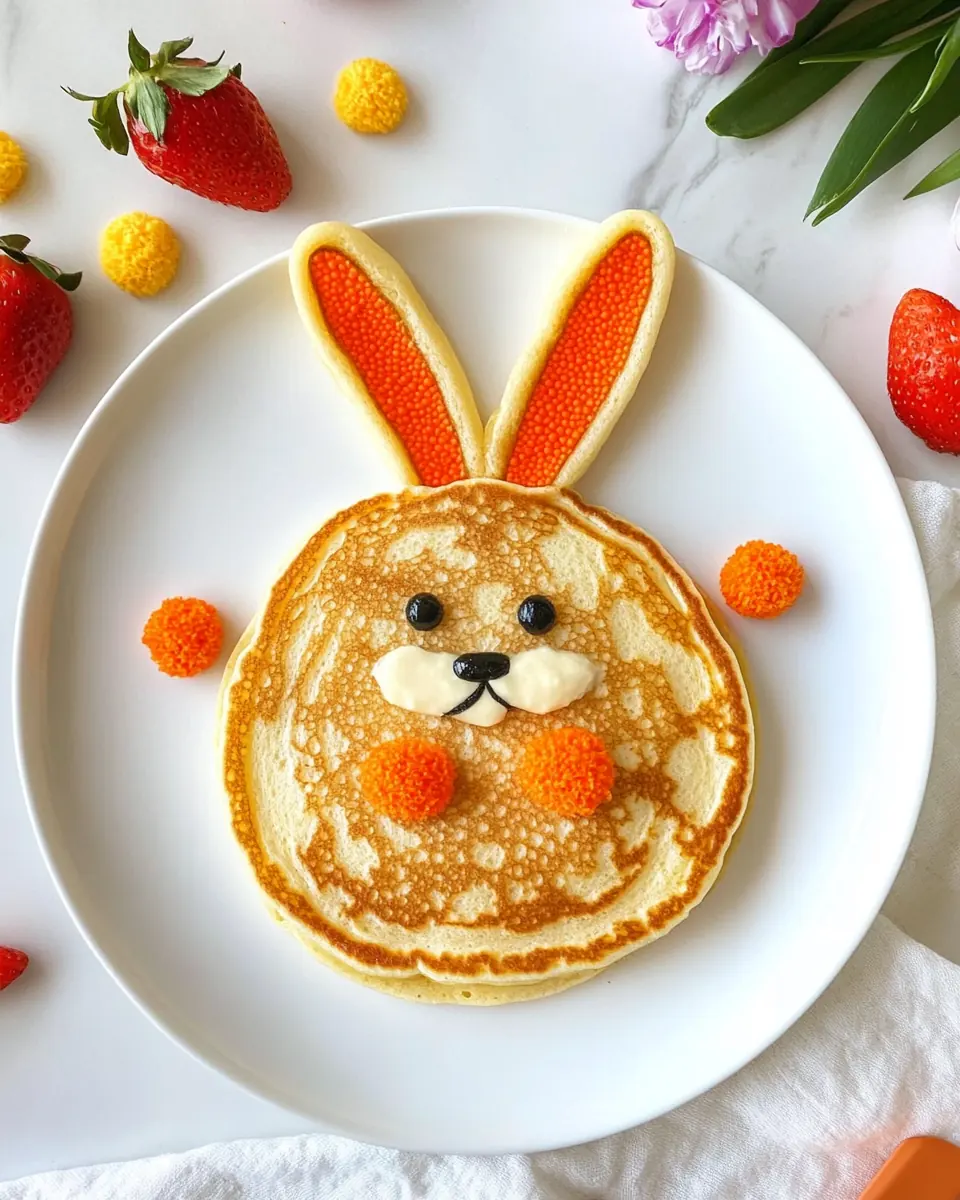
These ingredients are intentionally simple so the final dish tastes fresh and playful. The recipe relies on a few key players that do the heavy lifting: a ripe banana for sweetness and moisture, whole rolled oats for body and texture, and eggs for structure. The optional toppings let you add personality and contrast, creating faces and features that are as fun to build as they are to eat.
- 1 ripe banana: Mashed to provide natural sweetness and moisture while helping bind the batter together; adds a tender texture and subtle banana flavor that complements the bunny theme. Use a ripe banana for maximum sweetness and easier mashing. Contributes some natural sugars and potassium for a slightly healthier pancake option.
- 2 large eggs: Whisked in to supply structure, protein, and richness, helping the pancakes set and hold together while adding a light, fluffy interior. Beat slightly before adding to ensure even distribution throughout the batter. Eggs also contribute to browning and a smooth mouthfeel.
- 3/4 cup rolled oats: Ground or blended into a coarse flour-like base to form the bulk of the batter; offers whole-grain texture and a nutty flavor while keeping the pancakes hearty. Rolled oats absorb moisture and create a soft crumb when combined with the banana and eggs. Can be pulsed in a blender for a finer consistency if desired.
- 1 teaspoon baking powder: Sprinkled in to introduce lift and lightness by producing small air pockets during cooking; balances the density of oats and banana for a fluffier pancake. Measure carefully to avoid an off-taste from excess leavening. Works quickly when mixed into wet ingredients right before cooking.
- pinch of salt: Added sparingly to enhance and balance flavors by cutting through sweetness and bringing out the banana and oat notes; also aids in overall seasoning. A tiny pinch is sufficient for most batters to avoid a salty finish. Keeps the flavor profile bright and rounded.
- sliced banana (for snout or feet): Sliced and used decoratively for the snout or feet to give the bunny a recognizable shape while adding fresh banana flavor and a soft texture. Arrange slices after cooking to prevent browning and maintain visual appeal. Provides a cohesive look that ties into the banana used in the batter.
- strawberry (for bowtie): Halved or sliced to form a playful bowtie, delivering a pop of color and a sweet, slightly tart contrast to the pancake. Choose firm strawberries for clean shapes and bright presentation. Complements the other fruit garnishes and enhances the bunny motif.
- julienned carrot (for whiskers): Cut into thin matchstick pieces to mimic whiskers, supplying a crisp texture and mildly sweet, earthy flavor that contrasts with the soft pancakes. Use fresh carrots for a vibrant color and pleasant crunch. Place carefully so the whiskers fan outward for an adorable finish.
- blueberries or chocolate chips (for eyes, nose, and feet): Placed for the eyes, nose, and feet to add detail and contrast; blueberries offer juicy bursts while chocolate chips provide rich sweetness and melty texture. Use small pieces to create facial features and tiny accents with precision. Helps define expression and adds visual depth to the bunny design.
- whipped cream (for tail): Dolloped to create a fluffy tail that adds height and a cloud-like texture while contributing light sweetness and creaminess to each bite. Pipe or spoon onto the pancake after cooking to maintain volume and prevent melting into the surface. Completes the bunny look and offers a decadent finishing touch.
How to Assemble Bunny Pancakes
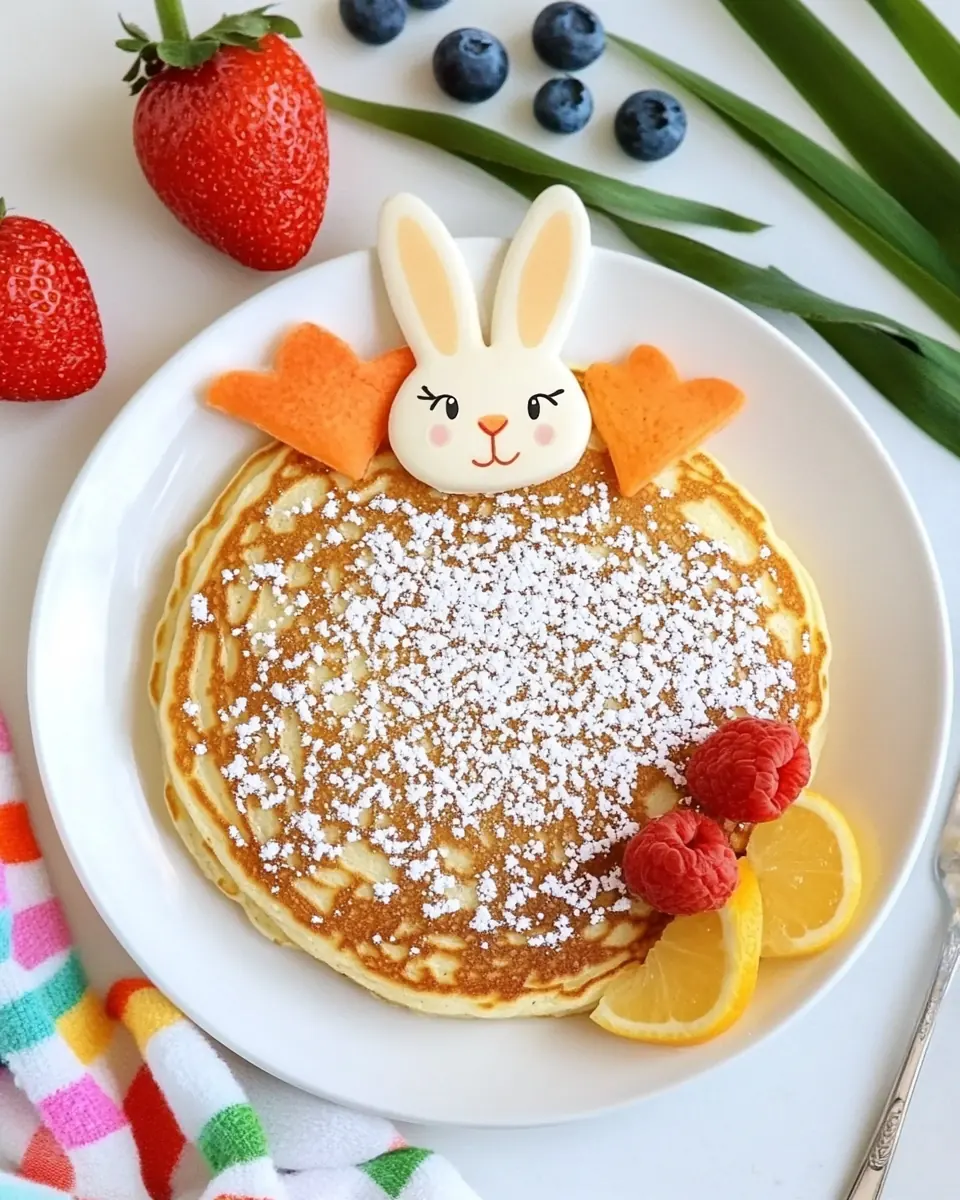
Assembling these pancakes is part cooking and part crafting, and I find it relaxing to work in small batches. Keep your toppings organized and the pan at a steady medium heat so shapes form predictably. Below, each step is followed by rich sensory cues, helpful why notes, and one troubleshooting pointer so you know what to expect and how to fix common hiccups.
- In a high-speed blender, combine the banana, eggs, rolled oats, baking powder, and salt. Secure the lid and blend until very smooth, stopping to scrape down the sides if needed. Add 1 tablespoon of water if the batter looks thick, but avoid adding more liquid when possible, as it can make the pancakes rubbery in texture.: You will hear the blender whir and see the mixture transform from chunked fruit and dry oats into a glossy pale batter, with tiny streams swirling in the vortex. The aroma is faintly sweet from the banana , and the texture should feel creamy when you dip a spoon in. This smoothness is crucial so the batter spreads evenly and forms clean round shapes for bunny parts. If the batter appears lumpy, stop blending and scrape the sides, then pulse again to avoid overmixing which can make the pancakes rubbery. A common mistake is adding too much water because the batter seems thick at first; add only a tablespoon at a time and trust that resting will hydrate the oats further.
- Heat a griddle or skillet over medium heat. You'll know it's ready to cook the pancakes when a drop of water instantly sizzles when it touches the hot surface.: As the pan warms up you may notice a faint toasty scent, and when the surface is correct a quick water drop will dance and evaporate, signaling even heat distribution. This moment matters because a properly heated pan gives the batter contact that sears the exterior, producing those tiny bubbles and a gentle browning that signals doneness. If the pan is too cool the batter will spread and cook slowly, resulting in flat, pale pancakes; if it is too hot they will brown too quickly and remain undercooked inside. A common error is setting the heat too high to hurry things along, which sacrifices the tender interior for a burnt exterior.
- Grease the skillet with cooking spray, then add a 1/4 cup of pancake batter to the center of the pan. Spread it out into a circle with the back of a spoon, if needed. (Depending on the size of your skillet, you may be able to cook two or more pancakes at the same time.) When bubbles start to form in the center of the pancake, slide a flipper under the pancake and flip it over to cook the other side. When the pancake puffs up the center, you'll know it's done.: Listen for a soft, steady sizzle as the batter meets the hot surface, and watch as tiny bubbles appear and slowly pop, creating a dotted pattern on the pancake top. The edges will firm and gain a light golden hue, offering visual confirmation that it is time to flip. Smell a gentle toasty note, not burnt, which means glutenizing and caramelization are happening. Why this approach matters: even spreading ensures uniform thickness so ears and heads cook consistently. Avoid flipping too soon; flipping before bubbles form leads to gooey, undercooked centers, while waiting too long causes excessive browning.
- Repeat the cooking process with the remaining pancake batter. Use different amounts of batter to create various bunny parts. Use a 1/4 cup batter to make a large head or bunny butt. Use 2 tablespoons of batter to create a smaller circle bunny head, and use 1 tablespoon of batter to create each ear and bunny foot. For the bunny ears, pour the batter into long strips instead of circles. For the bunny feet, place a sliced banana and mini chocolate chips into each small circle while cooking. Alternatively, you can add these as a topping at the end.: As you cook multiple pieces you will notice how heat retention affects the next batch, and the pan may need a quick wipe or re greasing to maintain a clean surface. The visual cue for success is consistent color and bounce when pressed gently in the center, which indicates springiness. Making ears in strips creates slender, lightly browned pieces that contrast with round heads. A typical pitfall is crowding the pan with too many shapes at once, which lowers pan temperature and produces uneven doneness; work in batches if necessary.
- This recipe will make 2 servings if you plan on making 2 full bunnies, complete with a bunny butt (1/4 cup batter), small head (2 tablespoons batter), 2 ears (1 tablespoon each), and 2 feet (1 tablespoon each). Or you can make roughly 3 bunny heads (1/4 cup batter) plus 3 sets of bunny ears (1 tablespoon per ear).: When measuring portions, you will see how different volumes create proportionate shapes; the larger 1/4 cup portions puff and brown more noticeably, while tablespoon portions cook quickly, developing subtle color and slightly crisp edges. Pay attention to timing because small pieces finish faster and can go from golden to overdone in seconds. A frequent mistake is assuming all pieces finish together; keep a close eye on small components and remove them earlier to avoid dryness.
- Decorate the bunnies with any toppings you love, using whipped cream as a fluffy bunny tail, blueberries or chocolate chips for eyes, a sliced strawberry for a bowtie, a banana slice for a snout or paws, julienned carrots for whiskers, and mini chocolate chips for bunny nails.: The final assembly is tactile and sensory rich, with the cool soft whipped cream contrasting the warm pancake surface, and the bright pop of strawberry adding fragrant sweetness. Arrange toppings gently so they sit on the pancake without sliding, and press small chips slightly into warm batter to anchor them. Why it matters: thoughtful placement keeps features intact during serving and creates a pleasing visual. One common issue is adding whipped cream too soon; it will melt and lose its shape, so wait until plates are nearly ready before topping.
Helpful Hints
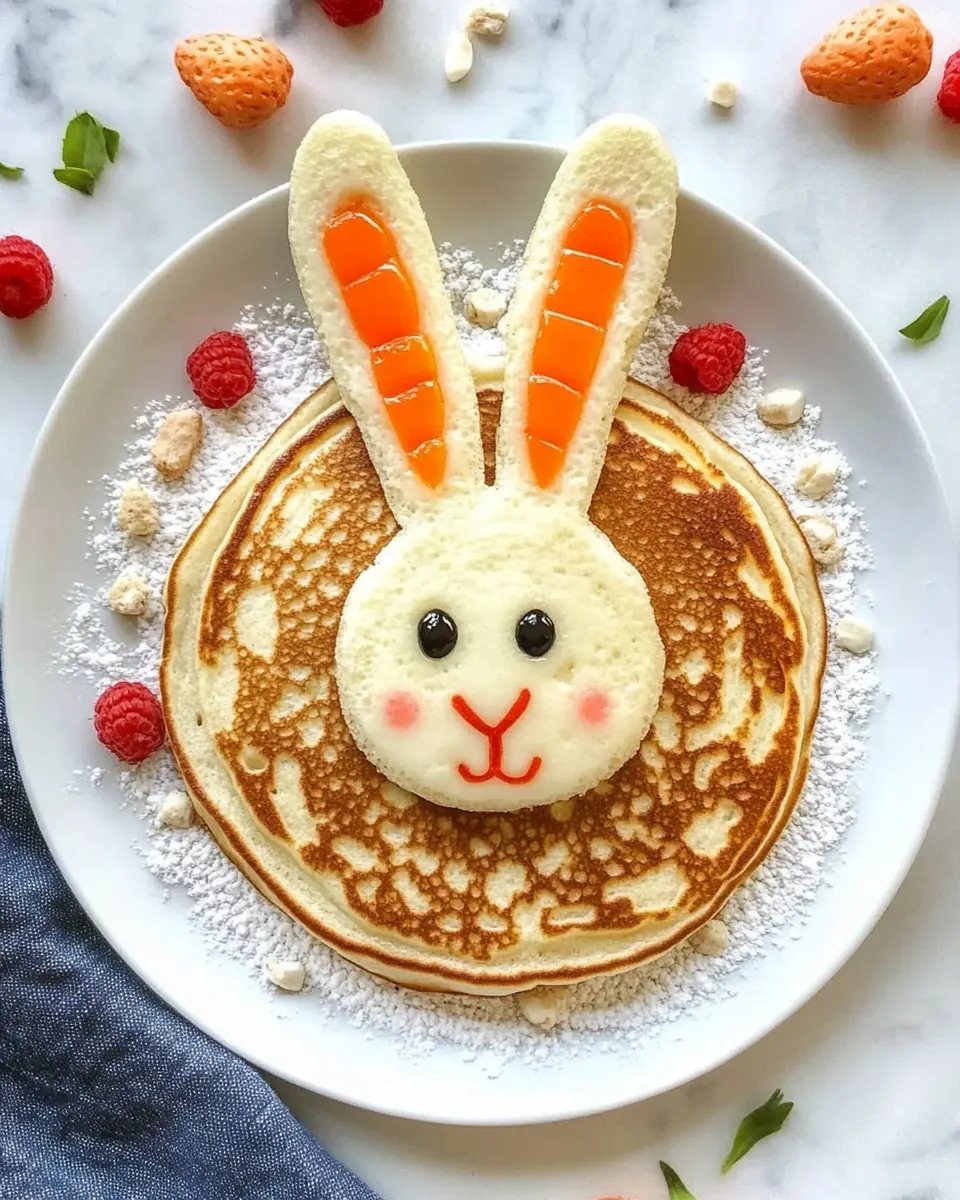
I like to share practical tips that save time and improve results, and these have helped me perfect Bunny Pancakes over many breakfasts. Read them before you start and keep a small tray of toppings ready to assemble quickly.
- Prep toppings first Save time and reduce stress by slicing the strawberry, arranging the blueberries, and julienning the carrot before you start cooking so assembly is smooth.
- Blend to the right consistency Aim for a glossy batter that pours slowly, this ensures even cooking and avoids rubbery pancakes from over thinning with liquid.
- Use a light spray of oil A quick mist prevents sticking without pooling oil that can fry the edges and change the texture.
- Work in small batches Cook fewer pieces at once to keep pan temperature steady, which ensures uniform browning and consistent doneness.
- Add water cautiously If the batter is thick, add one tablespoon at a time and rest briefly so the oats hydrate rather than diluting the batter aggressively.
Serving Suggestions
These pancakes are perfect for casual weekend brunches, holiday mornings such as Easter, or any time you want a playful breakfast. I encourage serving them with a selection of small toppings so everyone can personalize their bunny. Below are detailed serving ideas and pairing suggestions to elevate the experience.
- Family brunch display Arrange multiple decorated Bunny Pancakes on a large platter, with bowls of blueberries, chocolate chips, sliced banana, and whipped cream so guests can assemble their favorites.
- Spring holiday centerpiece Use a decorative platter and seasonal garnishes like extra sliced strawberry and carrot ribbons for a festive table during Easter gatherings.
- Kid friendly plating Serve one bunny per child with small side bowls of toppings, encouraging creativity and making mealtime interactive and calm.
- Storage tips If you have leftovers, stack pancakes with parchment in between and refrigerate for up to two days; reheat gently on a skillet over low heat to restore texture.
- Occasions These are ideal for weekend breakfasts, holiday mornings, or themed parties where playful presentation makes the meal memorable.
- Seasonal pairings In spring, pair with fresh berries and citrus; in cooler months, a warm compote complements the natural banana sweetness.
FAQ
Conclusion
Bunny Pancakes stand out because they combine easy pantry ingredients with playful presentation, turning a simple breakfast into a memorable moment. Give them a try the next time you want to celebrate a morning or bring a smile to the table, and invite loved ones to join the decorating fun. They are quick to make, flexible in flavor, and a wonderful way to make everyday eating feel special, especially when you share the process with family or friends.
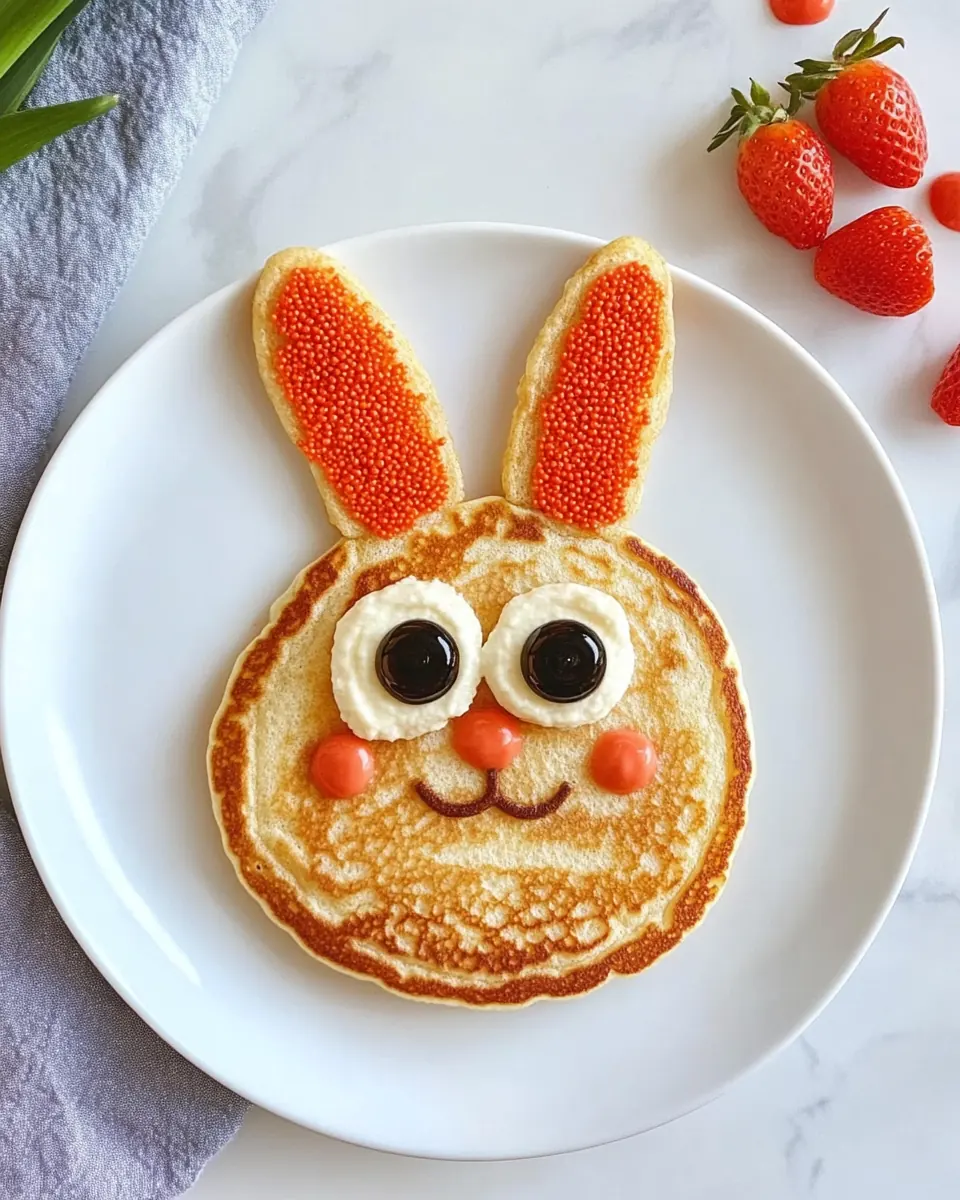
Bunny Pancakes
Ingredients
Equipment
Method
- In a high-speed blender, combine the banana, eggs, rolled oats, baking powder, and salt. Secure the lid and blend until very smooth, stopping to scrape down the sides if needed. Add 1 tablespoon of water if the batter looks thick, but avoid adding more liquid when possible, as it can make the pancakes rubbery in texture.: You will hear the blender whir and see the mixture transform from chunked fruit and dry oats into a glossy pale batter, with tiny streams swirling in the vortex. The aroma is faintly sweet from the banana , and the texture should feel creamy when you dip a spoon in. This smoothness is crucial so the batter spreads evenly and forms clean round shapes for bunny parts. If the batter appears lumpy, stop blending and scrape the sides, then pulse again to avoid overmixing which can make the pancakes rubbery. A common mistake is adding too much water because the batter seems thick at first; add only a tablespoon at a time and trust that resting will hydrate the oats further.
- Heat a griddle or skillet over medium heat. You'll know it's ready to cook the pancakes when a drop of water instantly sizzles when it touches the hot surface.: As the pan warms up you may notice a faint toasty scent, and when the surface is correct a quick water drop will dance and evaporate, signaling even heat distribution. This moment matters because a properly heated pan gives the batter contact that sears the exterior, producing those tiny bubbles and a gentle browning that signals doneness. If the pan is too cool the batter will spread and cook slowly, resulting in flat, pale pancakes; if it is too hot they will brown too quickly and remain undercooked inside. A common error is setting the heat too high to hurry things along, which sacrifices the tender interior for a burnt exterior.
- Grease the skillet with cooking spray, then add a 1/4 cup of pancake batter to the center of the pan. Spread it out into a circle with the back of a spoon, if needed. (Depending on the size of your skillet, you may be able to cook two or more pancakes at the same time.) When bubbles start to form in the center of the pancake, slide a flipper under the pancake and flip it over to cook the other side. When the pancake puffs up the center, you'll know it's done.: Listen for a soft, steady sizzle as the batter meets the hot surface, and watch as tiny bubbles appear and slowly pop, creating a dotted pattern on the pancake top. The edges will firm and gain a light golden hue, offering visual confirmation that it is time to flip. Smell a gentle toasty note, not burnt, which means glutenizing and caramelization are happening. Why this approach matters: even spreading ensures uniform thickness so ears and heads cook consistently. Avoid flipping too soon; flipping before bubbles form leads to gooey, undercooked centers, while waiting too long causes excessive browning.
- Repeat the cooking process with the remaining pancake batter. Use different amounts of batter to create various bunny parts. Use a 1/4 cup batter to make a large head or bunny butt. Use 2 tablespoons of batter to create a smaller circle bunny head, and use 1 tablespoon of batter to create each ear and bunny foot. For the bunny ears, pour the batter into long strips instead of circles. For the bunny feet, place a sliced banana and mini chocolate chips into each small circle while cooking. Alternatively, you can add these as a topping at the end.: As you cook multiple pieces you will notice how heat retention affects the next batch, and the pan may need a quick wipe or re greasing to maintain a clean surface. The visual cue for success is consistent color and bounce when pressed gently in the center, which indicates springiness. Making ears in strips creates slender, lightly browned pieces that contrast with round heads. A typical pitfall is crowding the pan with too many shapes at once, which lowers pan temperature and produces uneven doneness; work in batches if necessary.
- This recipe will make 2 servings if you plan on making 2 full bunnies, complete with a bunny butt (1/4 cup batter), small head (2 tablespoons batter), 2 ears (1 tablespoon each), and 2 feet (1 tablespoon each). Or you can make roughly 3 bunny heads (1/4 cup batter) plus 3 sets of bunny ears (1 tablespoon per ear).: When measuring portions, you will see how different volumes create proportionate shapes; the larger 1/4 cup portions puff and brown more noticeably, while tablespoon portions cook quickly, developing subtle color and slightly crisp edges. Pay attention to timing because small pieces finish faster and can go from golden to overdone in seconds. A frequent mistake is assuming all pieces finish together; keep a close eye on small components and remove them earlier to avoid dryness.
- Decorate the bunnies with any toppings you love, using whipped cream as a fluffy bunny tail, blueberries or chocolate chips for eyes, a sliced strawberry for a bowtie, a banana slice for a snout or paws, julienned carrots for whiskers, and mini chocolate chips for bunny nails.: The final assembly is tactile and sensory rich, with the cool soft whipped cream contrasting the warm pancake surface, and the bright pop of strawberry adding fragrant sweetness. Arrange toppings gently so they sit on the pancake without sliding, and press small chips slightly into warm batter to anchor them. Why it matters: thoughtful placement keeps features intact during serving and creates a pleasing visual. One common issue is adding whipped cream too soon; it will melt and lose its shape, so wait until plates are nearly ready before topping.
Notes
- Prep toppings first Save time and reduce stress by slicing the strawberry, arranging the blueberries, and julienning the carrot before you start cooking so assembly is smooth.
- Blend to the right consistency Aim for a glossy batter that pours slowly, this ensures even cooking and avoids rubbery pancakes from over thinning with liquid.
- Use a light spray of oil A quick mist prevents sticking without pooling oil that can fry the edges and change the texture.
- Work in small batches Cook fewer pieces at once to keep pan temperature steady, which ensures uniform browning and consistent doneness.
- Add water cautiously If the batter is thick, add one tablespoon at a time and rest briefly so the oats hydrate rather than diluting the batter aggressively.