No Yeast Cinnamon Rolls
No Yeast Cinnamon Rolls have a special place in my kitchen because they show up on mornings when time is tight but comfort is non negotiable. The first time I made these, I was racing to get the kids to school and wanted something warm, sweet, and homemade without waiting around for dough to rise. I remember the tiny kitchen filling with the scent of cinnamon and melted butter, and how that smell alone made everyone slow down and gather.
Since then, these rolls have become my go to for lazy weekend breakfasts and last minute brunches with friends. I like that the dough is forgiving, and I can often pull everything together from pantry staples like all-purpose flour and milk. The method keeps things simple, so I can focus on the filling and that glossy glaze that makes them feel a little indulgent.
I love teaching people that great baked goods do not always require elaborate techniques or long waits. With No Yeast Cinnamon Rolls, there is instant gratification, and you still get soft, pillowy spirals layered with sweet, aromatic cinnamon. When guests arrive unexpectedly, I’ll pop these into the oven and tell a quick story while the kitchen warms up, because the process itself is part of the charm.
Recipe Snapshot
45 mins
15 mins
30 mins
Medium
190 kcal
American
Gluten-Free, Low FODMAP
Desserts
Mixing Bowls, Baking Dish 9×13, Wooden Spoon
Why This No Yeast Cinnamon Rolls Works
They are fast without sacrificing comfort
I adore how No Yeast Cinnamon Rolls deliver warm, bakery style results in under an hour, which fits my rushed mornings. You get that soft interior and slightly golden exterior without babysitting a proofing bowl. For busy households, this is a lifesaver, and I often make a double batch to freeze for another morning.
Simple pantry ingredients, big payoff
One reason I reach for this recipe is its humility. Pantry staples like all-purpose flour, milk, and butter turn into something memorable. There is something rewarding about transforming a few basics into a treat that smells like celebration. The straightforward ingredient list makes it approachable for home bakers of all levels.
Highly adaptable and forgiving
I value recipes that let me adjust on the fly, and these rolls do exactly that. You can tweak the sugar level in the filling, or brush more butter for extra richness. The dough is forgiving if you roll it a little thicker or thinner, and the visual cues, like a light golden brown, guide you to success. I often experiment with the glaze thickness depending on how sweet we want the final result.
Comfort food that brings people together
Every time I serve No Yeast Cinnamon Rolls someone comments on the warmth in the kitchen, and it becomes an instant conversation starter. They’re perfect for casual breakfasts, relaxed brunches, or as a cozy treat on cooler days. The aroma alone is inviting, and the texture makes everyone reach for a second piece.
Easy to scale and share
I like recipes that play well with a crowd, and these rolls scale cleanly. Whether I’m making a pan for my family or prepping a larger batch for friends, the proportions and method remain dependable. That reliability makes it a staple in my repertoire.
What Goes Into No Yeast Cinnamon Rolls
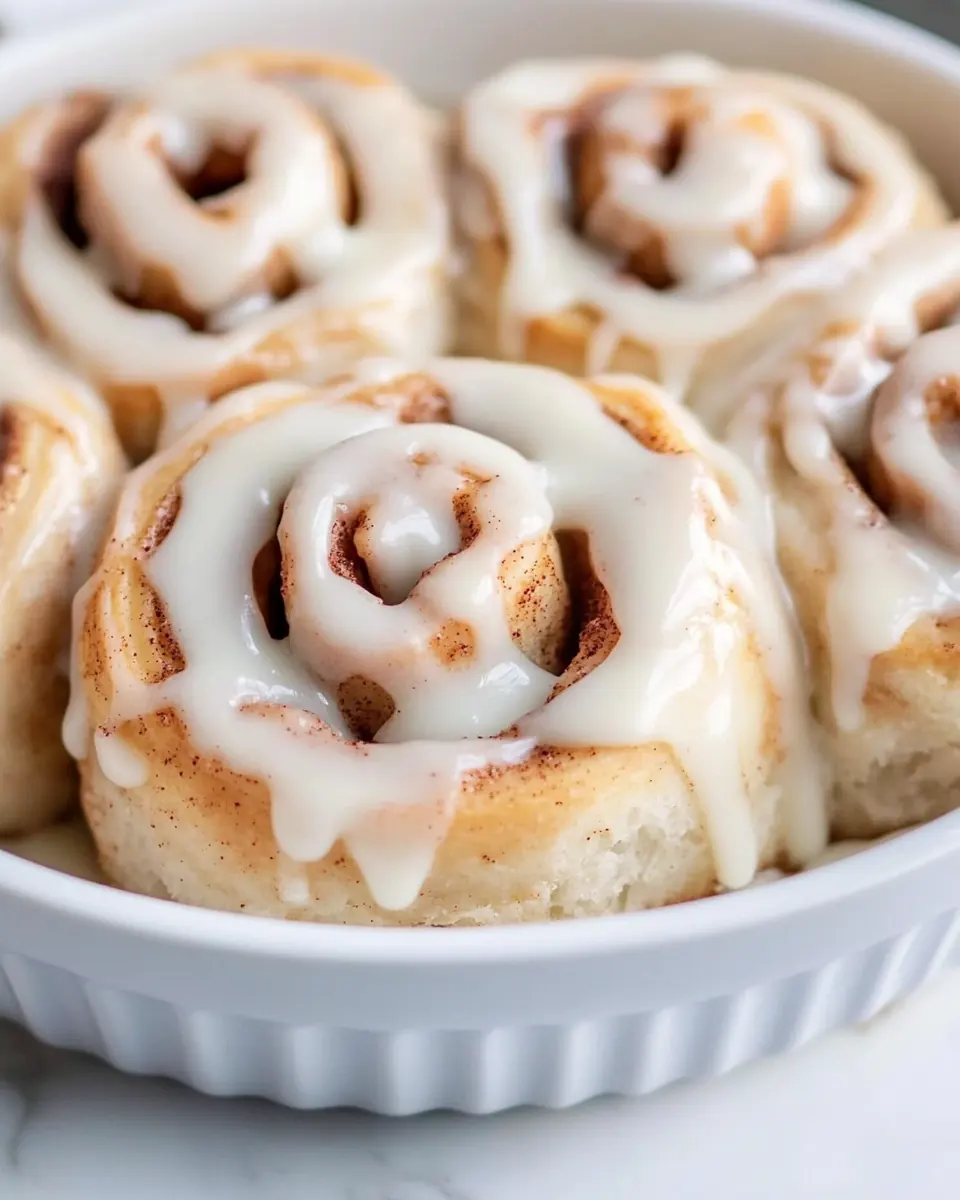
These ingredients form a trustworthy ensemble that balances structure, richness, and sweetness. The dry players provide the framework while the fats and liquids give tenderness. The filling and glaze elevate the simple dough into warm spirals bursting with flavor. Together they create texture contrasts and memorable aroma that define every bite.
- 2 cups all-purpose flour: Provide structure and bulk to the dough, forming the base of the roll; combine with leavening to create a tender crumb and absorb liquids for proper dough consistency.
- 1 tablespoon baking powder: Act as the chemical leavening agent to help the dough rise quickly without yeast; react with liquids and baking process to create lift and lightness in the rolls.
- 2 tablespoons white sugar: Add mild sweetness to the dough, balancing flavors and aiding browning during baking; help improve tenderness by interacting with the flour and fats.
- 1 teaspoon kosher salt: Offer savory balance and enhance overall flavor; strengthen gluten slightly and help control fermentation and taste even in no-yeast recipes.
- 3/4 cup whole milk: Contribute necessary moisture to hydrate the flour and activate the baking powder; provide richness and help create a soft, pliable dough for rolling.
- 4 tablespoons unsalted butter: Supply fat to tenderize the dough and add rich flavor; incorporate into dough to improve texture, flakiness, and browning of the rolls.
- 1/2 cup brown sugar: Form the sweet, caramel-like filling when combined with cinnamon and butter; melt during baking to create sticky, flavorful swirls inside each roll.
- 1 tablespoon ground cinnamon: Provide warm, aromatic flavor to the filling and define the classic cinnamon roll taste; blend with sugar to distribute spice evenly throughout the roll.
- 2 tablespoons unsalted butter, melted: Serve as the binding fat for the filling, helping brown the surface and create a spreadable layer; melted butter soaks into the dough for moist, flavorful swirls.
- 1/2 teaspoon vanilla extract: Add a sweet, aromatic note to the filling and any icing; small quantity enhances overall flavor and complements the cinnamon and sugar.
- 1 cup powdered sugar: Create a smooth, sweet glaze base that can be thinned to desired consistency; powdered sugar delivers creamy texture and sweet finish to the rolls.
- 1 teaspoon vanilla extract: Impart additional vanilla flavor to the glaze, rounding and deepening sweetness; small amount enhances the aroma and taste of the icing.
- 2 3 tablespoons milk: Adjust glaze consistency to a pourable or spreadable state, providing final moisture and sheen; use sparingly to reach desired thickness without making glaze too runny.
Step by Step Guide for No Yeast Cinnamon Rolls
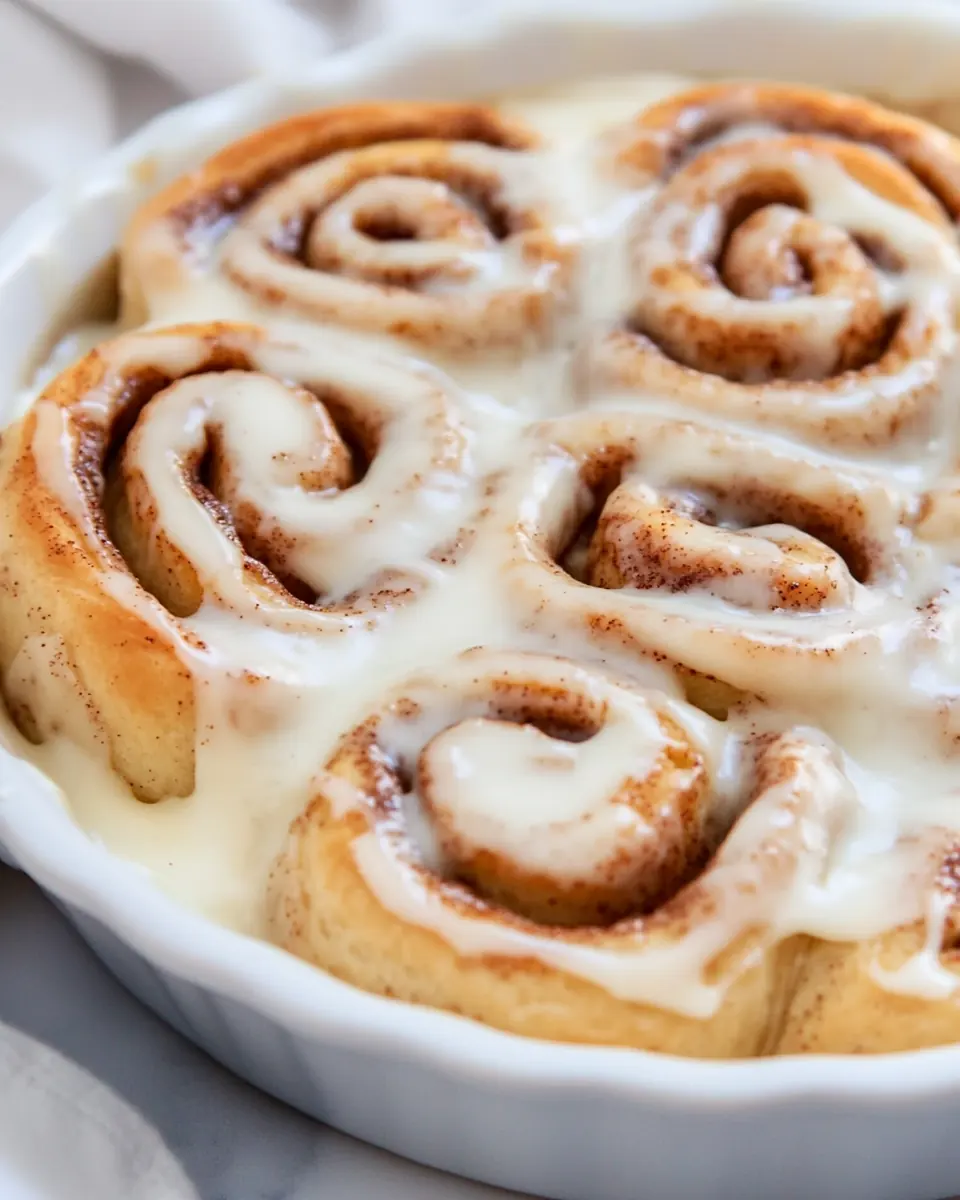
I like to think of this as a short, comforting routine that rewards you quickly. With a few mixing bowls and a rimmed baking dish, you transform simple ingredients into something that fills the room with inviting aroma. I will walk you through every moment so you know exactly what to look and listen for.
- Preheat your oven to 325 °F. Grease a 9×13 baking dish with butter or oil and set aside.: The moment your oven warms you get a gentle sweet anticipation in the kitchen, and you allow the interior to start moving toward a steady heat that will cook the rolls evenly. You should notice the oven light glow and a mild warmth when you briefly open the door, and preheating prevents underbaked centers. If you skip this step the rolls can brown unevenly, so always let the oven reach temperature before the pan goes in.
- In a large bowl combine the flour, baking powder, sugar, and salt. Add the butter and milk and stir with a wooden spoon or electric mixer to form a dough.: Greasing creates a nonstick barrier so the bottoms of the rolls brown without sticking, and you may even hear a subtle sizzle as the pan heats slightly when the dish meets the oven later. Use enough fat to coat the surface evenly, wiping out excess so it does not pool. Failing to grease will lead to stuck rolls, making removal messy and risking broken spirals.
- Roll out the dough onto a floured surface into a rectangle about 1/2 inch thick.: When you whisk these dry ingredients together, you get an even pale mixture with tiny flecks of salt, and the aroma is faintly bready. This step ensures uniform distribution of the leavening for consistent rise, which matters because pockets of baking powder can create uneven texture. A common mistake is to skip thorough mixing, resulting in some bites rising more than others, so take a moment to blend well.
- Spread the softened butter on top. Combine the cinnamon and sugar. Sprinkle it all over the dough. Roll up the dough tightly. Cut into 12 even rolls and transfer to the prepared dish and bake for 30-35 minutes or until fluffy and lightly browned.: As you incorporate the butter and milk , the mixture transforms from dusty flour to a soft, tacky dough that pulls together. You may notice little clumps of butter breaking down into the dough; that is normal and contributes to tenderness. If you overmix with a mixer you can develop too much gluten, making the rolls tough, so stop when the dough holds together and feels cohesive.
- Mix the powdered sugar, vanilla, and 2 tablespoons milk together until smooth and lump-free. Drizzle over warm rolls.: Rolling reveals a smooth surface with slight elasticity, and you will feel gentle resistance as the dough thins. The thickness determines the size of each spiral and the balance of dough to filling, so aim for uniformity for even baking. If you roll too thin the filling can seep through and make the rolls dense, so keep it around the suggested thickness.
- Spread the softened butter on top: Brushing softened butter leaves a glossy sheen and a subtle savory layer that helps the sugar and cinnamon cling. The smell of butter warming on the dough is immediate and comforting, and it creates those rich pockets between layers as the rolls bake. Use a thin, even layer, because too much will make the filling slide when you roll it up.
- Combine the cinnamon and sugar: Mixing the cinnamon with the brown sugar creates a grainy, fragrant filling that smells deeply spiced. The mixture should be evenly blended so every bite has consistent flavor. If you forget to blend them well you might bite into pockets that are overly sweet or bland, so stir until homogenous.
- Sprinkle it all over the dough: As you distribute the filling you will see a warm brown blanket atop the dough, and each granule catches on the buttered surface. Pressing lightly with your fingertips helps the sugar adhere without compacting the dough. Overpacking the filling when applying can make the roll difficult to slice cleanly, so keep an even, modest layer.
- Roll up the dough tightly: Rolling creates visible concentric spirals and compresses the layers so the filling remains inside while baking. You should feel uniform tension as you roll, and the seam should be tucked under to preserve shape. If you roll too loosely the spirals can unfurl during baking, so maintain consistent pressure for tidy rolls.
- Cut into 12 even rolls and transfer to the prepared dish: Slicing reveals cross sections of the spiral, and placing them snugly in the dish encourages gentle contact that yields tall, soft sides after baking. Use a sharp knife or dental floss for clean cuts to keep the spirals intact. Uneven pieces will bake at different rates, so try to make the cuts as uniform as possible to avoid some being overdone while others stay pale.
- Bake for 30 to 35 minutes or until fluffy and lightly browned: As they bake you will see the rolls puff and the tops take on a pale golden hue while the kitchen fills with the scent of caramelizing sugar and warm cinnamon . The edges should be set and the centers soft to the touch, and an inserted skewer should come out mostly clean. Opening the oven early can cause uneven rise and collapse, so resist peeking until near the end of the recommended time to maintain optimal texture.
- Mix the powdered sugar, vanilla, and 2 tablespoons milk together until smooth and lump-free: Whisking the glaze creates a silky, glossy sauce that will drizzle and set into a delicate sheen, releasing a sweet aroma with a hint of vanilla extract . Start with the smaller amount of milk, then add more to control consistency, aiming for a pourable but coating glaze. If you add too much liquid you will end up with a runny icing that slides off, so adjust slowly.
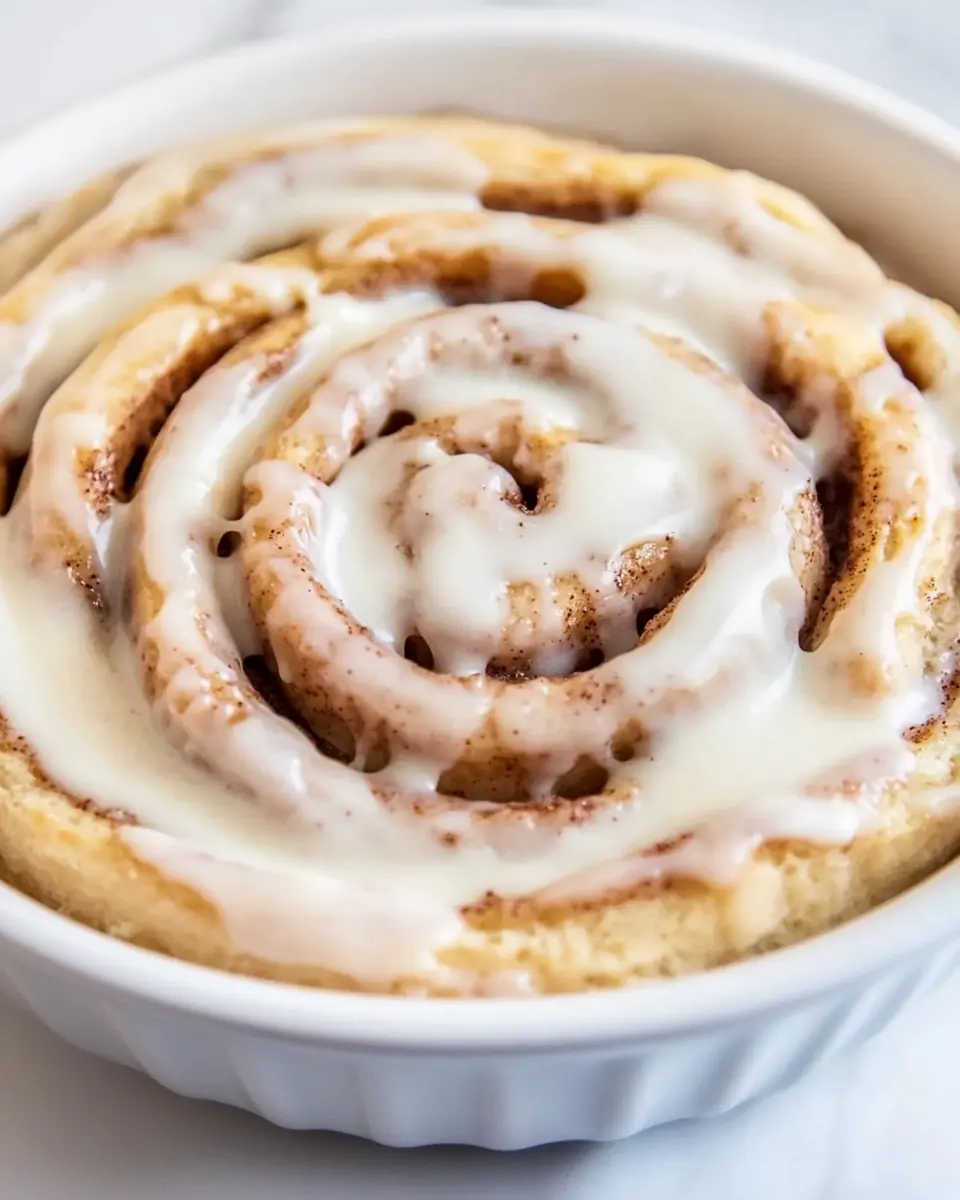
- Drizzle over warm rolls: Pouring the glaze onto the warm rolls causes it to sink into crevices and accentuate the spirals while leaving a glossy top. The contrast between warm, tender dough and coolish glaze creates a pleasing mouthfeel and an irresistible visual. If you wait until the rolls are completely cold the glaze will sit on top rather than slightly soak in, so pour when they are warm for best results.
Pro Tips and Tweaks
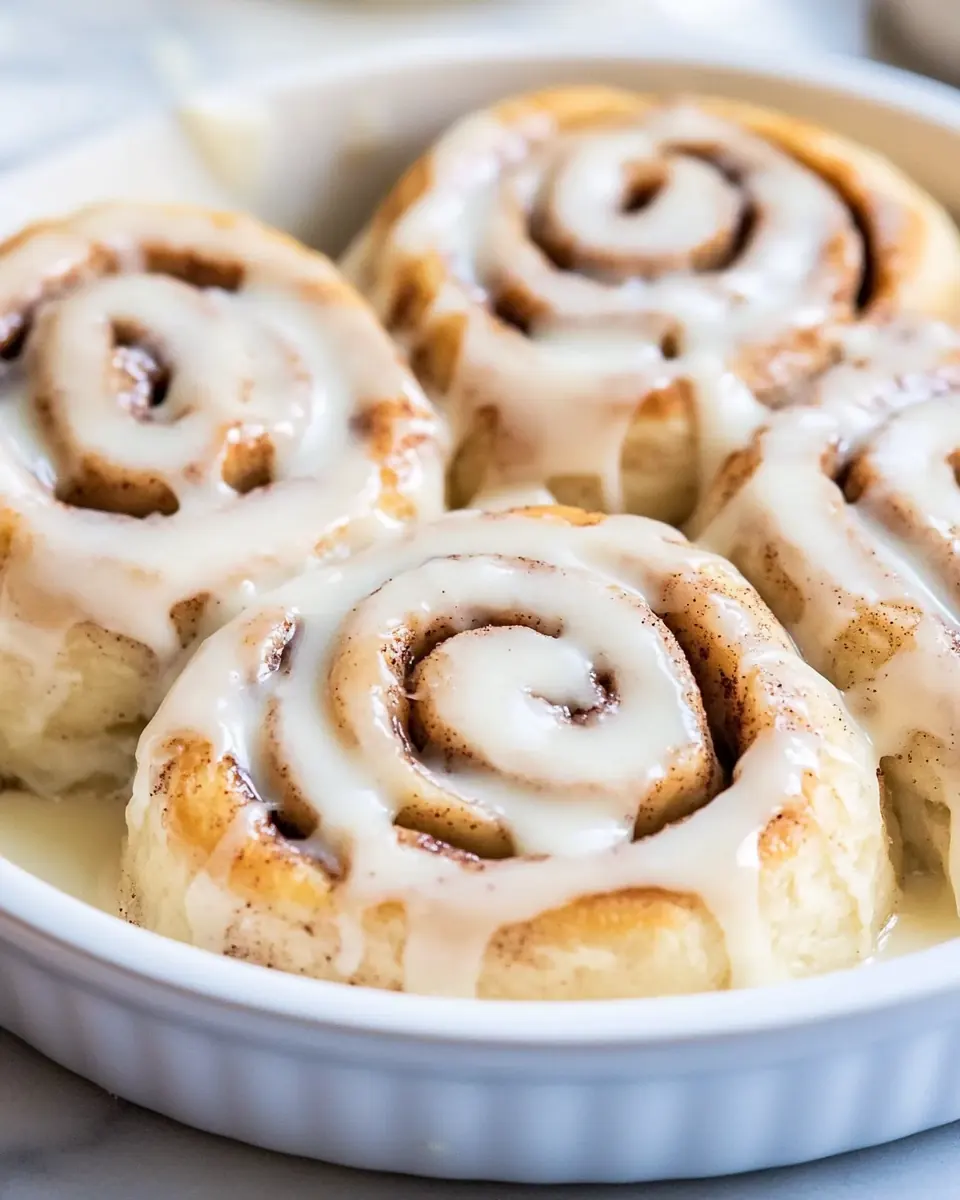
I like to keep a handful of practical adjustments in my back pocket for this recipe. These tweaks help with texture, flavor balance, and presentation. Below are focused tips that I use regularly to make reliable, comforting results.
- Use room temperature ingredients: Bring milk and softened butter to room temperature so they blend seamlessly into the dough, preventing cold pockets that make rolling difficult.
- Measure flour carefully: Spoon and level the all-purpose flour to avoid over packing which can create a dense final crumb rather than light, tender rolls.
- Evenly distribute baking powder: Whisk the baking powder thoroughly into the dry mix so every roll rises uniformly and you avoid uneven texture in the batch.
- Don’t overwork the dough: Stir until combined then stop, overmixing can create toughness by developing too much gluten, aim for a cohesive but soft dough.
- Roll with consistent pressure: Apply steady tension when rolling to form neat spirals and tuck the seam under to maintain shape during baking.
- Customize glaze consistency: Start with less milk when mixing the powdered sugar glaze and add teaspoon increments to control whether you want a thin drizzle or thicker icing that sets.
Serve This No Yeast Cinnamon Rolls With
These rolls shine as a comforting center for relaxed occasions. I often serve them for weekend breakfast, casual brunch with friends, or as a sweet offering during festive fall gatherings. Pairing and presentation choices shape the mood more than complexity.
- Casual breakfast: Serve warm on a platter with coffee or tea for a cozy start to the morning, letting guests pull apart the rolls for a communal touch.
- Brunch gathering: Arrange the rolls alongside fresh fruit and savory eggs to balance sweet and savory options for a relaxed midday meal.
- Seasonal pairing: These fit especially well in fall, complementing spiced lattes and warm apple compotes for a harmonious flavor profile.
- Storage tips: Store cooled rolls in an airtight container at room temperature for up to two days, or freeze individual rolls wrapped tightly and reheat to enjoy later.
- Presentation: Warm briefly in the oven before serving and add a final drizzle of glaze to refresh the shine and aroma, making them feel freshly made even after storage.
FAQ
Conclusion
No Yeast Cinnamon Rolls are special because they offer warm, bakery style spirals without the wait for yeast, combining simple pantry staples into a comforting treat. I encourage you to give them a try when you want a fast, homey bake that still feels indulgent and shareable. These rolls reward small attentions, like even rolling and a glossy glaze, and they provide a delicious payoff for modest effort. Make a pan for a cozy morning and enjoy how quickly the aroma fills your home.
No Yeast Cinnamon Rolls
Ingredients
Equipment
Method
- Preheat your oven to 325 °F. Grease a 9×13 baking dish with butter or oil and set aside.: The moment your oven warms you get a gentle sweet anticipation in the kitchen, and you allow the interior to start moving toward a steady heat that will cook the rolls evenly. You should notice the oven light glow and a mild warmth when you briefly open the door, and preheating prevents underbaked centers. If you skip this step the rolls can brown unevenly, so always let the oven reach temperature before the pan goes in.
- In a large bowl combine the flour, baking powder, sugar, and salt. Add the butter and milk and stir with a wooden spoon or electric mixer to form a dough.: Greasing creates a nonstick barrier so the bottoms of the rolls brown without sticking, and you may even hear a subtle sizzle as the pan heats slightly when the dish meets the oven later. Use enough fat to coat the surface evenly, wiping out excess so it does not pool. Failing to grease will lead to stuck rolls, making removal messy and risking broken spirals.
- Roll out the dough onto a floured surface into a rectangle about 1/2 inch thick.: When you whisk these dry ingredients together, you get an even pale mixture with tiny flecks of salt, and the aroma is faintly bready. This step ensures uniform distribution of the leavening for consistent rise, which matters because pockets of baking powder can create uneven texture. A common mistake is to skip thorough mixing, resulting in some bites rising more than others, so take a moment to blend well.
- Spread the softened butter on top. Combine the cinnamon and sugar. Sprinkle it all over the dough. Roll up the dough tightly. Cut into 12 even rolls and transfer to the prepared dish and bake for 30-35 minutes or until fluffy and lightly browned.: As you incorporate the butter and milk , the mixture transforms from dusty flour to a soft, tacky dough that pulls together. You may notice little clumps of butter breaking down into the dough; that is normal and contributes to tenderness. If you overmix with a mixer you can develop too much gluten, making the rolls tough, so stop when the dough holds together and feels cohesive.
- Mix the powdered sugar, vanilla, and 2 tablespoons milk together until smooth and lump-free. Drizzle over warm rolls.: Rolling reveals a smooth surface with slight elasticity, and you will feel gentle resistance as the dough thins. The thickness determines the size of each spiral and the balance of dough to filling, so aim for uniformity for even baking. If you roll too thin the filling can seep through and make the rolls dense, so keep it around the suggested thickness.
- Spread the softened butter on top: Brushing softened butter leaves a glossy sheen and a subtle savory layer that helps the sugar and cinnamon cling. The smell of butter warming on the dough is immediate and comforting, and it creates those rich pockets between layers as the rolls bake. Use a thin, even layer, because too much will make the filling slide when you roll it up.
- Combine the cinnamon and sugar: Mixing the cinnamon with the brown sugar creates a grainy, fragrant filling that smells deeply spiced. The mixture should be evenly blended so every bite has consistent flavor. If you forget to blend them well you might bite into pockets that are overly sweet or bland, so stir until homogenous.
- Sprinkle it all over the dough: As you distribute the filling you will see a warm brown blanket atop the dough, and each granule catches on the buttered surface. Pressing lightly with your fingertips helps the sugar adhere without compacting the dough. Overpacking the filling when applying can make the roll difficult to slice cleanly, so keep an even, modest layer.
- Roll up the dough tightly: Rolling creates visible concentric spirals and compresses the layers so the filling remains inside while baking. You should feel uniform tension as you roll, and the seam should be tucked under to preserve shape. If you roll too loosely the spirals can unfurl during baking, so maintain consistent pressure for tidy rolls.
- Cut into 12 even rolls and transfer to the prepared dish: Slicing reveals cross sections of the spiral, and placing them snugly in the dish encourages gentle contact that yields tall, soft sides after baking. Use a sharp knife or dental floss for clean cuts to keep the spirals intact. Uneven pieces will bake at different rates, so try to make the cuts as uniform as possible to avoid some being overdone while others stay pale.
- Bake for 30 to 35 minutes or until fluffy and lightly browned: As they bake you will see the rolls puff and the tops take on a pale golden hue while the kitchen fills with the scent of caramelizing sugar and warm cinnamon . The edges should be set and the centers soft to the touch, and an inserted skewer should come out mostly clean. Opening the oven early can cause uneven rise and collapse, so resist peeking until near the end of the recommended time to maintain optimal texture.
- Mix the powdered sugar, vanilla, and 2 tablespoons milk together until smooth and lump-free: Whisking the glaze creates a silky, glossy sauce that will drizzle and set into a delicate sheen, releasing a sweet aroma with a hint of vanilla extract . Start with the smaller amount of milk, then add more to control consistency, aiming for a pourable but coating glaze. If you add too much liquid you will end up with a runny icing that slides off, so adjust slowly.
- Drizzle over warm rolls: Pouring the glaze onto the warm rolls causes it to sink into crevices and accentuate the spirals while leaving a glossy top. The contrast between warm, tender dough and coolish glaze creates a pleasing mouthfeel and an irresistible visual. If you wait until the rolls are completely cold the glaze will sit on top rather than slightly soak in, so pour when they are warm for best results.
Notes
- Use room temperature ingredients: Bring milk and softened butter to room temperature so they blend seamlessly into the dough, preventing cold pockets that make rolling difficult.
- Measure flour carefully: Spoon and level the all-purpose flour to avoid over packing which can create a dense final crumb rather than light, tender rolls.
- Evenly distribute baking powder: Whisk the baking powder thoroughly into the dry mix so every roll rises uniformly and you avoid uneven texture in the batch.
- Don’t overwork the dough: Stir until combined then stop, overmixing can create toughness by developing too much gluten, aim for a cohesive but soft dough.
- Roll with consistent pressure: Apply steady tension when rolling to form neat spirals and tuck the seam under to maintain shape during baking.
- Customize glaze consistency: Start with less milk when mixing the powdered sugar glaze and add teaspoon increments to control whether you want a thin drizzle or thicker icing that sets.