Preheat your oven to 325 °F. Grease a 9×13 baking dish with butter or oil and set aside.: The moment your oven warms you get a gentle sweet anticipation in the kitchen, and you allow the interior to start moving toward a steady heat that will cook the rolls evenly. You should notice the oven light glow and a mild warmth when you briefly open the door, and preheating prevents underbaked centers. If you skip this step the rolls can brown unevenly, so always let the oven reach temperature before the pan goes in.
In a large bowl combine the flour, baking powder, sugar, and salt. Add the butter and milk and stir with a wooden spoon or electric mixer to form a dough.: Greasing creates a nonstick barrier so the bottoms of the rolls brown without sticking, and you may even hear a subtle sizzle as the pan heats slightly when the dish meets the oven later. Use enough fat to coat the surface evenly, wiping out excess so it does not pool. Failing to grease will lead to stuck rolls, making removal messy and risking broken spirals.
Roll out the dough onto a floured surface into a rectangle about 1/2 inch thick.: When you whisk these dry ingredients together, you get an even pale mixture with tiny flecks of salt, and the aroma is faintly bready. This step ensures uniform distribution of the leavening for consistent rise, which matters because pockets of baking powder can create uneven texture. A common mistake is to skip thorough mixing, resulting in some bites rising more than others, so take a moment to blend well.
Spread the softened butter on top. Combine the cinnamon and sugar. Sprinkle it all over the dough. Roll up the dough tightly. Cut into 12 even rolls and transfer to the prepared dish and bake for 30-35 minutes or until fluffy and lightly browned.: As you incorporate the butter and milk , the mixture transforms from dusty flour to a soft, tacky dough that pulls together. You may notice little clumps of butter breaking down into the dough; that is normal and contributes to tenderness. If you overmix with a mixer you can develop too much gluten, making the rolls tough, so stop when the dough holds together and feels cohesive.
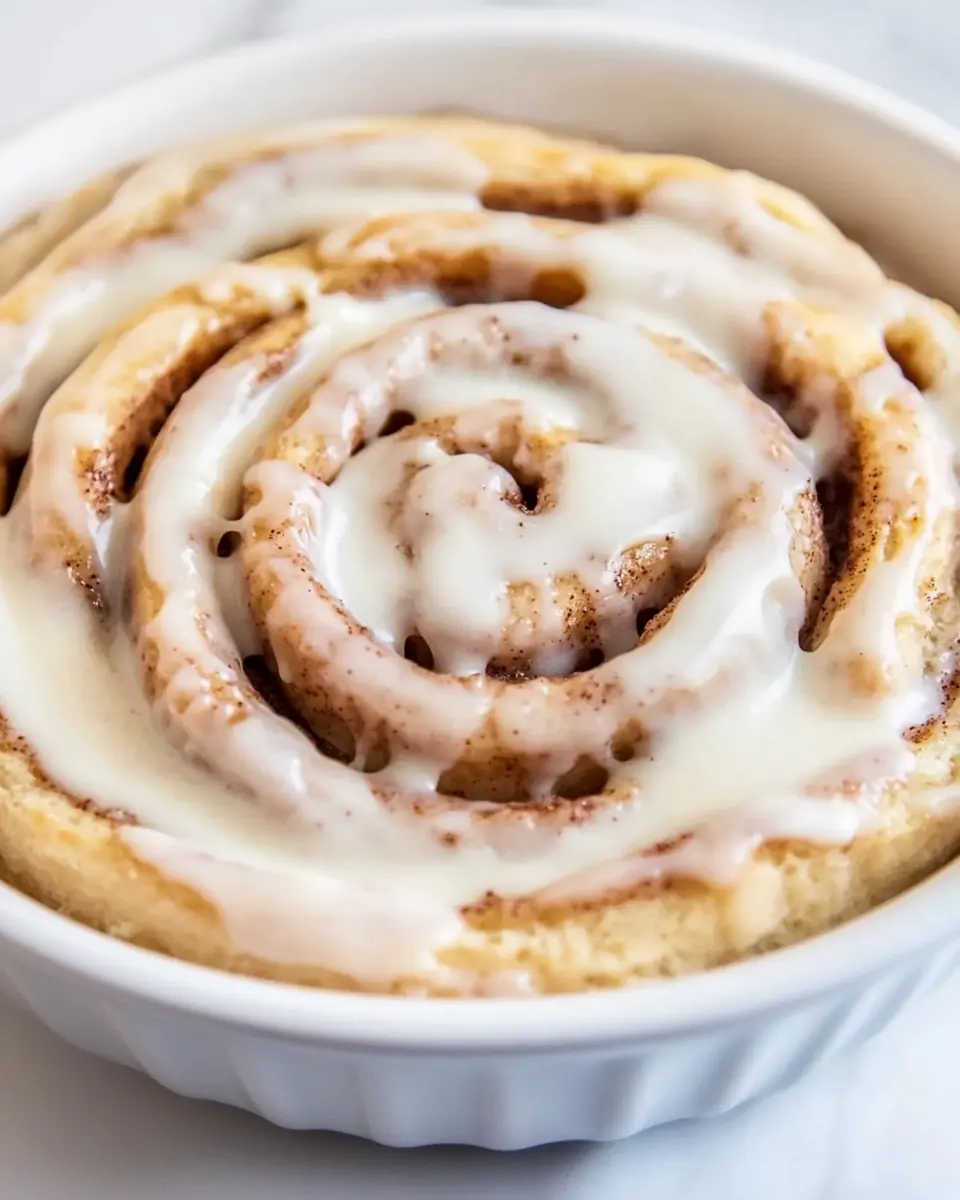
Mix the powdered sugar, vanilla, and 2 tablespoons milk together until smooth and lump-free. Drizzle over warm rolls.: Rolling reveals a smooth surface with slight elasticity, and you will feel gentle resistance as the dough thins. The thickness determines the size of each spiral and the balance of dough to filling, so aim for uniformity for even baking. If you roll too thin the filling can seep through and make the rolls dense, so keep it around the suggested thickness.
Spread the softened butter on top: Brushing softened butter leaves a glossy sheen and a subtle savory layer that helps the sugar and cinnamon cling. The smell of butter warming on the dough is immediate and comforting, and it creates those rich pockets between layers as the rolls bake. Use a thin, even layer, because too much will make the filling slide when you roll it up.
Combine the cinnamon and sugar: Mixing the cinnamon with the brown sugar creates a grainy, fragrant filling that smells deeply spiced. The mixture should be evenly blended so every bite has consistent flavor. If you forget to blend them well you might bite into pockets that are overly sweet or bland, so stir until homogenous.
Sprinkle it all over the dough: As you distribute the filling you will see a warm brown blanket atop the dough, and each granule catches on the buttered surface. Pressing lightly with your fingertips helps the sugar adhere without compacting the dough. Overpacking the filling when applying can make the roll difficult to slice cleanly, so keep an even, modest layer.
Roll up the dough tightly: Rolling creates visible concentric spirals and compresses the layers so the filling remains inside while baking. You should feel uniform tension as you roll, and the seam should be tucked under to preserve shape. If you roll too loosely the spirals can unfurl during baking, so maintain consistent pressure for tidy rolls.
Cut into 12 even rolls and transfer to the prepared dish: Slicing reveals cross sections of the spiral, and placing them snugly in the dish encourages gentle contact that yields tall, soft sides after baking. Use a sharp knife or dental floss for clean cuts to keep the spirals intact. Uneven pieces will bake at different rates, so try to make the cuts as uniform as possible to avoid some being overdone while others stay pale.
Bake for 30 to 35 minutes or until fluffy and lightly browned: As they bake you will see the rolls puff and the tops take on a pale golden hue while the kitchen fills with the scent of caramelizing sugar and warm cinnamon . The edges should be set and the centers soft to the touch, and an inserted skewer should come out mostly clean. Opening the oven early can cause uneven rise and collapse, so resist peeking until near the end of the recommended time to maintain optimal texture.
Mix the powdered sugar, vanilla, and 2 tablespoons milk together until smooth and lump-free: Whisking the glaze creates a silky, glossy sauce that will drizzle and set into a delicate sheen, releasing a sweet aroma with a hint of vanilla extract . Start with the smaller amount of milk, then add more to control consistency, aiming for a pourable but coating glaze. If you add too much liquid you will end up with a runny icing that slides off, so adjust slowly.
Drizzle over warm rolls: Pouring the glaze onto the warm rolls causes it to sink into crevices and accentuate the spirals while leaving a glossy top. The contrast between warm, tender dough and coolish glaze creates a pleasing mouthfeel and an irresistible visual. If you wait until the rolls are completely cold the glaze will sit on top rather than slightly soak in, so pour when they are warm for best results.