Oat and Buckwheat Waffles with Rhubarb Compote
Oat and Buckwheat Waffles with Rhubarb Compote felt like the kind of weekend breakfast that could reset my whole week when I first tested it in a sunlit kitchen last spring.
I remember standing at the counter, the scent of warm buttermilk and toasted oat flour drifting through the room as I folded batter, while a small pot of rhubarb bubbled on the stove. It was one of those slow mornings where chores could wait, and I let the process take its time, enjoying the rhythm of whisking and the gentle clank of the waffle iron. Friends dropped by unexpectedly, and the waffles turned into an impromptu celebration, their nutty crunch balanced by the tart, glossy compote. That morning taught me how a few thoughtful ingredients can make breakfast feel both nourishing and celebratory.
Over the months since, I have tweaked the balance between oat flour and buckwheat flour until the texture hit a sweet spot, fluffy inside with pleasantly crisp edges. I like to make the compote ahead when rhubarb is at its best, keeping a jar in the fridge for busy mornings. The vanilla cream is an optional flourish, but it always brings a silky contrast that the tart compote begs for. Whenever I serve these waffles, someone always asks for the recipe, and I love that this combination feels both rustic and refined, uncomplicated yet full of personality.
Recipe Snapshot
35 mins
15 mins
20 mins
Easy
300 kcal
American
Gluten-Free, Vegan
Breakfast
Waffle iron, Medium saucepan, Mixing bowls, Whisk
Why This Oat and Buckwheat Waffles with Rhubarb Compote Hits Different
1. Flavor contrast that sings
I love how Oat and Buckwheat Waffles with Rhubarb Compote balances nutty, earthy waffles with a bright, tangy compote. The buckwheat flour adds a deep, toasty note while the oat flour keeps the texture tender, so every bite feels layered and satisfying.
2. Textures that work in harmony
These waffles deliver crisp edges and a soft interior. When you cook them properly the crunch gives way to a tender crumb, and the rhubarb compote introduces a jammy, syrupy counterpoint. I always appreciate a dish that offers both bite and softness.
3. Make ahead friendly
The compote and the vanilla cream can be prepared in advance, which makes this recipe perfect for hosting. I often simmer the compote the night before, and the flavors deepen overnight, making morning service effortless and impressive.
4. Flexible and approachable
I find this recipe forgiving. The batter tolerates a little variation in liquid, and you can swap fruits in the compote if rhubarb is scarce. That flexibility means you can cook it confidently without worrying about perfection.
5. Nutrient dense and hearty
With oat flour, buckwheat flour, and eggs, these waffles feel hearty enough for a weekend brunch yet approachable for a weekday treat. The whole grain elements bring a pleasant earthiness that feels nourishing, and the compote provides fresh acidity to keep the dish lively.
Ingredient List for Oat and Buckwheat Waffles with Rhubarb Compote
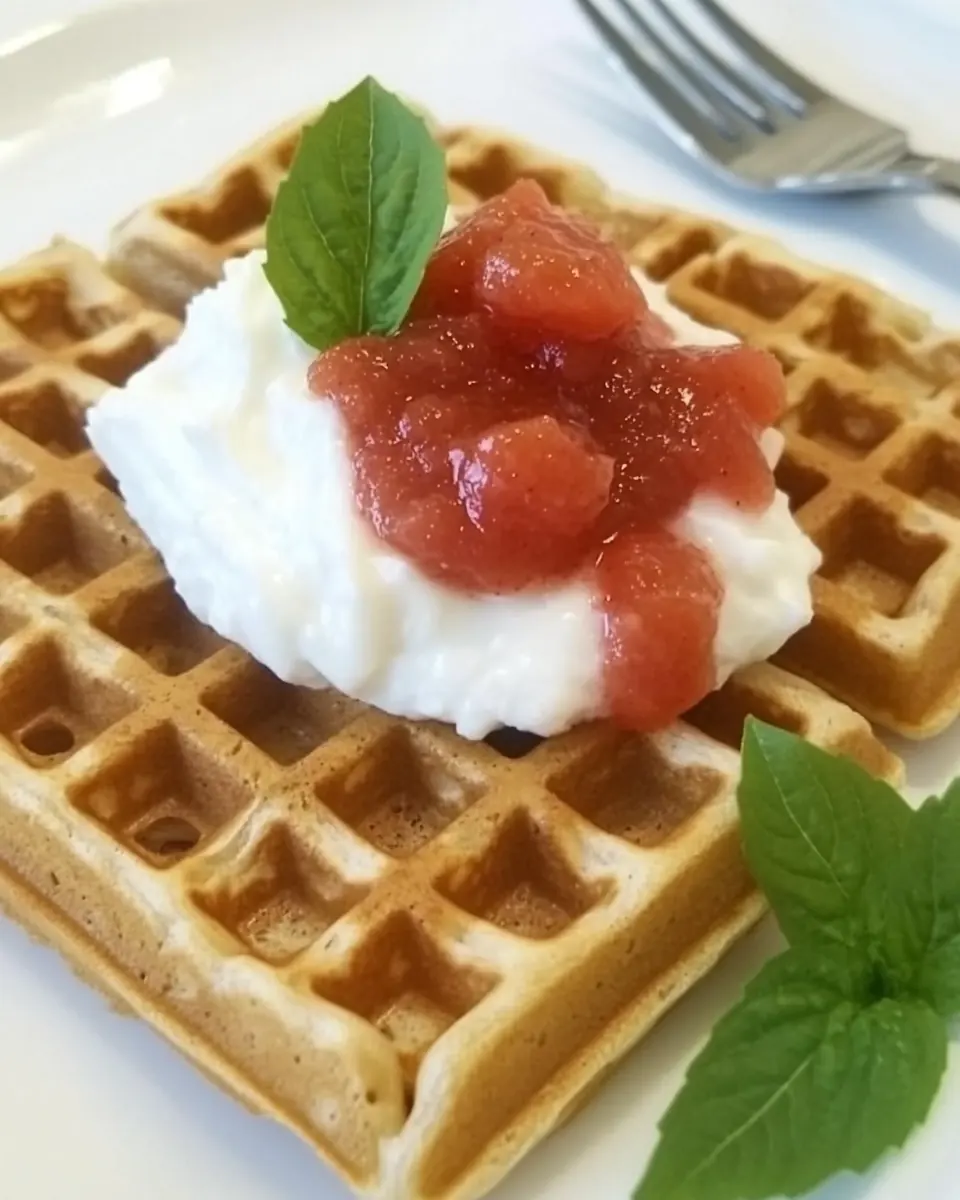
These ingredients were chosen to create a balance of nutty depth, tender crumb, and lively tartness. The duo of oat flour and buckwheat flour provides a rustic backbone, while leaveners ensure lift and buttermilk brings tang and tenderness. For the compote, simple sugar and a touch of water coax the fruit into a glossy, spoonable topping that complements the waffles.
- 1 1/3 cups oat flour: Provide a tender, slightly nutty base for the waffle batter while contributing structure and moisture when combined with liquids.
- 1 1/3 cups buckwheat flour: Offer an earthy, robust flavor and a slightly dense texture that enhances gluten-free or whole-grain waffles, adding nutritional depth.
- 3 teaspoons baking powder: Leaven baked goods by releasing carbon dioxide when activated, creating lift and a light, airy waffle crumb.
- 1 teaspoon baking soda: React with acidic components in the batter to produce additional rise and help tenderize the waffle interior for a softer bite.
- 1/2 teaspoons salt: Balance flavors and enhance overall taste while strengthening gluten-free batter structure and controlling fermentation.
- 1/4 teaspoon ground cinnamon: Add warm, aromatic notes that complement the grains and fruit while subtly enhancing perceived sweetness in the waffles.
- 1/4 cup butter, melted and slightly cooled: Provide richness, moisture, and a silky mouthfeel while helping to bind ingredients and promote browning on the waffle surface.
- 1/4 cup coconut oil, melted and slightly cooled: Deliver a dairy-free fat option that contributes tenderness, crisp edges, and a pleasant, subtle coconut aroma when melted.
- 3 large eggs, at room temperature: Bind ingredients together, add structure and lift from the proteins, and contribute to a rich, tender waffle texture.
- 2 tablespoons honey or maple syrup: Introduce natural sweetness and help with browning and caramelization while adding a touch of flavor depth to the batter.
- 2 teaspoons vanilla bean paste: Impart concentrated vanilla flavor and aromatic complexity that elevates the batter and paired toppings.
- 2 cups buttermilk, at room temperature: Add acidity and tang that react with leaveners for rise while contributing moisture and a slightly tangy flavor to balance sweetness.
- For the Rhubarb Compote: Signify that a separate fruit-based topping will accompany the waffles, offering bright acidity and seasonal variation for serving.
- rhubarb, or fruit of choice like strawberries, apricots, plums, apples, etc: Serve as the suggested fruit choice for the compote, bringing tartness that cooks down into a saucy, jam-like topping.
- 3 cups diced rhubarb, or fruit of choice: Form the bulk of the compote, breaking down into tender pieces that release juices and create a vibrant, slightly tart sauce.
- 3/4 cup cane sugar: Sweeten the compote, balance rhubarb's tartness, and help create a syrupy consistency when dissolved during cooking.
- 2 tablespoons water: Loosen the compote initially, aiding in dissolving sugar and preventing sticking while helping to form a saucy texture.
- For the Vanilla Cream: Introduce a separate component that adds creamy richness and a cool contrast to the warm, tart compote when served.
- 1 cup chilled heavy whipping cream: Whip into stiff peaks to create a light, airy cream topping that adds richness and balances the compote's acidity.
- 2 tablespoons powdered sugar: Sweeten and stabilize whipped cream slightly while enhancing the overall dessert sweetness to complement waffles and fruit.
- 2 teaspoons vanilla bean paste, paste is recommended for a stronger/better flavor but you can substitute vanilla extract or vanilla sugar: Provide intense vanilla aroma and flavor to the cream, elevating the dessert; paste offers visible specks and stronger flavor than extract.
How to Cook Oat and Buckwheat Waffles with Rhubarb Compote
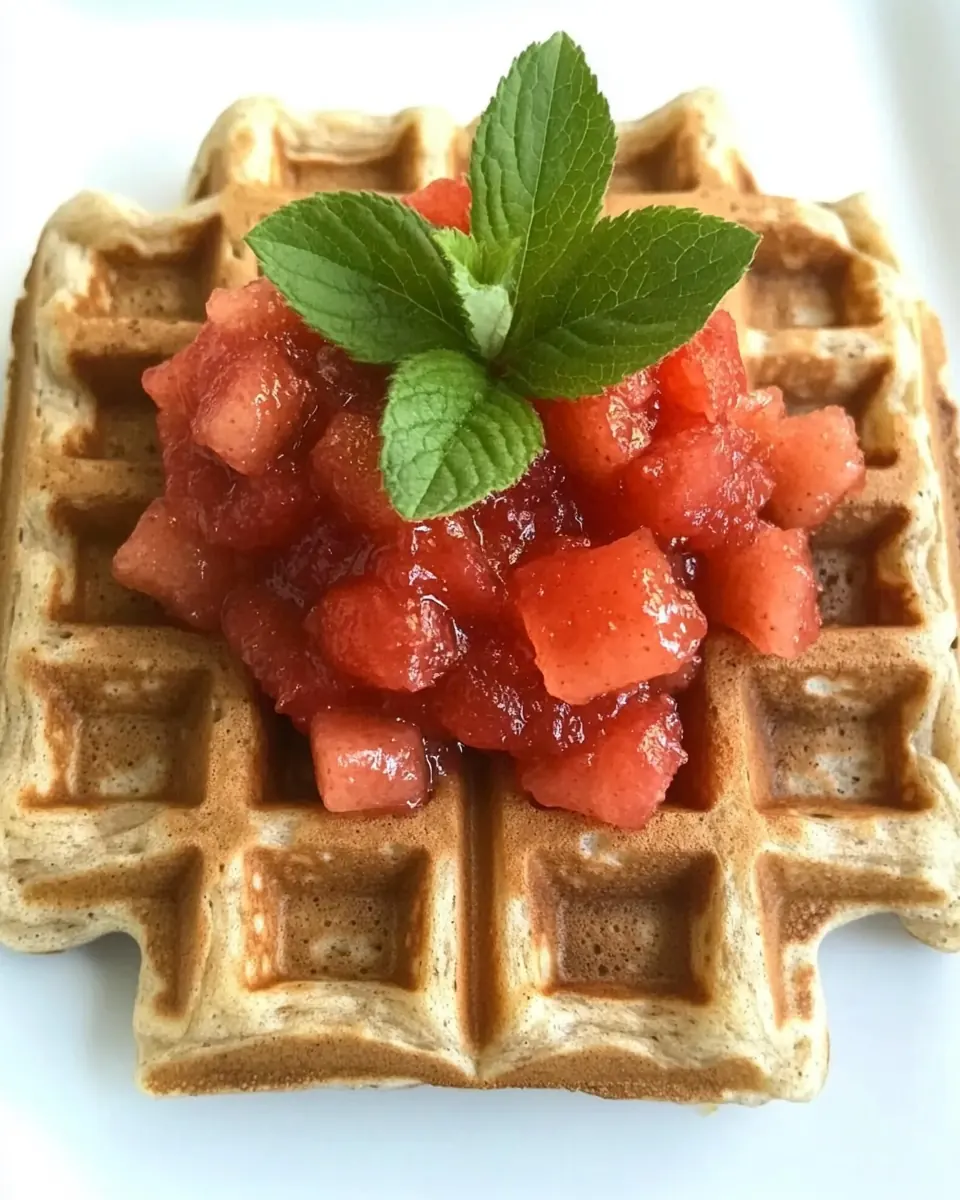
These directions will walk you through making the compote, the vanilla cream, and the waffles themselves. I like to tackle the compote first so it can cool while I make batter, and I keep the whipped cream chilled until service. Read each step fully to catch sensory cues and common pitfalls.
- To make the Rhubarb Compote: Place the diced fruit in a medium saucepan with the sugar and water. Bring to a boil, reduce the heat to medium-low and simmer uncovered for 20 minutes, stirring occasionally, or until the fruit is soft and the mixture has thickened.: At the start you will hear the soft clink of fruit hitting the pan and then the steady bubbling as the mixture comes to a boil, releasing tart, green aromatics that brighten the kitchen. The sugar will dissolve and draw juices out of the rhubarb , transforming the texture from firm chunks to tender pieces suspended in syrup. Stir occasionally to prevent sticking along the bottom, especially as the heat concentrates the sugars and the mixture can cling and scorch. Why this matters, the slow reduction concentrates flavor and creates that glossy jam like coating you want on waffles, rather than a watery condiment. Troubleshooting tip, if the compote is too thin after twenty minutes, increase the heat slightly to reduce faster, but watch closely so it does not burn.
- To make the Vanilla Cream: Place the chilled whipping cream and sugar in a medium-sized mixing bowl and beat on high until it begins to thicken. Add the vanilla paste and continue to beat until stiff peaks form. *See NOTE: Listen for the change from a vigorous boil to gentle simmering, a softer bubbling that signals you have reduced the heat correctly; this gentler simmer lets the fruit break down without evaporating all moisture at once. Visually, you will see the pieces become translucent and the syrup develop a sheen, coating the spoon when you lift it. The simmer also allows flavors to meld so the sugar balances the rhubarb acidity rather than overpowering it. Common mistake, covering the pan traps steam and prevents reduction, yielding a runny compote instead of a jam like finish.
- To make the Oat & Buckwheat Waffles: Preheat your waffle iron. Combine the dry ingredients in a bowl. Set aside. In a large mixing bowl, whisk together the eggs, honey, vanilla paste, butter and coconut oil until combined. Whisk in the buttermilk. Work quickly to prevent the coconut oil from solidifying. Add the dry mixture to the wet mixture in two batches, whisking just until combined (do not over-mix). Let the batter sit for 10 minutes to hydrate the flour. If the mixture is too thick add a little more buttermilk or milk.: As you beat the chilled heavy whipping cream , you will hear a change in sound from liquid slapping to a denser, aerated swoosh as air integrates into the cream. The aroma will brighten slightly with the sugar dissolving. This initial thickening signals the transition to soft peaks, and stopping too soon will leave a floppy topping that weeps. Why this matters, because properly aerated cream adds lightness against the warm waffles and tart compote. Troubleshooting, warm bowls or utensils prevent the cream from whipping fully, so keep everything cold.
- Follow the instructions on your waffle maker and cook until the waffles are golden brown. To maintain their outer crispiness, serve immediately. (While the remaining waffles are being cooked you can keep the finished ones, single layer, in the oven at 200 degrees F.): Now you will see glossy peaks that hold their shape, the surface capturing tiny vanilla flecks from the vanilla bean paste . The texture becomes dense and stable, with little movement when the whisk is lifted. This is the moment to stop, as overwhipping turns the cream grainy and eventually into butter. The reason for adding vanilla at this stage is to disperse flavor without reducing volume, ensuring each spoonful tastes floral and sweet. A frequent error is whipping past stiff peaks, so check frequently.
- Serve the waffles whole or cut into segments topped with some rhubarb compote and a vanilla cream. If desired, garnish with a sprig of fresh mint. NOTE: Feel free to omit the rhubarb compote and cream. These are some of our favorite go-to waffles and they're also perfect served with your favorite syrup.: Preheating is audible as the appliance clicks and warms; a properly hot iron ensures immediate sizzle when batter hits the plates, producing crisp edges. Visually the plates should be uniformly hot, and a light test spray or a small dab of batter will steam and set quickly. Doing this ensures you do not get soggy waffles from a lukewarm surface. Mistake to avoid, adding batter to an underheated iron which yields flat, greasy waffles.
- Combine the dry ingredients in a bowl Set aside: As you whisk the oat flour , buckwheat flour , baking powder , baking soda , salt , and cinnamon , you create an even distribution of leaveners so every portion of batter rises uniformly. You will notice the mixture lighten and the aroma of cinnamon disperse. This step ensures pockets of leavener do not create uneven lift, and failing to sift or combine well can make the waffles bubble unpredictably.
- In a large mixing bowl whisk together the eggs honey vanilla paste butter and coconut oil until combined: The bowl will have a glossy sheen as the eggs emulsify with the melted butter and coconut oil , and the honey adds viscosity that helps suspend dry particles. Whisking creates a uniform matrix so that fat coats flour particles, which leads to a tender interior. If you rush and the fats are too hot, they can cook the eggs; let melted fats cool slightly first to prevent curdling.
- Whisk in the buttermilk Work quickly to prevent the coconut oil from solidifying: Pouring in the room temperature buttermilk loosens the mixture and introduces acidity that will react with the baking soda , giving lift. You should hear a thinner, more fluid sound while whisking and see the batter become homogeneous. Because coconut oil can solidify as it cools, incorporate it quickly to avoid lumps. If the oil starts to congeal, a short warm bath of the bowl can help, but avoid overheating.
- Add the dry mixture to the wet mixture in two batches whisking just until combined do not over mix: Adding in two stages allows you to integrate the flours without overworking the batter, preserving tenderness; you will see streaks disappear as you fold, and a few small lumps are fine. The goal is a cohesive batter that still breathes, because over mixing develops grainier texture and tougher gluten like structure. Letting the batter rest is key, and skipping the rest often results in denser waffles.
- Let the batter sit for 10 minutes to hydrate the flour If the mixture is too thick add a little more buttermilk or milk: During this rest you will observe the batter thicken slightly as the oat flour absorbs liquid, creating a smoother mouthfeel. This pause improves texture and allows the flours to bloom, which yields lighter waffles. If the batter tightens too much, a splash of buttermilk loosens it, but be cautious to avoid a runny batter that will not set properly in the iron.
- Follow the instructions on your waffle maker and cook until the waffles are golden brown: When batter meets the hot plates you should hear an energetic sizzle and soon see steam gently rising; the waffles will release when the exterior is set and a golden brown tone appears. Cooking to the right color ensures crispness and fully developed flavor from the Maillard reaction. Avoid opening the iron too early, which can tear the waffle and yield uneven cooking.
- To maintain their outer crispiness serve immediately While the remaining waffles are being cooked you can keep the finished ones single layer in the oven at 200 degrees F: The oven method keeps waffles warm and helps preserve the crisp exterior by removing moisture quickly. The crispness will relax if you stack waffles, so a single layer on a rack or sheet keeps air circulating. A common error is to cover the waffles, which traps steam and softens the crust.
- Serve the waffles whole or cut into segments topped with some rhubarb compote and a vanilla cream If desired garnish with a sprig of fresh mint: The final moment brings together temperature and texture, the warm waffle against cool whipped vanilla cream and tangy rhubarb creating contrast on the palate. Arrange portions so each plate gets a balance of waffle to compote to cream. Avoid drowning the waffles in compote, which will mask the nutty waffle notes.
- NOTE Feel free to omit the rhubarb compote and cream These are some of our favorite go to waffles and they are also perfect served with your favorite syrup: This flexibility is part of the recipe charm; you will still get a deliciously textured waffle if you choose simplicity. If skipping the toppings, consider a thin brushing of melted butter and a light drizzle of syrup to highlight the grainy flavors. The mistake people make is expecting identical flavor without the compote, so adjust your expectations accordingly.
Customization Ideas
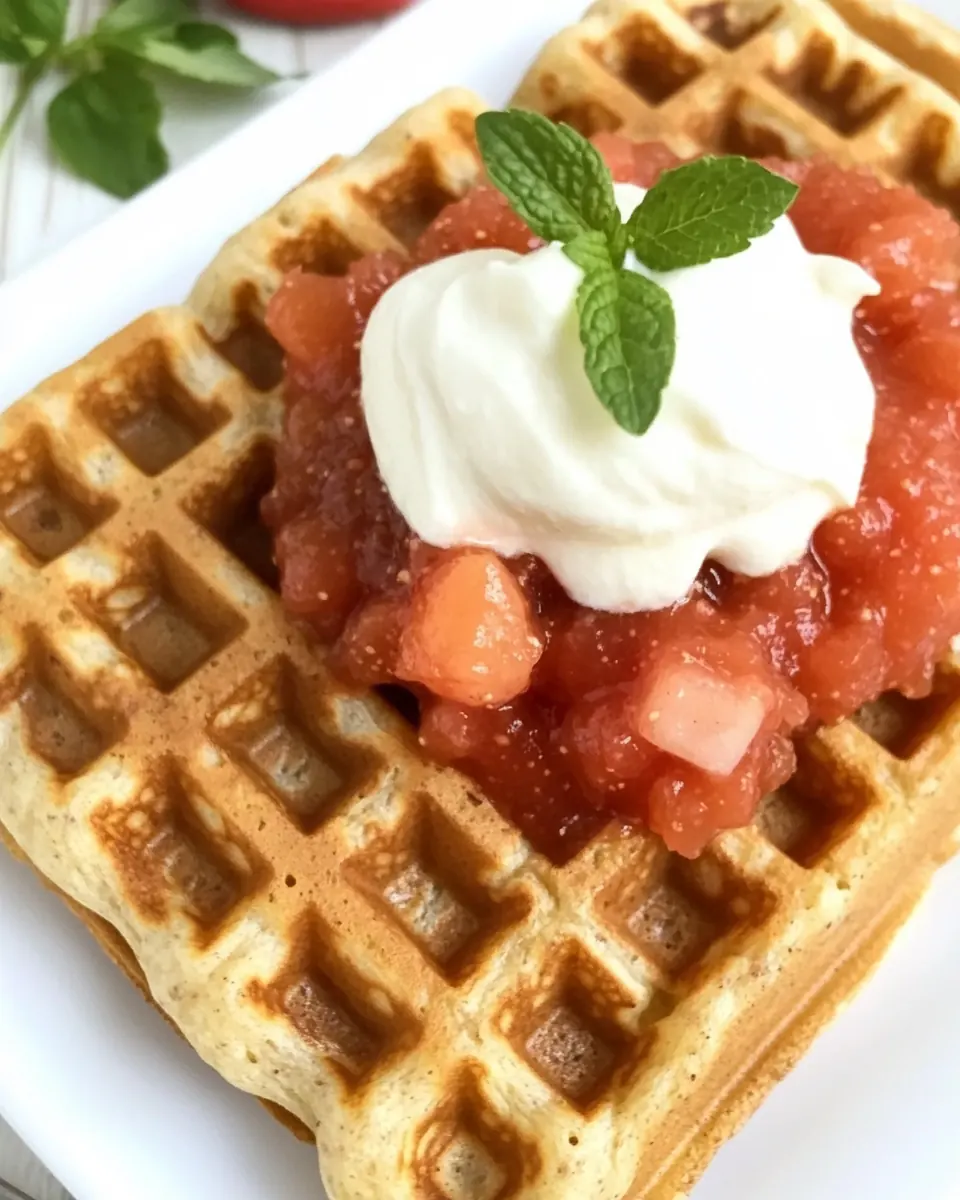
I like offering small variations that respect the recipe base while letting you tailor flavors. Below are practical, testable ideas to make the waffles sweeter, nuttier, or more brunch worthy depending on your mood.
- Swap fruit for seasonal produce Use strawberries or plums if rhubarb is not available, adjusting sugar to taste to preserve balance.
- Make it dairy free Replace buttermilk with a mixture of plant milk and lemon juice for tang, and use a neutral oil instead of butter.
- Add seeds for crunch Stir in a tablespoon of chia or flax for a subtle crunch and more texture without changing the batter viscosity much.
- Toast flours first Lightly toasting the buckwheat flour in a dry pan deepens the nutty aroma, but cool it before mixing to avoid cooking the batter.
- Make compote spicier Add a pinch of ground ginger or a split vanilla bean to the compote while simmering for added warmth and complexity.
What to Serve With Oat and Buckwheat Waffles with Rhubarb Compote
These waffles pair wonderfully with simple additions that respect their rustic profile. Think of accompaniments that add freshness or creaminess, and consider how you will present them based on the occasion.
- Fresh fruit platter Slices of seasonal fruit like berries or stone fruit add brightness and make the plate feel abundant for a brunch spread.
- Warm tea or coffee A robust coffee or a fragrant tea complements the nutty waffles and the tang of the compote, anchoring the meal for relaxed mornings.
- Light green salad A peppery salad with a citrus vinaigrette cleanses the palate and can turn the waffles into a more balanced brunch offering.
- For special occasions Serve these waffles at a spring brunch or holiday breakfast, arranging the compote in a small bowl for guests to spoon as they like.
- Storage tips Keep leftover compote refrigerated for several days and reheat gently; waffles freeze well individually and crisp up again in a toaster or oven.
- Seasonal pairing In spring use fresh rhubarb and early berries, while in late summer swap in stone fruit to match availability and sweetness.
FAQ
Conclusion
What makes this recipe special is the interplay between nutty, whole grain waffles and a bright, tangy rhubarb compote that lifts every bite. The combination of oat flour and buckwheat flour gives texture and depth while the compote brings balance and freshness. Give it a try on a relaxed morning or for a small brunch, and you will likely find the compote and vanilla cream become staples in your repertoire. Enjoy the process, and remember the small steps like resting the batter and preheating the waffle iron make a big difference.
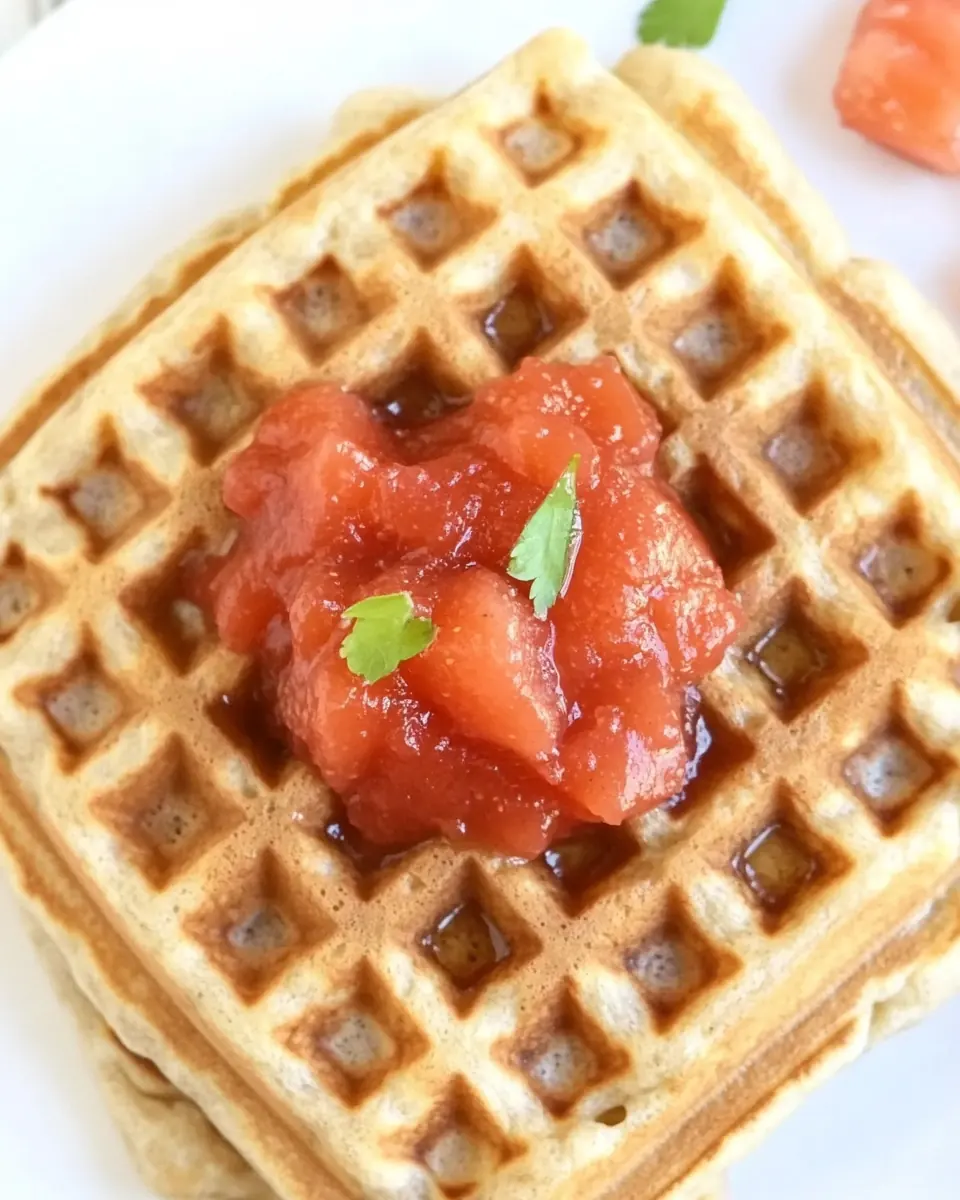
Oat and Buckwheat Waffles with Rhubarb Compote
Ingredients
Equipment
Method
- To make the Rhubarb Compote: Place the diced fruit in a medium saucepan with the sugar and water. Bring to a boil, reduce the heat to medium-low and simmer uncovered for 20 minutes, stirring occasionally, or until the fruit is soft and the mixture has thickened.: At the start you will hear the soft clink of fruit hitting the pan and then the steady bubbling as the mixture comes to a boil, releasing tart, green aromatics that brighten the kitchen. The sugar will dissolve and draw juices out of the rhubarb , transforming the texture from firm chunks to tender pieces suspended in syrup. Stir occasionally to prevent sticking along the bottom, especially as the heat concentrates the sugars and the mixture can cling and scorch. Why this matters, the slow reduction concentrates flavor and creates that glossy jam like coating you want on waffles, rather than a watery condiment. Troubleshooting tip, if the compote is too thin after twenty minutes, increase the heat slightly to reduce faster, but watch closely so it does not burn.
- To make the Vanilla Cream: Place the chilled whipping cream and sugar in a medium-sized mixing bowl and beat on high until it begins to thicken. Add the vanilla paste and continue to beat until stiff peaks form. *See NOTE: Listen for the change from a vigorous boil to gentle simmering, a softer bubbling that signals you have reduced the heat correctly; this gentler simmer lets the fruit break down without evaporating all moisture at once. Visually, you will see the pieces become translucent and the syrup develop a sheen, coating the spoon when you lift it. The simmer also allows flavors to meld so the sugar balances the rhubarb acidity rather than overpowering it. Common mistake, covering the pan traps steam and prevents reduction, yielding a runny compote instead of a jam like finish.
- To make the Oat & Buckwheat Waffles: Preheat your waffle iron. Combine the dry ingredients in a bowl. Set aside. In a large mixing bowl, whisk together the eggs, honey, vanilla paste, butter and coconut oil until combined. Whisk in the buttermilk. Work quickly to prevent the coconut oil from solidifying. Add the dry mixture to the wet mixture in two batches, whisking just until combined (do not over-mix). Let the batter sit for 10 minutes to hydrate the flour. If the mixture is too thick add a little more buttermilk or milk.: As you beat the chilled heavy whipping cream , you will hear a change in sound from liquid slapping to a denser, aerated swoosh as air integrates into the cream. The aroma will brighten slightly with the sugar dissolving. This initial thickening signals the transition to soft peaks, and stopping too soon will leave a floppy topping that weeps. Why this matters, because properly aerated cream adds lightness against the warm waffles and tart compote. Troubleshooting, warm bowls or utensils prevent the cream from whipping fully, so keep everything cold.
- Follow the instructions on your waffle maker and cook until the waffles are golden brown. To maintain their outer crispiness, serve immediately. (While the remaining waffles are being cooked you can keep the finished ones, single layer, in the oven at 200 degrees F.): Now you will see glossy peaks that hold their shape, the surface capturing tiny vanilla flecks from the vanilla bean paste . The texture becomes dense and stable, with little movement when the whisk is lifted. This is the moment to stop, as overwhipping turns the cream grainy and eventually into butter. The reason for adding vanilla at this stage is to disperse flavor without reducing volume, ensuring each spoonful tastes floral and sweet. A frequent error is whipping past stiff peaks, so check frequently.
- Serve the waffles whole or cut into segments topped with some rhubarb compote and a vanilla cream. If desired, garnish with a sprig of fresh mint. NOTE: Feel free to omit the rhubarb compote and cream. These are some of our favorite go-to waffles and they're also perfect served with your favorite syrup.: Preheating is audible as the appliance clicks and warms; a properly hot iron ensures immediate sizzle when batter hits the plates, producing crisp edges. Visually the plates should be uniformly hot, and a light test spray or a small dab of batter will steam and set quickly. Doing this ensures you do not get soggy waffles from a lukewarm surface. Mistake to avoid, adding batter to an underheated iron which yields flat, greasy waffles.
- Combine the dry ingredients in a bowl Set aside: As you whisk the oat flour , buckwheat flour , baking powder , baking soda , salt , and cinnamon , you create an even distribution of leaveners so every portion of batter rises uniformly. You will notice the mixture lighten and the aroma of cinnamon disperse. This step ensures pockets of leavener do not create uneven lift, and failing to sift or combine well can make the waffles bubble unpredictably.
- In a large mixing bowl whisk together the eggs honey vanilla paste butter and coconut oil until combined: The bowl will have a glossy sheen as the eggs emulsify with the melted butter and coconut oil , and the honey adds viscosity that helps suspend dry particles. Whisking creates a uniform matrix so that fat coats flour particles, which leads to a tender interior. If you rush and the fats are too hot, they can cook the eggs; let melted fats cool slightly first to prevent curdling.
- Whisk in the buttermilk Work quickly to prevent the coconut oil from solidifying: Pouring in the room temperature buttermilk loosens the mixture and introduces acidity that will react with the baking soda , giving lift. You should hear a thinner, more fluid sound while whisking and see the batter become homogeneous. Because coconut oil can solidify as it cools, incorporate it quickly to avoid lumps. If the oil starts to congeal, a short warm bath of the bowl can help, but avoid overheating.
- Add the dry mixture to the wet mixture in two batches whisking just until combined do not over mix: Adding in two stages allows you to integrate the flours without overworking the batter, preserving tenderness; you will see streaks disappear as you fold, and a few small lumps are fine. The goal is a cohesive batter that still breathes, because over mixing develops grainier texture and tougher gluten like structure. Letting the batter rest is key, and skipping the rest often results in denser waffles.
- Let the batter sit for 10 minutes to hydrate the flour If the mixture is too thick add a little more buttermilk or milk: During this rest you will observe the batter thicken slightly as the oat flour absorbs liquid, creating a smoother mouthfeel. This pause improves texture and allows the flours to bloom, which yields lighter waffles. If the batter tightens too much, a splash of buttermilk loosens it, but be cautious to avoid a runny batter that will not set properly in the iron.
- Follow the instructions on your waffle maker and cook until the waffles are golden brown: When batter meets the hot plates you should hear an energetic sizzle and soon see steam gently rising; the waffles will release when the exterior is set and a golden brown tone appears. Cooking to the right color ensures crispness and fully developed flavor from the Maillard reaction. Avoid opening the iron too early, which can tear the waffle and yield uneven cooking.
- To maintain their outer crispiness serve immediately While the remaining waffles are being cooked you can keep the finished ones single layer in the oven at 200 degrees F: The oven method keeps waffles warm and helps preserve the crisp exterior by removing moisture quickly. The crispness will relax if you stack waffles, so a single layer on a rack or sheet keeps air circulating. A common error is to cover the waffles, which traps steam and softens the crust.
- Serve the waffles whole or cut into segments topped with some rhubarb compote and a vanilla cream If desired garnish with a sprig of fresh mint: The final moment brings together temperature and texture, the warm waffle against cool whipped vanilla cream and tangy rhubarb creating contrast on the palate. Arrange portions so each plate gets a balance of waffle to compote to cream. Avoid drowning the waffles in compote, which will mask the nutty waffle notes.
- NOTE Feel free to omit the rhubarb compote and cream These are some of our favorite go to waffles and they are also perfect served with your favorite syrup: This flexibility is part of the recipe charm; you will still get a deliciously textured waffle if you choose simplicity. If skipping the toppings, consider a thin brushing of melted butter and a light drizzle of syrup to highlight the grainy flavors. The mistake people make is expecting identical flavor without the compote, so adjust your expectations accordingly.
Notes
- Swap fruit for seasonal produce Use strawberries or plums if rhubarb is not available, adjusting sugar to taste to preserve balance.
- Make it dairy free Replace buttermilk with a mixture of plant milk and lemon juice for tang, and use a neutral oil instead of butter.
- Add seeds for crunch Stir in a tablespoon of chia or flax for a subtle crunch and more texture without changing the batter viscosity much.
- Toast flours first Lightly toasting the buckwheat flour in a dry pan deepens the nutty aroma, but cool it before mixing to avoid cooking the batter.
- Make compote spicier Add a pinch of ground ginger or a split vanilla bean to the compote while simmering for added warmth and complexity.