Oatmeal Banana Bread
Oatmeal Banana Bread is the loaf I reach for when I want comfort without fuss, and that very craving started one rainy afternoon when three overripe bananas sat blinking at me from the counter.
That day I decided to keep things simple, combining pantry staples into a batter that smelled like warm spice and home. I remember mashing the bananas by hand, the air filling with a sweet perfume, and wondering why I had not made this sooner. As the loaf baked, the kitchen filled with a toasty aroma, and I brewed tea while the loaf cooled just enough for me to steal a sliver. The crumb was tender, dotted with pockets of soft oats, and every bite felt like a small, cozy celebration.
Recipe Snapshot
55 mins
10 mins
45 mins
Medium
200 kcal
American
Gluten-Free, Vegan
Breakfast
9 x 5 loaf pan, Parchment paper, Large mixing bowl, Measuring cups and spoons
Why You Need This Oatmeal Banana Bread
It makes the most of ripe fruit
I adore how Oatmeal Banana Bread transforms spotting bananas into a centerpiece, not waste. The natural sweetness from the bananas lets the brown sugar play a supporting role, so the loaf tastes balanced, not cloying. When I bake this, I relish the way ripe banana aroma carries through the kitchen, nudging everyone to the table.
Texture that hits the sweet spot
The combination of quick oats and all purpose flour gives this loaf a tender crumb with a pleasant tooth. I love the slight chew from the oats next to the soft, cakey interior. That contrast is why this bread feels substantial enough for breakfast, yet delicate enough for tea time.
Approachable and forgiving
One big reason I recommend this recipe is how forgiving it is. Whether your bananas are very ripe or just nicely spotted, the batter adapts. The recipe does not demand precision, so I often let kids help me mash and stir, which creates memories without anxiety about exact measurements.
Flavors that feel familiar and warm
The apple pie spice threads through the loaf in a gentle way, giving each slice cozy notes of cinnamon and nutmeg without overpowering the banana. When I bite into a piece, I’m greeted with warmth rather than spice theater, and that makes it perfect for mornings or late night snacks.
Easy to adapt and share
I like that Oatmeal Banana Bread travels well. It keeps in the fridge for days and freezes beautifully, which makes it ideal for gifting or packing for outings. The loaf slices neatly, so portioning for guests or school lunches is effortless, and I’m always happy to bring it to a neighbor when life gets busy.
Recipe Ingredients for Oatmeal Banana Bread
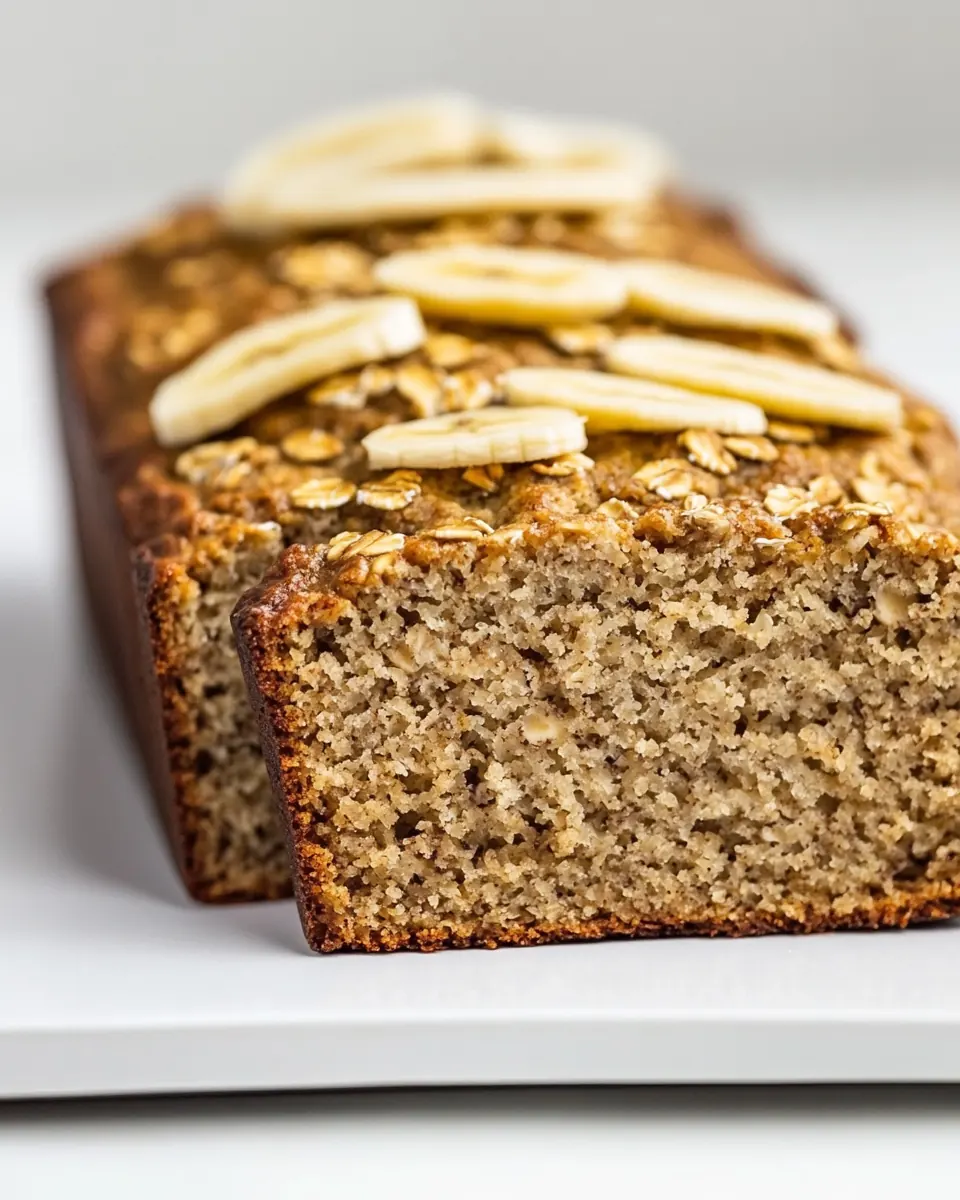
I think of these ingredients as a small ensemble that supports one clear goal, a tender loaf with warm spice and sturdy crumb. The all purpose flour and quick oats form the structure, the bananas and light brown sugar provide sweetness and moisture, and the butter and eggs enrich the texture. The leaveners and salt nudge the loaf to rise and bloom, while the apple pie spice gives a gentle, familiar note.
- 1 1/4 cup all-purpose flour (or GF baking mix): Provides structure and gluten for the loaf; use all-purpose flour to create a tender crumb, or substitute an equal amount of gluten-free baking mix for a gluten-free version. Sifts or whisks briefly to incorporate air and ensure even distribution with the dry ingredients.
- 1 cup quick oats: Adds texture and oat flavor while contributing to the bread's body; quick oats soften during baking to yield a pleasant chew without needing long soaking. Stir into the dry mixture to distribute evenly and complement the mashed bananas.
- 3/4 cup light brown sugar: Sweetens the batter with a deep caramel-like flavor from molasses content; light brown sugar also helps retain moisture for a soft loaf. Creams well with melted butter and eggs to create a cohesive batter and enhance browning.
- 3 very ripe bananas (1 1/2 cups mashed): Imparts natural sweetness, moisture, and banana flavor while acting as a mild binder; very ripe bananas mash easily and blend smoothly into the batter. Use the measured mashed amount for consistent moisture and banana intensity.
- 1/2 cup unsalted butter, melted: Contributes richness, tenderness, and moisture to the bread; melted unsalted butter blends smoothly with sugar and wet ingredients for a uniform texture. Use unsalted to control sodium and adjust salt separately if needed.
- 2 large eggs: Provides additional structure and emulsification while aiding in leavening; large eggs help set the crumb and improve overall rise. Beat lightly before adding to ensure even incorporation into the batter.
- 1/4 cup milk: Adds liquid to hydrate dry ingredients and ensures proper batter consistency; milk also contributes a touch of dairy flavor and helps dissolve sugar and salt. Use whole or low-fat milk as preferred for slightly different richness.
- 2 teaspoon vanilla extract: Enhances flavor with aromatic sweetness and depth; vanilla extract rounds out the banana and spice notes for a balanced loaf. Measure accurately to avoid overpowering the delicate flavors.
- 2 teaspoons apple pie spice (or pumpkin pie spice): Infuses the bread with warm, spiced flavor reminiscent of apple or pumpkin desserts; apple pie spice adds cinnamon, nutmeg, and other warming spices to complement banana. Use the alternative pumpkin pie spice if preferred for a similar profile.
- 1 teaspoon salt: Balances flavors and strengthens gluten slightly to enhance structure; salt is essential even in sweet breads to heighten overall taste. Adjust if using salted butter to avoid over-salting the batter.
- 1 teaspoon baking powder: Provides chemical leavening to help the loaf rise and create a lighter crumb; baking powder reacts during baking to produce lift. Ensure freshness for maximum effectiveness and even rise.
- 1 teaspoon baking soda: Works with baking powder and acidic components to produce carbon dioxide for rise; baking soda reacts quickly with acidic elements like brown sugar or bananas to lighten texture. Measure precisely to prevent metallic or soapy aftertastes.
The Method for Oatmeal Banana Bread
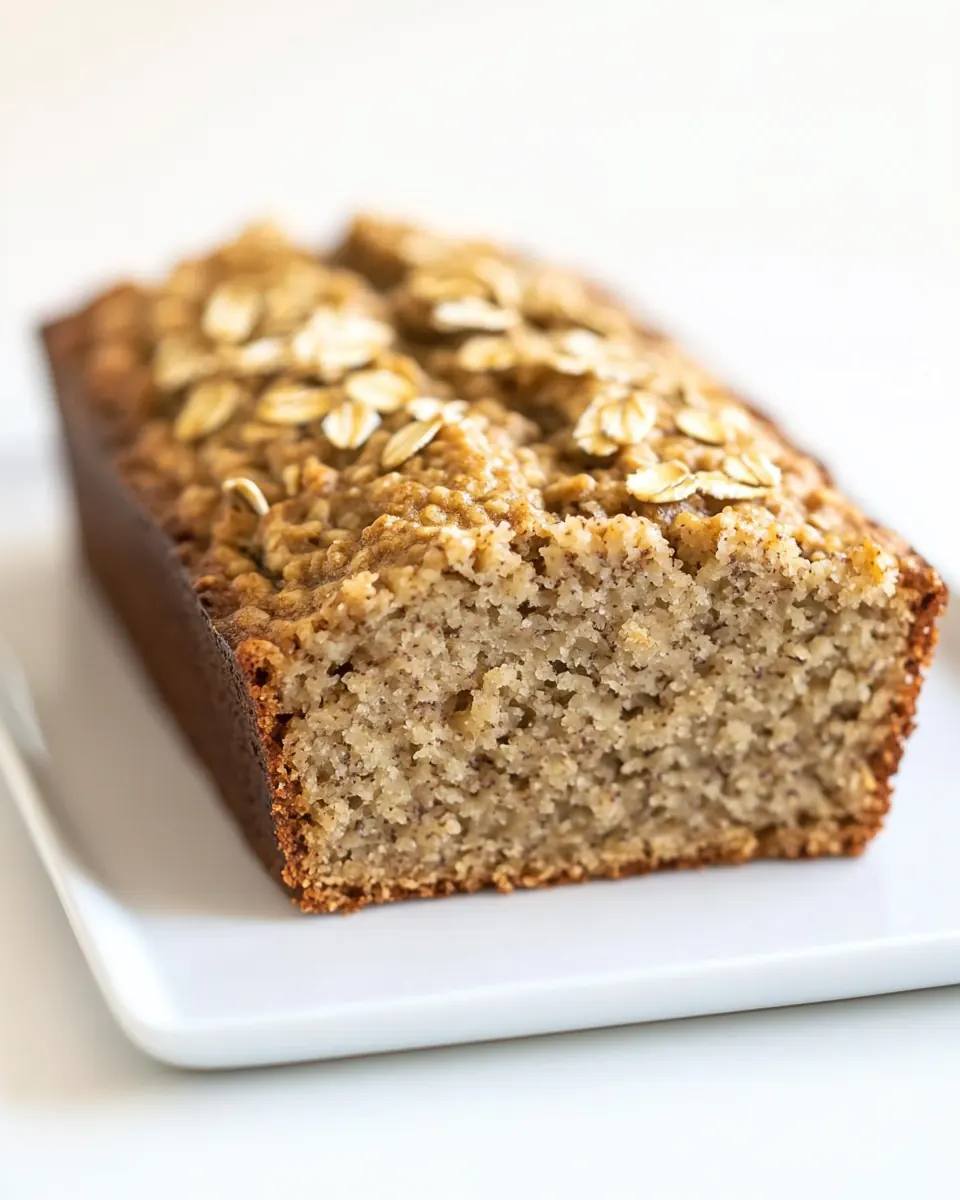
This is a warm, hands on method that is forgiving and straightforward, ideal for bakers of all levels. I like to prep my pan and ingredients first, then move through the steps purposefully so the batter remains light and the loaf bakes evenly.
- Preheat the oven to 350 degrees F. Set out a 9 X 5 loaf pan. Cut a strip of parchment paper 9 inches wide. Then fold it to fit down into the bottom and long edges of the pan. Spray or grease the pan and paper.: The oven warming fills the kitchen with heat and faint caramel notes, creating the right environment for even rise and browning; you should feel warmth from the oven door and see the interior glow when you open it. Preheating is crucial because a cold oven will delay rise and can produce a dense loaf. One common mistake is not allowing full preheat time, which leads to uneven texture.
- Smash the bananas and measure out 1 1/2 cups.: The pan size governs final loaf height and baking time, and a proper 9 X 5 pan yields a classic shape with a tender center and nicely caramelized edges. Greasing and lining with parchment ensures easy release and clean slices. If you skip the parchment, the loaf may stick to the sides when cooling, making removal tricky.
- Set out a large mixing bowl. Add the flour, oats, brown sugar, apple pie spice, salt, baking powder, and baking soda. Mix well. Then mix in the mashed banana, melted butter, eggs, milk, and vanilla extract. Mix until smooth.: The parchment creates a sling that lifts the loaf without damage, and as you press it into the pan the edges should snugly follow the pan sides. This small step prevents tearing and keeps slicing simple after cooling. Avoid folding the paper too tightly, which can create creases that imprint the loaf.
- Pour or scoop the batter into the prepared pan. Sprinkle the top with extra oats if desired. Then bake for 45-60 minutes, until a toothpick inserted deep into the center comes out clean.: Folding the parchment ensures full coverage and a clean edge for lifting, and you will notice how the paper cushions the batter as it expands. Proper placement helps the crust form evenly along the sides. A frequent oversight is leaving gaps, which can cause sticking at the corners.
- Allow the bread to rest in the pan for 15 minutes. Then lift it out by the edges of the parchment paper. Wait until the loaf is fully cooled to cut.: A light coating of oil where the parchment meets the pan prevents slippage and guarantees the loaf will glide out; you will hear a faint sizzle when the batter hits the pan if the butter is warm, which is reassuring. Greasing also encourages a slightly crisper outer edge. Using too much oil can cause pooling and greasy edges.
- Smash the bananas and measure out 1 1/2 cups: Mashing until fairly smooth releases banana fragrance and moisture, and the aroma should be prominently sweet and almost caramel like. Measuring ensures the batter has predictable moisture; too much banana can make the loaf dense. A common mistake is under-mashing, which creates uneven pockets of banana and irregular texture.
- Set out a large mixing bowl: Having a roomy bowl gives you freedom to mix without spilling, and it helps you combine dry ingredients thoroughly before the wet additions. The bowl should be large enough that you can whisk vigorously, which incorporates air and lightens the batter. Using a bowl that is too small makes mixing awkward and can lead to uneven incorporation.
- Add the flour, oats, brown sugar, apple pie spice, salt, baking powder, and baking soda: When these dry elements come together you will notice a warmly spiced, grainy aroma from the oats and brown sugar; whisking them ensures even distribution so the leaveners activate uniformly. Even mixing prevents pockets of soda or powder, which can create odd tasting bits. Forgetting to sift or whisk can leave clumps that bake into dense spots.
- Mix well: Thoroughly combining the dry ingredients gives the loaf structure and ensures the spice and leaveners are spread evenly, so the aroma stays consistent through each slice. A well mixed dry base supports a predictable rise in the oven. Overmixing at this stage is not a problem, but later overworking with wet ingredients can toughen the crumb.
- Then mix in the mashed banana, melted butter, eggs, milk, and vanilla extract: As the wet ingredients meet the dry, the batter will loosen and emit a rich, sweet fragrance; fold gently to maintain tenderness while ensuring everything is homogenous. The melted butter and eggs add silkiness, while the milk adjusts the batter to a pourable thickness. A common mistake is beating vigorously, which can develop gluten and yield a tougher loaf.
- Mix until smooth: Smooth batter means no streaks of flour, and it should pour slowly from a spoon, glossy and thick. This visual cue tells you the ingredients are harmonized and the loaf will rise evenly. If the batter seems too thick, a splash of milk can help, but avoid thinning it too much. Overmixing here will tighten the crumb, so stop as soon as smooth.
- Pour or scoop the batter into the prepared pan: Filling the pan evenly allows the loaf to bake into a symmetrical dome and ensures consistent baking; you will see the batter settle and might tap the pan lightly to release trapped air bubbles. Evenness prevents one side from overbrowning. Overfilling can cause batter to spill and bake unevenly.
- Sprinkle the top with extra oats if desired: The oats add a rustic finish and a hint of chew on the crust, and they toast during baking to give nutty accents. I often pat them gently so they adhere and do not blow off in the oven. Skip this only if you want a smooth top, as the oats can brown faster than the loaf interior.
- Then bake for 45 to 60 minutes, until a toothpick inserted deep into the center comes out clean: As the loaf bakes you will notice a warm, spiced aroma and the top turning a deep golden brown; the toothpick test is the reliable cue that the interior is set. Ovens vary, so start checking at 45 minutes to avoid overbaking. A common misstep is assuming time on the recipe is exact rather than using visual and toothpick checks.
- Allow the bread to rest in the pan for 15 minutes: Resting lets the crumb set so the loaf holds together when removed, and during this time steam redistributes making slicing cleaner later. You will feel the loaf firm up slightly as it cools in the pan. Rushing to remove it while very hot can cause the loaf to break apart.
- Then lift it out by the edges of the parchment paper: Using the parchment sling preserves the loaf shape and makes it easy to transfer to a cooling rack; the bottom will have a gentle crust that you will want to protect. Lift carefully to avoid jostling and tearing. If you try to pry the loaf out without parchment, it may stick and crumble.
- Wait until the loaf is fully cooled to cut: Cooling completes the bake, and the crumb firms to the right texture for slicing; cutting too early can produce gummy slices that fall apart. The loaf should be warm but not hot, and the fragrance will be most inviting at this stage. A mistake I see often is impatient slicing, which ruins the presentation and makes crumbs scatter.
Variations to Try
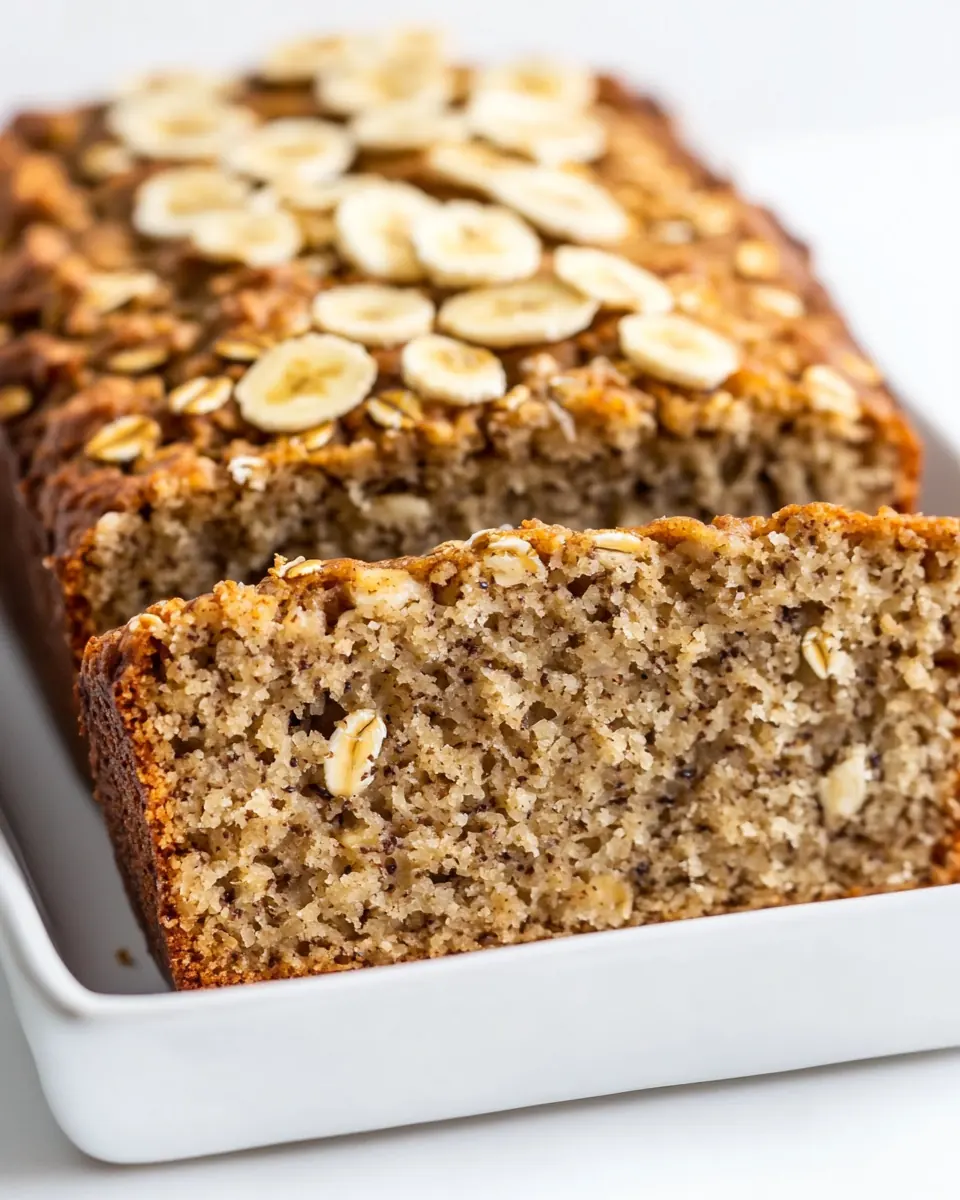
These variations let you customize the loaf while keeping the base technique. I like to highlight the first phrase of each tip so you can scan quickly and pick an approach that fits your pantry or dietary needs.
- Add chopped nuts to the batter for crunch and a toasty contrast to the soft crumb, folding them in at the end so they distribute evenly without sinking.
- Stir in chocolate chips for a sweeter loaf that pairs beautifully with morning coffee, folding gently so the chips do not melt into the batter during mixing.
- Try a streusel topping with flour, butter, and brown sugar for a crunchy crown that bakes to a caramelized finish, sprinkling it evenly before baking.
- Make it gluten free by using a one to one gluten free baking mix in place of flour, and watch for slightly different moisture; you may need a tad more liquid.
- Lean into spices by increasing the apple pie spice slightly if you want more warmth, but keep balance so the banana still shines through.
What to Pair With Oatmeal Banana Bread
This loaf is versatile, fitting into breakfasts, snacks, and cozy gatherings, and I like to think about pairing based on occasion and time of day. Below are ideas for sides, storage, and serving styles so you can present the bread beautifully and practically.
- For breakfast, serve warm slices with a smear of butter or a thick yogurt on the side, which adds a creamy contrast to the tender crumb and makes an easy morning meal.
- Brunch spread benefits from sliced loaf alongside a fruit salad and coffee, where the bread contributes a hearty, sweet element without stealing the show.
- Snack time is simple, pack a slice in a lunchbox with a small container of nut butter for dipping, offering balanced energy and satisfying texture.
- For gifting, wrap the cooled loaf tightly and include reheating instructions, noting it freezes well when wrapped in plastic then foil for long term storage.
- Storage tips, keep sliced bread in an airtight container in the fridge for up to five days, or freeze tightly wrapped for three to six months, thawing in the fridge overnight before serving.
- Occasion suggestions, this loaf is ideal for casual gatherings, school events, or Ramadan if you need a sweet, nourishing option for iftar or suhoor, served with tea and fruit.
FAQ
Conclusion
Oatmeal Banana Bread stands out for its cozy spice, tender crumb, and the way it elevates simple, ripe bananas into something special. I hope you give it a try, whether for a leisurely breakfast, an afternoon snack, or to use up fruit on the counter. It is forgiving, adaptable, and reliably comforting, making it a go to when you want a homemade loaf without fuss. Slice it warm or cool, share it with neighbors, and enjoy the little ritual of tasting something homemade.
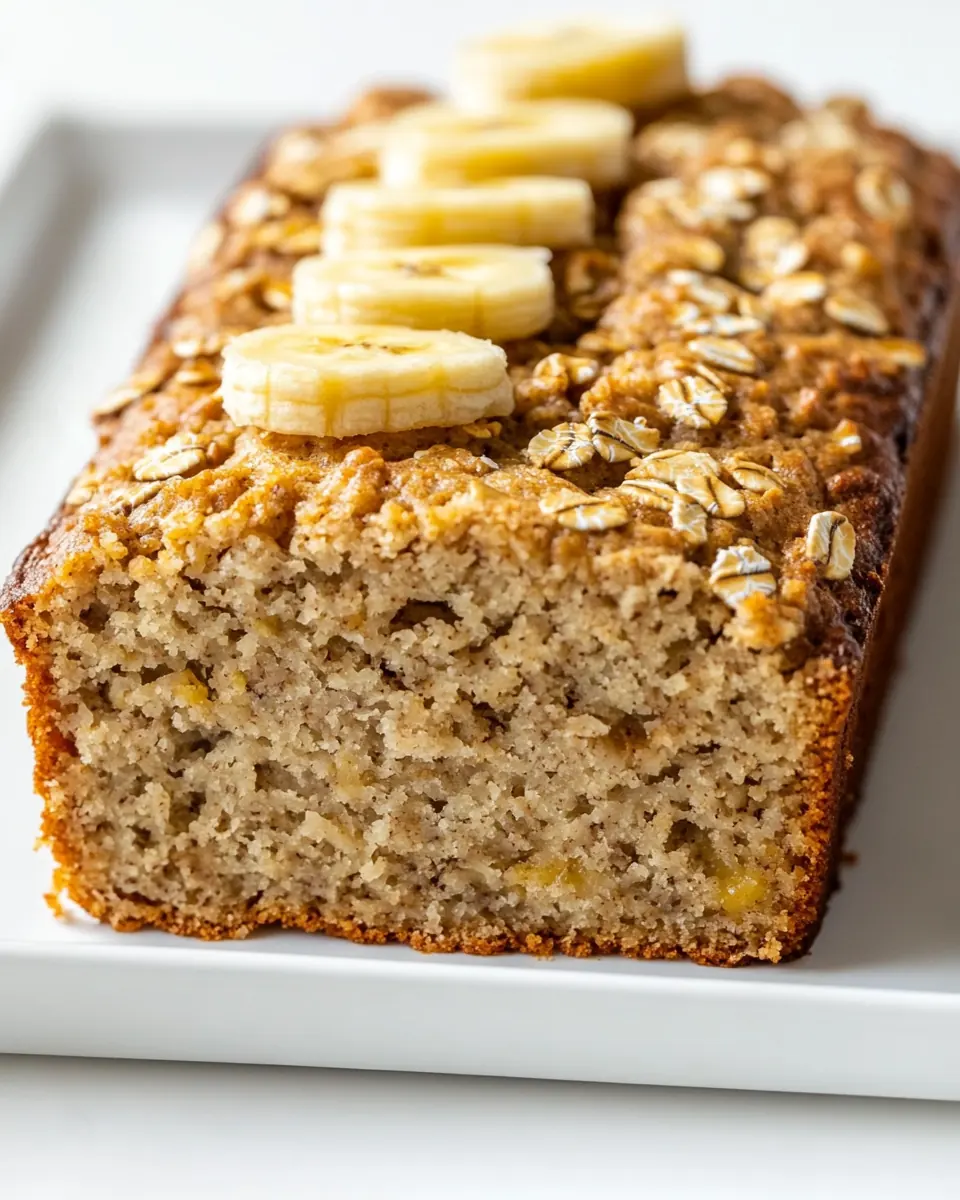
Oatmeal Banana Bread
Ingredients
Equipment
Method
- Preheat the oven to 350 degrees F. Set out a 9 X 5 loaf pan. Cut a strip of parchment paper 9 inches wide. Then fold it to fit down into the bottom and long edges of the pan. Spray or grease the pan and paper.: The oven warming fills the kitchen with heat and faint caramel notes, creating the right environment for even rise and browning; you should feel warmth from the oven door and see the interior glow when you open it. Preheating is crucial because a cold oven will delay rise and can produce a dense loaf. One common mistake is not allowing full preheat time, which leads to uneven texture.
- Smash the bananas and measure out 1 1/2 cups.: The pan size governs final loaf height and baking time, and a proper 9 X 5 pan yields a classic shape with a tender center and nicely caramelized edges. Greasing and lining with parchment ensures easy release and clean slices. If you skip the parchment, the loaf may stick to the sides when cooling, making removal tricky.
- Set out a large mixing bowl. Add the flour, oats, brown sugar, apple pie spice, salt, baking powder, and baking soda. Mix well. Then mix in the mashed banana, melted butter, eggs, milk, and vanilla extract. Mix until smooth.: The parchment creates a sling that lifts the loaf without damage, and as you press it into the pan the edges should snugly follow the pan sides. This small step prevents tearing and keeps slicing simple after cooling. Avoid folding the paper too tightly, which can create creases that imprint the loaf.
- Pour or scoop the batter into the prepared pan. Sprinkle the top with extra oats if desired. Then bake for 45-60 minutes, until a toothpick inserted deep into the center comes out clean.: Folding the parchment ensures full coverage and a clean edge for lifting, and you will notice how the paper cushions the batter as it expands. Proper placement helps the crust form evenly along the sides. A frequent oversight is leaving gaps, which can cause sticking at the corners.
- Allow the bread to rest in the pan for 15 minutes. Then lift it out by the edges of the parchment paper. Wait until the loaf is fully cooled to cut.: A light coating of oil where the parchment meets the pan prevents slippage and guarantees the loaf will glide out; you will hear a faint sizzle when the batter hits the pan if the butter is warm, which is reassuring. Greasing also encourages a slightly crisper outer edge. Using too much oil can cause pooling and greasy edges.
- Smash the bananas and measure out 1 1/2 cups: Mashing until fairly smooth releases banana fragrance and moisture, and the aroma should be prominently sweet and almost caramel like. Measuring ensures the batter has predictable moisture; too much banana can make the loaf dense. A common mistake is under-mashing, which creates uneven pockets of banana and irregular texture.
- Set out a large mixing bowl: Having a roomy bowl gives you freedom to mix without spilling, and it helps you combine dry ingredients thoroughly before the wet additions. The bowl should be large enough that you can whisk vigorously, which incorporates air and lightens the batter. Using a bowl that is too small makes mixing awkward and can lead to uneven incorporation.
- Add the flour, oats, brown sugar, apple pie spice, salt, baking powder, and baking soda: When these dry elements come together you will notice a warmly spiced, grainy aroma from the oats and brown sugar; whisking them ensures even distribution so the leaveners activate uniformly. Even mixing prevents pockets of soda or powder, which can create odd tasting bits. Forgetting to sift or whisk can leave clumps that bake into dense spots.
- Mix well: Thoroughly combining the dry ingredients gives the loaf structure and ensures the spice and leaveners are spread evenly, so the aroma stays consistent through each slice. A well mixed dry base supports a predictable rise in the oven. Overmixing at this stage is not a problem, but later overworking with wet ingredients can toughen the crumb.
- Then mix in the mashed banana, melted butter, eggs, milk, and vanilla extract: As the wet ingredients meet the dry, the batter will loosen and emit a rich, sweet fragrance; fold gently to maintain tenderness while ensuring everything is homogenous. The melted butter and eggs add silkiness, while the milk adjusts the batter to a pourable thickness. A common mistake is beating vigorously, which can develop gluten and yield a tougher loaf.
- Mix until smooth: Smooth batter means no streaks of flour, and it should pour slowly from a spoon, glossy and thick. This visual cue tells you the ingredients are harmonized and the loaf will rise evenly. If the batter seems too thick, a splash of milk can help, but avoid thinning it too much. Overmixing here will tighten the crumb, so stop as soon as smooth.
- Pour or scoop the batter into the prepared pan: Filling the pan evenly allows the loaf to bake into a symmetrical dome and ensures consistent baking; you will see the batter settle and might tap the pan lightly to release trapped air bubbles. Evenness prevents one side from overbrowning. Overfilling can cause batter to spill and bake unevenly.
- Sprinkle the top with extra oats if desired: The oats add a rustic finish and a hint of chew on the crust, and they toast during baking to give nutty accents. I often pat them gently so they adhere and do not blow off in the oven. Skip this only if you want a smooth top, as the oats can brown faster than the loaf interior.
- Then bake for 45 to 60 minutes, until a toothpick inserted deep into the center comes out clean: As the loaf bakes you will notice a warm, spiced aroma and the top turning a deep golden brown; the toothpick test is the reliable cue that the interior is set. Ovens vary, so start checking at 45 minutes to avoid overbaking. A common misstep is assuming time on the recipe is exact rather than using visual and toothpick checks.
- Allow the bread to rest in the pan for 15 minutes: Resting lets the crumb set so the loaf holds together when removed, and during this time steam redistributes making slicing cleaner later. You will feel the loaf firm up slightly as it cools in the pan. Rushing to remove it while very hot can cause the loaf to break apart.
- Then lift it out by the edges of the parchment paper: Using the parchment sling preserves the loaf shape and makes it easy to transfer to a cooling rack; the bottom will have a gentle crust that you will want to protect. Lift carefully to avoid jostling and tearing. If you try to pry the loaf out without parchment, it may stick and crumble.
- Wait until the loaf is fully cooled to cut: Cooling completes the bake, and the crumb firms to the right texture for slicing; cutting too early can produce gummy slices that fall apart. The loaf should be warm but not hot, and the fragrance will be most inviting at this stage. A mistake I see often is impatient slicing, which ruins the presentation and makes crumbs scatter.
Notes
- Add chopped nuts to the batter for crunch and a toasty contrast to the soft crumb, folding them in at the end so they distribute evenly without sinking.
- Stir in chocolate chips for a sweeter loaf that pairs beautifully with morning coffee, folding gently so the chips do not melt into the batter during mixing.
- Try a streusel topping with flour, butter, and brown sugar for a crunchy crown that bakes to a caramelized finish, sprinkling it evenly before baking.
- Make it gluten free by using a one to one gluten free baking mix in place of flour, and watch for slightly different moisture; you may need a tad more liquid.
- Lean into spices by increasing the apple pie spice slightly if you want more warmth, but keep balance so the banana still shines through.