Olive Garden Pumpkin Cheesecake
Olive Garden Pumpkin Cheesecake has a way of showing up at my table every fall, and it instantly becomes the thing people talk about after the last forkful disappears. I remember the first time I tried to recreate that glossy, warmly spiced cheesecake at home, juggling cans, mixers, and a pan that felt suspiciously smaller than the photos made it look. That early attempt taught me patience, respect for room temperature ingredients, and how much joy comes from simple rituals like draining pumpkin and pressing a buttery crust.
Over the years I refined the method, learning to coax out the best texture and the deepest spice notes without overwhelming the creamy base. I like to chat while I bake, tasting a crumb here, a whipped peak there, and adjusting along the way. Serving this cheesecake has become a small ceremony, and I love watching guests pause, smile, then dig in. Whenever the leaves start to turn, I know it is time to pull out the springform pan, the cookie crumbs, and that familiar jar of caramel sauce.
Recipe Snapshot
1 hr 50 mins
35 mins
75 mins
Medium
350 kcal
American
Gluten-Free, Low FODMAP
Desserts
8 inch springform pan, Mixer, Mixing bowls, Measuring cups, Offset spatula
The Appeal of This Olive Garden Pumpkin Cheesecake
Perfect balance of spice and cream
I love how Olive Garden Pumpkin Cheesecake manages to be both richly creamy and warmly spiced, without either side shouting. The pumpkin puree brings an autumnal depth while the blend of cinnamon, nutmeg, ginger, and cloves keeps every bite cozy. When I taste a forkful, the spices arrive like a gentle chorus supporting the lead voice of the cream cheese.
Textural contrast that wins hearts
The double crust approach, using both graham cracker crumbs and ginger snap cookie crumbs, gives that first bite a satisfying crunch before the silky filling takes over. I find guests commenting on the crust every time, and that contrast is what makes this cheesecake feel special rather than just another dessert.
Approachable technique for home bakers
I appreciate that this recipe uses straightforward techniques you can master in a day. From draining the pumpkin to whipping the topping to stiff peaks, each step teaches you something useful. Because I walk through the small details, you can get restaurant caliber results without fancy tools.
Flexible for holidays and gatherings
Olive Garden Pumpkin Cheesecake is a natural for Thanksgiving and fall dinner parties. It travels well, slices neatly when cold, and you can prep many steps ahead, which is why I often make it the day before. The caramel drizzle and extra ginger snap crumbs let you dress it up in seconds when guests arrive.
Comforting and familiar flavors
There is something comforting about the familiar spices and the lush cream cheese base. I find it brings a gentle nostalgia to the table, which is why I keep this recipe in heavy rotation through the season. It reads as both classic and slightly elevated, a combination that keeps everyone smiling.
Ingredient List for Olive Garden Pumpkin Cheesecake
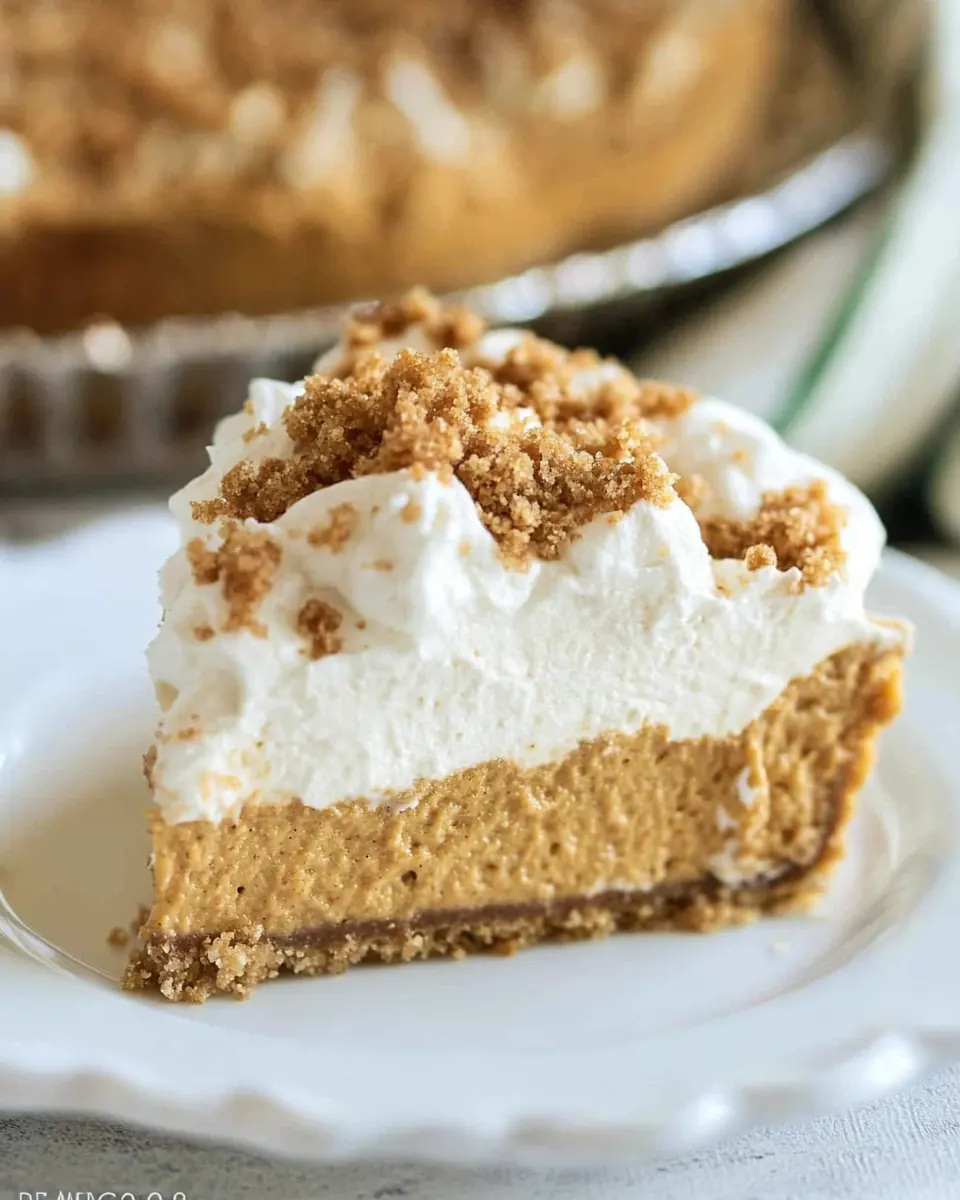
These ingredients are chosen to create a harmonious pumpkin cheesecake where texture and flavor support each other. The crust provides crunch and spice, the filling is silky and well seasoned, the sour cream layer adds brightness, and the whipped cream lends airy richness. Each element plays a starring role, and together they form a dessert that slices cleanly and tastes layered.
- 1 1/2 cups graham cracker crumbs: Provide a crumbly, sturdy base for the cheesecake crust and contribute a mild, slightly sweet graham flavor that complements the pumpkin filling. Combine with melted butter and sugar to form pressable crumbs that hold shape when baked and cooled. Offer a familiar texture that contrasts with the creamy filling and helps prevent sogginess.
- 1 cup ginger snap cookie crumbs: Add a spicier, more robust cookie flavor to the crust, enhancing warmth and complexity with ginger and molasses notes. Blend with graham cracker crumbs to deepen taste and provide additional structure and crunch. Balance sweetness while reinforcing the autumnal spice profile of the dessert.
- 1/4 cups sugar: Sweeten the crust mixture to balance the savory and spiced cookie crumbs and help the crust brown slightly during baking. Dissolve into the crumb and butter mixture to ensure even sweetness throughout the base. Act as a binder alongside the melted butter to improve cohesion.
- 1/2 teaspoon cinnamon: Introduce warm, aromatic spice to the crust to echo flavors in the cheesecake filling and reinforce autumnal notes. Sprinkle into the crust mixture sparingly to avoid overpowering while adding subtle complexity. Harmonize with the cookie crumbs and sugar for a balanced foundation.
- 8 tablespoons melted butter: Bind the crumb mixture into a cohesive crust by coating crumbs and helping them compact when pressed into the pan. Provide richness and a slight toasted flavor that helps set the crust during baking. Ensure proper measurement and slightly melted state for even distribution.
- 24 ounces cream cheese: Create the rich, creamy body of the cheesecake filling with a smooth, tangy base that sets when baked. Beat until smooth and free of lumps to achieve a silky texture and proper incorporation of sugars and spices. Offer the primary dairy component that balances pumpkin and spice flavors.
- 15 ounces pumpkin puree: Provide the characteristic pumpkin flavor and moisture for the seasonal filling, lending color and natural sweetness. Combine with sugars, eggs, and spices to create a cohesive custard that bakes into a dense, flavorful interior. Use pure pumpkin puree for optimal texture and taste.
- 3 eggs: Set the cheesecake filling by providing structure and stability, helping the custard to thicken during baking. Whisk in one at a time for even incorporation to avoid overmixing and to maintain a smooth texture. Contribute richness and a tender crumb to the finished dessert.
- 2/3 cups light brown sugar: Sweeten the pumpkin filling with a deeper, molasses-like sugar that adds moisture and enhances caramelized notes. Dissolve into the filling mixture to ensure consistent sweetness and slight chewiness when baked. Complement spices and pumpkin flavor without dominating them.
- 1 teaspoon vanilla: Enhance the filling with warm, floral vanilla notes that round out sweetness and deepen overall flavor. Add to the batter to permeate the custard and balance spice elements. Use pure vanilla for best aromatic complexity.
- 1/2 teaspoons salt: Enhance the filling's flavor balance by accentuating sweetness and rounding out spices, while helping to control overall taste. Dissolve into the batter to ensure even seasoning and to support the custard's texture. Use precise measurement to avoid over-salting.
- 1/2 teaspoon ground cinnamon: Contribute an additional layer of warm spice that complements cinnamon and nutmeg in the filling, reinforcing autumnal flavors. Incorporate into the batter to create a more nuanced, spiced profile throughout the cheesecake. Use measured amounts to maintain balance.
- 1/2 teaspoon nutmeg: Add warm, sweetly pungent nutmeg notes that elevate the pumpkin custard with earthy complexity and depth. Sprinkle into the batter for aromatic lift and to complement cinnamon and ginger. Freshly grated nutmeg can increase fragrance and intensity.
- 1/4 teaspoon ground ginger: Provide bright, zesty warmth to the spice blend with a sharp, ginger bite that complements the ginger snap crust. Stir into the filling to add complexity and a subtle peppery finish. Use ground ginger sparingly to avoid overpowering other spices.
- 1/4 teaspoon ground cloves: Introduce a deep, clove-like warmth and slight bitterness that intensifies the autumn spice mix and adds depth. Mix into the batter carefully, as cloves are potent and can dominate if overused. Enhance the overall spiced character of the cheesecake.
- 1 cups sour cream: Deliver tangy richness to the filling and top layer, helping to balance sweetness and provide a silky mouthfeel. Fold into the cooled filling or use as part of a sour cream topping to add brightness and slight acidity. Ensure smooth incorporation to avoid lumps.
- 1/4 cups sugar: Sweeten the sour cream layer or topping to balance tang and provide a gentle contrast to the spiced filling. Dissolve into the sour cream for an evenly sweetened, smooth finish that complements the cheesecake. Keep measurements precise to maintain texture.
- 1 teaspoon vanilla: Add warm vanilla aroma to the sour cream layer to round flavors and provide a harmonious finish with the filling beneath. Stir into the sour cream mixture to evenly distribute flavor and elevate the topping's complexity. Use pure vanilla for natural depth.
- 1/8 teaspoon cinnamon: Bring a delicate hint of warm spice to the topping or garnish, subtly echoing flavors from the filling while remaining lightly perceptible. Sprinkle into the sour cream or whipped topping mix to add cohesion between layers. Use minimal amounts to preserve balance.
- 1/8 teaspoon nutmeg**freshly ground if available: Provide a fragrant, freshly aromatic nutmeg note to the topping when freshly ground, amplifying the warm spice character and offering a brighter scent. Mix into the topping for a lively finish that complements pre-ground spices used in the filling. Freshly ground nutmeg improves aroma significantly.
- 2 pints heavy cream: Create a rich, stable whipped cream for topping that adds lightness and contrasts the dense cheesecake with airy texture. Whip cold cream until soft or stiff peaks as required, sweetening lightly to complement the dessert without overpowering it. Use well-chilled equipment for best results.
- 1/4 cups sugar: Sweeten the whipped cream while stabilizing texture to create a pleasantly sweet, fluffy topping that pairs with the spiced cheesecake. Dissolve evenly into the cream before or during whipping to ensure uniform sweetness. Adjust amount for desired sweetness level.
- 1/2 teaspoon vanilla: Add vanilla flavor to the whipped cream or topping to harmonize with the filling's vanilla notes and enhance overall aroma. Stir into the cream mixture prior to whipping to distribute flavor evenly. Use pure vanilla extract for a clean, rounded taste.
- 1/2 cup caramel sauce: Provide a sweet, buttery, caramel component to spoon over slices, adding depth, sticky sweetness, and a contrasting texture. Drizzle warm or room-temperature sauce atop plated cheesecake to enhance flavor and presentation. Choose a thick sauce to cling to slices without soaking through.
- 1/4 cup ginger snap crumbs: Sprinkle on top for additional crunchy ginger snap texture and a concentrated burst of spiced cookie flavor as garnish. Use to decorate slice edges or center for visual contrast and to reinforce the crust's ginger profile. Add just before serving to retain crispness.
Preparation Steps for Olive Garden Pumpkin Cheesecake
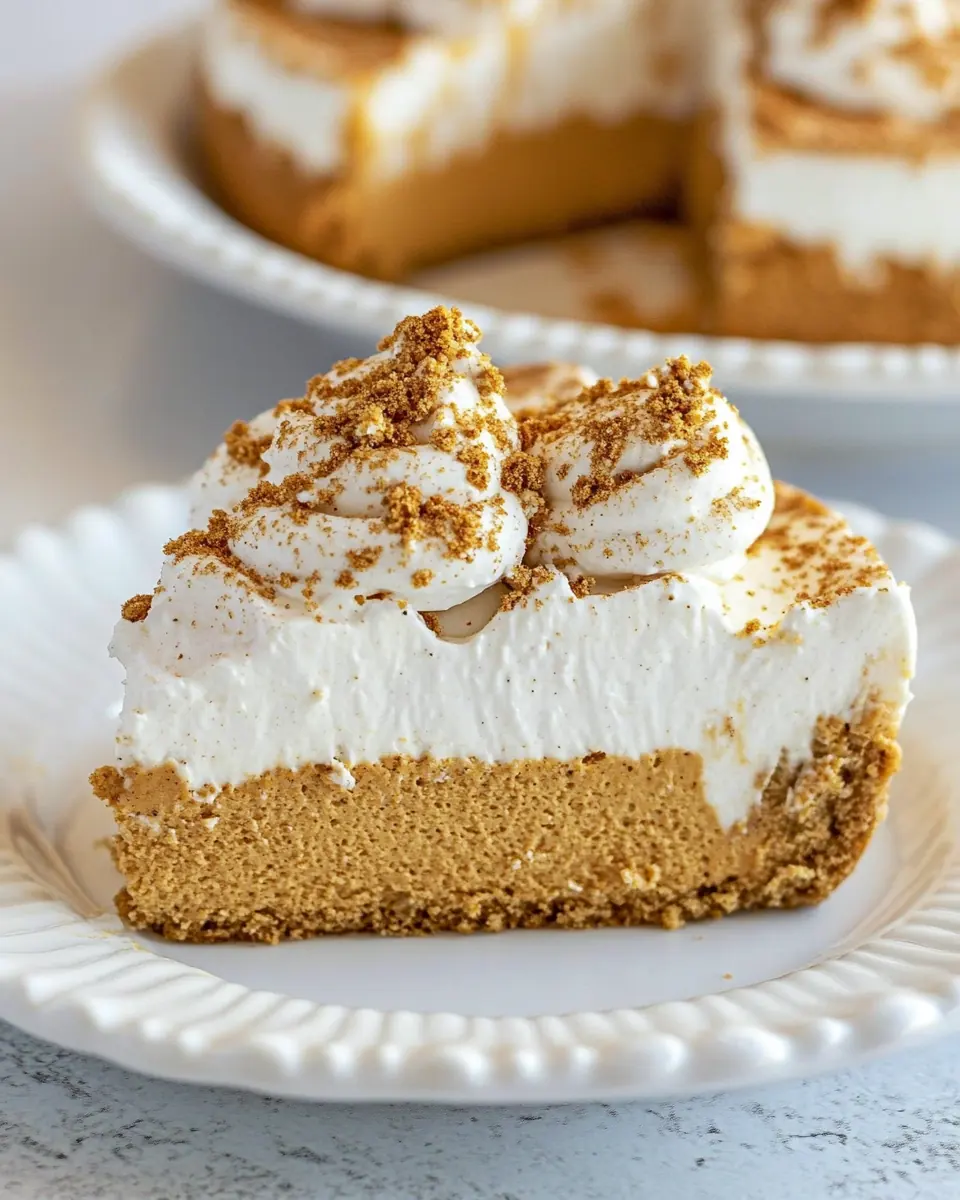
I like to move through the process deliberately, giving each stage the attention it deserves so the texture and flavors come through cleanly. These steps will take you from mixing the crust to slicing the finished dessert, with notes on sensory cues and troubleshooting so you can be confident at every turn.
- In a medium-sized bowl, combine graham cracker crumbs, gingersnap crumbs, sugar, and butter; mix well. Press crust into a springform pan. Press the crust about halfway up the side of an 8-inch springform pan. Refrigerate crust while you continue to prepare the cheesecake.: You will smell the warm, toasty butter coating the crumbs, a signal the crust is binding properly, and the mixture should hold together when pinched. This step builds the structural base of the cheesecake so the crust does not fall apart when sliced, and it sets the aromatic expectations for the rest of the dessert. A common mistake is adding too much butter, which makes the crust greasy and soft instead of firm. If the crumbs feel dry, add a teaspoon of melted butter at a time until you reach a sandy, slightly sticky texture. Press the mixture firmly into the pan, and listen for a slight compression sound as crumbs settle, that tactile feedback means the crust will slice well.
- Allow extra time for mixing up this filling. Remove the pure pumpkin puree from the can and place in a couple of large paper towels. Wrap the pumpkin puree with the paper towels; this will soak up the excess water in the pumpkin puree. Continue to remove excess water from the pumpkin puree for about 60 minutes before making cheesecake mixture. Bring the remaining ingredients for the filling to room temperature while the pumpkin puree is being drained. With a mixer, beat cream cheese until smooth; add eggs one at a time and then combine all ingredients for the filling in a mixer. Blend until very smooth. For best results, allow all ingredients to reach room temperature before mixing the filling. Remove crust from refrigerator, and pour in filling.: The crust will release a subtle, nutty scent as you press it into the pan, and you should see an even, compact surface when finished. Use the bottom of a measuring cup to press the crust firmly and evenly, about halfway up the sides for a reliable edge. This matters because a well-pressed crust supports the filling and prevents separation after baking. A frequent error is uneven pressing which leads to a weak side wall that crumbles when you remove the ring. If the crust is crumbly, re-press with a little more force and a dampened spatula to smooth it out.
- Bake cheesecake at 350 for 30 minutes and then reduce temperature to 325 degrees for an additional 30 minutes. When you remove the cheesecake, it should be slightly jiggly in the center. The cheesecake will set up nicely as it cools.: Visually confirm the crust has an even thickness and reaches the right height, which helps contain the filling during baking. The crust should look uniform in color and density, with no loose spots or gaps. This measured wall helps the cheesecake hold its shape and provides a nice ratio between crust and filling in every bite. Avoid leaving the edge thinner than the base as it may collapse when you remove the ring. If you spot thinner areas, add a pinch more crumb mixture and press until the height matches.
- When you remove the cheesecake from the oven, set aside and prepare the seasoned cream cheese layer. In a small bowl, combine sour cream, sugar, and spices. Blend well. Spread seasoned sour cream mixture over the baked cheesecake evenly. Place the cheesecake back into the 325 degree oven for about 8 minutes, until the sour cream layer is set.: Cooling the crust firms the butter and sets the base so it does not shift when you pour the filling, and you will feel the crust become solid and cool to the touch. This resting step also allows flavors to meld, making the crust taste more cohesive. Skipping refrigeration can cause the crust to separate from the filling or become soggy. If you are short on time, chill for at least 10 to 15 minutes, but the longer rest is preferable for stability.
- Allow the cheesecake to cool. When the cheesecake is completely cool, you can add the whipped cream. In a medium-sized bowl, combine heavy whipping cream, vanilla, and sugar; mix well with a blender or a stand mixer. Whip the cream until it forms stiff peaks. Remove ring from the spring-form pan and either pipe the whipped cream over the pumpkin cheesecake or spread with a knife.: While you work, notice the texture of the pumpkin puree becoming denser as moisture is removed, and hear a quieter, creamier hum from the mixer when ingredients are properly combined. Taking time here ensures the filling is smooth and free of lumps, which results in a glossy, even set after baking. Rushing can yield a grainy filling or trapped air that creates cracks. A tip is to pause and scrape the bowl multiple times to ensure uniform texture and to check that no small lumps of cream cheese remain.
- When you are ready to serve the Olive Garden Pumpkin Cheesecake, cut each slice, drizzle the top of the cheesecake with caramel sauce, and then sprinkle over ginger snap crumbs before serving.: As the towels absorb excess liquid, you will see the puree thicken and the towels darken, a clear sign that the filling will be more concentrated and less likely to weep during baking. Draining is key to preventing a loose, watery filling and ensures a silky, custardy texture. One common oversight is insufficient draining time, which leaves moisture trapped in the batter. Keep replacing the towels if they saturate quickly, and gently press the puree if it still seems quite wet after 60 minutes.
- Wrap the pumpkin puree with the paper towels this will soak up the excess water in the pumpkin puree: The act of wrapping and resting will produce a firmer pumpkin that folds into the batter without thinning it, and you will notice a faint, concentrated pumpkin aroma as water is drawn out. This concentrates flavor so every bite tastes robust instead of diluted. If you skip wrapping, the filling can become watery and fail to set properly. Make sure to let the wrapped puree drain on a plate to catch the liquid, preventing it from pooling back into the pumpkin.
- Continue to remove excess water from the pumpkin puree for about 60 minutes before making cheesecake mixture: After an hour the puree should feel much drier and denser when you stir it, which helps create a velvety filling that bakes evenly. This step reduces the risk of cracking and ensures the proper consistency for slicing. A mistake is assuming canned pumpkin is already the right texture; timely draining makes a measurable difference. If your kitchen is humid, you might need a few extra minutes to reach the same dryness.
- Bring the remaining ingredients for the filling to room temperature while the pumpkin puree is being drained: As ingredients warm, you will notice the cream cheese soften and the eggs lose chill, which allows them to combine smoothly, producing a lusciously uniform batter. Room temperature components reduce mixing time and prevent lumps, that ensures a smooth bake. Adding cold ingredients can create a curdled mixture and trapped air pockets. If you forget to plan ahead, place jars in a warm water bath briefly, but do not overheat them.
- With a mixer beat cream cheese until smooth add eggs one at a time and then combine all ingredients for the filling in a mixer: The bowl will become glossy and the mixture will move in a ribbon when the beater lifts, signaling proper incorporation. Adding eggs slowly prevents over aeration and ensures a dense, creamy set. A common mistake is overmixing which incorporates too much air and can lead to cracking as the cheesecake cools. Scrape the bowl frequently and mix at low speed for a silky finish.
- Blend until very smooth For best results allow all ingredients to reach room temperature before mixing the filling: The batter should be velvety with no visible lumps or streaks, and the aroma of spices should bloom as everything homogenizes. Smooth batter bakes with an even texture and reduces the chance of cracks. If you still see tiny lumps of cream cheese , stop and push them through a fine sieve or continue gentle mixing until they disappear. Avoid high speed mixing which traps air.
- Remove crust from refrigerator and pour in filling: Pouring should feel weighty and the filling should level out slowly, forming a slight glossy surface that hints at the final texture. This step determines how the filling sits against the crust, ensuring clean edges when sliced. Pour directly into the center and allow the filling to spread to avoid trapping air between crust and filling. If you notice the crust shifting, press it gently to stabilize before continuing.
- Bake cheesecake at 350 for 30 minutes and then reduce temperature to 325 degrees for an additional 30 minutes: You will smell a warm, bakery like aroma and the edges will set while the center still jiggles slightly, indicating the cheesecake is finishing gently. Starting hotter and then lowering helps form a delicate outer set while the inside finishes slowly, reducing cracks and ensuring an even texture. A common error is baking at too high a temperature the top can brown too much and the center may overcook. Use an oven thermometer if your oven runs hot.
- When you remove the cheesecake it should be slightly jiggly in the center The cheesecake will set up nicely as it cools: The center appears like a soft, wobbly custard and will firm to the right density as it cools, giving you that perfect fork through creamy result. Cooling slowly prevents large cracks and yields a smooth slice. Do not panic if it seems underdone right away the residual heat finishes it. Let it rest on a wire rack until it reaches room temperature.
- When you remove the cheesecake from the oven set aside and prepare the seasoned cream cheese layer: As the cheesecake cools, mixing the sour cream topping brings a bright, tangy aroma, and the contrast between the warm cake and the cooler topping creates a pleasing sensory rhythm. The purpose is to add a glossy, slightly tangy finish that balances sweetness and enhances mouthfeel. A slip here is spreading the topping while the cake is too hot which can cause meltdown; wait until the surface is warm but not piping hot.
- In a small bowl combine sour cream sugar and spices Blend well: The mixture should be smooth and pourable, with aromatic notes of spice emerging as you whisk, signaling it is ready to top the cake. Blending ensures even seasoning and prevents pockets of sugar or spice that can create uneven flavor. If the sour cream seems lumpy, whisk vigorously or strain for a perfectly smooth finish. Overly loose topping can run off the edges, so aim for a spreadable consistency.
- Spread seasoned sour cream mixture over the baked cheesecake evenly: Spreading produces a sleek, glossy cap and you will notice the surface appear more uniform and visually appealing, almost like a satin glaze. Even coverage prevents uneven texture and maintains balance between tang and sweetness. A mistake is applying unevenly which leads to slices with too much tang in one area. Use an offset spatula and a light hand for the smoothest result.
- Place the cheesecake back into the 325 degree oven for about 8 minutes until the sour cream layer is set: The top will firm slightly and the shine will become more pronounced, creating a neat finished look. This short bake melds the topping into the cake and helps it hold during slicing. Overbaking causes the topping to crack or dry out, so watch closely and remove when just set. If you see any bubbling at the edge, your oven may be too hot.
- Allow the cheesecake to cool: Cooling brings a gentle reduction in temperature and the aroma settles into a richer, calmer note, while the texture becomes denser and sliceable. Patience here yields clean slices and a stable structure. A hurried attempt to slice warm cheesecake can lead to messy portions and lost presentation. I always let it cool on a rack until completely at room temperature before chilling.
- When the cheesecake is completely cool you can add the whipped cream: The whipped heavy cream adds an airy, cloud like contrast to the dense filling, and you will hear the soft beat of the mixer change as stiff peaks form, signaling readiness. Adding the whipped cream last preserves its light texture and gives a pleasant mouthfeel difference. A common misstep is underwhipping which leaves a loose topping that will weep. Whip until firm, and keep the cream cold until assembly.
- In a medium sized bowl combine heavy whipping cream vanilla and sugar mix well with a blender or a stand mixer: As you beat the cream, the sound and texture shift from liquid to billowy, and you can see small peaks forming that grow stronger with each pass. This stabilized whipped cream provides an elegant finish that complements the dense filling. Overbeating turns it grainy and buttery which ruins the texture so stop as soon as stiff peaks appear. Chill the bowl beforehand to speed this step and improve stability.
- Whip the cream until it forms stiff peaks Remove ring from the spring form pan and either pipe the whipped cream over the pumpkin cheesecake or spread with a knife: The peaks should hold shape firmly, and piping creates a decorative border while spreading gives a smooth cap. The contrast in textures between the airy topping and the dense cream cheese filling is what makes each forkful delightful. A frequent mistake is removing the ring too early which can cause the cake to slump. Only release the ring once the cake is thoroughly chilled and stable.
- When you are ready to serve the Olive Garden Pumpkin Cheesecake cut each slice drizzle the top of the cheesecake with caramel sauce and then sprinkle over ginger snap crumbs before serving: The final plating combines shiny caramel sauce and crunchy crumbs, offering an inviting contrast and an aromatic finish you can see and smell. Drizzling just before serving preserves the texture, and the crumbs add a celebratory crunch. Avoid drizzling too early as the caramel can sink in and soften the whipped cream. Slice with a hot knife wiped between cuts for clean edges.
Pro Tips and Tweaks
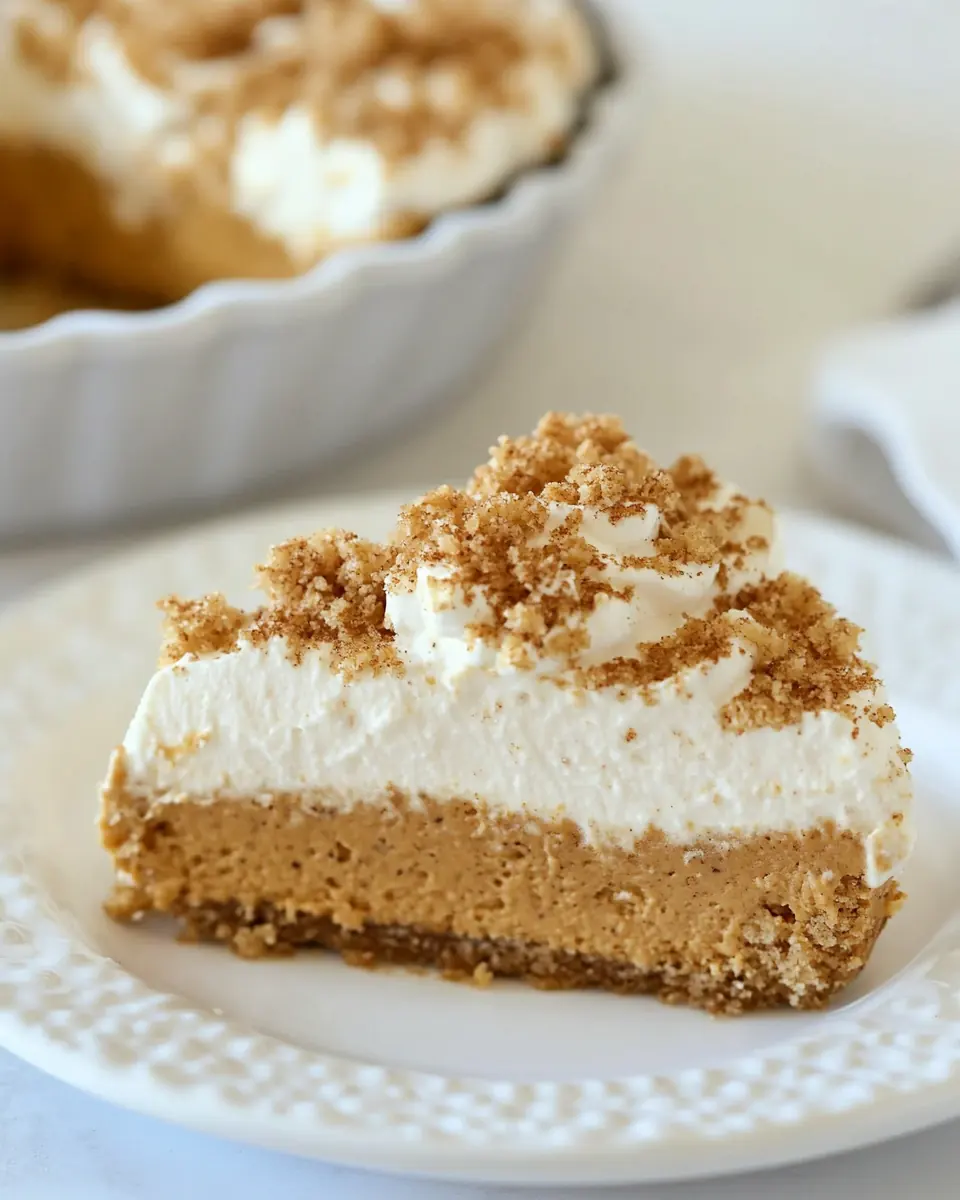
I like to share practical tweaks that help you nail texture, flavor, and presentation without extra fuss. These tips reflect things I learned the hard way, and each one aims to make your baking day calmer and more successful.
- Room temperature matters Allowing cream cheese, eggs, and even sour cream to reach room temperature reduces mixing time and yields a perfectly smooth batter that bakes evenly.
- Drain the pumpkin Wrapping the pumpkin puree in towels concentrates the flavor and prevents extra moisture from making the filling runny or causing the cheesecake to take too long to set.
- Press crust firmly Compacting the crust with a flat bottomed cup creates a sturdy base that slices cleanly and supports the creamy filling without crumbling.
- Mix at low speed Beat the filling on low and scrape the bowl frequently to avoid trapping air which leads to cracks and textural issues when cooling.
- Short second bake for topping The brief return to the oven sets the sour cream layer without overcooking the filling, keeping the top glossy and slightly tangy.
- Chill thoroughly Refrigerate the cheesecake overnight after it cools; this firms the texture and makes slicing neat, giving the best presentation for guests or a holiday table.
- Use a hot knife to slice Dip the knife in hot water and wipe clean between cuts for glossy, perfect slices that do not drag or crumble.
Great Combinations for Olive Garden Pumpkin Cheesecake
This cheesecake shines when served thoughtfully, and pairing it well can elevate the entire occasion. Below are pairing ideas, occasions, storage tips, and seasonal notes written as practical serving suggestions.
- Holiday centerpiece Serve this cheesecake as a Thanksgiving dessert, where it offers a refined alternative to pie and pairs well with savory mains and roasted vegetables.
- After dinner treat Present thin slices after a cozy dinner, allowing guests to enjoy a sweet finish that feels festive yet not overwhelming.
- Party platter Arrange slices on a platter with extra caramel sauce and ginger snap crumbs so guests can customize each portion to taste.
- Storage guidance Cover the chilled cheesecake tightly and store in the refrigerator for up to four days, or freeze slices for up to one month wrapped well to preserve texture.
- Seasonal pairing Pair with warm spiced beverages or a citrusy coffee to cut through the richness and highlight the pumpkin spices during fall gatherings.
- Serving style For formal occasions, pipe the whipped cream decoratively and drizzle caramel sauce just before serving to keep textures distinct and visually appealing.
FAQ
Conclusion
This cheesecake stands out for its balanced spices, silky filling, and crunchy dual crust that together create a memorable fall dessert. I encourage you to try it for your next holiday or gathering, because the steps are approachable and the results are reliably impressive. Take your time with the small details like draining the pumpkin and bringing ingredients to room temperature, and you will be rewarded with a luscious, crowd pleasing dessert that keeps people coming back for one more slice.
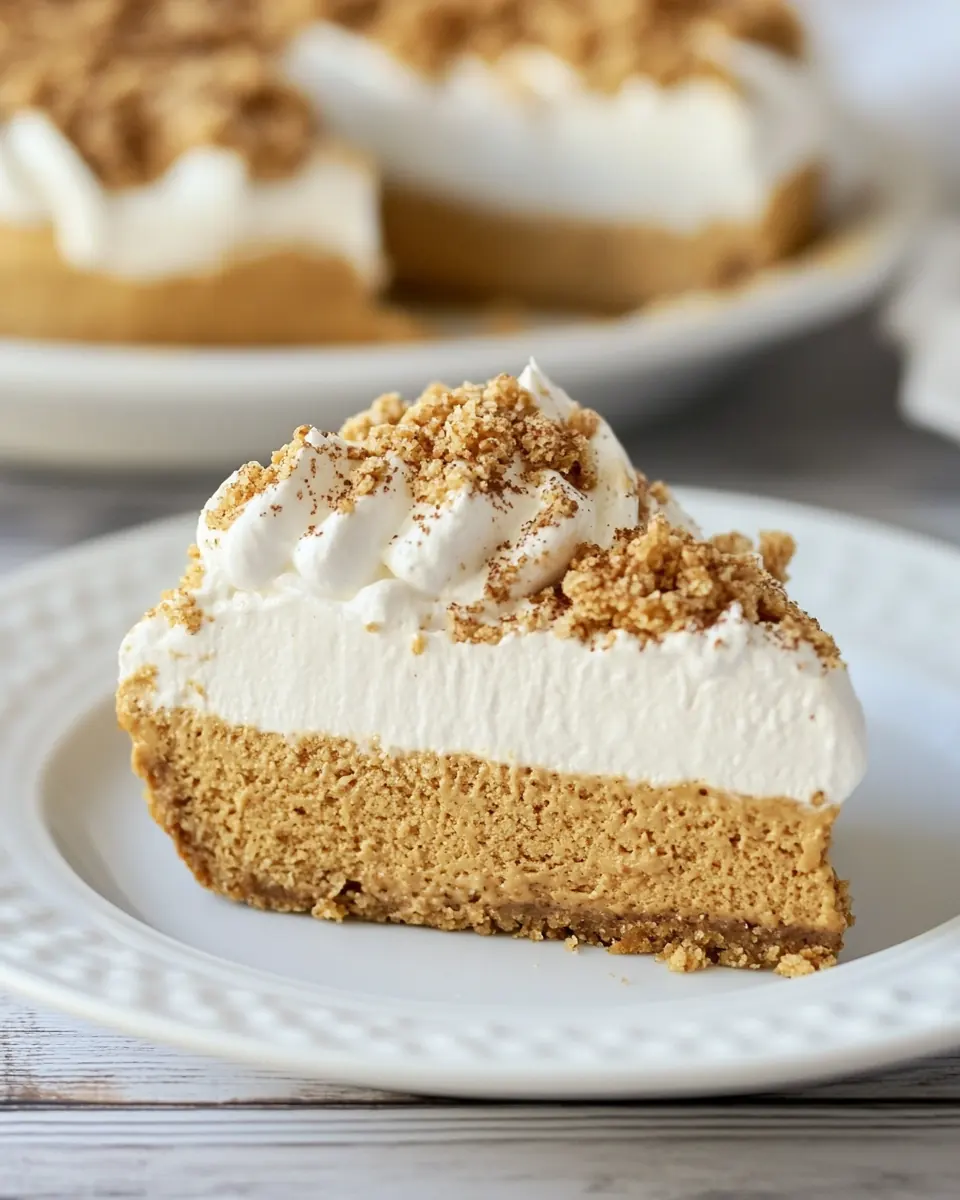
Olive Garden Pumpkin Cheesecake
Ingredients
Equipment
Method
- In a medium-sized bowl, combine graham cracker crumbs, gingersnap crumbs, sugar, and butter; mix well. Press crust into a springform pan. Press the crust about halfway up the side of an 8-inch springform pan. Refrigerate crust while you continue to prepare the cheesecake.: You will smell the warm, toasty butter coating the crumbs, a signal the crust is binding properly, and the mixture should hold together when pinched. This step builds the structural base of the cheesecake so the crust does not fall apart when sliced, and it sets the aromatic expectations for the rest of the dessert. A common mistake is adding too much butter, which makes the crust greasy and soft instead of firm. If the crumbs feel dry, add a teaspoon of melted butter at a time until you reach a sandy, slightly sticky texture. Press the mixture firmly into the pan, and listen for a slight compression sound as crumbs settle, that tactile feedback means the crust will slice well.
- Allow extra time for mixing up this filling. Remove the pure pumpkin puree from the can and place in a couple of large paper towels. Wrap the pumpkin puree with the paper towels; this will soak up the excess water in the pumpkin puree. Continue to remove excess water from the pumpkin puree for about 60 minutes before making cheesecake mixture. Bring the remaining ingredients for the filling to room temperature while the pumpkin puree is being drained. With a mixer, beat cream cheese until smooth; add eggs one at a time and then combine all ingredients for the filling in a mixer. Blend until very smooth. For best results, allow all ingredients to reach room temperature before mixing the filling. Remove crust from refrigerator, and pour in filling.: The crust will release a subtle, nutty scent as you press it into the pan, and you should see an even, compact surface when finished. Use the bottom of a measuring cup to press the crust firmly and evenly, about halfway up the sides for a reliable edge. This matters because a well-pressed crust supports the filling and prevents separation after baking. A frequent error is uneven pressing which leads to a weak side wall that crumbles when you remove the ring. If the crust is crumbly, re-press with a little more force and a dampened spatula to smooth it out.
- Bake cheesecake at 350 for 30 minutes and then reduce temperature to 325 degrees for an additional 30 minutes. When you remove the cheesecake, it should be slightly jiggly in the center. The cheesecake will set up nicely as it cools.: Visually confirm the crust has an even thickness and reaches the right height, which helps contain the filling during baking. The crust should look uniform in color and density, with no loose spots or gaps. This measured wall helps the cheesecake hold its shape and provides a nice ratio between crust and filling in every bite. Avoid leaving the edge thinner than the base as it may collapse when you remove the ring. If you spot thinner areas, add a pinch more crumb mixture and press until the height matches.
- When you remove the cheesecake from the oven, set aside and prepare the seasoned cream cheese layer. In a small bowl, combine sour cream, sugar, and spices. Blend well. Spread seasoned sour cream mixture over the baked cheesecake evenly. Place the cheesecake back into the 325 degree oven for about 8 minutes, until the sour cream layer is set.: Cooling the crust firms the butter and sets the base so it does not shift when you pour the filling, and you will feel the crust become solid and cool to the touch. This resting step also allows flavors to meld, making the crust taste more cohesive. Skipping refrigeration can cause the crust to separate from the filling or become soggy. If you are short on time, chill for at least 10 to 15 minutes, but the longer rest is preferable for stability.
- Allow the cheesecake to cool. When the cheesecake is completely cool, you can add the whipped cream. In a medium-sized bowl, combine heavy whipping cream, vanilla, and sugar; mix well with a blender or a stand mixer. Whip the cream until it forms stiff peaks. Remove ring from the spring-form pan and either pipe the whipped cream over the pumpkin cheesecake or spread with a knife.: While you work, notice the texture of the pumpkin puree becoming denser as moisture is removed, and hear a quieter, creamier hum from the mixer when ingredients are properly combined. Taking time here ensures the filling is smooth and free of lumps, which results in a glossy, even set after baking. Rushing can yield a grainy filling or trapped air that creates cracks. A tip is to pause and scrape the bowl multiple times to ensure uniform texture and to check that no small lumps of cream cheese remain.
- When you are ready to serve the Olive Garden Pumpkin Cheesecake, cut each slice, drizzle the top of the cheesecake with caramel sauce, and then sprinkle over ginger snap crumbs before serving.: As the towels absorb excess liquid, you will see the puree thicken and the towels darken, a clear sign that the filling will be more concentrated and less likely to weep during baking. Draining is key to preventing a loose, watery filling and ensures a silky, custardy texture. One common oversight is insufficient draining time, which leaves moisture trapped in the batter. Keep replacing the towels if they saturate quickly, and gently press the puree if it still seems quite wet after 60 minutes.
- Wrap the pumpkin puree with the paper towels this will soak up the excess water in the pumpkin puree: The act of wrapping and resting will produce a firmer pumpkin that folds into the batter without thinning it, and you will notice a faint, concentrated pumpkin aroma as water is drawn out. This concentrates flavor so every bite tastes robust instead of diluted. If you skip wrapping, the filling can become watery and fail to set properly. Make sure to let the wrapped puree drain on a plate to catch the liquid, preventing it from pooling back into the pumpkin.
- Continue to remove excess water from the pumpkin puree for about 60 minutes before making cheesecake mixture: After an hour the puree should feel much drier and denser when you stir it, which helps create a velvety filling that bakes evenly. This step reduces the risk of cracking and ensures the proper consistency for slicing. A mistake is assuming canned pumpkin is already the right texture; timely draining makes a measurable difference. If your kitchen is humid, you might need a few extra minutes to reach the same dryness.
- Bring the remaining ingredients for the filling to room temperature while the pumpkin puree is being drained: As ingredients warm, you will notice the cream cheese soften and the eggs lose chill, which allows them to combine smoothly, producing a lusciously uniform batter. Room temperature components reduce mixing time and prevent lumps, that ensures a smooth bake. Adding cold ingredients can create a curdled mixture and trapped air pockets. If you forget to plan ahead, place jars in a warm water bath briefly, but do not overheat them.
- With a mixer beat cream cheese until smooth add eggs one at a time and then combine all ingredients for the filling in a mixer: The bowl will become glossy and the mixture will move in a ribbon when the beater lifts, signaling proper incorporation. Adding eggs slowly prevents over aeration and ensures a dense, creamy set. A common mistake is overmixing which incorporates too much air and can lead to cracking as the cheesecake cools. Scrape the bowl frequently and mix at low speed for a silky finish.
- Blend until very smooth For best results allow all ingredients to reach room temperature before mixing the filling: The batter should be velvety with no visible lumps or streaks, and the aroma of spices should bloom as everything homogenizes. Smooth batter bakes with an even texture and reduces the chance of cracks. If you still see tiny lumps of cream cheese , stop and push them through a fine sieve or continue gentle mixing until they disappear. Avoid high speed mixing which traps air.
- Remove crust from refrigerator and pour in filling: Pouring should feel weighty and the filling should level out slowly, forming a slight glossy surface that hints at the final texture. This step determines how the filling sits against the crust, ensuring clean edges when sliced. Pour directly into the center and allow the filling to spread to avoid trapping air between crust and filling. If you notice the crust shifting, press it gently to stabilize before continuing.
- Bake cheesecake at 350 for 30 minutes and then reduce temperature to 325 degrees for an additional 30 minutes: You will smell a warm, bakery like aroma and the edges will set while the center still jiggles slightly, indicating the cheesecake is finishing gently. Starting hotter and then lowering helps form a delicate outer set while the inside finishes slowly, reducing cracks and ensuring an even texture. A common error is baking at too high a temperature the top can brown too much and the center may overcook. Use an oven thermometer if your oven runs hot.
- When you remove the cheesecake it should be slightly jiggly in the center The cheesecake will set up nicely as it cools: The center appears like a soft, wobbly custard and will firm to the right density as it cools, giving you that perfect fork through creamy result. Cooling slowly prevents large cracks and yields a smooth slice. Do not panic if it seems underdone right away the residual heat finishes it. Let it rest on a wire rack until it reaches room temperature.
- When you remove the cheesecake from the oven set aside and prepare the seasoned cream cheese layer: As the cheesecake cools, mixing the sour cream topping brings a bright, tangy aroma, and the contrast between the warm cake and the cooler topping creates a pleasing sensory rhythm. The purpose is to add a glossy, slightly tangy finish that balances sweetness and enhances mouthfeel. A slip here is spreading the topping while the cake is too hot which can cause meltdown; wait until the surface is warm but not piping hot.
- In a small bowl combine sour cream sugar and spices Blend well: The mixture should be smooth and pourable, with aromatic notes of spice emerging as you whisk, signaling it is ready to top the cake. Blending ensures even seasoning and prevents pockets of sugar or spice that can create uneven flavor. If the sour cream seems lumpy, whisk vigorously or strain for a perfectly smooth finish. Overly loose topping can run off the edges, so aim for a spreadable consistency.
- Spread seasoned sour cream mixture over the baked cheesecake evenly: Spreading produces a sleek, glossy cap and you will notice the surface appear more uniform and visually appealing, almost like a satin glaze. Even coverage prevents uneven texture and maintains balance between tang and sweetness. A mistake is applying unevenly which leads to slices with too much tang in one area. Use an offset spatula and a light hand for the smoothest result.
- Place the cheesecake back into the 325 degree oven for about 8 minutes until the sour cream layer is set: The top will firm slightly and the shine will become more pronounced, creating a neat finished look. This short bake melds the topping into the cake and helps it hold during slicing. Overbaking causes the topping to crack or dry out, so watch closely and remove when just set. If you see any bubbling at the edge, your oven may be too hot.
- Allow the cheesecake to cool: Cooling brings a gentle reduction in temperature and the aroma settles into a richer, calmer note, while the texture becomes denser and sliceable. Patience here yields clean slices and a stable structure. A hurried attempt to slice warm cheesecake can lead to messy portions and lost presentation. I always let it cool on a rack until completely at room temperature before chilling.
- When the cheesecake is completely cool you can add the whipped cream: The whipped heavy cream adds an airy, cloud like contrast to the dense filling, and you will hear the soft beat of the mixer change as stiff peaks form, signaling readiness. Adding the whipped cream last preserves its light texture and gives a pleasant mouthfeel difference. A common misstep is underwhipping which leaves a loose topping that will weep. Whip until firm, and keep the cream cold until assembly.
- In a medium sized bowl combine heavy whipping cream vanilla and sugar mix well with a blender or a stand mixer: As you beat the cream, the sound and texture shift from liquid to billowy, and you can see small peaks forming that grow stronger with each pass. This stabilized whipped cream provides an elegant finish that complements the dense filling. Overbeating turns it grainy and buttery which ruins the texture so stop as soon as stiff peaks appear. Chill the bowl beforehand to speed this step and improve stability.
- Whip the cream until it forms stiff peaks Remove ring from the spring form pan and either pipe the whipped cream over the pumpkin cheesecake or spread with a knife: The peaks should hold shape firmly, and piping creates a decorative border while spreading gives a smooth cap. The contrast in textures between the airy topping and the dense cream cheese filling is what makes each forkful delightful. A frequent mistake is removing the ring too early which can cause the cake to slump. Only release the ring once the cake is thoroughly chilled and stable.
- When you are ready to serve the Olive Garden Pumpkin Cheesecake cut each slice drizzle the top of the cheesecake with caramel sauce and then sprinkle over ginger snap crumbs before serving: The final plating combines shiny caramel sauce and crunchy crumbs, offering an inviting contrast and an aromatic finish you can see and smell. Drizzling just before serving preserves the texture, and the crumbs add a celebratory crunch. Avoid drizzling too early as the caramel can sink in and soften the whipped cream. Slice with a hot knife wiped between cuts for clean edges.
Notes
- Room temperature matters Allowing cream cheese, eggs, and even sour cream to reach room temperature reduces mixing time and yields a perfectly smooth batter that bakes evenly.
- Drain the pumpkin Wrapping the pumpkin puree in towels concentrates the flavor and prevents extra moisture from making the filling runny or causing the cheesecake to take too long to set.
- Press crust firmly Compacting the crust with a flat bottomed cup creates a sturdy base that slices cleanly and supports the creamy filling without crumbling.
- Mix at low speed Beat the filling on low and scrape the bowl frequently to avoid trapping air which leads to cracks and textural issues when cooling.
- Short second bake for topping The brief return to the oven sets the sour cream layer without overcooking the filling, keeping the top glossy and slightly tangy.
- Chill thoroughly Refrigerate the cheesecake overnight after it cools; this firms the texture and makes slicing neat, giving the best presentation for guests or a holiday table.
- Use a hot knife to slice Dip the knife in hot water and wipe clean between cuts for glossy, perfect slices that do not drag or crumble.