In a medium-sized bowl, combine graham cracker crumbs, gingersnap crumbs, sugar, and butter; mix well. Press crust into a springform pan. Press the crust about halfway up the side of an 8-inch springform pan. Refrigerate crust while you continue to prepare the cheesecake.: You will smell the warm, toasty butter coating the crumbs, a signal the crust is binding properly, and the mixture should hold together when pinched. This step builds the structural base of the cheesecake so the crust does not fall apart when sliced, and it sets the aromatic expectations for the rest of the dessert. A common mistake is adding too much butter, which makes the crust greasy and soft instead of firm. If the crumbs feel dry, add a teaspoon of melted butter at a time until you reach a sandy, slightly sticky texture. Press the mixture firmly into the pan, and listen for a slight compression sound as crumbs settle, that tactile feedback means the crust will slice well.
Allow extra time for mixing up this filling. Remove the pure pumpkin puree from the can and place in a couple of large paper towels. Wrap the pumpkin puree with the paper towels; this will soak up the excess water in the pumpkin puree. Continue to remove excess water from the pumpkin puree for about 60 minutes before making cheesecake mixture. Bring the remaining ingredients for the filling to room temperature while the pumpkin puree is being drained. With a mixer, beat cream cheese until smooth; add eggs one at a time and then combine all ingredients for the filling in a mixer. Blend until very smooth. For best results, allow all ingredients to reach room temperature before mixing the filling. Remove crust from refrigerator, and pour in filling.: The crust will release a subtle, nutty scent as you press it into the pan, and you should see an even, compact surface when finished. Use the bottom of a measuring cup to press the crust firmly and evenly, about halfway up the sides for a reliable edge. This matters because a well-pressed crust supports the filling and prevents separation after baking. A frequent error is uneven pressing which leads to a weak side wall that crumbles when you remove the ring. If the crust is crumbly, re-press with a little more force and a dampened spatula to smooth it out.
Bake cheesecake at 350 for 30 minutes and then reduce temperature to 325 degrees for an additional 30 minutes. When you remove the cheesecake, it should be slightly jiggly in the center. The cheesecake will set up nicely as it cools.: Visually confirm the crust has an even thickness and reaches the right height, which helps contain the filling during baking. The crust should look uniform in color and density, with no loose spots or gaps. This measured wall helps the cheesecake hold its shape and provides a nice ratio between crust and filling in every bite. Avoid leaving the edge thinner than the base as it may collapse when you remove the ring. If you spot thinner areas, add a pinch more crumb mixture and press until the height matches.
When you remove the cheesecake from the oven, set aside and prepare the seasoned cream cheese layer. In a small bowl, combine sour cream, sugar, and spices. Blend well. Spread seasoned sour cream mixture over the baked cheesecake evenly. Place the cheesecake back into the 325 degree oven for about 8 minutes, until the sour cream layer is set.: Cooling the crust firms the butter and sets the base so it does not shift when you pour the filling, and you will feel the crust become solid and cool to the touch. This resting step also allows flavors to meld, making the crust taste more cohesive. Skipping refrigeration can cause the crust to separate from the filling or become soggy. If you are short on time, chill for at least 10 to 15 minutes, but the longer rest is preferable for stability.
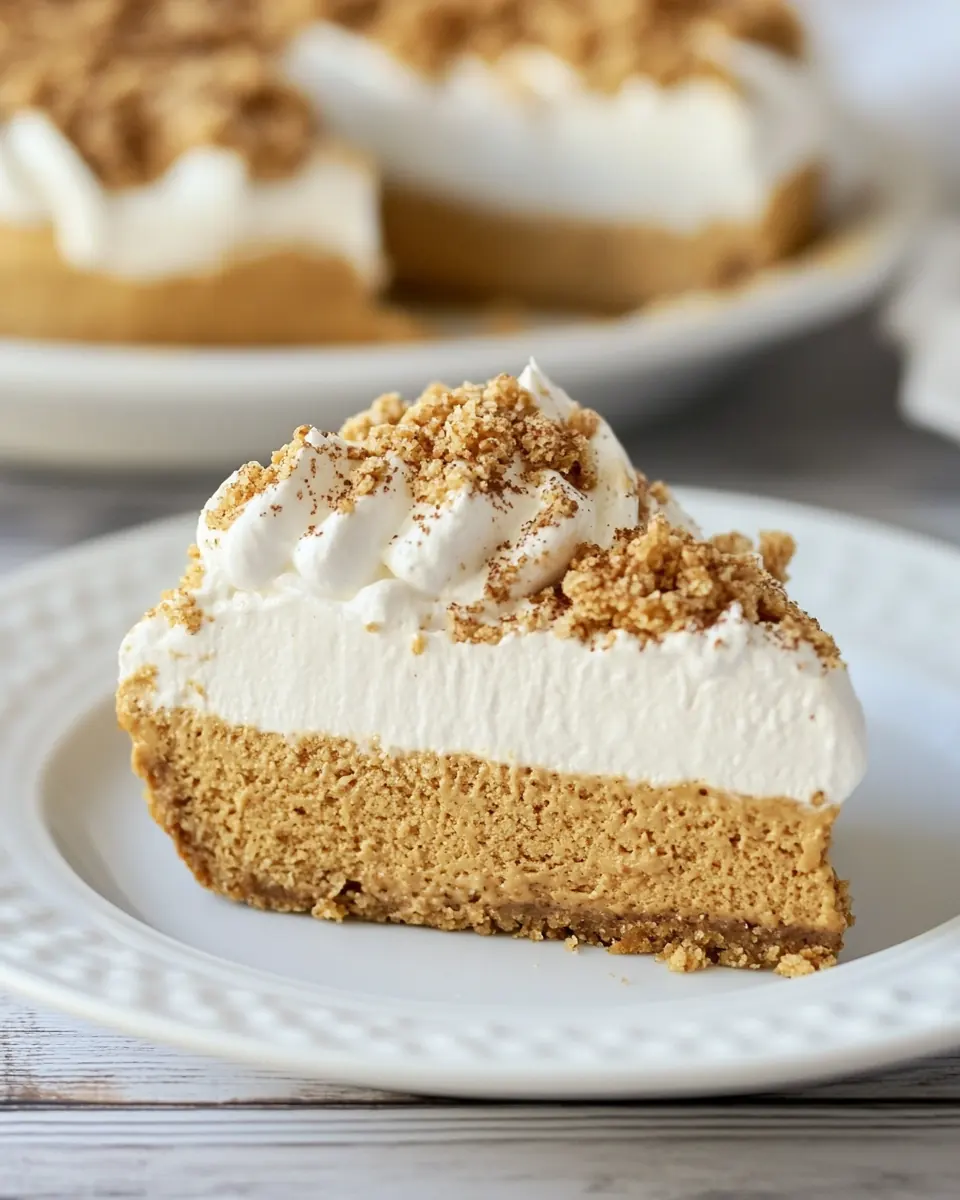
Allow the cheesecake to cool. When the cheesecake is completely cool, you can add the whipped cream. In a medium-sized bowl, combine heavy whipping cream, vanilla, and sugar; mix well with a blender or a stand mixer. Whip the cream until it forms stiff peaks. Remove ring from the spring-form pan and either pipe the whipped cream over the pumpkin cheesecake or spread with a knife.: While you work, notice the texture of the pumpkin puree becoming denser as moisture is removed, and hear a quieter, creamier hum from the mixer when ingredients are properly combined. Taking time here ensures the filling is smooth and free of lumps, which results in a glossy, even set after baking. Rushing can yield a grainy filling or trapped air that creates cracks. A tip is to pause and scrape the bowl multiple times to ensure uniform texture and to check that no small lumps of cream cheese remain.
When you are ready to serve the Olive Garden Pumpkin Cheesecake, cut each slice, drizzle the top of the cheesecake with caramel sauce, and then sprinkle over ginger snap crumbs before serving.: As the towels absorb excess liquid, you will see the puree thicken and the towels darken, a clear sign that the filling will be more concentrated and less likely to weep during baking. Draining is key to preventing a loose, watery filling and ensures a silky, custardy texture. One common oversight is insufficient draining time, which leaves moisture trapped in the batter. Keep replacing the towels if they saturate quickly, and gently press the puree if it still seems quite wet after 60 minutes.
Wrap the pumpkin puree with the paper towels this will soak up the excess water in the pumpkin puree: The act of wrapping and resting will produce a firmer pumpkin that folds into the batter without thinning it, and you will notice a faint, concentrated pumpkin aroma as water is drawn out. This concentrates flavor so every bite tastes robust instead of diluted. If you skip wrapping, the filling can become watery and fail to set properly. Make sure to let the wrapped puree drain on a plate to catch the liquid, preventing it from pooling back into the pumpkin.
Continue to remove excess water from the pumpkin puree for about 60 minutes before making cheesecake mixture: After an hour the puree should feel much drier and denser when you stir it, which helps create a velvety filling that bakes evenly. This step reduces the risk of cracking and ensures the proper consistency for slicing. A mistake is assuming canned pumpkin is already the right texture; timely draining makes a measurable difference. If your kitchen is humid, you might need a few extra minutes to reach the same dryness.
Bring the remaining ingredients for the filling to room temperature while the pumpkin puree is being drained: As ingredients warm, you will notice the cream cheese soften and the eggs lose chill, which allows them to combine smoothly, producing a lusciously uniform batter. Room temperature components reduce mixing time and prevent lumps, that ensures a smooth bake. Adding cold ingredients can create a curdled mixture and trapped air pockets. If you forget to plan ahead, place jars in a warm water bath briefly, but do not overheat them.
With a mixer beat cream cheese until smooth add eggs one at a time and then combine all ingredients for the filling in a mixer: The bowl will become glossy and the mixture will move in a ribbon when the beater lifts, signaling proper incorporation. Adding eggs slowly prevents over aeration and ensures a dense, creamy set. A common mistake is overmixing which incorporates too much air and can lead to cracking as the cheesecake cools. Scrape the bowl frequently and mix at low speed for a silky finish.
Blend until very smooth For best results allow all ingredients to reach room temperature before mixing the filling: The batter should be velvety with no visible lumps or streaks, and the aroma of spices should bloom as everything homogenizes. Smooth batter bakes with an even texture and reduces the chance of cracks. If you still see tiny lumps of cream cheese , stop and push them through a fine sieve or continue gentle mixing until they disappear. Avoid high speed mixing which traps air.
Remove crust from refrigerator and pour in filling: Pouring should feel weighty and the filling should level out slowly, forming a slight glossy surface that hints at the final texture. This step determines how the filling sits against the crust, ensuring clean edges when sliced. Pour directly into the center and allow the filling to spread to avoid trapping air between crust and filling. If you notice the crust shifting, press it gently to stabilize before continuing.
Bake cheesecake at 350 for 30 minutes and then reduce temperature to 325 degrees for an additional 30 minutes: You will smell a warm, bakery like aroma and the edges will set while the center still jiggles slightly, indicating the cheesecake is finishing gently. Starting hotter and then lowering helps form a delicate outer set while the inside finishes slowly, reducing cracks and ensuring an even texture. A common error is baking at too high a temperature the top can brown too much and the center may overcook. Use an oven thermometer if your oven runs hot.
When you remove the cheesecake it should be slightly jiggly in the center The cheesecake will set up nicely as it cools: The center appears like a soft, wobbly custard and will firm to the right density as it cools, giving you that perfect fork through creamy result. Cooling slowly prevents large cracks and yields a smooth slice. Do not panic if it seems underdone right away the residual heat finishes it. Let it rest on a wire rack until it reaches room temperature.
When you remove the cheesecake from the oven set aside and prepare the seasoned cream cheese layer: As the cheesecake cools, mixing the sour cream topping brings a bright, tangy aroma, and the contrast between the warm cake and the cooler topping creates a pleasing sensory rhythm. The purpose is to add a glossy, slightly tangy finish that balances sweetness and enhances mouthfeel. A slip here is spreading the topping while the cake is too hot which can cause meltdown; wait until the surface is warm but not piping hot.
In a small bowl combine sour cream sugar and spices Blend well: The mixture should be smooth and pourable, with aromatic notes of spice emerging as you whisk, signaling it is ready to top the cake. Blending ensures even seasoning and prevents pockets of sugar or spice that can create uneven flavor. If the sour cream seems lumpy, whisk vigorously or strain for a perfectly smooth finish. Overly loose topping can run off the edges, so aim for a spreadable consistency.
Spread seasoned sour cream mixture over the baked cheesecake evenly: Spreading produces a sleek, glossy cap and you will notice the surface appear more uniform and visually appealing, almost like a satin glaze. Even coverage prevents uneven texture and maintains balance between tang and sweetness. A mistake is applying unevenly which leads to slices with too much tang in one area. Use an offset spatula and a light hand for the smoothest result.
Place the cheesecake back into the 325 degree oven for about 8 minutes until the sour cream layer is set: The top will firm slightly and the shine will become more pronounced, creating a neat finished look. This short bake melds the topping into the cake and helps it hold during slicing. Overbaking causes the topping to crack or dry out, so watch closely and remove when just set. If you see any bubbling at the edge, your oven may be too hot.
Allow the cheesecake to cool: Cooling brings a gentle reduction in temperature and the aroma settles into a richer, calmer note, while the texture becomes denser and sliceable. Patience here yields clean slices and a stable structure. A hurried attempt to slice warm cheesecake can lead to messy portions and lost presentation. I always let it cool on a rack until completely at room temperature before chilling.
When the cheesecake is completely cool you can add the whipped cream: The whipped heavy cream adds an airy, cloud like contrast to the dense filling, and you will hear the soft beat of the mixer change as stiff peaks form, signaling readiness. Adding the whipped cream last preserves its light texture and gives a pleasant mouthfeel difference. A common misstep is underwhipping which leaves a loose topping that will weep. Whip until firm, and keep the cream cold until assembly.
In a medium sized bowl combine heavy whipping cream vanilla and sugar mix well with a blender or a stand mixer: As you beat the cream, the sound and texture shift from liquid to billowy, and you can see small peaks forming that grow stronger with each pass. This stabilized whipped cream provides an elegant finish that complements the dense filling. Overbeating turns it grainy and buttery which ruins the texture so stop as soon as stiff peaks appear. Chill the bowl beforehand to speed this step and improve stability.
Whip the cream until it forms stiff peaks Remove ring from the spring form pan and either pipe the whipped cream over the pumpkin cheesecake or spread with a knife: The peaks should hold shape firmly, and piping creates a decorative border while spreading gives a smooth cap. The contrast in textures between the airy topping and the dense cream cheese filling is what makes each forkful delightful. A frequent mistake is removing the ring too early which can cause the cake to slump. Only release the ring once the cake is thoroughly chilled and stable.
When you are ready to serve the Olive Garden Pumpkin Cheesecake cut each slice drizzle the top of the cheesecake with caramel sauce and then sprinkle over ginger snap crumbs before serving: The final plating combines shiny caramel sauce and crunchy crumbs, offering an inviting contrast and an aromatic finish you can see and smell. Drizzling just before serving preserves the texture, and the crumbs add a celebratory crunch. Avoid drizzling too early as the caramel can sink in and soften the whipped cream. Slice with a hot knife wiped between cuts for clean edges.