Orzotto with Peas
Orzotto with Peas has been one of those recipes I turn to when I want comfort with a little elegance, a bowl that feels rich yet bright. The first time I made Orzotto with Peas I was short on time but craving something creamy and satisfying, and the way the orzo swelled and soaked up the savory broth felt like a small kitchen miracle. I remember stirring it slowly, listening to the tiny, steady sizzle, and thinking how a few humble pantry staples could become a meal that felt intentional and warm.
That evening taught me a lot about patience and texture. The grated onion melted away into the cooking liquid, lending a subtle sweetness without big chunks, while the splash of cream and the buttery finish gave the dish that luxurious mouthfeel I love. Adding the frozen peas at the end kept their pop and color, which made the bowl feel lively as well as comforting. Over the years I have adjusted small things, like the amount of Parmesan and whether to include a whisper of lemon juice, and each tweak nudged the recipe closer to what my family prefers.
I also appreciate how forgiving Orzotto with Peas is. It is approachable for a weeknight, yet presentable for guests, and I often find myself doubling it for leftovers because it reheats beautifully. The texture sits somewhere between risotto and a creamy pasta, which makes it a hit with both adults and kids in my house. There’s a comfort in that balance, and it keeps me coming back, stirring, tasting, and adjusting until the seasoning sings.
Recipe Snapshot
25 mins
5 mins
20 mins
Easy
450 kcal
Italian
Gluten-Free, Low FODMAP
Dinner
Calphalon 5-Quart Pot, Storage Containers, Cutting Board
What’s Great About This Orzotto with Peas
Comfort without fuss
I adore how Orzotto with Peas delivers cozy, creamy texture without demanding long, constant attention. Unlike a classic risotto that requires endless stirring, this version lets you tend the pan while getting other small tasks done. That relaxed rhythm is why I reach for it on busy evenings when I want something nourishing and homey, with a minimum of drama.
Ingredients that sing together
There is something satisfying about the way simple components like orzo, broth, and Parmesan harmonize. The broth provides savory backbone, the orzo brings a tender, pillowlike bite, and the Parmesan ties everything with a salty, umami finish. I love how a small amount of butter and cream round the edges, creating a silky coating that clings to each grain of pasta.
Bright pops of freshness
Adding peas and optional lemon zest turns this from heavy to lively. The green color is inviting, and those pea bursts remind your palate that this is not just indulgence, it is balanced and seasonal. I often appreciate how a squeeze of lemon can lift the whole bowl, making each spoonful feel fresher and more interesting.
Versatile and forgiving
I value recipes that adapt to what I have on hand, and Orzotto with Peas fits that bill. It works with vegetable broth to be vegetarian, or with small swaps like dairy-free cream alternatives if needed. The technique is tolerant of slight timing differences, so even if the orzo comes out with a touch more or less liquid, the final texture still delights once it rests for a few minutes.
Quick weeknight elegance
In under 30 minutes you can have a dish that feels special, which makes it ideal for both family dinners and casual entertaining. I often bring this to potlucks because it travels well and pleases a crowd. For me, the appeal is simple: minimal effort, maximum comfort, and a fresh finish that keeps it from feeling heavy.
Everything You Need for Orzotto with Peas
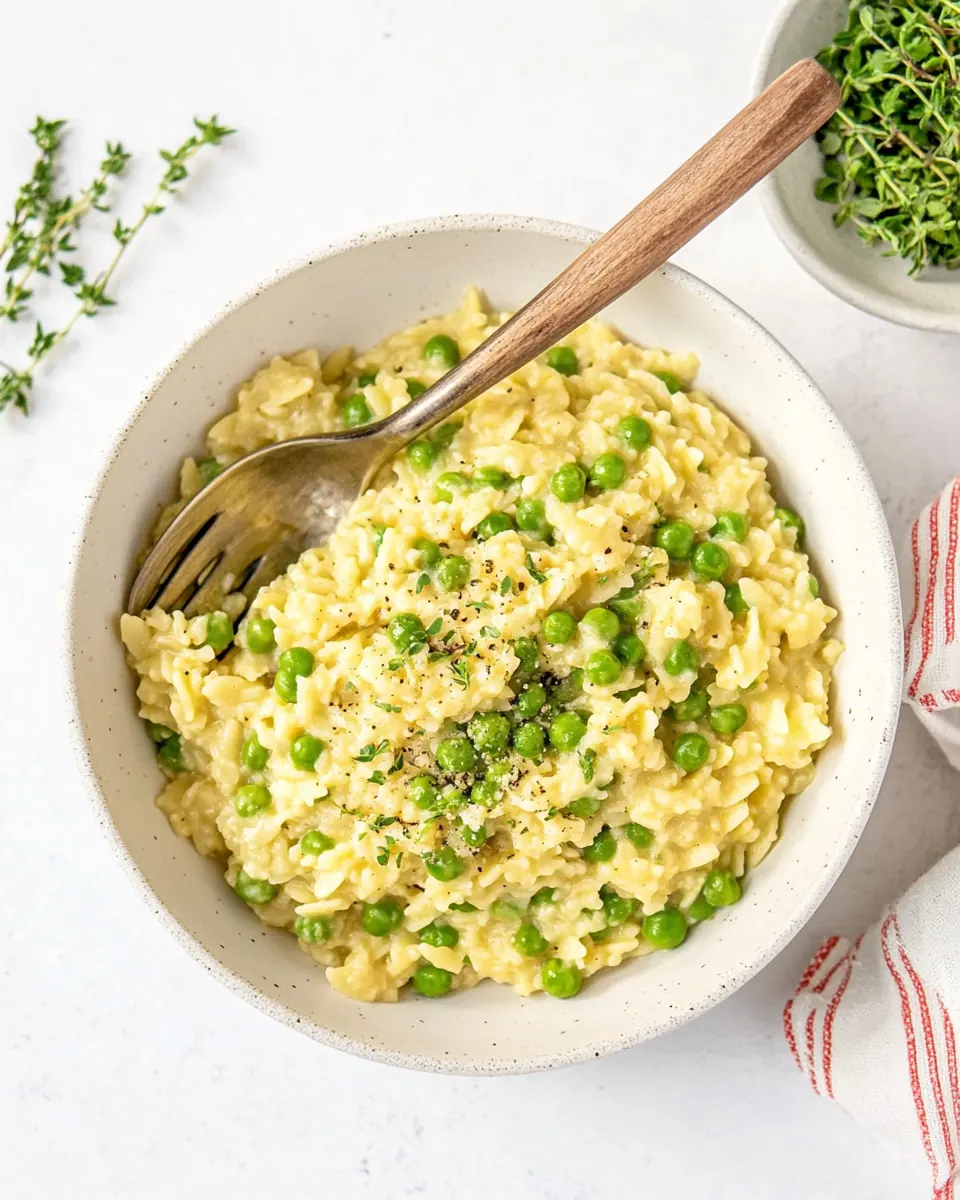
These ingredients are built around a philosophy of balance. A starchy little pasta forms the creamy base, while savory liquid, salty cheese, and a touch of fat create mouthcoating richness. The aromatic onion melts into the broth to add subtle sweetness, and the peas inject color and texture. Each component plays a clear role so the final bowl is cohesive and satisfying.
- 2 tablespoons olive oil: Heat and flavor the dish by gently warming in the pan to create a fragrant base for sautéing the onion and to help toasts the orzo slightly for nuttier notes.
- 1 small yellow onion (peeled and grated): Provide sweet, aromatic depth by softening quickly when grated, melting into the dish to add background savory complexity and body to the sauce.
- 1/4 teaspoon salt: Enhance overall seasoning balance by bringing out flavors and controlling saltiness; sprinkle sparingly to avoid overpowering delicate components.
- 1 quart reduced-sodium chicken broth (or vegetable broth): Add moist cooking medium and savory depth by simmering the orzo until tender; reduced–sodium options keep sodium in check while preserving flavor.
- 8 ounces orzo pasta: Absorb broth and release starches to create a creamy, risotto-like texture; cook until al dente while stirring occasionally to prevent sticking.
- 1 cup grated Parmesan cheese: Build savory, umami-rich creaminess by melting into the finished orzotto to add depth, saltiness, and a silky mouthfeel.
- 1 cup heavy cream (or half-and-half): Contribute richness and a smooth, creamy texture when stirred in near the end; balances acidity and cloaks the orzo for luxurious mouthfeel.
- 2 tablespoons unsalted butter: Provide additional silkiness and a glossy finish when stirred in at the end; enriches flavor and helps bind the sauce to the pasta.
- 1 cup frozen peas: Introduce bright color, subtle sweetness, and a tender pop; stir in near the end of cooking to maintain texture and fresh flavor.
- Juice and zest from 1/2 lemon () (optional): Add lively acidity and aromatic citrus oils if used; squeeze and zest to brighten and cut through richness for a fresher finish.
Recipe Steps for Orzotto with Peas
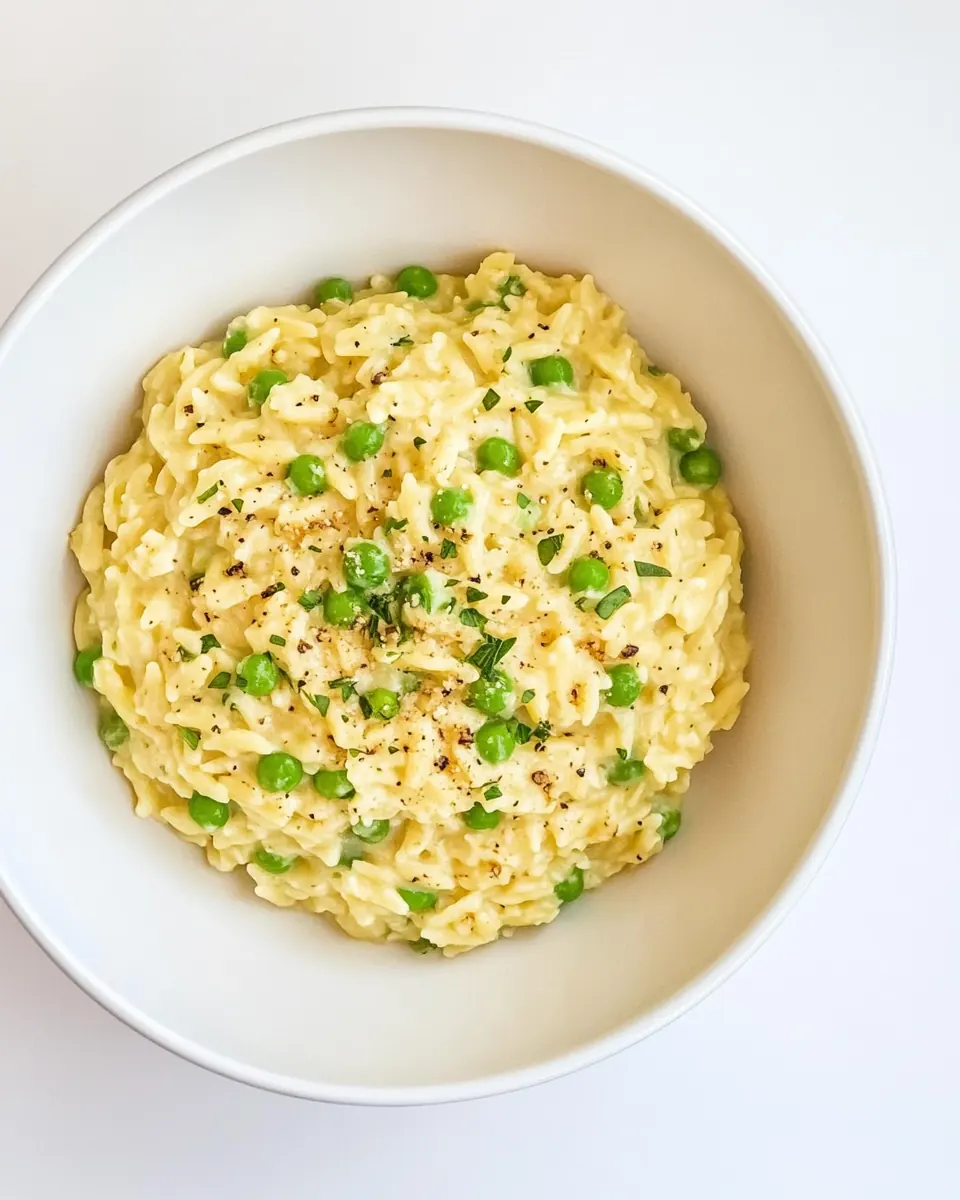
This recipe moves quickly, and a few simple techniques make a huge difference. I recommend organizing your ingredients and keeping the broth warm so the orzo cooks evenly. Below I expand each instruction so you know what to look, listen, and smell for as you go.
- Add the olive oil to a large skillet or medium pot over medium heat. Add the onion and salt, and stir to coat. Cook for 4 minutes.: The pan should offer a gentle hiss as the olive oil warms and the grated onion hits the surface, releasing a sweet, savory fragrance. You will notice the onion soften and become translucent rather than brown, a cue that it is sweating and imparting flavor into the oil. This gentle cooking prevents sharp, raw onion notes and builds a mild aromatic base. If the onion starts to brown or crisp, the heat is too high, which can introduce bitter flavors; simply lower the temperature and stir to even out the cooking. A wooden spoon gives you tactile feedback as the mixture loosens in the pan, and having the salt present helps draw moisture out of the onion for a silkier finish.
- Add the broth, cover, and bring to a simmer.: When you pour in the warm broth , listen for the soft increase in bubbling as the liquid warms through. Covering the pot traps steam, helping the orzo cook more evenly once it is added, and it also concentrates the savory aroma. A light simmer is the right target, not a rolling boil, because too violent of a boil can agitate the orzo and make the texture uneven. Using reduced sodium broth gives you control over final seasoning; taste the cooking liquid after a few minutes so you can judge whether to add more salt later.
- Add the orzo and cook for 12-14 minutes, stirring occasionally, or until the liquid is almost absorbed and the pasta is tender. (It's okay if there is some liquid left when the pasta is tender as it will continue to be absorbed by the pasta.): As the orzo simmers, it will swell and surrender starch into the broth, thickening the cooking liquid into a creamy coating. You will see the grains soften and the mixture reduce; stirring occasionally encourages even cooking and prevents the pasta from settling and sticking. The pot should smell nutty and comforting as the orzo approaches tenderness. Be mindful not to over stir which can break the grains apart; gentle, intermittent movement is best. If the liquid disappears too quickly before the orzo is tender, keep a splash of warm broth handy to loosen the pan and continue cooking without drying out the dish.
- Stir in the Parmesan, cream, butter, and peas; add lemon juice and zest, if using. Let sit for about 5 minutes to thicken, if needed. Serve warm.: Once you fold in the cold and room temperature finishes, you will notice the texture deepen into a glossy, saucy consistency as the Parmesan melts and the butter emulsifies with the cream . The peas will warm through and pop with fresh sweetness, providing a lively contrast. The aroma becomes richer and slightly tangy if you used lemon , which brightens the fats and cheese. Letting the pot rest allows the grains to absorb a touch more liquid, creating a cohesive, clingy finish. A common error is adding hot dairy to an aggressively boiling pan, which risks breaking the sauce; gently combine off heat or over very low heat for the smoothest result.
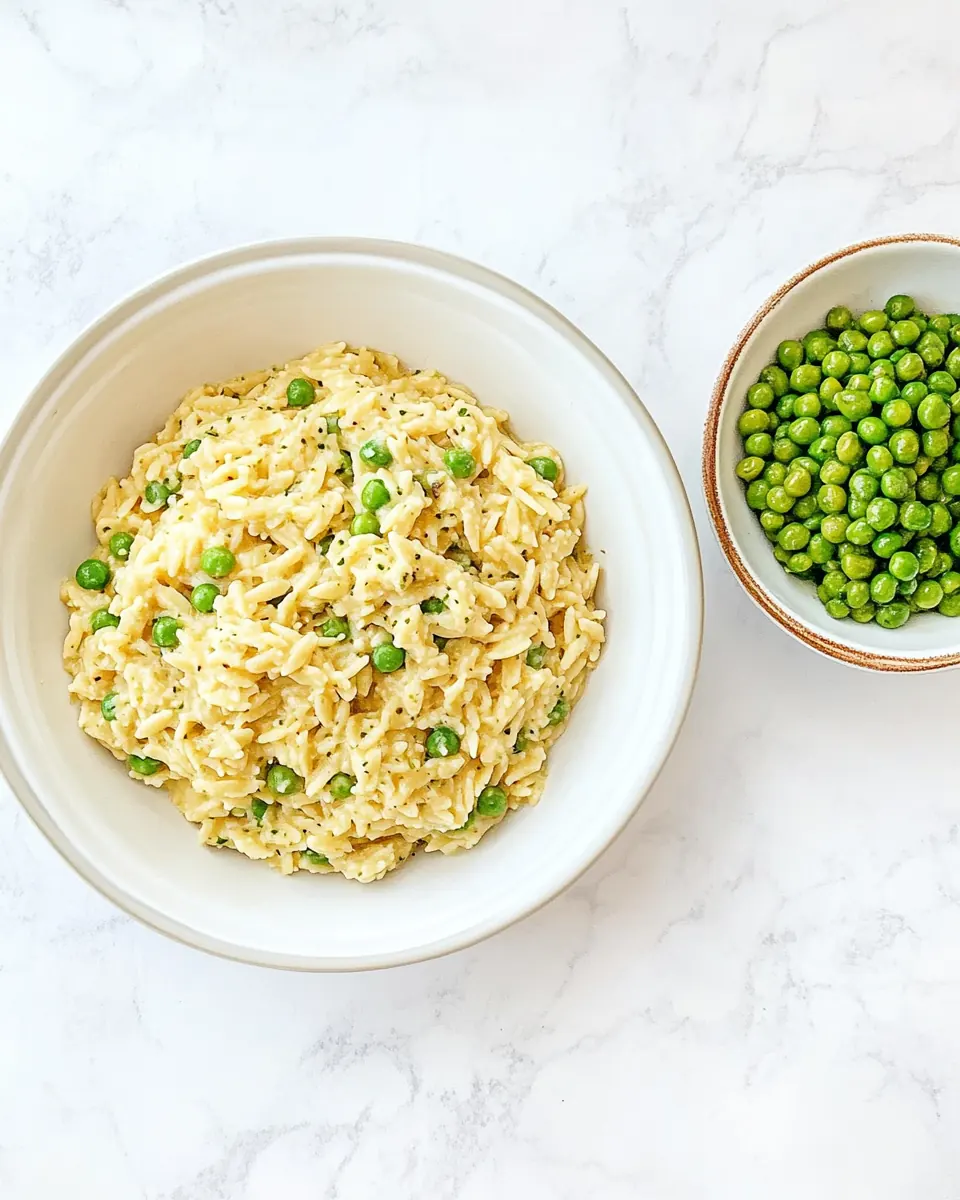
- Serve warm.: The final bowl should be warm to the touch and glossy, with visible little pearls of orzo coated in a silky sauce and pops of green from the peas . Serve immediately while the texture is at its peak, and consider a final grating of Parmesan at the table for an extra savory lift. If you must hold it briefly, cover it so it retains steam, and stir gently before serving to revive the creamy finish. Overholding can lead to the dish tightening, so short rests are best to preserve the intended mouthfeel.
Pro Tips and Tweaks
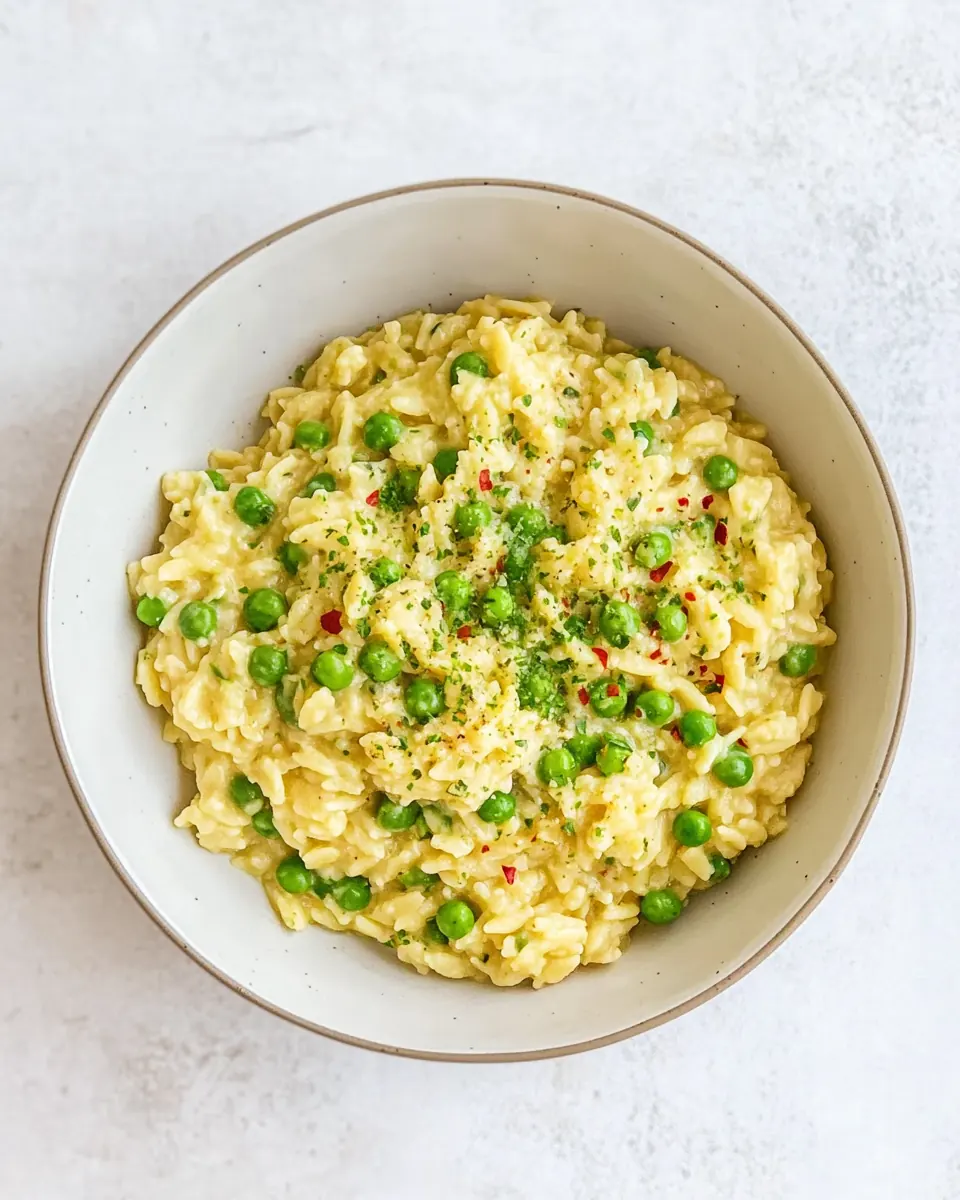
I like to keep a few go to adjustments ready so this recipe fits different needs. Below are expanded tips derived from my notes and experience, each focused on improving texture, flavor, or ease of service.
- Warm your broth: Keeping the broth warm before adding ensures the pot stays at a steady temperature and helps the orzo cook evenly without lowering the pan heat, which preserves a gentle simmer and consistent texture.
- Grate the onion: Grating the onion rather than dicing allows it to melt into the base, offering background sweetness without chunks, which is perfect for a silky final dish.
- Control salt carefully: Because Parmesan and some broths can be salty, taste before adjusting; using reduced sodium broth gives you freedom to season to preference.
- Add peas last: To retain bright color and a pleasant bite, fold in the frozen peas at the finish so they warm through without losing texture.
- Rest before serving: Allow the dish to sit for a few minutes after finishing so the orzo can absorb remaining liquid, which improves mouthfeel and cohesion.
- Make it vegetarian easily: Swap the chicken broth for vegetable broth and the dish remains satisfying and full flavored while accommodating dietary needs.
Accompaniments for Orzotto with Peas
This dish pairs well with simple sides and fits a variety of occasions, from casual family dinners to festive gatherings. The suggestions below cover serving ideas, storage, and seasonal pairings to help you present the dish confidently.
- Light green salad: A crisp salad with a lemon vinaigrette adds a refreshing contrast to the creamy texture, balancing the meal for lunch or dinner.
- Roasted vegetables: Oven roasted vegetables such as carrots or Brussels sprouts bring caramelized savory notes that complement the richness of the orzotto.
- Simple protein: Grilled or pan seared fish or chicken works well alongside, though the dish is comforting on its own for vegetarian meals.
- Occasion ideas: For spring gatherings or Ramadan evenings, serve the orzotto family style with bowls of extra Parmesan and lemon wedges for guests to customize.
- Storage tips: Cool leftovers quickly and store in an airtight container in the refrigerator for up to five days, then reheat gently with a splash of water to restore creaminess.
- Seasonal pairing: In spring, highlight fresh peas and a light salad; in cooler months, consider heartier roasted sides to make the meal cozier.
FAQ
Conclusion
What makes this recipe special is its combination of simplicity and comforting richness, where tiny orzo grains soak up savory broth and become luxuriously creamy with Parmesan and butter. Give it a try on a busy night when you want something that feels both effortless and thoughtful. Share it with family or friends, and enjoy the easy satisfaction that comes from a bowl that is quick to prepare yet full of flavor.
Orzotto with Peas
Ingredients
Equipment
Method
- Add the olive oil to a large skillet or medium pot over medium heat. Add the onion and salt, and stir to coat. Cook for 4 minutes.: The pan should offer a gentle hiss as the olive oil warms and the grated onion hits the surface, releasing a sweet, savory fragrance. You will notice the onion soften and become translucent rather than brown, a cue that it is sweating and imparting flavor into the oil. This gentle cooking prevents sharp, raw onion notes and builds a mild aromatic base. If the onion starts to brown or crisp, the heat is too high, which can introduce bitter flavors; simply lower the temperature and stir to even out the cooking. A wooden spoon gives you tactile feedback as the mixture loosens in the pan, and having the salt present helps draw moisture out of the onion for a silkier finish.
- Add the broth, cover, and bring to a simmer.: When you pour in the warm broth , listen for the soft increase in bubbling as the liquid warms through. Covering the pot traps steam, helping the orzo cook more evenly once it is added, and it also concentrates the savory aroma. A light simmer is the right target, not a rolling boil, because too violent of a boil can agitate the orzo and make the texture uneven. Using reduced sodium broth gives you control over final seasoning; taste the cooking liquid after a few minutes so you can judge whether to add more salt later.
- Add the orzo and cook for 12-14 minutes, stirring occasionally, or until the liquid is almost absorbed and the pasta is tender. (It's okay if there is some liquid left when the pasta is tender as it will continue to be absorbed by the pasta.): As the orzo simmers, it will swell and surrender starch into the broth, thickening the cooking liquid into a creamy coating. You will see the grains soften and the mixture reduce; stirring occasionally encourages even cooking and prevents the pasta from settling and sticking. The pot should smell nutty and comforting as the orzo approaches tenderness. Be mindful not to over stir which can break the grains apart; gentle, intermittent movement is best. If the liquid disappears too quickly before the orzo is tender, keep a splash of warm broth handy to loosen the pan and continue cooking without drying out the dish.
- Stir in the Parmesan, cream, butter, and peas; add lemon juice and zest, if using. Let sit for about 5 minutes to thicken, if needed. Serve warm.: Once you fold in the cold and room temperature finishes, you will notice the texture deepen into a glossy, saucy consistency as the Parmesan melts and the butter emulsifies with the cream . The peas will warm through and pop with fresh sweetness, providing a lively contrast. The aroma becomes richer and slightly tangy if you used lemon , which brightens the fats and cheese. Letting the pot rest allows the grains to absorb a touch more liquid, creating a cohesive, clingy finish. A common error is adding hot dairy to an aggressively boiling pan, which risks breaking the sauce; gently combine off heat or over very low heat for the smoothest result.
- Serve warm.: The final bowl should be warm to the touch and glossy, with visible little pearls of orzo coated in a silky sauce and pops of green from the peas . Serve immediately while the texture is at its peak, and consider a final grating of Parmesan at the table for an extra savory lift. If you must hold it briefly, cover it so it retains steam, and stir gently before serving to revive the creamy finish. Overholding can lead to the dish tightening, so short rests are best to preserve the intended mouthfeel.
Notes
- Warm your broth: Keeping the broth warm before adding ensures the pot stays at a steady temperature and helps the orzo cook evenly without lowering the pan heat, which preserves a gentle simmer and consistent texture.
- Grate the onion: Grating the onion rather than dicing allows it to melt into the base, offering background sweetness without chunks, which is perfect for a silky final dish.
- Control salt carefully: Because Parmesan and some broths can be salty, taste before adjusting; using reduced sodium broth gives you freedom to season to preference.
- Add peas last: To retain bright color and a pleasant bite, fold in the frozen peas at the finish so they warm through without losing texture.
- Rest before serving: Allow the dish to sit for a few minutes after finishing so the orzo can absorb remaining liquid, which improves mouthfeel and cohesion.
- Make it vegetarian easily: Swap the chicken broth for vegetable broth and the dish remains satisfying and full flavored while accommodating dietary needs.