Overnight Steel Cut Oats
Overnight Steel Cut Oats began for me on a rain-slicked morning when I needed something both comforting and practical, a breakfast that would hold up to a busy day yet still feel intentional. I remember stirring together a few simple things, sliding the pot off the heat, and tucking the jar into the fridge, thinking I had invented convenience. The next morning that first spoonful of steel cut oats felt like a warm, quiet reward, creamy and hearty without fuss.
Since then, I keep the routine when life gets noisy. There are mornings I eat my oats cold straight from a jar at the desk, and Sundays when I heat them slowly, letting steam curl up and bring the aromas back to life. Each time the texture is slightly different, and I love that variability, because the base recipe is forgiving yet reliable. I never overcomplicate things, I let the oats do the heavy lifting.
Recipe Snapshot
20 mins
10 mins
10 mins
Easy
300 kcal
American
Gluten-Free, Low FODMAP
Breakfast
2 quart saucepan, Timer, Storage jars with lids
Why We Love This Overnight Steel Cut Oats
Simple pantry power
I adore how Overnight Steel Cut Oats rely on pantry staples, nothing exotic, just honest ingredients that play well together. The steel cut oats provide a nutty chew that holds up after refrigeration, while the milk and water create a creamy soak, and the pinch of fine sea salt wakes up the flavors. This balance means you can customize toppings without losing the oat’s integrity.
Hands off convenience
One of the biggest wins for me is the hands off nature. A quick morning is possible because most of the work happens while you sleep. I value recipes that give me time back, and these oats do exactly that, making weekday breakfasts manageable and weekend bowls more leisurely.
Texture that lasts
I appreciate that steel cut oats keep a toothsome texture even after sitting overnight. Unlike rolled oats that can go mushy, these retain a pleasant bite, which I find satisfying spoon after spoon. That texture makes them versatile, equally good warmed gently on the stove or eaten chilled straight from the jar.
Adaptable and forgiving
I often change the milk type depending on what I have, without worrying about ruining the base. The recipe is forgiving if you tinker with liquid ratios or chill time, which is fantastic for improvisers. You can make three hearty servings easily, and the method scales without drama.
Meal prep friendly
Finally, this is a meal prep champion. I make a batch and the fridge becomes my breakfast shelf. It saves money, reduces morning decision fatigue, and gives me a nutritious start that fits hectic routines. I love knowing there is a nourishing option waiting for me.
Shopping List for Overnight Steel Cut Oats
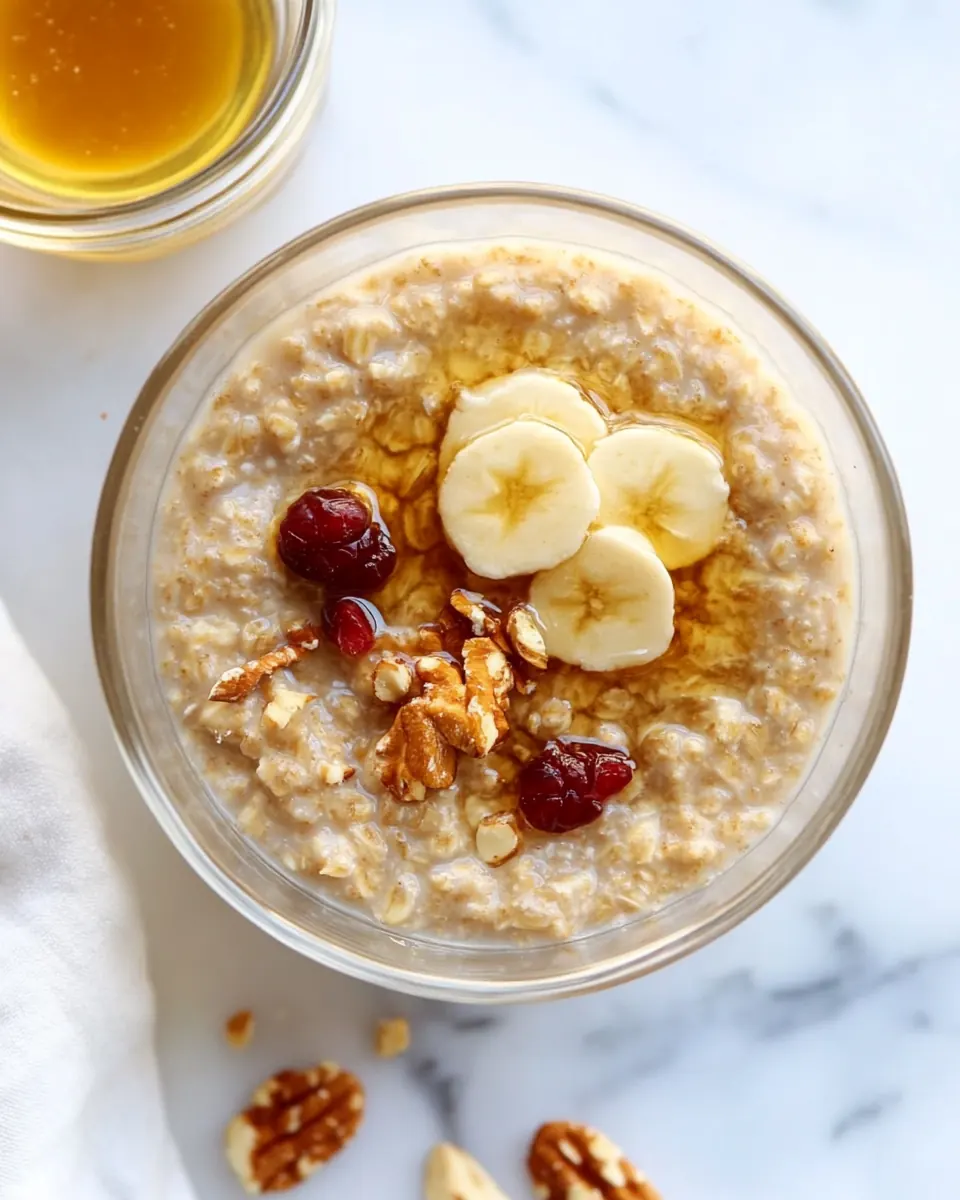
These ingredients are intentionally minimal, built around a few key players that create texture, creaminess, and depth. The philosophy here is to respect the steel cut oats, support them with the right amount of liquid, and season lightly so toppings can shine. Think of the list as a foundation you can dress up any morning.
- 1 cup uncooked steel-cut oats: Provide hearty texture and nutty flavor while acting as the primary whole-grain base that soaks up liquids overnight; yields chewy, chewy-tender pieces after refrigeration and gentle reheating to create a satisfying porridge consistency.
- 2 cups water: Deliver necessary liquid for properly hydrating the steel-cut oats overnight and help control final thickness; also facilitates even cooking and prevents dryness while allowing oats to soften without boiling.
- 2 cups milk (of choice): Contribute creaminess and added richness to the soaking liquid, enhancing mouthfeel and flavor complexity; can be varied by type (dairy or plant-based) to adjust sweetness, fat content, and dietary preferences.
- 1 teaspoon fine sea salt: Enhance overall flavor balance by elevating subtle sweetness and reducing blandness; helps season the oats so other add-ins like fruit or spices pop without requiring large amounts.
How to Assemble Overnight Steel Cut Oats
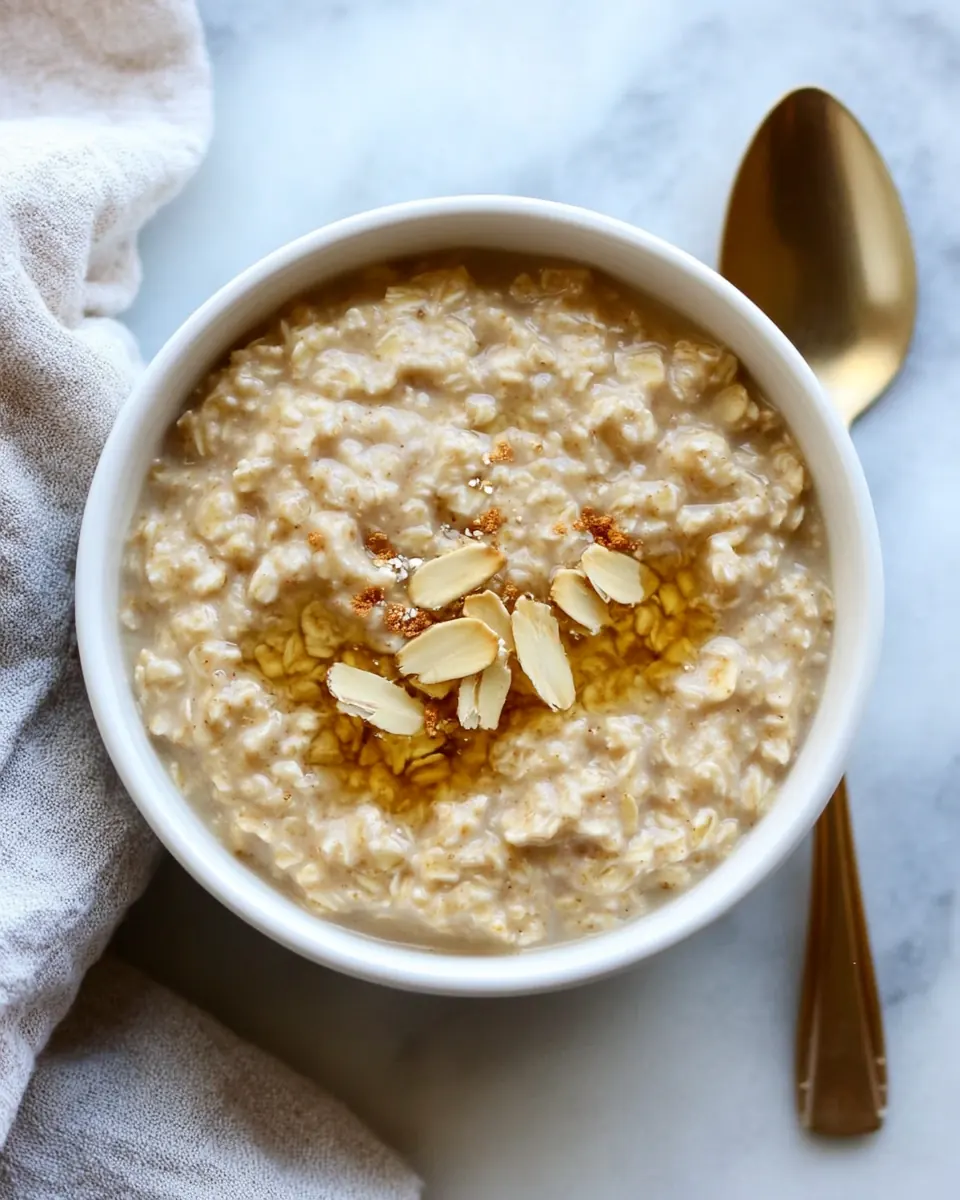
Assembling these oats is straightforward, and the technique matters more than precise choreography. The following steps guide you through gentle boiling, resting for safety and texture, and storing so the oats mellow overnight. Take your time to notice the sounds and visuals, they tell you when things are right.
- In a 2-quart saucepan combine the steel cut oats, water, milk, and salt. Bring the liquid to a boil over high heat on the stove top.: The first sensory cue is the cool, milky scent as the ingredients meet, a quiet promise of comfort. When you stir them together, notice the grainy texture of the steel cut oats suspended in liquid, and take a moment to make sure no dry pockets remain stuck to the bottom. This even distribution prevents hotspots during heating, which can cause sticking. One common mistake is adding cold liquid to a hot pan later, which can shock the oats and lead to uneven cooking.
- Once the liquid is boiling, set a timer for 2 minutes. The boiling liquid may start to rise up towards the top of your saucepan, if this happens lower the heat until the liquid lowers. Stir often so the oats won't stick to the bottom of the pan.: As the mixture comes to a boil you will hear the liquid shift from a gentle simmer to an eager bubbling, and the odor will become more pronounced, a faint toasty note as the oats warm. Watch for the surface to dome slightly, an early warning that it may rise, and be ready to lower the heat. The why here is all about activating the oats so they begin to absorb liquid quickly. A typical error is leaving the heat too high and allowing the pot to foam over, so stay attentive.
- When the timer goes off, remove the pan from the heat and set it aside to cool for 20 minutes. (This way, you won't add boiling-hot oats to glass jars and risk them breaking.) The oats will continue absorbing the liquid as they cool.: During these two minutes the boil should be lively but controlled. You may hear a steady rolling sound and see small vigorous bubbles across the surface. Stir frequently to keep the oats from settling and sticking, scraping the bottom with a wooden spoon so no bits burn. This short high heat burst helps the oats start softening; if you skip stirring, you risk scorched flavor and uneven tenderness.
- Once the oats have cooled, transfer them to individual storage jars with lids. One cup of dry oats makes 3 hearty servings cooked. Store the oats overnight in the fridge to continue softening.: The moment you pull the pan off the flame is marked by a drop in audible bubbling and a release of steam that smells nutty and warm. Letting it cool prevents thermal shock when transferring to jars, and importantly it allows continued gentle absorption of liquid, deepening creaminess without direct heat. A frequent slip up is trying to rush this cooldown by moving hot oats into glass too soon, which can crack jars, so patience here protects both texture and kitchenware.
- When you're ready to eat, grab a jar of oats from the fridge and add your favorite toppings. These can be enjoyed warm or cold. Heat them up on the stovetop with an extra splash of milk, or microwave in a heat-safe bowl for 60 to 90 seconds. Oats will keep well in the fridge for up to 5 days.: The cooled oats will feel slightly thickened and glossy, a tactile sign that they have absorbed much of the liquid. As you spoon them into jars, note the density and aim for even portions; one cup dry yields three hearty servings. Sealing them while still warm is tempting, but fully cooled oats prevent condensation that can make the top watery. People sometimes pack jars too tightly, which leaves no room for gentle expansion, so leave a small headspace.
- Store the oats overnight in the fridge to continue softening: In the refrigerator the oats complete their transformation, the texture mellowing into a creamy, cohesive bowl. You may notice a faint change in aroma as the flavors meld, and the oats will thicken more as they chill. This step is why the recipe is called overnight oats, because time does much of the work. A common oversight is storing jars at the wrong temperature or leaving them too long, so keep them refrigerated and use within recommended days to maintain quality.
- When you are ready to eat, grab a jar of oats from the fridge and add your favorite toppings: The final sensory moment is yours to orchestrate, whether you warm the oats and watch steam rise, or enjoy them chilled with crisp toppings for contrast. If heating, add a splash of extra milk to loosen the texture and warm gently so the oats soften without overcooking. People sometimes overheat which can make the texture gluey, so heat briefly and stir to restore creaminess. These oats will keep well in the fridge for up to 5 days, and that longevity is part of their everyday appeal.
Recipe Notes about Overnight Steel Cut Oats
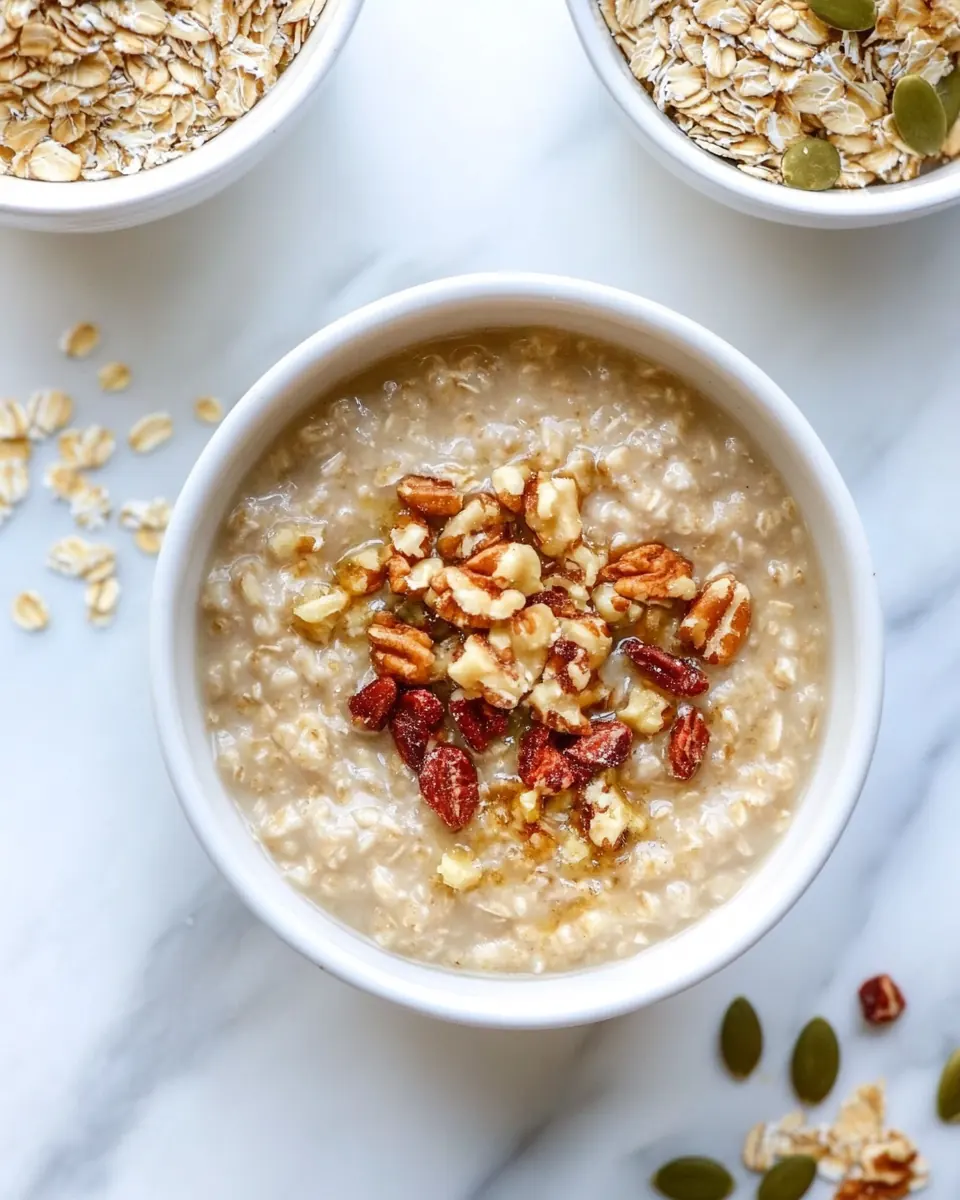
This recipe notes section pulls together practical advice I have learned from repeating the method many times. The guidance below expands on storage, texture adjustments, and small technique points that make mornings easier. I highlight the first phrase of each tip to help you scan quickly.
- Portion control Try measuring dry portions once so future mornings are effortless; one cup dry yields roughly three hearty servings, and consistent scoops prevent surprises.
- Liquid balance If you prefer a creamier bowl, use a slightly higher ratio of milk to water; conversely use more water for a lighter texture, just note the oats will be less rich.
- Cooling safety Always cool the pan for the full 20 minutes before jar transfer to avoid breaking glass, condensation, or cooking the jars, which can affect texture and safety.
- Reheating method Warm gently on the stovetop with an extra splash of milk and stir often, this brings back creaminess without drying or scorching the oats.
- Storage window Store jars in the refrigerator up to five days; beyond that the flavor and texture may decline, so label with a date if you batch cook.
Serving This Overnight Steel Cut Oats
Serving is where this simple recipe becomes personal. Whether you are plating for a quiet breakfast at home or making grab and go jars for busy mornings, a few serving ideas and storage tips can elevate the experience. Below are practical approaches, each designed to respect the oat’s texture and maximize flavor.
- Warm bowls Gently reheat a jar on the stove with a splash of milk until steaming, serve in a warm bowl and finish with a textured topping for contrast.
- Cold jars Enjoy straight from the fridge for a quick breakfast, the firm, chilled texture pairs well with crunchy toppings and fresh fruit for a refreshing start.
- On the go Secure lids tightly and carry jars upright in an insulated bag; this method is perfect for commuters or packed brunches where convenience matters.
- Batch prep Make a triple batch and portion into jars for the week, label with dates and rotate to maintain freshness, this saves morning decision fatigue.
- Occasions Serve these oats at casual brunches or during busy holiday mornings when you need a reliable, filling option that feeds multiple people with minimal fuss.
- Storage tips Keep in the coldest part of your fridge, not the door, and consume within five days to maintain texture and flavor integrity.
FAQ
Conclusion
This recipe stands out because it transforms a few pantry staples into a reliably creamy, satisfying breakfast with minimal morning effort. Try it and you will see how simple technique and a short overnight rest produce a bowl that feels both wholesome and intentional. I hope this encourages you to make a batch, personalize it with favorite toppings, and enjoy more calm mornings with an easy, nourishing start.
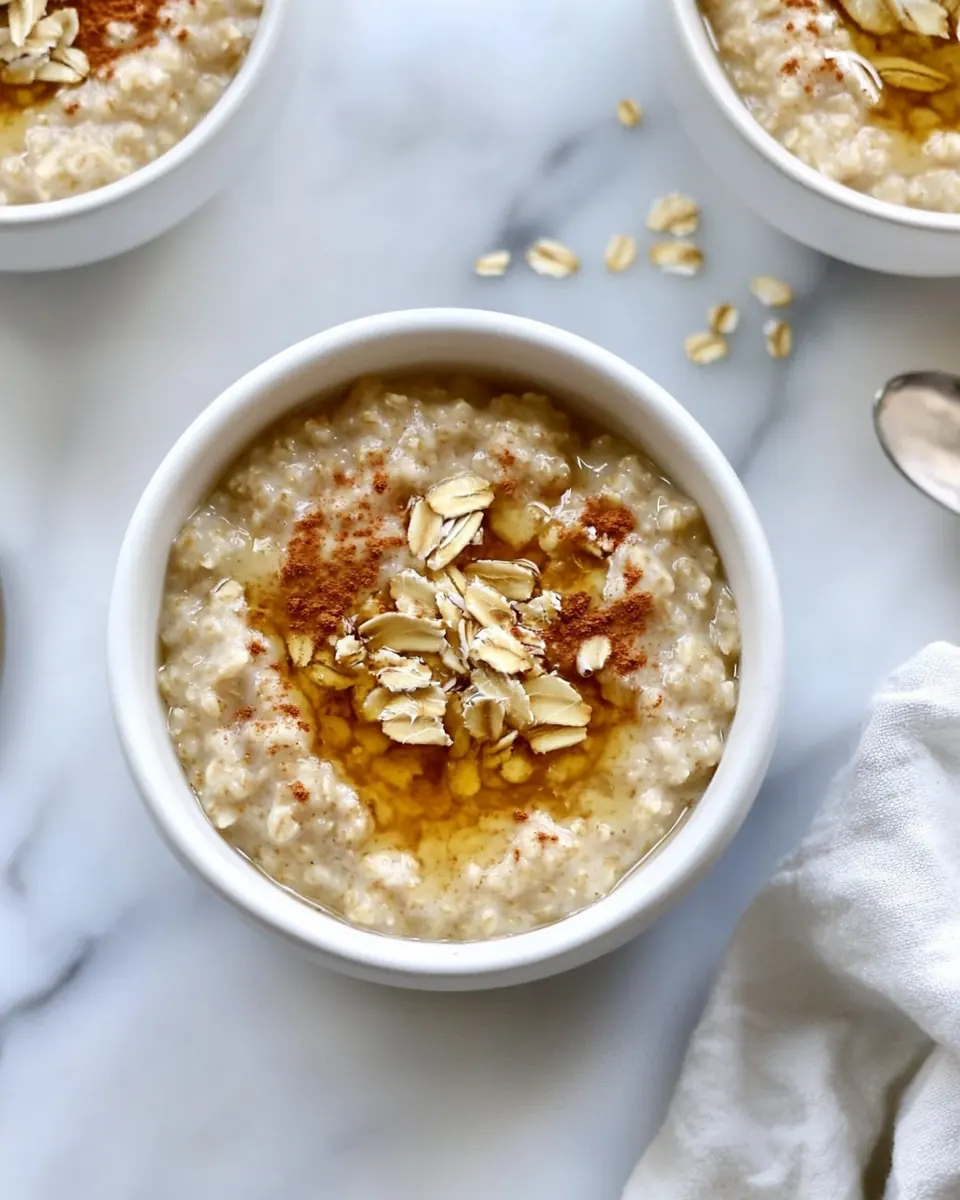
Overnight Steel Cut Oats
Ingredients
Equipment
Method
- In a 2-quart saucepan combine the steel cut oats, water, milk, and salt. Bring the liquid to a boil over high heat on the stove top.: The first sensory cue is the cool, milky scent as the ingredients meet, a quiet promise of comfort. When you stir them together, notice the grainy texture of the steel cut oats suspended in liquid, and take a moment to make sure no dry pockets remain stuck to the bottom. This even distribution prevents hotspots during heating, which can cause sticking. One common mistake is adding cold liquid to a hot pan later, which can shock the oats and lead to uneven cooking.
- Once the liquid is boiling, set a timer for 2 minutes. The boiling liquid may start to rise up towards the top of your saucepan, if this happens lower the heat until the liquid lowers. Stir often so the oats won't stick to the bottom of the pan.: As the mixture comes to a boil you will hear the liquid shift from a gentle simmer to an eager bubbling, and the odor will become more pronounced, a faint toasty note as the oats warm. Watch for the surface to dome slightly, an early warning that it may rise, and be ready to lower the heat. The why here is all about activating the oats so they begin to absorb liquid quickly. A typical error is leaving the heat too high and allowing the pot to foam over, so stay attentive.
- When the timer goes off, remove the pan from the heat and set it aside to cool for 20 minutes. (This way, you won't add boiling-hot oats to glass jars and risk them breaking.) The oats will continue absorbing the liquid as they cool.: During these two minutes the boil should be lively but controlled. You may hear a steady rolling sound and see small vigorous bubbles across the surface. Stir frequently to keep the oats from settling and sticking, scraping the bottom with a wooden spoon so no bits burn. This short high heat burst helps the oats start softening; if you skip stirring, you risk scorched flavor and uneven tenderness.
- Once the oats have cooled, transfer them to individual storage jars with lids. One cup of dry oats makes 3 hearty servings cooked. Store the oats overnight in the fridge to continue softening.: The moment you pull the pan off the flame is marked by a drop in audible bubbling and a release of steam that smells nutty and warm. Letting it cool prevents thermal shock when transferring to jars, and importantly it allows continued gentle absorption of liquid, deepening creaminess without direct heat. A frequent slip up is trying to rush this cooldown by moving hot oats into glass too soon, which can crack jars, so patience here protects both texture and kitchenware.
- When you're ready to eat, grab a jar of oats from the fridge and add your favorite toppings. These can be enjoyed warm or cold. Heat them up on the stovetop with an extra splash of milk, or microwave in a heat-safe bowl for 60 to 90 seconds. Oats will keep well in the fridge for up to 5 days.: The cooled oats will feel slightly thickened and glossy, a tactile sign that they have absorbed much of the liquid. As you spoon them into jars, note the density and aim for even portions; one cup dry yields three hearty servings. Sealing them while still warm is tempting, but fully cooled oats prevent condensation that can make the top watery. People sometimes pack jars too tightly, which leaves no room for gentle expansion, so leave a small headspace.
- Store the oats overnight in the fridge to continue softening: In the refrigerator the oats complete their transformation, the texture mellowing into a creamy, cohesive bowl. You may notice a faint change in aroma as the flavors meld, and the oats will thicken more as they chill. This step is why the recipe is called overnight oats, because time does much of the work. A common oversight is storing jars at the wrong temperature or leaving them too long, so keep them refrigerated and use within recommended days to maintain quality.
- When you are ready to eat, grab a jar of oats from the fridge and add your favorite toppings: The final sensory moment is yours to orchestrate, whether you warm the oats and watch steam rise, or enjoy them chilled with crisp toppings for contrast. If heating, add a splash of extra milk to loosen the texture and warm gently so the oats soften without overcooking. People sometimes overheat which can make the texture gluey, so heat briefly and stir to restore creaminess. These oats will keep well in the fridge for up to 5 days, and that longevity is part of their everyday appeal.
Notes
- Portion control Try measuring dry portions once so future mornings are effortless; one cup dry yields roughly three hearty servings, and consistent scoops prevent surprises.
- Liquid balance If you prefer a creamier bowl, use a slightly higher ratio of milk to water; conversely use more water for a lighter texture, just note the oats will be less rich.
- Cooling safety Always cool the pan for the full 20 minutes before jar transfer to avoid breaking glass, condensation, or cooking the jars, which can affect texture and safety.
- Reheating method Warm gently on the stovetop with an extra splash of milk and stir often, this brings back creaminess without drying or scorching the oats.
- Storage window Store jars in the refrigerator up to five days; beyond that the flavor and texture may decline, so label with a date if you batch cook.