Texas Sheet Cake Cookies
Texas Sheet Cake Cookies came into my kitchen on a rainy Saturday when I needed something fast, chocolatey, and a little nostalgic.
I remember my first batch, how the aroma of melting butter and chocolate chips filled the house and softened the mood. I was juggling a messy counter, a kid asking for a snack, and a playlist that somehow made everything feel cozier. The recipe is simple enough that I could chat while measuring, yet it delivers that rich, fudgy bite I crave when I want a serious cookie moment. Over time I tweaked little things, like melting the chips gently so the batter stays glossy, and spooning the warm, shiny icing straight from the pan so each cookie gets a decadent crown.
When friends come over I often make a double batch, and they always ask for the method, not just the result. The charm of these cookies is how they straddle the line between homestyle comfort and party-ready presentation. They are forgiving, which I love, so if life interrupts you mid-bake you can still rescue them with a bit of patience. I keep a medium cookie scoop and a trusty cookie sheet within reach now, because you never know when guests will drop by and demand chocolate.
Recipe Snapshot
24 mins
15 mins
9 mins
Medium
150 kcal
American
Gluten-Free, Low FODMAP
Desserts
cookie sheet, electric hand mixer, medium cookie scoop
Why This Texas Sheet Cake Cookies Is a Winner
Fudgy yet soft texture
I adore how Texas Sheet Cake Cookies yield a fudgy interior while keeping a soft top, thanks to the combination of melted chocolate chips and creamed butter. The contrast between a slightly crisp edge and a tender center makes every bite interesting, and I find myself reaching for another one just to experience that balance again.
Fast, approachable method
We all have those days when dessert needs to be fast. These cookies bake quickly, and the icing comes together on the stove in minutes. Because the technique is straightforward, I feel comfortable handing the whisk to a kid or a friend, and they still turn out reliably excellent.
Familiar flavors that feel special
There is something instantly comforting about chocolate and cocoa teamed with powdered sugar glossy icing. When I serve these, people recognize the flavors but are surprised by the cookie format, which feels both nostalgic and novel. That combination always gets compliments.
Great for sharing and gifting
I like that these cookies keep well at room temperature for a few days and freeze nicely, so they are perfect when I need last minute hostess gifts. They travel without falling apart, and the icing holds up, giving each cookie a polished look even after a drive.
Minimal equipment, maximum payoff
The recipe does not demand fancy tools, just a cookie sheet, an electric hand mixer, and a scoop. I appreciate recipes that deliver depth of flavor without a long list of gadgets. That makes this one a go to when I want big taste with little fuss.
Ingredient List for Texas Sheet Cake Cookies
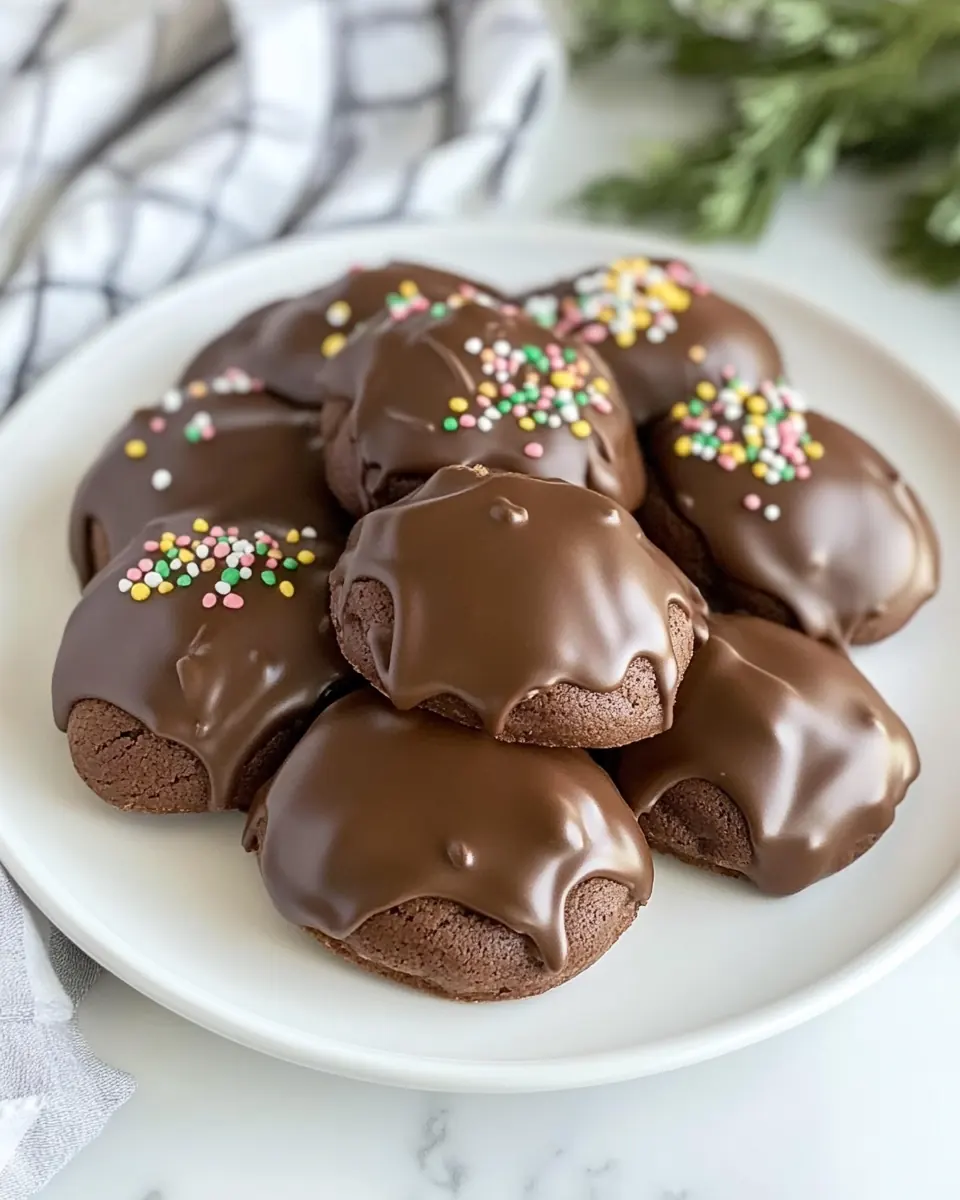
These ingredients are the backbone of a reliably chocolatey cookie. I rely on the right balance of fats, sweeteners, and leavening so the dough spreads correctly and the topping glazes the warm cookies. The key players are butter for richness and mouthfeel, all purpose flour for structure, and melted chocolate chips and a cocoa based icing for that signature deep chocolate flavor. Each element has a job, and together they create the fudgy, slightly glossy cookies I love.
- 1/2 cup butter, room temperature: Cream together to create a rich, tender base for the cookie dough by incorporating air and emulsifying sugars and eggs; at room temperature it blends smoothly for even texture and helps with spreading during baking.
- 1/3 cups sugar: Sweeten and tenderize the dough while aiding in browning; creamed with butter and aerated it contributes to lift and a pleasant chew in the finished cookie.
- 1 egg: Bind and provide structure while contributing moisture and richness; beaten into the butter–sugar mixture it helps trap air and create a cohesive dough that sets when baked.
- 1 teaspoon vanilla extract: Flavor and aromatize the dough with a warm, familiar note; added in small amount it enhances other flavors and balances sweetness without overpowering the chocolate.
- 1 teaspoon baking powder: Leaven and lighten the cookie by releasing carbon dioxide when heated; used sparingly it helps achieve a slightly airy crumb and prevents overly dense results.
- 1/2 teaspoons salt: Season and enhance overall flavor while regulating gluten performance; small amount balances sweetness and strengthens the dough’s structure for proper texture.
- 11/3 cup all-purpose flour: Provide bulk, structure, and chew through gluten formation and starch gelatinization; measured precisely it ensures correct dough consistency and proper rise when baked.
- 1/2 cups semi-sweet chocolate chips, melted: Introduce deep chocolate flavor and moisture when melted, enriching the dough’s richness and contributing to a fudgy, cohesive chocolate profile throughout the cookies.
- 1/2 cup butter: Add fat and tenderness to the dough, increasing moisture and contributing to spread and mouthfeel; used in addition to creamed butter it boosts richness and texture.
- 2 tablespoons cocoa powder: Concentrate chocolate flavor without additional fat, intensifying cocoa intensity and deepening color; incorporated into the dough it balances sweetness and enhances chocolate depth.
- 3 tablespoons milk: Moisten and loosen the dough for proper mixing and texture, while contributing a touch of richness; when combined with cocoa and butter it helps create a smooth, pliable batter-like dough.
- 21/2 cups powdered sugar: Sweeten intensively and provide structure to frost-like components or the dough itself by dissolving into liquids and helping achieve a smooth, sweet finish; powdered form integrates easily for a silky texture.
Cooking Method for Texas Sheet Cake Cookies
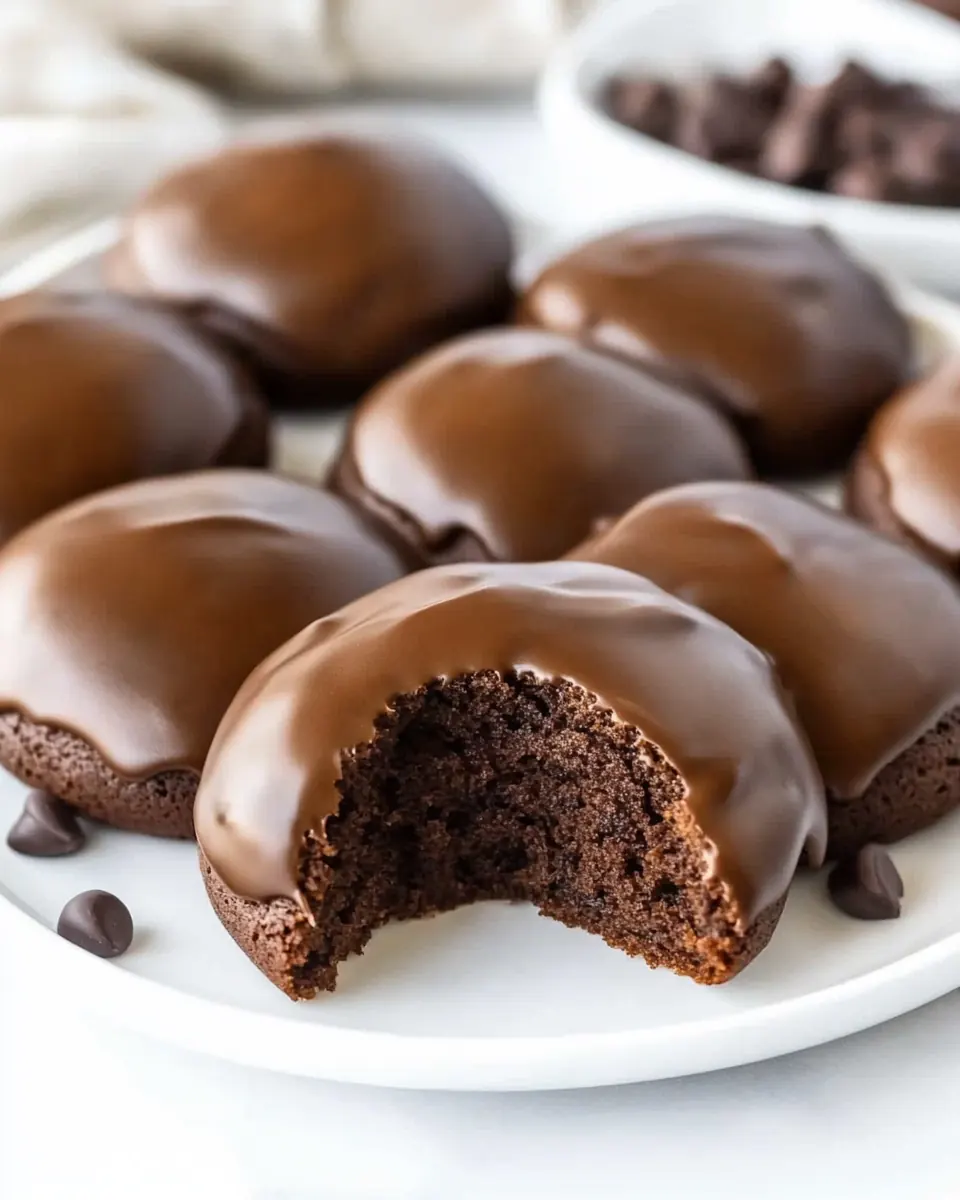
These directions turn the ingredient list into a batch of reliably fudgy cookies. I recommend reading through the sequence once, then prepping ingredients so everything flows. The steps emphasize sensory cues so you can tell when each stage is right.
- Line the baking sheet with parchment paper, or a silicone mat and preheat the oven to 350°F.: The oven will fill with a warm, anticipatory heat that signals readiness. Preheating ensures even rise and consistent bake, while the parchment or silicone mat prevents sticking and promotes an even bottom crust. If you skip preheating, cookies may spread unevenly and bake inconsistently; always wait until the oven reaches temperature and the racks are positioned centrally for best airflow.
- Beat the butter and sugar in a stand mixer until light. Scrape the sides down frequently.: You will notice the butter become paler and the sugar integrate into a slightly fluffy mixture, which smells sweet and buttery. This creaming step incorporates tiny air pockets that lighten texture. Scraping prevents unmixed streaks and promotes an even crumb. Common mistake, not scraping, leaves pockets of fat or sugar that alter the dough structure.
- Mix in the egg and vanilla. Once incorporated add the baking powder and salt.: At this stage the batter becomes glossy and cohesive, and the aroma of vanilla lifts the chocolate notes. Adding the leavening and salt after ensures they distribute evenly without overworking. If you overmix after adding flour later, gluten can develop and produce a tougher cookie; mix just until combined.
- Slowly mix in the flour on low speed. The dough will be thick.: As the sifted all purpose flour disappears into the batter, you will see a dense, pliable dough form. Mixing slowly prevents flour clouds and maintains tenderness. The dough should not be overly sticky nor dry, test with a finger to ensure pliability. A common error is adding more flour to fix stickiness, which can make the final cookie dry and crumbly.
- Melt the chocolate chips in the microwave. Heat for 30-second increments, stirring in between, until melted. Add the melted chocolate to the cookie dough and mix.: The melting process releases a deep, warm chocolate scent and creates a glossy texture that transforms the dough visually. Stirring between intervals prevents scorching and keeps the chocolate smooth. When combined with the dough the batter will darken and look luxuriously rich. Beware overheating, which can make the chocolate grainy or seize.
- Use a cookie scoop to drop the dough onto the baking sheet. Bake for 8-9 minutes for smaller cookies and 9-11 minutes for larger cookies. Do not overcook. The top should be dry to the touch, but soft and moist in the middle.: While baking, the kitchen fills with a toasty chocolate aroma and you may hear a faint settling sound as the cookies finish. The visual cue to look for is a set top that still yields slightly under the surface when pressed. Overbaking causes dryness and a cakier texture; pull them as soon as the tops are no longer glossy and appear set.
- Using a medium saucepan stir the butter, cocoa powder, and milk over medium heat. Whisk until the butter is melted and the ingredients are combined. Remove from the heat and stir in the powdered sugar.: You will see a glossy, velvety icing come together, and the scent will be intensely chocolatey and sweet. Warmth helps the powdered sugar dissolve for a smooth finish. If the mixture becomes too thin, add more powdered sugar gradually; if too thick, a splash of milk will loosen it. Avoid boiling, which can cause graininess and change the texture.
- Once the cookies have been baked DO NOT remove them from the pan.: Leaving the cookies on the sheet allows residual heat to finish the setting while they remain tender. The residual warmth helps the icing adhere and sink slightly into the surface for a seamless finish. Removing cookies too quickly can cause them to break or the icing to slide off; allow them to rest briefly before handling.
- Use a spoon to cover each hot cookie with the icing. The cookies will get good and chocolatey! Allow the icing to set.: As you spoon the glossy topping onto each warm cookie, the icing will spread and slightly melt into the top, creating a shiny, inviting finish. The cooling process produces a gentle crackle and a firm outer glaze while the interior remains soft. A common trap is overapplying icing which pools and takes longer to set; use just enough for an even coat.
- Once set and the cookies have cooled, carefully remove the cookies from the pan.: When the icing has lost its tack and the cookies feel stable, they will lift cleanly from the parchment, revealing a tidy bottom and a beautifully glazed top. Cooling makes them easier to store without smudging the icing. Rushing this step can smear or dent the glaze, so be patient and use a thin spatula if needed.
Making Adjustments
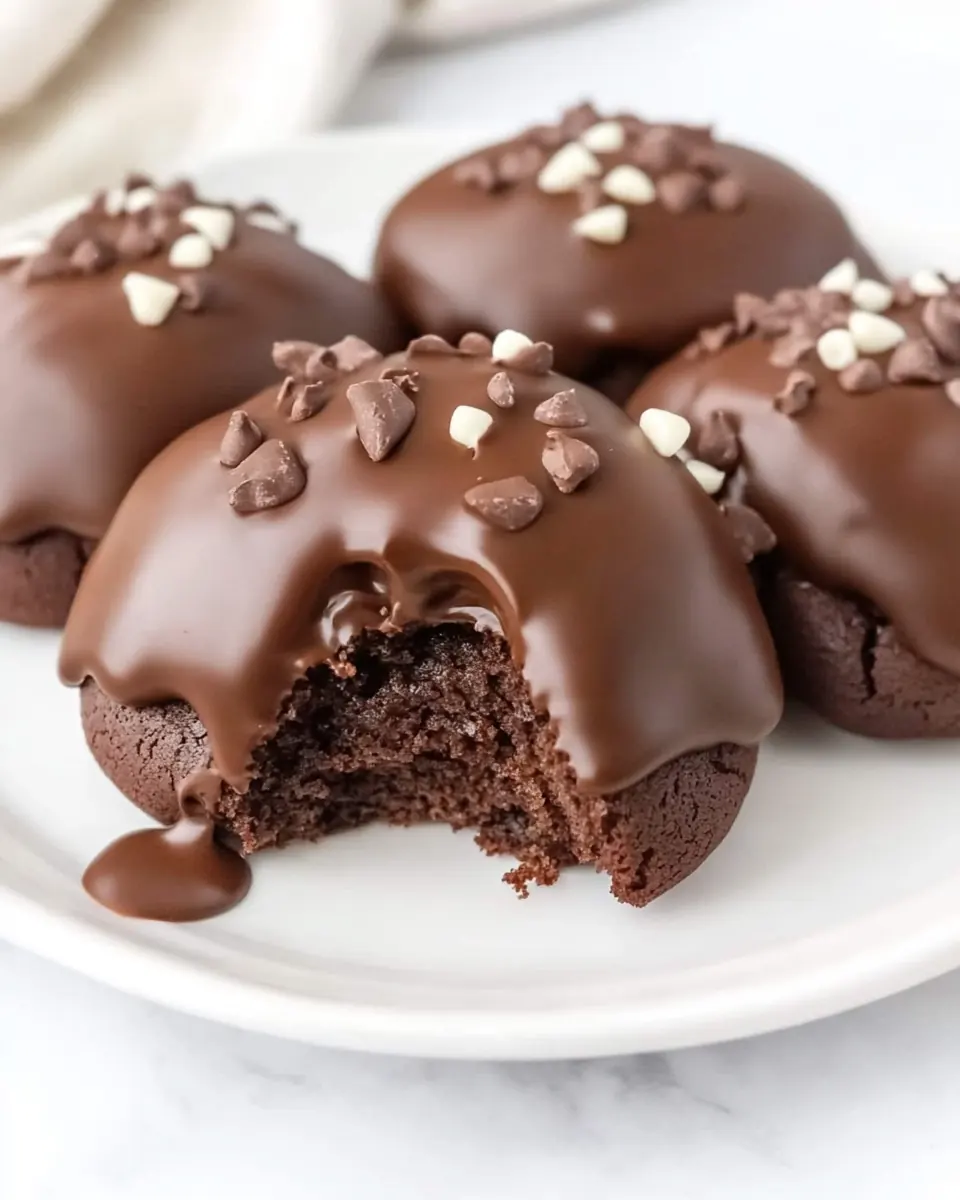
Small changes can tune these cookies to your taste or needs. Below are practical adjustments I use often, each designed to preserve the cookie character while allowing for texture and flavor variation.
- Chill the dough If you want thicker cookies, refrigerate the dough for 30 minutes to firm it, which slows spread while baking and yields a denser, chewier center.
- Adjust sugar Reduce the 1/3 cups sugar by a tablespoon or two if you prefer less sweetness; this keeps the chocolate prominent without being cloying.
- Swap chocolate Use a higher cocoa content for the semi-sweet chocolate chips if you want a more intense, less sweet chocolate flavor; melt gently to preserve smoothness.
- Make mini cookies Use a smaller scoop and shorten baking toward the lower end of the time window to create bite sized treats that bake very quickly.
- Thicker icing Add more powdered sugar by the tablespoon to thicken the glaze if you plan to stack cookies for gifting, preventing smudging between layers.
- Storage trick Layer cookies with parchment between them at room temperature for up to three days, or freeze in a single layer before stacking to preserve the icing finish.
What to Serve Alongside Texas Sheet Cake Cookies
These cookies pair well with a variety of accompaniments and occasions. Below I outline serving ideas, storage notes, and suggestions for occasions where they shine.
- After school snack Serve with a glass of cold milk or a warm cup of cocoa for a comforting pick me up that kids and adults enjoy equally.
- Party platter Arrange these cookies on a platter with simple garnishes like a dusting of cocoa or extra chocolate chips to make them feel celebratory for gatherings.
- Gift box Pack in a bakery box with parchment layers, and include a small note; they travel well and make a thoughtful homemade gift.
- Occasion pairing These are great for casual get togethers, potlucks, or holiday cookie swaps where portable, crowd pleasing sweets are favored.
- Storage guidance Keep at room temperature for up to three days, separating layers with parchment; for longer storage freeze in a freezer safe container for up to three months.
- Serving temperature I prefer serving at room temperature so the icing is set but still tender; slight warmth enhances aroma but can make the glaze sticky.
FAQ
Conclusion
Texas Sheet Cake Cookies stand out for their fudgy interior and glossy cocoa icing, offering a nostalgic yet refined chocolate experience. Give them a try when you want an easy, impressive dessert that travels well and pleases a crowd. These cookies are forgiving and adaptable, so once you make them a couple times you will have your favorite tweak for texture and sweetness. Invite a friend over, put on a playlist, and enjoy the warm, chocolatey comfort these cookies bring.
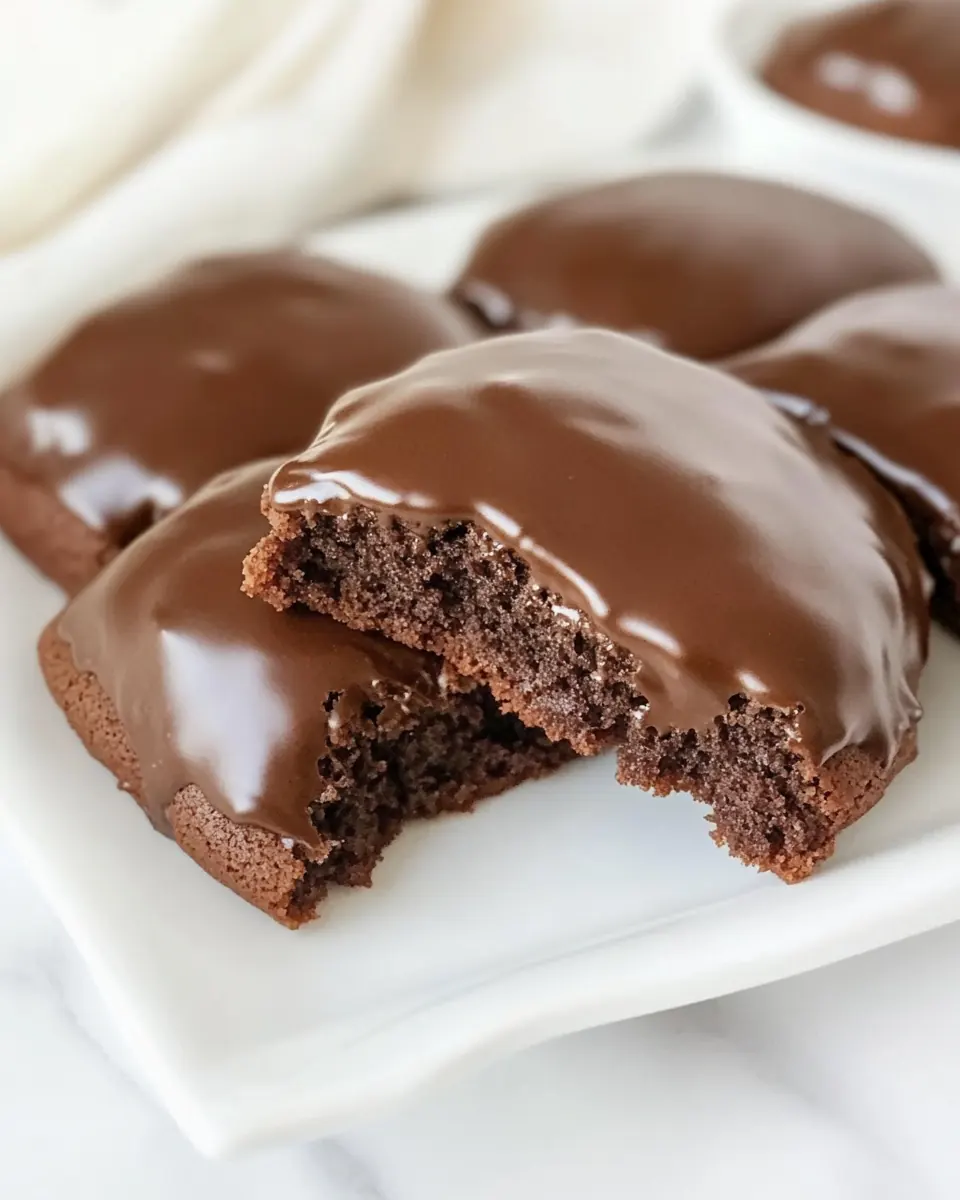
Texas Sheet Cake Cookies
Ingredients
Equipment
Method
- Line the baking sheet with parchment paper, or a silicone mat and preheat the oven to 350°F.: The oven will fill with a warm, anticipatory heat that signals readiness. Preheating ensures even rise and consistent bake, while the parchment or silicone mat prevents sticking and promotes an even bottom crust. If you skip preheating, cookies may spread unevenly and bake inconsistently; always wait until the oven reaches temperature and the racks are positioned centrally for best airflow.
- Beat the butter and sugar in a stand mixer until light. Scrape the sides down frequently.: You will notice the butter become paler and the sugar integrate into a slightly fluffy mixture, which smells sweet and buttery. This creaming step incorporates tiny air pockets that lighten texture. Scraping prevents unmixed streaks and promotes an even crumb. Common mistake, not scraping, leaves pockets of fat or sugar that alter the dough structure.
- Mix in the egg and vanilla. Once incorporated add the baking powder and salt.: At this stage the batter becomes glossy and cohesive, and the aroma of vanilla lifts the chocolate notes. Adding the leavening and salt after ensures they distribute evenly without overworking. If you overmix after adding flour later, gluten can develop and produce a tougher cookie; mix just until combined.
- Slowly mix in the flour on low speed. The dough will be thick.: As the sifted all purpose flour disappears into the batter, you will see a dense, pliable dough form. Mixing slowly prevents flour clouds and maintains tenderness. The dough should not be overly sticky nor dry, test with a finger to ensure pliability. A common error is adding more flour to fix stickiness, which can make the final cookie dry and crumbly.
- Melt the chocolate chips in the microwave. Heat for 30-second increments, stirring in between, until melted. Add the melted chocolate to the cookie dough and mix.: The melting process releases a deep, warm chocolate scent and creates a glossy texture that transforms the dough visually. Stirring between intervals prevents scorching and keeps the chocolate smooth. When combined with the dough the batter will darken and look luxuriously rich. Beware overheating, which can make the chocolate grainy or seize.
- Use a cookie scoop to drop the dough onto the baking sheet. Bake for 8-9 minutes for smaller cookies and 9-11 minutes for larger cookies. Do not overcook. The top should be dry to the touch, but soft and moist in the middle.: While baking, the kitchen fills with a toasty chocolate aroma and you may hear a faint settling sound as the cookies finish. The visual cue to look for is a set top that still yields slightly under the surface when pressed. Overbaking causes dryness and a cakier texture; pull them as soon as the tops are no longer glossy and appear set.
- Using a medium saucepan stir the butter, cocoa powder, and milk over medium heat. Whisk until the butter is melted and the ingredients are combined. Remove from the heat and stir in the powdered sugar.: You will see a glossy, velvety icing come together, and the scent will be intensely chocolatey and sweet. Warmth helps the powdered sugar dissolve for a smooth finish. If the mixture becomes too thin, add more powdered sugar gradually; if too thick, a splash of milk will loosen it. Avoid boiling, which can cause graininess and change the texture.
- Once the cookies have been baked DO NOT remove them from the pan.: Leaving the cookies on the sheet allows residual heat to finish the setting while they remain tender. The residual warmth helps the icing adhere and sink slightly into the surface for a seamless finish. Removing cookies too quickly can cause them to break or the icing to slide off; allow them to rest briefly before handling.
- Use a spoon to cover each hot cookie with the icing. The cookies will get good and chocolatey! Allow the icing to set.: As you spoon the glossy topping onto each warm cookie, the icing will spread and slightly melt into the top, creating a shiny, inviting finish. The cooling process produces a gentle crackle and a firm outer glaze while the interior remains soft. A common trap is overapplying icing which pools and takes longer to set; use just enough for an even coat.
- Once set and the cookies have cooled, carefully remove the cookies from the pan.: When the icing has lost its tack and the cookies feel stable, they will lift cleanly from the parchment, revealing a tidy bottom and a beautifully glazed top. Cooling makes them easier to store without smudging the icing. Rushing this step can smear or dent the glaze, so be patient and use a thin spatula if needed.
Notes
- Chill the dough If you want thicker cookies, refrigerate the dough for 30 minutes to firm it, which slows spread while baking and yields a denser, chewier center.
- Adjust sugar Reduce the 1/3 cups sugar by a tablespoon or two if you prefer less sweetness; this keeps the chocolate prominent without being cloying.
- Swap chocolate Use a higher cocoa content for the semi-sweet chocolate chips if you want a more intense, less sweet chocolate flavor; melt gently to preserve smoothness.
- Make mini cookies Use a smaller scoop and shorten baking toward the lower end of the time window to create bite sized treats that bake very quickly.
- Thicker icing Add more powdered sugar by the tablespoon to thicken the glaze if you plan to stack cookies for gifting, preventing smudging between layers.
- Storage trick Layer cookies with parchment between them at room temperature for up to three days, or freeze in a single layer before stacking to preserve the icing finish.