Pat down the red snapper with a paper towel to ensure there is no excess liquid.: Right away you should notice the dampness going away, and the fillet will feel firmer to the touch. Drying is crucial because moisture on the surface creates steam which prevents the olive oil from making a crisp contact. If the fish is too wet, it will stick, and you will miss the desirable golden edges. A common mistake is rushing this step, which leads to uneven browning and a softer surface rather than a sear.
Generously rub both sides of the fish with olive oil. Sprinkle the salt and pepper.: When you apply the olive oil , you should see a light sheen across the flesh that helps heat transfer. The salt and pepper should sit visibly on the surface. This combination not only seasons but also amplifies Maillard browning. If you skimp on oil, the fillet can stick and tear when flipped, so be sure it is evenly coated.
Heat the grill to medium/high and ensure the grill is clean. Brush more oil over the top. Alternatively, grease a skillet or a grill pan.: A properly heated surface gives an immediate sizzle, which is the best indicator that the pan or grill is ready. You should hear the fish meet the heat with a steady hiss and see the surface start to brown at the edges within a minute. If the grill or pan is not hot enough, the fish will cook slowly and lose juices, so preheat thoroughly. A frequent error is adding the fish to a lukewarm surface, which yields soggy skin and poor color development.
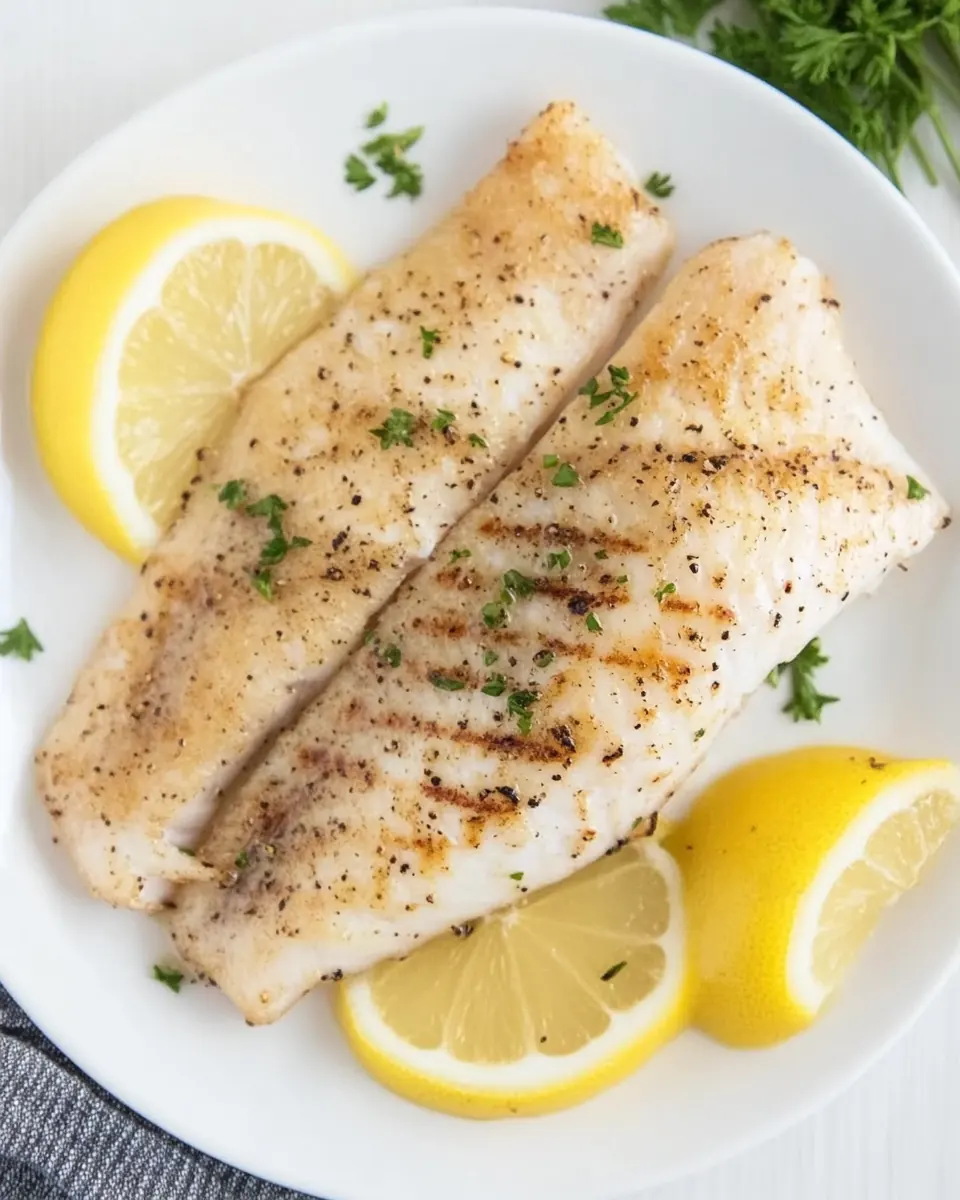
Once hot, add the snapper and cook for 2-3 minutes, or until the sides go slightly opaque. Flip the fish and cook for a further 2 minutes. If it flakes easily with a fork or reaches an internal temperature of 145°F, remove it from the heat.: In the first couple of minutes focus on listening and watching. The exterior should form an edge that turns from translucent to opaque, and the sizzle should remain steady but not violent. You'll notice the aroma deepen as browning begins. This stage sets the texture contrast between the crisp exterior and tender interior. One issue to avoid is flipping too often, which interrupts forming a crust and can cause the fillet to fall apart.
Serve immediately.: After flipping, the second side cooks faster because the initial sear continues to carry heat inward. Look for the flesh to flake when prodded gently and for the center to lose its translucent sheen. That slight flaking is the signal the protein has set and the texture is just right. Overcooking will dry the fillet, so remove promptly when ready. A typical slip up is leaving it on too long because the cook is distracted, so stay nearby during this short final stage.
Serve immediately: The finished fillet should present with a lightly crisped exterior and a moist, flaky interior. Serve while warm so the contrast is at its peak. If you hold the fish too long before plating, steam can soften the crust and lessen the textural appeal. A common serving mistake is letting the fillets sit stacked, which traps steam and reduces crispness.