Peanut Butter Cookies
Peanut Butter Cookies have been my comfort-baking go to since I was a teenager sneaking spoonfuls of peanut butter while the radio played in the kitchen.
One rainy afternoon, I decided to riff on my grandmother’s simple cookie batter and ended up with these deeply nutty, tender rounds that always vanish from the plate. I love how the aroma of peanut butter and vanilla extract fills the house, carrying me back to small victories like getting the school bake sale recipe just right. Since then, these cookies became my last minute gift, a movie-night staple, and the thing I bring when I want to be an instant crowd pleaser.
What I appreciate most is how forgiving the dough is. When life is busy and my attention drifts, the dough still behaves, folding in eggs and softened butter with grace. The little ritual of rolling each ball in sugar and pressing the criss cross with a fork feels grounding, and the tiny golden edges are the kind of victory that makes me smile. If you want warmth from the oven with minimal fuss, this recipe always delivers.
Recipe Snapshot
20 mins
10 mins
10 mins
Medium
210 kcal
American
Gluten-Free, Low FODMAP
Desserts
Hand Mixer, Baking Sheet
Why This Peanut Butter Cookies Is a Winner
Classic, nostalgic flavor
I grew up eating these and every bite brings back that comforting, familiar taste of childhood. The combination of creamy, toasty peanut butter and brown sugar creates a caramel like depth that keeps you coming back for one more cookie.
Fast and forgiving
Because the method is straightforward, I often make a double batch when time is tight. You do not need perfect measuring skills to get great results, and that forgiving nature is one reason I reach for this recipe on busy weeknights or unexpected guests.
Textural contrast
I love the way the exterior becomes slightly crisp while the center stays tender. Rolling the dough in extra sugar before baking gives a delicate crunch that contrasts the soft crumb inside, which means each bite has a little bit of texture and a lot of satisfaction.
Customizable and versatile
These cookies work well whether you choose creamy or chunky peanut butter. I often switch based on what I have on hand, and both paths lead to a delightful outcome. That flexibility makes them ideal for last minute baking and gift giving.
Great for making ahead
I appreciate that the dough freezes beautifully, which lets me bake fresh cookies whenever I want without starting from scratch. That practicality makes this recipe a go to when I need a quick treat for gatherings or a sweet pick me up.
Peanut Butter Cookies Shopping List
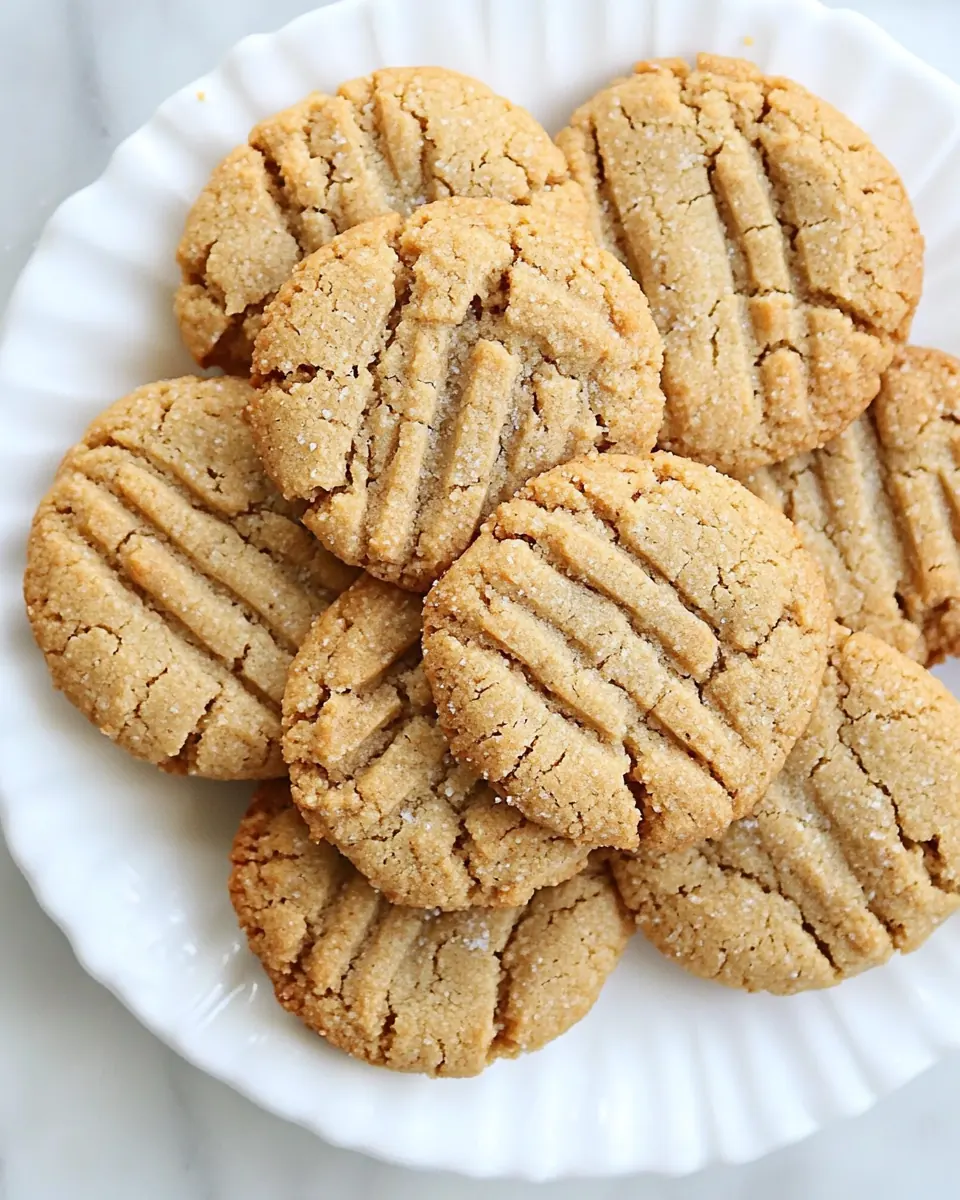
These ingredients are straightforward and work together to create balanced texture and flavor. The key players are the peanut butter for richness, the blend of brown sugar and sugar for sweetness and chew, and all purpose flour with leaveners for structure. Each item plays a specific role so the cookie puffs, spreads, and browns just right.
- 1 cup (226 g) butter, softened: Soften thoroughly to ensure easy creaming and even incorporation with sugars; contributes rich flavor and tender texture while providing structure and moisture to the dough. Chill briefly if mixture becomes too warm to help cookies hold shape during baking.
- 2 cups (540 g) peanut butter, creamy or chunky: Provide concentrated peanut flavor and fat that creates dense, chewy cookies; creamy yields smooth texture while chunky adds crunchy peanut pieces. Measure by weight for consistency and fold gently to maintain desired texture without overmixing.
- 1 cup (213 g) brown sugar, packed: Add deep caramel sweetness and moisture to enhance chewiness while contributing complex flavor notes; packed brown sugar helps create a softer, moister crumb. Cream with butter to incorporate air and ensure even distribution throughout the dough.
- 1 cup (198 g) sugar: Provide clean sweetness and assist in creaming with butter for lighter texture and proper spread control; helps balance flavors and caramelization during baking. Use granulated sugar measurements as specified for consistent results.
- 1 teaspoon (4.7 g) vanilla extract: Add aromatic sweet flavor and enhance overall perceived sweetness while rounding out the peanut and butter notes; a small amount intensifies complexity without overpowering. Stir in with wet ingredients to distribute flavor evenly.
- 2 large (100 g) eggs: Bind ingredients together and contribute lift, moisture, and structure through protein; eggs also help create a tender, cohesive cookie texture. Beat lightly before adding to ensure even distribution and avoid overworking the dough.
- 2 1/2 cups (300 g) all-purpose flour: Give structure and bulk through gluten development while providing the dry matrix that holds fats and sugars; affects chewiness and spread depending on how much it is mixed. Sift or whisk if needed to remove lumps and ensure even incorporation.
- 1 teaspoon (6 g) baking soda: Provide chemical leavening to create controlled rise and lightness by releasing carbon dioxide when combined with wet ingredients; helps cookies achieve a tender crumb and slight lift. Measure precisely to avoid metallic or soapy off-flavors.
- 1/2 teaspoon (2 g) baking powder: Work as a secondary leavening agent to balance rise and acidity, contributing subtle tenderness and preventing excessive spread by moderating browning. Combine with baking soda to produce a balanced rise and texture in the finished cookies.
- 1 teaspoon (2.6 g) kosher salt: Enhance and balance sweetness while strengthening dough flavor profile; kosher salt brings out peanut and butter notes and controls overall taste. Dissolve evenly in wet ingredients to avoid localized salty pockets.
- 1/2 cup (99 g) sugar, for rolling: Coat dough balls to create a sweet, slightly crisp exterior and additional texture contrast; rolling in sugar adds sparkle and a fine crunch to each bite. Use specified amount to ensure uniform appearance and sweet bite on the surface.
Recipe Directions for Peanut Butter Cookies
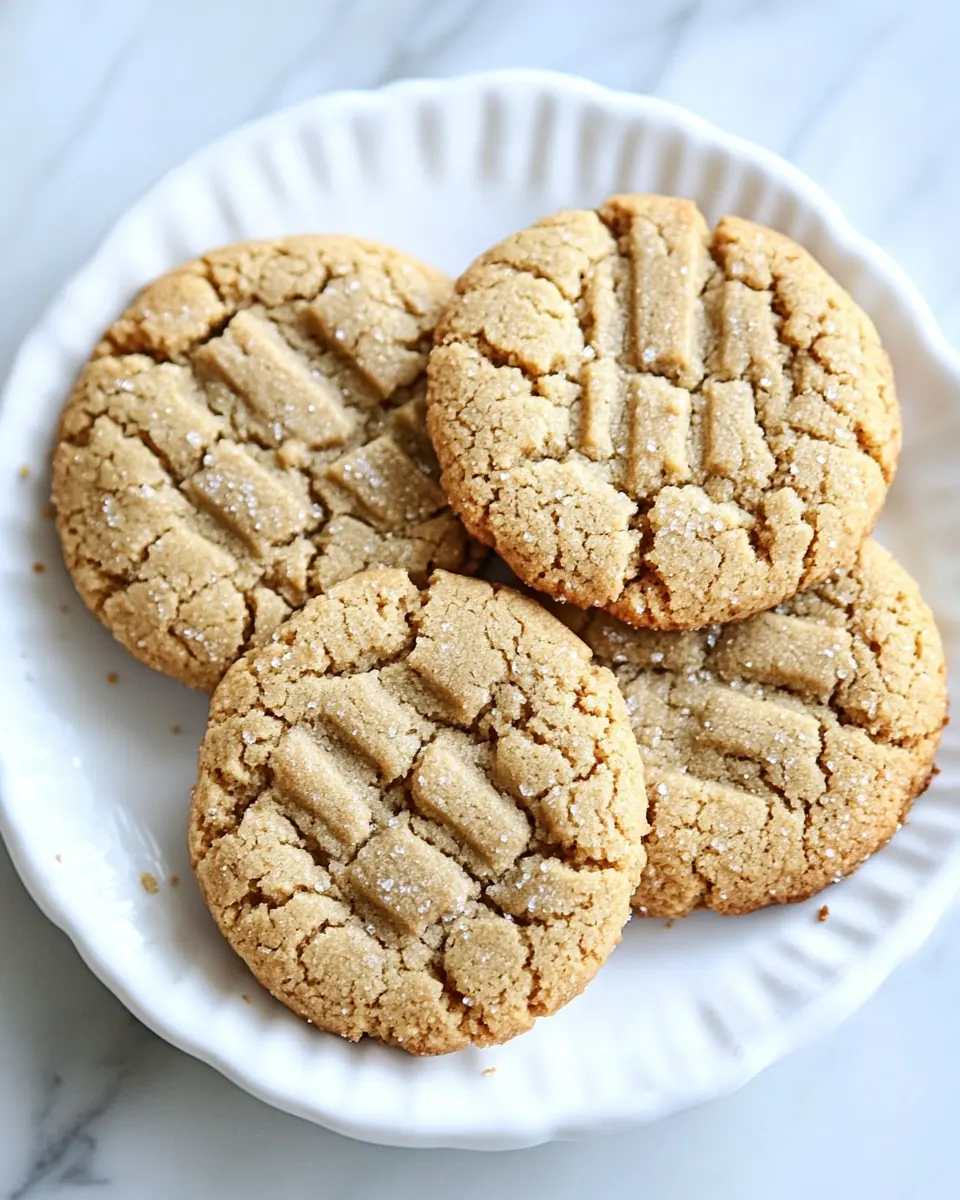
I like to approach the baking portion with calm focus, because small cues tell you when the cookies are perfectly done. Follow the steps below and pay close attention to the aromas and visual changes as the cookies bake.
- Preheat oven to 350º F.: As the oven warms, you should smell a faint dryness in the air and the kitchen will start to feel cozy, which primes the dough for even baking. Preheating ensures consistent rising and browning because dough placed into a fully heated oven begins its chemical reactions immediately. A common mistake is placing cookies into an oven that is not up to temperature, which leads to uneven spread and longer bake times. Make sure your oven rack is centered so heat circulates evenly, and if your oven runs hot or cold consider using an oven thermometer for accuracy.
- Cream together butter, peanut butter, sugars, and vanilla extract. Add in eggs one at a time, being sure to fully combine each.: Once you start creaming, listen for a soft, steady whipping sound from your hand mixer and watch the mixture lighten in color and fluff slightly, indicating air has been incorporated which creates tender cookies. The aroma will be rich and nutty as the peanut butter melds with the butter and sugars, and you will notice the mixture becomes glossy when the eggs are added. This step matters because well creamed fats and sugars trap air that expands in the oven for proper texture. Avoid adding all the eggs at once, which can deflate the batter and cause uneven texture; if the mixture looks curdled, mix gently until smooth rather than over beating.
- Whisk together all dry ingredients and cream with peanut butter mixture until just combined. Be careful not to over mix.: When you combine the bowl of dry all purpose flour , baking soda , baking powder , and kosher salt , you should see a uniform pale tan color and smell the faint toasted notes from the leaveners. Folding the dry into the wet preserves air bubbles, which is why you stop when the streaks disappear, not when the batter is perfectly smooth. Over mixing develops too much gluten and yields a tougher cookie, so fold slowly using a spatula and stop as soon as the flour is incorporated. If the dough feels overly sticky, chill briefly, but do not add extra flour or the cookies will dry out.
- Scoop dough and roll into a ball and then roll in sugar and place on baking sheet about 2 inches apart as the cookies will spread.: As you shape the dough, you will notice a soft, pliable texture that holds shape when rolled. The tactile sensation of rolling in the palm gives you a sense of readiness; too wet and the dough will not form nice rounds, too dry and it will crack. Rolling each ball in the extra sugar creates a sparkling surface and a slight crunch after baking. Space them properly because the cookies will spread and merge if placed too close. A mistake is overcrowding the baking sheet , which prevents air circulation and leads to uneven browning.
- Dip tines of the fork into sugar and then press into the top of the cookie to form a criss-cross pattern.: The pressing action flattens the dough for even baking and makes those classic indentations that increase surface area for browning. When you press, the cookie should yield smoothly and reveal a faint gloss where the sugars and oils meet. The sound is a quiet, soft pop as the fork meets the dough, and the visual grid helps the cookie bake and brown uniformly. Avoid pressing so hard that the cookie becomes paper thin, otherwise it will crisp up too much and lose a tender center.
- Place in preheated oven and bake between 10 – 15 minutes, depending on your oven.: During baking you will first notice a sweet, nutty aroma that deepens as the edges begin to turn golden. The tops will set and form tiny fissures while the edges get a warm tan color. This time window matters because overbaking dries out the cookie, while underbaking leaves it doughy in the middle. Common troubleshooting is not rotating the baking sheet ; if your oven has hot spots, rotate halfway to ensure uniform color. Remove when the centers look set but still slightly soft, they will continue to firm as they cool.
- Remove from oven and allow to sit for about 2 minutes to cool before removing to a wire rack to cool completely.: Right after pulling them from the oven, the cookies will feel delicate, almost jiggly in the center, and that is the moment to let residual heat finish the cooking. The exterior will crisp a touch as steam escapes, and waiting those two minutes prevents them from breaking when transferred. A common mistake is moving them too soon, which can cause flattening or tearing, or letting them sit too long on a hot pan, which can overcook the bottoms. Use a thin spatula to gently lift them onto a wire rack so air circulates and cooling is even.
Making Adjustments
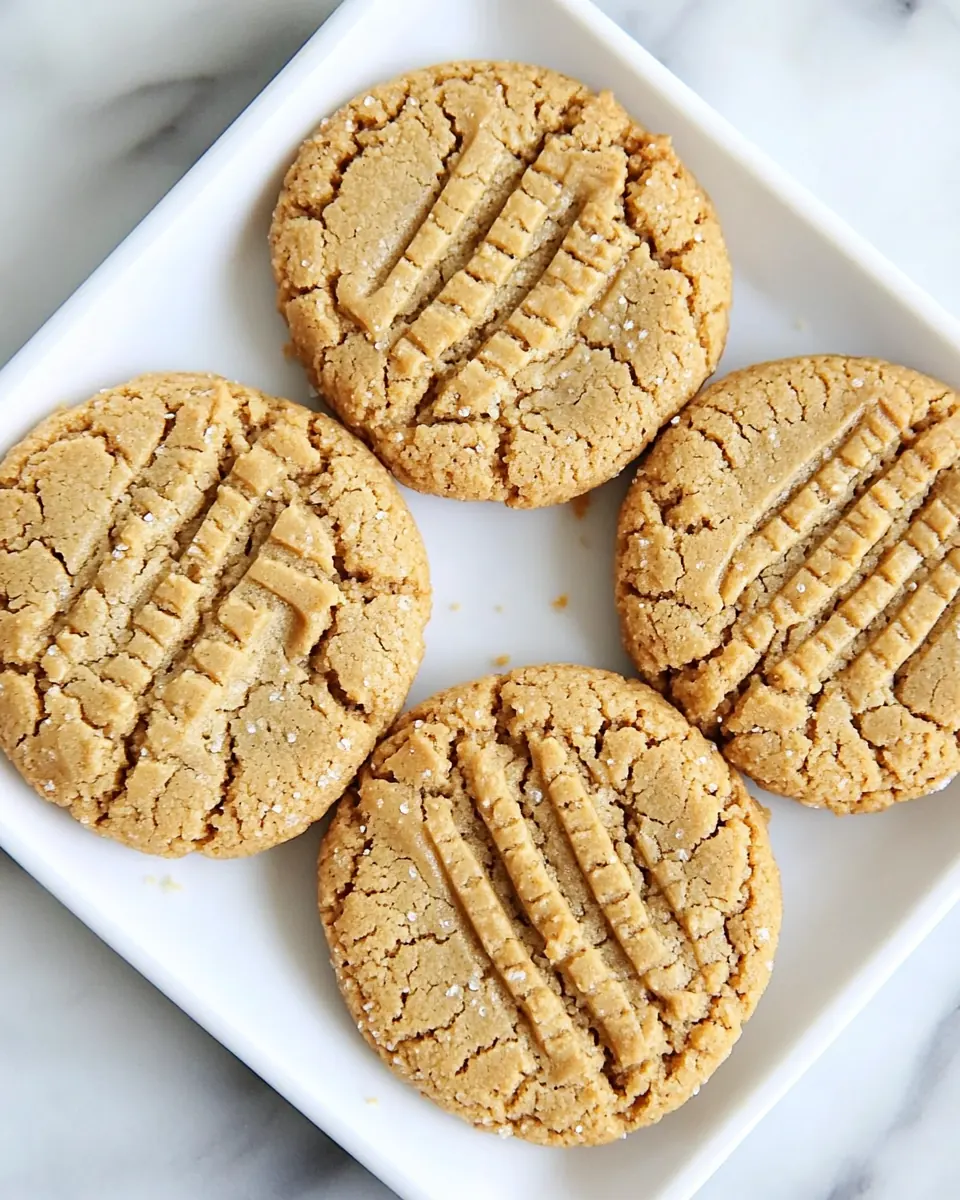
I keep notes on slight tweaks that improve the cookie for different outcomes. Below are practical adjustments I use often, each item expanded into a clear tip so you can choose the right path for your baking mood.
- Choose creamy or chunky – If you want a uniform, tender interior pick creamy peanut butter. For extra crunch and nutty texture select chunky; both work well but change the mouthfeel.
- Adjust baking time for size – Smaller cookies need less time, while larger scoops will require extra minutes. Keep an eye on color and texture rather than strictly following minutes.
- Use room temperature ingredients – Allow butter and eggs to come to room temperature so they blend smoothly, giving a consistent dough that bakes evenly.
- Chill the dough if needed – If your dough feels overly soft, pop it in the fridge for 15 to 30 minutes to reduce spread and create a thicker cookie.
- Freeze shaped cookies for later – Place rolled and sugared balls on a tray, freeze until firm, then transfer to a bag for up to three months; bake straight from frozen, adding a couple of minutes to the bake time.
- Monitor oven variations – Because ovens differ, use an oven thermometer and adjust times to match your equipment, aiming for golden edges and set centers.
Perfect Pairings for Peanut Butter Cookies
These cookies are wonderfully flexible for many occasions and pairings. Below are ideas for serving contexts, storage suggestions, and seasonal touches that help you present them beautifully.
- Casual snack – Serve a plate of room temperature cookies on a tray for coffee breaks or afternoon snacks, they pair well with fresh fruit for contrast.
- Party platter – Arrange cookies with small labels and pair with other simple sweets for a dessert table at gatherings or potlucks.
- Gift giving – Stack cooled cookies in a tin or airtight box with parchment between layers, they transport well and make thoughtful homemade gifts.
- Make ahead and freeze – Freeze shaped dough balls or fully baked cookies; thaw at room temperature and warm briefly in a low oven for a bakery fresh experience.
- Seasonal serving – These cookies work year round for holidays and everyday treats; highlight them during colder months when the warm nutty aroma is extra comforting.
- Storage tips – Store in an airtight container at room temperature for up to one week, or freeze for up to one month, separating layers with parchment to prevent sticking.
- Occasions – Great for school bake sales, movie nights, casual dinners, and festive gatherings where a familiar cookie will be appreciated.
FAQ
Conclusion
What makes these Peanut Butter Cookies special is their perfect balance of nutty richness and tender crumb, with a sparkly sugared exterior that adds delightful texture. Give them a try because they are fast to make, forgiving for beginners, and endlessly adaptable to your pantry. I hope these cookies become one of your go to treats for cozy nights, gatherings, or last minute gifting, bringing warmth and simple joy with every batch.
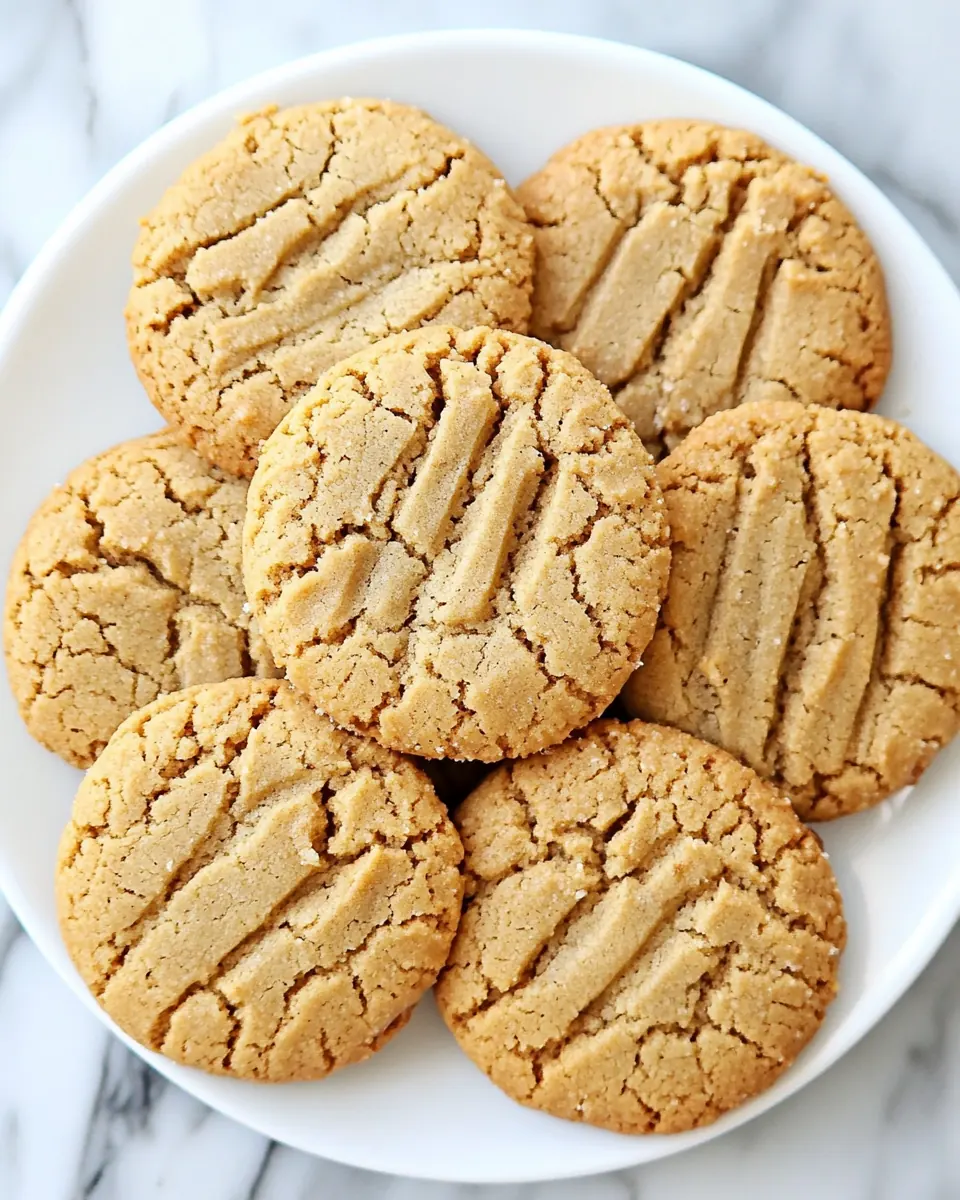
Peanut Butter Cookies
Ingredients
Equipment
Method
- Preheat oven to 350º F.: As the oven warms, you should smell a faint dryness in the air and the kitchen will start to feel cozy, which primes the dough for even baking. Preheating ensures consistent rising and browning because dough placed into a fully heated oven begins its chemical reactions immediately. A common mistake is placing cookies into an oven that is not up to temperature, which leads to uneven spread and longer bake times. Make sure your oven rack is centered so heat circulates evenly, and if your oven runs hot or cold consider using an oven thermometer for accuracy.
- Cream together butter, peanut butter, sugars, and vanilla extract. Add in eggs one at a time, being sure to fully combine each.: Once you start creaming, listen for a soft, steady whipping sound from your hand mixer and watch the mixture lighten in color and fluff slightly, indicating air has been incorporated which creates tender cookies. The aroma will be rich and nutty as the peanut butter melds with the butter and sugars, and you will notice the mixture becomes glossy when the eggs are added. This step matters because well creamed fats and sugars trap air that expands in the oven for proper texture. Avoid adding all the eggs at once, which can deflate the batter and cause uneven texture; if the mixture looks curdled, mix gently until smooth rather than over beating.
- Whisk together all dry ingredients and cream with peanut butter mixture until just combined. Be careful not to over mix.: When you combine the bowl of dry all purpose flour , baking soda , baking powder , and kosher salt , you should see a uniform pale tan color and smell the faint toasted notes from the leaveners. Folding the dry into the wet preserves air bubbles, which is why you stop when the streaks disappear, not when the batter is perfectly smooth. Over mixing develops too much gluten and yields a tougher cookie, so fold slowly using a spatula and stop as soon as the flour is incorporated. If the dough feels overly sticky, chill briefly, but do not add extra flour or the cookies will dry out.
- Scoop dough and roll into a ball and then roll in sugar and place on baking sheet about 2 inches apart as the cookies will spread.: As you shape the dough, you will notice a soft, pliable texture that holds shape when rolled. The tactile sensation of rolling in the palm gives you a sense of readiness; too wet and the dough will not form nice rounds, too dry and it will crack. Rolling each ball in the extra sugar creates a sparkling surface and a slight crunch after baking. Space them properly because the cookies will spread and merge if placed too close. A mistake is overcrowding the baking sheet , which prevents air circulation and leads to uneven browning.
- Dip tines of the fork into sugar and then press into the top of the cookie to form a criss-cross pattern.: The pressing action flattens the dough for even baking and makes those classic indentations that increase surface area for browning. When you press, the cookie should yield smoothly and reveal a faint gloss where the sugars and oils meet. The sound is a quiet, soft pop as the fork meets the dough, and the visual grid helps the cookie bake and brown uniformly. Avoid pressing so hard that the cookie becomes paper thin, otherwise it will crisp up too much and lose a tender center.
- Place in preheated oven and bake between 10 – 15 minutes, depending on your oven.: During baking you will first notice a sweet, nutty aroma that deepens as the edges begin to turn golden. The tops will set and form tiny fissures while the edges get a warm tan color. This time window matters because overbaking dries out the cookie, while underbaking leaves it doughy in the middle. Common troubleshooting is not rotating the baking sheet ; if your oven has hot spots, rotate halfway to ensure uniform color. Remove when the centers look set but still slightly soft, they will continue to firm as they cool.
- Remove from oven and allow to sit for about 2 minutes to cool before removing to a wire rack to cool completely.: Right after pulling them from the oven, the cookies will feel delicate, almost jiggly in the center, and that is the moment to let residual heat finish the cooking. The exterior will crisp a touch as steam escapes, and waiting those two minutes prevents them from breaking when transferred. A common mistake is moving them too soon, which can cause flattening or tearing, or letting them sit too long on a hot pan, which can overcook the bottoms. Use a thin spatula to gently lift them onto a wire rack so air circulates and cooling is even.
Notes
- Choose creamy or chunky - If you want a uniform, tender interior pick creamy peanut butter. For extra crunch and nutty texture select chunky; both work well but change the mouthfeel.
- Adjust baking time for size - Smaller cookies need less time, while larger scoops will require extra minutes. Keep an eye on color and texture rather than strictly following minutes.
- Use room temperature ingredients - Allow butter and eggs to come to room temperature so they blend smoothly, giving a consistent dough that bakes evenly.
- Chill the dough if needed - If your dough feels overly soft, pop it in the fridge for 15 to 30 minutes to reduce spread and create a thicker cookie.
- Freeze shaped cookies for later - Place rolled and sugared balls on a tray, freeze until firm, then transfer to a bag for up to three months; bake straight from frozen, adding a couple of minutes to the bake time.
- Monitor oven variations - Because ovens differ, use an oven thermometer and adjust times to match your equipment, aiming for golden edges and set centers.