Preheat oven to 350º F.: As the oven warms, you should smell a faint dryness in the air and the kitchen will start to feel cozy, which primes the dough for even baking. Preheating ensures consistent rising and browning because dough placed into a fully heated oven begins its chemical reactions immediately. A common mistake is placing cookies into an oven that is not up to temperature, which leads to uneven spread and longer bake times. Make sure your oven rack is centered so heat circulates evenly, and if your oven runs hot or cold consider using an oven thermometer for accuracy.
Cream together butter, peanut butter, sugars, and vanilla extract. Add in eggs one at a time, being sure to fully combine each.: Once you start creaming, listen for a soft, steady whipping sound from your hand mixer and watch the mixture lighten in color and fluff slightly, indicating air has been incorporated which creates tender cookies. The aroma will be rich and nutty as the peanut butter melds with the butter and sugars, and you will notice the mixture becomes glossy when the eggs are added. This step matters because well creamed fats and sugars trap air that expands in the oven for proper texture. Avoid adding all the eggs at once, which can deflate the batter and cause uneven texture; if the mixture looks curdled, mix gently until smooth rather than over beating.
Whisk together all dry ingredients and cream with peanut butter mixture until just combined. Be careful not to over mix.: When you combine the bowl of dry all purpose flour , baking soda , baking powder , and kosher salt , you should see a uniform pale tan color and smell the faint toasted notes from the leaveners. Folding the dry into the wet preserves air bubbles, which is why you stop when the streaks disappear, not when the batter is perfectly smooth. Over mixing develops too much gluten and yields a tougher cookie, so fold slowly using a spatula and stop as soon as the flour is incorporated. If the dough feels overly sticky, chill briefly, but do not add extra flour or the cookies will dry out.
Scoop dough and roll into a ball and then roll in sugar and place on baking sheet about 2 inches apart as the cookies will spread.: As you shape the dough, you will notice a soft, pliable texture that holds shape when rolled. The tactile sensation of rolling in the palm gives you a sense of readiness; too wet and the dough will not form nice rounds, too dry and it will crack. Rolling each ball in the extra sugar creates a sparkling surface and a slight crunch after baking. Space them properly because the cookies will spread and merge if placed too close. A mistake is overcrowding the baking sheet , which prevents air circulation and leads to uneven browning.
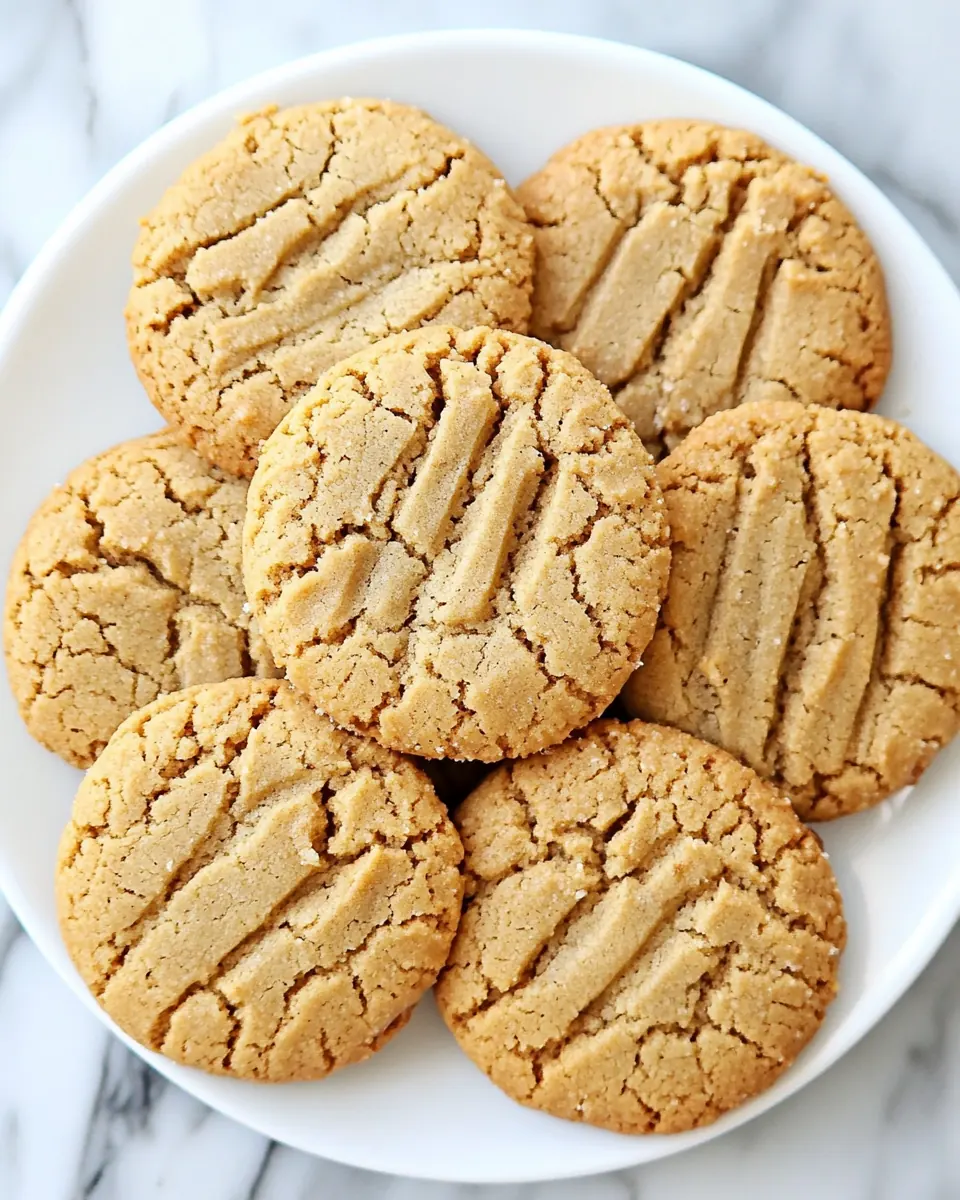
Dip tines of the fork into sugar and then press into the top of the cookie to form a criss-cross pattern.: The pressing action flattens the dough for even baking and makes those classic indentations that increase surface area for browning. When you press, the cookie should yield smoothly and reveal a faint gloss where the sugars and oils meet. The sound is a quiet, soft pop as the fork meets the dough, and the visual grid helps the cookie bake and brown uniformly. Avoid pressing so hard that the cookie becomes paper thin, otherwise it will crisp up too much and lose a tender center.
Place in preheated oven and bake between 10 – 15 minutes, depending on your oven.: During baking you will first notice a sweet, nutty aroma that deepens as the edges begin to turn golden. The tops will set and form tiny fissures while the edges get a warm tan color. This time window matters because overbaking dries out the cookie, while underbaking leaves it doughy in the middle. Common troubleshooting is not rotating the baking sheet ; if your oven has hot spots, rotate halfway to ensure uniform color. Remove when the centers look set but still slightly soft, they will continue to firm as they cool.
Remove from oven and allow to sit for about 2 minutes to cool before removing to a wire rack to cool completely.: Right after pulling them from the oven, the cookies will feel delicate, almost jiggly in the center, and that is the moment to let residual heat finish the cooking. The exterior will crisp a touch as steam escapes, and waiting those two minutes prevents them from breaking when transferred. A common mistake is moving them too soon, which can cause flattening or tearing, or letting them sit too long on a hot pan, which can overcook the bottoms. Use a thin spatula to gently lift them onto a wire rack so air circulates and cooling is even.