Pistachio Raspberry Macarons
Pistachio Raspberry Macarons arrived in my kitchen one rainy afternoon when I wanted a small, elegant project that would keep me focused and curious for hours. I remember unboxing the almond flour and sticky jars of jam, thinking these little towers of flavor would be the perfect way to practice patience and precision. The first sentence of that memory still tastes like powdered sugar and bright fruit, and every time I make Pistachio Raspberry Macarons I feel that same gentle pride.
I learned early that macarons demand attention, not perfection, and that a calm workspace makes all the difference. I set up my station with parchment templates, a calm playlist, and a timer, and I let the process slow me down. By the time the shells developed a delicate foot and a matte skin, I knew these cookies would be worth the effort. When I finally piped the buttercream and dropped a little raspberry curd in the center, the contrast of crunchy shell, creamy pistachio buttercream, and bright curd made me grin.
Recipe Snapshot
55 mins
30 mins
25 mins
Medium
200 kcal
French
Gluten-Free, Vegan
Desserts
Stand mixer, Piping bag, Ateco #803 piping tip, Saucepan, Fine mesh sieve, Baking sheets, Parchment paper, Candy thermometer
What Makes This Pistachio Raspberry Macarons Special
They look impressive, but they teach you technique
I love making Pistachio Raspberry Macarons because they force me to practice key pastry skills, like whipping an Italian style meringue and perfecting the macaronage fold. Each stage reveals something about texture, and mastering them builds confidence that carries into other bakes.
Balanced flavors that feel luxurious
The marriage of toasted pistachios and bright raspberries is why I come back to this recipe. The nuttiness of the pistachio buttercream grounds the sharp, citrusy raspberry curd, creating a bite that feels celebratory without being cloying.
Flexible for gifting and special occasions
These are small, portable, and visually stunning. I like to make a batch when I have guests or a special date, because they travel well in a shallow box and make any afternoon feel curated. They also freeze nicely if you want to prep ahead.
Technique that improves other recipes
When I spend time on the meringue and folding technique required here, my skills improve for souffles, cakes, and other delicate bakes. The precision you learn with Pistachio Raspberry Macarons translates into better texture control across the board.
A sensory play in small bites
Every element invites attention, from the whisper of the shell as you bite into it, to the velvet of the buttercream and the pop of raspberry curd. It’s a compact dessert that delivers layered enjoyment in each mouthful.
Ingredients Required for Pistachio Raspberry Macarons
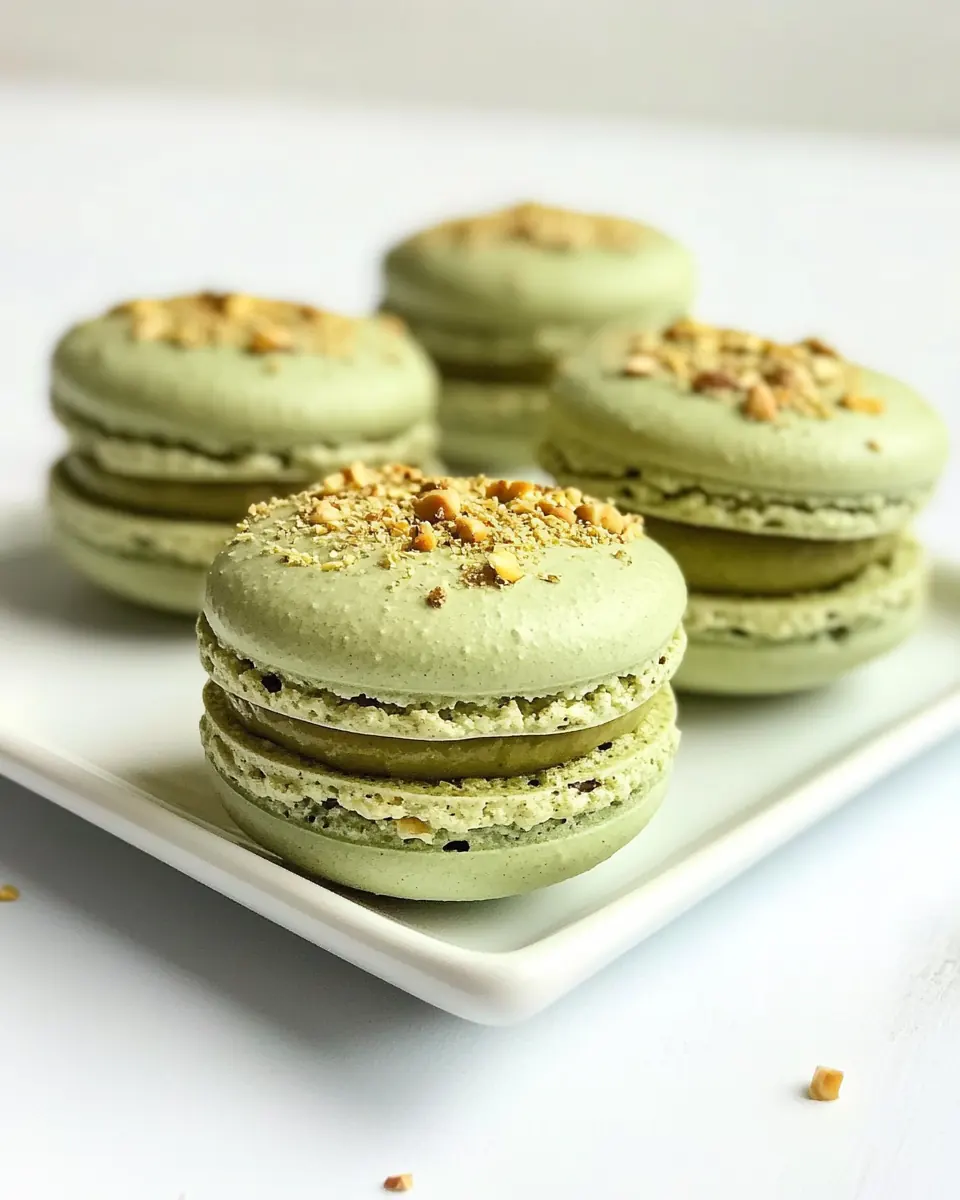
These components work together with a clear philosophy: delicate structure from the almond and sugar base, stability from carefully whipped egg whites, and bright complementary fillings to balance richness. The shells provide the crisp, airy frame, the buttercream brings a nutty, creamy middle, and the curd adds acidity and a burst of fruit that keeps the cookie lively.
- 2 cups (192 grams) superfine blanched almond flour: Provide finely ground, neutral-flavored almond meal to create the macaron shells' structure and tender crumb; sift to remove any lumps and ensure a smooth batter. Incorporate at the correct consistency to help achieve the classic smooth top and delicate interior. Measure by weight for accurate macaronage and consistent results.
- 1 1/2 cups (180 grams) confectioners' sugar: Add a powdered sugar component that blends with almond flour to sweeten and stabilize the dry mixture; sift thoroughly to avoid grit in the shells. Helps create a silky texture and contributes to proper meringue drying and macaronage. Use precise measurement to maintain the correct dry-to-wet ratio.
- 6 large egg whites, (180 grams), room temperature: Whip aged, room–temperature egg whites into a stable meringue that provides lift and structure for the macaron shells; separate carefully to avoid yolk contamination. Bring to room temperature for better volume and stability during whipping. Weigh to ensure consistent meringue strength and batch size.
- 1 cup (200 grams) granulated sugar: Dissolve into egg whites while whipping to create a glossy, stable Italian or French meringue that holds peaks and aids shell formation. Control added sugar timing and temperature for a firm, smooth meringue. Use the specified amount to balance sweetness and structural integrity.
- Green gel food coloring: Add a concentrated colorant to achieve vibrant green shells without altering batter consistency; gel coloring provides intense hue with minimal liquid. Incorporate sparingly during final macaronage to avoid overmixing. Adjust drop count to reach desired shade while keeping batter texture intact.
- 1/4 cup (28 grams) finely ground pistachios: Provide a pistachio flavor and subtle texture contrast within the shells when folded into the dry mix; use finely ground to blend smoothly with almond flour. Enhances the nutty aroma and reinforces the macachin profile. Keep texture fine to avoid compromising shell smoothness.
- Makes about 2 1/2 cups: Indicate the approximate yield of the shell batter to help plan batch sizes and portioning for piping; useful for scaling and timing multiple trays. Guides expectations for how many shells can be produced from the quantities given. Note that actual yield may vary slightly with piping size and skill.
- 3/4 cup (170 grams) unsalted butter, softened: Create a rich, creamy buttercream base with softened unsalted butter to attach filled macaron halves; whip until light and airy for smooth spreadability. Provides fat and structure to carry flavor and stabilize fillings at room temperature. Use softened butter for easier emulsification with sugars and inclusions.
- 3 cups (360 grams) confectioners' sugar: Add powdered sugar to the butter to sweeten and stabilize the buttercream while contributing to a smooth, pipeable texture; sift to prevent graininess. Controls sweetness and consistency, allowing a stable filling that pairs with delicate shells. Measure carefully to avoid overly sweet or runny filling.
- 1/4 cup (28 grams) finely ground pistachios: Introduce additional pistachio flavor to the buttercream for a pronounced nutty taste; finely ground pistachios integrate smoothly and enhance color and aroma. Balances with butter and sugar to create an unmistakable pistachio filling. Ensure grinding is fine to prevent gritty texture in the cream.
- 1/2 teaspoon (1.5 grams) kosher salt: Provide a small amount of salt to balance sweetness and enhance overall flavor in the buttercream; kosher salt offers clean, controlled salinity. Sprinkle gradually and taste to achieve the ideal savory-sweet equilibrium. Salt also rounds and brightens the pistachio notes.
- Green gel food coloring: Add gel coloring to the buttercream to match or complement the macaron shells; use concentrated pigment to avoid introducing extra liquid. Blend thoroughly to produce an even color throughout the filling. Adjust amount conservatively to achieve consistent hue without affecting texture.
- Makes about 1 1/2 cups: Offer the approximate yield of the buttercream to guide filling quantity and piping expectations for assembling macarons; useful for planning batch assembly. Helps determine if recipe amounts will suffice for the number of shells produced. Actual volume may vary slightly with aeration during whipping.
- 3 cups (390 grams) frozen raspberries: Provide a tart, fruity base ingredient by using frozen raspberries to make a jam or curd for macaron filling; thaw and strain to remove seeds if a smooth texture is desired. Contributes bright raspberry flavor and natural color to complement pistachio notes. Frozen fruit offers convenience and consistent availability.
- 1/2 cup (100 grams) granulated sugar: Add granulated sugar to sweeten and help macerate the raspberries, extracting juices and balancing acidity; cook with fruit to create a jammy filling. Controls tartness and helps set the raspberry component when combined with thickeners. Adjust sugar slightly if fruit sweetness varies.
- 2 teaspoons (3 grams) lemon zest: Contribute aromatic citrus oils from lemon zest to brighten and lift the raspberry filling's flavor profile; grate finely to avoid bitter pith. Adds a fresh, zesty note that enhances fruitiness and balances richness of buttercream. Incorporate during cooking to release essential oils effectively.
- 1 tablespoon (15 grams) fresh lemon juice: Provide fresh lemon juice to add acidity and freshness, helping balance sweetness and aid in gel formation when combined with cornstarch. Enhances brightness and preserves vibrant raspberry flavor in the filling. Measure fresh for best flavor impact.
- 3 large egg yolks, (56 grams), room temperature: Thicken the raspberry mixture and stabilize the curd or jam by incorporating egg yolks that add richness and silkiness when gently cooked with fruit and sugar. Yolks contribute color, body, and a custardy texture to the filling while aiding emulsification. Use room–temperature yolks for even incorporation and temper them carefully to avoid scrambling.
- 3 tablespoons (24 grams) cornstarch: Act as a thickening and stabilizing agent that helps set the raspberry filling when cooked, producing a glossy, jam-like consistency without altering flavor. Dissolve cornstarch into a small amount of liquid before adding to prevent lumps and ensure even thickening. Use the specified amount for the intended firmness.
- 1/4 teaspoon kosher salt: Provide a subtle salt boost to the raspberry filling to enhance fruit flavors and counterbalance sweetness; kosher salt offers clean, measurable salinity. Stir in judiciously and taste to ensure proper balance. Salt also helps amplify the natural raspberry aroma.
- 2 tablespoons (56 grams) unsalted butter, softened: Finish the raspberry filling with a small amount of softened unsalted butter to add silkiness, sheen, and a richer mouthfeel; whisk in off heat for a glossy texture. Butter enriches the filling and smooths the final consistency, making it easier to pipe between macaron shells. Use softened butter for seamless incorporation.
Step by Step Guide for Pistachio Raspberry Macarons
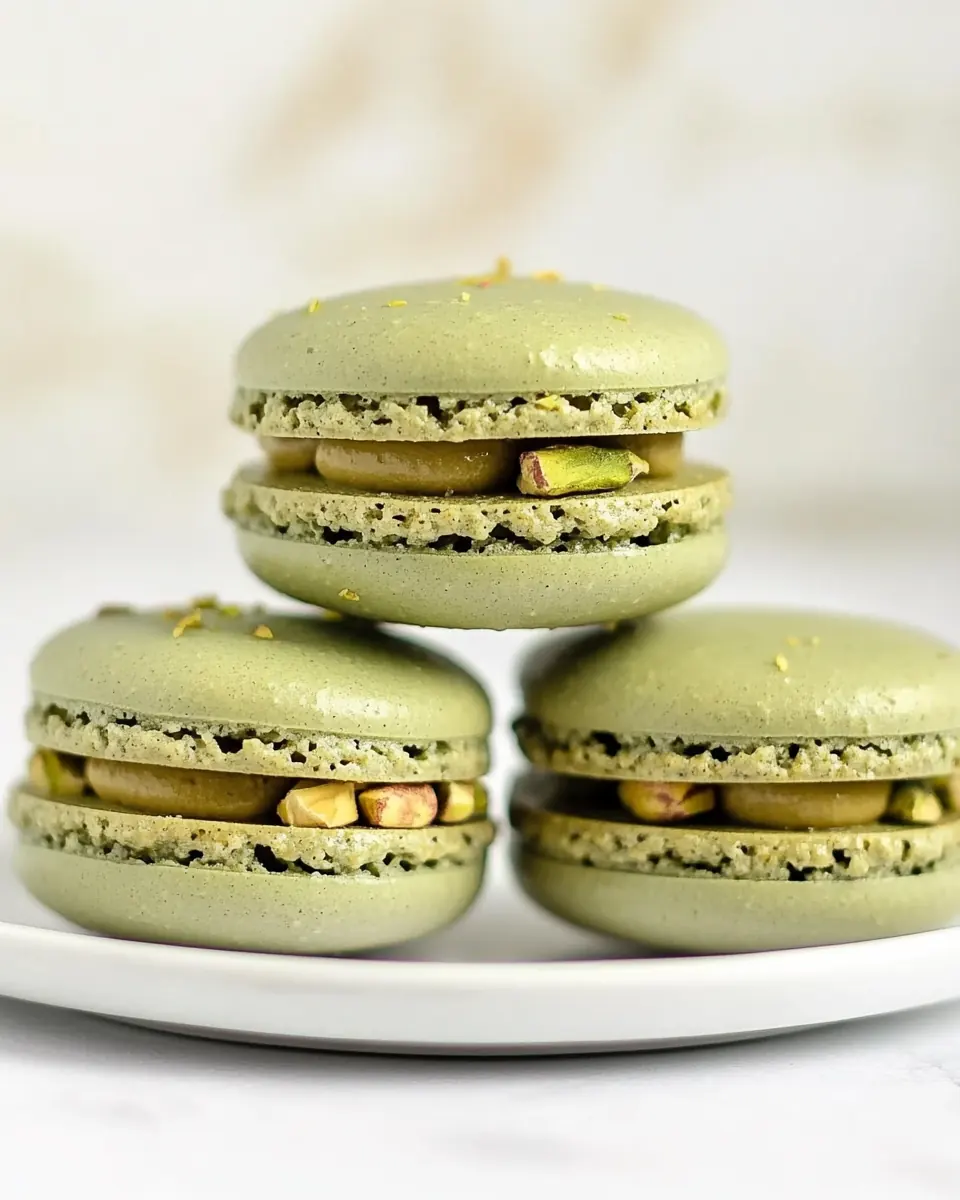
These directions require focus and patience, but I promise the ritual is rewarding. I like to read each step fully before starting, and I prepare my tools so the flow is calm. Expect to move between meringue making, folding, baking shells, and preparing two fillings that finish the cookies.
- Using a permanent marker, draw 2-inch circles 1 inch apart on 2 sheets of parchment paper (24 per sheet). Place parchment, marker side down, on 3 rimmed baking sheets.: The tactile action of drawing templates sets the pace, and you can hear the pen on the paper as you create uniform guides. This visual consistency matters because it makes piping predictable, which leads to even baking and matching halves. A common oversight is piping without a template, which produces mismatched sizes and inconsistent bake times. Make sure the marker sits underneath the parchment to avoid ink transfer to the shells.
- In a medium bowl, sift together flour and confectioners' sugar.: As you sift, you will see a fine pale cloud fall into the bowl, and the aroma of the almond flour will deepen as air is incorporated. Sifting removes clumps and helps the dry mix integrate smoothly into the meringue, preventing heavy pockets that deflate the batter. Skipping this step often yields shells with uneven texture or visible graininess. Use a fine mesh sifter and take your time to ensure an even, aerated mix.
- In the heatproof bowl of a stand mixer, whisk together egg whites and granulated sugar by hand until frothy. Place bowl over a small saucepan of simmering water. Cook, whisking constantly, until sugar completely dissolves, mixture is warm to the touch, and a candy thermometer registers 160°F (71°C), about 2 minutes.: The warm sugar bath is a sensory check and gives the meringue stability; you will feel the bowl warming and hear the steady whisking. The dissolved sugar prevents gritty meringue and helps create a sheen and strength for the final peaks. A common mistake is overheating which can cook the whites; keep the water at a gentle simmer and whisk constantly to avoid scrambled texture.
- Carefully return bowl to stand mixer. Using the whisk attachment, beat at high speed until stiff peaks form. Add a small amount of food coloring, beating until desired color is reached. Fold in flour mixture. (Mixture should be thick and slowly but freely fall off the spatula in a 'V' shape, and when you drag the spatula through the batter, it should move like lava and slowly come back together.): The whipping stage is noisy with the mixer, and visually you will watch glossy peaks form that hold their shape. Adding gel food coloring at this stage prevents overworking the batter later. The fold in of the dry ingredients should be patient and rhythmic; you will feel the batter change from airy to ribbon like. Overbeating at this point will deflate the air and create flat shells; underbeating will leave batter too stiff to spread properly.
- Transfer batter to a pastry bag fitted with a medium round piping tip (Ateco #803). Holding piping tip perpendicular to pans, apply pressure to bag, leaving tip stationary, and pipe batter onto drawn circles until batter just reaches drawn circle. Move and lift tip in a quick circular motion as you finish piping each macaron shell to prevent points from forming on top of shells. Firmly tap pans vigorously on counter 5 to 7 times to release air bubbles. Sprinkle with pistachios. Let stand at room temperature until a skin forms on top, 1 to 2 hours. (Batter should feel dry to the touch and should not stick to your finger.): The act of piping has a satisfying rhythm, and you will see smooth domes forming on each circle. Tapping the pans produces a hollow thud that expels trapped air and smooths the tops; this is crucial for even feet during baking. The drying period is a visual test, when the surface becomes matte and no longer tacky; rushing this step can cause cracking in the oven. If you notice too many air pockets after tapping, you can gently pop them with a toothpick.
- Preheat oven to 300°F (150°C).: Preheating delivers the correct ambient environment so shells develop feet and cook through evenly; you may hear the oven fan and feel the warmth when you open the door. An incorrect oven temperature will lead to overbrowned bottoms or underdeveloped feet, so use an oven thermometer if possible. Avoid opening the door during the bake because temperature fluctuations can collapse the shells.
- Bake, one pan at a time, until firm but wobbles slightly at the touch, 20 to 25 minutes. Let cool completely on pans.: As they bake, you will notice feet forming and a faint almond aroma drifting from the oven. The shells should feel set yet slightly jiggly in the centre, which indicates proper internal structure. Overbaking will dry them out and remove the chewy interior; underbaking makes them sticky and hard to remove. Let them cool fully on the pan to firm up, which helps prevent tearing when you lift them.
- Remove cooled macaron shells from pans. Turn half of shells flat side up.: When you separate shells, you may hear a delicate snap; that is a good sign of correct structure. Turning half the shells flat side up prepares them for filling and presentation alignment. Forcing shells off the parchment before they are fully cool often results in broken or deformed halves.
- Spoon Pistachio Buttercream into a pastry bag fitted with a 1/4-inch round piping tip. Pipe a border of buttercream (about a heaping 1 tablespoon or 9 grams) onto shells with flat side up.: The buttercream should feel silky as it flows through the bag, and piping a border creates a small moat to hold the curd. The tactile pressure needed on the bag controls portion size, and the contrast of the creamy butter against the crisp shell is immediate. If your buttercream is too warm it will flatten and not hold shape; too cold and it will be lumpy when piping.
- Spoon Raspberry Curd into a pastry bag; cut a 1/2-inch opening in tip. Fill center of buttercream border with curd (about 3 grams each). Gently top with remaining shells, flat side down. (Use light pressure to avoid cracking). Best served same day. Refrigerate in an airtight container for up to 3 days.: The bright, glossy curd feels cool against the warm buttercream and offers a tangy scent. Using a small opening controls the amount of curd and prevents seeping. Pressing the top shell gently keeps the sandwich intact without cracking; applying too much pressure will split the shell. If curd oozes, it may mean you piped too much or the buttercream border is insufficient.
- In the bowl of a stand mixer fitted with the paddle attachment, beat butter at medium speed until creamy, 2 to 3 minutes. Gradually add confectioners' sugar, pistachios, and salt, beating until smooth, stopping to scrape sides of bowl. Add a small amount of food coloring; beat until well combined, light, and fluffy, about 2 minutes. Use immediately.: When kept in an airtight container the macarons maintain texture, and chilling slightly melds flavors without ruining the shell if not overly moist. Refrigeration will slightly soften the shell and intensify the buttercream flavor. Storing them too long causes sogginess, so try to enjoy within the suggested window for best texture.
- In a medium saucepan, bring raspberries, sugar, and lemon zest and juice to a boil over medium heat, stirring occasionally until sugar dissolves. Reduce heat, and simmer for 5 minutes. Transfer mixture to the container of a blender, and blend until smooth. Strain mixture through a fine-mesh sieve, discarding solids. Return mixture to saucepan, and heat over medium heat.: As you beat, the butter transforms from dense to airy, taking on a pale color and a soft, spreadable texture. Gradual addition of the confectioners' sugar prevents dust clouds and ensures a smooth emulsion. If the mixture breaks or looks curdled, chilling briefly and rebeating can help. Avoid overbeating which can introduce too much air and change texture when piped.
- In a medium bowl, whisk together egg yolks, cornstarch, and salt. Add about one-fourth of hot raspberry mixture to egg yolk mixture, whisking constantly. Whisk egg yolk mixture into remaining hot raspberry mixture in pan. Cook over medium-high heat, whisking constantly, until thickened, 5 to 7 minutes. Remove from heat; whisk in butter 1 tablespoon (14 grams) at a time, until melted and smooth after each addition. Cover and refrigerate until thick and cold before using, at least 2 hours or up to 1 week.: The raspberries will bubble and release a vivid aroma that brightens the kitchen. Blending and straining removes seeds and creates a satin puree ready for curd. If seeds remain, your curd will have texture and may not set as smoothly. Maintain a gentle simmer to avoid scorching and stirring frequently helps even cooking.
- In a medium bowl, whisk together egg yolks, cornstarch, and salt. Add about one fourth of hot raspberry mixture to egg yolk mixture, whisking constantly. Whisk egg yolk mixture into remaining hot raspberry mixture in pan. Cook over medium high heat, whisking constantly, until thickened, 5 to 7 minutes. Remove from heat; whisk in butter 1 tablespoon (14 grams) at a time, until melted and smooth after each addition. Cover and refrigerate until thick and cold before using, at least 2 hours or up to 1 week.: The thickening stage is dramatic, as the curd moves from glossy liquid to a spoonable custard and releases an intensified fragrant steam. Tempering the yolks prevents scrambling, and whisking continuously gives a silken finish. A common pitfall is not whisking enough which yields lumps; if that happens, strain again and whisk vigorously or use an immersion blender for rescue. Cooling fully ensures the curd holds shape when assembled.
Customization Ideas
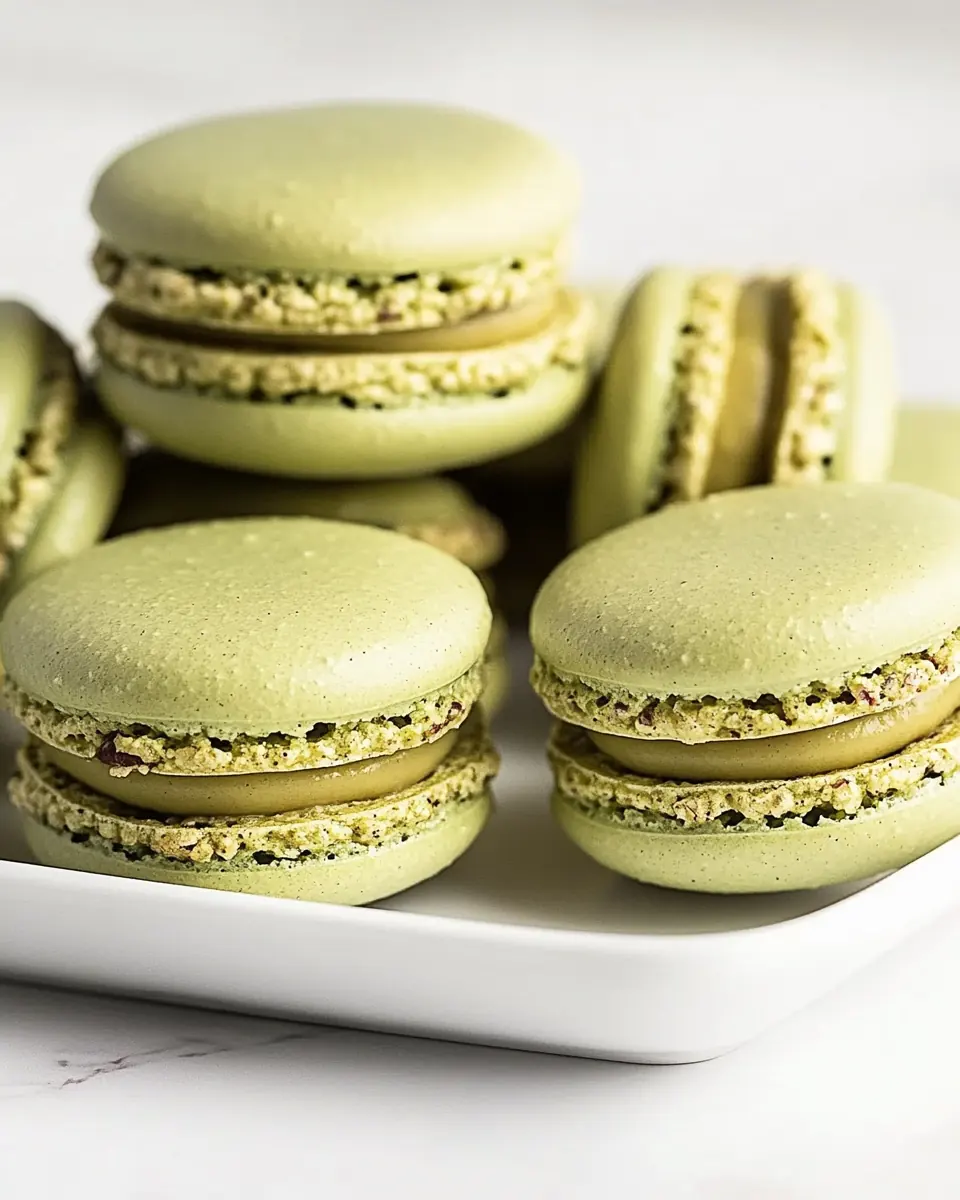
There are several ways to adapt this recipe while keeping the core technique intact. Below are focused tips and variations to tweak texture, flavor, and presentation while preserving the essential macaron process.
- Swap nut flavor: Replace ground pistachios in the buttercream with an equal weight of finely ground toasted pistachios for a more intense nutty note, because toasting amplifies aroma without changing structure.
- Color and presentation: Use the gel food coloring sparingly to achieve a natural pastel, because too much concentrated color can affect batter viscosity and taste.
- Adjust sweetness: Reduce the buttercream confectioners’ sugar by a small amount if you prefer a less sweet profile, because the raspberry curd adds acidity that balances lower sugar levels.
- Make ahead: Prepare the raspberry curd up to a week in advance and refrigerate, because chilling deepens flavor and simplifies assembly day.
- Texture control: If your shells are too chewy, try slightly increasing drying time before baking, because additional skin formation yields crisper exteriors and proper feet.
Serving Suggestions
I like to serve these at tea time or as a delicate dessert for a dinner party, because they pair beautifully with light beverages and make an elegant centerpiece. They work well on festive tables during spring, as the green hue complements seasonal decor. Below are detailed serving ideas and storage notes to help you plan presentation and timing.
- On a dessert platter: Arrange the macarons in concentric circles on a shallow platter for an elegant display, because their uniform size and color create visual rhythm and invite guests to pick one gently.
- For afternoon tea: Pair with light herbal tea or a citrusy iced beverage, because the tea cleanses the palate and lets the nutty and fruity layers shine without overpowering them.
- Gifting: Place in a shallow box with baking paper layers and a ribbon, because the secure packaging prevents movement and preserves shape during transport.
- Occasions: Great for spring gatherings, bridal showers, or Ramadan if you want a refined sweet to break a fast gently, because their small size offers a satisfying sweet bite without heaviness.
- Storage tip: Store in an airtight container in the refrigerator for up to 3 days, because cold helps stabilize buttercream and curd, but avoid long storage to prevent sogginess.
- Freezing: Freeze assembled macarons on a tray until solid, then transfer to a sealed container for up to one month, because quick freezing preserves structure and texture better than slow temperature changes.
FAQ
Conclusion
These Pistachio Raspberry Macarons shine because they combine delicate technique with bold, balanced flavors. They reward patience and offer a satisfying contrast between crisp shells, nutty buttercream, and bright fruit curd. I encourage you to give them a try, embrace the meditative aspects of piping and folding, and celebrate the small triumph when your first successful sandwich comes together. Share them with friends or keep them for a quiet moment of indulgence, because this recipe turns intentional effort into a memorable treat.
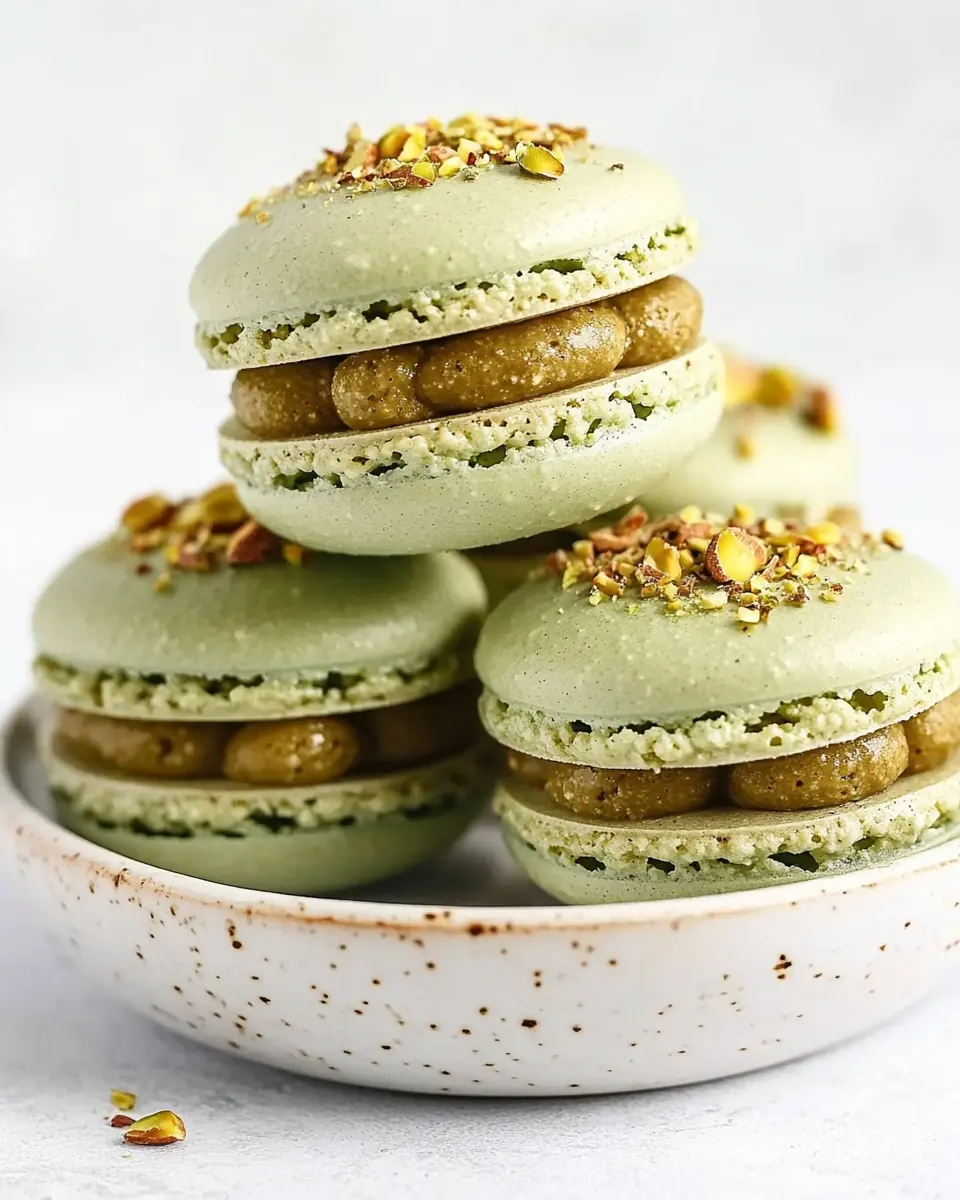
Pistachio Raspberry Macarons
Ingredients
Equipment
Method
- Using a permanent marker, draw 2-inch circles 1 inch apart on 2 sheets of parchment paper (24 per sheet). Place parchment, marker side down, on 3 rimmed baking sheets.: The tactile action of drawing templates sets the pace, and you can hear the pen on the paper as you create uniform guides. This visual consistency matters because it makes piping predictable, which leads to even baking and matching halves. A common oversight is piping without a template, which produces mismatched sizes and inconsistent bake times. Make sure the marker sits underneath the parchment to avoid ink transfer to the shells.
- In a medium bowl, sift together flour and confectioners' sugar.: As you sift, you will see a fine pale cloud fall into the bowl, and the aroma of the almond flour will deepen as air is incorporated. Sifting removes clumps and helps the dry mix integrate smoothly into the meringue, preventing heavy pockets that deflate the batter. Skipping this step often yields shells with uneven texture or visible graininess. Use a fine mesh sifter and take your time to ensure an even, aerated mix.
- In the heatproof bowl of a stand mixer, whisk together egg whites and granulated sugar by hand until frothy. Place bowl over a small saucepan of simmering water. Cook, whisking constantly, until sugar completely dissolves, mixture is warm to the touch, and a candy thermometer registers 160°F (71°C), about 2 minutes.: The warm sugar bath is a sensory check and gives the meringue stability; you will feel the bowl warming and hear the steady whisking. The dissolved sugar prevents gritty meringue and helps create a sheen and strength for the final peaks. A common mistake is overheating which can cook the whites; keep the water at a gentle simmer and whisk constantly to avoid scrambled texture.
- Carefully return bowl to stand mixer. Using the whisk attachment, beat at high speed until stiff peaks form. Add a small amount of food coloring, beating until desired color is reached. Fold in flour mixture. (Mixture should be thick and slowly but freely fall off the spatula in a 'V' shape, and when you drag the spatula through the batter, it should move like lava and slowly come back together.): The whipping stage is noisy with the mixer, and visually you will watch glossy peaks form that hold their shape. Adding gel food coloring at this stage prevents overworking the batter later. The fold in of the dry ingredients should be patient and rhythmic; you will feel the batter change from airy to ribbon like. Overbeating at this point will deflate the air and create flat shells; underbeating will leave batter too stiff to spread properly.
- Transfer batter to a pastry bag fitted with a medium round piping tip (Ateco #803). Holding piping tip perpendicular to pans, apply pressure to bag, leaving tip stationary, and pipe batter onto drawn circles until batter just reaches drawn circle. Move and lift tip in a quick circular motion as you finish piping each macaron shell to prevent points from forming on top of shells. Firmly tap pans vigorously on counter 5 to 7 times to release air bubbles. Sprinkle with pistachios. Let stand at room temperature until a skin forms on top, 1 to 2 hours. (Batter should feel dry to the touch and should not stick to your finger.): The act of piping has a satisfying rhythm, and you will see smooth domes forming on each circle. Tapping the pans produces a hollow thud that expels trapped air and smooths the tops; this is crucial for even feet during baking. The drying period is a visual test, when the surface becomes matte and no longer tacky; rushing this step can cause cracking in the oven. If you notice too many air pockets after tapping, you can gently pop them with a toothpick.
- Preheat oven to 300°F (150°C).: Preheating delivers the correct ambient environment so shells develop feet and cook through evenly; you may hear the oven fan and feel the warmth when you open the door. An incorrect oven temperature will lead to overbrowned bottoms or underdeveloped feet, so use an oven thermometer if possible. Avoid opening the door during the bake because temperature fluctuations can collapse the shells.
- Bake, one pan at a time, until firm but wobbles slightly at the touch, 20 to 25 minutes. Let cool completely on pans.: As they bake, you will notice feet forming and a faint almond aroma drifting from the oven. The shells should feel set yet slightly jiggly in the centre, which indicates proper internal structure. Overbaking will dry them out and remove the chewy interior; underbaking makes them sticky and hard to remove. Let them cool fully on the pan to firm up, which helps prevent tearing when you lift them.
- Remove cooled macaron shells from pans. Turn half of shells flat side up.: When you separate shells, you may hear a delicate snap; that is a good sign of correct structure. Turning half the shells flat side up prepares them for filling and presentation alignment. Forcing shells off the parchment before they are fully cool often results in broken or deformed halves.
- Spoon Pistachio Buttercream into a pastry bag fitted with a 1/4-inch round piping tip. Pipe a border of buttercream (about a heaping 1 tablespoon or 9 grams) onto shells with flat side up.: The buttercream should feel silky as it flows through the bag, and piping a border creates a small moat to hold the curd. The tactile pressure needed on the bag controls portion size, and the contrast of the creamy butter against the crisp shell is immediate. If your buttercream is too warm it will flatten and not hold shape; too cold and it will be lumpy when piping.
- Spoon Raspberry Curd into a pastry bag; cut a 1/2-inch opening in tip. Fill center of buttercream border with curd (about 3 grams each). Gently top with remaining shells, flat side down. (Use light pressure to avoid cracking). Best served same day. Refrigerate in an airtight container for up to 3 days.: The bright, glossy curd feels cool against the warm buttercream and offers a tangy scent. Using a small opening controls the amount of curd and prevents seeping. Pressing the top shell gently keeps the sandwich intact without cracking; applying too much pressure will split the shell. If curd oozes, it may mean you piped too much or the buttercream border is insufficient.
- In the bowl of a stand mixer fitted with the paddle attachment, beat butter at medium speed until creamy, 2 to 3 minutes. Gradually add confectioners' sugar, pistachios, and salt, beating until smooth, stopping to scrape sides of bowl. Add a small amount of food coloring; beat until well combined, light, and fluffy, about 2 minutes. Use immediately.: When kept in an airtight container the macarons maintain texture, and chilling slightly melds flavors without ruining the shell if not overly moist. Refrigeration will slightly soften the shell and intensify the buttercream flavor. Storing them too long causes sogginess, so try to enjoy within the suggested window for best texture.
- In a medium saucepan, bring raspberries, sugar, and lemon zest and juice to a boil over medium heat, stirring occasionally until sugar dissolves. Reduce heat, and simmer for 5 minutes. Transfer mixture to the container of a blender, and blend until smooth. Strain mixture through a fine-mesh sieve, discarding solids. Return mixture to saucepan, and heat over medium heat.: As you beat, the butter transforms from dense to airy, taking on a pale color and a soft, spreadable texture. Gradual addition of the confectioners' sugar prevents dust clouds and ensures a smooth emulsion. If the mixture breaks or looks curdled, chilling briefly and rebeating can help. Avoid overbeating which can introduce too much air and change texture when piped.
- In a medium bowl, whisk together egg yolks, cornstarch, and salt. Add about one-fourth of hot raspberry mixture to egg yolk mixture, whisking constantly. Whisk egg yolk mixture into remaining hot raspberry mixture in pan. Cook over medium-high heat, whisking constantly, until thickened, 5 to 7 minutes. Remove from heat; whisk in butter 1 tablespoon (14 grams) at a time, until melted and smooth after each addition. Cover and refrigerate until thick and cold before using, at least 2 hours or up to 1 week.: The raspberries will bubble and release a vivid aroma that brightens the kitchen. Blending and straining removes seeds and creates a satin puree ready for curd. If seeds remain, your curd will have texture and may not set as smoothly. Maintain a gentle simmer to avoid scorching and stirring frequently helps even cooking.
- In a medium bowl, whisk together egg yolks, cornstarch, and salt. Add about one fourth of hot raspberry mixture to egg yolk mixture, whisking constantly. Whisk egg yolk mixture into remaining hot raspberry mixture in pan. Cook over medium high heat, whisking constantly, until thickened, 5 to 7 minutes. Remove from heat; whisk in butter 1 tablespoon (14 grams) at a time, until melted and smooth after each addition. Cover and refrigerate until thick and cold before using, at least 2 hours or up to 1 week.: The thickening stage is dramatic, as the curd moves from glossy liquid to a spoonable custard and releases an intensified fragrant steam. Tempering the yolks prevents scrambling, and whisking continuously gives a silken finish. A common pitfall is not whisking enough which yields lumps; if that happens, strain again and whisk vigorously or use an immersion blender for rescue. Cooling fully ensures the curd holds shape when assembled.
Notes
- Swap nut flavor: Replace ground pistachios in the buttercream with an equal weight of finely ground toasted pistachios for a more intense nutty note, because toasting amplifies aroma without changing structure.
- Color and presentation: Use the gel food coloring sparingly to achieve a natural pastel, because too much concentrated color can affect batter viscosity and taste.
- Adjust sweetness: Reduce the buttercream confectioners' sugar by a small amount if you prefer a less sweet profile, because the raspberry curd adds acidity that balances lower sugar levels.
- Make ahead: Prepare the raspberry curd up to a week in advance and refrigerate, because chilling deepens flavor and simplifies assembly day.
- Texture control: If your shells are too chewy, try slightly increasing drying time before baking, because additional skin formation yields crisper exteriors and proper feet.