Pumpkin Cacio e Pepe
Pumpkin Cacio e Pepe has been one of those cozy discoveries that makes me smile every time I scoop a forkful. The first time I tasted a pumpkin twist on a classic Roman pasta, I was skeptical, yet curious, and by the second bite I was quietly convinced that comfort food can also be clever. There is a warmth to this dish that reminds me of cool evenings when the light goes soft and the kitchen smells like browned butter and black pepper, and I always reach for it when I want something that feels like a hug from the inside.
What I love about Pumpkin Cacio e Pepe is how simple moments become ritual. I remember a weekend when I had little time and lots of need for something satisfying, I pulled a few pantry staples together and ended up with a bowl that felt restaurant polished yet homeborn. The texture of the pumpkin folded into the cheeses, the bright bite of cracked pepper, and the glossy, starchy sauce clinging to each piece of pasta, that combination somehow turned a rushed hour into a deliberate one.
Recipe Snapshot
30 mins
10 mins
20 mins
Easy
500 kcal
Italian
Gluten-Free, Low FODMAP
Dinner
Large pot, Large skillet, Colander, Measuring cup
Why You’ll Love This Pumpkin Cacio e Pepe
A creamy update on a classic
I fell for Pumpkin Cacio e Pepe because it keeps the soul of the original, while adding rich, velvety body from the pumpkin. The moment the cheeses melt into the starchy water, the sauce becomes silkier than you expect, and that makes the pasta feel indulgent without heaviness.
Quick, fuss free, and dependable
I often need a recipe that does not demand a long timeline, and this one delivers. From boiling to plating you move quickly, yet the technique is forgiving. When you learn to coax the cheese into a smooth emulsion using reserved pasta water, you gain a dependable trick for weeknight cooking.
Comfort without being cloying
Adding pumpkin puree gives a nuanced sweetness and creamy texture, but it is kept in check by the assertive bite of black pepper and the salty tang of cheese. The balance means you get comfort, and you also get interest on every forkful.
Minimal ingredients, maximum impact
I appreciate recipes that let a handful of ingredients shine. With pantry basics like butter, olive oil, and garlic, plus quality grated parmesan and pecorino, this dish proves you do not need a long list to make something memorable.
Flexible and approachable
We can tweak this for what we have without losing the essence. Swap the pasta shape or adjust the pepper levels and you still end up with a bowl that is cozy and confident. It is a recipe I turn to when friends drop by, or when I want a small, comforting celebration for myself.
What to Gather for Pumpkin Cacio e Pepe
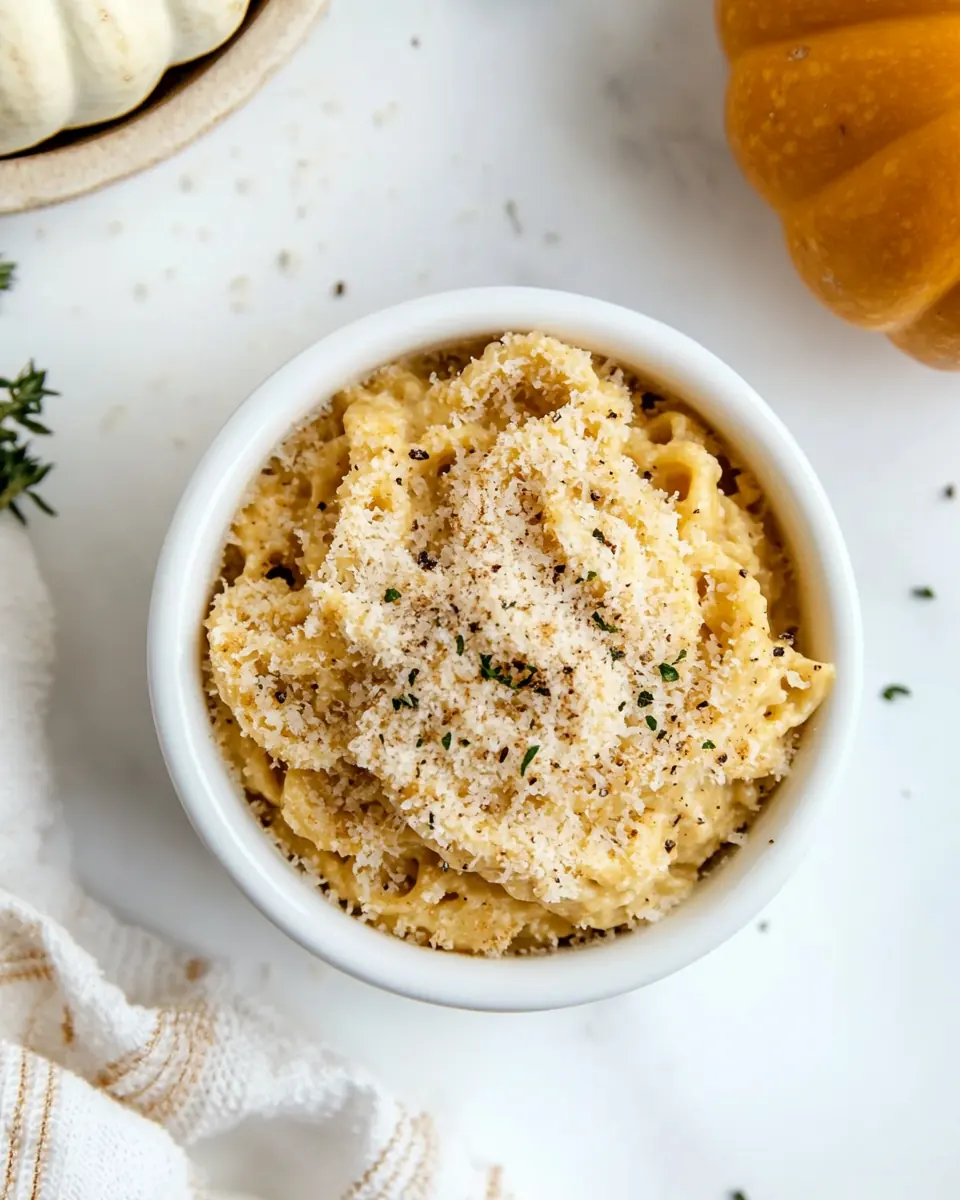
The ingredients for Pumpkin Cacio e Pepe are intentional and straightforward. I treat the pantry items as the supporting cast and the cheeses and pumpkin as the leads. The starch in the reserved pasta water is the secret glue, while the pepper gives that signature kick that defines a proper cacio e pepe.
- 1/2 pound pasta of your choice (I used campanelle): Boil to al dente as the main starch component that carries sauce and texture throughout the dish; choose a shape like campanelle to catch sauce pockets and pumpkin for balanced bites.
- 1 to 2 cups reserved pasta water: Reserve to adjust sauce consistency and help emulsify cheeses into a silky coating; starchy hot water binds the pumpkin and cheeses for a creamy cacio e pepe.
- 1 teaspoon olive oil: Drizzle lightly at the start of cooking to prevent butter from burning and to sauté aromatics; provides a subtle fruity base note and helps distribute heat evenly.
- 4 tablespoons unsalted butter: Melt thoroughly to create a rich, silky fat that forms the backbone of the sauce; balances the olive oil and helps dissolve cheese into a smooth emulsion.
- 3 cloves garlic, finely minced or pressed: Mince finely to release pungent, savory aromatics that deepen flavor without large pieces; gently sauté to infuse the butter with garlic essence for complexity.
- 1 teaspoon freshly cracked black pepper, plus extra for topping: Crack fresh to release volatile oils that give bright heat and characteristic spicy bite; combine with cheese to provide the classic peppery backbone of cacio e pepe.
- 2/3 cup pumpkin puree: Stir in to provide creamy, earthy sweetness and body to the sauce; pumpkin puree lightens texture while adding subtle flavor and cohesive richness.
- Pinch of freshly grated nutmeg: Grate sparingly to add warm, nutty aromatic notes that complement pumpkin and cheese; a pinch heightens complexity without overpowering the delicate sauce.
- 1 cup finely grated parmesan cheese: Grate finely to create the primary salty, umami-rich component that melts into the sauce; parmesan lends savory depth and helps thicken the emulsion.
- 1/4 cup finely grated pecorino cheese: Grate finely to contribute sharp, tangy saltiness and boost the cheese-forward profile; pecorino adds piquancy that contrasts the creaminess of pumpkin and butter.
- parmesan shavings for topping: Shave for finishing to add visual appeal and bursts of concentrated umami; place atop the plated pasta to provide textural contrast and extra cheesy flavor.
How to Assemble Pumpkin Cacio e Pepe
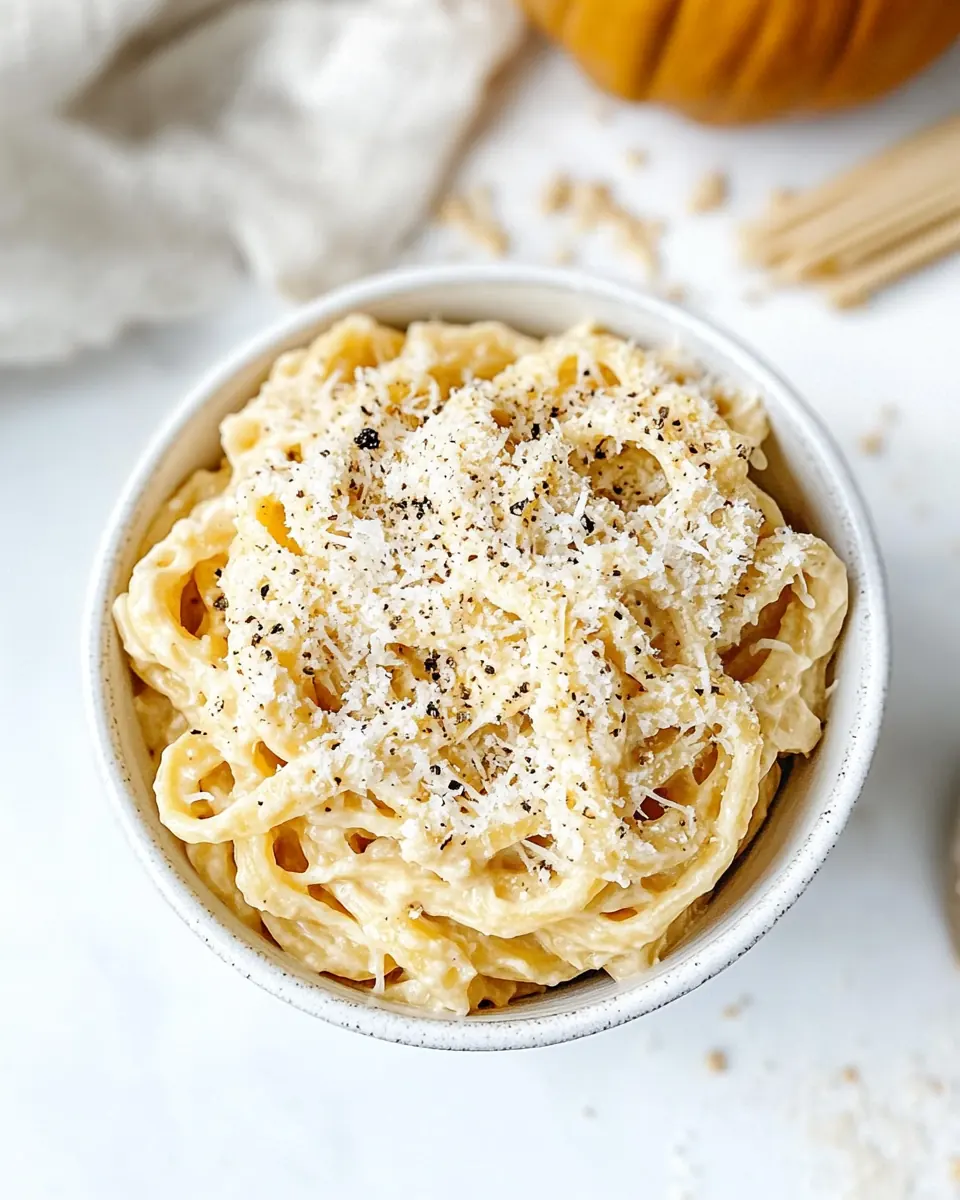
Bringing this pasta together is an exercise in timing and gentle technique. We will move from boiling the pasta to building a warm sauce in the skillet, and finally to emulsifying the cheese into a glossy coating. Keep your tools and reserved pasta water handy so you can work quickly and confidently.
- Bring a pot of salted water to a boil and prepare the pasta according to the package directions. Once the pasta has cooked, you want to make sure to reserve 2 cups of the pasta water.: The steam, rising and hot, signals the start of the ritual, and the kettle like hiss of boiling water sets the pace. You will smell soon the faint wheat scent as the pasta softens, and the surface should swirl gently when it is nearly ready. Reserving the pasta water while you drain gives you the starchy liquid you need for a silky sauce, so measure out about 2 cups into a bowl before you tip the noodles into a colander. If you skip reserving that water you can end up with a grainy sauce that will not bind to the pasta . A common misstep is rinsing the pasta under cold water which washes away the starch, so avoid that to keep the sauce glossy.
- While the water is boiling/pasta is cooking, heat a large skillet over medium-low heat and add the oil and 2 tablespoons of butter. Once the butter melts, stir in the garlic with a pinch of salt and all of the pepper. Toast for 1 to 2 minutes. Stir in the pumpkin puree until combined.: The sizzle when the butter and olive oil meet the pan is immediate and comforting, and you will notice the butter bubbling softly and turning a pale gold. When you add the minced garlic , the aroma shifts to fragrant and savory, and the tiny flecks of black pepper will bloom, releasing sharp, citrusy notes. Stir for a minute or two until the garlic loses its raw edge but does not brown, because browned garlic tastes bitter. Then fold in the smooth pumpkin puree so it warms and loosens slightly, taking on a glossy sheen. If the pan is too hot, the garlic will burn quickly, so keep the heat steady and moderate. One trap is to rush this step on high heat, which risks a bitter base and an uneven flavored sauce.
- Stir in 1 cup of the reserved pasta water. Stir in the remaining 2 tablespoons of butter and the nutmeg and bring the mixture to a simmer. Add in the pasta and toss it together. Reduce the heat to low and stir in the parmesan and pecorino. Toss until the cheese is melted and becomes somewhat of a sauce with the water and the pasta. If needed, you can add in more of the reserved pasta water to thin out the sauce.: The first ladle of hot pasta water will hiss slightly as it hits the warm pumpkin, and the sauce will loosen into a velvety puddle. Adding the remaining butter now enriches the sauce and gives it a silky texture, while a tiny pinch of nutmeg adds a subtle lift to the aroma. When the mixture comes to a gentle simmer, the surface will show small, steady bubbles and a fragrant steam. As you add the pasta , the dish will begin to sing, the sauce clinging and coating each piece. Lowering the heat before you add the grated parmesan and pecorino is crucial because heat that is too high can make the cheeses seize into grainy clumps instead of melting into a smooth emulsion. Toss until the sauce becomes glossy and unified, adding more hot pasta water by the tablespoon if the mixture feels stiff. A typical mistake is dumping all the cheese in at once or at high heat, which leads to separation; temper the cheeses gently and add them gradually for the creamiest finish.
- Serve immediately with extra parmesan shavings and freshly cracked black pepper.: You will notice steam rising with a rich, savory aroma, and the first forkful should reveal a sauce that clings and coats rather than pools. The finishing parmesan shavings add a pleasing texture contrast and a burst of sharp saltiness, and the extra cracked black pepper on top gives that bright, stinging note that defines cacio e pepe. Plate promptly so the pasta does not sit and thicken, and if the sauce tightens while waiting, loosen it with a splash of warm reserved pasta water . A common oversight is letting the dish rest too long before serving, which allows the sauce to set and lose its glossy finish, so serve while hot for the best mouthfeel.
Substitutions and Tips
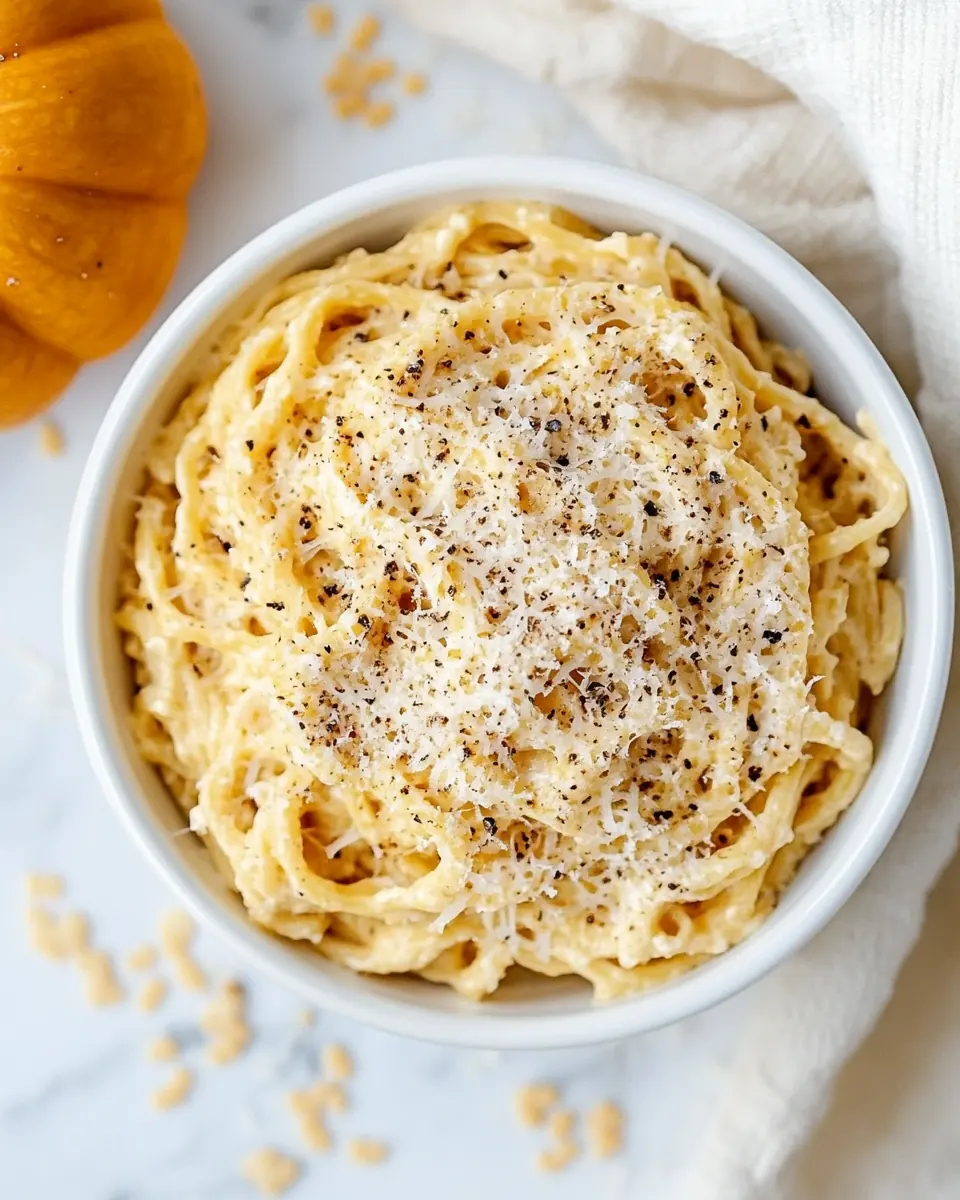
This section offers practical ideas to adapt and perfect Pumpkin Cacio e Pepe. I have expanded tips into actionable items so you can adjust texture, flavor intensity, and timing with confidence.
- Cheese technique: Finely grate both the parmesan and pecorino and add them in stages while the sauce is off the highest heat. This prevents clumping and encourages a smooth emulsion with the hot pasta water.
- Pumpkin texture: Use thick, well drained pumpkin puree; if yours seems watery, strain it briefly in a fine sieve so it does not thin the sauce too much and require excess pasta water.
- Pepper flavor: Crack your black pepper fresh and toast it in the fat; pre ground pepper lacks the essential oils that give the dish its characteristic kick.
- Adjusting consistency: Keep reserved pasta water at hand and add by tablespoons to loosen the sauce gently until it reaches a glossy, clingy texture that coats the pasta.
- Timing for serving: Serve immediately; the sauce is at its best when hot and supple. If you must hold it briefly, keep the pan over the lowest heat and add a splash of hot pasta water before plating.
What Complements This Pumpkin Cacio e Pepe
Pumpkin Cacio e Pepe pairs beautifully with simple, bright sides and makes a satisfying centerpiece for casual dinners or small holiday gatherings. Below are serving ideas, storage notes, and occasions that highlight when this pasta shines.
- Serving style: Serve in warmed bowls with extra parmesan shavings and a final grind of black pepper, so each guest can adjust seasoning to taste.
- Side salad: A crisp green salad with a light lemon vinaigrette cuts through the richness and adds refreshing contrast for a balanced plate.
- Occasions: This dish fits cozy weeknight dinners and intimate holiday meals alike, especially in fall when pumpkin flavors feel seasonal and comforting.
- Storage: Refrigerate leftovers in an airtight container for up to two days; reheat gently on the stovetop with a splash of hot reserved pasta water to revive the sauce.
- Pairings: Light roasted vegetables or a simple bowl of steamed greens complement the savory, creamy pasta without competing with its flavors.
- Portioning: Because the dish is rich, plan modest servings alongside a bright side to keep the meal satisfying without feeling heavy.
FAQ
Conclusion
Pumpkin Cacio e Pepe stands out because it takes a classic, minimalist Italian formula and gently lifts it with the creamy depth of pumpkin. The balance between sharp cheeses and freshly cracked black pepper keeps it lively while the pumpkin adds comforting body. Give it a try when you want a comforting, quick dinner that feels a little special. I hope this recipe becomes one of those dependable meals you return to when you need something flavorful, approachable, and warmly satisfying.
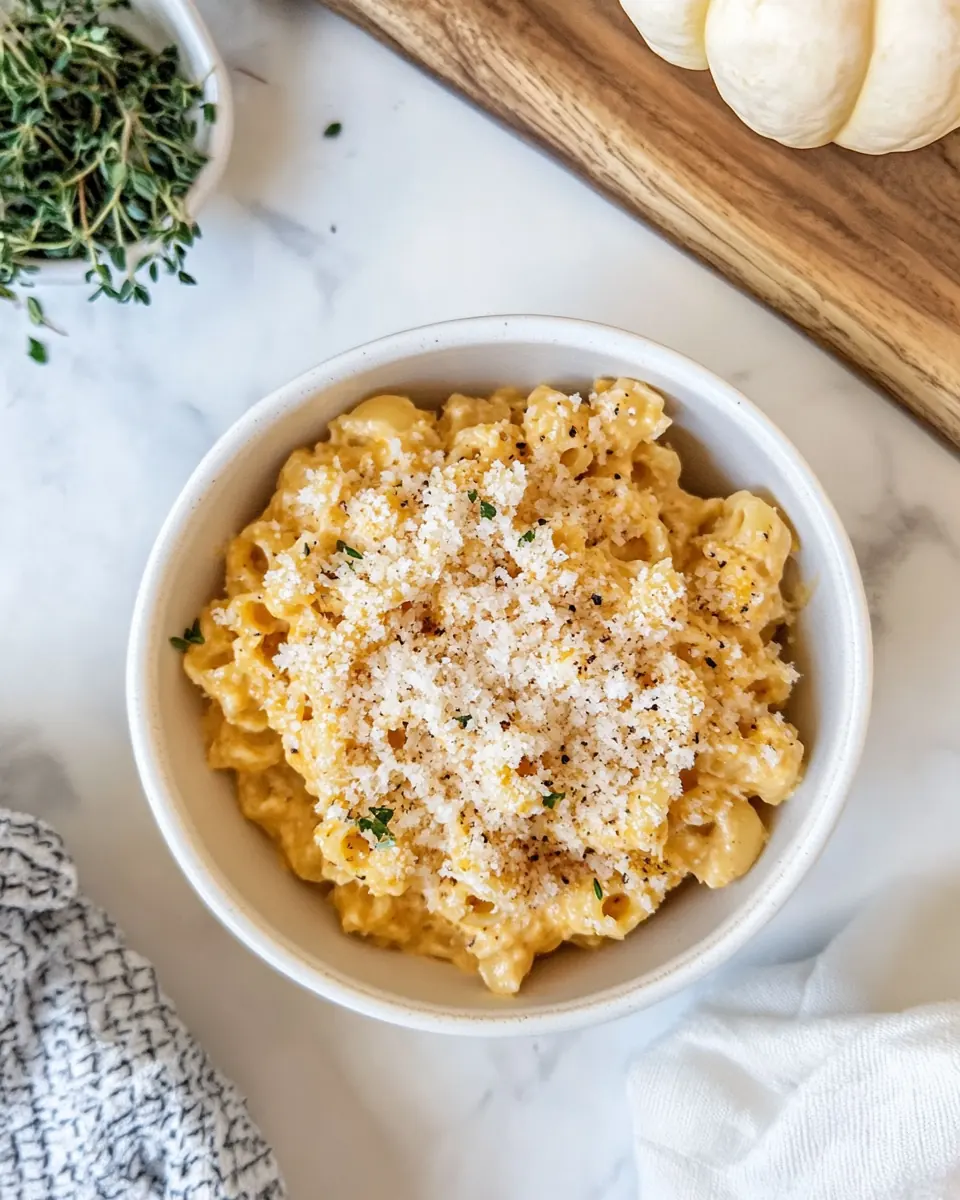
Pumpkin Cacio e Pepe
Ingredients
Equipment
Method
- Bring a pot of salted water to a boil and prepare the pasta according to the package directions. Once the pasta has cooked, you want to make sure to reserve 2 cups of the pasta water.: The steam, rising and hot, signals the start of the ritual, and the kettle like hiss of boiling water sets the pace. You will smell soon the faint wheat scent as the pasta softens, and the surface should swirl gently when it is nearly ready. Reserving the pasta water while you drain gives you the starchy liquid you need for a silky sauce, so measure out about 2 cups into a bowl before you tip the noodles into a colander. If you skip reserving that water you can end up with a grainy sauce that will not bind to the pasta . A common misstep is rinsing the pasta under cold water which washes away the starch, so avoid that to keep the sauce glossy.
- While the water is boiling/pasta is cooking, heat a large skillet over medium-low heat and add the oil and 2 tablespoons of butter. Once the butter melts, stir in the garlic with a pinch of salt and all of the pepper. Toast for 1 to 2 minutes. Stir in the pumpkin puree until combined.: The sizzle when the butter and olive oil meet the pan is immediate and comforting, and you will notice the butter bubbling softly and turning a pale gold. When you add the minced garlic , the aroma shifts to fragrant and savory, and the tiny flecks of black pepper will bloom, releasing sharp, citrusy notes. Stir for a minute or two until the garlic loses its raw edge but does not brown, because browned garlic tastes bitter. Then fold in the smooth pumpkin puree so it warms and loosens slightly, taking on a glossy sheen. If the pan is too hot, the garlic will burn quickly, so keep the heat steady and moderate. One trap is to rush this step on high heat, which risks a bitter base and an uneven flavored sauce.
- Stir in 1 cup of the reserved pasta water. Stir in the remaining 2 tablespoons of butter and the nutmeg and bring the mixture to a simmer. Add in the pasta and toss it together. Reduce the heat to low and stir in the parmesan and pecorino. Toss until the cheese is melted and becomes somewhat of a sauce with the water and the pasta. If needed, you can add in more of the reserved pasta water to thin out the sauce.: The first ladle of hot pasta water will hiss slightly as it hits the warm pumpkin, and the sauce will loosen into a velvety puddle. Adding the remaining butter now enriches the sauce and gives it a silky texture, while a tiny pinch of nutmeg adds a subtle lift to the aroma. When the mixture comes to a gentle simmer, the surface will show small, steady bubbles and a fragrant steam. As you add the pasta , the dish will begin to sing, the sauce clinging and coating each piece. Lowering the heat before you add the grated parmesan and pecorino is crucial because heat that is too high can make the cheeses seize into grainy clumps instead of melting into a smooth emulsion. Toss until the sauce becomes glossy and unified, adding more hot pasta water by the tablespoon if the mixture feels stiff. A typical mistake is dumping all the cheese in at once or at high heat, which leads to separation; temper the cheeses gently and add them gradually for the creamiest finish.
- Serve immediately with extra parmesan shavings and freshly cracked black pepper.: You will notice steam rising with a rich, savory aroma, and the first forkful should reveal a sauce that clings and coats rather than pools. The finishing parmesan shavings add a pleasing texture contrast and a burst of sharp saltiness, and the extra cracked black pepper on top gives that bright, stinging note that defines cacio e pepe. Plate promptly so the pasta does not sit and thicken, and if the sauce tightens while waiting, loosen it with a splash of warm reserved pasta water . A common oversight is letting the dish rest too long before serving, which allows the sauce to set and lose its glossy finish, so serve while hot for the best mouthfeel.
Notes
- Cheese technique: Finely grate both the parmesan and pecorino and add them in stages while the sauce is off the highest heat. This prevents clumping and encourages a smooth emulsion with the hot pasta water.
- Pumpkin texture: Use thick, well drained pumpkin puree; if yours seems watery, strain it briefly in a fine sieve so it does not thin the sauce too much and require excess pasta water.
- Pepper flavor: Crack your black pepper fresh and toast it in the fat; pre ground pepper lacks the essential oils that give the dish its characteristic kick.
- Adjusting consistency: Keep reserved pasta water at hand and add by tablespoons to loosen the sauce gently until it reaches a glossy, clingy texture that coats the pasta.
- Timing for serving: Serve immediately; the sauce is at its best when hot and supple. If you must hold it briefly, keep the pan over the lowest heat and add a splash of hot pasta water before plating.