Quinoa with Roasted Rainbow Vegetables
Quinoa with Roasted Rainbow Vegetables is one of those recipes I turn to when I want something bright, nourishing, and just a little bit festive on the table. I remember the first time I tossed a pan of multicolored vegetables into the oven and paired them with fluffy, nutty quinoa, how the kitchen filled with a sweet roasted aroma that felt like an instant mood lifter. That afternoon I was coming back from a long farmer market stroll, arms full of produce, and I wanted a dish that celebrated each ingredient without fuss.
Over the years I’ve adapted this bowl for quick weeknight dinners, relaxed weekend lunches, and even picnic spreads. What I love most is how flexible it is, you can make it warm the moment it comes out of the oven or let it chill and serve it as a cooling salad. Whenever friends swing by unexpectedly, I reach for this recipe because it looks impressive but is really forgiving, and it keeps well so leftovers taste just as good the next day. The textures are a joyful contrast, with tender roasted asparagus, burst cherry tomatoes, and the gentle chew of quinoa, all tied together with a tangy balsamic dressing.
Recipe Snapshot
45 mins
20 mins
25 mins
Medium
250 kcal
American
Vegan, Gluten-Free
Dinner
Oven, Baking sheet, Parchment paper, Small saucepan, Mixing bowl
Why This Quinoa with Roasted Rainbow Vegetables Is a Winner
Vibrant seasonal produce
I love how this Quinoa with Roasted Rainbow Vegetables showcases simple market finds. When produce is in season I let it shine, and roasting amplifies their natural sugars, so the flavors feel concentrated and satisfying. I often find myself savoring how the peppers caramelize and the cherry tomatoes sing when they pop.
Effortless, nourishing balance
One reason I keep coming back to this bowl is the balance of texture and nutrition. The quinoa gives a gentle nuttiness and body, while the roasted vegetables bring brightness. It sits perfectly as an easy weeknight dinner or a hearty side, and it fills you without weighing you down.
Make-ahead magic
I’ve learned to roast a big tray of vegetables and cook a double batch of quinoa so I can assemble bowls all week. This saves so much time on busy days, and the flavors often improve after a few hours as they mingle. Meal prep never felt this pretty.
Flexible and friendly
We can easily tweak the textures and dressings to suit taste. Want it oil-free or with a splash of olive oil, it adapts. I also appreciate how forgiving the cooking times are, you can roast to tender or slightly charred based on preference, and the dish remains reliable.
A crowd pleaser that looks gourmet
I often bring this to potlucks because it photographs beautifully and satisfies many palates without drama. The colors naturally draw people in, and the simple balsamic dressing keeps things bright and cohesive. It’s a go to when I want something tasty and stress free.
What You’ll Need for Quinoa with Roasted Rainbow Vegetables
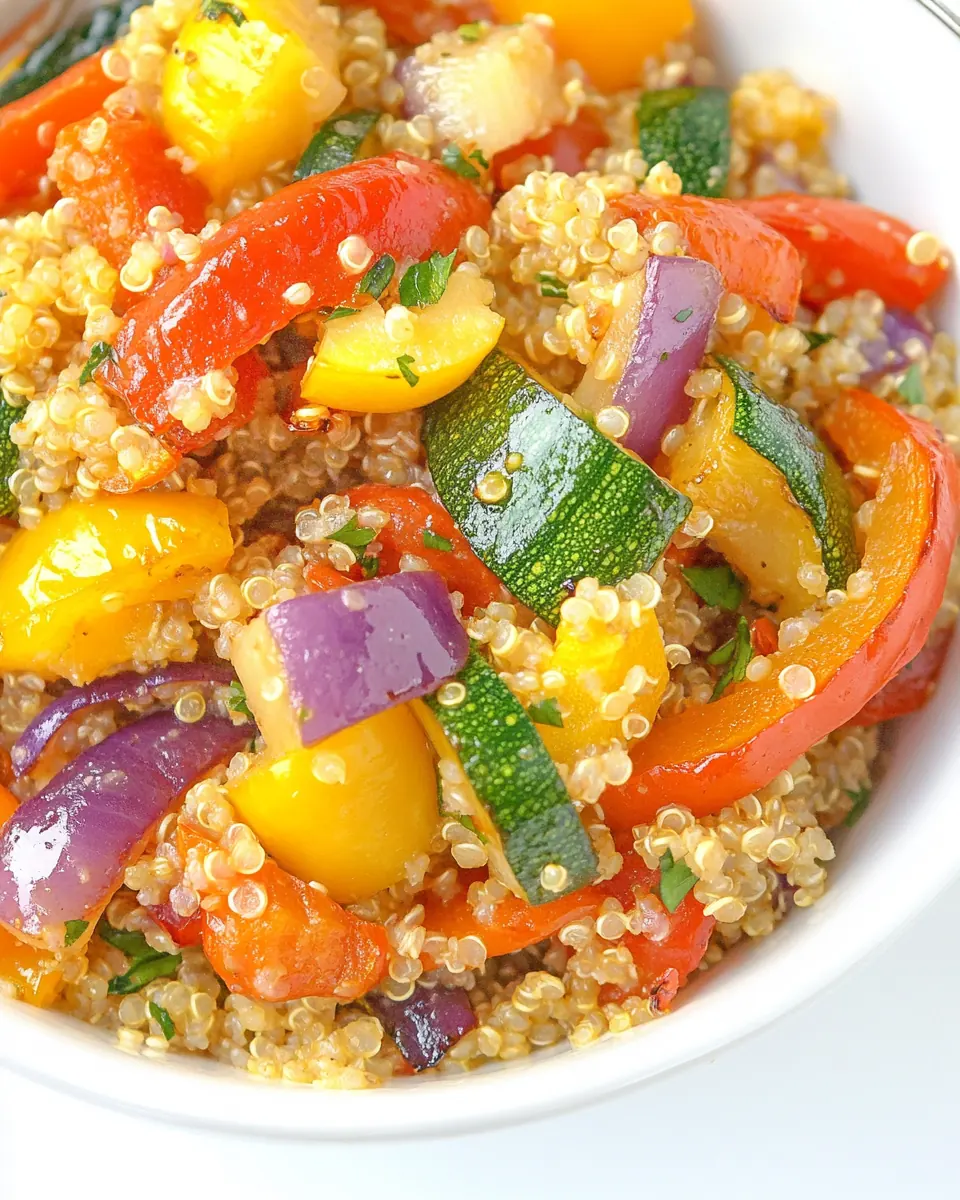
This recipe trusts fresh, straightforward ingredients that harmonize without competing. The quinoa acts as the nutty foundation, while the rainbow vegetables roast down to concentrated, sweet pockets of flavor. Small elements like minced garlic and balsamic vinegar tie everything together, giving the bowl a gentle acidity that brightens each bite.
- 1 cup white quinoa (uncooked): Rinse and cook thoroughly to provide a fluffy, protein-rich base that soaks up flavors; cooks in about 15 minutes and yields a neutral, slightly nutty texture that complements roasted vegetables.
- 12 oz . asparagus: Trim and roast until tender-crisp to add a grassy, slightly sweet crunch; provides vertical color and seasonal freshness when cut into bite-sized pieces.
- 2 bell peppers (I use 1 orange + 1 yellow): Slice and roast to contribute sweet, fruity notes and vibrant color; skin chars slightly for depth while flesh softens and balances the dish’s textures.
- 1 small red onion: Peel and slice thinly to add sharp, sweet-onion flavor that caramelizes when roasted; provides aromatic depth and a tender bite among the vegetables.
- 12 oz . cherry tomatoes (or grape tomatoes): Roast whole or halved to burst and release juicy sweetness that brightens the salad; offers poppable texture and concentrated tomato flavor after roasting.
- 1 2 cups fresh baby spinach: Toss in raw or wilt lightly to add tender green leaves with mild, slightly earthy flavor; provides freshness, nutrients, and a soft contrast to roasted veggies.
- Salt to taste: Season to taste to enhance and balance flavors; brings out natural sweetness of vegetables and complements the tang of vinegar and aromatics.
- 1 1/2 tbsp . balsamic vinegar: Drizzle or whisk in to add bright acidity and a touch of sweetness; helps deglaze roasting pan flavors and ties grains and vegetables together with a glossy finish.
- 2 cloves garlic, minced: Mince and sauté or mix in to deliver pungent, aromatic depth; infuses the dish with savory warmth and enhances overall savory complexity.
- 1/2 tsp . dried basil: Sprinkle to add Mediterranean herb aroma with subtle peppery, minty notes; complements the other seasonings and supports the roasted vegetable flavors.
Instructions for Quinoa with Roasted Rainbow Vegetables
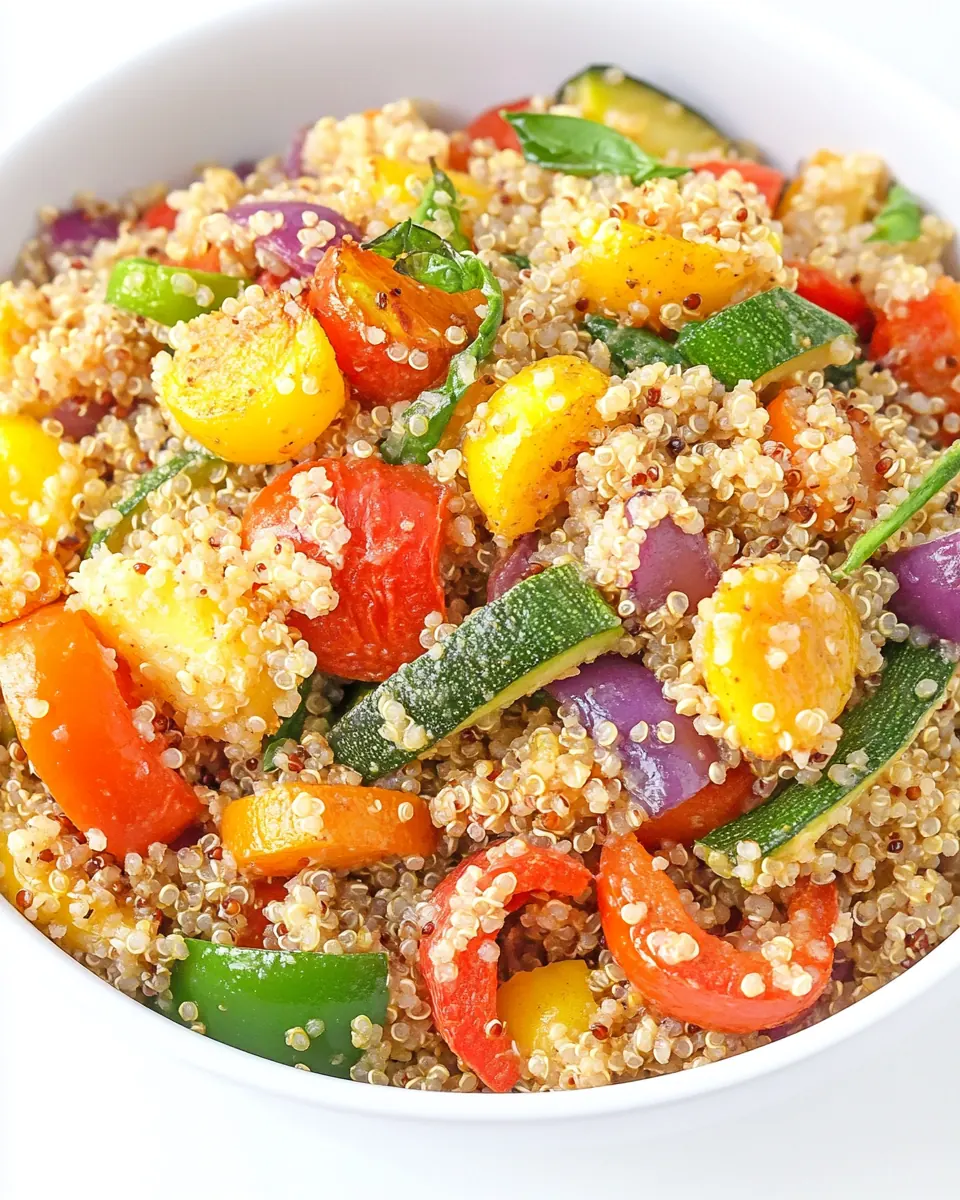
These steps are straightforward, and the technique is forgiving if you pay attention to visual and sensory cues. I walk you through roasting the vegetables and cooking the quinoa so both elements finish around the same time, creating a bowl that sings with texture. Follow the cues below and trust your senses.
- Preheat oven to 425°F (220°C). Line a baking sheet with parchment paper.: The instant you step into this stage you should feel the ritual of cooking kick in, the warm oven hum is reassuring. Preheating to 425°F creates enough dry heat to encourage the exterior of the vegetables to caramelize, producing sweet, slightly charred edges and concentrated aroma. You will hear the oven click and feel the heat when you open it briefly to place the tray inside. A common mistake is not preheating fully, which leads to longer cook times and less even browning; give the oven its full warm up. Also, using parchment prevents sticking and helps clean up, which keeps the process relaxed.
- Cut asparagus into about 1 1/2-inch pieces, woody ends removed. Cut bell peppers and onion into 3/4 to 1 inch squares. Place on baking sheet. Add cherry tomatoes. Salt if desired.: As you cut, notice the snap of the asparagus and the glossy skin of the bell peppers . Uniform pieces promote even roasting so they finish at the same time. Arranging them on the sheet in a single layer helps air circulate and encourages browning instead of steaming. When you salt them lightly before roasting, it draws out moisture that concentrates flavor. A frequent misstep is overcrowding the pan; if pieces overlap they steam and lose that roasted texture, so spread them out for the best results.
- Place in oven and roast for 25 minutes, or desired tenderness.: During roasting you'll start to smell the vegetables sweeten and the sugars caramelize, with occasional gentle popping from the tomatoes as they burst. Look for browned edges on peppers and a slight shrivel on tomatoes as signs of readiness. If you prefer a deeper roast, extend the time slightly while keeping an eye to avoid burning. Overroasting can make vegetables too dry, so check early and stir once if necessary to promote even color.
- Meanwhile, cook the quinoa: Place 1 cup quinoa (rinsed and drained) in a small saucepan with 1 1/2 cups water or vegetable broth. Bring to a light boil over medium-high heat. Then reduce heat to medium-low, cover, and simmer for 20 minutes.: Place 1 cup quinoa (rinsed and drained) in a small saucepan with 1 1/2 cups water or vegetable broth. Bring to a light boil over medium-high heat. Then reduce heat to medium-low, cover, and simmer for 20 minutes. : When you rinse the quinoa under cool water, you remove any bitter coating and improve texture. Bringing it to a light boil signals the starches are activating, and reducing to a low simmer lets the grains absorb liquid gently so they fluff instead of becoming sticky. You should hear only a whisper of bubbling as it simmers, and steam will escape from under the lid. A common error is lifting the lid often, which lets steam escape and can leave the quinoa undercooked; trust the timer and check at the end for tender kernels and no remaining liquid.
- In a small bowl, combine dressing ingredients and set aside.: As you whisk together balsamic vinegar , minced garlic , dried basil , and salt, notice the sharp tang of vinegar mellow slightly as it integrates with the aromatics. The dressing should be bright and balanced, ready to coat the warm quinoa so it absorbs flavor. A slip here is using too much acid at once, which can overpower the vegetables; taste and adjust gradually to keep the final bowl harmonious.
- When quinoa is done cooking, immediately place in a large bowl and toss with spinach. (The heat from the quinoa will lightly wilt the spinach.): The moment you transfer the fluffy quinoa , you should feel gentle steam and see the grains separate. Tossing with baby spinach lets residual heat soften the leaves so they collapse just enough to blend, adding silky texture and vibrant color. If you wait too long, the spinach may not wilt properly and will remain raw and fibrous; act promptly to get that delicate fold into the mix.
- Pour dressing over quinoa and mix well to combine. Add roasted vegetables and stir.: When you add the dressing to hot quinoa , the grains take on flavor quickly, becoming more cohesive and aromatic. Stirring in the roasted vegetables distributes pockets of caramelized sweetness and roasted juices throughout. Pay attention to the scent as everything mingles, you should get a balanced lift of acid and roasted notes. A common mistake is adding the dressing after the vegetables cool completely, which can make the dish feel disjointed; combining while warm helps flavors marry.
- Salt to taste (or add fresh basil, or a splash more balsamic if desired). Great served warm or chilled.: This finishing moment is where you calibrate seasoning. A pinch of additional salt can brighten flavors, and a final splash of balsamic vinegar lifts the bowl. Taste carefully and adjust in small increments. Serving warm emphasizes roasted aromatics, while chilled bowls let flavors settle and mingle; choose the temperature that suits your gathering. Over-salting at the end is easy, so add gradually and taste between adjustments.
Substitutions and Tips
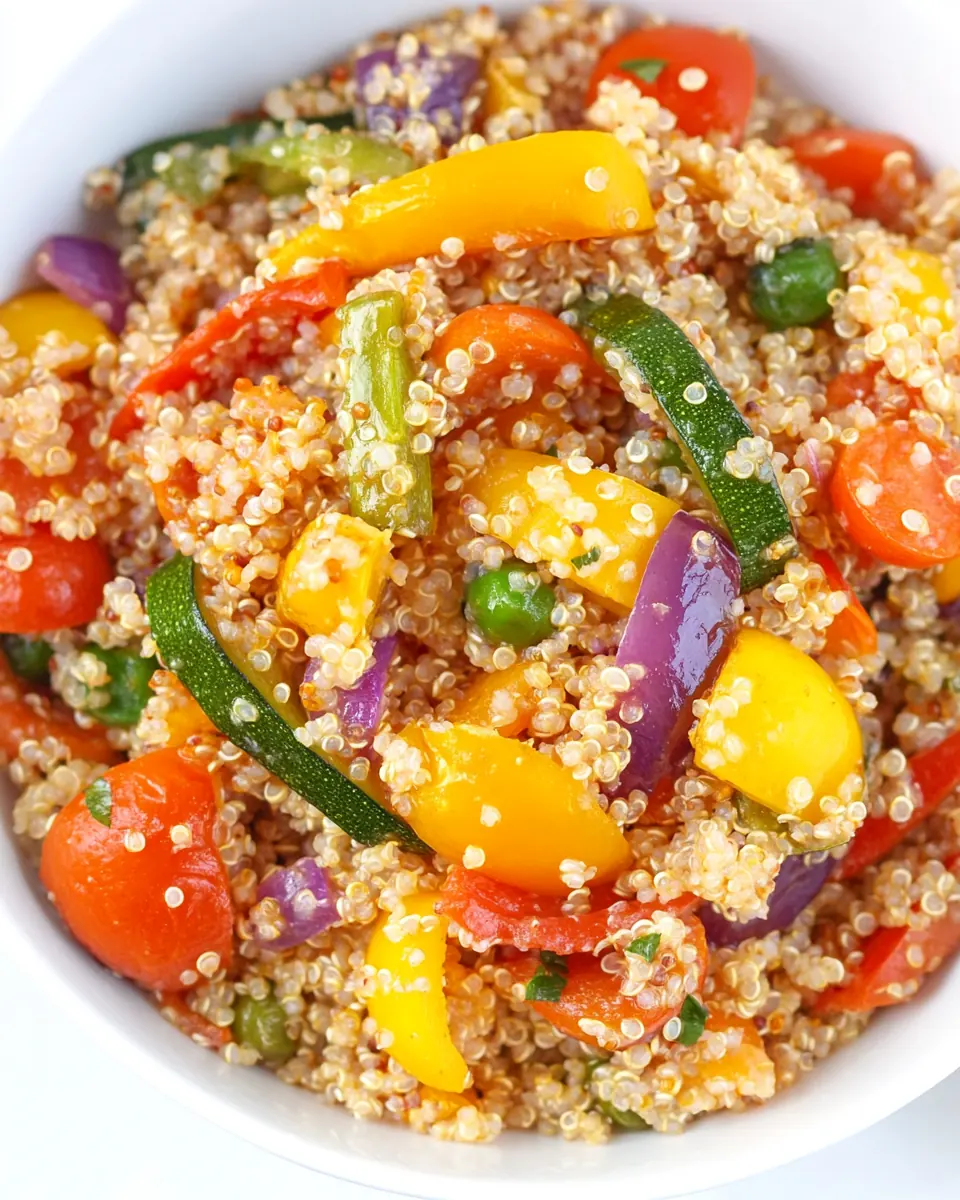
This recipe is forgiving and welcomes small swaps. Below are practical tips and substitution ideas to help you adapt the dish to what you have on hand while preserving the essential flavor balance that makes the bowl sing.
- Roasting oil alternative Use a parchment lined pan for oil free roasting, or if you prefer a touch of fat, drizzle a small amount of oil over the vegetables to enhance browning and mouthfeel.
- Quinoa liquid swap Cook the quinoa in vegetable broth instead of water for a deeper savory note that complements the roasted vegetables without changing the texture.
- Onion options If you find raw red onion strong, roast it longer to mellow the flavor, or swap for a milder shallot or another sweet vegetable that will soften similarly when roasted.
- Greens variation If you do not have baby spinach, use baby kale or chard, but toss them with the hot quinoa a bit earlier so they have extra time to soften and lose any toughness.
- Herb upgrade Fresh basil or parsley stirred in at the end brightens the bowl; add them just before serving to preserve fresh aroma and color.
- Tomato timing For more concentrated flavor, roast the cherry tomatoes a few minutes longer until they are caramelized and slightly jammy, but watch closely to prevent drying out.
- Balsamic intensity Adjust the balsamic vinegar quantity to taste; a small extra splash at the end can lift the entire dish without making it overwhelmingly acidic.
Serving Options for Quinoa with Roasted Rainbow Vegetables
This bowl adapts to many occasions and serving styles. Whether you are feeding a small family, packing lunchboxes, or preparing a colorful offering for a shared meal, the dish scales and presents beautifully. Below are detailed serving suggestions and practical storage notes to keep the recipe useful across seasons.
- Warm bowl for dinner Serve the roasted vegetables atop freshly tossed quinoa while still warm, so the aromas are at their peak and the spinach has just wilted into the grains.
- Chilled picnic salad Let the assembled bowl cool completely and refrigerate, then serve chilled for a refreshing lunch or picnic option that travels well.
- Meal prep for the week Store components in separate airtight containers, keeping roasted vegetables and quinoa chilled. Reheat or combine cold for quick weekday meals.
- Potluck platter Arrange the roasted vegetables over a large bed of quinoa and garnish with fresh herbs for an attractive communal dish that stays flavorful at room temperature.
- Seasonal pairings In spring, highlight tender asparagus and sweet peppers; in summer, emphasize peak cherry tomatoes and bright basil. This keeps the bowl aligned with market availability.
- Serving sizes and storage Portion into individual bowls for easy serving. Leftovers keep well for three to four days refrigerated, and you can refresh them with a splash of extra balsamic vinegar before serving.
FAQ
Conclusion
This Quinoa with Roasted Rainbow Vegetables stands out because it combines simple technique with vibrant, seasonal produce to create a bowl that is both nourishing and satisfying. Give it a try when you want a meal that looks beautiful on the table and is easy to assemble from pantry and market staples. It’s the kind of meal I make when I want nourishing comfort without a lot of fuss, and I think you will enjoy how adaptable and reliable it is.
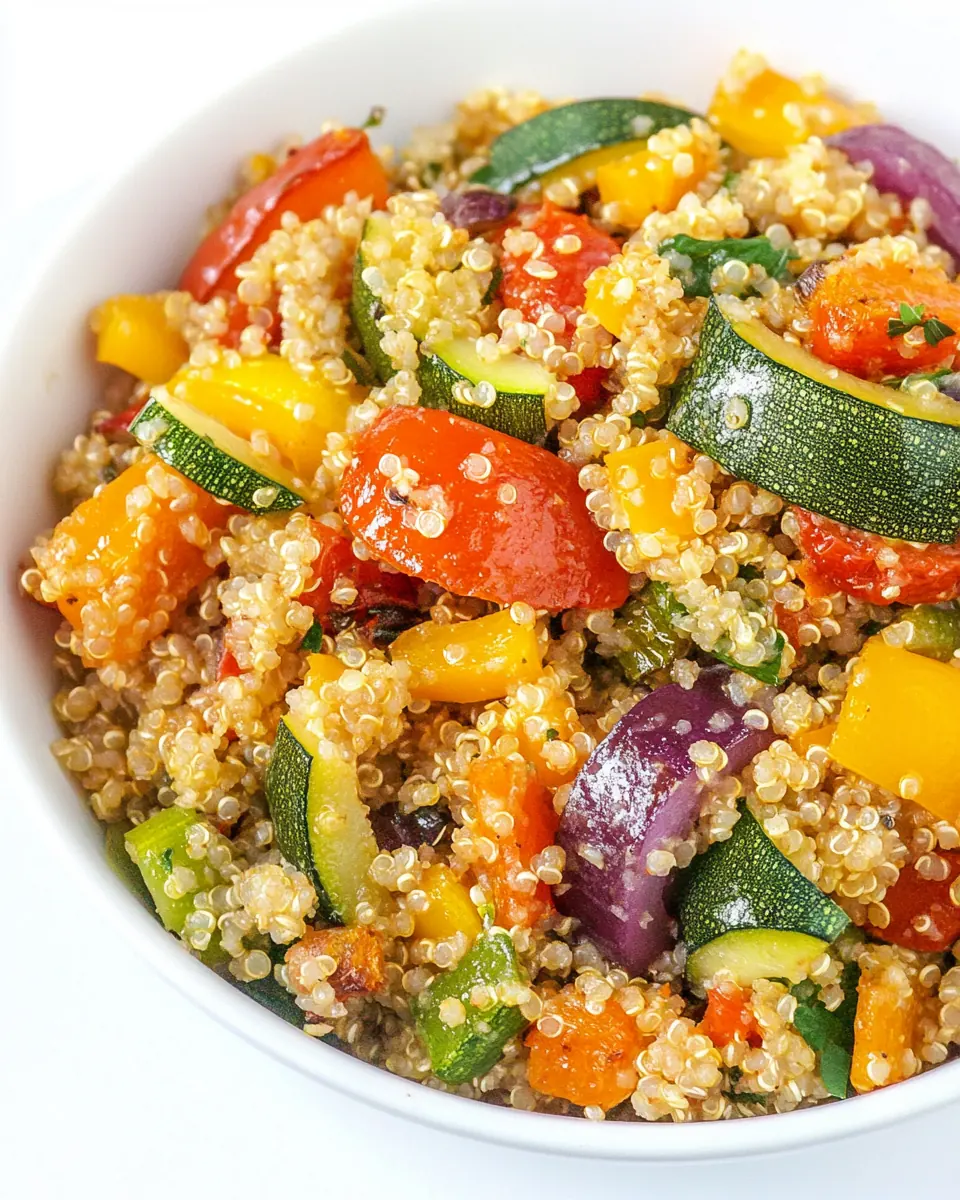
Quinoa with Roasted Rainbow Vegetables
Ingredients
Equipment
Method
- Preheat oven to 425°F (220°C). Line a baking sheet with parchment paper.: The instant you step into this stage you should feel the ritual of cooking kick in, the warm oven hum is reassuring. Preheating to 425°F creates enough dry heat to encourage the exterior of the vegetables to caramelize, producing sweet, slightly charred edges and concentrated aroma. You will hear the oven click and feel the heat when you open it briefly to place the tray inside. A common mistake is not preheating fully, which leads to longer cook times and less even browning; give the oven its full warm up. Also, using parchment prevents sticking and helps clean up, which keeps the process relaxed.
- Cut asparagus into about 1 1/2-inch pieces, woody ends removed. Cut bell peppers and onion into 3/4 to 1 inch squares. Place on baking sheet. Add cherry tomatoes. Salt if desired.: As you cut, notice the snap of the asparagus and the glossy skin of the bell peppers . Uniform pieces promote even roasting so they finish at the same time. Arranging them on the sheet in a single layer helps air circulate and encourages browning instead of steaming. When you salt them lightly before roasting, it draws out moisture that concentrates flavor. A frequent misstep is overcrowding the pan; if pieces overlap they steam and lose that roasted texture, so spread them out for the best results.
- Place in oven and roast for 25 minutes, or desired tenderness.: During roasting you'll start to smell the vegetables sweeten and the sugars caramelize, with occasional gentle popping from the tomatoes as they burst. Look for browned edges on peppers and a slight shrivel on tomatoes as signs of readiness. If you prefer a deeper roast, extend the time slightly while keeping an eye to avoid burning. Overroasting can make vegetables too dry, so check early and stir once if necessary to promote even color.
- Meanwhile, cook the quinoa: Place 1 cup quinoa (rinsed and drained) in a small saucepan with 1 1/2 cups water or vegetable broth. Bring to a light boil over medium-high heat. Then reduce heat to medium-low, cover, and simmer for 20 minutes.: Place 1 cup quinoa (rinsed and drained) in a small saucepan with 1 1/2 cups water or vegetable broth. Bring to a light boil over medium-high heat. Then reduce heat to medium-low, cover, and simmer for 20 minutes. : When you rinse the quinoa under cool water, you remove any bitter coating and improve texture. Bringing it to a light boil signals the starches are activating, and reducing to a low simmer lets the grains absorb liquid gently so they fluff instead of becoming sticky. You should hear only a whisper of bubbling as it simmers, and steam will escape from under the lid. A common error is lifting the lid often, which lets steam escape and can leave the quinoa undercooked; trust the timer and check at the end for tender kernels and no remaining liquid.
- In a small bowl, combine dressing ingredients and set aside.: As you whisk together balsamic vinegar , minced garlic , dried basil , and salt, notice the sharp tang of vinegar mellow slightly as it integrates with the aromatics. The dressing should be bright and balanced, ready to coat the warm quinoa so it absorbs flavor. A slip here is using too much acid at once, which can overpower the vegetables; taste and adjust gradually to keep the final bowl harmonious.
- When quinoa is done cooking, immediately place in a large bowl and toss with spinach. (The heat from the quinoa will lightly wilt the spinach.): The moment you transfer the fluffy quinoa , you should feel gentle steam and see the grains separate. Tossing with baby spinach lets residual heat soften the leaves so they collapse just enough to blend, adding silky texture and vibrant color. If you wait too long, the spinach may not wilt properly and will remain raw and fibrous; act promptly to get that delicate fold into the mix.
- Pour dressing over quinoa and mix well to combine. Add roasted vegetables and stir.: When you add the dressing to hot quinoa , the grains take on flavor quickly, becoming more cohesive and aromatic. Stirring in the roasted vegetables distributes pockets of caramelized sweetness and roasted juices throughout. Pay attention to the scent as everything mingles, you should get a balanced lift of acid and roasted notes. A common mistake is adding the dressing after the vegetables cool completely, which can make the dish feel disjointed; combining while warm helps flavors marry.
- Salt to taste (or add fresh basil, or a splash more balsamic if desired). Great served warm or chilled.: This finishing moment is where you calibrate seasoning. A pinch of additional salt can brighten flavors, and a final splash of balsamic vinegar lifts the bowl. Taste carefully and adjust in small increments. Serving warm emphasizes roasted aromatics, while chilled bowls let flavors settle and mingle; choose the temperature that suits your gathering. Over-salting at the end is easy, so add gradually and taste between adjustments.
Notes
- Roasting oil alternative Use a parchment lined pan for oil free roasting, or if you prefer a touch of fat, drizzle a small amount of oil over the vegetables to enhance browning and mouthfeel.
- Quinoa liquid swap Cook the quinoa in vegetable broth instead of water for a deeper savory note that complements the roasted vegetables without changing the texture.
- Onion options If you find raw red onion strong, roast it longer to mellow the flavor, or swap for a milder shallot or another sweet vegetable that will soften similarly when roasted.
- Greens variation If you do not have baby spinach, use baby kale or chard, but toss them with the hot quinoa a bit earlier so they have extra time to soften and lose any toughness.
- Herb upgrade Fresh basil or parsley stirred in at the end brightens the bowl; add them just before serving to preserve fresh aroma and color.
- Tomato timing For more concentrated flavor, roast the cherry tomatoes a few minutes longer until they are caramelized and slightly jammy, but watch closely to prevent drying out.
- Balsamic intensity Adjust the balsamic vinegar quantity to taste; a small extra splash at the end can lift the entire dish without making it overwhelmingly acidic.