Almond PoppySeed Muffins
Almond PoppySeed Muffins were the very first thing I baked for a neighborhood brunch back when I was still learning to trust my instincts in the kitchen. The aroma of warm flour and toasted almonds drifting through the hallway felt like an invitation, and I remember watching friends press their faces to the kitchen doorway as if the smell might pull them in. That morning I learned how small rituals, like whisking a batter or folding in poppy seeds, can become the invisible thread that ties people together.
I tend to return to this recipe when I want something that is both unfussy and a little celebratory. These muffins have a tender crumb from the combination of all purpose flour, sour cream, and the gentle lift of baking powder, while the almond extract offers a whisper of fragrance that lifts the simple sweetness. I often serve them on a mismatched platter with friends lounging around a sunlit table, and each bite seems to prompt a new story. Over time I’ve tweaked the glaze to hit that sweet tang that keeps people reaching for seconds.
There is a comfort in rituals that involve eggs and careful measuring. I learned to pay attention to the little cues, like how a batter looks when it is just smooth enough, or how the top of a muffin browns to a pale golden edge. It’s easy to get swept up in technique, but what I love most is how a simple loaf pan or a muffin tin can turn basic pantry staples into something worth sharing. If you have guests coming over, or you simply want a bright morning treat, these muffins are an effortless way to celebrate quiet, ordinary moments.
Recipe Snapshot
25 mins
5 mins
20 mins
Easy
210 kcal
American
Gluten-Free, Low FODMAP
Breakfast
Large mixing bowl, Stand mixer with paddle attachment or hand mixer, 12 cup muffin tins, Wire rack, Loaf pans (optional)
What’s Great About This Almond PoppySeed Muffins
Comforting Texture
One of the reasons I keep making Almond PoppySeed Muffins is the texture. The interplay between the creamy sour cream and the oil makes the crumb tender yet sturdy enough to hold a glaze without collapsing. I love how each bite yields a soft interior with a slight crumbly finish, so you get that homestyle feel while still keeping a refined mouthfeel.
Bright, Distinct Flavor
The almond extract paired with a bit of vanilla gives these muffins a clear, nutty note that is different from typical citrus poppyseed versions. I prefer this profile when I want something that feels both familiar and a little elevated. The poppy seeds add a gentle crunch and a visual speckling that always makes a batch look more festive.
Reliable and Versatile
I find this recipe forgiving, which is why it has become a go to. It tolerates minor timing changes and small ingredient swaps within reason, so you can adapt based on what you have. As someone who often cooks for varied schedules, I appreciate a recipe that bounces back if I mix a bit more or less milk, or if I need to bake a few extra minutes for larger muffins.
Great for Gatherings
These muffins scale beautifully, so they are perfect when I need to feed a crowd. I’ve baked trays for potlucks and quiet office mornings alike, and they’re always one of the first items to disappear. The glaze makes them feel special without demanding much attention, so you can spend time with guests instead of hovering in the kitchen.
Simple, Yet Polished
Finally, the technique here is straightforward, but the result feels refined. From mixing bowl to lined muffin tin, the steps are accessible to new bakers while still delivering a treat that looks and tastes like you spent more time on it. That balance is exactly why I recommend Almond PoppySeed Muffins when someone asks for a recipe they can trust.
What to Buy for Almond PoppySeed Muffins
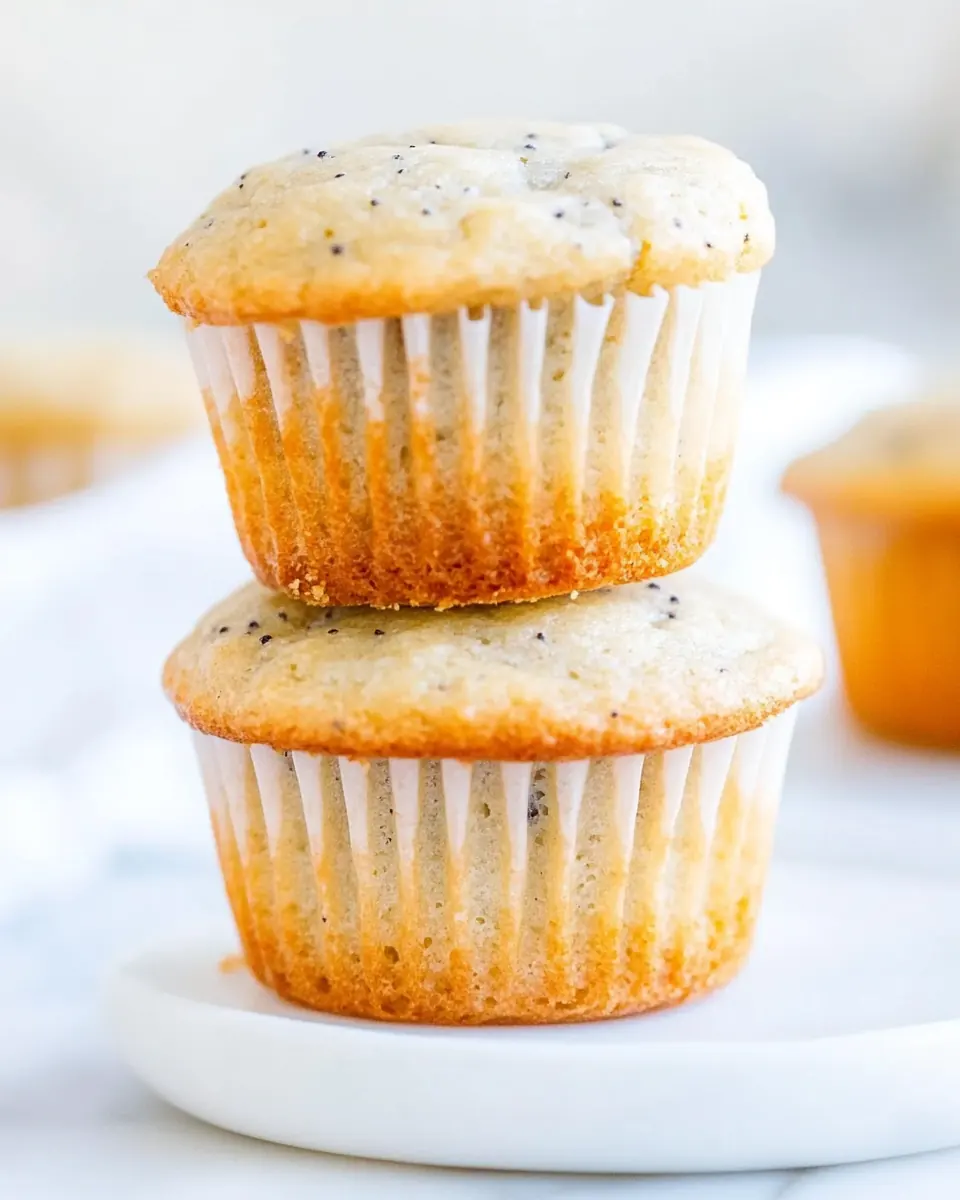
These ingredients come together to create a balanced muffin where texture and flavor are equally important. I focus on pantry staples that contribute structure, moisture, and lift, while a few flavor players bring personality. The batter relies on a balance of wet and dry components, and the glaze ties everything together with a bright finish.
- 3 cups all-purpose flour: Provide structure and bulk to the muffins, creating the crumb and absorbing moisture from wet ingredients. Use all-purpose flour to balance tenderness and chew while allowing leaveners to produce lift. Sift or whisk before measuring to ensure even texture and avoid dense spots.
- 2 1/2 cups sugar: Sweeten the batter evenly while contributing to browning and moisture retention during baking. Granulated sugar also helps tenderize the crumb and enhances flavor balance with sour cream and extracts. Adjust slightly only if dietary needs require but maintain proportions for texture.
- 1 1/2 tablespoons poppy seeds: Add a subtle nutty crunch and mild floral aroma that complements almond and lemon flavors in the muffins. Poppy seeds distribute small, pleasant bursts throughout the crumb and contribute visual interest. Measure accurately to avoid overpowering the delicate almond profile.
- 1 1/2 teaspoons baking powder: Provide leavening power to help the muffins rise and develop a light, airy texture when combined with eggs and beaten into the batter. Baking powder also affects the crumb’s openness and should be fresh for best results. Mix thoroughly with dry ingredients to ensure even distribution.
- 1/2 teaspoons salt: Enhance overall flavor by balancing sweetness and strengthening gluten development control in small amounts. Salt also moderates bitterness and boosts the perception of other flavors like almond and lemon. Dissolve evenly in the batter to avoid salty pockets.
- 3 large eggs: Contribute structure, richness, and emulsification; eggs help trap air for lift and bind the ingredients together. Beat eggs lightly before adding to ensure they incorporate uniformly into the batter. Use large eggs at room temperature to promote even mixing.
- 1 1/2 cups milk: Provide moisture and a tender crumb while contributing a neutral dairy backdrop that helps dissolve sugar and blend flavors. Milk also adjusts batter consistency and interacts with baking powder for leavening. Use at the specified temperature to avoid shocking melted fats.
- 1 1/8 cups vegetable oil: Add fat to tenderize the crumb and carry flavor while promoting moistness and a soft mouthfeel. Vegetable oil keeps the muffins tender and ensures a longer shelf life compared to solid fats. Measure carefully as oil affects batter consistency and richness.
- 1 cup sour cream: Introduce acidity and fat for a rich, tangy tenderness that enhances moistness and flavor complexity. Sour cream improves crumb texture and provides a slight tang that complements almond and lemon notes. Fold gently into the batter to maintain its lightness.
- 2 teaspoons almond extract: Provide concentrated almond flavor that reinforces the recipe’s profile and pairs with poppy seeds and lemon. Almond extract is potent, so measure precisely to avoid bitterness or overwhelming aroma. Add with other extracts to distribute flavors evenly.
- 2 teaspoons vanilla extract: Contribute warm vanilla sweetness to round out flavors and balance the almond extract and lemon components. Vanilla extract enhances the perception of other flavors and smooths the overall taste profile. Use pure extract for best aromatic results.
- 2 cups powdered sugar sifted: Create a smooth, sweet glaze base that dissolves easily and gives a glossy finish when combined with liquid. Powdered sugar provides sweetness without graininess and forms the body of the icing for muffins. Sift before use to remove lumps and ensure a silky texture.
- 3 4 tablespoons milk: Adjust glaze consistency to achieve a pourable or spreadable finish while adding slight richness and softness. Additional milk helps thin the powdered sugar to desired thickness for drizzling over cooled muffins. Add gradually to avoid an overly runny glaze.
- 1 tablespoon lemon juice: Brighten and balance the glaze with fresh acidity, cutting through sweetness and enhancing overall flavor contrast. Lemon juice also adds a fresh citrus note that pairs well with almond and poppy seeds. Use freshly squeezed juice for the best flavor.
- 1/2 teaspoon almond extract: Boost the almond aroma in the glaze for a cohesive finish that echoes the muffin’s interior flavor. A small amount of almond extract in the icing intensifies nutty notes without overpowering the lemon and vanilla. Stir thoroughly to incorporate evenly.
Cooking Method for Almond PoppySeed Muffins
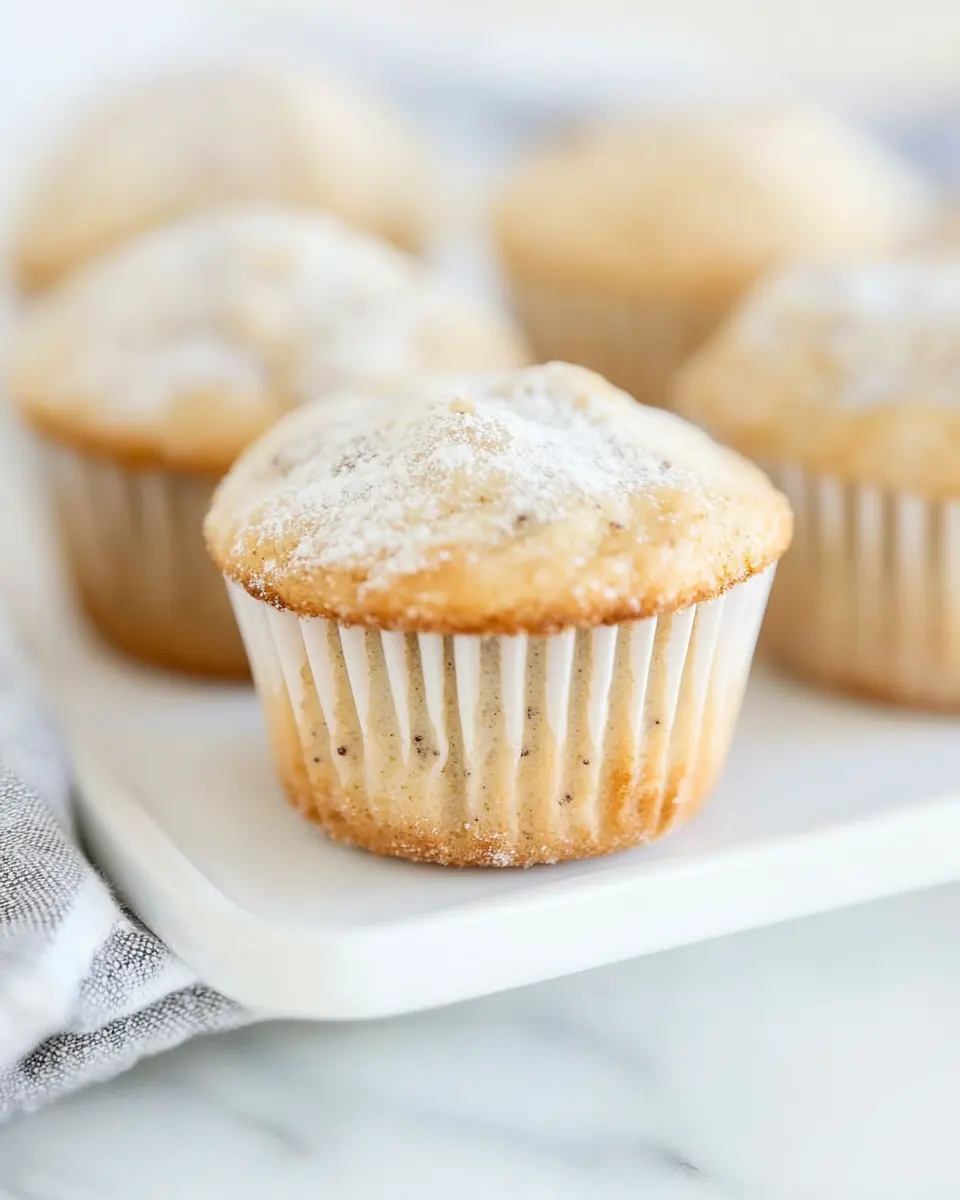
The following method walks you through the process with attention to sensory cues and small troubleshooting tips. Read each step through once, then gather your ingredients and tools so the bake flows smoothly.
- Preheat the oven to 350°F. Grease two 5-x-9-inch loaf pans with cooking spray.: You should notice the oven warming and a faint metallic hum as elements engage, which tells you the environment is stabilizing. Warm air circulating evenly is essential because it ensures a consistent rise and an even crust color. If your oven runs hot or cold, an oven thermometer will help you adjust. Avoid opening the door repeatedly, as that cools the oven and can cause uneven baking. A common mistake is not allowing the oven to reach temperature before baking, which results in dense centers.
- In a large bowl or the bowl of a stand mixer fitted with the paddle attachment, mix flour, sugar, poppy seeds, baking powder, and salt. Add eggs, milk, oil, sour cream, almond extract, and vanilla extract and mix until smooth.: As you combine the dry ingredients, you should see a uniform pale mixture with specks of poppy seeds distributed throughout. When you add the wet ingredients, the batter transforms, becoming glossy and slightly thick, with a ribbon-like fall when lifted. Mixing just until smooth prevents overdeveloping the flour , which keeps the muffins tender. If you overmix, the batter will develop gluten and the muffins will become tough. A typical error is beating too vigorously, which can trap excess air and create large tunnels in the crumb.
- Divide the batter among the wells of two lined 12-cup muffin tins. Fill each well about two-thirds full and bake for 17–19 minutes.: You will see the batter mound slightly in each well and the tops begin to set, turning a pale golden color around the edges. The sound is quiet, but you can sometimes hear a faint crackle as the tops set. Fill the cups consistently so baking time is even; overfilled cups can overflow and underfilled cups bake too quickly. Use a toothpick in the center to check doneness, looking for a few moist crumbs rather than raw batter. A frequent mistake is filling the tins inconsistently, which leads to varied textures across muffins.
- Cool muffins in pans for 10 minutes before removing them to a wire rack.: During this resting period, the interior continues to set and the steam escapes, preventing soggy bottoms. You should notice steam rising gently when you tilt the pan, and the tops will feel slightly springy to the touch. Use a thin spatula to ease them out without tearing the edges, and transfer to a wire rack so air circulates all around each muffin. A common misstep is leaving them in the pan too long, which can trap moisture and make bases soft.
- While the muffins are baking, mix powdered sugar, milk, lemon juice, and almond extract in a bowl until well combined. Begin with 3 tablespoons of milk and add more as needed to make it the consistency you like.: The glaze should become silky and glossy, just thick enough to coat the back of a spoon but still pourable. You will smell the citrus from the lemon juice brighten the sweet powdered sugar, and the tiny trace of almond extract will lift the aroma. Adjust the milk slowly; adding too much will make the glaze runny and it will soak into the muffins rather than sit prettily on top. A typical error is rushing the adjustment and ending up with a glaze that is either too stiff to spread or too thin to hold shape.
- Spoon glaze over muffins while they are still warm. Allow them to cool completely before serving.: The moment the glaze hits the warm tops they will gleam, and a thin veil of steam will carry the almond scent. As the glaze sets, it forms a delicate shell that provides a pleasant contrast to the tender crumb. If you like a thicker coating, apply a second thin layer once the first has crusted. Avoid glazing piping hot or fully cold muffins; hot will melt the glaze too much, and cold muffins can cause the glaze to crack. One mistake to avoid is stacking muffins before the glaze sets, which can mar the finish.
Ways to Customize
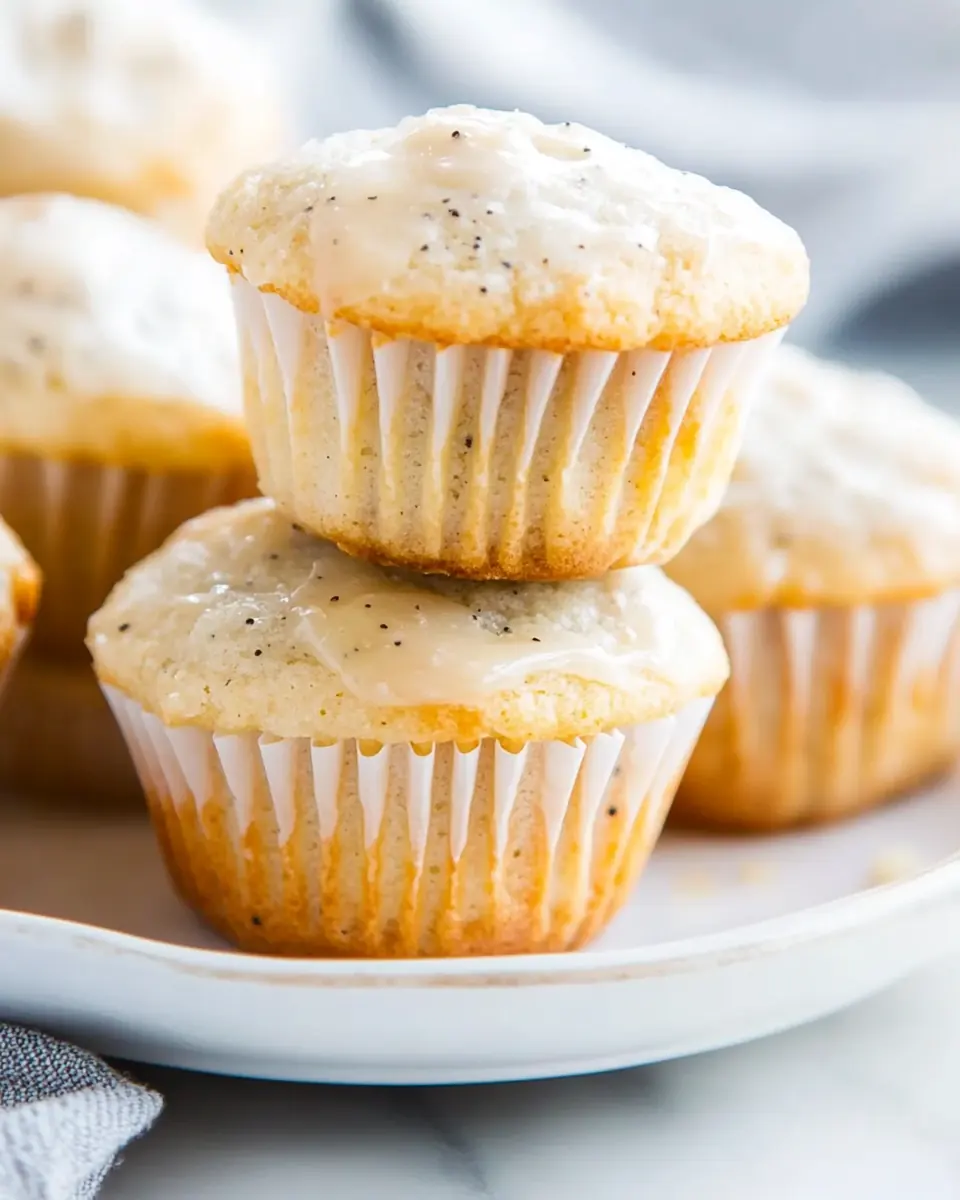
These ideas let you make small, safe adjustments that shift texture and flavor without breaking the basic logic of the recipe. Each tip begins with a bolded phrase for quick scanning and then explains the why and how so you can adapt confidently.
- Swap the milk type: Using whole milk will yield a richer crumb while lower fat milks produce a slightly lighter texture, so choose based on your preferred tenderness and mouthfeel.
- Adjust the almond intensity: If you prefer a subtler almond note, reduce the extract slightly; if you want a stronger flavor, increase by small increments and taste the glaze first to keep balance.
- Control sweetness: Reduce the granulated sugar by up to a quarter cup for a less sweet muffin while keeping the glaze at full strength to retain a finishing sweetness.
- Change the oil: Swap vegetable oil for a neutral light olive oil for a rounder, slightly fruitier background fat profile without affecting moisture.
- Modify muffin size: For jumbo muffins, increase baking time and check with a toothpick periodically; for mini muffins, reduce baking time and watch the color closely to prevent overbaking.
Pairing Suggestions for Almond PoppySeed Muffins
These muffins are flexible companions for many occasions, and how you serve them can highlight different aspects of the flavor. Below are detailed pairing ideas that range from casual breakfasts to special gatherings and storage tips to keep leftovers fresh.
- Breakfast spread: Serve Almond PoppySeed Muffins with a selection of fresh fruit and a pot of hot coffee for a bright morning meal that balances sweet and tart flavors.
- Brunch centerpiece: Place them on a tiered stand alongside savory quiche or a vegetable frittata for a brunch where guests can pick sweet bites between savory plates.
- Tea time: Offer these muffins with a light tea, such as green or white, where the almond notes won’t be overwhelmed, making them an elegant afternoon option.
- Office treats: Bring a batch to work in a covered tin; they travel well and remain moist for a day or two, making them a friendly, low fuss contribution.
- Storage tips: Keep leftover muffins in an airtight container at room temperature for up to two days, or freeze individually wrapped for up to one month and thaw at room temperature before serving.
- Seasonal pairing: In spring, pair with light citrus salads or strawberry compotes to complement the almond and brighten the plate.
FAQ
Conclusion
These Almond PoppySeed Muffins stand out for their tender crumb, fragrant almond notes, and the gentle crunch of poppy seeds. They are a forgiving, crowd pleasing bake that balances simplicity with a polished finish, which makes them ideal for both casual mornings and special gatherings. I encourage you to give this recipe a try, enjoy the comforting process of baking, and share the results with friends or family. Baking is a small act with big rewards, and these muffins are a wonderful place to start.
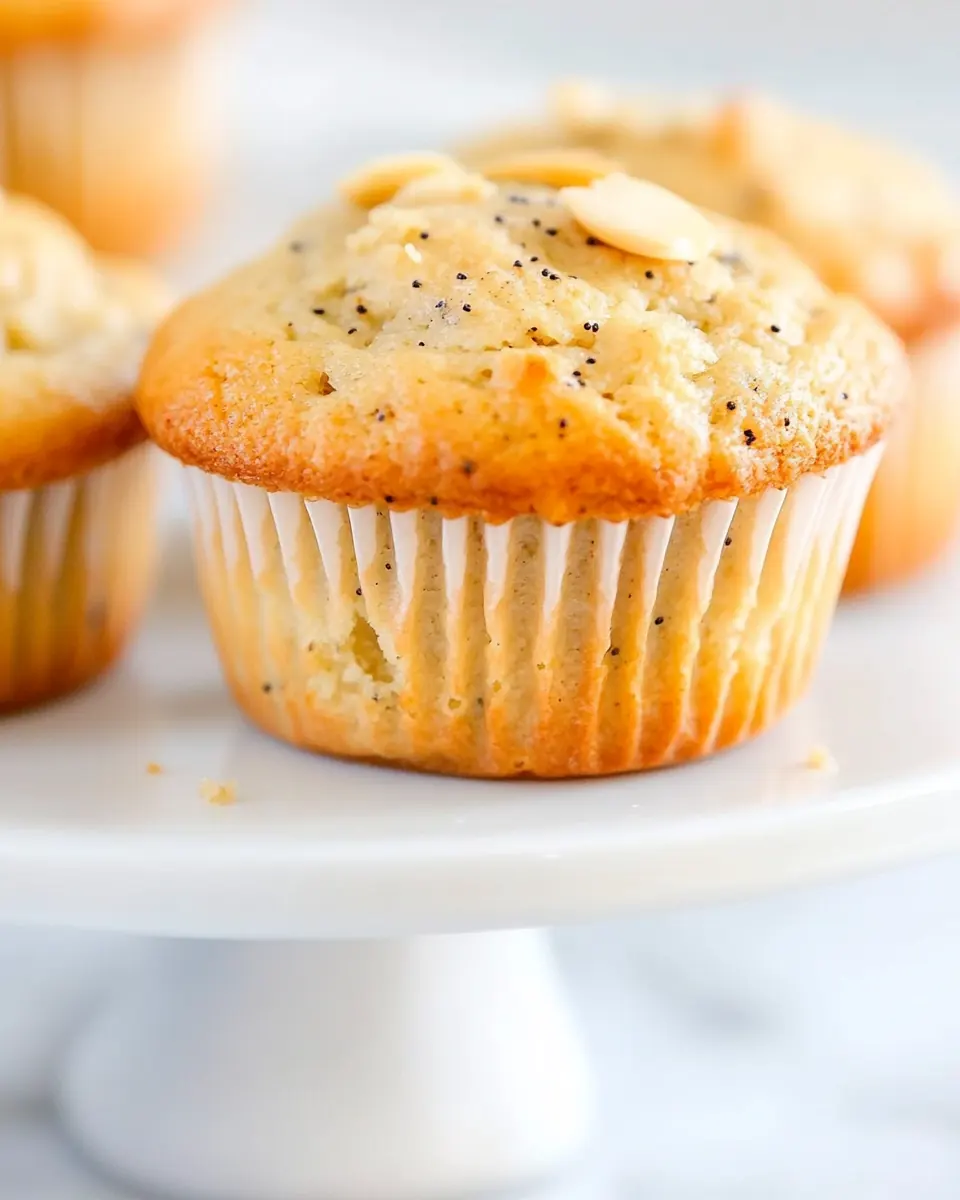
Almond PoppySeed Muffins
Ingredients
Equipment
Method
- Preheat the oven to 350°F. Grease two 5-x-9-inch loaf pans with cooking spray.: You should notice the oven warming and a faint metallic hum as elements engage, which tells you the environment is stabilizing. Warm air circulating evenly is essential because it ensures a consistent rise and an even crust color. If your oven runs hot or cold, an oven thermometer will help you adjust. Avoid opening the door repeatedly, as that cools the oven and can cause uneven baking. A common mistake is not allowing the oven to reach temperature before baking, which results in dense centers.
- In a large bowl or the bowl of a stand mixer fitted with the paddle attachment, mix flour, sugar, poppy seeds, baking powder, and salt. Add eggs, milk, oil, sour cream, almond extract, and vanilla extract and mix until smooth.: As you combine the dry ingredients, you should see a uniform pale mixture with specks of poppy seeds distributed throughout. When you add the wet ingredients, the batter transforms, becoming glossy and slightly thick, with a ribbon-like fall when lifted. Mixing just until smooth prevents overdeveloping the flour , which keeps the muffins tender. If you overmix, the batter will develop gluten and the muffins will become tough. A typical error is beating too vigorously, which can trap excess air and create large tunnels in the crumb.
- Divide the batter among the wells of two lined 12-cup muffin tins. Fill each well about two-thirds full and bake for 17–19 minutes.: You will see the batter mound slightly in each well and the tops begin to set, turning a pale golden color around the edges. The sound is quiet, but you can sometimes hear a faint crackle as the tops set. Fill the cups consistently so baking time is even; overfilled cups can overflow and underfilled cups bake too quickly. Use a toothpick in the center to check doneness, looking for a few moist crumbs rather than raw batter. A frequent mistake is filling the tins inconsistently, which leads to varied textures across muffins.
- Cool muffins in pans for 10 minutes before removing them to a wire rack.: During this resting period, the interior continues to set and the steam escapes, preventing soggy bottoms. You should notice steam rising gently when you tilt the pan, and the tops will feel slightly springy to the touch. Use a thin spatula to ease them out without tearing the edges, and transfer to a wire rack so air circulates all around each muffin. A common misstep is leaving them in the pan too long, which can trap moisture and make bases soft.
- While the muffins are baking, mix powdered sugar, milk, lemon juice, and almond extract in a bowl until well combined. Begin with 3 tablespoons of milk and add more as needed to make it the consistency you like.: The glaze should become silky and glossy, just thick enough to coat the back of a spoon but still pourable. You will smell the citrus from the lemon juice brighten the sweet powdered sugar, and the tiny trace of almond extract will lift the aroma. Adjust the milk slowly; adding too much will make the glaze runny and it will soak into the muffins rather than sit prettily on top. A typical error is rushing the adjustment and ending up with a glaze that is either too stiff to spread or too thin to hold shape.
- Spoon glaze over muffins while they are still warm. Allow them to cool completely before serving.: The moment the glaze hits the warm tops they will gleam, and a thin veil of steam will carry the almond scent. As the glaze sets, it forms a delicate shell that provides a pleasant contrast to the tender crumb. If you like a thicker coating, apply a second thin layer once the first has crusted. Avoid glazing piping hot or fully cold muffins; hot will melt the glaze too much, and cold muffins can cause the glaze to crack. One mistake to avoid is stacking muffins before the glaze sets, which can mar the finish.
Notes
- Swap the milk type: Using whole milk will yield a richer crumb while lower fat milks produce a slightly lighter texture, so choose based on your preferred tenderness and mouthfeel.
- Adjust the almond intensity: If you prefer a subtler almond note, reduce the extract slightly; if you want a stronger flavor, increase by small increments and taste the glaze first to keep balance.
- Control sweetness: Reduce the granulated sugar by up to a quarter cup for a less sweet muffin while keeping the glaze at full strength to retain a finishing sweetness.
- Change the oil: Swap vegetable oil for a neutral light olive oil for a rounder, slightly fruitier background fat profile without affecting moisture.
- Modify muffin size: For jumbo muffins, increase baking time and check with a toothpick periodically; for mini muffins, reduce baking time and watch the color closely to prevent overbaking.