Roasted Broccoli and Asparagus Salad
Roasted Broccoli and Asparagus Salad is one of those recipes I reach for when I want something bright, green, and impossibly simple after a long day. The first time I brought this salad to a small dinner with friends, I was juggling a dozen little things, and this dish arrived at the table steaming and fragrant, with charred tips and a glossy vinaigrette. Everyone kept reaching back for more, and I loved how the roasted broccoli and asparagus held up alongside crisp green leaf lettuce. I remember laughing because the parmesan vanished almost as soon as I turned my back.
I often make this when spring markets are overflowing, because the seasonal price and flavor of the vegetables make it feel like a celebration without fuss. I like that it comes together with pantry staples like olive oil, salt and pepper, and a bottle of good balsamic vinegar that I always keep on hand. The texture contrast between tender roasted florets and crunchy lettuce never gets old, and adding freshly grated parmesan cheese at the end gives this salad a savory lift that keeps people satisfied.
Recipe Snapshot
25 mins
10 mins
15 mins
Easy
150 kcal
American
Gluten-Free, Low FODMAP
Side Dishes
Oven, Baking sheet, Aluminum foil
Why This Roasted Broccoli and Asparagus Salad Is So Good
Fresh seasonal brightness
I love how Roasted Broccoli and Asparagus Salad captures spring on a plate. The natural sweetness of roasted asparagus and broccoli becomes more pronounced when lightly charred, giving each bite a sunny clarity. I always feel like I am serving the season, not just a dish.
Minimal fuss, maximum reward
There is something deeply satisfying about a recipe that asks very little yet delivers a lot. Tossing asparagus and broccoli with olive oil, salt, and pepper and letting the oven do its work is one of those kitchen shortcuts I rely on. This lets me focus on conversation or other dishes while the vegetables transform.
Texture and contrast
I keep coming back to the contrast between the roasted vegetables and the crisp green leaf lettuce. The lettuce gives lift and crunch, while the roasted pieces add chew and caramelized edges. The interplay makes every forkful interesting, and I like that it travels well from kitchen to table.
Easy to dress and customize
The simple balsamic vinegar and olive oil pairing keeps the flavors clean and lets the vegetables shine. I appreciate that I can tweak acidity or oiliness depending on the mood; sometimes I use a splash more balsamic vinegar for brightness, other times I add an extra drizzle of olive oil for silkiness.
Comforting and familiar
I find this salad comforting in an unpretentious way. The parmesan cheese lends a familiar savory note that makes the dish feel substantial enough to stand on its own, but it also complements other mains without stealing the show. I always feel proud when something simple tastes this complete.
What Goes Into Roasted Broccoli and Asparagus Salad
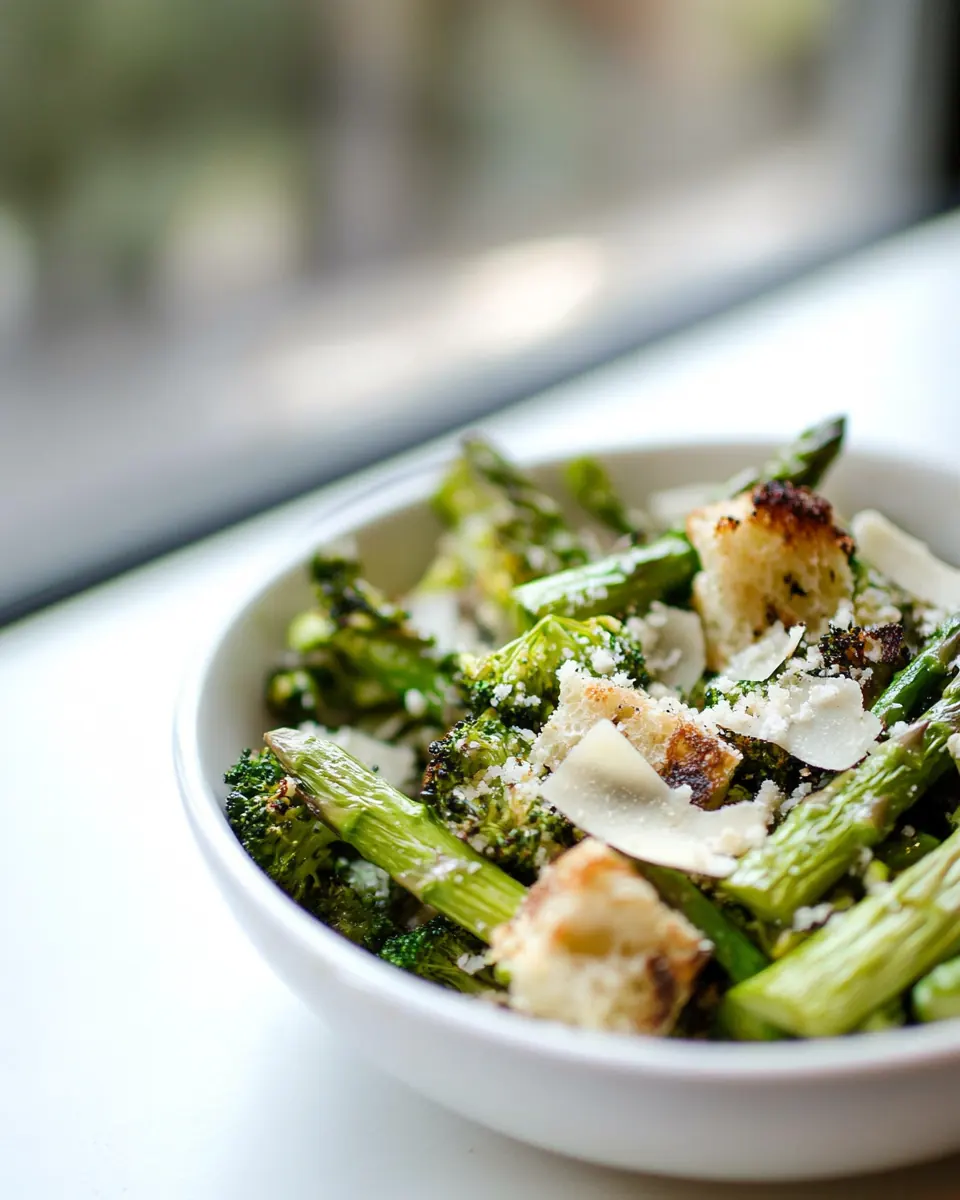
These ingredients are chosen for harmony and simplicity. The key players are the vegetables, which roast to develop caramelized edges, and the pantry items that finish the salad with balance. Each component has a clear role: the vegetables provide texture and sweetness, the oil and seasoning coax out flavor, the lettuce adds contrast, and the vinegar and parmesan cheese bring acidity and umami to tie everything together.
- 1/2 bunch asparagus, trimmed 1 small head broccoli, cut into bite-sized florets olive oil salt and pepper, to taste 1 small head green leaf lettuce, washed and torn balsamic vinegar freshly grated parmesan cheese: Trimmed and blanched or roasted briefly, provide a tender-crisp stalk with a bright, grassy flavor that contrasts roasted broccoli; trim woody ends to ensure even texture. Toss with olive oil, salt, and pepper before roasting to develop caramelized tips and deepen sweetness, then slice if desired for easier eating. Pair with balsamic and parmesan to balance the natural vegetal bitterness and add savory richness.
Instructions for Roasted Broccoli and Asparagus Salad
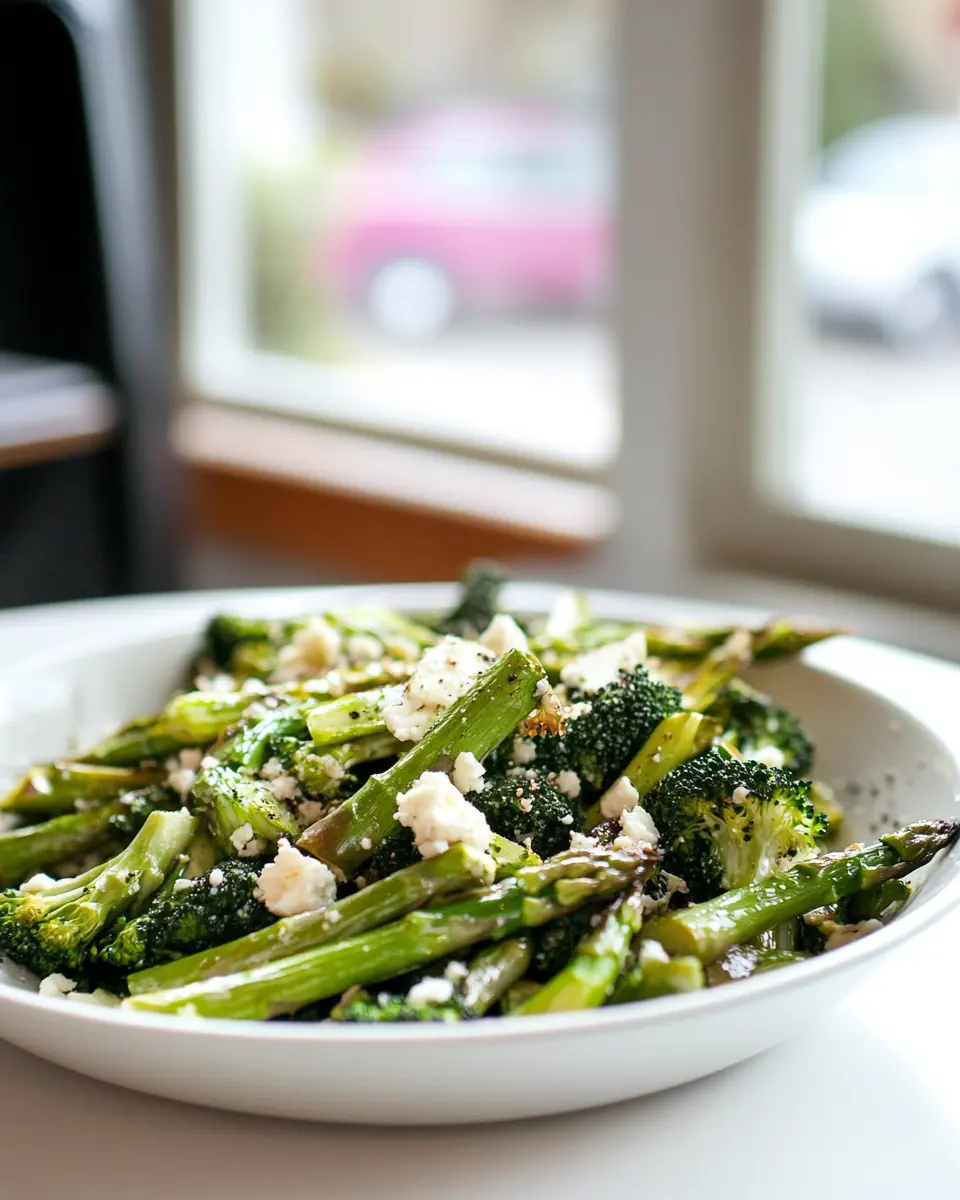
I like to keep the instructions friendly and sensory so you know how the salad should look and feel at each stage. Follow the sequence and use your senses to guide timing and doneness. These steps will ensure balanced texture and maximum flavor.
- Preheat oven to 400ºF. Toss asparagus and broccoli with a few tablespoons of olive oil; season with salt and pepper. Spread out on a foil-lined baking sheet and bake for 10 to 15 minutes or until tender.: As you wait for the oven to reach temperature, you will hear the faint hum of the elements and feel the kitchen warm a bit, signaling the oven is getting ready to transform the vegetables. Preheating matters because it gives the asparagus and broccoli an immediate hot surface to begin caramelizing, which leads to those browned, slightly crisp edges that make the dish sing. If you skip proper preheating, the vegetables will cook unevenly and likely steam instead of roast. A common mistake is putting the tray in too early, which yields limp, pale veggies rather than crisped, nutty ones.
- Toss lettuce with a splash of olive oil and balsamic vinegar. Arrange on plates. Top with roasted veggies and sprinkle with parmesan cheese.: When you coat the vegetables in olive oil , you will notice a glossy sheen and the aroma of oil warming as it hits the hot pan. The oil helps heat travel and encourages the outside to brown while keeping insides tender. I use my hands to ensure everything is evenly coated so each floret and spear gets a little seasoning. If you skimp on oil or salt, the vegetables will brown unevenly and taste flat. Avoid over seasoning at this stage, since you can always adjust later.
- Spread out on a foil lined baking sheet and bake for 10 to 15 minutes or until tender: As the vegetables roast, you will hear a faint sizzle and start to smell a toasty, slightly sweet fragrance as the sugars caramelize. Visually, edges will darken into golden to deep brown spots, and the stalks of the asparagus will look a touch translucent. The why here is simple, the heat concentrates flavor and transforms texture, creating contrast between crisp edges and tender cores. A common troubleshooting point is overcrowding the pan, which traps steam and prevents browning, so keep space between pieces for best results.
- Toss lettuce with a splash of olive oil and balsamic vinegar: The cool, crisp green leaf lettuce benefits from a light dressing so it does not compete with the roasted vegetables. When you gently toss, you will feel the leaves take on a faint shine and hear a soft rustle as they move. The acidity of the balsamic vinegar brightens the salad and balances the roasted sweetness. The common mistake is overdressing, which wilts the lettuce and masks the delicate roasted flavors, so use just a splash and adjust to taste.
- Arrange on plates: Laying out the dressed green leaf lettuce creates a cool, crisp bed for the warm vegetables. The visual contrast between bright green leaves and browned broccoli and asparagus makes the salad feel composed and inviting. Plating matters because it sets expectations for the first bite and encourages even bites of both warm and cool elements. Avoid piling everything in one mound, which can lead to uneven distribution of flavors.
- Top with roasted veggies and sprinkle with parmesan cheese: As you place the warm roasted broccoli and asparagus on the lettuce, you will notice steam lifting and a richer, savory perfume filling the air. Freshly grated parmesan cheese melts slightly on warm surfaces, adding creamy umami that ties the salad together. This final touch enhances mouthfeel and balance. A common error is using pregrated product or adding too much cheese, which can overwhelm the brightness of the balsamic vinegar and the vegetal notes of the vegetables.
Make It Your Own
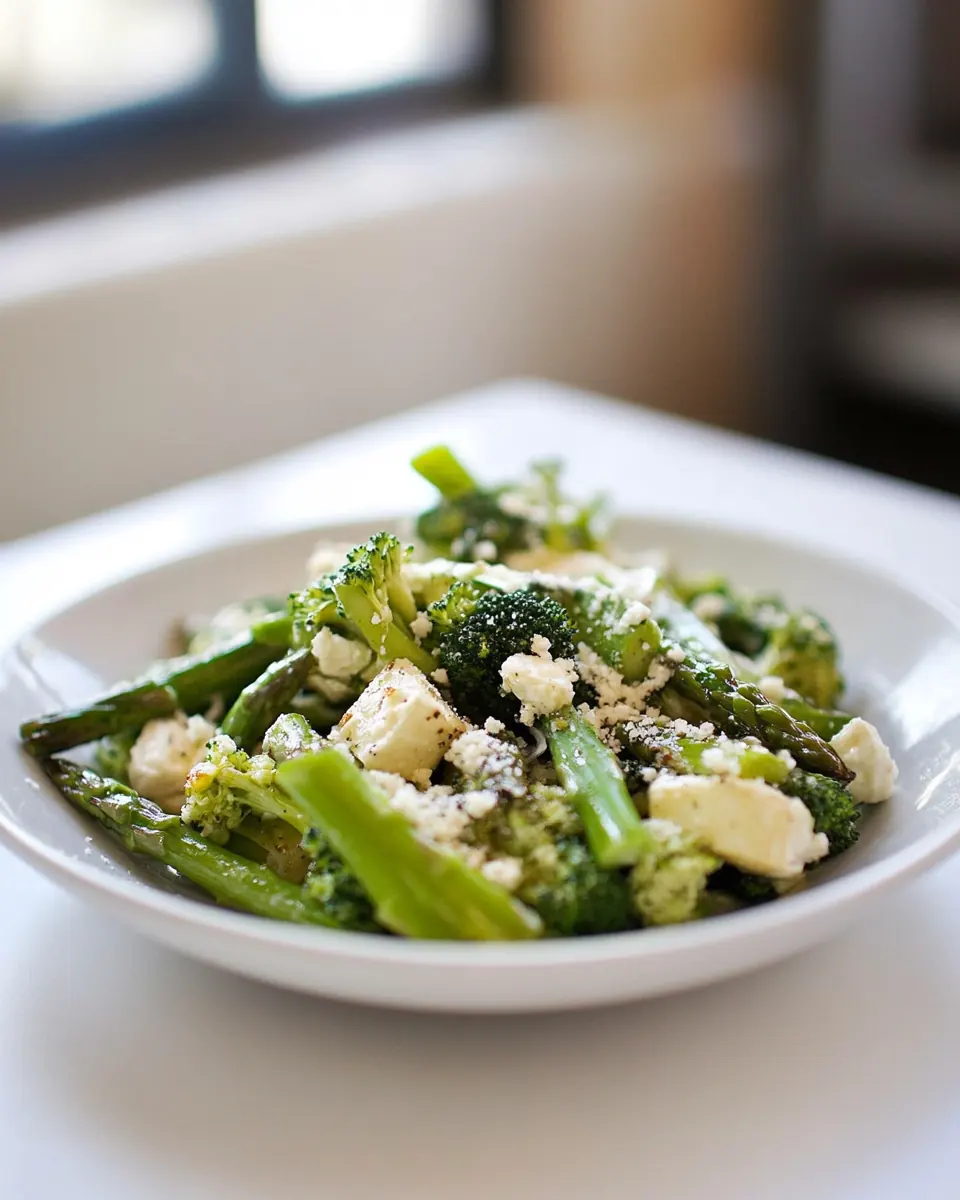
This section is about small changes that still honor the spirit of the salad. These tweaks let you tune acidity, texture, and presentation to your taste. Try one or combine a few to make the recipe feel personal and new each time.
- Swap the lettuce for sturdier greens if you plan to serve this as a composed plate for guests, as sturdier leaves hold up better under warm vegetables.
- Increase the balsamic for brightness when your broccoli or asparagus are especially sweet, adding balance and a lively tang.
- Add the parmesan at the last moment so it softly melts on warm veggies and gives a silky finish instead of clumping on cold leaves.
- Use a rimmed sheet pan to prevent juices from spilling, which makes roasting easier and cleanup simpler.
- Dress the lettuce lightly to preserve its crunch, then let diners add more vinegar if they prefer a tangier bite.
Accompaniments for Roasted Broccoli and Asparagus Salad
This salad pairs well with a variety of meals and occasions, and it travels from casual lunches to light dinners with ease. Think about textures and temperatures when planning the rest of the plate. I often serve it alongside a simple grain or with roasted proteins when I want a fuller meal.
- As a side for weeknight dinners it complements roasted chicken or fish, offering a bright vegetable contrast and an easy way to add greens to the plate.
- For a spring lunch serve it with crusty bread and a wedge of lemon so people can add brightness to each bite.
- At casual gatherings set it on the table family style, letting guests pick warm roasted pieces and dress them with extra balsamic vinegar if desired.
- Storage tips include keeping the roasted vegetables separate from the dressed lettuce in the fridge to preserve texture; reheat vegetables briefly in a hot oven before assembling for best results.
- Seasonal pairing is natural in spring when asparagus is at its peak; the salad highlights fresh produce and makes a lively plate for outdoor meals.
FAQ
Conclusion
What makes this recipe special is its combination of simplicity and texture contrast, with roasted broccoli and asparagus playing beautifully against crisp green leaf lettuce and a bright balsamic finish. I encourage you to try it when spring produce is at its best, or whenever you want a quick, satisfying salad that feels both fresh and comforting. It’s easy to scale and adapt, and I find it becomes a go to whenever I need a no fuss, flavorful vegetable dish.
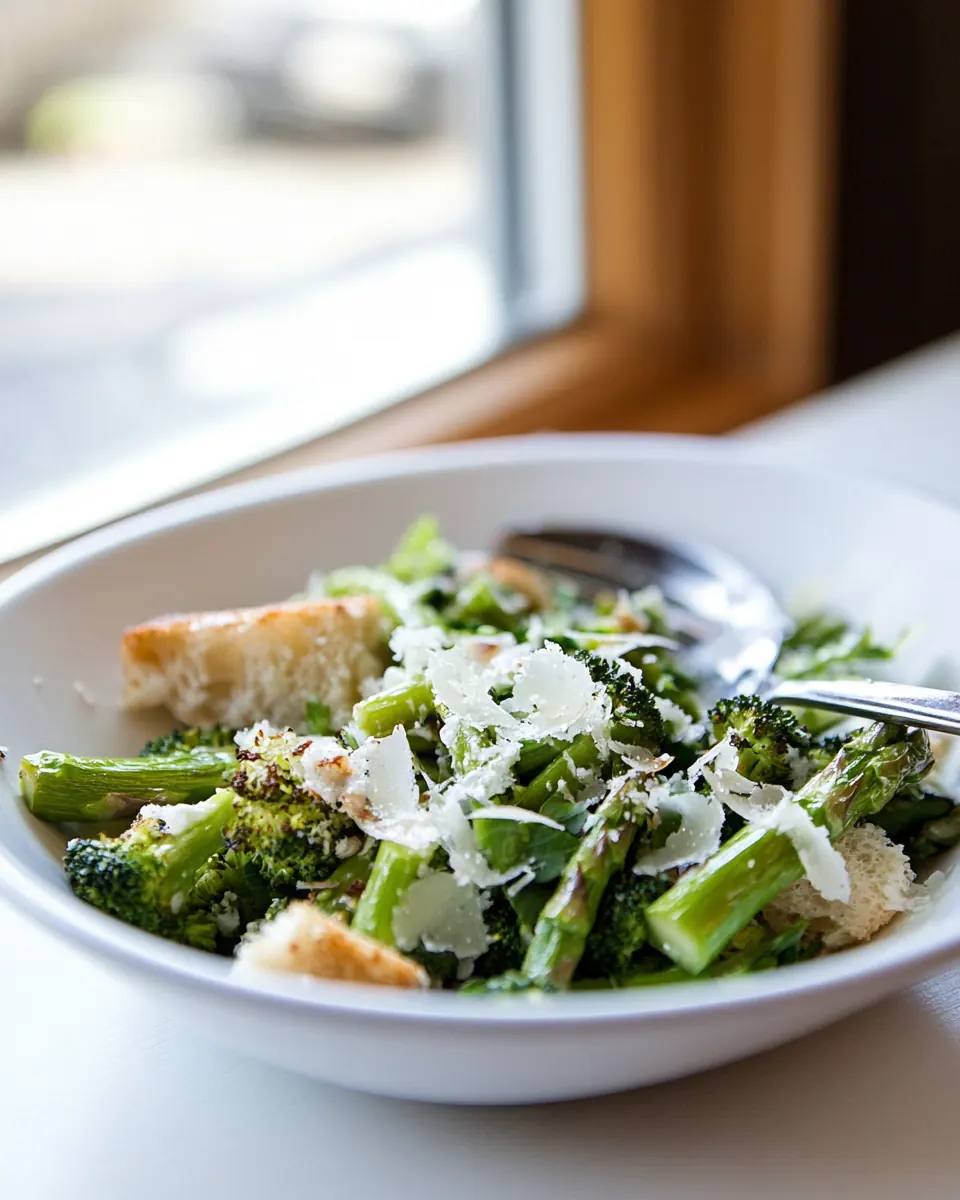
Roasted Broccoli and Asparagus Salad
Ingredients
Equipment
Method
- Preheat oven to 400ºF. Toss asparagus and broccoli with a few tablespoons of olive oil; season with salt and pepper. Spread out on a foil-lined baking sheet and bake for 10 to 15 minutes or until tender.: As you wait for the oven to reach temperature, you will hear the faint hum of the elements and feel the kitchen warm a bit, signaling the oven is getting ready to transform the vegetables. Preheating matters because it gives the asparagus and broccoli an immediate hot surface to begin caramelizing, which leads to those browned, slightly crisp edges that make the dish sing. If you skip proper preheating, the vegetables will cook unevenly and likely steam instead of roast. A common mistake is putting the tray in too early, which yields limp, pale veggies rather than crisped, nutty ones.
- Toss lettuce with a splash of olive oil and balsamic vinegar. Arrange on plates. Top with roasted veggies and sprinkle with parmesan cheese.: When you coat the vegetables in olive oil , you will notice a glossy sheen and the aroma of oil warming as it hits the hot pan. The oil helps heat travel and encourages the outside to brown while keeping insides tender. I use my hands to ensure everything is evenly coated so each floret and spear gets a little seasoning. If you skimp on oil or salt, the vegetables will brown unevenly and taste flat. Avoid over seasoning at this stage, since you can always adjust later.
- Spread out on a foil lined baking sheet and bake for 10 to 15 minutes or until tender: As the vegetables roast, you will hear a faint sizzle and start to smell a toasty, slightly sweet fragrance as the sugars caramelize. Visually, edges will darken into golden to deep brown spots, and the stalks of the asparagus will look a touch translucent. The why here is simple, the heat concentrates flavor and transforms texture, creating contrast between crisp edges and tender cores. A common troubleshooting point is overcrowding the pan, which traps steam and prevents browning, so keep space between pieces for best results.
- Toss lettuce with a splash of olive oil and balsamic vinegar: The cool, crisp green leaf lettuce benefits from a light dressing so it does not compete with the roasted vegetables. When you gently toss, you will feel the leaves take on a faint shine and hear a soft rustle as they move. The acidity of the balsamic vinegar brightens the salad and balances the roasted sweetness. The common mistake is overdressing, which wilts the lettuce and masks the delicate roasted flavors, so use just a splash and adjust to taste.
- Arrange on plates: Laying out the dressed green leaf lettuce creates a cool, crisp bed for the warm vegetables. The visual contrast between bright green leaves and browned broccoli and asparagus makes the salad feel composed and inviting. Plating matters because it sets expectations for the first bite and encourages even bites of both warm and cool elements. Avoid piling everything in one mound, which can lead to uneven distribution of flavors.
- Top with roasted veggies and sprinkle with parmesan cheese: As you place the warm roasted broccoli and asparagus on the lettuce, you will notice steam lifting and a richer, savory perfume filling the air. Freshly grated parmesan cheese melts slightly on warm surfaces, adding creamy umami that ties the salad together. This final touch enhances mouthfeel and balance. A common error is using pregrated product or adding too much cheese, which can overwhelm the brightness of the balsamic vinegar and the vegetal notes of the vegetables.
Notes
- Swap the lettuce for sturdier greens if you plan to serve this as a composed plate for guests, as sturdier leaves hold up better under warm vegetables.
- Increase the balsamic for brightness when your broccoli or asparagus are especially sweet, adding balance and a lively tang.
- Add the parmesan at the last moment so it softly melts on warm veggies and gives a silky finish instead of clumping on cold leaves.
- Use a rimmed sheet pan to prevent juices from spilling, which makes roasting easier and cleanup simpler.
- Dress the lettuce lightly to preserve its crunch, then let diners add more vinegar if they prefer a tangier bite.