Fried Ravioli
Fried Ravioli has been one of those recipes that sneaks into my life during casual get togethers and becomes the thing everyone remembers from the night. The first time I made Fried Ravioli I was juggling a kiddo who wanted to help and a playlist that refused to cooperate, yet the smell of frying ravioli and warm marinara sauce felt like an instant reward. I can still recall the way the kitchen filled with crisp, toasty notes and how the ravioli puffed up just enough to make them feel indulgent without being fussy.
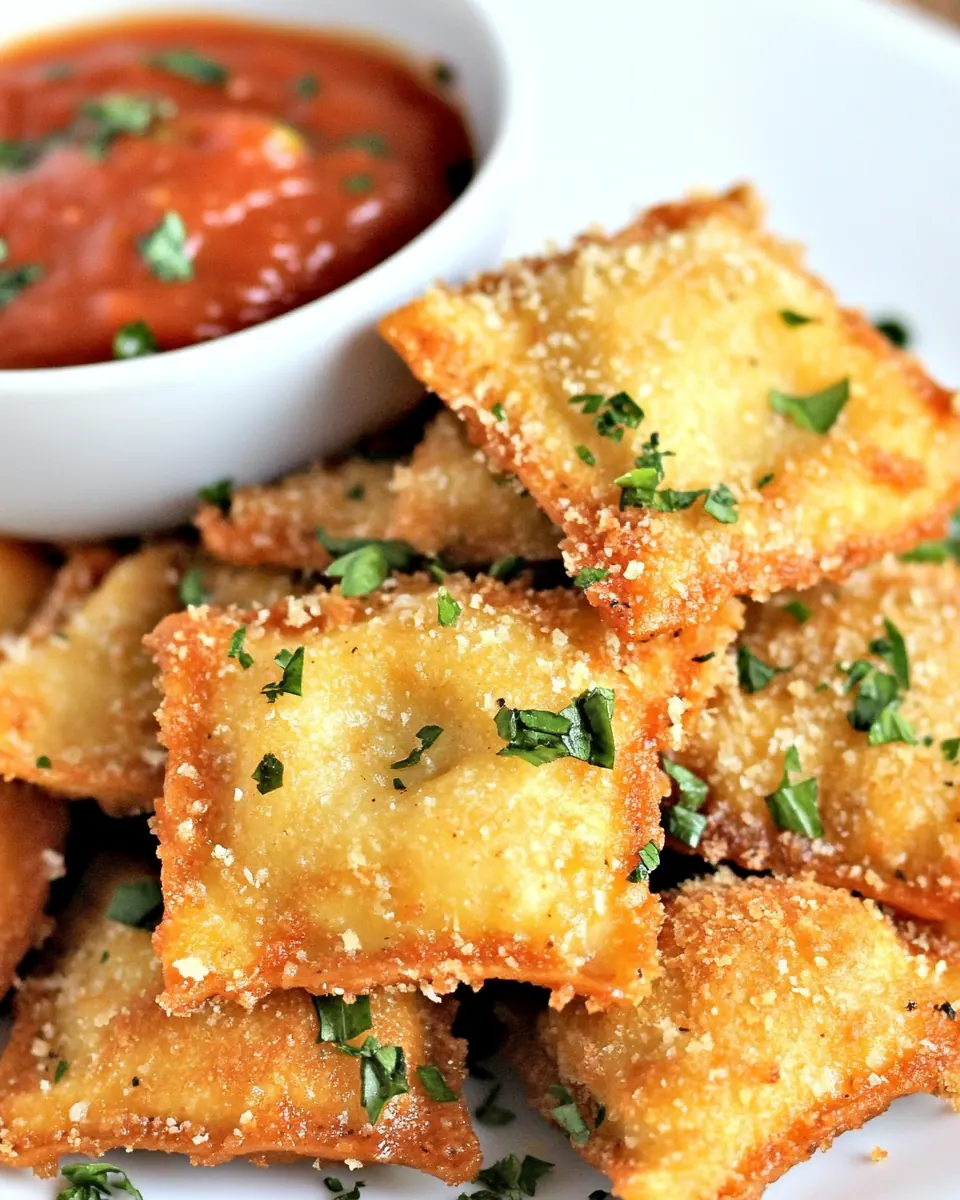
Over the years I refined the technique so the exterior is reliably crunchy and the interior stays soft and cheesy. There are nights when I make a quick batch for a movie, and other times when I double the recipe for a small party. Each time I plate a mound of golden bites with a small bowl of warm marinara sauce, people gravitate toward it first. I love that it feels celebratory yet simple, like a snack that somehow outperforms more complicated dishes.
Recipe Snapshot
13 mins
10 mins
3 mins
Medium
350 kcal
Italian
Low FODMAP, Gluten-Free
Appetizers
Heavy skillet or deep fryer, Shallow bowls for dredging, Tongs, Candy or deep fry thermometer, Wire cooling rack
What Makes This Fried Ravioli Special
Crispy contrast
I adore the way Fried Ravioli delivers texture contrast. The exterior crackles under the bite while the center remains soft and creamy, and that contrast is the reason I keep coming back to this method when I want a crowd pleasing appetizer. It feels satisfying in the mouth and makes every bite interesting.
Speed and simplicity
One of the reasons I reach for Fried Ravioli is how quickly it comes together. From room temperature to table in less than half an hour, it is perfect for nights when I want something impressive without fuss. I often double dip the ravioli in the egg and crumb to ensure a thick crisp shell, and that little extra step pays off in a texture that lasts even as they cool to room temperature.
Customizable and forgiving
I appreciate that this recipe is forgiving. You can use store bought jumbo four cheese ravioli or other fillings and still get great results. The breading mix is adaptable, so if I want a more herbed profile I up the Italian seasoning, or if guests prefer a plainer crisp I use plain panko. It makes hosting feel flexible and low stress.
Kid friendly and shareable
My family loves dipping things, so Fried Ravioli has become a hands on favorite. It is easy to serve on a platter with a bowl of warm marinara sauce, and people love piling them on a plate. Because the pieces are bite sized, they encourage sharing and conversation.
Restaurant taste at home
I like that this recipe yields a snack that tastes like something from a cozy trattoria, but is entirely achievable in a home kitchen. The bread crumb and egg bath technique creates a browned, savory crust with deep toasty notes, and the slightly puffed ravioli inside keeps that homemade charm intact. When I want to impress without stress, this recipe is my go to.
What You’ll Need for Fried Ravioli
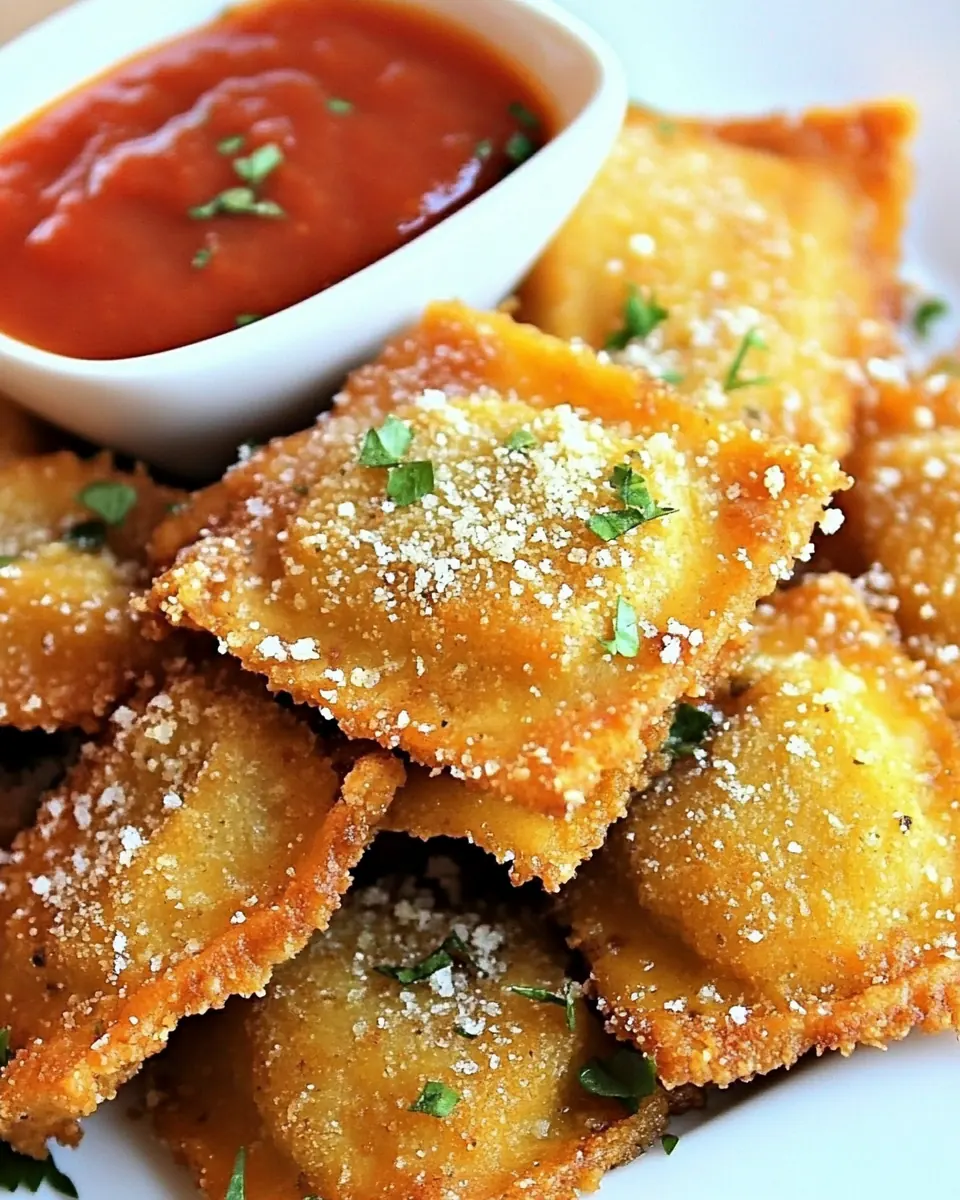
These ingredients are simple, yet they each play a clear role in building the final bite. The two types of bread crumbs form a crunchy shell, the Italian seasoning and salt add seasoning to the crust, and the egg and milk provide adhesion and richness. The star is the fresh ravioli, which must be room temperature so it fries evenly. A warm marinara sauce at the end ties everything together with acidity.
- 1/2 cup Kikkoman Panko bread crumbs: Provide a light, crispy coating when mixed and toasted; Kikkoman Panko adds an airy crunch that helps create a delicate, golden crust on fried ravioli. Use as part of a breadcrumb mixture to achieve texture contrast while keeping interiors tender.
- 1/2 cup Italian seasoned bread crumbs: Add a seasoned, slightly denser crust component; Italian seasoned bread crumbs contribute complementary herbs and a uniform coating that browns evenly. Combine with panko to balance flavor and structure for a well-rounded exterior.
- 1 tsp Italian seasoning: Impart Mediterranean herb notes and enhance overall flavor; Italian seasoning brings oregano, basil, and thyme accents that elevate the simple breadcrumb mix. Sprinkle into the coating to distribute aromatic depth without overpowering the filling.
- 1/2 tsp kosher salt: Season the coating and interior for balanced taste; kosher salt sharpens flavors and helps draw out moisture slightly to improve browning. Use sparingly to avoid oversalting, especially if fillings or sauces are already seasoned.
- 10 14 fresh ravioli store bought – not frozen, I used jumbo four-cheese: Contain the ravioli filling and provide the main bulk for the finished dish; fresh store–bought jumbo four–cheese ravioli offer a hearty, tender pasta pocket that crisps well when fried. Ensure they are fully thawed and dry before breading to prevent sogginess and uneven frying.
- 2 eggs: Bind the crumbs to the ravioli surface and create an egg wash that promotes adhesion; eggs help form a cohesive coating that fries to a golden finish. Beat briefly with milk for uniform coverage and richer color.
- 1/3 cup milk: Thin the egg wash and add richness to the coating mixture; milk loosens the eggs so the breadcrumbs adhere smoothly while contributing a slight creaminess. Use whole or low-fat milk depending on desired richness.
- oil for frying: Provide the medium for frying and enable rapid, even crisping of the breaded ravioli; choose an oil with a high smoke point and sufficient depth for shallow or deep frying. Maintain steady temperature to avoid greasy or undercooked results.
- marinara sauce for dipping (optional): Offer a tangy, savory accompaniment for dipping the fried ravioli; marinara sauce adds acidity and herbaceousness that balances the rich, cheesy filling and crunchy coating. Serve warm on the side for contrast and extra flavor.
How to Cook Fried Ravioli
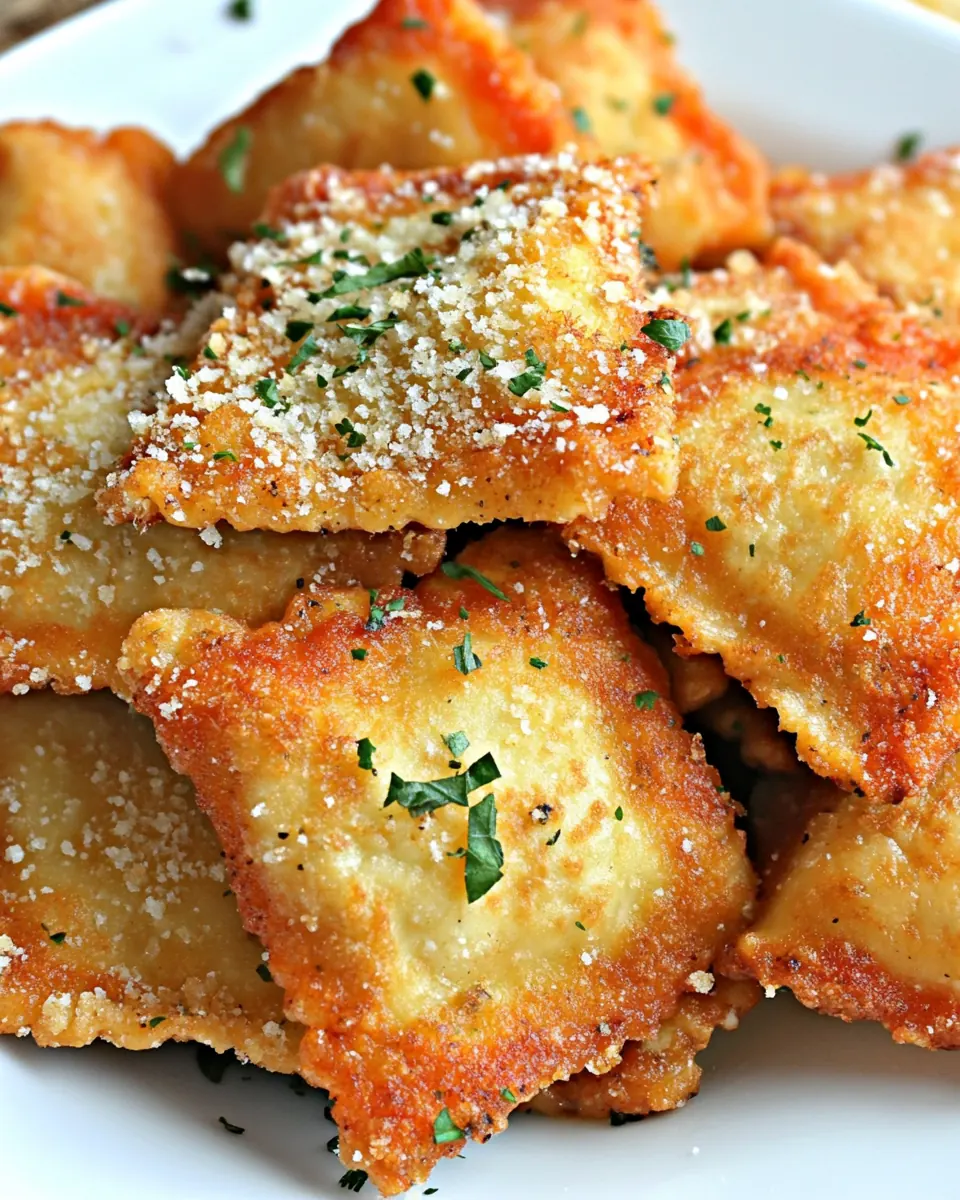
Cooking Fried Ravioli is a rhythmic process that moves fast once your stations are set. I like to assemble the breading station, bring the ravioli to room temperature, and heat the oil while I double dip so nothing sits too long. Keep a platter lined with a rack ready to drain the cooked pieces so they stay crisp.
- Bring ravioli and eggs to room temperature.: As soon as you start, notice the tactile difference when items are at room temperature, the ravioli will feel supple rather than chilled, and the eggs will blend into a smooth, glossy batter. This matters because cold eggs can seize when mixed with the bread crumbs, and cold pasta will lower the oil temperature causing oily results. If you skip this, expect uneven frying and potential tearing of the pasta skins. A good check is to gently press a ravioli and feel for flexible dough rather than stiff chill.
- Combine the bread crumbs, Italian seasoning, and salt in a shallow bowl.: When you mix the crumbs, inhale the toasted notes and herbs that will become the outer crust, giving you a preview of the final aroma. A shallow bowl helps you bed the crumbs in an even layer for consistent dredging. If the crumbs are uneven, some pieces may brown faster, so shake the bowl to level them before dredging. Avoid overworking the crumbs with your hands which can compress them and reduce crispness.
- Whisk together the eggs and milk in another bowl.: Whisk until the mixture is uniform and slightly frothy, you'll see tiny bubbles at the surface that indicate it is ready to coat. The texture should be fluid enough to cling but not runny, and the milk will mellow the egg flavor while helping the crumbs adhere. If it looks curdled, it might be too cold, so warm the bowl briefly in your hands. Do not overwhisk to the point of foamy peaked whites, or the coating may be uneven.
- Dip the raviolis in the egg mixture and then dredge in the bread crumb mixture. Repeat this a second time so they are double-dipped 🙂 Let the raviolis set on a rack while the oil is coming up to temp.: After you dip, listen for the soft sound of crumbs settling and see how the crumb layer nests into the pasta folds. The coating will form little peaks and valleys that brown attractively. Repeat this a second time so they are double-dipped, then let the raviolis set on a rack while the oil is coming up to temp. The rest period helps the coating adhere and reduces sloughing in the oil. A common mistake is rushing to fry immediately, which can cause the crumbs to fall away when flipped.
- You can either deep-fry or pan-fry the raviolis. You are looking for a temperature of 350-375.: When the oil reaches the correct range it should shimmer slightly and form small wisps at the surface without smoking. Use a thermometer for accuracy, because oil that is too cool will make greasy crusts, while oil that is too hot will brown the outside before the center warms. If you notice heavy smoking, reduce heat and let the oil stabilize. Avoid overcrowding the pan which drops temperature rapidly.
- The raviolis take about 3 minutes to cook. Flip them over about halfway through to make sure they are cooking evenly.: During frying, listen for a consistent sizzle and watch the crust progress from pale to deep golden. The cook time is short so stay attentive, flipping carefully with tongs to prevent tearing. If they brown too fast, your oil is too hot, and if they stay pale after several minutes the oil is too cool. One classic misstep is leaving them unattended, leading to overbrowning on one side.
- Once they are a nice golden color – take them out! The raviolis will puff up slightly just as they would if you boiled them.: As you lift them from the oil, note the crisp shatter and the faint steam rising from seams where the filling warmed. They will puff up slightly, a good visual cue that the interior is hot and the filling softened. Transfer to a rack to drain rather than paper towels to keep airflow around them and preserve crispness. If you pile them, the trapped steam will soften the crust.
- Serve them warm or at room temperature.: When plated, the texture is at its best within the first 20 minutes, presenting a warm interior contrasted by the crisp shell. I often arrange them in a single layer so the bottoms do not steam, and I invite guests to grab with tongs or fingers for a convivial feel. Serving them too late results in a loss of crunch, so try to time plating with arrival.
- A warm marinara makes the perfect dipping sauce for this tasty appetizer.: The tangy acidity of a warmed marinara sauce cuts through the fried richness and brightens each bite. Keep the sauce gently simmering so it is hot when you serve, and spoon a small amount into shallow bowls for dipping. Avoid thick, cold sauces which can mute the contrast between hot and crisp that makes this snack sing.
Customization Ideas
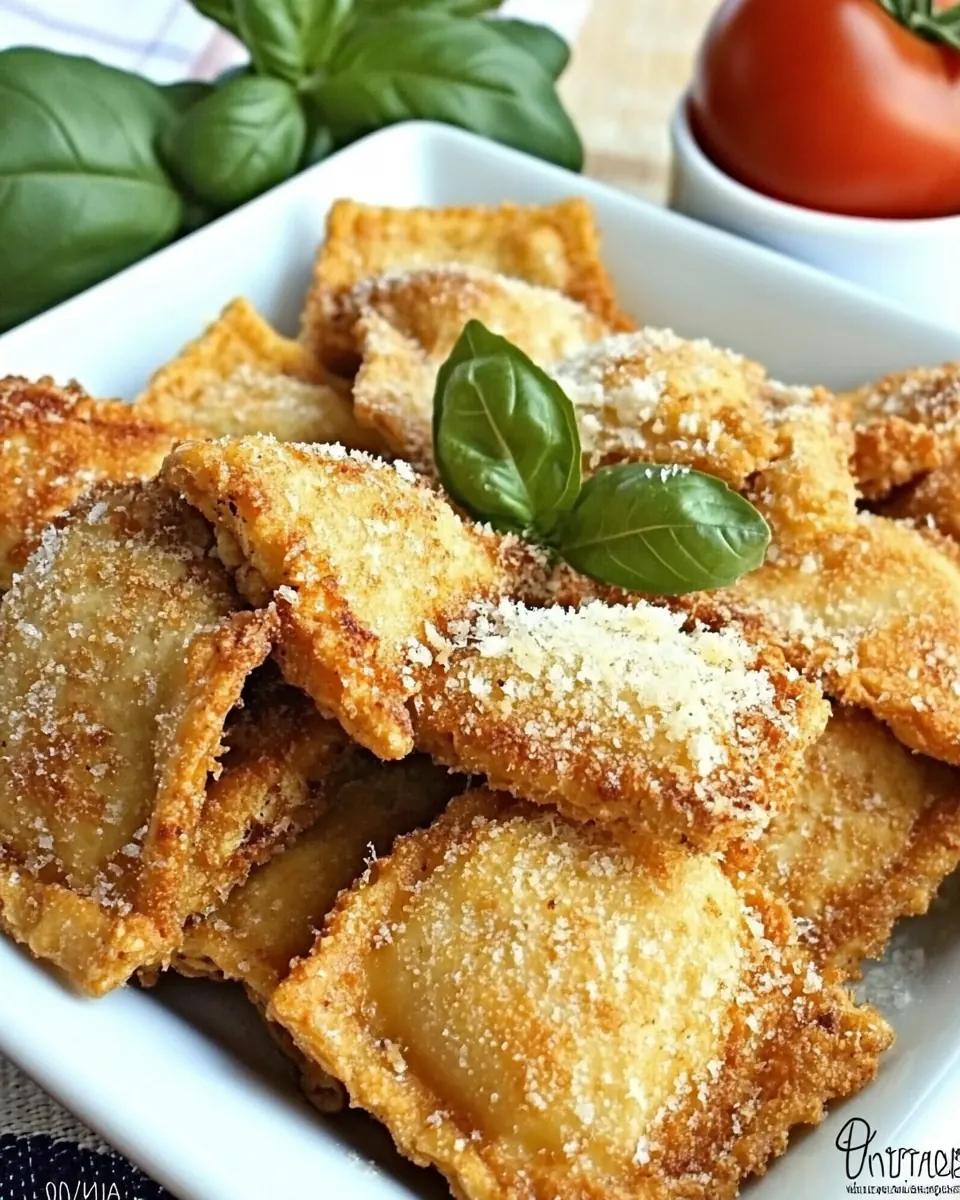
There are so many small tweaks that make Fried Ravioli your own. Below are ideas I use depending on the occasion and what is in my pantry.
- Make it herby: Stir an extra pinch of Italian seasoning into the crumbs for a more pronounced herbal crust perfect for herb lovers.
- Extra crunch: Use just a touch more Kikkoman Panko bread crumbs on the exterior for an airier, flakier crisp that stays satisfying as they cool.
- Cheesy boost: Add a tablespoon of finely grated cheese to the Italian crumbs for a savory, umami lift that enhances the four cheese filling.
- Pan fry method: Shallow fry in 1/2 inch of oil and turn frequently to get even color if you prefer not to deep fry.
- Serving style: Warm the marinara sauce slowly with a pinch of extra herbs so the dipping sauce feels homemade and aromatic.
Serving Suggestions
Fried Ravioli is a joyful snack that adapts to many occasions, from casual movie nights to festive appetizer spreads. Below are ways I like to present it, depending on the gathering and the mood I want to set.
- Party platter: Arrange the Fried Ravioli in a single layer on a large platter with a shallow bowl of warm marinara sauce in the center for communal dipping.
- Family snack: Serve a generous bowl with small bowls of sauce for each person so everyone can double dip comfortably.
- Light dinner: Pair with a crisp green salad to add freshness and a crunchy counterpoint to the fried texture when serving as a casual meal.
- Game night: Keep a tray on a warming rack near the TV area so guests can graze without sacrificing crispness.
- Leftover storage: Refrigerate cooled pieces in a single layer for up to two days, then reheat in a 350 oven on a rack so the air circulates and restores some crispness.
- Seasonal pairing: In cooler months I serve with a warmed, herb studded marinara sauce and in warmer months a lighter sauce with fresh basil keeps the plate feeling bright.
FAQ
Conclusion
Fried Ravioli stands out because it delivers a contrast of textures and an impressive flavor with minimal fuss. The crunchy breadcrumb crust and warm, melty interior make it a dependable crowd pleaser that feels both comforting and special. Give this recipe a try next time you want a simple appetizer that looks like you worked harder than you did, and enjoy the satisfied smiles as people reach for seconds. It is a recipe I return to whenever I want a fast, shareable bite that hits all the right notes.
Fried Ravioli
Ingredients
Equipment
Method
- Bring ravioli and eggs to room temperature.: As soon as you start, notice the tactile difference when items are at room temperature, the ravioli will feel supple rather than chilled, and the eggs will blend into a smooth, glossy batter. This matters because cold eggs can seize when mixed with the bread crumbs, and cold pasta will lower the oil temperature causing oily results. If you skip this, expect uneven frying and potential tearing of the pasta skins. A good check is to gently press a ravioli and feel for flexible dough rather than stiff chill.
- Combine the bread crumbs, Italian seasoning, and salt in a shallow bowl.: When you mix the crumbs, inhale the toasted notes and herbs that will become the outer crust, giving you a preview of the final aroma. A shallow bowl helps you bed the crumbs in an even layer for consistent dredging. If the crumbs are uneven, some pieces may brown faster, so shake the bowl to level them before dredging. Avoid overworking the crumbs with your hands which can compress them and reduce crispness.
- Whisk together the eggs and milk in another bowl.: Whisk until the mixture is uniform and slightly frothy, you'll see tiny bubbles at the surface that indicate it is ready to coat. The texture should be fluid enough to cling but not runny, and the milk will mellow the egg flavor while helping the crumbs adhere. If it looks curdled, it might be too cold, so warm the bowl briefly in your hands. Do not overwhisk to the point of foamy peaked whites, or the coating may be uneven.
- Dip the raviolis in the egg mixture and then dredge in the bread crumb mixture. Repeat this a second time so they are double-dipped 🙂 Let the raviolis set on a rack while the oil is coming up to temp.: After you dip, listen for the soft sound of crumbs settling and see how the crumb layer nests into the pasta folds. The coating will form little peaks and valleys that brown attractively. Repeat this a second time so they are double-dipped, then let the raviolis set on a rack while the oil is coming up to temp. The rest period helps the coating adhere and reduces sloughing in the oil. A common mistake is rushing to fry immediately, which can cause the crumbs to fall away when flipped.
- You can either deep-fry or pan-fry the raviolis. You are looking for a temperature of 350-375.: When the oil reaches the correct range it should shimmer slightly and form small wisps at the surface without smoking. Use a thermometer for accuracy, because oil that is too cool will make greasy crusts, while oil that is too hot will brown the outside before the center warms. If you notice heavy smoking, reduce heat and let the oil stabilize. Avoid overcrowding the pan which drops temperature rapidly.
- The raviolis take about 3 minutes to cook. Flip them over about halfway through to make sure they are cooking evenly.: During frying, listen for a consistent sizzle and watch the crust progress from pale to deep golden. The cook time is short so stay attentive, flipping carefully with tongs to prevent tearing. If they brown too fast, your oil is too hot, and if they stay pale after several minutes the oil is too cool. One classic misstep is leaving them unattended, leading to overbrowning on one side.
- Once they are a nice golden color - take them out! The raviolis will puff up slightly just as they would if you boiled them.: As you lift them from the oil, note the crisp shatter and the faint steam rising from seams where the filling warmed. They will puff up slightly, a good visual cue that the interior is hot and the filling softened. Transfer to a rack to drain rather than paper towels to keep airflow around them and preserve crispness. If you pile them, the trapped steam will soften the crust.
- Serve them warm or at room temperature.: When plated, the texture is at its best within the first 20 minutes, presenting a warm interior contrasted by the crisp shell. I often arrange them in a single layer so the bottoms do not steam, and I invite guests to grab with tongs or fingers for a convivial feel. Serving them too late results in a loss of crunch, so try to time plating with arrival.
- A warm marinara makes the perfect dipping sauce for this tasty appetizer.: The tangy acidity of a warmed marinara sauce cuts through the fried richness and brightens each bite. Keep the sauce gently simmering so it is hot when you serve, and spoon a small amount into shallow bowls for dipping. Avoid thick, cold sauces which can mute the contrast between hot and crisp that makes this snack sing.
Notes
- Make it herby: Stir an extra pinch of Italian seasoning into the crumbs for a more pronounced herbal crust perfect for herb lovers.
- Extra crunch: Use just a touch more Kikkoman Panko bread crumbs on the exterior for an airier, flakier crisp that stays satisfying as they cool.
- Cheesy boost: Add a tablespoon of finely grated cheese to the Italian crumbs for a savory, umami lift that enhances the four cheese filling.
- Pan fry method: Shallow fry in 1/2 inch of oil and turn frequently to get even color if you prefer not to deep fry.
- Serving style: Warm the marinara sauce slowly with a pinch of extra herbs so the dipping sauce feels homemade and aromatic.