Rosemary Pumpkin Rolls
Rosemary Pumpkin Rolls landed on my kitchen counter on a rainy afternoon when I wanted something that tasted like fall and felt like a warm hug.
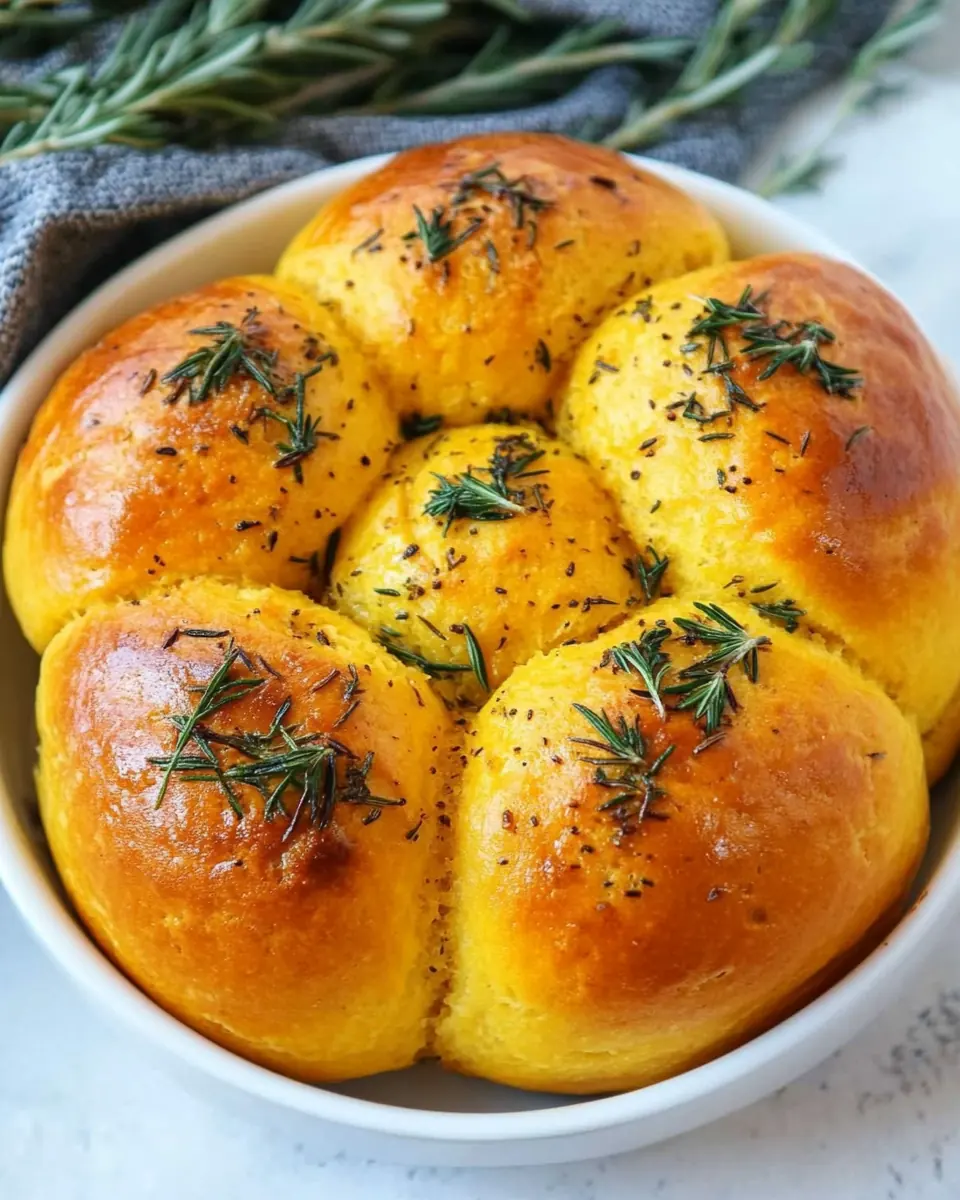
I remember pulling the sheet pan from the oven, the room filling with a cozy, slightly herbal aroma from rosemary mingling with the sweet, earthy scent of pumpkin. I had been testing savory baked goods for a holiday brunch, and these rolls immediately became the one I kept reaching for between sips of tea. The crust browned just enough to offer a faint crunch while the interior stayed pillowy and soft, and that contrast kept me smiling as I tore one apart. Friends who stopped by that day asked for the recipe and then came back the next week asking for more, which is when I knew these were winners.
What I love about Rosemary Pumpkin Rolls is how approachable they are, even if you are not a confident baker. The dough is forgiving, and the handful of ingredients work like a small orchestra, each player supporting the others. You get a subtle sweetness from the pumpkin and brown sugar, a savory lift from the rosemary, and just enough salt to make the flavors sing. They fit perfectly on a holiday table or a simple weekend breakfast, and they travel beautifully if you want to bring something homemade to a potluck.
Recipe Snapshot
35 mins
15 mins
20 mins
Medium
200 kcal
American
Gluten-Free, Low FODMAP
Dinner
9-inch cake pan
What’s Great About This Rosemary Pumpkin Rolls
Comfort and Seasonality
I adore how Rosemary Pumpkin Rolls capture fall in a bite. The pairing of pumpkin and rosemary feels seasonal without being overly fussy, so I often reach for this recipe when the leaves start to turn. The aroma alone makes guests feel welcome, and I love seeing people close their eyes as they taste that first warm bite.
Simple, Honest Ingredients
These rolls shine because they rely on pantry staples like all purpose flour, instant yeast, and milk. I appreciate recipes that do not demand obscure items, and this one keeps the ingredient list short and readable. That makes it perfect for last minute baking when you still want something impressive.
Versatility on the Table
We serve these as breakfast, brunch, and alongside savory mains. The subtle sweetness of pumpkin means they pair as well with butter and jam as they do with heartier dinner plates. I often bring them to gatherings because they travel and reheat gracefully, and guests always ask what the secret is.
Texture and Technique
The method emphasizes a soft, well kneaded dough and a warm, steady rise. When I knead the dough just until it becomes smooth, I know the crumb will be tender and the rolls will split easily. The light oiling of surfaces prevents sticking, which makes shaping easier and less stressful, especially if you are baking with company.
Reliable Results
After a few tests, I learned small tweaks that make a big difference, like warming the milk to the right temperature and not overproofing the rolls. Those adjustments mean I can count on the same golden outcome every time, which is the kind of recipe I keep coming back to and recommending to friends.
Ingredients Required for Rosemary Pumpkin Rolls
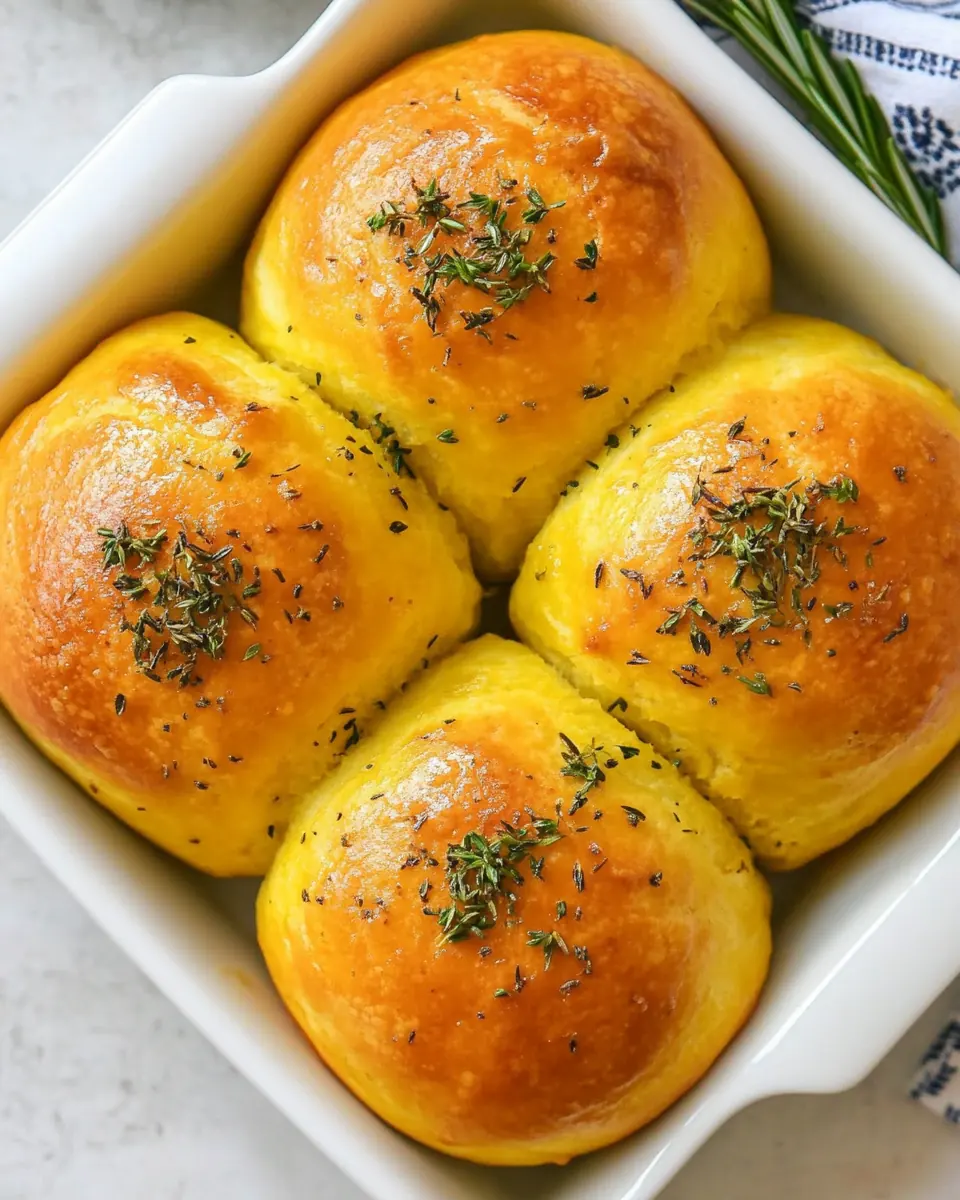
These ingredients are chosen to balance moisture, structure, and flavor. The pumpkin lends tender moisture and a hint of natural sweetness, while the all purpose flour provides the gluten structure that traps gas during fermentation. Instant yeast gives a predictable rise, and a touch of brown sugar helps with browning and flavor complexity. Fresh rosemary brightens each bite, making these rolls both cozy and aromatic.
- 1 tablespoon instant yeast: Activate yeast quickly by dissolving it in warm liquid to leaven the dough, producing light, airy rolls through fermentation and gas formation. Use instant yeast for faster rise and reliable performance in enriched doughs containing pumpkin and egg.
- 1/4 cup warm milk: Warm milk to a gentle temperature to feed the yeast and contribute moisture, tenderness, and a richer crumb in the final rolls. Incorporate milk to improve dough handling and enhance flavor and browning during baking.
- 1 large egg: Bind and enrich the dough by adding protein and fats that improve structure, color, and flavor; eggs contribute to a tender, moist crumb and help emulsify wet ingredients. Use a large egg to provide consistent volume and stability in enriched roll dough.
- 3/4 cup pumpkin puree: Add pumpkin puree to provide moisture, natural sweetness, and tenderizing vegetable solids that contribute a soft, moist crumb and seasonal flavor. Incorporate pumpkin to balance richness, add color, and contribute some natural sugars that aid browning.
- 1 tablespoon vegetable oil: Provide fat and lubrication to the dough with vegetable oil, improving tenderness and shelf life while keeping the rolls moist. Use oil to help create a softer crumb and facilitate mixing without solid fats.
- 3 1/4 cup all purpose flour: Develop gluten structure and provide the bulk of the dough with all-purpose flour, balancing protein for chewiness and strength while allowing a tender roll when combined with enriching ingredients. Measure 3-1/4 cups accurately to achieve proper dough consistency and rise.
- 1/4 cup packed brown sugar: Sweeten the dough with packed brown sugar to add moisture, depth of flavor, and subtle caramel notes; molasses content complements pumpkin and rosemary. Use the specified amount to balance sweetness without overpowering the savory-herbal elements.
- 1 1/4 teaspoon kosher salt: Season the dough with kosher salt to strengthen gluten, enhance flavor balance, and control yeast activity for a consistent rise and improved taste. Measure precisely to avoid over-salting, which can inhibit fermentation and mask other flavors.
- 1 tablespoon minced fresh rosemary: Infuse aromatic, savory herb notes by using minced fresh rosemary, adding a bright, pine-like flavor that pairs with pumpkin's sweetness. Distribute rosemary evenly to ensure every roll carries its distinctive herbal accent without overwhelming the dough.
Directions for Rosemary Pumpkin Rolls
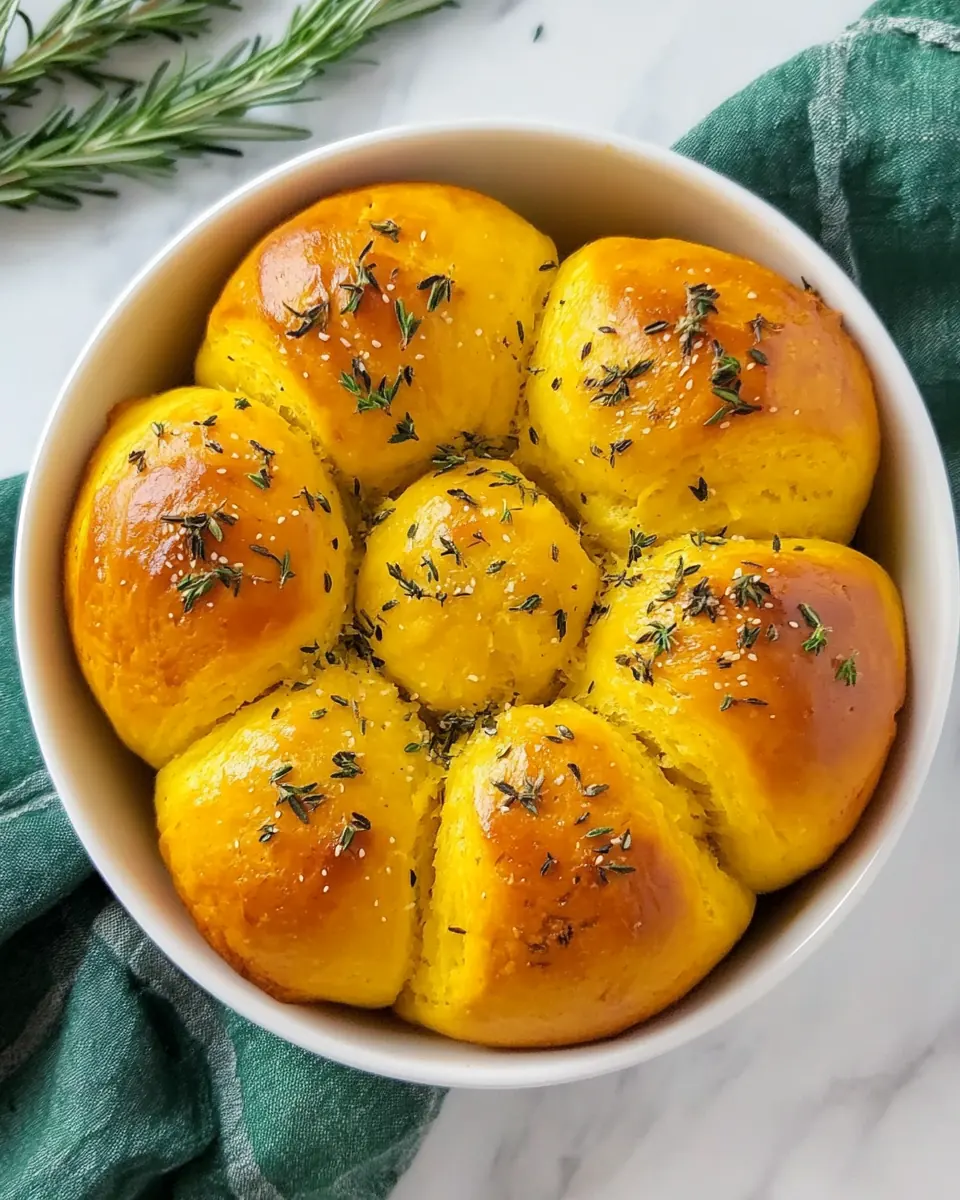
These directions will guide you through mixing, kneading, rising, shaping, and baking so the rolls turn out tender and aromatic. Take your time during the rises and pay attention to visual cues rather than the clock alone. You will be rewarded with beautiful, golden rolls that carry the scent of rosemary and pumpkin.
- Place all of the ingredients into a large mixing bowl or the bowl of an electric mixer.: The moment you combine the bowlfull you will notice aromas starting to mingle, with the faint sweetness of pumpkin and the herbaceous hint of rosemary . I like to add ingredients in the order listed so the yeast meets the warm milk and the wetter items coat the flour evenly. This approach helps prevent dry pockets of flour and creates a more uniform dough. One common mistake is rushing and not scraping the bowl sides, which leaves bits of dry ingredients; make sure everything is incorporated before moving on.
- If kneading by hand mix together the ingredients and knead by hand until a smooth soft dough is achieved. If using an electric mixer, fit it with the dough hook and knead until a smooth soft dough is achieved. I used an electric mixer with a dough hook and this took about 10 minutes.: You will feel the dough change under your hands or the hook, becoming elastic and slightly tacky rather than sticky. The tactile feedback is important, because underkneaded dough will be dense and overkneaded dough can become tight and tough. As you knead, pay attention to how the dough springs back and forms a smooth surface; that signals readiness. Avoid adding too much extra flour to correct stickiness, instead give the dough a couple of minutes to develop; if it truly is too wet, add flour one tablespoon at a time.
- Light grease a large mixing bowl and add the dough.: When you place the dough into an oiled bowl, the light sheen prevents sticking during the rise and makes turning the dough out effortless later. The oil also protects the dough surface and gives a soft finish to the crust. I rub a little oil on my hand before shaping the dough as well, to reduce tearing. A common oversight is using too little oil, which results in the dough drying out at the surface; a thin even coat solves this.
- Cover and let rise until doubled, about 60-75 minutes.: During this rise, watch for volume change rather than fixating on time, because room temperature varies. The dough should feel pillowy and hold an indentation when gently pressed. You may also notice a mild fermented scent developing, which is a good sign. Overproofing will collapse the structure, so check periodically once the dough is approaching doubled size.
- Lightly oil your work surface.: Oiling the surface prevents sticking and keeps the dough smooth as you handle it. The oil helps you shape without tearing the dough, so your rolls keep a neat appearance. If you skip this step, the dough can snag and stretch unevenly, producing misshapen rolls; a very light coating is all you need.
- Gently deflate your dough and turn it out on the oiled work surface.: Deflating feels like a gentle pressing that releases large trapped bubbles and equalizes texture. The dough should hold some air but not be full of enormous pockets. This step readies the dough for shaping and prevents large holes in the final rolls. If you press too aggressively you can knock out too much gas, resulting in dense rolls, so be gentle and deliberate.
- Shape the dough into 12-16 equally sized rolls.: As you portion and shape, you will notice the dough takes on a smooth, taught surface that bakes into an even crumb. I divide using a bench scraper for clean edges and roll each piece into a tight ball to encourage even rise. Uneven sizing leads to inconsistent baking where small rolls overbrown while large ones remain underbaked, so aim for uniform pieces.
- Lightly grease 2 8-inch cake pans or 1 9×13 dish.: Greasing the pans helps the bottoms release cleanly and supports even browning. The choice of pan affects roll crowding and baking time, so use what fits your desired presentation. Packing rolls too tightly can prevent proper crust formation, while too much space may cause excessive spreading, so arrange them with gentle proximity.
- Add rolls to the prepared pans. I was able to fit 8 large rolls in 1 8-inch cake pan.: Arranging the rolls gives you an immediate visual on how they will proof and bake together. You should see slight spacing that will close as they rise. If you place them too close initially, they will merge into one large loaf shape, which may be fine for pull apart bread but not for individual rolls. Take care to keep sizes consistent across pans for even baking.
- Cover the pans and let the rolls rise until almost doubled, about 45 minutes.: This final rise builds lightness and finish crumb structure. The dough should look noticeably puffy, and a gentle poke should slowly spring back. Underproofing here leads to tight, dense interiors, while overproofing results in collapse during baking, so start checking as they near the target time.
- Toward the end of the rising time preheat the oven to 350 degrees F.: Preheating ensures the oven is at the correct temperature so the rolls begin baking immediately and get a good oven spring. A properly hot oven helps set the crust and create that golden color. If you skip preheating, the rolls can bake unevenly and become pale and dense, so always start the oven with time to spare.
- Bake the bread for 20 minutes, or until its crust is a deep golden brown, and a digital thermometer inserted into the center registers about 190°F.: As the rolls bake, you will notice a lovely color forming and a faint toasty aroma. The interior should register around 190°F to confirm doneness while remaining soft. Common errors include removing them too early by relying on color alone; use a thermometer or check that the bottoms sound hollow when tapped for assurance.
- If desired, brush rolls with melted butter and a sprinkle of kosher salt.: Brushing with melted butter adds sheen and richness, and a light sprinkle of kosher salt can heighten the flavors by contrast. This finishing touch also softens the crust slightly, making the rolls more inviting. Be cautious with salt quantity, as too much can overpower the delicate herbal notes of rosemary .
- Remove the rolls from the oven, and turn them out onto a rack to cool. Store completely cool bread at room temperature for up to 5 days.: Cooling on a rack prevents condensation at the bottom and preserves texture, and letting them cool fully stabilizes the crumb. Store in a loosely covered container to keep the crust from becoming soggy, or freeze after cooling for longer storage. A common mistake is sealing while warm, which traps steam and makes the rolls limp, so always cool completely first.
Customization Ideas
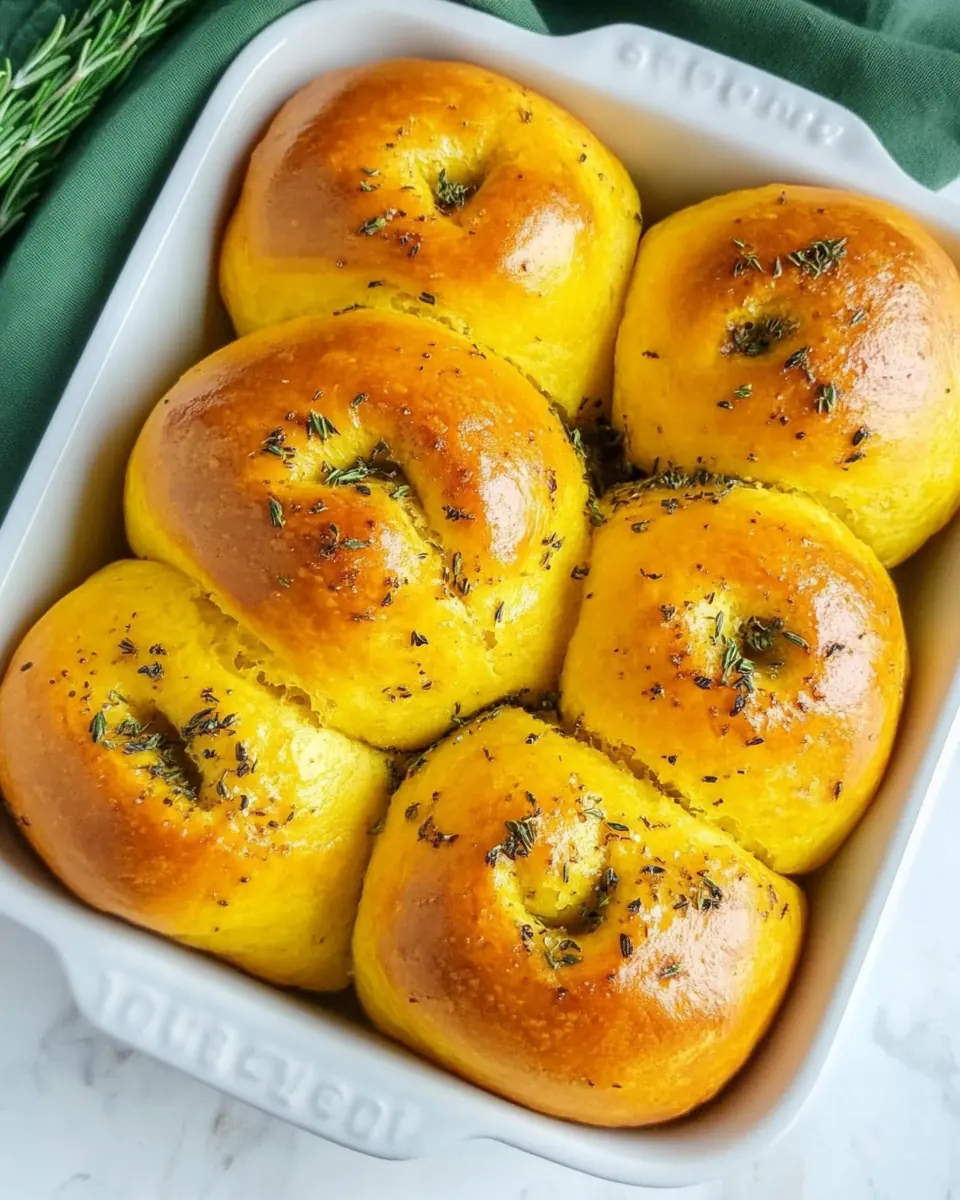
I like to think of small swaps that keep the spirit of the recipe while offering variety for different occasions. Below are ways to adjust texture, flavor, and presentation without straying from the core comfort of these rolls.
- Swap the oil: Use a neutral oil like vegetable oil as written, or choose a light olive oil for a subtly fruitier note while keeping dough tenderness.
- Adjust sweetness: Keep the brown sugar amount for gentle caramel notes, or reduce slightly if serving alongside sweeter spreads.
- Herb intensity: Mince the rosemary finely for even distribution, or lightly press sprigs into the tops for a rustic look and more pronounced aroma.
- Shaping options: Make larger rolls for a brunch centerpiece or smaller dinner rolls for individual servings, maintaining consistent sizing for even baking.
- Make ahead: Refrigerate shaped rolls overnight for a slow second rise, then bake straight from the fridge for fresh morning rolls.
What to Serve With Rosemary Pumpkin Rolls
These rolls are flexible and pair beautifully with both sweet and savory accompaniments. Consider serving them with a simple spread for breakfast or alongside heartier mains for a seasonal dinner. They also make a thoughtful addition to holiday spreads and casual gatherings.
- Breakfast spread: Serve warm with softened butter and a mild jam, allowing the pumpkin notes to shine next to sweet spreads.
- Brunch pairing: Offer alongside scrambled eggs or a frittata; the rolls add tender texture and a herbal lift from the rosemary.
- Holiday table: Place on a breadboard with a pat of butter and a sprinkle of flaky salt for Thanksgiving or autumn gatherings.
- Soup companion: Pair with creamy soups for dipping; the rolls hold up to brothy bowls and provide a soft vehicle for sopping up sauces.
- Storage tips: Keep completely cool then store at room temperature in a loosely covered container up to five days, or freeze cooled rolls for longer storage.
FAQ
Conclusion
These Rosemary Pumpkin Rolls bring together seasonal flavors, tender texture, and an approachable method that yields reliably delicious results. I encourage you to give them a try, whether for a holiday spread, a quiet weekend breakfast, or a special addition to a potluck. They are forgiving, flavorful, and great for sharing, and once you taste that warm crumb with the hint of rosemary, I think you will find yourself baking them again and again.
Rosemary Pumpkin Rolls
Ingredients
Equipment
Method
- Place all of the ingredients into a large mixing bowl or the bowl of an electric mixer.: The moment you combine the bowlfull you will notice aromas starting to mingle, with the faint sweetness of pumpkin and the herbaceous hint of rosemary . I like to add ingredients in the order listed so the yeast meets the warm milk and the wetter items coat the flour evenly. This approach helps prevent dry pockets of flour and creates a more uniform dough. One common mistake is rushing and not scraping the bowl sides, which leaves bits of dry ingredients; make sure everything is incorporated before moving on.
- If kneading by hand mix together the ingredients and knead by hand until a smooth soft dough is achieved. If using an electric mixer, fit it with the dough hook and knead until a smooth soft dough is achieved. I used an electric mixer with a dough hook and this took about 10 minutes.: You will feel the dough change under your hands or the hook, becoming elastic and slightly tacky rather than sticky. The tactile feedback is important, because underkneaded dough will be dense and overkneaded dough can become tight and tough. As you knead, pay attention to how the dough springs back and forms a smooth surface; that signals readiness. Avoid adding too much extra flour to correct stickiness, instead give the dough a couple of minutes to develop; if it truly is too wet, add flour one tablespoon at a time.
- Light grease a large mixing bowl and add the dough.: When you place the dough into an oiled bowl, the light sheen prevents sticking during the rise and makes turning the dough out effortless later. The oil also protects the dough surface and gives a soft finish to the crust. I rub a little oil on my hand before shaping the dough as well, to reduce tearing. A common oversight is using too little oil, which results in the dough drying out at the surface; a thin even coat solves this.
- Cover and let rise until doubled, about 60-75 minutes.: During this rise, watch for volume change rather than fixating on time, because room temperature varies. The dough should feel pillowy and hold an indentation when gently pressed. You may also notice a mild fermented scent developing, which is a good sign. Overproofing will collapse the structure, so check periodically once the dough is approaching doubled size.
- Lightly oil your work surface.: Oiling the surface prevents sticking and keeps the dough smooth as you handle it. The oil helps you shape without tearing the dough, so your rolls keep a neat appearance. If you skip this step, the dough can snag and stretch unevenly, producing misshapen rolls; a very light coating is all you need.
- Gently deflate your dough and turn it out on the oiled work surface.: Deflating feels like a gentle pressing that releases large trapped bubbles and equalizes texture. The dough should hold some air but not be full of enormous pockets. This step readies the dough for shaping and prevents large holes in the final rolls. If you press too aggressively you can knock out too much gas, resulting in dense rolls, so be gentle and deliberate.
- Shape the dough into 12-16 equally sized rolls.: As you portion and shape, you will notice the dough takes on a smooth, taught surface that bakes into an even crumb. I divide using a bench scraper for clean edges and roll each piece into a tight ball to encourage even rise. Uneven sizing leads to inconsistent baking where small rolls overbrown while large ones remain underbaked, so aim for uniform pieces.
- Lightly grease 2 8-inch cake pans or 1 9×13 dish.: Greasing the pans helps the bottoms release cleanly and supports even browning. The choice of pan affects roll crowding and baking time, so use what fits your desired presentation. Packing rolls too tightly can prevent proper crust formation, while too much space may cause excessive spreading, so arrange them with gentle proximity.
- Add rolls to the prepared pans. I was able to fit 8 large rolls in 1 8-inch cake pan.: Arranging the rolls gives you an immediate visual on how they will proof and bake together. You should see slight spacing that will close as they rise. If you place them too close initially, they will merge into one large loaf shape, which may be fine for pull apart bread but not for individual rolls. Take care to keep sizes consistent across pans for even baking.
- Cover the pans and let the rolls rise until almost doubled, about 45 minutes.: This final rise builds lightness and finish crumb structure. The dough should look noticeably puffy, and a gentle poke should slowly spring back. Underproofing here leads to tight, dense interiors, while overproofing results in collapse during baking, so start checking as they near the target time.
- Toward the end of the rising time preheat the oven to 350 degrees F.: Preheating ensures the oven is at the correct temperature so the rolls begin baking immediately and get a good oven spring. A properly hot oven helps set the crust and create that golden color. If you skip preheating, the rolls can bake unevenly and become pale and dense, so always start the oven with time to spare.
- Bake the bread for 20 minutes, or until its crust is a deep golden brown, and a digital thermometer inserted into the center registers about 190°F.: As the rolls bake, you will notice a lovely color forming and a faint toasty aroma. The interior should register around 190°F to confirm doneness while remaining soft. Common errors include removing them too early by relying on color alone; use a thermometer or check that the bottoms sound hollow when tapped for assurance.
- If desired, brush rolls with melted butter and a sprinkle of kosher salt.: Brushing with melted butter adds sheen and richness, and a light sprinkle of kosher salt can heighten the flavors by contrast. This finishing touch also softens the crust slightly, making the rolls more inviting. Be cautious with salt quantity, as too much can overpower the delicate herbal notes of rosemary .
- Remove the rolls from the oven, and turn them out onto a rack to cool. Store completely cool bread at room temperature for up to 5 days.: Cooling on a rack prevents condensation at the bottom and preserves texture, and letting them cool fully stabilizes the crumb. Store in a loosely covered container to keep the crust from becoming soggy, or freeze after cooling for longer storage. A common mistake is sealing while warm, which traps steam and makes the rolls limp, so always cool completely first.
Notes
- Swap the oil: Use a neutral oil like vegetable oil as written, or choose a light olive oil for a subtly fruitier note while keeping dough tenderness.
- Adjust sweetness: Keep the brown sugar amount for gentle caramel notes, or reduce slightly if serving alongside sweeter spreads.
- Herb intensity: Mince the rosemary finely for even distribution, or lightly press sprigs into the tops for a rustic look and more pronounced aroma.
- Shaping options: Make larger rolls for a brunch centerpiece or smaller dinner rolls for individual servings, maintaining consistent sizing for even baking.
- Make ahead: Refrigerate shaped rolls overnight for a slow second rise, then bake straight from the fridge for fresh morning rolls.