Crock Pot Chicken Cacciatore
Crock Pot Chicken Cacciatore is one of those recipes I reach for when I want comfort without fuss. The first time I made it I was juggling work calls and a hungry teenager, and the slow cooker saved the day, turning simple pantry ingredients into a cozy, fragrant dinner that felt like it had been simmering all afternoon even though I barely touched it. That evening taught me how transformative a humble pot, a few sturdy ingredients, and patience can be.
Over the years I’ve adapted the dish to what I have on hand, and every iteration taught me something about balance. I love how the acidity of the tomatoes and balsamic lifts the savory chicken, while the aromatic trio of onion, bell pepper, and garlic builds a foundation that softly sings as it cooks. When I pull the lid off the slow cooker and that steam hits my face, I know dinner is going to be worth the wait.
What I appreciate most about Crock Pot Chicken Cacciatore is how forgiving it is. You can tuck it into a busy weekday, bring it to a casual weekend gathering, or make a double batch for leftovers. Each time it comes out slightly different, but always warm, hearty, and reassuring. I want to share the approach I use so your version turns out reliably tender, flavorful, and deeply satisfying.
Recipe Snapshot
4 hr 5 mins
5 mins
240 mins
Hard
350 kcal
Italian
Keto, Gluten-Free
Dinner
5 to 6 quart slow cooker, Chef’s knife, Cutting board, Measuring cups
Why You’ll Love This Crock Pot Chicken Cacciatore
1. Hands off, flavor on
I love how Crock Pot Chicken Cacciatore rewards patience. You set it and pretty much forget it, yet the long, gentle cook time coaxes out deep, rounded flavors. As the chicken braises, the aromatics melt into the tomato base, producing a sauce that tastes like it simmered all day. This is perfect when you want a rewarding meal without hovering over the stove.
2. Pantry friendly, yet elegant
This recipe uses ingredients I almost always have on hand, so it feels luxurious without being complicated. Fire roasted tomatoes add a smoky edge, and a splash of balsamic vinegar brightens and balances the sauce. It’s an elegant dinner that doesn’t demand a trip to specialty stores.
3. Versatile serving options
The dish adapts to many bases. I’ve served it over pasta, rice, and grains, and each time the texture relationship changes in a delightful way. The saucy, tender chicken pairs beautifully with neutral starches that soak up the sauce, making it great for weeknight dinners or a casual dinner with friends.
4. Kid friendly, family approved
When I serve Crock Pot Chicken Cacciatore at home, even picky eaters often come back for seconds because the chicken is tender and the sauce is familiar and flavorful. The grated parmesan cheese on top adds a salty, savory finish that wins people over easily.
5. Minimal fuss, maximal payoff
There is little hands on time, but a big payoff in texture and depth. The long, low cook makes the chicken meltingly tender and allows the flavors to blend until the sauce tastes cohesive. For busy cooks who still want homemade comfort, this recipe is a reliable go to.
Ingredients Required for Crock Pot Chicken Cacciatore
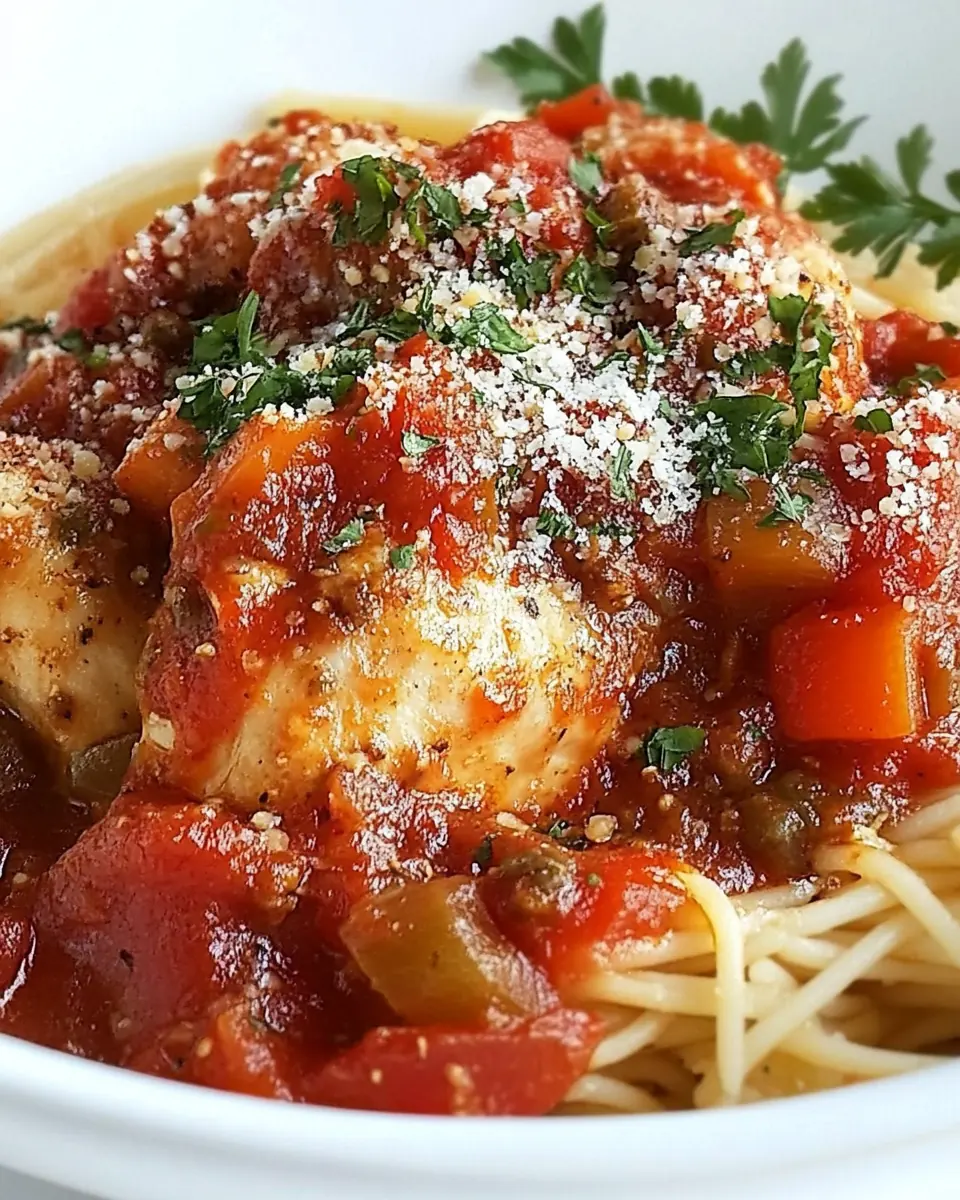
These ingredients form a simple but robust ensemble designed to create layered flavor. The key players are the chicken, which provides body and richness, the aromatic vegetables that build savory depth, and the tomatoes and balsamic vinegar that supply acidity and brightness. Parmesan finishes the dish with a salty, nutty lift.
- 4 to 6 bonless and skinless chicken breasts: Provide lean protein and absorb flavors during slow cooking, ensuring tender, juicy chicken when cooked low and slow; trim excess fat if desired and place in the crock pot in a single layer for even cooking.
- 1 yellow onion or sweet onion, diced: Add sweetness and aromatic depth when sautéed or softened, contributing body to the sauce; dice uniformly so it breaks down evenly and melds with tomatoes and spices.
- 1 red bell pepper seeded, diced: Contribute bright, slightly sweet flavor and pleasant texture contrast to the sauce; remove seeds to prevent bitterness and dice to release juices that enhance the overall dish.
- 2 garlic cloves minced: Deliver pungent, savory aromatics that intensify the sauce; mince finely so garlic disperses throughout the cacciatore and mellows during slow cooking.
- 1/2 teaspoon black pepper freshly ground: Provide mild heat and earthy spice to season the dish, enhancing other flavors without overpowering; freshly grind for optimal aroma and sprinkle to taste during assembly.
- 1/2 teaspoon kosher or sea salt: Supply necessary seasoning to balance acidity and sweetness while enhancing savory components; choose kosher or sea salt and adjust amounts based on dietary preference and canned tomato saltiness.
- 29 ounces fire roasted tomatoes cans: Impart rich, roasted tomato flavor and a slightly smoky character to form the base of the sauce; use fire–roasted canned tomatoes to create depth and chunkiness in the cacciatore.
- 1/4 cup balsamic vinegar: Add acidity and a touch of sweetness to brighten the sauce, helping to balance tomatoes and fat; measure carefully and stir in early so the vinegar melds with other ingredients.
- 1/4 cup basil freshly chopped: Introduce fresh herbal brightness and a peppery aroma, lifting the sauce and complementing tomatoes; chop basil just before adding to preserve its vibrant flavor and color.
- 1 teaspoon ground oregano: Provide warm, savory Mediterranean notes that reinforce classic cacciatore seasoning; use ground oregano for even distribution and add it early to steep into the sauce.
- 1/4 teaspoon crushed red pepper flakes (optional): Offer a touch of heat and complexity when included, giving the cacciatore a gentle kick; add sparingly and adjust to preference so the spice complements rather than dominates.
- 1/4 cup parmesan cheese freshly grated: Contribute salty, nutty richness and savory umami when sprinkled over finished servings, enhancing mouthfeel; grate fresh parmesan and add at the end or as a garnish for best texture.
The Method for Crock Pot Chicken Cacciatore
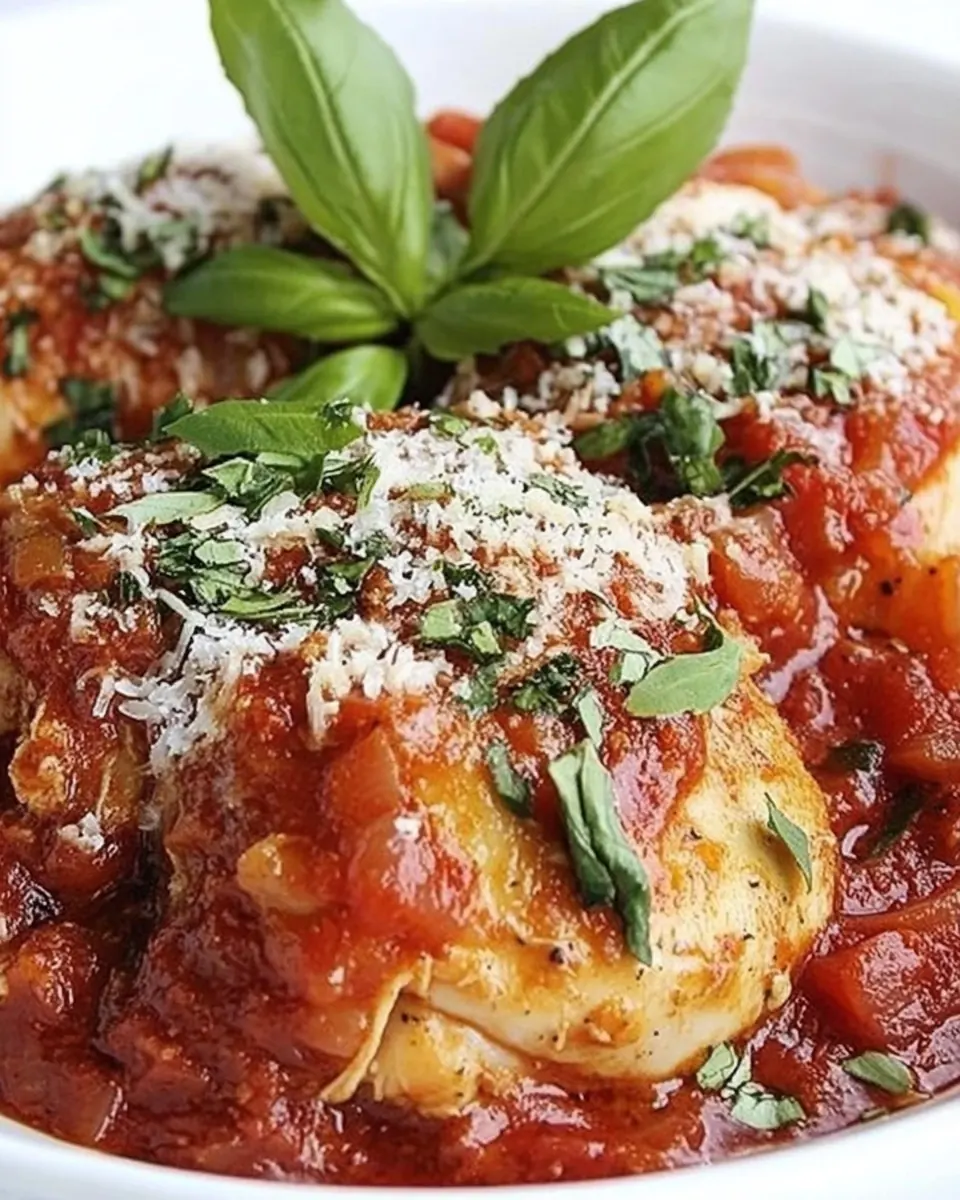
This recipe is a straightforward slow cooker method that rewards gentle cooking. I like to assemble layers in the order suggested so the flavors meld while the chicken braises. Below I expand each direction into rich, sensory-forward guidance so you know exactly what to watch for and how to troubleshoot as you go.
- Pour 1/2 cup of the diced tomatoes in the bottom of a 5-6 quart slow cooker. Add the remaining ingredients in this order: chicken breasts, onion, bell pepper, garlic, black pepper, salt, remaining diced tomatoes, balsamic vinegar, basil, oregano, and red pepper flakes. Cover and cook on high 4-5 hours or low 6-7 hours.: The aroma of bright, slightly smoky tomato hits first as you pour, and that small pool acts as a cushion so the chicken does not stick to the cooker surface. This thin layer will steam and start building the base scent while the rest of the ingredients layer. Why this matters: it prevents scorching and ensures even moisture around the meat. Sensory cues include the fresh tomato scent and a glossy red sheen across the bottom. Common mistake to avoid: skipping this step can cause the chicken to stick and dry at the edges, so don’t omit it.
- If desired, serve chicken over a bed of whole wheat spaghetti, brown rice, or quinoa.: chicken breasts, onion, bell pepper, garlic, black pepper, salt, remaining diced tomatoes, balsamic vinegar, basil, oregano, and red pepper flakes : As you layer, you’ll notice each ingredient contributes a different scent, from the sharpness of raw onion to the herbaceous lift of basil . Placing the chicken directly on top of the initial tomato layer ensures it begins to braise quickly. The diced vegetables will release moisture and perfume the sauce. The balsamic will add a dark, tangy note that cuts through the acidity, and the dried oregano will infuse slowly. Sensory cues include the mingled smell of fresh vegetables and vinegar and the glossy appearance as liquids combine. Why this order matters: layering helps distribute flavors so the chicken is surrounded by aromatics and seasoning. Troubleshooting tip: if your onion or bell pepper seem overly large, dice them smaller so they soften fully; large pieces can stay a bit firm, which may be undesirable for this slow braise.
- Sprinkle parmesan cheese on top of chicken before serving.: When the cooker is sealed, you’ll notice a steady steam and a sweet, concentrated tomato aroma building over time. The chicken becomes tender as collagen and connective tissues break down slowly. On high, the chicken will reach tenderness sooner with a slightly brighter tomato tang, while low yields an even silkier texture and more melded flavors. Visual cues include the sauce reducing a bit and the chicken pulling apart easily near the bone or with a fork. Why this technique matters: the low, prolonged heat transforms texture and deepens flavor without drying the meat. Common mistake to avoid: lifting the lid frequently releases heat and prolongs cooking, so resist the urge to peek often.
- If desired, serve chicken over a bed of whole wheat spaghetti, brown rice, or quinoa: The first sensory impression when serving is the steam lifting and the sauce clinging to a base, be it strands of pasta or tender grains. The starchy base soaks up the tomato sauce and provides a pleasing contrast in texture to the soft chicken . Why this serving choice matters: the starch helps balance acidity and creates a full meal in a single plate. Troubleshooting tip: if the sauce seems too thin, you can thicken it briefly in a saucepan over medium heat, simmering until it coats the back of a spoon; avoid overcooking the chicken while doing this.
- Sprinkle parmesan cheese on top of chicken before serving: The final flourish of freshly grated parmesan cheese adds a savory, salty touch that softens into the warm sauce, creating a creamy mouthfeel and a nutty aroma. Watch how the cheese melts into rivulets over the hot surface, mellowing the acidity and giving a finished look. Why this matters: finishing with cheese adds umami and rounds the flavors, making every bite more satisfying. Common mistake to avoid: adding the cheese too early can make it grainy, so sprinkle just before serving for the best texture and appearance.
Tips for Success
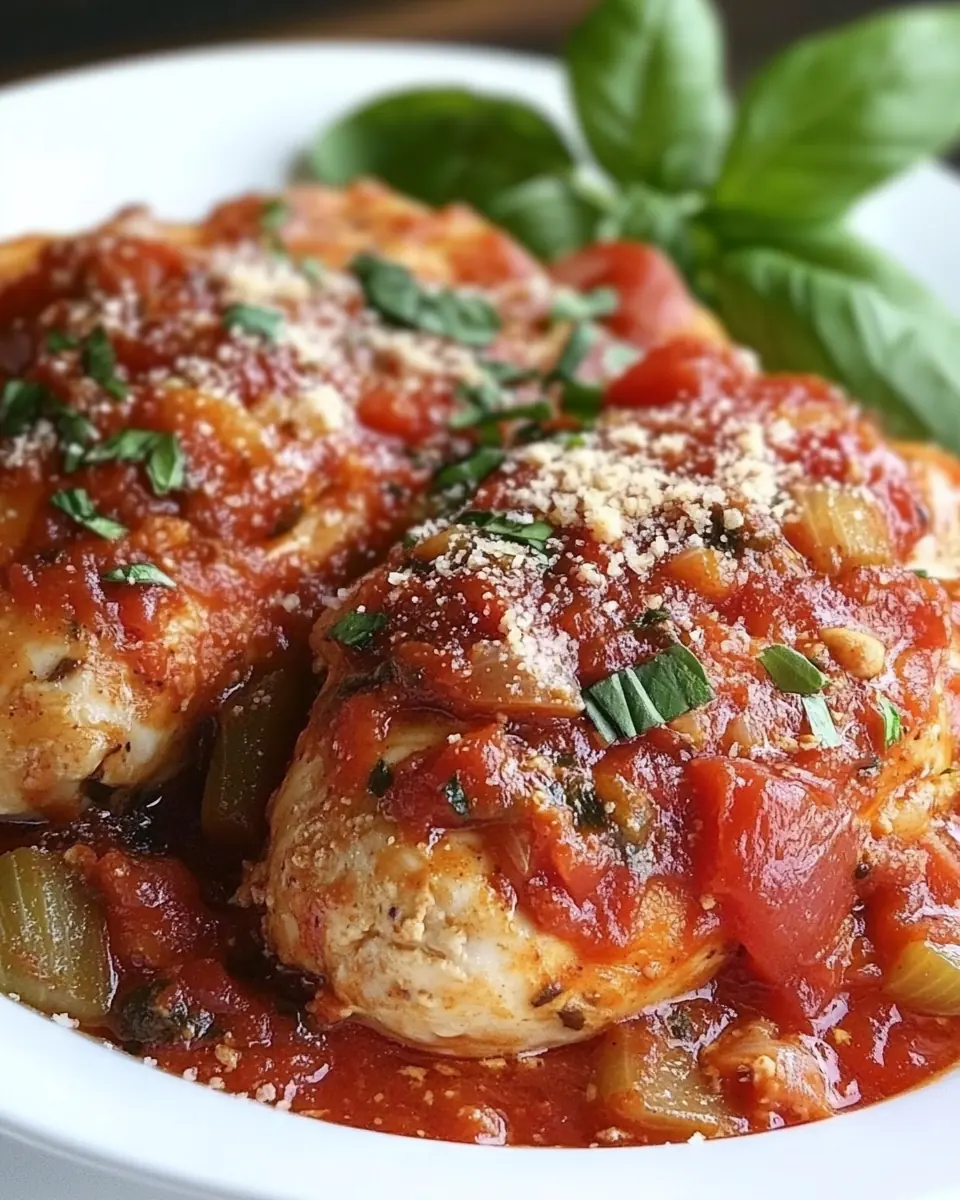
These tips come from repeated home tests and small adjustments that made the dish consistently better. I include practical touches to improve texture, flavor balance, and presentation so your Crock Pot Chicken Cacciatore turns out reliably delicious.
- Choose even sized chicken: Trim and select breasts of similar thickness so they cook uniformly, avoiding a mix of dry and undercooked pieces.
- Layer thoughtfully: Place a small amount of tomato at the bottom first to prevent sticking, then add the chicken so it braises surrounded by flavor.
- Fresh herbs at the end: Add the chopped basil toward the end or just before serving to preserve brightness and vibrant color.
- Check salt late: Taste the sauce near the end and adjust the salt only then, because flavors concentrate during slow cooking.
- Optional thickening: If the sauce is too thin, remove the chicken and simmer the sauce on the stove to reduce and concentrate the flavors, then return the meat briefly to reheat.
Serving This Crock Pot Chicken Cacciatore
This dish is flexible for many occasions and pairs well with a variety of sides. Below I describe serving ideas, seasonal uses, and storage tips so you can present it beautifully and store leftovers confidently.
- Over pasta: Serve the chicken and sauce over whole wheat spaghetti for a comforting, family friendly dinner that soaks up the sauce nicely.
- With grains: Brown rice or quinoa make a wholesome base, offering nutty texture and extra fiber while letting the sauce shine.
- Casual gatherings: Keep the slow cooker on warm at a buffet table so guests can help themselves, and provide grated parmesan cheese for finishing.
- Weeknight dinners: This is a reliable, low fuss option when you want a satisfying meal with minimal evening work, especially on busy school nights.
- Storage tips: Cool leftovers quickly, store in airtight containers in the refrigerator for up to four days, or freeze portions for three months. Reheat gently to avoid drying the chicken.
- Seasonal pairing: In fall, pair it with roasted autumn vegetables for a hearty plate; the tomato and vinegar brightness complements richer seasonal sides.
FAQ
Conclusion
Crock Pot Chicken Cacciatore stands out because it turns straightforward ingredients into a deeply flavorful, comforting meal with minimal hands on time. It’s adaptable, family friendly, and ideal for busy schedules when you still want something homemade and satisfying. Give it a try on a weeknight or for a relaxed weekend dinner, and enjoy how the slow cooking brings out warm, harmonious flavors with very little fuss. I hope it becomes one of those recipes you reach for again and again when you want reliable comfort in a bowl.
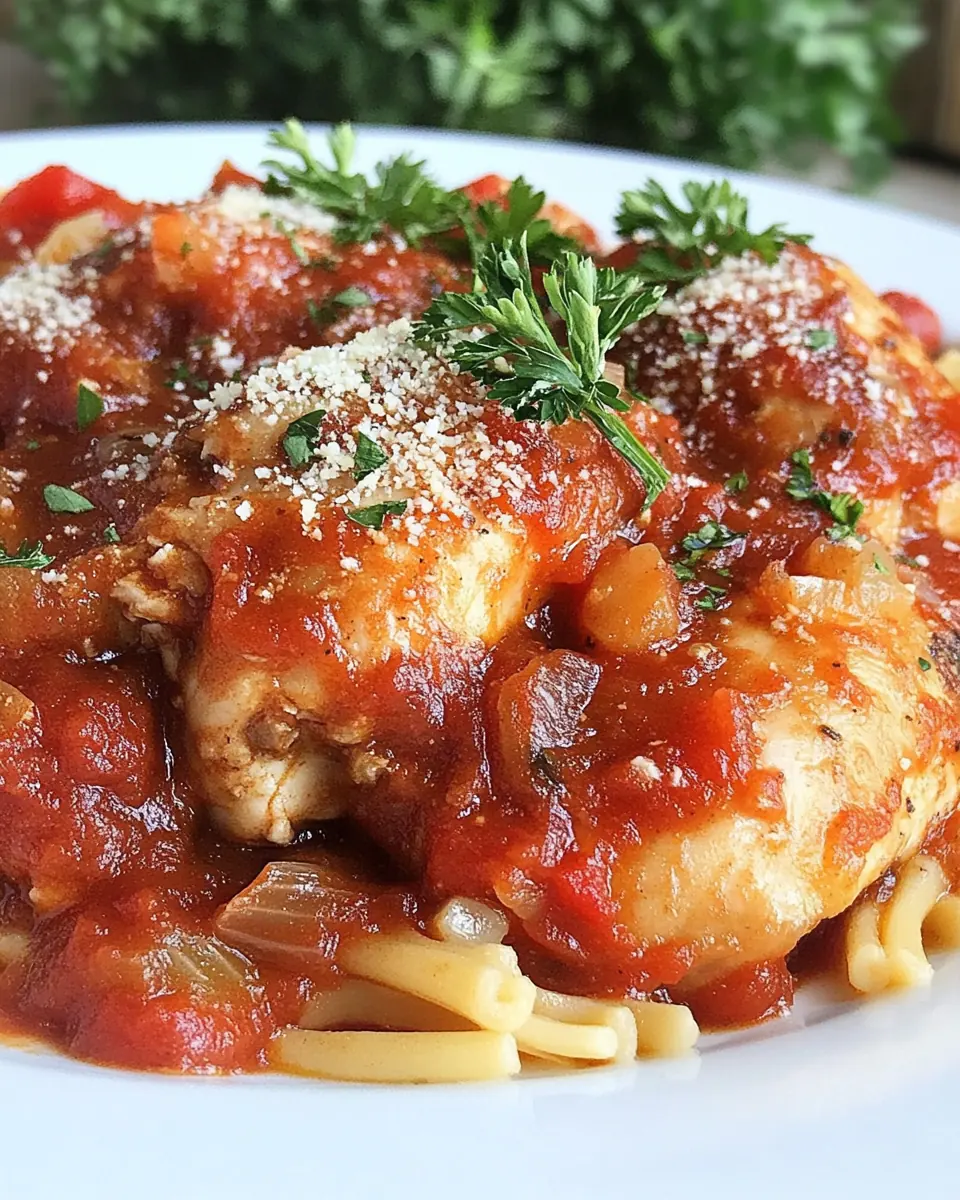
Crock Pot Chicken Cacciatore
Ingredients
Equipment
Method
- Pour 1/2 cup of the diced tomatoes in the bottom of a 5-6 quart slow cooker. Add the remaining ingredients in this order: chicken breasts, onion, bell pepper, garlic, black pepper, salt, remaining diced tomatoes, balsamic vinegar, basil, oregano, and red pepper flakes. Cover and cook on high 4-5 hours or low 6-7 hours.: The aroma of bright, slightly smoky tomato hits first as you pour, and that small pool acts as a cushion so the chicken does not stick to the cooker surface. This thin layer will steam and start building the base scent while the rest of the ingredients layer. Why this matters: it prevents scorching and ensures even moisture around the meat. Sensory cues include the fresh tomato scent and a glossy red sheen across the bottom. Common mistake to avoid: skipping this step can cause the chicken to stick and dry at the edges, so don’t omit it.
- If desired, serve chicken over a bed of whole wheat spaghetti, brown rice, or quinoa.: chicken breasts, onion, bell pepper, garlic, black pepper, salt, remaining diced tomatoes, balsamic vinegar, basil, oregano, and red pepper flakes : As you layer, you’ll notice each ingredient contributes a different scent, from the sharpness of raw onion to the herbaceous lift of basil . Placing the chicken directly on top of the initial tomato layer ensures it begins to braise quickly. The diced vegetables will release moisture and perfume the sauce. The balsamic will add a dark, tangy note that cuts through the acidity, and the dried oregano will infuse slowly. Sensory cues include the mingled smell of fresh vegetables and vinegar and the glossy appearance as liquids combine. Why this order matters: layering helps distribute flavors so the chicken is surrounded by aromatics and seasoning. Troubleshooting tip: if your onion or bell pepper seem overly large, dice them smaller so they soften fully; large pieces can stay a bit firm, which may be undesirable for this slow braise.
- Sprinkle parmesan cheese on top of chicken before serving.: When the cooker is sealed, you’ll notice a steady steam and a sweet, concentrated tomato aroma building over time. The chicken becomes tender as collagen and connective tissues break down slowly. On high, the chicken will reach tenderness sooner with a slightly brighter tomato tang, while low yields an even silkier texture and more melded flavors. Visual cues include the sauce reducing a bit and the chicken pulling apart easily near the bone or with a fork. Why this technique matters: the low, prolonged heat transforms texture and deepens flavor without drying the meat. Common mistake to avoid: lifting the lid frequently releases heat and prolongs cooking, so resist the urge to peek often.
- If desired, serve chicken over a bed of whole wheat spaghetti, brown rice, or quinoa: The first sensory impression when serving is the steam lifting and the sauce clinging to a base, be it strands of pasta or tender grains. The starchy base soaks up the tomato sauce and provides a pleasing contrast in texture to the soft chicken . Why this serving choice matters: the starch helps balance acidity and creates a full meal in a single plate. Troubleshooting tip: if the sauce seems too thin, you can thicken it briefly in a saucepan over medium heat, simmering until it coats the back of a spoon; avoid overcooking the chicken while doing this.
- Sprinkle parmesan cheese on top of chicken before serving: The final flourish of freshly grated parmesan cheese adds a savory, salty touch that softens into the warm sauce, creating a creamy mouthfeel and a nutty aroma. Watch how the cheese melts into rivulets over the hot surface, mellowing the acidity and giving a finished look. Why this matters: finishing with cheese adds umami and rounds the flavors, making every bite more satisfying. Common mistake to avoid: adding the cheese too early can make it grainy, so sprinkle just before serving for the best texture and appearance.
Notes
- Choose even sized chicken: Trim and select breasts of similar thickness so they cook uniformly, avoiding a mix of dry and undercooked pieces.
- Layer thoughtfully: Place a small amount of tomato at the bottom first to prevent sticking, then add the chicken so it braises surrounded by flavor.
- Fresh herbs at the end: Add the chopped basil toward the end or just before serving to preserve brightness and vibrant color.
- Check salt late: Taste the sauce near the end and adjust the salt only then, because flavors concentrate during slow cooking.
- Optional thickening: If the sauce is too thin, remove the chicken and simmer the sauce on the stove to reduce and concentrate the flavors, then return the meat briefly to reheat.