In a saucepan, heat milk, sugar, butter, and salt just until butter melts. Stir well and let cool to 100 to 110 degrees.: The kitchen will start to smell like warm butter and sweet milk, a comforting aroma that signals the beginning of the loaf. You want gentle heat, so keep the pan over medium low and stir so the sugar dissolves and the butter fully melts into the milk . Watch for tiny steam wisps and remove from heat before any bubbling begins, because boiling alters the proteins in the milk and can change the dough texture. I like to transfer the saucepan to a cool burner to let it come down toward the yeast proof temperature. Common mistake, avoid overheating, which can kill the yeast later.
Combine yeast and warm water in small bowl. Let sit 5 minutes.: As the mixture cools you can feel the kitchen humidity shift, and a gentle warmth on the bowl lets you know it is approaching the right range. Use a thermometer if you have one to confirm it is between 100 to 110 degrees, because this is the sweet spot for activating yeast without stress. If you rush and add the yeast too soon while it is still hot, the yeast cells will be damaged and the dough may not rise. A simple wrist test can help too, it should feel warm but not uncomfortably hot.
Add yeast mixture, butter mixture and eggs to a mixing bowl and beat with an electric mixer until blended.: When you mix the active dry yeast with the warm water you should see tiny bubbles and a foamy cap within about five minutes, which is a lively, promising sign. The water acts as a wake up call, coaxing the yeast into activity. If there is no foam, it often means the yeast is old or the liquid was not warm enough, and you should start over. One error to watch for is using water that is too hot, which can kill the yeast and lead to a heavy dough.
With mixer on low, gradually add in flour. Mixture will be very sticky.: While it rests you will observe faint fizzing and a yeasty scent developing, a small but telling transformation. This short pause is a test of vitality, and it gives you confidence to move forward. Resist the urge to rush; if you proceed without a foamy proof you risk a loaf that does not rise properly. If your environment is very cool, give it an extra minute or two, but avoid leaving it too long as the foam can collapse.
Cover bowl and let dough rise for 1 hour or until doubled in bulk.: As the ingredients join, the bowl fills with a rich, slightly glossy batter that smells of butter and warmth. Use the mixer with a paddle or dough hook on low to medium speed, scraping the sides occasionally so everything combines evenly. The eggs add silkiness and the butter helps the mixture feel luxurious. A common slip is under mixing, which leaves pockets of dry flour or uneven texture, so mix until the batter looks uniform and slightly thick.
Punch dough down and cover and let rise for 30 minutes.: As you add the all purpose flour slowly, the mixture will thicken and become noticeably more resistant to the paddle, hinting that gluten is developing. The bowl will grow heavy and sticky, and that tacky feel is expected here. Keep the mixer low so you do not overheat the dough or overwork the gluten, which would make the final loaf tough. If you add all the flour at once you could end up with a dry, crumbly dough, so patience is key.
Transfer dough to a well-greased Bundt pan. I like to spray it with baking spray with flour. Cover and let rise for 20 to 30 minutes.: The texture should be tacky rather than dry, and this tackiness helps produce a soft crumb after baking. Touch tests will tell you more than times do, so lightly flour your fingers if you need to handle the dough briefly. Avoid adding too much extra flour to correct stickiness, because that will tighten the crumb and make the loaf dense. A common mistake is over flouring at this point; instead trust the recipe and the rising steps to set the structure.
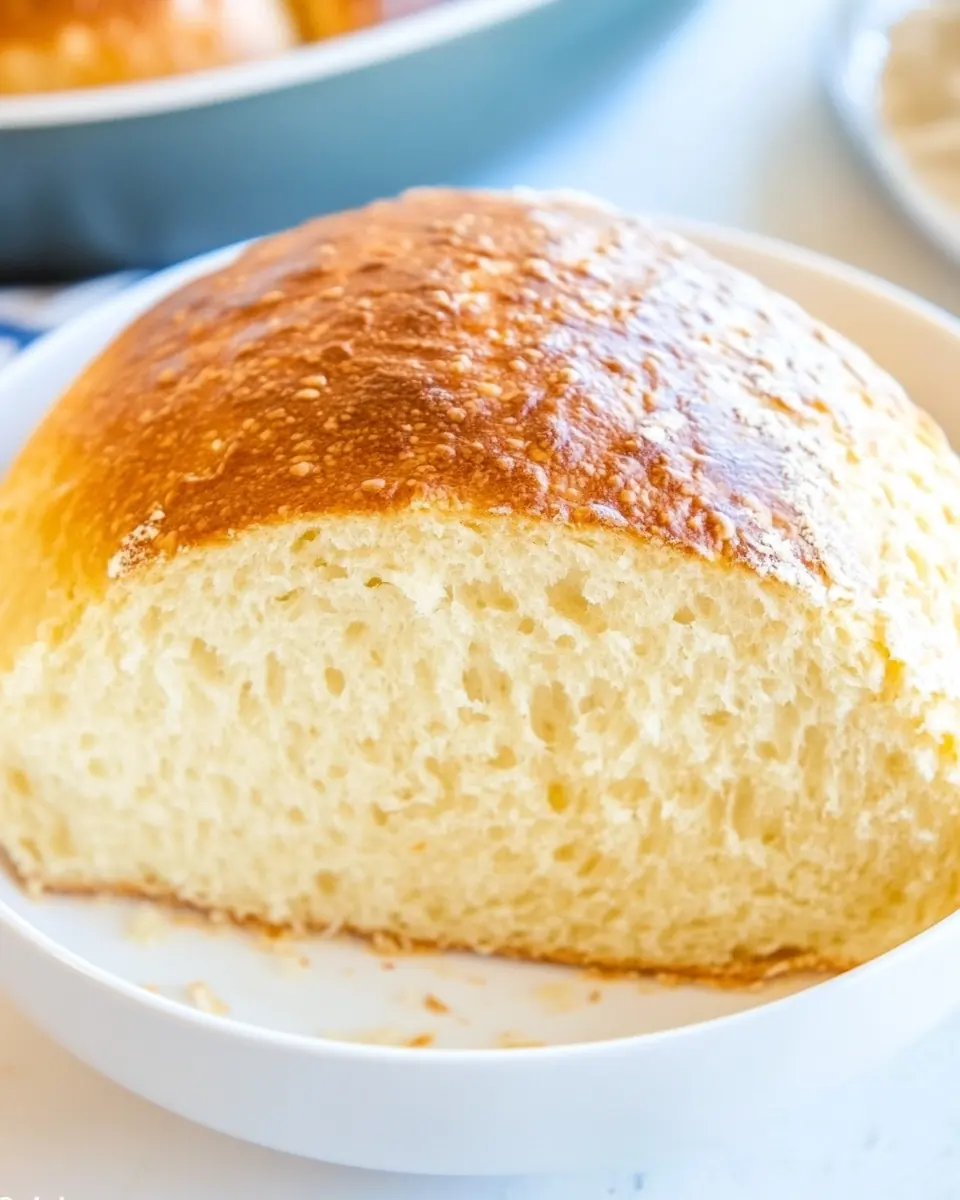
Bake in a 350 degree oven for 35 to 40 minutes. Remove from pan immediately. Serve with butter or jam.: During this rise the dough will mellow and the scent of fermentation will appear, a warm, slightly tangy aroma that feels like progress. I find placing the bowl in a slightly warm corner speeds things along, but avoid direct heat that can dry the surface. The volume should nearly double, which is the most reliable visual cue. If it has not doubled after an hour, give it time; rushing this step yields a dense loaf.
Punch dough down and cover and let rise for 30 minutes: After you deflate the dough gently, you will notice it relax, the elasticity easing. This second rise refines the crumb and reduces large air pockets, producing an even texture. Cover it so it does not form a skin, and check after 30 minutes for a slightly puffy surface. A common oversight is skipping this second rise, which often leads to irregular holes and uneven crumb.
Transfer dough to a well greased Bundt pan: Moving the dough into the prepared pan is tactile and satisfying, you will feel the weight and shape as it settles. I prefer a spray with flour for easy release, but thorough greasing also works. Smooth the top gently so it sits evenly for the final rise. If you jam the dough into the pan too forcefully you can create dense zones, so handle it with gentle encouragement rather than brute force.
I like to spray it with baking spray with flour: This extra step ensures a clean release and preserves the loaf's glossy surface, a small trick that saves frustration later. The thin flour layer helps prevent sticking while still allowing the crust to brown nicely. If you skip this and the loaf sticks, you risk tearing the sides when removing it, so take this few seconds to prep the pan carefully.
Cover and let rise for 20 to 30 minutes: During the final rest the dough will fill the pan slightly and appear airy and puffy, a clear sign it is ready to bake. Keep it covered so it does not dry out, and aim for a gentle, uniform rise. If it doubles too much it can overflow, so check at the twenty minute mark and judge by how puffy it looks in the pan. Overproofing at this stage can lead to a collapse in the oven.
Bake in a 350 degree oven for 35 to 40 minutes: As the loaf bakes you will smell a deepening, toasty aroma, and the top will gradually darken to a golden brown. The crust should feel firm and spring back slightly when touched. Use a thermometer if unsure, the center should be near 190 degrees for fully baked bread. A typical mistake is removing it too soon, which yields a gummy interior, so allow the full time and check doneness carefully.
Remove from pan immediately: Taking the loaf out right away prevents steam from collecting and making the sides soggy, and it preserves the loaf shape as it cools. Set it on a rack to cool, where the air can circulate and the crumb can set. If you leave it in the pan while hot, condensation can soften the crust and ruin the desired texture.
Serve with butter or jam: The final act is pure pleasure, the first slice releasing a warm, yeasty fragrance and a soft crumb that invites a generous smear of butter or a bright jam. I like to wait a few minutes so the crumb firms slightly, but warm is wonderful too. Avoid cutting too early and underestimating the set; very hot bread can compress under the knife and tear.