The night before, cover the bacalao with cool water and refrigerate.: The smell of the soaking water will be noticeably briny, a reminder that salt cod carries preserved ocean flavor. Soaking overnight leaches out excess salt and rehydrates the fish, which is essential for a balanced final taste. A common mistake is rushing this step, which leaves the dish overly salty; if you are short on time, change the water a few times to speed the desalting process. You should see the flesh relax and feel supple after soaking, not rigid.
Drain the bacalao, rinse with fresh water. Cut into 1" pieces.: After draining, rinsing removes any grit and lingering salt on the surface. When you cut the salt cod into 1" pieces, the edges will reveal translucent layers that will become tender and opaque as they cook. The wet fish will feel slightly springy, and a ragged edge indicates it has rehydrated properly. Avoid cutting pieces that are too small, as they can disintegrate during simmering; pieces about 1" hold their shape and flake pleasantly when done.
Heat a large saute pan over medium-high heat with the olive oil. When hot, add the potatoes and cook until lightly browned on all sides, about 2 minutes. Add in the bell pepper, onion, celery and garlic and saute for 3-4 minutes. Add in the tomatoes, tomato paste, water and stir. Bring to a simmer and add in the bacalao. Cover and simmer for 15 minutes or until the potatoes are cooked through. Stir in the parsley.: You will hear a lively sizzle when the olive oil is hot and the potatoes hit the pan, and small golden edges will appear as they brown. That initial sear builds a toasty flavor that lifts the stew. If the potatoes steam instead of browning, the pan is overcrowded or not hot enough, so give them space or raise the heat slightly. The surface should develop a light golden crust, not a deep burn.
In the meantime, cook the rice according to package instructions. Serve the stew over rice.: The pan will soften into a gentle chorus of aromas as the onion becomes translucent and the garlic releases perfume. You want the vegetables softened and slightly glossy, not charred. Stir so nothing sticks, and listen for a muted sizzling rather than a harsh crackle which signals excessive heat. A common error is cooking garlic too long which makes it bitter, so add it after the firmer veggies have begun to soften to protect its sweet flavor.
Add in the tomatoes tomato paste water and stir: When the tomatoes hit the hot pan they will loosen and start to break down, releasing bright acidity and color. Stirring in the tomato paste intensifies the umami and deepens the sauce. You will notice the mixture thicken slightly and emit a rich, savory aroma. If the sauce seems thin, let it reduce a bit to concentrate flavor, but avoid drying it out; maintain a gentle simmer for control.
Bring to a simmer and add in the bacalao: The pan will go from active bubbling to a steadier, gentler simmer that will cook the salt cod evenly. Adding the fish at this stage ensures it finishes tender without overcooking. You should see the edges of the pieces turn opaque first, a cue that heat is working inward. A mistake to avoid is boiling vigorously which can make the fish tough and cause the potatoes to fall apart; maintain a soft simmer.
Cover and simmer for 15 minutes or until the potatoes are cooked through: Under the lid, aromas will concentrate and the sauce will thicken slightly as starch from the potatoes loosens. A fork inserted into a piece of potato should meet little resistance, and the stew will look cohesive and slightly glossy. Be careful not to overcook, because you want the salt cod to remain flaky not dry. If the liquid evaporates too quickly, add a splash of water and continue to simmer gently.
Stir in the parsley: Fresh chopped parsley adds an immediate burst of color and herbal lift that cuts through the savory richness. You will notice a bright scent when it hits the hot stew, and it will contribute small flecks of green in each spoonful. Add it at the end so it retains freshness; cooking it too long mutes its lively character. Taste and adjust if the dish still feels slightly salty from the salt cod .
In the meantime cook the rice according to package instructions: While the stew simmers, prepare the rice so it is steaming hot and tender when you serve. The sound of a gentle simmer and the steam rising are good cues that the rice is done. Fluff with a fork to separate the grains, and avoid overcooking which makes it mushy and less able to hold the stew.
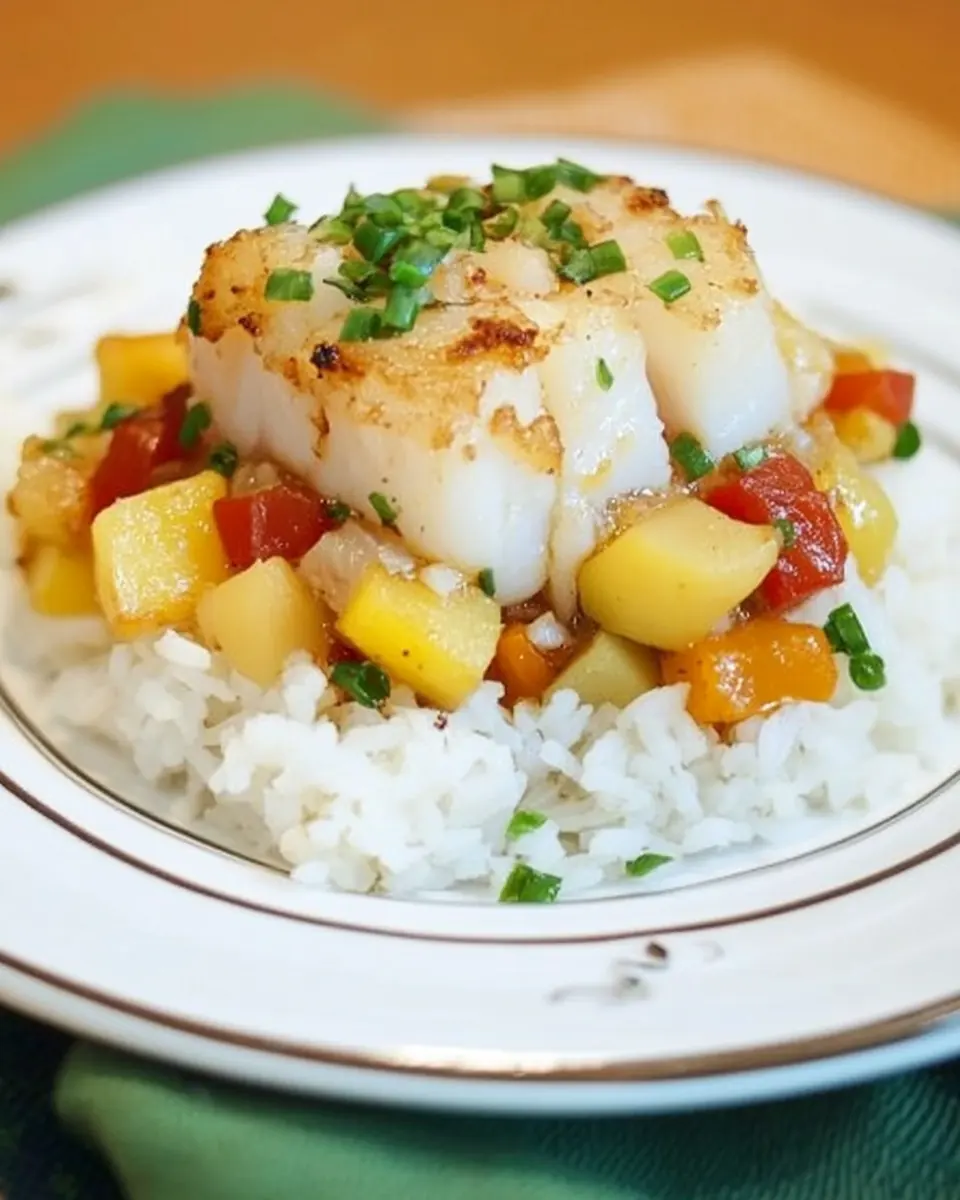
Serve the stew over rice: When you ladle the hot stew over a bed of steaming rice , you will see the sauce soak into the grains and the plate come alive with color. The contrast between the soft rice and the saucy vegetables with flakes of salt cod is comforting and balanced. One common mistake is plating cold rice which cools the stew quickly; always serve immediately so each mouthful is warm and cohesive.