Shrimp and Asparagus Sheet Pan Meal
Shrimp and Asparagus Sheet Pan Meal is the kind of weeknight supper I turn to when life is busy but I still want great flavor with almost no fuss. I first made this on a rainy spring evening after a long market run, the asparagus still cool and dewy in my bag and the shrimp bright and firm. The oven did the heavy lifting while I caught up on small chores, and the result felt special enough for guests yet effortless enough for a Tuesday.
I remember the sound of the butter melting and the shrimp sighing as they hit the hot pan, a quick sizzle that promised everything would finish perfectly in under half an hour. The lemon at the end cut through the richness and tied the whole tray together, and the parsley gave it a herbaceous lift that made the plate feel lively. Since then I make this when I want a clean, satisfying meal that celebrates fresh spring produce without locking me in the kitchen.
Recipe Snapshot
30 mins
10 mins
20 mins
Medium
400 kcal
American
Keto, Gluten-Free
Dinner
Baking Sheet
Why This Shrimp and Asparagus Sheet Pan Meal Works
Simple, honest cooking that celebrates ingredients
I love how this recipe puts asparagus and shrimp front and center, letting bright, fresh flavors shine. You do not need complicated sauces to make each bite sing. A little butter, lemon juice, and chopped parsley is all it takes to elevate these ingredients to something memorable.
Speed without sacrifice
What really wins me over is the speed. From trimming to table, you are looking at a short window, which makes this an easy weeknight dinner option. I appreciate recipes that respect my time, and this one delivers crisp asparagus and perfectly cooked shrimp without hovering over the stove.
Easy cleanup and one tray convenience
Using a single baking sheet means minimal mess. I love not juggling multiple pans, and the roasting concentrates flavors so you get slight caramelization on the asparagus and even searing on the shrimp. For busy cooks, this is a major advantage, and it’s why I reach for this sheet pan meal when I want fewer dishes.
Balanced textures and bright finishing notes
The contrast between the tender yet crisp asparagus and the snappy shrimp keeps each bite interesting. The finishing squeeze of lemon juice and the herbaceous pop from chopped parsley makes the dish fresh rather than heavy, which I find perfect for spring evenings when I want something lively on the plate.
Adaptable for different meals and occasions
I appreciate that this dish feels special but is easy to stretch or pair. It works well for casual dinners, small gatherings, or those nights when you want to serve a simple, elegant main with minimal fuss. I often double it for guests because it scales without adding complexity.
Ingredients to Make Shrimp and Asparagus Sheet Pan Meal
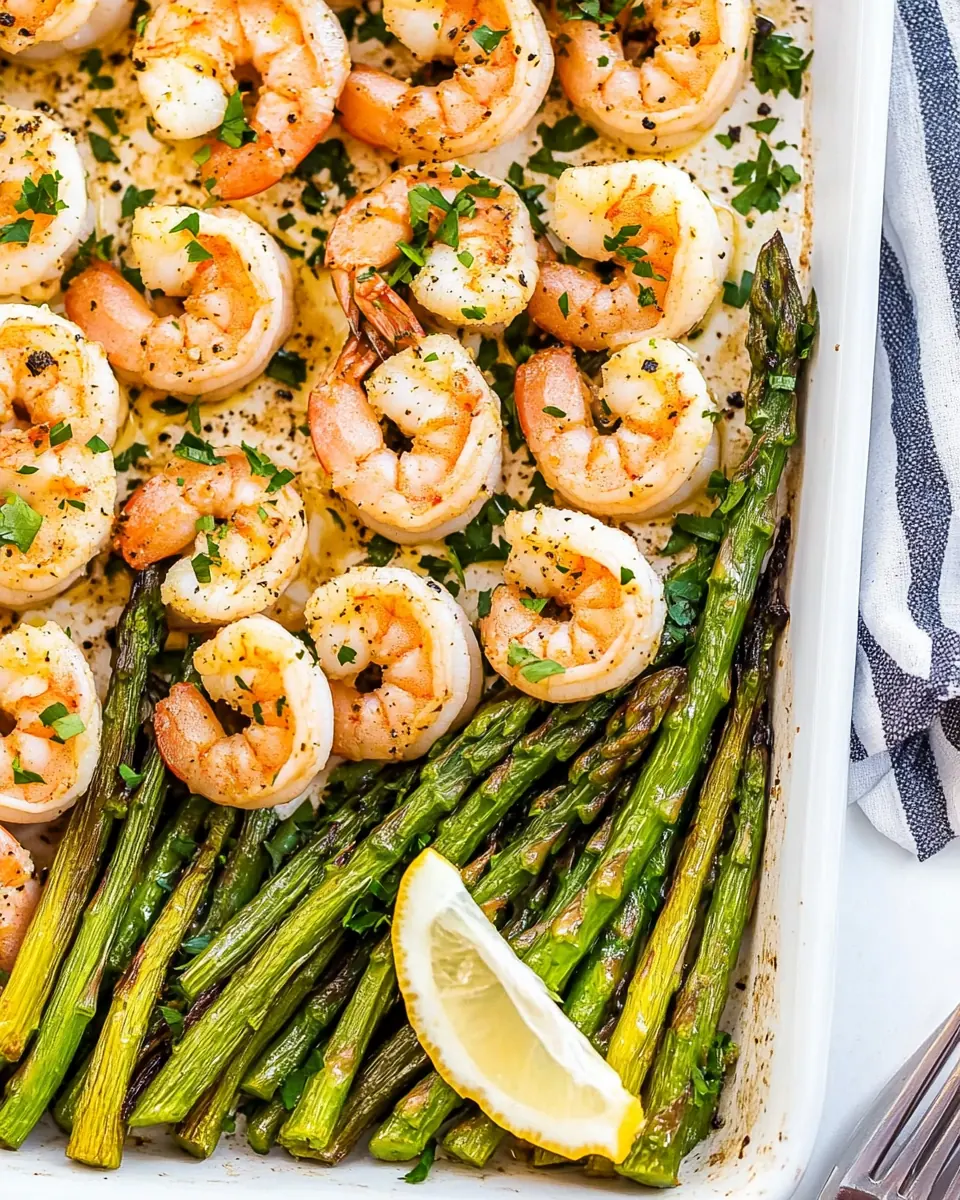
These ingredients are chosen to create a clean, bright, and well seasoned sheet pan dinner. The key players are the vegetables for texture, the shrimp for protein and quick cook time, and fats like olive oil and butter for flavor and browning. The seasonings and finishing lemon bring everything into balance.
- 2 pounds thin asparagus trimmed: Trimmed and thin, provides a crisp, tender vegetable base that roasts quickly and soaks up seasonings; adds bright green color and fresh, slightly grassy flavor to the sheet pan meal. Helps balance the richness of butter and shrimp while offering a nutritious, low-calorie component high in vitamins and fiber.
- 2 tablespoons olive oil: Used as a coating and cooking fat to promote even roasting and prevent sticking on the pan; contributes a fruity, mild richness that enhances the vegetables' natural flavors. Helps carry and meld aromatics like garlic and herbs during high-heat cooking.
- 1 teaspoon minced garlic: Minced to release aromatic sulfur compounds that infuse oil and butter, creating savory depth and a fragrant foundation for both asparagus and shrimp. Provides pungent, slightly sweet notes that complement citrus and herbs in the finished dish.
- 1/2 teaspoon kosher sea salt: Added to season vegetables with a clean, saline taste that enhances natural flavors and helps draw moisture from asparagus for better roasting caramelization. Balances other seasonings and stabilizes overall seasoning levels across ingredients.
- 1/4 teaspoon fresh ground black pepper: Freshly ground to deliver sharp, pungent heat and a bright peppery bite that lifts both vegetable and seafood flavors. Applied sparingly to avoid overpowering the delicate shrimp while adding complexity to the dish.
- 2 pounds raw medium shrimp peeled and deveined: Prepared peeled and deveined to provide tender, quick-cooking protein that pairs naturally with asparagus; primary protein component of the meal. Offers a sweet, briny flavor and absorbs seasonings and butter during roasting for succulent results.
- 2 tablespoons olive oil: Used again as additional cooking fat to coat shrimp and help them brown slightly while preventing sticking; supports flavor transfer from spices and garlic. Ensures even heat distribution and a silky mouthfeel once roasted.
- 3 teaspoons minced garlic: Minced to layer more aromatic intensity specifically on the shrimp, releasing savory flavor that complements paprika and lemon; helps form a flavorful crust when combined with oil. Enhances overall aroma and depth of the seafood component.
- 1 teaspoon salt: Included to season the shrimp with a straightforward saline boost that enhances natural seafood sweetness and balances other bold spices. Works in tandem with lemon to highlight the shrimp's flavor without masking it.
- 1/2 teaspoon paprika: Sprinkled for smoky, warm undertones that deepen the shrimp's taste profile and add visual color after roasting; complements paprika's mild sweetness. Helps create a subtle, savory crust on the exterior of the shrimp.
- 1/4 teaspoon black pepper: Added for basic seasoning and mild heat contrast, providing additional peppery notes that unify the spice profile between vegetable and seafood components. Enhances overall bite without overwhelming delicate flavors.
- 1/4 teaspoon red pepper flakes: Used sparingly to introduce concentrated heat and a touch of smokiness, boosting overall flavor complexity and offering a subtle contrast to buttery and citrus elements. Provides a layered spicy finish that can be adjusted to preference.
- 6 tablespoons fresh parsley chopped: Chopped fresh to add bright, herbaceous freshness and a clean counterpoint to rich butter and oil; folded in after cooking to preserve vibrant color and flavor. Enhances aroma and provides a visually appealing garnish.
- 3 tablespoons lemon juice: Pressed to contribute bright acidity that cuts through richness and lifts the dish, balancing buttery and oily elements with citrusy brightness. Helps accentuate seafood sweetness and refreshes the palate between bites.
- 6 tablespoons butter cubed: Cubed to melt evenly and create a luscious, glossy finish that coats both shrimp and asparagus; provides rich dairy fat and a silky mouthfeel. Adds indulgent flavor and helps carry seasonings and herbs across the sheet pan components.
How to Assemble Shrimp and Asparagus Sheet Pan Meal
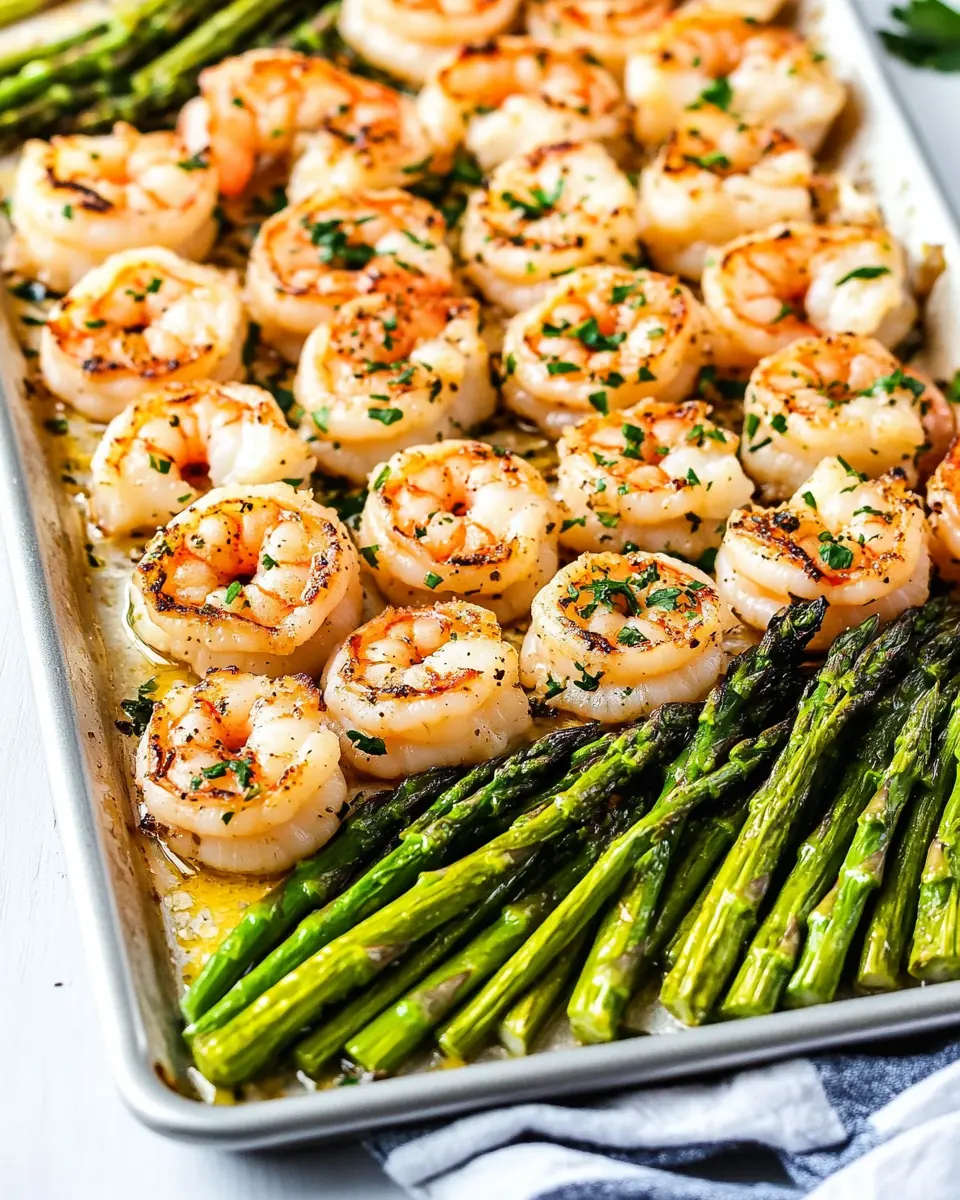
This recipe moves quickly on the sheet pan, so read the steps through once first and have your asparagus trimmed and shrimp peeled before you start. I like to organize the seasoning bowls and the baking surface so each phase runs smoothly. Keep a close ear for sizzling sounds during roasting.
- Preheat oven to 400°F and prepare a sheet pan with silicone baking mat or foil then spray with cooking spray.: As the oven warms up you will notice a faint, clean oven scent and the internal metal of the pan will be ready to brown food quickly, which is important for crisping the asparagus . The prepared surface prevents sticking and helps you slide the finished tray from the oven easily. A common mistake is skipping the spray or lining which can cause the butter to burn onto the pan, making cleanup difficult. Make sure the mat or foil is flat so the vegetables sit evenly, and allow the oven to reach full temperature so the initial roasting starts immediately.
- Place asparagus on a cooking sheet then drizzle with olive oil. Sprinkle on minced garlic and seasoning then toss to coat.: You will hear a faint drag as the spears settle into place, and the oil will shine on the surface, signaling coverage. This oil promotes even roast and helps the minced garlic cling to the stalks. Avoid overcrowding the pan, which causes steaming instead of roasting; spread the spears so each one gets some direct heat. If the asparagus looks dull after oiling, add a touch more for proper caramelization.
- Arrange in a single layer and bake 10 minutes.: The aroma of garlic will begin to emerge as it warms from the oil on the pan, contributing savory notes under the vegetal flavor. Tossing ensures every spear picks up seasoning, creating uniform taste. A typical error is adding garlic too late, which keeps the flavor from integrating; distribute it now so it softens and flavors the asparagus during the first roast. Use your hands or tongs to turn everything gently for even coverage.
- Meanwhile, prepare shrimp by removing the tails then place in a large bowl.: As they roast, the edges of the asparagus will darken slightly and small pops of steam will rise from the tray, indicating moisture release and concentration of flavor. This brief bake time gives the stalks a tender center and slight char outside. Be wary of leaving them too long here, which leads to limp spears; watch for brighter green and slight darkening at the tips as your visual cue to stop.
- Add seasoning then toss to coat.: The tactile quickness of peeling shrimp means they should feel firm and cool. Removing tails makes the shrimp easier to eat once roasted. Place them in a bowl so they can be seasoned easily. A common oversight is forgetting to pat the shrimp dry; excess moisture prevents proper browning and results in steaming rather than roasting.
- Remove pan from oven and push cooked asparagus to one side, keeping in a single layer.: When you toss the shrimp with olive oil, minced garlic, salt, paprika, black pepper, and red pepper flakes the seasonings cling and create an aromatic oil that will sizzle when it hits the hot pan. This step develops surface flavor and protects the texture of the shrimp as they cook. Do not over-salt, because the heat concentrates flavors; season lightly and adjust after cooking if needed.
- Place shrimp in a single layer on the other half of the sheet pan.: The pan will be hot and you may see steady steam. Shifting the roasted asparagus to one side creates space for the seasoned shrimp while keeping the vegetables spread so they do not steam. A mistake to avoid is piling the asparagus, which traps moisture and ruins the crisp edges you just developed. Use tongs to move them carefully and maintain that single layer integrity.
- Place butter cubes on asparagus.: As you set each shrimp down you should hear a soft sizzle, the sign that the hot pan is searing rather than steaming. Laying them flat gives each piece contact with heat, promoting even color and texture. Crowding the shrimp will cause them to cook unevenly, so space them with small gaps. If the shrimp look crowded, roast in batches or use another pan.
- Roast for an additional 10 minutes. Shrimp is done when it forms a “c” shape and is pink in color.: Dropping the cold cubes of butter onto the hot asparagus will produce a brief hiss as the fat hits heat, and then a glossy melt that bastes the vegetables. The butter contributes richness and helps develop a silky finish once combined with the pan juices. A pitfall is using too much butter too early which can burn; place the cubes now so they melt gently during the final roast.
- Remove from oven and drizzle with lemon juice. Serve with rice.: During this final roast you will see the shrimp transition to an opaque pink with browned edges and the asparagus deepen in color and shine from the melted butter. The internal texture should be firm but springy. Overcooking makes shrimp rubbery, so look for the “c” shape and firm give as your cue. If you notice a greyish translucence, return to the oven very briefly until the color and texture are correct.
- Remove from oven and drizzle with lemon juice: When you pour the bright lemon juice over the hot tray, you will smell a fresh citrus lift that cuts through the richness of the butter and oil. This final acid brightens the entire dish and brings balance. A common error is adding lemon too early which can mute its brightness; adding it after roasting preserves that vivid finish. Serve with rice as suggested, or simply alongside crusty bread for soaking up the juices.
Tips for Success
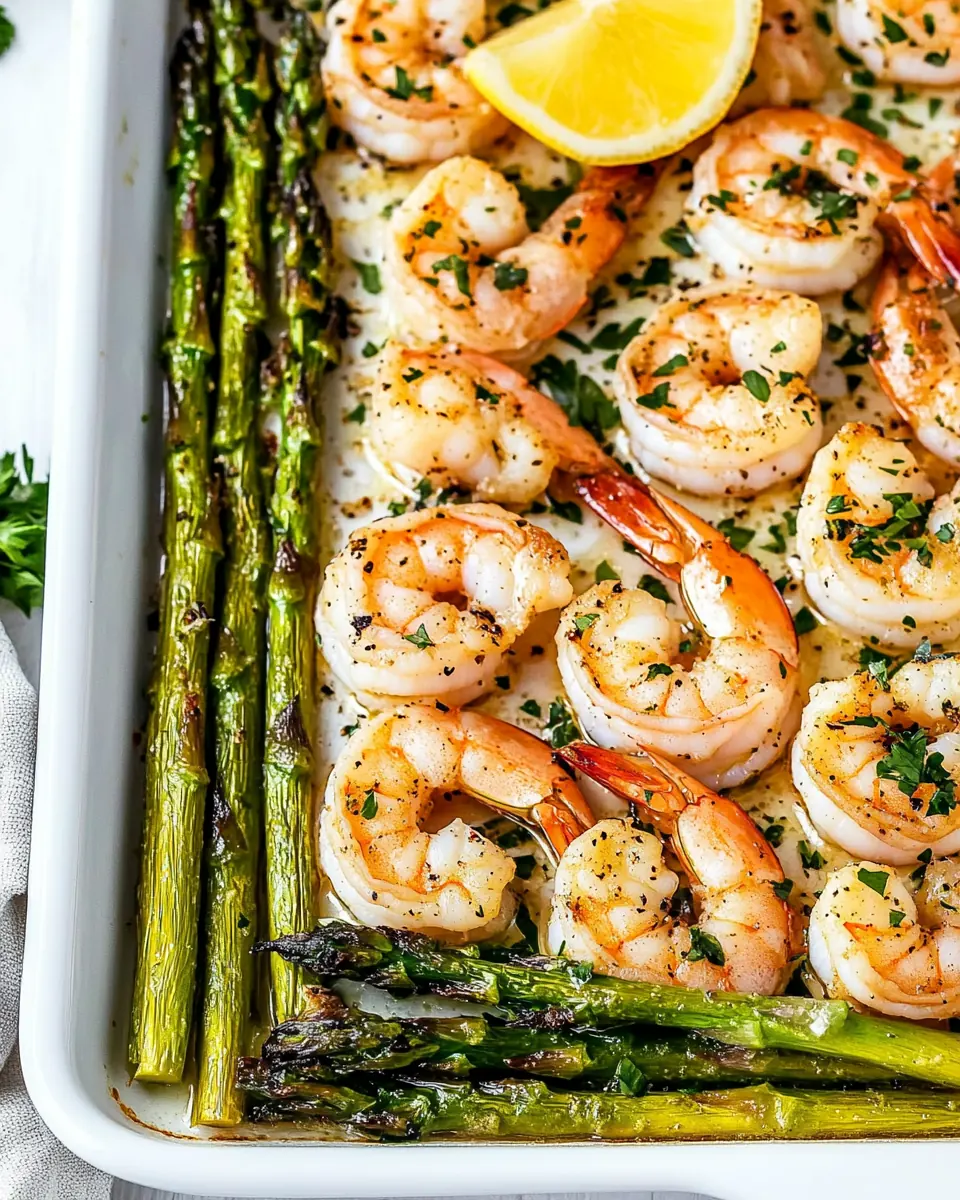
These tips will help you get reliably excellent results with the sheet pan method, focusing on timing, texture, and finishing touches that make the meal shine.
- Use a hot oven to ensure immediate searing and prevent steaming; a fully preheated 400°F oven gives you the quick roast needed for crisp asparagus and tender shrimp.
- Trim asparagus evenly so each spear cooks at the same rate; thicker stalks may need a minute or two longer, so separate them by thickness if necessary.
- Dry the shrimp thoroughly before seasoning, because excess moisture will steam the shrimp and keep them from achieving the desirable browned edges.
- Space items on the pan to encourage air circulation; crowding causes uneven cooking and a softer texture rather than roast char.
- Use cubed butter strategically so it melts into pockets during the final roast, basting the vegetables without burning the pan.
- Add lemon last to keep the citrus fresh and bright, which balances the richness and elevates each bite.
Serving Suggestions
This section explains how to present and pair the tray for different meals and occasions. The recipe is flexible for casual weeknights and small gatherings alike.
- Serve over rice to soak up the pan juices and make the meal more filling, perfect for a simple weeknight dinner where you want a complete plate.
- Pair with a light salad of mixed greens dressed simply in lemon and olive oil to add a crisp, cool counterpoint to the warm tray.
- Family dinners benefit from plating the tray family style on the table, letting each person take their preferred portion while keeping cleanup easy.
- Spring occasions like casual gatherings or a Ramadan iftar work well, since the dish is fresh, bright, and quick to prepare after a long day.
- Storage tips include refrigerating leftovers in a shallow container for up to two days; reheat briefly in a hot oven to refresh texture rather than microwaving which can overcook the shrimp.
- Seasonal pairings include adding new spring vegetables alongside the asparagus when available, keeping the overall profile light and vibrant.
FAQ
Conclusion
This Shrimp and Asparagus Sheet Pan Meal stands out for its combination of speed, bright flavors, and one pan convenience. It brings together crisp tender asparagus, perfectly roasted shrimp, and a finishing touch of lemon and parsley that make each bite sing. I encourage you to try it on a busy evening when you want something special without a lot of prep, or to scale it up for guests when you want an effortless, elegant main. Enjoy the simple joy of a tray that delivers bold taste with minimal cleanup.
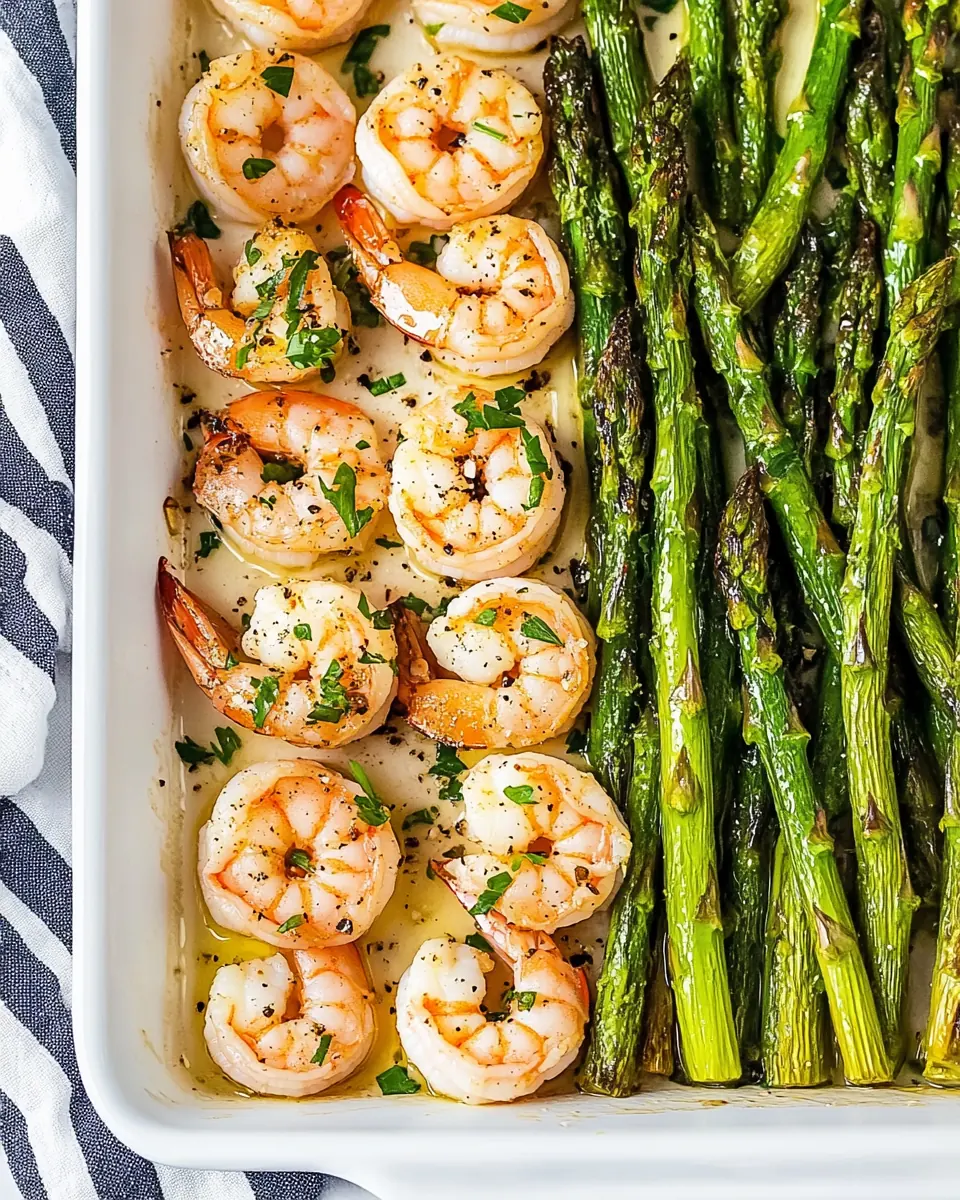
Shrimp and Asparagus Sheet Pan Meal
Ingredients
Equipment
Method
- Preheat oven to 400°F and prepare a sheet pan with silicone baking mat or foil then spray with cooking spray.: As the oven warms up you will notice a faint, clean oven scent and the internal metal of the pan will be ready to brown food quickly, which is important for crisping the asparagus . The prepared surface prevents sticking and helps you slide the finished tray from the oven easily. A common mistake is skipping the spray or lining which can cause the butter to burn onto the pan, making cleanup difficult. Make sure the mat or foil is flat so the vegetables sit evenly, and allow the oven to reach full temperature so the initial roasting starts immediately.
- Place asparagus on a cooking sheet then drizzle with olive oil. Sprinkle on minced garlic and seasoning then toss to coat.: You will hear a faint drag as the spears settle into place, and the oil will shine on the surface, signaling coverage. This oil promotes even roast and helps the minced garlic cling to the stalks. Avoid overcrowding the pan, which causes steaming instead of roasting; spread the spears so each one gets some direct heat. If the asparagus looks dull after oiling, add a touch more for proper caramelization.
- Arrange in a single layer and bake 10 minutes.: The aroma of garlic will begin to emerge as it warms from the oil on the pan, contributing savory notes under the vegetal flavor. Tossing ensures every spear picks up seasoning, creating uniform taste. A typical error is adding garlic too late, which keeps the flavor from integrating; distribute it now so it softens and flavors the asparagus during the first roast. Use your hands or tongs to turn everything gently for even coverage.
- Meanwhile, prepare shrimp by removing the tails then place in a large bowl.: As they roast, the edges of the asparagus will darken slightly and small pops of steam will rise from the tray, indicating moisture release and concentration of flavor. This brief bake time gives the stalks a tender center and slight char outside. Be wary of leaving them too long here, which leads to limp spears; watch for brighter green and slight darkening at the tips as your visual cue to stop.
- Add seasoning then toss to coat.: The tactile quickness of peeling shrimp means they should feel firm and cool. Removing tails makes the shrimp easier to eat once roasted. Place them in a bowl so they can be seasoned easily. A common oversight is forgetting to pat the shrimp dry; excess moisture prevents proper browning and results in steaming rather than roasting.
- Remove pan from oven and push cooked asparagus to one side, keeping in a single layer.: When you toss the shrimp with olive oil, minced garlic, salt, paprika, black pepper, and red pepper flakes the seasonings cling and create an aromatic oil that will sizzle when it hits the hot pan. This step develops surface flavor and protects the texture of the shrimp as they cook. Do not over-salt, because the heat concentrates flavors; season lightly and adjust after cooking if needed.
- Place shrimp in a single layer on the other half of the sheet pan.: The pan will be hot and you may see steady steam. Shifting the roasted asparagus to one side creates space for the seasoned shrimp while keeping the vegetables spread so they do not steam. A mistake to avoid is piling the asparagus, which traps moisture and ruins the crisp edges you just developed. Use tongs to move them carefully and maintain that single layer integrity.
- Place butter cubes on asparagus.: As you set each shrimp down you should hear a soft sizzle, the sign that the hot pan is searing rather than steaming. Laying them flat gives each piece contact with heat, promoting even color and texture. Crowding the shrimp will cause them to cook unevenly, so space them with small gaps. If the shrimp look crowded, roast in batches or use another pan.
- Roast for an additional 10 minutes. Shrimp is done when it forms a “c” shape and is pink in color.: Dropping the cold cubes of butter onto the hot asparagus will produce a brief hiss as the fat hits heat, and then a glossy melt that bastes the vegetables. The butter contributes richness and helps develop a silky finish once combined with the pan juices. A pitfall is using too much butter too early which can burn; place the cubes now so they melt gently during the final roast.
- Remove from oven and drizzle with lemon juice. Serve with rice.: During this final roast you will see the shrimp transition to an opaque pink with browned edges and the asparagus deepen in color and shine from the melted butter. The internal texture should be firm but springy. Overcooking makes shrimp rubbery, so look for the “c” shape and firm give as your cue. If you notice a greyish translucence, return to the oven very briefly until the color and texture are correct.
- Remove from oven and drizzle with lemon juice: When you pour the bright lemon juice over the hot tray, you will smell a fresh citrus lift that cuts through the richness of the butter and oil. This final acid brightens the entire dish and brings balance. A common error is adding lemon too early which can mute its brightness; adding it after roasting preserves that vivid finish. Serve with rice as suggested, or simply alongside crusty bread for soaking up the juices.
Notes
- Use a hot oven to ensure immediate searing and prevent steaming; a fully preheated 400°F oven gives you the quick roast needed for crisp asparagus and tender shrimp.
- Trim asparagus evenly so each spear cooks at the same rate; thicker stalks may need a minute or two longer, so separate them by thickness if necessary.
- Dry the shrimp thoroughly before seasoning, because excess moisture will steam the shrimp and keep them from achieving the desirable browned edges.
- Space items on the pan to encourage air circulation; crowding causes uneven cooking and a softer texture rather than roast char.
- Use cubed butter strategically so it melts into pockets during the final roast, basting the vegetables without burning the pan.
- Add lemon last to keep the citrus fresh and bright, which balances the richness and elevates each bite.