Preheat oven to 400°F and prepare a sheet pan with silicone baking mat or foil then spray with cooking spray.: As the oven warms up you will notice a faint, clean oven scent and the internal metal of the pan will be ready to brown food quickly, which is important for crisping the asparagus . The prepared surface prevents sticking and helps you slide the finished tray from the oven easily. A common mistake is skipping the spray or lining which can cause the butter to burn onto the pan, making cleanup difficult. Make sure the mat or foil is flat so the vegetables sit evenly, and allow the oven to reach full temperature so the initial roasting starts immediately.
Place asparagus on a cooking sheet then drizzle with olive oil. Sprinkle on minced garlic and seasoning then toss to coat.: You will hear a faint drag as the spears settle into place, and the oil will shine on the surface, signaling coverage. This oil promotes even roast and helps the minced garlic cling to the stalks. Avoid overcrowding the pan, which causes steaming instead of roasting; spread the spears so each one gets some direct heat. If the asparagus looks dull after oiling, add a touch more for proper caramelization.
Arrange in a single layer and bake 10 minutes.: The aroma of garlic will begin to emerge as it warms from the oil on the pan, contributing savory notes under the vegetal flavor. Tossing ensures every spear picks up seasoning, creating uniform taste. A typical error is adding garlic too late, which keeps the flavor from integrating; distribute it now so it softens and flavors the asparagus during the first roast. Use your hands or tongs to turn everything gently for even coverage.
Meanwhile, prepare shrimp by removing the tails then place in a large bowl.: As they roast, the edges of the asparagus will darken slightly and small pops of steam will rise from the tray, indicating moisture release and concentration of flavor. This brief bake time gives the stalks a tender center and slight char outside. Be wary of leaving them too long here, which leads to limp spears; watch for brighter green and slight darkening at the tips as your visual cue to stop.
Add seasoning then toss to coat.: The tactile quickness of peeling shrimp means they should feel firm and cool. Removing tails makes the shrimp easier to eat once roasted. Place them in a bowl so they can be seasoned easily. A common oversight is forgetting to pat the shrimp dry; excess moisture prevents proper browning and results in steaming rather than roasting.
Remove pan from oven and push cooked asparagus to one side, keeping in a single layer.: When you toss the shrimp with olive oil, minced garlic, salt, paprika, black pepper, and red pepper flakes the seasonings cling and create an aromatic oil that will sizzle when it hits the hot pan. This step develops surface flavor and protects the texture of the shrimp as they cook. Do not over-salt, because the heat concentrates flavors; season lightly and adjust after cooking if needed.
Place shrimp in a single layer on the other half of the sheet pan.: The pan will be hot and you may see steady steam. Shifting the roasted asparagus to one side creates space for the seasoned shrimp while keeping the vegetables spread so they do not steam. A mistake to avoid is piling the asparagus, which traps moisture and ruins the crisp edges you just developed. Use tongs to move them carefully and maintain that single layer integrity.
Place butter cubes on asparagus.: As you set each shrimp down you should hear a soft sizzle, the sign that the hot pan is searing rather than steaming. Laying them flat gives each piece contact with heat, promoting even color and texture. Crowding the shrimp will cause them to cook unevenly, so space them with small gaps. If the shrimp look crowded, roast in batches or use another pan.
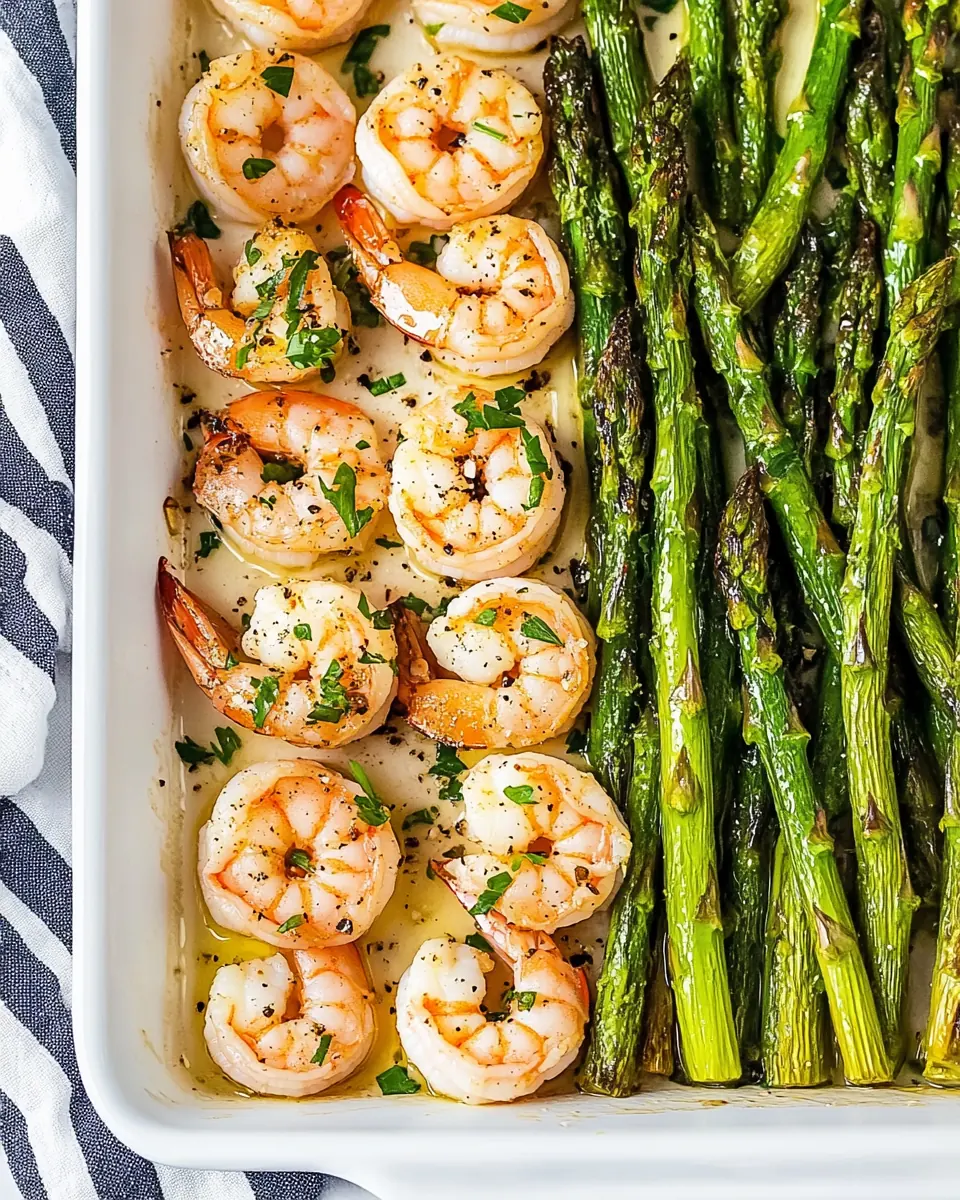
Roast for an additional 10 minutes. Shrimp is done when it forms a “c” shape and is pink in color.: Dropping the cold cubes of butter onto the hot asparagus will produce a brief hiss as the fat hits heat, and then a glossy melt that bastes the vegetables. The butter contributes richness and helps develop a silky finish once combined with the pan juices. A pitfall is using too much butter too early which can burn; place the cubes now so they melt gently during the final roast.
Remove from oven and drizzle with lemon juice. Serve with rice.: During this final roast you will see the shrimp transition to an opaque pink with browned edges and the asparagus deepen in color and shine from the melted butter. The internal texture should be firm but springy. Overcooking makes shrimp rubbery, so look for the “c” shape and firm give as your cue. If you notice a greyish translucence, return to the oven very briefly until the color and texture are correct.
Remove from oven and drizzle with lemon juice: When you pour the bright lemon juice over the hot tray, you will smell a fresh citrus lift that cuts through the richness of the butter and oil. This final acid brightens the entire dish and brings balance. A common error is adding lemon too early which can mute its brightness; adding it after roasting preserves that vivid finish. Serve with rice as suggested, or simply alongside crusty bread for soaking up the juices.