In a large pot, heat the olive oil over medium-high heat. Add the onion, carrot, celery, potatoes and cook for 5 minutes, stirring occasionally. Add the garlic and cook for 1 minute. Add the zucchini, Italian seasoning, salt, and pepper. Cook for 2 minutes.: When the oil warms, it should shimmer slightly and smell faintly fruity, not smoky. I look for a gentle ripple across the surface before adding any vegetables so they start to sizzle and deglaze the pan, capturing those caramelized bits for flavor. If the oil smokes, the heat is too high and you should reduce it to avoid bitterness. A common mistake is overcrowding the pot too soon, which steams vegetables instead of browning them; give them space so they can develop color and aroma.
Add the vegetable broth, beans, and pasta. Bring to a boil, then reduce the heat to low and simmer for 8 to 10 minutes or until the pasta is al dente and the potatoes are tender.: During these minutes you should hear a steady, soft sizzle and notice the onion turning translucent while the carrot and celery begin to soften. The potatoes will start to lose their raw edge. This stage builds a sweet, savory base, so resist the urge to rush it. If pieces are browning unevenly, stir more frequently and adjust heat so nothing burns, which would introduce bitter notes.
Stir in the spinach, asparagus, peas and cook for 2 minutes.: The aroma of garlic should become immediate and warm, but it should not darken. Cook just until fragrant, about a minute, because overcooked garlic turns bitter. If you notice any browning, remove the pot from the heat briefly to cool the pan before continuing, that prevents aftertaste issues.
Add the Parmesan cheese, pesto, and lemon juice. Stir until combined. Taste and season with salt and pepper, if necessary.: As you stir in the zucchini and herbs, you will see moisture release and the pot will smell herbaceous. The dried seasoning hydrates and releases oils, tying flavors together. Taste the base after a minute and adjust the salt carefully, because the broth and Parmesan cheese later will add more sodium. Over-salting at this point is a common pitfall.
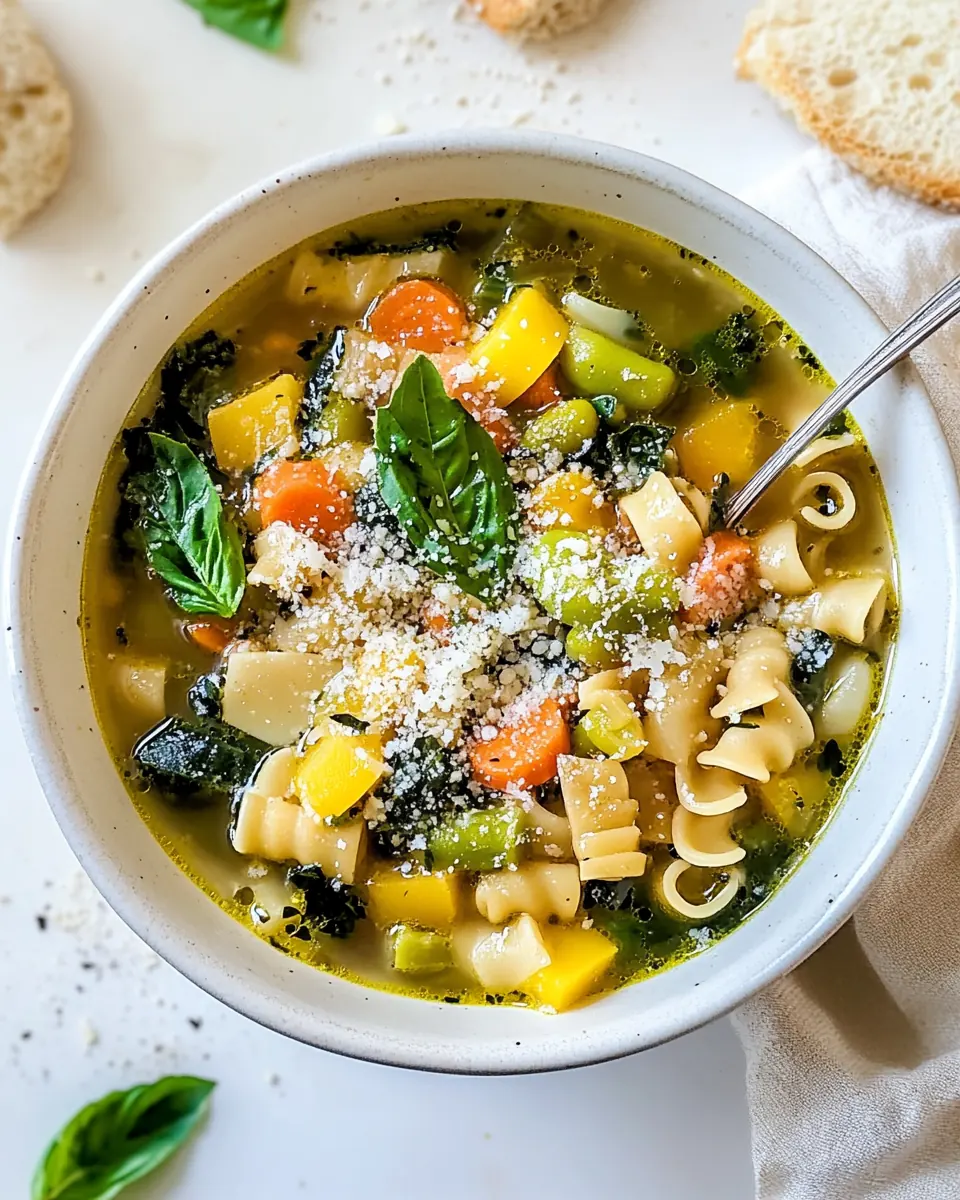
Ladle into bowls and serve. Garnish with fresh basil and extra Parmesan cheese.: In this brief period the zucchini softens slightly while retaining structure, and the seasoning melds with the aromatics. You should notice the pot smell deepen and the vegetables looking glossy. If the pot seems dry, add a splash of broth to prevent sticking. Watch closely, as cooking too long will make delicate vegetables mushy.
Add the vegetable broth, beans, and pasta: Pouring in the vegetable broth will deglaze the pot and lift all the caramelized flavors into the liquid. The sight of broth swirling and the gentle steam rising signals the transition from sauté to simmer. The cannellini beans add body while the ditalini pasta will absorb flavor as it cooks. Be sure the broth covers the solids comfortably so everything cooks evenly.
Bring to a boil, then reduce the heat to low and simmer for 8 to 10 minutes or until the pasta is al dente and the potatoes are tender: The boil is a lively bubble that settles into a soft, steady simmer, which is the ideal environment to cook pasta and potatoes through without breaking them down. Check the pasta at around eight minutes for al dente texture, and pierce a potato to ensure tenderness. A common mistake is over boiling, which makes pasta swell too much; lower the heat to keep a gentle simmer.
Stir in the spinach, asparagus, peas and cook for 2 minutes: When the greens and spring vegetables hit the hot broth you will see them collapse and turn vivid green quickly. The steam will smell fresh and green. Because these items are delicate, they only need a short time; overcooking will dull their flavor and color. If your pot is too vigorous, reduce heat immediately to preserve texture and brightness.
Add the Parmesan cheese, pesto, and lemon juice: Stirring in Parmesan cheese and basil pesto will thicken the broth slightly and add concentrated savory and herb notes, while the lemon juice injects bright acidity that balances richness. The soup should smell fragrant and layered. If the mixture tastes flat, a little extra lemon can lift it, but add cautiously to avoid overt tartness.
Stir until combined: You will notice the broth take on a silkier texture as the cheese and pesto dissolve. Use this moment to look for balance in salt and acid, adjusting if needed. Avoid prolonged stirring that could break down pasta; gentle folds are enough. A frequent error is adding too much finishing ingredients at once, so taste and tweak gradually.
Taste and season with salt and pepper, if necessary: Tasting at this stage is critical because flavors concentrate as the soup cools slightly. Use small adjustments and taste after each change. Over seasoning is easy to do, especially with salty cheese, so err on the side of less and recheck after a minute or two.
Ladle into bowls and serve: As you spoon the soup, notice the combined textures of tender potatoes, al dente pasta , and bright vegetables. The aromas should be herb forward with a citrus lift. Serve while hot, and avoid leaving bowls sitting too long, as pasta will continue to absorb broth and change texture. If you intend to store leftovers, undercook the pasta slightly to prevent it from becoming mushy when reheated.
Garnish with fresh basil and extra Parmesan cheese: The final garnish adds fragrance and visual appeal, and the extra Parmesan cheese offers an immediate savory hit. Tear fresh basil rather than cutting to preserve oils. A typical mistake is overloading garnishes which can overpower the soup, so add sparingly to complement the bowl.