Green Enchilada Sauce
Green Enchilada Sauce is the sauce I reach for when I want something bright, tangy, and a little smoky to wake up a weekday dinner. Years ago I learned to roast tomatillos the hard way, in a crowded pan that steamed instead of caramelized, and ever since I prefer the confidence of a blistered, slightly charred surface that adds depth without masking freshness. When I make this, the kitchen fills with a vibrant, citrusy aroma that tells me I am on the right track.
One evening I tossed a batch over leftover shredded chicken and fresh tortillas for a meal that felt like a small celebration. What I love about this Green Enchilada Sauce is how simple the ingredients are, yet how complex the final flavor becomes after a quick roast and a brief whirl in the blender. I keep a jar in the fridge because it converts humble pantry ingredients into something memorable. You will notice the heat from the jalapeño builds gradually, and the cilantro brings a cooling green lift that keeps the sauce lively.
Recipe Snapshot
40 mins
15 mins
25 mins
Easy
80 kcal
Mexican
Keto, Paleo
Dinner
Oven, Baking sheet, Parchment paper, Blender
What’s Great About This Green Enchilada Sauce
Bright, vibrant flavor from minimal effort
I adore how a few well chosen ingredients produce a sauce that tastes like it took much longer to make. Roasting the tomatillos concentrates their tartness and creates subtle caramel notes, which add complexity without sugar or fuss. The contrast between roasted and raw elements gives the sauce dimension, and I find that family and friends often ask how I got that layered taste.
Versatile condiment you can rely on
We use this Green Enchilada Sauce on enchiladas, huevos, grilled vegetables, and as a dipping sauce. Its texture and acidity cut through richer dishes, and it doubles as an excellent marinade. I appreciate recipes that pull double duty, and this one saves time and fridge space because it works across meals.
Fresh, pantry friendly ingredients
The ingredient list is straightforward, so I can make this at short notice. The keys are tomatillos, jalapeño, garlic, onion, and a touch of oil. These items commonly live in my kitchen, which means I rarely need a special shopping trip. That accessibility makes me reach for this sauce for both busy weeknights and relaxed weekend cooking.
Control over heat and texture
I like that you can tweak the spice level by adjusting the number of jalapeño peppers or by removing the seeds for a milder profile. Blending time controls smoothness, so if you prefer a slightly chunkier sauce, pulse just enough to combine. That flexibility lets you customize the result to suit tacos, enchiladas, or a spoonable table sauce.
Great for make ahead and leftovers
Once cooled, the sauce keeps well refrigerated for several days, which makes meal planning easier. I often double the batch and portion it into jars, because reheated portions retain the bright flavor. Making a bigger batch feels like a small win on a busy day.
What You’ll Need for Green Enchilada Sauce
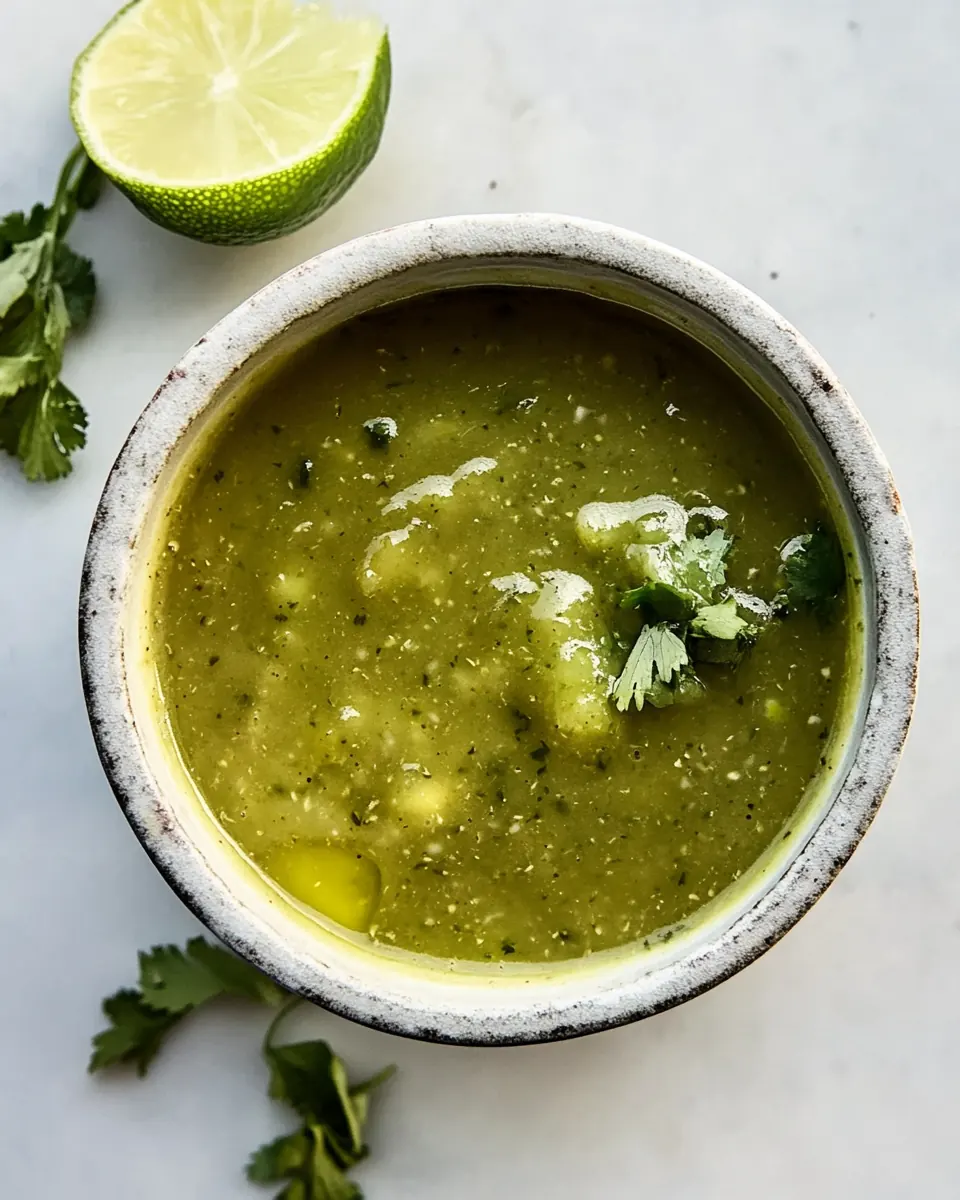
This sauce is about harmony. The acid and brightness of the tomatillos form the base, roasted vegetables add savory depth, jalapeño contributes heat, and cilantro finishes with fresh aroma. Each ingredient has a job, and together they create a sauce that is lively, balanced, and adaptable.
- 1 pound tomatillos, about 7 to 8 medium: Provide tangy acidity and a bright, slightly fruity backbone to the sauce; husks removed and rinsed, tomatillos soften when roasted or boiled, helping to balance heat and enrich the green color while contributing body and a fresh citrusy note.
- 1/2 medium white onion, sliced into wedges: Add savory sweetness and a mellow aromatic depth when caramelized or roasted; sliced wedges release natural sugars and umami that round out sharpness from the tomatillos and peppers and help create a smooth, full-bodied sauce.
- 2 jalapeño peppers, stemmed: Contribute controlled heat and grassy, vegetal brightness when stems are removed; jalapeños can be roasted for smokiness or used raw for fresher spice, and seeds adjusted to manage overall spiciness while enhancing flavor complexity.
- 1 garlic clove: Offer pungent, aromatic bite that mellows when cooked; a single clove provides garlic’s savory warmth, helping to bind flavors together and add depth without overpowering the bright tomatillos and cilantro.
- 1 1/2 teaspoons avocado oil, plus more for drizzling: Impart a light, neutral fat for sautéing and finishing; avocado oil withstands higher heat for roasting or searing components and adds a subtle creaminess when stirred into the blended sauce or drizzled on top.
- 1/2 teaspoons ea salt, plus more for sprinkling: Provide essential seasoning to enhance and balance flavors; salt sprinkled and adjusted to taste helps brighten acidity, tame bitterness, and bring forward the natural sweetness of the vegetables in the sauce.
- 1/8 teaspoon onion powder: Introduce a concentrated oniony savor and subtle sweetness without extra moisture; onion powder deepens the aromatic profile and supports the fresh onion wedges, especially useful for reinforcing flavor in blended sauces.
- 1/4 cup fresh cilantro: Deliver fresh herbal brightness and a citrusy, slightly peppery finish; chopped cilantro stirred in or blended adds vivid color and lifts the sauce with fragrant top notes that complement the tomatillos and chiles.
How to Prepare Green Enchilada Sauce
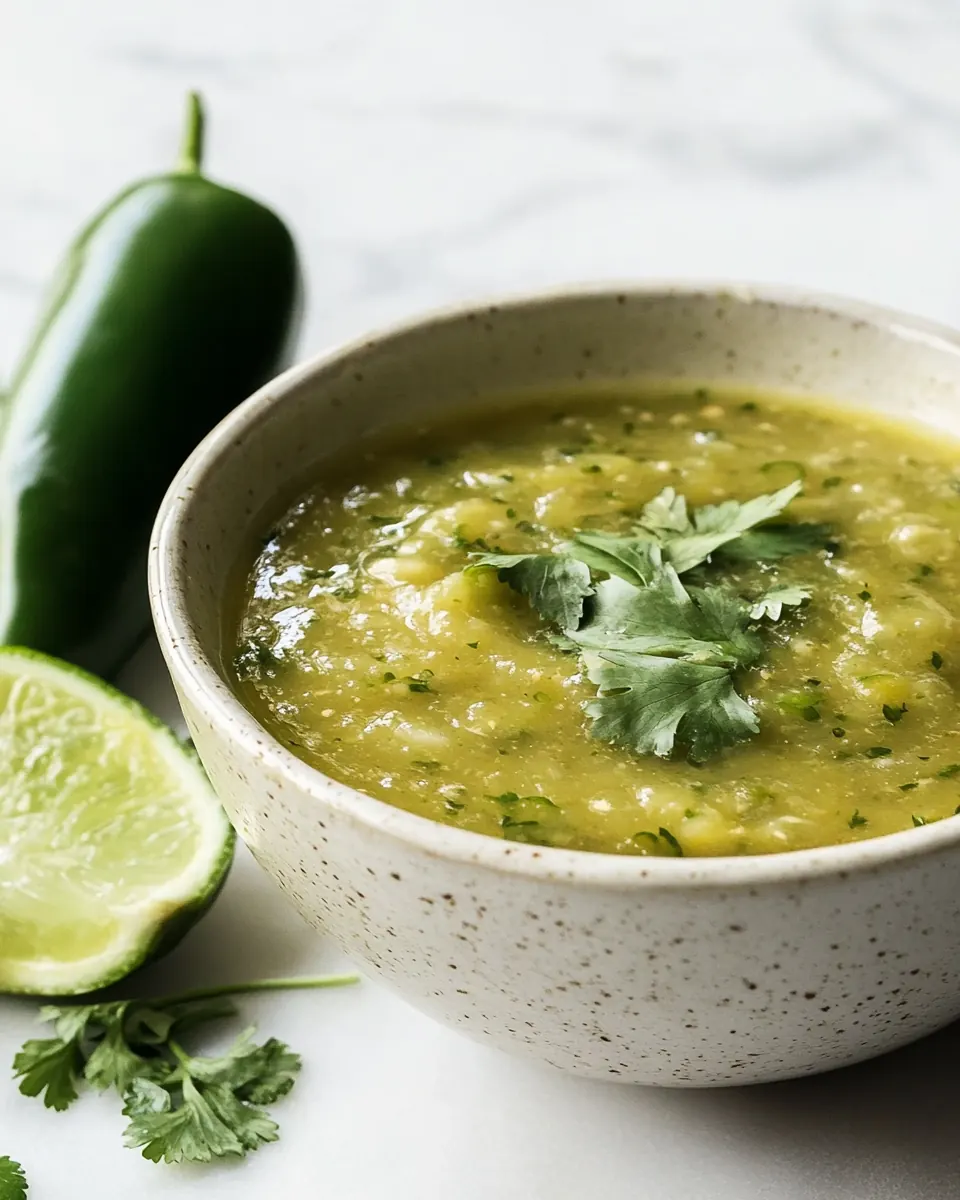
This recipe is straightforward, but I treat each step as an opportunity to build flavor. Roasting, blending, and tasting are the three actions that transform raw produce into a cohesive, lively sauce. Expect a bit of hands on time and a rewarding aroma that fills the kitchen.
- Preheat the oven to 450°F and line a baking sheet with parchment paper.: The warmth from a properly heated oven ensures the tomatillos and onion blister and caramelize rather than steam. You will smell a toasty, slightly sweet scent as the vegetables brown, an important signal that depth is forming. If the oven is not preheated enough the vegetables will cook unevenly and remain pale, so wait until the temperature is reached. A common mistake is crowding the pan, which traps steam and prevents browning.
- Remove the husks from the tomatillos and rinse to remove the stickiness. Pat dry and place on the baking sheet with the onion wedges and one of the jalapeños. Drizzle with avocado oil and sprinkle with salt. Rub with your hands to coat and spread evenly on the baking sheet. Roast for 25 to 35 minutes, or until the tomatillos are soft and bursty.: When you rinse and dry the tomatillos , you will notice their surface becomes glossy and tacky once dried, which helps the oil adhere. Rubbing the oil and salt across the surface promotes even browning and encourages the sugars to caramelize, producing richer aromas and a deeper flavor. Visually, you want each piece to be separated on the sheet so hot air circulates and the edges char slightly. If you skip drying the tomatillos, the extra moisture will cause steaming and dilute the final flavor.
- Blend the sauce. Transfer the roasted tomatillos, onion, and jalapeño to a blender and add the remaining raw jalapeño, garlic, avocado oil, salt, and onion powder. Blend until smooth, then add the cilantro and blend again.: As the vegetables roast, the kitchen will begin to fill with a savory, slightly sweet scent, and you will see bubbling juices and blistered skins. The tomatillos should become soft and their skins may split or blacken in places, which is a cue they are ready. This roasting concentrates flavors and reduces raw acidity, creating a rounded base for the sauce. Check at the 25 minute mark and rotate the pan if one side is browning faster. Leaving them in too long risks the vegetables drying out and tasting bitter.
- Use on these enchiladas verdes or your favorite enchilada recipe. Leftover sauce keeps well in an airtight container in the refrigerator for up to 4 days.: Once the roasted tomatillos , onion , and roasted jalapeño are in the blender with the remaining raw jalapeño , garlic , avocado oil, salt, and onion powder, you will notice the mixture starts with a chunky texture that smooths quickly. The immediate smell is brighter and fresher than the roasted scent alone, because the raw jalapeño and cilantro add lift. Blending emulsifies the oil with the vegetable juices, giving the sauce a silky mouthfeel that coats the tongue. One trap is over-processing and heating the sauce in the blender, which can dull herbaceous notes; pulse and then blend briefly for the desired consistency.
- Transfer the roasted tomatillos, onion, and jalapeño to a blender and add the remaining raw jalapeño, garlic, avocado oil, salt, and onion powder: This order matters because the roasted elements provide the cooked, sweet base and the raw additions maintain brightness and spice. When you combine them, you will smell a complex mix of roasted depth and fresh green heat. The oil aids in smoothing and carrying flavors; without it the sauce can taste thin. If you add too much oil at once you may end up with an overly slick sauce, so start with the measured amount and adjust after tasting.
- Blend until smooth, then add the cilantro and blend again: After the first blending, the sauce will look emulsified but may lack that final herbal note. Adding the cilantro last preserves its vibrant color and aromatic lift, which brightens the taste immediately. Blend just enough to incorporate the herb, watching the color deepen but not turn dull. Overblending the herbs can create a muddied flavor and darker color, so pulse carefully. If the sauce seems too watery, a few more seconds of blending with a bit more roasted vegetable can thicken it.
- Use on these enchiladas verdes or your favorite enchilada recipe: Spoon the sauce generously over filled tortillas and bake, or toss with cooked fillings for saucy casseroles. You will notice the sauce melds with cheeses and proteins, transforming simple ingredients into a cohesive dish. When baking, the sauce will bubble around the edges and develop a pleasing sheen, signaling it is heated through. A frequent mistake is skimping on sauce, which leaves the dish dry rather than unified.
- Leftover sauce keeps well in an airtight container in the refrigerator for up to 4 days: As it chills, flavors meld and the sauce can taste even better the next day, with the heat settling and the herb notes integrating further. Store in a sealed jar to preserve brightness and prevent the sauce from absorbing other fridge odors. Bring it to room temperature or briefly warm before using, because cold sauce can mute flavors. Avoid leaving it out at room temperature for prolonged periods to prevent spoilage.
Helpful Hints
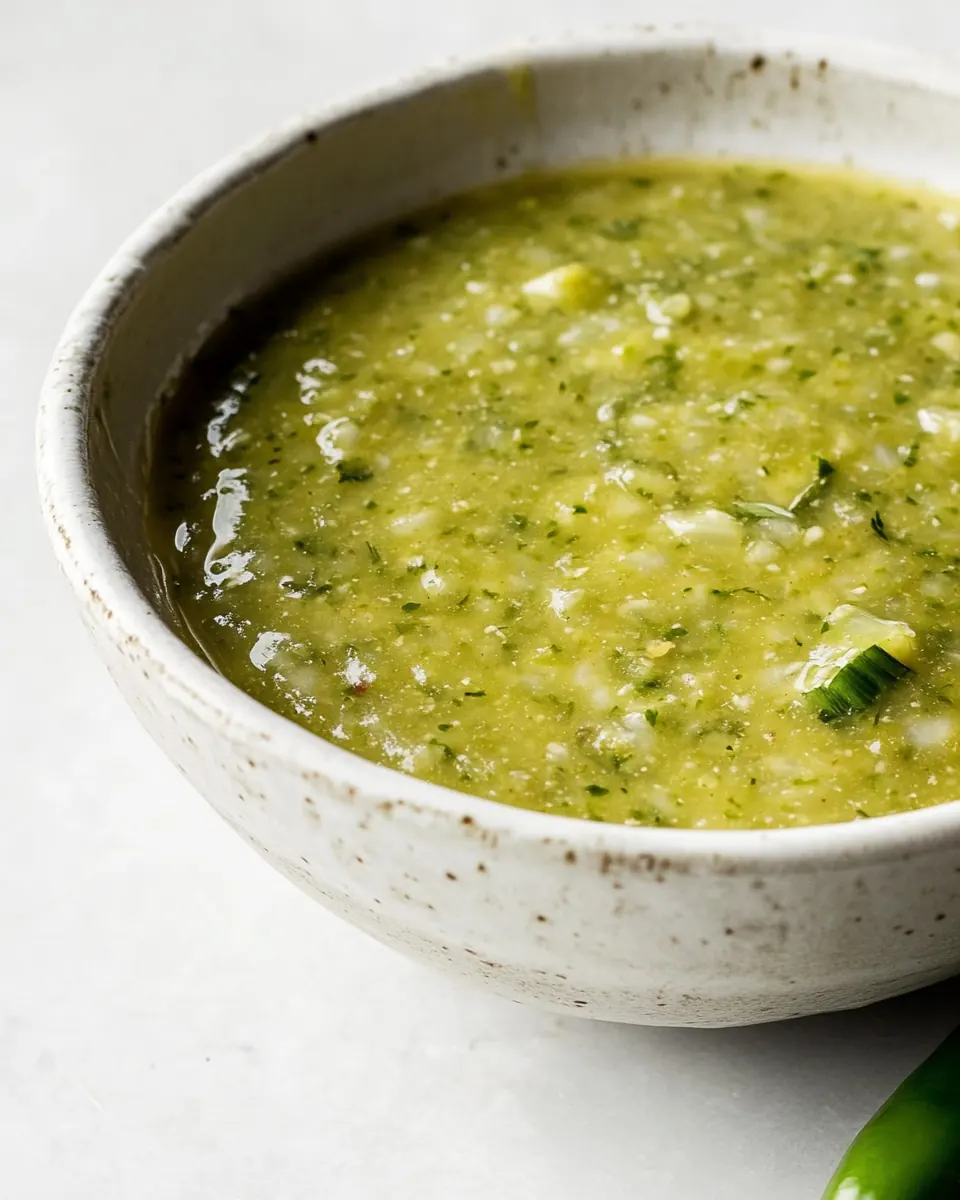
This batch of tips helps you tune heat, texture, and storage so the sauce performs well across dishes. Below I expand practical pointers into actionable steps that I use every time I make Green Enchilada Sauce.
- Roast at high heat: Use a hot oven so the tomatillos and onion char slightly, which adds depth without long cooking. I preheat to ensure consistent browning.
- Dry the tomatillos well: Pat them before roasting so they blister instead of steam. This concentrates flavor and prevents a watery sauce.
- Balance raw and roasted elements: Keep one jalapeño raw to preserve fresh heat, while roasting the other to add smoky notes. This layering creates a more interesting flavor.
- Add cilantro at the end: Blend the herb last to keep its vibrant aroma. Overblending dulls its freshness and turns the color darker.
- Adjust salt after blending: Roasting changes seasoning needs, so always taste and correct the salt once the sauce is combined.
- Store properly: Use an airtight jar and refrigerate for up to four days, or freeze portions for longer storage. Thaw in the fridge overnight for best texture.
What Goes Well With This Green Enchilada Sauce
This sauce pairs with many preparations. It shines with baked enchiladas, tacos, scrambled eggs, roasted vegetables, and grain bowls. Below are serving ideas and practical notes for occasions and storage.
- Enchiladas: Spoon over filled tortillas and bake until bubbling, the sauce keeps everything moist and flavorful for a hearty lunch or dinner.
- Tacos and burritos: Drizzle warm or room temperature sauce over fillings for immediate brightness and gentle heat that complements proteins and vegetables.
- Eggs: Use as a topping for scrambled eggs or huevos rancheros, the acidity of the tomatillos cuts through richness and lifts the dish.
- Grains and bowls: Stir into rice or quinoa bowls to add a lively vinaigrette like flavor and make simple bowls feel intentional and vibrant.
- Meal occasions: Great for weeknight dinners, casual weekend lunches, or gatherings where you want big flavor without fuss. It also stores well, so you can prep ahead for busy days.
- Storage tips: Keep in a sealed container for up to four days in the refrigerator. For longer storage, freeze in small portions and thaw overnight in the fridge before use.
FAQ
Conclusion
What makes this Green Enchilada Sauce special is its bright tomatillo base, layered heat, and herbaceous finish, all from simple pantry ingredients. I encourage you to give it a try because it transforms ordinary meals into something lively and memorable with very little effort. Making it once will likely make it a go to condiment in your kitchen, perfect for elevating tacos, enchiladas, bowls, and more while saving you time on busy nights.
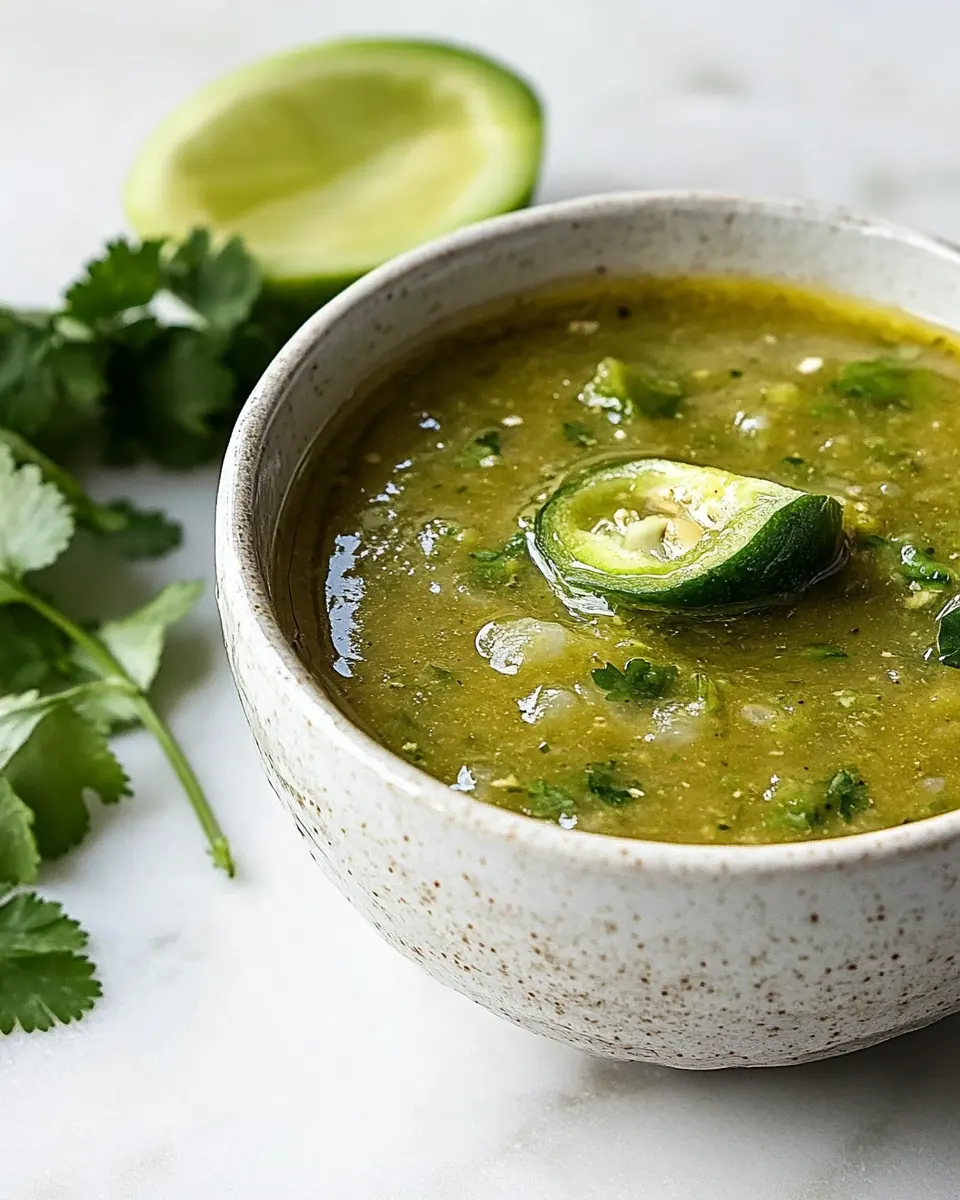
Green Enchilada Sauce
Ingredients
Equipment
Method
- Preheat the oven to 450°F and line a baking sheet with parchment paper.: The warmth from a properly heated oven ensures the tomatillos and onion blister and caramelize rather than steam. You will smell a toasty, slightly sweet scent as the vegetables brown, an important signal that depth is forming. If the oven is not preheated enough the vegetables will cook unevenly and remain pale, so wait until the temperature is reached. A common mistake is crowding the pan, which traps steam and prevents browning.
- Remove the husks from the tomatillos and rinse to remove the stickiness. Pat dry and place on the baking sheet with the onion wedges and one of the jalapeños. Drizzle with avocado oil and sprinkle with salt. Rub with your hands to coat and spread evenly on the baking sheet. Roast for 25 to 35 minutes, or until the tomatillos are soft and bursty.: When you rinse and dry the tomatillos , you will notice their surface becomes glossy and tacky once dried, which helps the oil adhere. Rubbing the oil and salt across the surface promotes even browning and encourages the sugars to caramelize, producing richer aromas and a deeper flavor. Visually, you want each piece to be separated on the sheet so hot air circulates and the edges char slightly. If you skip drying the tomatillos, the extra moisture will cause steaming and dilute the final flavor.
- Blend the sauce. Transfer the roasted tomatillos, onion, and jalapeño to a blender and add the remaining raw jalapeño, garlic, avocado oil, salt, and onion powder. Blend until smooth, then add the cilantro and blend again.: As the vegetables roast, the kitchen will begin to fill with a savory, slightly sweet scent, and you will see bubbling juices and blistered skins. The tomatillos should become soft and their skins may split or blacken in places, which is a cue they are ready. This roasting concentrates flavors and reduces raw acidity, creating a rounded base for the sauce. Check at the 25 minute mark and rotate the pan if one side is browning faster. Leaving them in too long risks the vegetables drying out and tasting bitter.
- Use on these enchiladas verdes or your favorite enchilada recipe. Leftover sauce keeps well in an airtight container in the refrigerator for up to 4 days.: Once the roasted tomatillos , onion , and roasted jalapeño are in the blender with the remaining raw jalapeño , garlic , avocado oil, salt, and onion powder, you will notice the mixture starts with a chunky texture that smooths quickly. The immediate smell is brighter and fresher than the roasted scent alone, because the raw jalapeño and cilantro add lift. Blending emulsifies the oil with the vegetable juices, giving the sauce a silky mouthfeel that coats the tongue. One trap is over-processing and heating the sauce in the blender, which can dull herbaceous notes; pulse and then blend briefly for the desired consistency.
- Transfer the roasted tomatillos, onion, and jalapeño to a blender and add the remaining raw jalapeño, garlic, avocado oil, salt, and onion powder: This order matters because the roasted elements provide the cooked, sweet base and the raw additions maintain brightness and spice. When you combine them, you will smell a complex mix of roasted depth and fresh green heat. The oil aids in smoothing and carrying flavors; without it the sauce can taste thin. If you add too much oil at once you may end up with an overly slick sauce, so start with the measured amount and adjust after tasting.
- Blend until smooth, then add the cilantro and blend again: After the first blending, the sauce will look emulsified but may lack that final herbal note. Adding the cilantro last preserves its vibrant color and aromatic lift, which brightens the taste immediately. Blend just enough to incorporate the herb, watching the color deepen but not turn dull. Overblending the herbs can create a muddied flavor and darker color, so pulse carefully. If the sauce seems too watery, a few more seconds of blending with a bit more roasted vegetable can thicken it.
- Use on these enchiladas verdes or your favorite enchilada recipe: Spoon the sauce generously over filled tortillas and bake, or toss with cooked fillings for saucy casseroles. You will notice the sauce melds with cheeses and proteins, transforming simple ingredients into a cohesive dish. When baking, the sauce will bubble around the edges and develop a pleasing sheen, signaling it is heated through. A frequent mistake is skimping on sauce, which leaves the dish dry rather than unified.
- Leftover sauce keeps well in an airtight container in the refrigerator for up to 4 days: As it chills, flavors meld and the sauce can taste even better the next day, with the heat settling and the herb notes integrating further. Store in a sealed jar to preserve brightness and prevent the sauce from absorbing other fridge odors. Bring it to room temperature or briefly warm before using, because cold sauce can mute flavors. Avoid leaving it out at room temperature for prolonged periods to prevent spoilage.
Notes
- Roast at high heat: Use a hot oven so the tomatillos and onion char slightly, which adds depth without long cooking. I preheat to ensure consistent browning.
- Dry the tomatillos well: Pat them before roasting so they blister instead of steam. This concentrates flavor and prevents a watery sauce.
- Balance raw and roasted elements: Keep one jalapeño raw to preserve fresh heat, while roasting the other to add smoky notes. This layering creates a more interesting flavor.
- Add cilantro at the end: Blend the herb last to keep its vibrant aroma. Overblending dulls its freshness and turns the color darker.
- Adjust salt after blending: Roasting changes seasoning needs, so always taste and correct the salt once the sauce is combined.
- Store properly: Use an airtight jar and refrigerate for up to four days, or freeze portions for longer storage. Thaw in the fridge overnight for best texture.