Spring Onion and Zucchini Rigatoni
Spring Onion and Zucchini Rigatoni is the kind of pasta I turn to when I want something bright, simple, and honest on the table. The first time I made it, the kitchen filled with the sweet scent of sizzling garlic and the green, vegetal perfume of fresh zucchini. I remember standing over the stove, spoon in hand, thinking how a few humble ingredients could add up to a bowl that felt like spring in every bite.
I love how this recipe lets the ingredients shine without fuss. The tender tubes of rigatoni catch little pools of creamy sauce, while the spring onions add a subtle oniony sweetness that is softer than raw onion but more aromatic than caramelized. There is a comfort to the texture interplay too, the al dente pasta against crisp tender zucchini, all finished with a snowy grating of pecorino that brings everything together.
On busy weeknights I’ll double the zucchini so leftovers reheat beautifully, and on slow afternoons I’ll slice the onions a little thicker for more bite. I’ve served this at cozy dinners and casual potlucks, and it always goes fast. You can make it feel rustic or polished depending on how you plate it, but either way it’s a dependable, fresh pasta that celebrates spring flavors.
Recipe Snapshot
25 mins
10 mins
15 mins
Easy
450 kcal
Italian
Gluten-Free, Low FODMAP
Dinner
Large pot, Large skillet, Colander, Grater
Why This Spring Onion and Zucchini Rigatoni Is So Good
Fresh seasonal flavor that sings
I adore this dish because the combination of spring onion and zucchini is unapologetically seasonal. The vegetables bring a lively, bright taste that modern pantry staples struggle to replicate. When I bite into a forkful, the vegetal notes are upfront, and the light creaminess rounds the edges without weighing it down.
Fast and forgiving weeknight winner
We get to a satisfying dinner in under half an hour, which makes this an everyweek hero. The recipe is forgiving if your timing drifts a little, and the technique is approachable for home cooks. I’ve had friends with different skill levels make this and still come away proud, so it’s a reliable choice when you want something impressive but not fussy.
Texture and contrast
The dish balances textures in a way that keeps you engaged bite after bite. The rigatoni holds sauce in its grooves, the zucchini offers tender snap, and the grated pecorino adds a nutty finish. I think about mouthfeel a lot when I cook, and this pasta nails that satisfying mix of creamy and slightly crisp.
Flexible and crowd friendly
I love that you can scale it up and still preserve the character of the dish. It adapts well to larger batches, and the ingredients are widely available in spring markets. I often bring it to gatherings because it travels well and stays tasty if you want to reheat gently before serving.
Minimal, high impact pantry use
This recipe highlights how a small set of quality ingredients can deliver a big payoff. A good bottle of olive oil, fresh garlic, and ripe zucchini elevate the simple technique. I rely on those little details to turn everyday cooking into something memorable.
Ingredients You’ll Need for Spring Onion and Zucchini Rigatoni
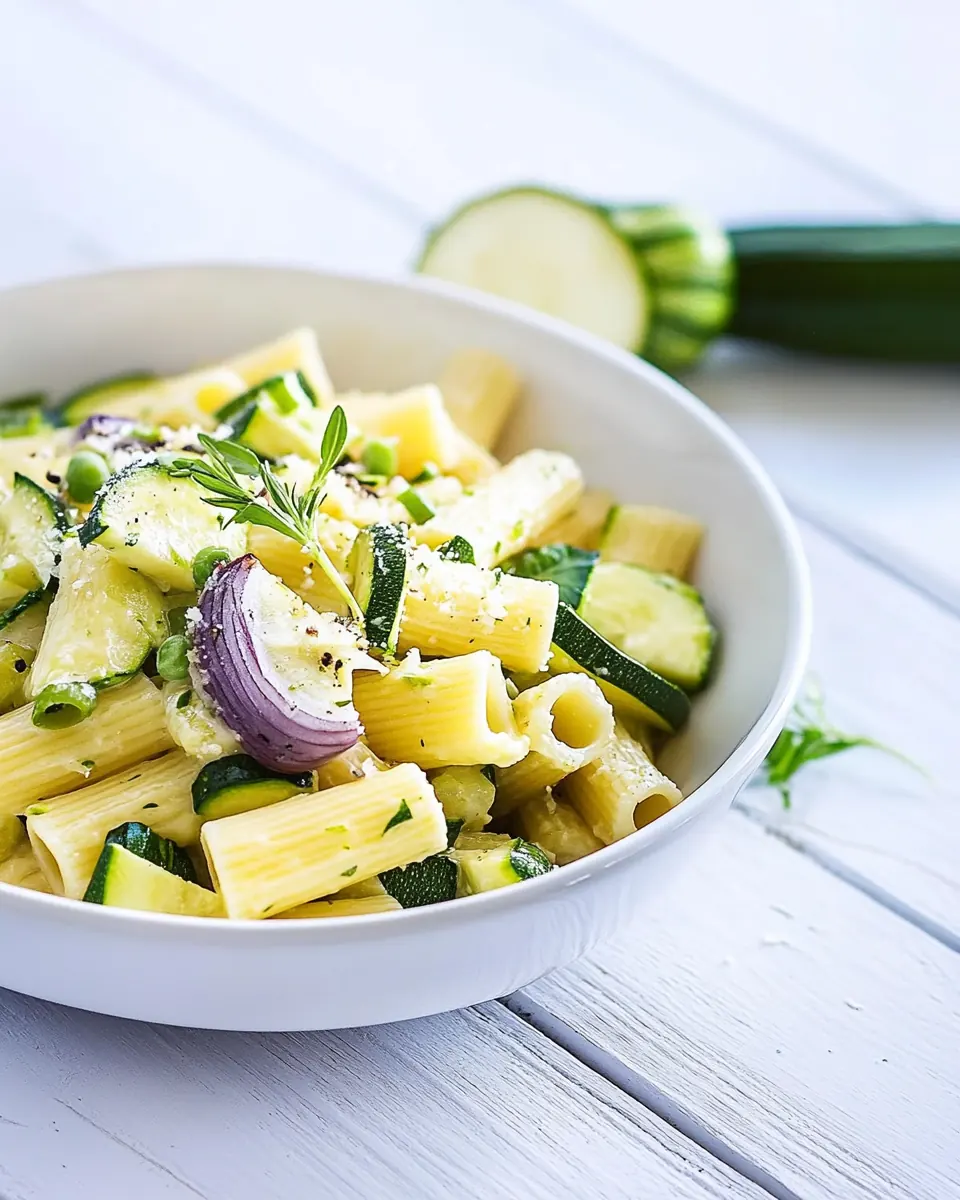
These ingredients are chosen to create a balanced, spring forward pasta. The cast of characters is small but purposeful. Rigatoni provides a sturdy platform for the delicate, slightly creamy sauce. Zucchini and spring onion supply freshness and texture, while garlic and olive oil build the aromatic backbone. Finishing with grated pecorino cheese gives the dish a salty, savory lift that ties everything together.
- 1 pound rigatoni pasta: Cook to al dente in well-salted boiling water so the rigatoni holds its shape and captures sauce in its ridges. Provide hearty texture and substantial base for the vegetables and cream to cling to, ensuring balanced mouthfeel in each bite.
- 3 tablespoons olive oil: Heat gently to infuse flavor and act as the primary fat for sautéing aromatics and vegetables in the pan. Contribute fruity, savory notes while preventing sticking and helping to develop golden color on the zucchini and onions.
- 3 large garlic cloves, minced: Sauté briefly to release pungent aroma and build savory depth throughout the dish; minced form ensures even distribution. Contribute subtle sweetness and umami when caramelized, while providing fragrant background notes that complement the cream and cheese.
- 1 cup thinly sliced red spring onions (about 3 small onions, you can also substitute 1 medium red onion): Sauté until softened to add mild oniony sweetness and slight crunch contrast; thin slicing creates even tenderness and quicker cooking. Provide bright color and delicate flavor that balances richer elements like half and half and pecorino.
- 3 medium zucchini, halved and thinly sliced (3 1/2 cups sliced): Sear or sauté until lightly browned to contribute tender bite and fresh, slightly sweet flavor; halving and thin slicing promotes rapid, even cooking. Offer moist body and vegetal freshness that pairs with spring onions and absorbs the creamy sauce.
- 1/2 teaspoon red pepper flakes, or to taste: Toast briefly in the oil to introduce warmth and a touch of heat that elevates the overall flavor profile; adjust amount to taste for desired spiciness. Add a subtle lingering heat that contrasts creamy and cheesy components without overpowering.
- 1/4 cup half and half: Stir in at the end to create a silky sauce that lightly coats the pasta and vegetables; measure carefully to control richness. Provide creamy mouthfeel and slight richness without making the dish overly heavy, blending flavors smoothly.
- salt and freshly ground black pepper, to taste: Season to taste during and after cooking to enhance all ingredients and balance sweetness, heat, and richness. Provide necessary contrast and bring out nuanced flavors, taking care to season incrementally to avoid over-salting.
- grated pecorino cheese, for topping: Sprinkle freshly grated over the finished dish to add sharp, salty, and tangy notes; use as a finishing touch to enhance each serving. Provide nutty umami complexity and a savory finish that ties together the creamy sauce and vegetable components.
The Process for Making Spring Onion and Zucchini Rigatoni
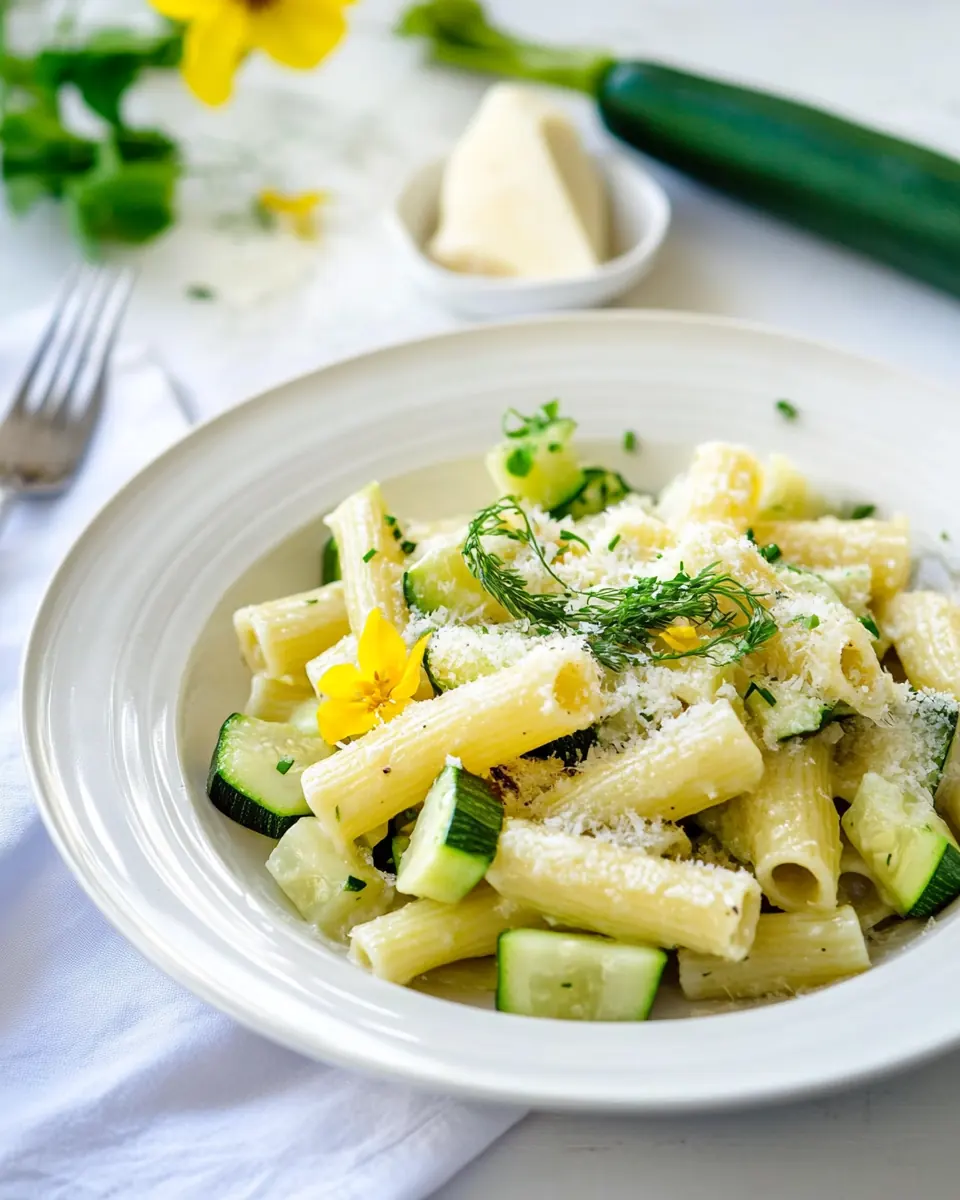
This is a relaxed, stovetop-focused process that moves quickly once the water is boiling. The rhythm of cooking the pasta alongside sautéing the vegetables keeps timing manageable, and finishing the sauce in the pan lets flavors marry. Keep attention on visual cues and aromas, and you will be rewarded with a lively, satisfying plate.
- Bring a large pot of salted water to a boil. Add rigatoni and cook to just barely al dente, usually about 1 minute less than what the package says (it will finish cooking at the end).: You will first notice the pot humming as it approaches a full boil, and the aroma of the salt will be subtle but present. Salting the water seasons the rigatoni internally, so it is important rather than optional. If the water is not salty enough the final dish can taste flat, and a common mistake is under-salting; aim for the water to taste like the sea. Use a pot large enough to allow the pasta room to move so it cooks evenly, and keep the lid off once boiling to prevent frothing over.
- Meanwhile, heat olive oil in a large skillet over medium-high heat. Add garlic and red pepper flakes and saute until fragrant, about 30 seconds. Add onion and cook for 2 minutes until translucent; add zucchini and cook for 3-4 minutes until zucchini is just tender; don’t overcook or you’ll end up with zucchini mush at the end.: As the rigatoni hits the water you will hear a brief uptick in the boil and see the tubes tumble. Cooking slightly under the package time ensures the pasta finishes in the pan and retains pleasant firmness. The sensory cue to look for is that the center still has a tiny chalky white dot when you bite into a piece, indicating it will finish without becoming mushy. Overcooking here makes the pasta too soft when combined with the sauce, so taste early and often to get the timing right.
- Drain pasta and add to skillet with zucchini and onion and toss to incorporate. Add half and half and stir until slightly thickened, about 2 minutes more. Season to taste with salt and pepper.: The oil should shimmer but not smoke, and it will carry the scent of the aromatics you add next. Use a skillet that gives you surface area to cook the zucchini without crowding. If the oil smokes you are too hot; lower the heat slightly. Too high a temperature can burn the garlic , creating a bitter edge you do not want.
- Divide among serving bowls and top with a generous sprinkle of pecorino cheese as desired; serve warm.: The moment the garlic hits the oil you will smell a bright, savory note. It takes very little time to become aromatic, and that quick burst is used to flavor the oil without letting the garlic brown. Browning will darken the flavor and introduce bitterness, which is a common pitfall. Stir constantly and watch for that fresh garlicky perfume, then move to the next step promptly.
- Add onion and cook for 2 minutes until translucent: The sliced spring onion will soften and become slightly glossy as it releases moisture. Look for translucence rather than browning; this keeps a gentle, sweet flavor that melds with the zucchini . Cooking too long will reduce the onion to caramelized pieces, shifting the intended profile. If your pan is crowded and the onions steam instead of sauté, raise the heat a touch to encourage evaporation.
- Add zucchini and cook for 3 to 4 minutes until zucchini is just tender: When the zucchini hits the pan you should hear a light sizzle, and within a few minutes it will turn a brighter, translucent green and soften at the edges. The goal is tender yet slightly toothsome pieces; overcooked zucchini becomes pale and mushy, which robs the dish of textural contrast. If your zucchini is releasing too much water, increase the heat briefly to evaporate excess liquid and concentrate flavors.
- Don’t overcook or you’ll end up with zucchini mush at the end: Pay attention to color and bite more than a timer. A properly cooked zucchini will retain a vivid tone and resist slightly when pressed. The biggest mistake here is leaving it in the pan until it loses structure, so test a slice and stop cooking while it still has presence. Leaving it too long will also dilute the sauce, making the final texture limp.
- Drain pasta and add to skillet with zucchini and onion and toss to incorporate: The moment you combine the slightly undercooked rigatoni with the vegetables the pan will come alive with steaming and a mingled aroma of starch and aromatics. Tossing helps the pasta pick up the flavored oil and bits of garlic and onion , ensuring each tube carries a bit of everything. Avoid rinsing the pasta, as that washes away starch that helps the sauce cling. A common error is draining into a colander and letting it sit too long, which cools the pasta and prevents effective incorporation.
- Add half and half and stir until slightly thickened, about 2 minutes more: Once the half and half hits the hot pan with the starchy pasta and vegetable juices it will gently thicken into a silky coating. You should see a glossy sheen and hear a faint bubbling as the liquid reduces. Maintain moderate heat to prevent boiling, which risks separation. If the sauce seems too thin, simmer gently a bit longer; if it becomes too thick, loosen with a splash of reserved pasta water.
- Season to taste with salt and pepper: Now you tune the dish. Taste a forkful and add salt and freshly ground black pepper in small increments until it sings. Because the pecorino cheese you will add later is salty, take care not to over-salt at this stage. A frequent mistake is seasoning only before cooking and not at the end when flavors concentrate, so always adjust just before serving.
- Divide among serving bowls and top with a generous sprinkle of pecorino cheese as desired: The final moment is visual and olfactory, as warm steam carries the cheese aroma through the room. Grating fresh pecorino cheese over each bowl adds sharpness and a pleasing granular texture. Serve immediately for the best contrast of creamy sauce and tender pasta; letting it sit too long causes the sauce to thicken and the pasta to absorb too much moisture, drying the dish.
- Serve warm: Present the plates while the pasta is still steaming and aromatic, and encourage guests to add more cheese or pepper to taste. Serving warm preserves the sauce silkiness and the integrity of the vegetables. A common oversight is letting the dish cool slightly before plating, which dulls flavors and texture.
Tips and Tricks about Spring Onion and Zucchini Rigatoni
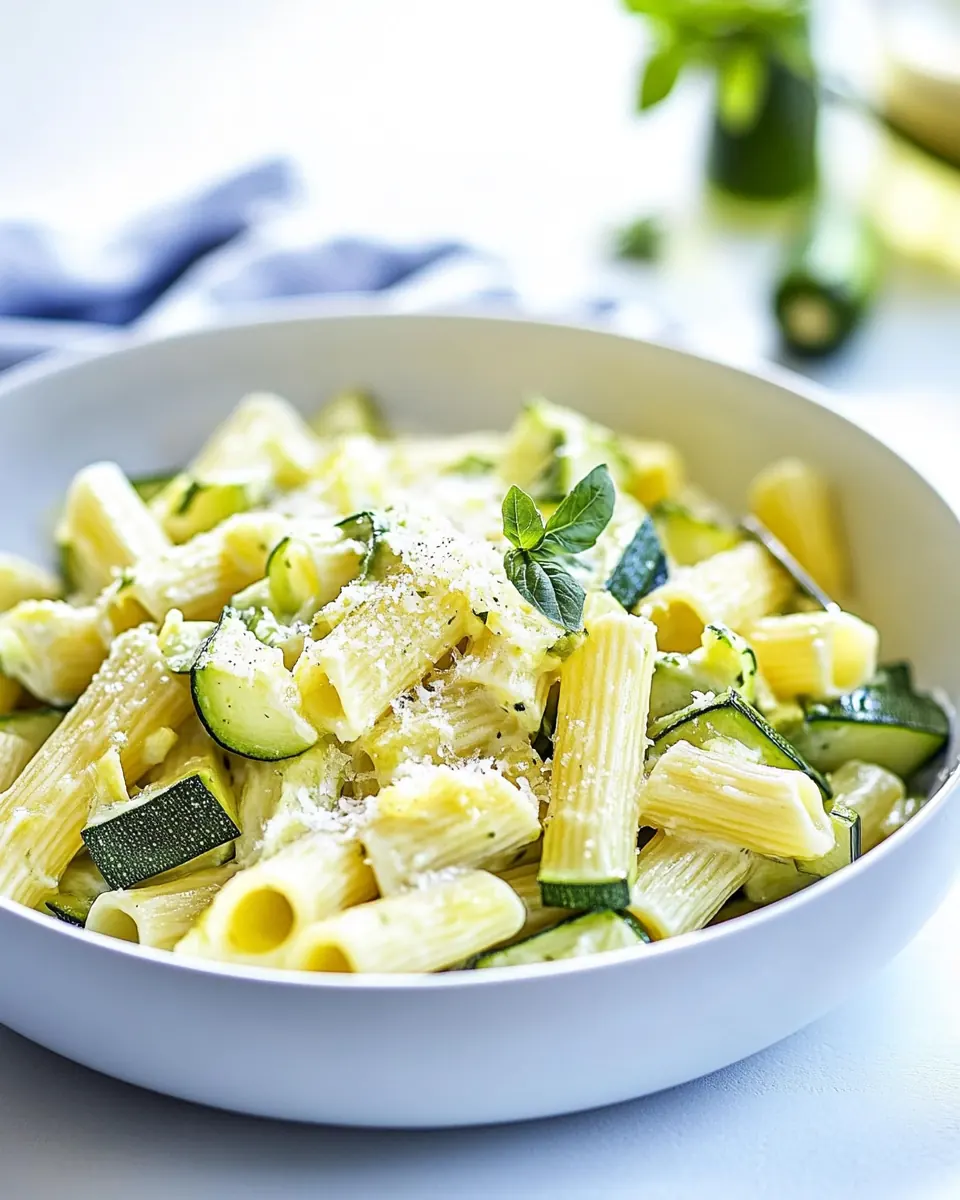
This section collects practical pointers I rely on each time I make the pasta. They help you control texture, seasoning, and timing so the result is dependable and bright. Keep these in mind and you will notice small improvements that add up to a better plate.
- Salt the pasta water generously so the rigatoni is well seasoned from the inside; this is the foundation of balanced flavor.
- Use a wide skillet to give the zucchini room to brown slightly rather than steam, concentrating its flavor.
- Warm the oil gently before adding garlic to extract aroma without burning it, which would create bitterness.
- Finish the pasta in the pan with the sauce so the rigatoni absorbs flavor and binds with the creamy coating.
- Keep the half and half off a rolling boil while reducing to prevent separation and ensure a smooth sauce.
- Adjust heat quickly if vegetables release excess water, a quick increase will evaporate moisture and prevent a diluted sauce.
Pairing Suggestions for Spring Onion and Zucchini Rigatoni
This pasta pairs well with light, fresh sides and suits casual lunches, weeknight dinners, seasonal gatherings like spring brunches, and relaxed celebrations. Think texture contrasts and simple complements that do not overshadow the delicate flavors. Below I outline ideas for occasions, accompaniments, storage, and seasonal pairings in detail.
- Light green salad Pair with a crisp salad of mixed greens and a lemon vinaigrette to echo the dish’s brightness and add a refreshing contrast.
- Crusty bread Serve with slices of crusty artisan bread to soak up any leftover sauce and add a toasty textural element to the meal.
- Simple roasted vegetables For a heartier spread, roast seasonal vegetables on a separate tray, seasoned lightly so they complement rather than compete with the pasta.
- Occasions This works well for casual dinners, spring brunches, and potlucks where you want something approachable and crowd friendly.
- Storage Store leftovers in an airtight container in the fridge for up to two days; reheat gently with a splash of water or cream to restore silkiness.
- Seasonal pairing Embrace spring produce such as peas or young herbs alongside the pasta to amplify its seasonal character.
FAQ
Conclusion
Spring Onion and Zucchini Rigatoni shines because it combines simple, seasonal produce with a fast, comforting technique that yields bright, balanced flavors. Give it a try when you want a quick weeknight meal that still feels thoughtful and fresh. I hope this becomes one of your go to spring pastas, an easy recipe that you can adapt and return to whenever you crave something light yet satisfying.
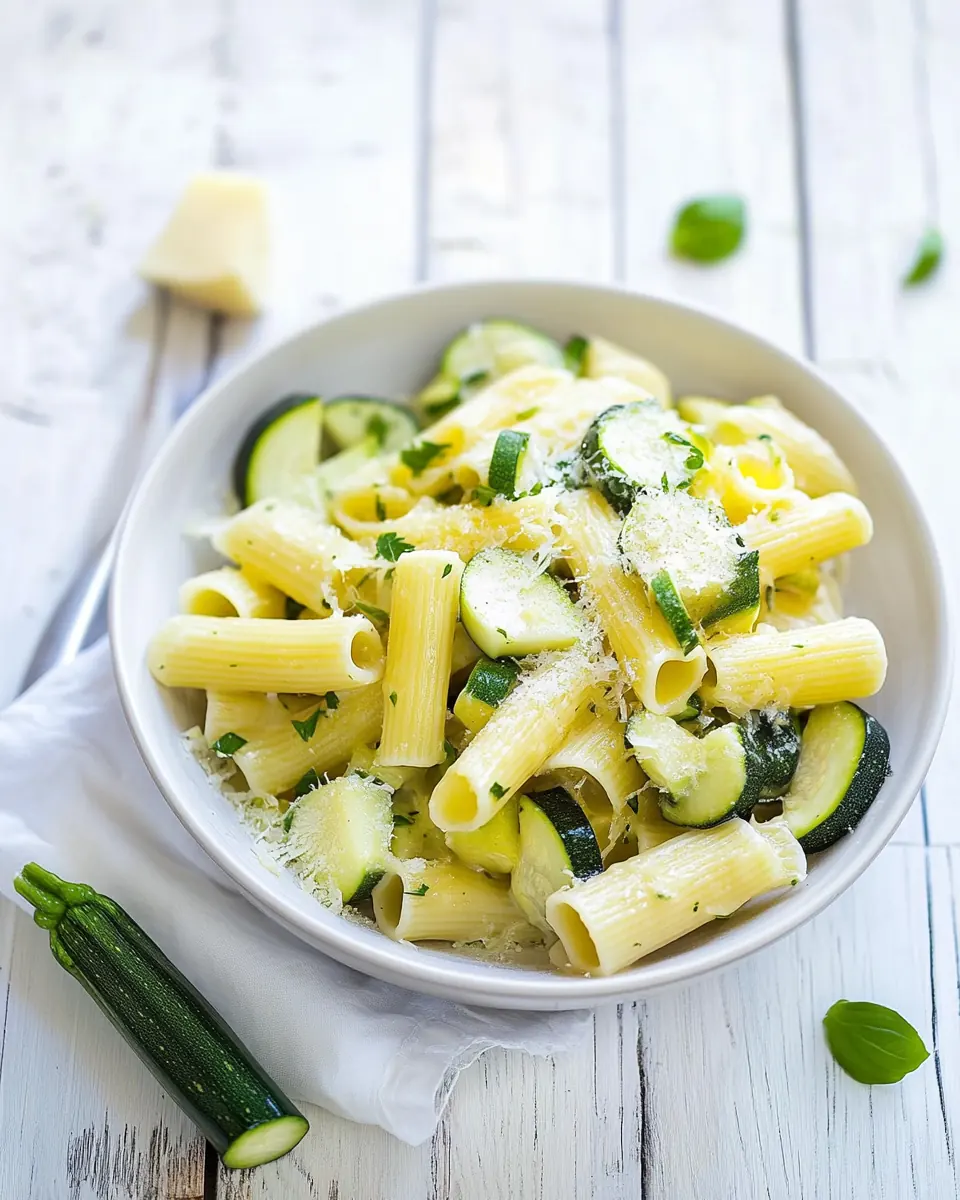
Spring Onion and Zucchini Rigatoni
Ingredients
Equipment
Method
- Bring a large pot of salted water to a boil. Add rigatoni and cook to just barely al dente, usually about 1 minute less than what the package says (it will finish cooking at the end).: You will first notice the pot humming as it approaches a full boil, and the aroma of the salt will be subtle but present. Salting the water seasons the rigatoni internally, so it is important rather than optional. If the water is not salty enough the final dish can taste flat, and a common mistake is under-salting; aim for the water to taste like the sea. Use a pot large enough to allow the pasta room to move so it cooks evenly, and keep the lid off once boiling to prevent frothing over.
- Meanwhile, heat olive oil in a large skillet over medium-high heat. Add garlic and red pepper flakes and saute until fragrant, about 30 seconds. Add onion and cook for 2 minutes until translucent; add zucchini and cook for 3-4 minutes until zucchini is just tender; don’t overcook or you’ll end up with zucchini mush at the end.: As the rigatoni hits the water you will hear a brief uptick in the boil and see the tubes tumble. Cooking slightly under the package time ensures the pasta finishes in the pan and retains pleasant firmness. The sensory cue to look for is that the center still has a tiny chalky white dot when you bite into a piece, indicating it will finish without becoming mushy. Overcooking here makes the pasta too soft when combined with the sauce, so taste early and often to get the timing right.
- Drain pasta and add to skillet with zucchini and onion and toss to incorporate. Add half and half and stir until slightly thickened, about 2 minutes more. Season to taste with salt and pepper.: The oil should shimmer but not smoke, and it will carry the scent of the aromatics you add next. Use a skillet that gives you surface area to cook the zucchini without crowding. If the oil smokes you are too hot; lower the heat slightly. Too high a temperature can burn the garlic , creating a bitter edge you do not want.
- Divide among serving bowls and top with a generous sprinkle of pecorino cheese as desired; serve warm.: The moment the garlic hits the oil you will smell a bright, savory note. It takes very little time to become aromatic, and that quick burst is used to flavor the oil without letting the garlic brown. Browning will darken the flavor and introduce bitterness, which is a common pitfall. Stir constantly and watch for that fresh garlicky perfume, then move to the next step promptly.
- Add onion and cook for 2 minutes until translucent: The sliced spring onion will soften and become slightly glossy as it releases moisture. Look for translucence rather than browning; this keeps a gentle, sweet flavor that melds with the zucchini . Cooking too long will reduce the onion to caramelized pieces, shifting the intended profile. If your pan is crowded and the onions steam instead of sauté, raise the heat a touch to encourage evaporation.
- Add zucchini and cook for 3 to 4 minutes until zucchini is just tender: When the zucchini hits the pan you should hear a light sizzle, and within a few minutes it will turn a brighter, translucent green and soften at the edges. The goal is tender yet slightly toothsome pieces; overcooked zucchini becomes pale and mushy, which robs the dish of textural contrast. If your zucchini is releasing too much water, increase the heat briefly to evaporate excess liquid and concentrate flavors.
- Don’t overcook or you’ll end up with zucchini mush at the end: Pay attention to color and bite more than a timer. A properly cooked zucchini will retain a vivid tone and resist slightly when pressed. The biggest mistake here is leaving it in the pan until it loses structure, so test a slice and stop cooking while it still has presence. Leaving it too long will also dilute the sauce, making the final texture limp.
- Drain pasta and add to skillet with zucchini and onion and toss to incorporate: The moment you combine the slightly undercooked rigatoni with the vegetables the pan will come alive with steaming and a mingled aroma of starch and aromatics. Tossing helps the pasta pick up the flavored oil and bits of garlic and onion , ensuring each tube carries a bit of everything. Avoid rinsing the pasta, as that washes away starch that helps the sauce cling. A common error is draining into a colander and letting it sit too long, which cools the pasta and prevents effective incorporation.
- Add half and half and stir until slightly thickened, about 2 minutes more: Once the half and half hits the hot pan with the starchy pasta and vegetable juices it will gently thicken into a silky coating. You should see a glossy sheen and hear a faint bubbling as the liquid reduces. Maintain moderate heat to prevent boiling, which risks separation. If the sauce seems too thin, simmer gently a bit longer; if it becomes too thick, loosen with a splash of reserved pasta water.
- Season to taste with salt and pepper: Now you tune the dish. Taste a forkful and add salt and freshly ground black pepper in small increments until it sings. Because the pecorino cheese you will add later is salty, take care not to over-salt at this stage. A frequent mistake is seasoning only before cooking and not at the end when flavors concentrate, so always adjust just before serving.
- Divide among serving bowls and top with a generous sprinkle of pecorino cheese as desired: The final moment is visual and olfactory, as warm steam carries the cheese aroma through the room. Grating fresh pecorino cheese over each bowl adds sharpness and a pleasing granular texture. Serve immediately for the best contrast of creamy sauce and tender pasta; letting it sit too long causes the sauce to thicken and the pasta to absorb too much moisture, drying the dish.
- Serve warm: Present the plates while the pasta is still steaming and aromatic, and encourage guests to add more cheese or pepper to taste. Serving warm preserves the sauce silkiness and the integrity of the vegetables. A common oversight is letting the dish cool slightly before plating, which dulls flavors and texture.
Notes
- Salt the pasta water generously so the rigatoni is well seasoned from the inside; this is the foundation of balanced flavor.
- Use a wide skillet to give the zucchini room to brown slightly rather than steam, concentrating its flavor.
- Warm the oil gently before adding garlic to extract aroma without burning it, which would create bitterness.
- Finish the pasta in the pan with the sauce so the rigatoni absorbs flavor and binds with the creamy coating.
- Keep the half and half off a rolling boil while reducing to prevent separation and ensure a smooth sauce.
- Adjust heat quickly if vegetables release excess water, a quick increase will evaporate moisture and prevent a diluted sauce.