Lemon Poppy Seed Muffins
Lemon Poppy Seed Muffins have been my go to morning treat ever since I found a worn recipe card tucked behind a stack of cookbooks in my grandmother’s kitchen drawer.
That first bite, warm and slightly crumbly, sent me straight back to sunlit windowsills and the kind of quiet weekend mornings where time seems to slow down. I still remember stirring the batter with her old wooden spoon, laughing as a stray poppy seed found its way onto my sleeve. Over the years I tweaked the balance of bright lemon and delicate poppy seeds, learning how a touch more zest can transform a good muffin into a memorable one.
I love how these muffins travel well, whether tucked into a picnic basket or placed on the kitchen table for an impromptu visit from friends. They are approachable, forgiving, and somehow elegant without being fussy. I often make a double batch to freeze a few for later, pulling them out to warm and frost when a gray afternoon needs cheering. The combination of tender crumb and creamy frosting has become a signature that people ask me to bring to brunches, study sessions, and casual celebrations.
Recipe Snapshot
40 mins
15 mins
25 mins
Medium
180 kcal
American
Gluten-Free, Low FODMAP
Breakfast
Muffin tin, Mixing bowl, Electric mixer, Wire rack, Measuring cups
Why You Need This Lemon Poppy Seed Muffins
Bright Citrus Flavor That Wakes the Palate
I find the lemon in these Lemon Poppy Seed Muffins irresistibly fresh. The zest and juice work together to give a layered citrus note, not just a flat lemon taste. I appreciate how the acidity cuts through the sweetness, keeping every bite lively and clean.
Textural Contrast from the Seeds
The tiny crunch of the poppy seeds adds such a charming contrast to the soft muffin crumb. I like that they are subtle, so they never overwhelm the batter, yet they create a little surprise in each bite. When I make these, I always smile at that gentle pop under the teeth.
Buttery, Tender Crumb
There is a comforting richness from the butter that keeps the muffins moist and tender. I prefer a riff on classic techniques that avoids overworking the batter, which helps preserve that delicate texture. When you bite into one, you should notice a soft, yielding center that almost melts on the tongue.
Creamy, Bright Frosting
The cream cheese based frosting brings a silky finish and extra lemon lift. I like to balance the sugar and acid so the frosting complements, rather than competes with, the muffin. The result is a spreadable glaze that adds both tang and elegance to the finished muffin.
Versatile and Crowd Friendly
These Lemon Poppy Seed Muffins are great for a wide range of occasions. I often make them for weekend brunches, casual teas, and as a thoughtful homemade gift. They travel and freeze well, which makes them an easy option when I need something that will please a crowd without fuss.
What You’ll Need for Lemon Poppy Seed Muffins
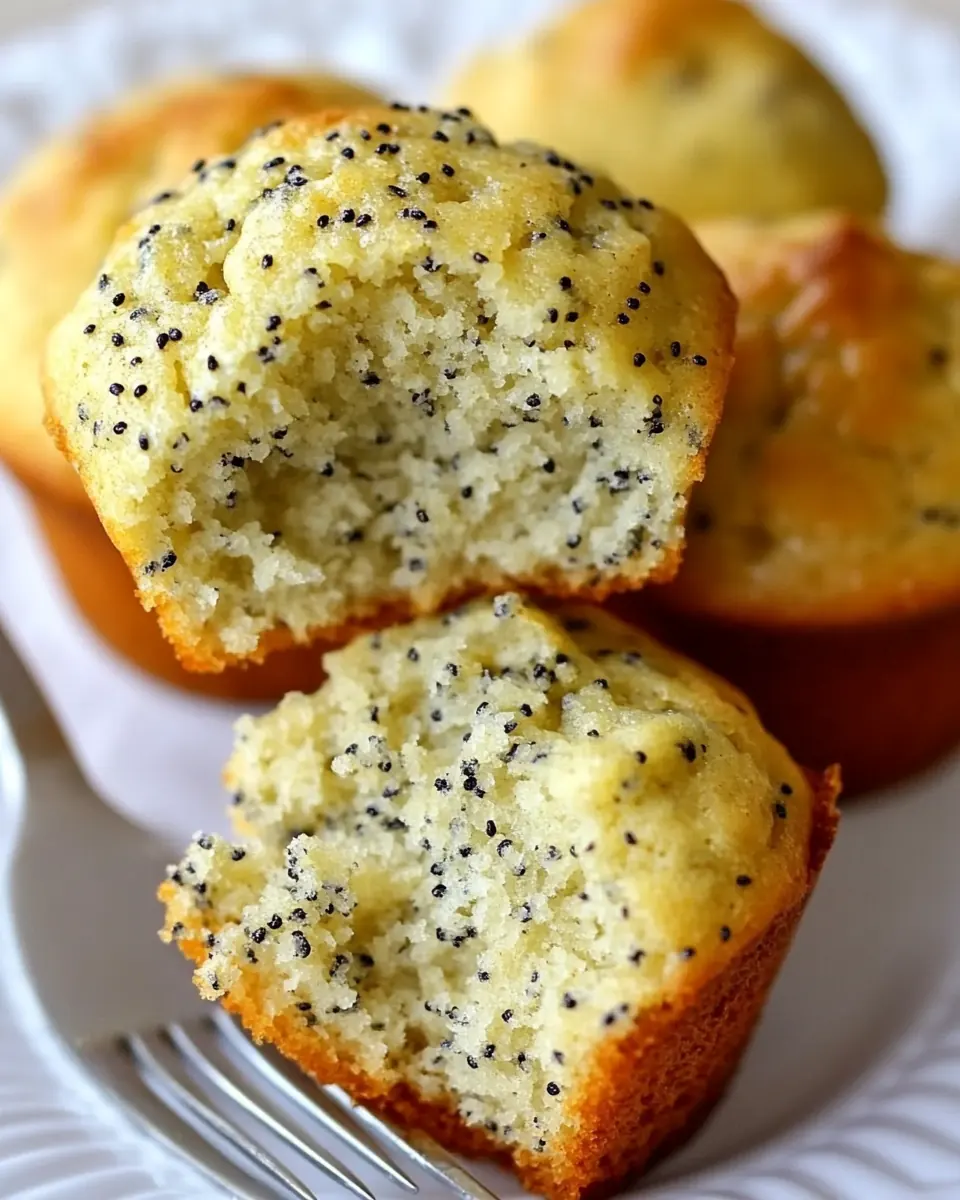
These ingredients come together to create a classic balance of bright citrus, gentle sweetness, and tender structure. The dry staples build the muffin framework, while the wet ingredients provide moisture and richness. Key players like lemon and poppy seeds deliver the signature flavor and texture, and the frosting ingredients elevate the muffins to something pastry worthy.
- 2 1/2 cups all-purpose flour: Provide structure and bulk to the batter, creating the tender crumb of muffins when combined with wet ingredients and leaveners. Sift or spoon into the measuring cup for accuracy and mix gently to avoid overdeveloping gluten. Helps absorb moisture and balance other components for proper texture.
- 1/4 cup poppy seeds: Add a subtle nutty crunch and mild flavor that punctuates each bite, distributing tiny bursts of texture throughout the muffins. Stir in evenly so seeds do not clump and remain suspended in the batter. Complements the lemon notes while providing visual interest.
- 1 teaspoon baking soda: Act as a fast-acting leavening agent that reacts with acids to produce carbon dioxide bubbles, helping muffins rise quickly. Measure precisely and combine with other dry ingredients to ensure even distribution. Works in tandem with baking powder for optimal lift and lightness.
- 1 teaspoon baking powder: Contribute additional rising power and a slightly different reaction to create consistent, controlled lift over the baking period. Blend with baking soda and flour to evenly aerate the batter for uniform muffin domes. Helps maintain structure while preventing excessive density.
- 1/2 teaspoons salt: Enhance overall flavor by balancing sweetness and highlighting citrus, while also strengthening gluten slightly when present in small amounts. Dissolve into the batter to ensure even seasoning throughout. Prevents the finished muffins from tasting flat or overly sweet.
- 8 tablespoons unsalted butter, softened: Provide richness, moisture, and tender mouthfeel through fat content while aiding in flavor delivery and browning of the muffin tops. Soften and cream with sugar to incorporate air for a lighter texture, then melt during baking to create moist crumb. Use at room temperature to ensure even mixing.
- 3/4 cups sugar: Sweeten the muffins and assist in creaming with butter to incorporate air for lighter texture and lift. Measure accurately and combine with butter until fluffy to create a fine crumb structure. Also contributes to browning and overall flavor balance.
- 2 large eggs: Bind ingredients together and add moisture, richness, and structure through proteins that coagulate during baking. Beat lightly before adding to the batter to ensure uniform distribution and avoid overmixing. Also contributes to tenderness and color in the crumb.
- 1/2 cup well-shaken buttermilk: Provide tangy moisture and acidity that reacts with baking soda to produce lift while contributing a tender crumb and pleasant flavor. Shake well before measuring to ensure consistent texture and balance in the batter. Adds a subtle tanginess that complements lemon.
- grated zest and juice of 2 lemons: Impart bright citrus aroma and tang that defines the muffin's lemon character; juice supplies acidity while zest offers concentrated lemon oils for aroma. Grate zest finely to avoid bitter pith, and juice directly to mix with wet ingredients for immediate flavor impact. Adjust juice amount for desired tartness.
- 1 teaspoon vanilla extract: Enhance and round out flavor profile by adding warm, sweet vanilla notes that complement the lemon and sugar. Stir into the wet ingredients to distribute its aroma evenly throughout the batter. Use pure extract for best flavor clarity.
- 2 1/2 cups confectioners' sugar: Sweeten and thicken as a glaze or frosting base with a fine texture that dissolves smoothly, creating a bright white finish and holding added flavors. Sift if lumpy and mix gradually with liquid ingredients to reach desired consistency. Provides structure and sweetness to icings and toppings.
- 3 ounces cream cheese, softened: Lend creaminess, tang, and richness to frostings or fillings while helping create a smooth, spreadable texture. Soften to room temperature for easier incorporation and beat until smooth to avoid lumps. Balances the confectioners' sugar with a subtle savory note.
- 1 teaspoon vanilla extract: Add warm aromatic depth and enhance overall sweetness when combined with sugar in frostings or glazes. Stir into the cream cheese mixture to infuse flavor evenly and complement the lemon components. Use the measurement provided to maintain balance in the frosting.
- grated zest of 1 lemon: Provide concentrated citrus fragrance and bright notes that intensify lemon flavor in icings or fillings, adding a fresh finish. Grate finely for aroma without bitter pith and fold into the frosting for bursts of citrus. Use zest sparingly to avoid overpowering delicate sweetness.
- 1 tablespoon fresh lemon juice, or to taste: Contribute acidity and fresh lemon flavor to balance the sweetness of the frosting, adjusting to taste for desired tartness and spreadability. Add gradually and taste to reach the preferred consistency and brightness. Helps create a balanced, tangy finish on the muffins.
Putting Together Lemon Poppy Seed Muffins
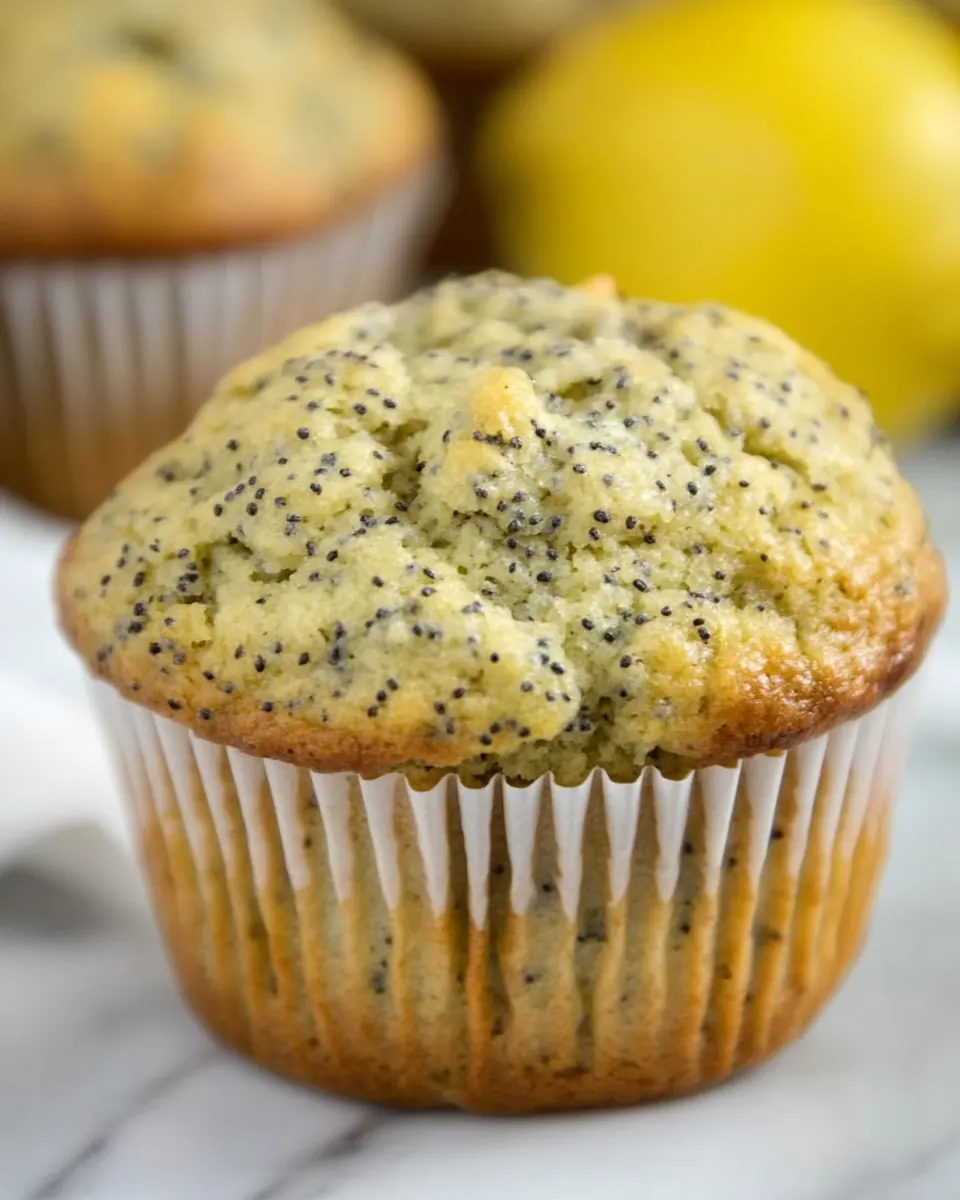
These directions walk you from mixing to the finished frosted muffin in a friendly, narrative style. Expect a few sensory cues to guide you so the outcome is consistent and reliably delicious.
- Preheat oven to 375 degrees. Line 12 large muffin cups with liners and spray with cooking spray.: The warm, slightly hot oven helps the muffins rise quickly so you get a nicely domed top and golden exterior. You should feel a gentle warmth when you open the oven and see the heat shimmer, which indicates the air is dry and ready for baking. Preheating ensures the batter begins cooking immediately on contact, giving the right oven spring. A common mistake is skipping preheat, which can lead to flat, dense muffins. If your oven runs hot or cool, use an oven thermometer to confirm the reading, and make small adjustments so the surface browns without overcooking the interior.
- In a large bowl, stir together flour, poppy seeds, baking soda, baking powder, and salt. Set aside.: Preparing the muffin tin prevents sticking and makes serving effortless. The liners should sit snugly in each cup, and a light spray ensures the bottom releases cleanly after baking. When you press a fingertip gently on a liner, it should spring back, indicating the tin is properly prepared. People sometimes overfill the cups, which leads to overflow and uneven baking, so aim to fill just below the top. If liners ripple or lift while filling, press them back in so the batter distributes evenly and the muffins bake uniform shapes.
- Using an electric mixer, beat together the butter and sugar on high speed until light and fluffy. Add eggs one at a time, stopping to scrape down the sides of the bowl.: The dry ingredients create the framework of the muffin and distribute leavening agents evenly. As you whisk, notice the faint powdery scent of the flour and the tiny dark flecks of poppy seeds suspended throughout. Sifting is optional, but stirring thoroughly ensures there are no pockets of baking powder or salt. A frequent error is uneven mixing, which can leave dense pockets or uneven rise; take a minute to mix until homogenous. Use a spatula to scrape the bowl sides so nothing clings and goes unused in the finished batter.
- In a small bowl or glass measuring cup, combine buttermilk, lemon zest and juice, and vanilla. Add liquid ingredients to mixing bowl, alternating with flour mixture. Stir just until flour is incorporated, being careful not to overmix.: Creaming butter and sugar traps air, producing a lighter crumb. You will notice the mixture transform from gritty to pale and creamy, with a faint buttery aroma. Adding the eggs one at a time helps maintain an emulsion, preventing separation. Scrape the bowl between additions so all ingredients integrate evenly. If you add eggs too quickly or use cold eggs, the batter may curdle and lose volume, so keep an eye on texture and temperature. A good cue that the step is complete is a glossy, airy batter that falls from the paddle in ribbons.
- Scoop the batter into the muffin cups, filling just below the top of the liner. Bake for 20 to 25 minutes, or until tops spring back when touched. Cool muffins completely before frosting.: Introducing the wet mixture in alternating additions with the dry prevents overmixing and keeps the muffins tender. You will smell the bright citrus as the lemon juices hit the batter, and the buttermilk adds a gentle tang that softens the final crumb. Stir only until the dry streaks disappear, because overmixing activates gluten and makes the muffins tough. I often fold the last addition by hand to feel if any flour remains. A classic mistake is dumping all the liquid in at once, which can cause the batter to become thin and lead to flat tops. The right consistency should be thick but stirrable, like a dense cake batter.
- For frosting, using an electric mixer on high speed, cream together the sugar and cream cheese until well mixed and fluffy. Beat in the vanilla extract, lemon zest, and enough lemon juice to make the frosting a spreadable consistency.: When the batter hits the warm tin, it begins to set around the edges, producing the familiar domed top. As they bake you may detect a gentle lemon scent filling the kitchen, and the tops will turn a soft golden color. Use the touch test near the end of baking the top should spring back when pressed lightly. Avoid opening the oven too often, which can cause temperature fluctuations and lead to uneven rising. If the muffins brown too quickly, rotate the pan once during baking so the color evens out. Remove them when a toothpick comes out with a few moist crumbs, not wet batter, to keep them tender without being underdone.
- Spread frosting on muffins.: Cooling is crucial so the frosting does not melt into the muffin and become runny. Place them on a wire rack to let air circulate underneath, and you will notice steam slowly vanish from the crumb surface. This rest helps the texture set and makes frosting application neater. Rushing this step leads to sagging frosting and a less attractive finish. If you are impatient, cooling for at least 30 minutes is a reasonable minimum; fully cool to the touch before spreading the frosting.
- Cream together confectioners' sugar and cream cheese until fluffy: The frosting base should become light and silky, with a soft sheen as the cream cheese and confectioners' sugar blend. The mixer will hum softly, and you will see the mixture lighten in color as air is incorporated. Properly softened cream cheese prevents lumps, so be sure it is at room temperature. A common error is adding too much liquid too soon, which can make the frosting loose and weepy; add lemon juice gradually to reach the desired spreadable consistency. The finished frosting should hold soft peaks and spread smoothly without sliding off the muffin.
- Beat in vanilla, lemon zest, and enough lemon juice to make a spreadable consistency: These additions bring aromatic complexity and the final bright note to the frosting. The lemon zest will release fragrant oils that perfume the frosting, while the juice thins it to a silky texture. Add juice in small amounts and taste as you go so the balance of sweet and tart matches your preference. Too much juice can make frosting runny, while too little leaves it overly sweet; find the middle ground. When properly balanced, the frosting will spread easily and hold shape with a gentle shine.
- Spread frosting on muffins: The final act is tactile and rewarding, the frosting gliding across the warm color of the muffin tops. Use a small offset spatula or butter knife to apply a thin even layer, and the contrast of creamy white against golden muffin is satisfying. If you want a smoother finish, chill the frosting slightly so it firms before spreading. Avoid piling on too much frosting, which can overpower the delicate muffin and make them overly sweet. Aim for balance so each bite has just enough frosting to complement the lemon and poppy seeds without dominating them.
Ways to Customize
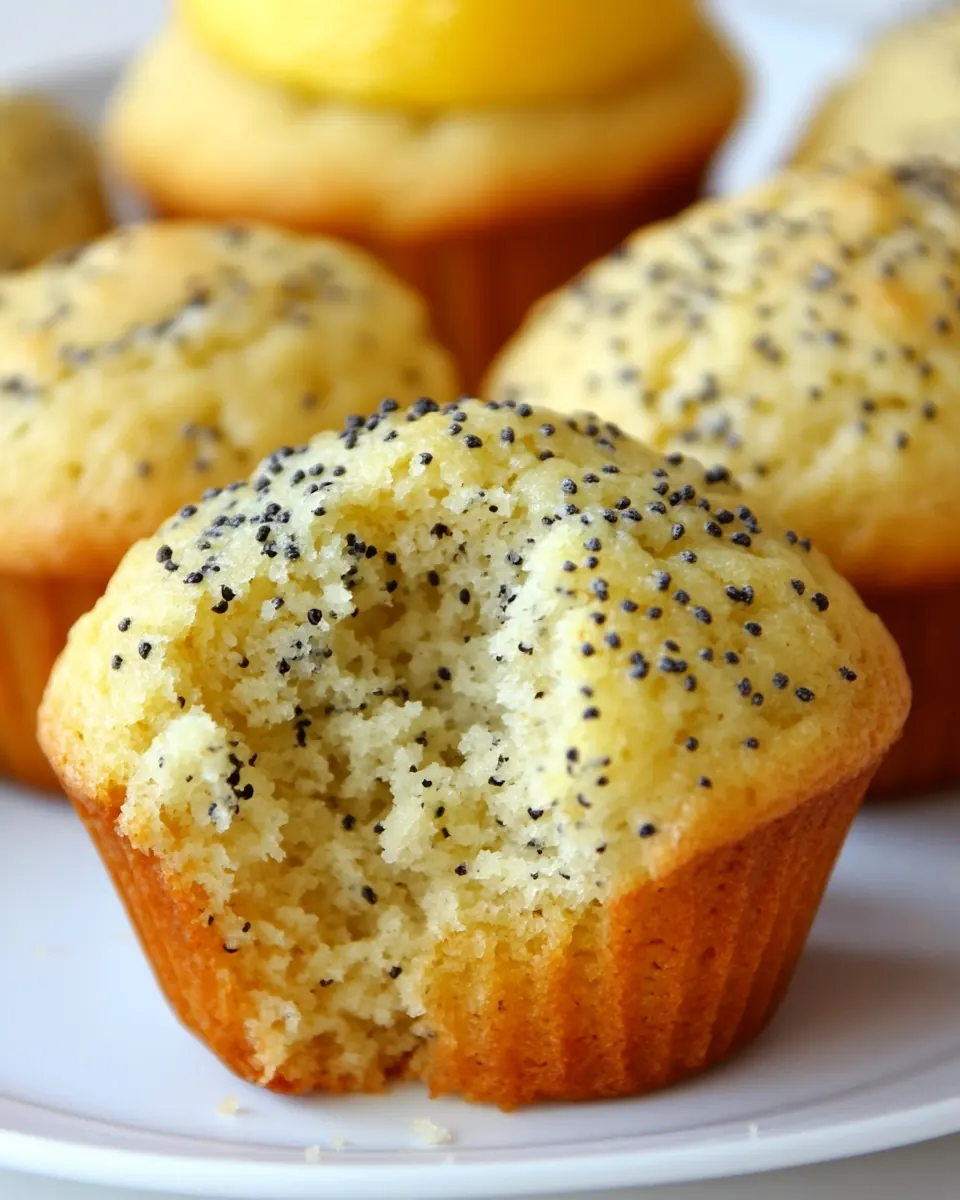
If you want to make these muffins your own, here are thoughtful and reliable ways to adjust flavor, texture, and presentation. Each tip begins with a clear action so you can pick the one that suits your needs.
- Swap the frosting texture by using less lemon juice for a thicker, pipeable frosting that holds peaks for decorative piping on top of each muffin.
- Add more lemon aroma by folding in a scant teaspoon of extra lemon zest into the batter for a greater citrus perfume without increasing acidity.
- Freshen poppy seeds by toasting them briefly in a dry skillet over medium heat to boost their nutty aroma before folding them into the dry ingredients.
- Adjust sweetness by reducing the sugar in the batter slightly if you prefer a less sweet base that lets the frosting shine more prominently.
- Make-ahead strategy by baking the muffins and freezing them unfrosted, then thawing and frosting the day you plan to serve for peak freshness.
- Presentation tip by zesting a little extra lemon over the frosted muffins just before serving to add color and a burst of fresh citrus scent.
What Goes Well With This Lemon Poppy Seed Muffins
These muffins pair beautifully with light beverages and simple accompaniments. Below are thoughtful serving ideas for different occasions, plus storage and timing suggestions so you can serve them at their best.
- Brunch spread include a platter of sliced fresh fruit and a pot of strong brewed coffee to balance the sweet and tangy muffin flavors for a relaxed weekend meal.
- Afternoon tea serve with delicate teas such as green or chamomile to let the lemon notes sing, and offer small plates for easy nibbling during conversation.
- Picnic option wrap muffins individually and pack in a cooler with chilled lemonade for a portable treat that travels well and stays moist.
- Gift idea arrange a half dozen in a small bakery box with parchment and a ribbon, which makes a warm homemade present for neighbors or hosts.
- Storage tips keep unfrosted muffins in an airtight container at room temperature for up to three days, or freeze for up to three months, then thaw and frost when ready to serve.
- Seasonal pairing in spring serve with light salads and citrusy dishes to complement the fresh mood of the season, while in cooler months pair with warm spiced beverages for contrast.
FAQ
Conclusion
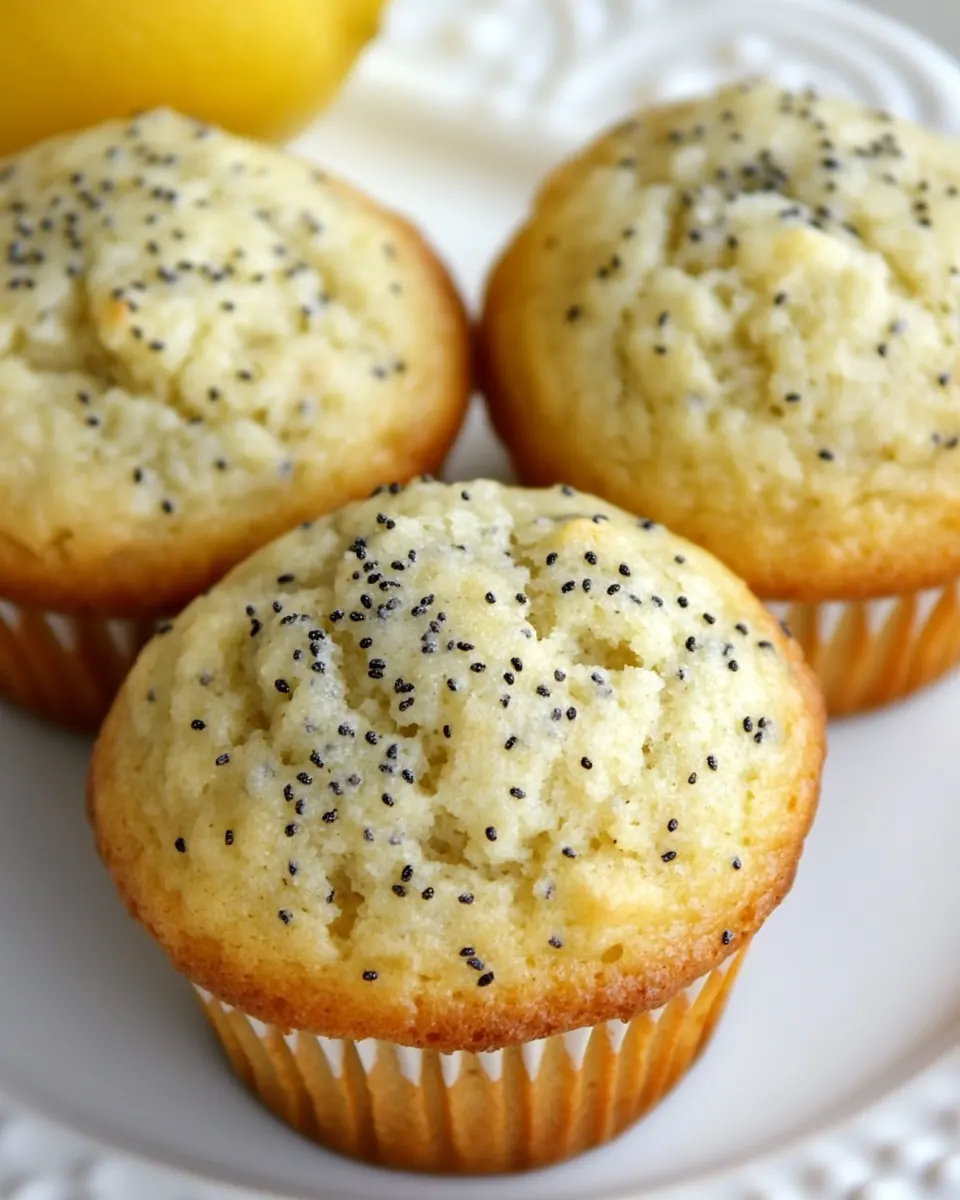
These Lemon Poppy Seed Muffins stand out for their bright citrus flavor, tender crumb, and the gentle crunch of poppy seeds, making them both comforting and refreshing. Give them a try the next time you want an easy yet impressive bake, whether for breakfast, a brunch, or a thoughtful homemade gift. I hope they bring a little sunny warmth to your table, and that you enjoy the process of making and sharing them as much as I do.
Lemon Poppy Seed Muffins
Ingredients
Equipment
Method
- Preheat oven to 375 degrees. Line 12 large muffin cups with liners and spray with cooking spray.: The warm, slightly hot oven helps the muffins rise quickly so you get a nicely domed top and golden exterior. You should feel a gentle warmth when you open the oven and see the heat shimmer, which indicates the air is dry and ready for baking. Preheating ensures the batter begins cooking immediately on contact, giving the right oven spring. A common mistake is skipping preheat, which can lead to flat, dense muffins. If your oven runs hot or cool, use an oven thermometer to confirm the reading, and make small adjustments so the surface browns without overcooking the interior.
- In a large bowl, stir together flour, poppy seeds, baking soda, baking powder, and salt. Set aside.: Preparing the muffin tin prevents sticking and makes serving effortless. The liners should sit snugly in each cup, and a light spray ensures the bottom releases cleanly after baking. When you press a fingertip gently on a liner, it should spring back, indicating the tin is properly prepared. People sometimes overfill the cups, which leads to overflow and uneven baking, so aim to fill just below the top. If liners ripple or lift while filling, press them back in so the batter distributes evenly and the muffins bake uniform shapes.
- Using an electric mixer, beat together the butter and sugar on high speed until light and fluffy. Add eggs one at a time, stopping to scrape down the sides of the bowl.: The dry ingredients create the framework of the muffin and distribute leavening agents evenly. As you whisk, notice the faint powdery scent of the flour and the tiny dark flecks of poppy seeds suspended throughout. Sifting is optional, but stirring thoroughly ensures there are no pockets of baking powder or salt. A frequent error is uneven mixing, which can leave dense pockets or uneven rise; take a minute to mix until homogenous. Use a spatula to scrape the bowl sides so nothing clings and goes unused in the finished batter.
- In a small bowl or glass measuring cup, combine buttermilk, lemon zest and juice, and vanilla. Add liquid ingredients to mixing bowl, alternating with flour mixture. Stir just until flour is incorporated, being careful not to overmix.: Creaming butter and sugar traps air, producing a lighter crumb. You will notice the mixture transform from gritty to pale and creamy, with a faint buttery aroma. Adding the eggs one at a time helps maintain an emulsion, preventing separation. Scrape the bowl between additions so all ingredients integrate evenly. If you add eggs too quickly or use cold eggs, the batter may curdle and lose volume, so keep an eye on texture and temperature. A good cue that the step is complete is a glossy, airy batter that falls from the paddle in ribbons.
- Scoop the batter into the muffin cups, filling just below the top of the liner. Bake for 20 to 25 minutes, or until tops spring back when touched. Cool muffins completely before frosting.: Introducing the wet mixture in alternating additions with the dry prevents overmixing and keeps the muffins tender. You will smell the bright citrus as the lemon juices hit the batter, and the buttermilk adds a gentle tang that softens the final crumb. Stir only until the dry streaks disappear, because overmixing activates gluten and makes the muffins tough. I often fold the last addition by hand to feel if any flour remains. A classic mistake is dumping all the liquid in at once, which can cause the batter to become thin and lead to flat tops. The right consistency should be thick but stirrable, like a dense cake batter.
- For frosting, using an electric mixer on high speed, cream together the sugar and cream cheese until well mixed and fluffy. Beat in the vanilla extract, lemon zest, and enough lemon juice to make the frosting a spreadable consistency.: When the batter hits the warm tin, it begins to set around the edges, producing the familiar domed top. As they bake you may detect a gentle lemon scent filling the kitchen, and the tops will turn a soft golden color. Use the touch test near the end of baking the top should spring back when pressed lightly. Avoid opening the oven too often, which can cause temperature fluctuations and lead to uneven rising. If the muffins brown too quickly, rotate the pan once during baking so the color evens out. Remove them when a toothpick comes out with a few moist crumbs, not wet batter, to keep them tender without being underdone.
- Spread frosting on muffins.: Cooling is crucial so the frosting does not melt into the muffin and become runny. Place them on a wire rack to let air circulate underneath, and you will notice steam slowly vanish from the crumb surface. This rest helps the texture set and makes frosting application neater. Rushing this step leads to sagging frosting and a less attractive finish. If you are impatient, cooling for at least 30 minutes is a reasonable minimum; fully cool to the touch before spreading the frosting.
- Cream together confectioners' sugar and cream cheese until fluffy: The frosting base should become light and silky, with a soft sheen as the cream cheese and confectioners' sugar blend. The mixer will hum softly, and you will see the mixture lighten in color as air is incorporated. Properly softened cream cheese prevents lumps, so be sure it is at room temperature. A common error is adding too much liquid too soon, which can make the frosting loose and weepy; add lemon juice gradually to reach the desired spreadable consistency. The finished frosting should hold soft peaks and spread smoothly without sliding off the muffin.
- Beat in vanilla, lemon zest, and enough lemon juice to make a spreadable consistency: These additions bring aromatic complexity and the final bright note to the frosting. The lemon zest will release fragrant oils that perfume the frosting, while the juice thins it to a silky texture. Add juice in small amounts and taste as you go so the balance of sweet and tart matches your preference. Too much juice can make frosting runny, while too little leaves it overly sweet; find the middle ground. When properly balanced, the frosting will spread easily and hold shape with a gentle shine.
- Spread frosting on muffins: The final act is tactile and rewarding, the frosting gliding across the warm color of the muffin tops. Use a small offset spatula or butter knife to apply a thin even layer, and the contrast of creamy white against golden muffin is satisfying. If you want a smoother finish, chill the frosting slightly so it firms before spreading. Avoid piling on too much frosting, which can overpower the delicate muffin and make them overly sweet. Aim for balance so each bite has just enough frosting to complement the lemon and poppy seeds without dominating them.
Notes
- Swap the frosting texture by using less lemon juice for a thicker, pipeable frosting that holds peaks for decorative piping on top of each muffin.
- Add more lemon aroma by folding in a scant teaspoon of extra lemon zest into the batter for a greater citrus perfume without increasing acidity.
- Freshen poppy seeds by toasting them briefly in a dry skillet over medium heat to boost their nutty aroma before folding them into the dry ingredients.
- Adjust sweetness by reducing the sugar in the batter slightly if you prefer a less sweet base that lets the frosting shine more prominently.
- Make-ahead strategy by baking the muffins and freezing them unfrosted, then thawing and frosting the day you plan to serve for peak freshness.
- Presentation tip by zesting a little extra lemon over the frosted muffins just before serving to add color and a burst of fresh citrus scent.