Buttermilk Mashed Potatoes
Buttermilk Mashed Potatoes have been my comfort food compass on chilly evenings, the recipe I turn to when I want something familiar, creamy, and quietly impressive. Growing up, my grandmother kept a battered pot on the stove reserved for weekends, and the memory of steam and the faint tang of buttermilk still steers me back to that kitchen. From the very first forkful, this version brings a soft silkiness that feels like a warm conversation with someone who knows exactly what you need.
There are nights when I serve Buttermilk Mashed Potatoes with nothing more than buttered vegetables, and there are holiday dinners where they rescue the plate with calm, mellow richness. I like how the potatoes stay tactile, never gluey, because I use a ricer to keep the texture light. The gentle tang from buttermilk wakes the palate without overpowering the buttery, mellow base. It became my go to for family gatherings because it sits alongside roasted mains and vegetable sides without stealing the show.
Recipe Snapshot
30 mins
15 mins
15 mins
Easy
250 kcal
American
Gluten-Free, Low FODMAP
Side Dishes
Potato Ricer
The Appeal of This Buttermilk Mashed Potatoes
Velvety texture with intentional technique
I love how Buttermilk Mashed Potatoes deliver that dreamlike, smooth mouthfeel, and the technique explains it. Using a ricer and warming the dairy prevents overworking the potatoes, so you get fluff rather than glue. I rely on this step because I’ve seen what happens when you blitz boiled spuds in a blender, and I want the exact opposite result. The sensory reward is immediate, a pillow soft bite that spreads butter across your tongue.
Bright, balanced flavor
There is a subtle lift from the buttermilk that keeps the dish from feeling one note. I always warm the dairy so it folds in seamlessly, avoiding any curdling. This tang plays nicely with the richness of butter and the natural sweetness of browned potatoes, giving a composed, layered taste that grows on you with each forkful.
Reliable for weeknights and gatherings
What makes these Buttermilk Mashed Potatoes special is their adaptability. I can scale the quantities, and the method remains forgiving. I often bring this to dinner parties because it travels well and pairs with so many mains. The technique is straightforward, and that predictability brings confidence when I host friends.
Simple ingredients, big payoff
I adore recipes that use pantry staples and still feel luxurious, and this fits the bill. With potatoes, butter, warmed milk, and buttermilk, you get an upscale result from humble components. That makes it an economical choice without compromising on comfort or depth.
Finishing touches that matter
Finishing with fresh chopped chives is optional, but I find it adds a bright green note and a whisper of oniony freshness. Small details like this make the dish memorable. I also appreciate that this recipe is forgiving if you want to tweak salt levels or the amount of dairy, so every batch can be tuned to taste.
What Goes Into Buttermilk Mashed Potatoes
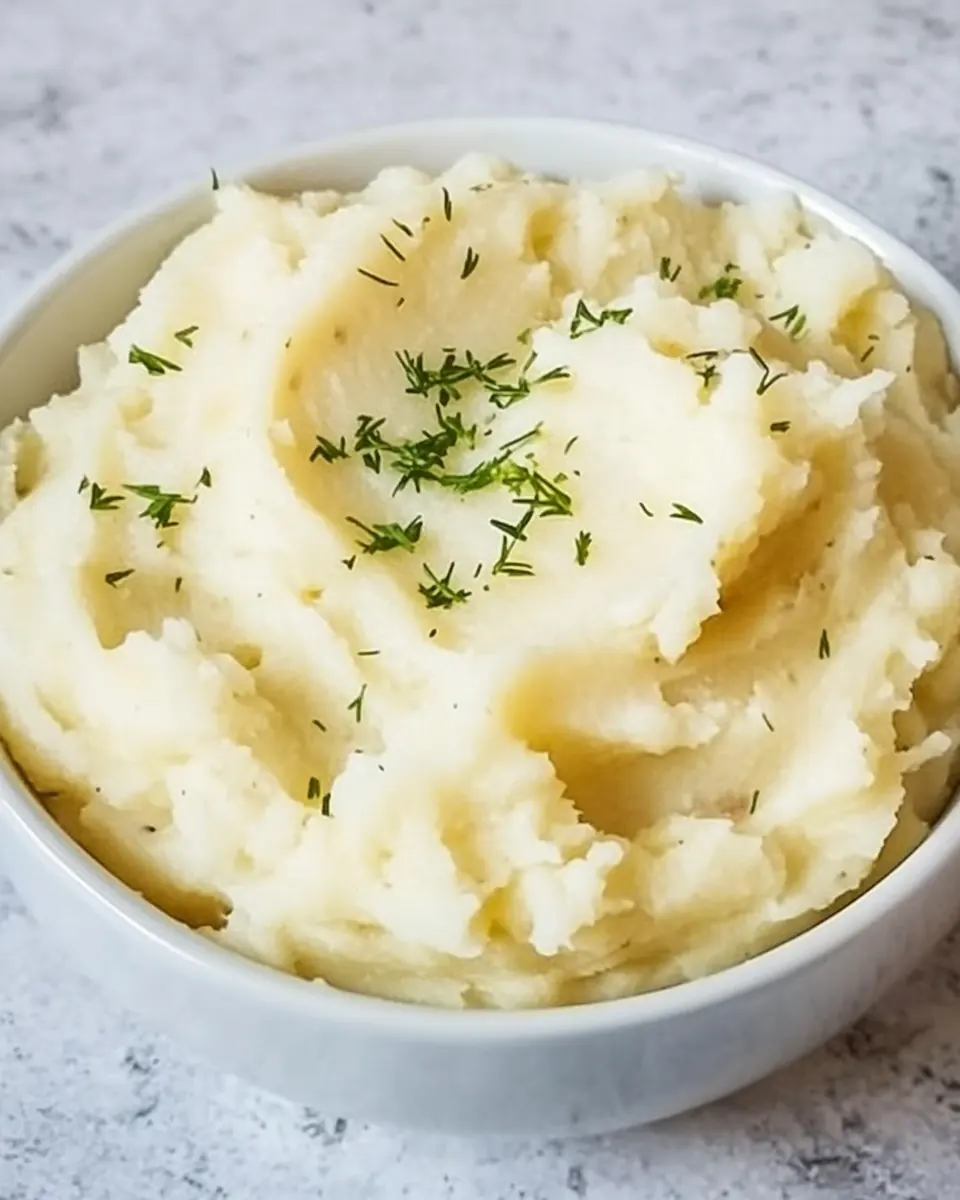
These ingredients come together to create a balanced, creamy side that complements many mains. The core idea is texture plus a mild tang, achieved by choosing starchy yet buttery potatoes and folding in warmed dairy gently. The star players control mouthfeel, seasoning, and the final temper of the dish, so each component has a clear job to perform.
- 2 1/2 pounds Yukon Gold or russet potatoes, peeled and cut into chunks: Provide a starchy base and creamy texture when boiled and mashed; choose Yukon Gold for naturally buttery flavor or russets for fluffier, absorbent results. Peel and cut into uniform chunks to ensure even cooking and quicker boiling time. Use as the primary body of the dish that carries seasonings and dairy.
- 1/3 cup milk: Contribute mild dairy richness and thin the mashed potatoes to a smooth consistency without overpowering the flavor. Warm slightly before adding to help incorporate more easily into hot potatoes for an even texture. Adjust amount to achieve desired creaminess and mouthfeel.
- 5 tablespoons butter: Add rich, silky fat that enhances mouthfeel and flavor while helping create a smooth, luxurious mash. Soften or melt before blending into the hot potatoes to distribute evenly and prevent lumps. Use salted or unsalted butter depending on preferred seasoning control.
- 1/3 cup buttermilk, warmed: Introduce tangy creaminess and tenderize the potato texture while brightening flavor with a subtle acidity. Warm before adding so it blends smoothly into hot potatoes and avoids cooling the mixture. Use as a finishing dairy to balance richness and add complexity.
- 1 teaspoon salt: Season and enhance all flavors throughout the potatoes by bringing out natural sweetness and rounding savory elements. Measure carefully and taste as you go to avoid over-salting since other ingredients can concentrate in the mash. Use less initially and adjust after mixing.
- 1/2 teaspoon pepper: Provide gentle heat and subtle bite that balances richness and brightens the overall flavor profile when freshly cracked or ground. Add incrementally and taste to maintain a pleasant peppery lift without overwhelming the dish. Use freshly ground for best aroma.
- chopped fresh chives (optional): Offer a bright, onion-like herbal finish when sprinkled on top as a garnish; chop finely to distribute flavor and color. Add optionally to provide freshness and visual contrast to the creamy potatoes, enhancing both taste and presentation.
Cooking Method for Buttermilk Mashed Potatoes
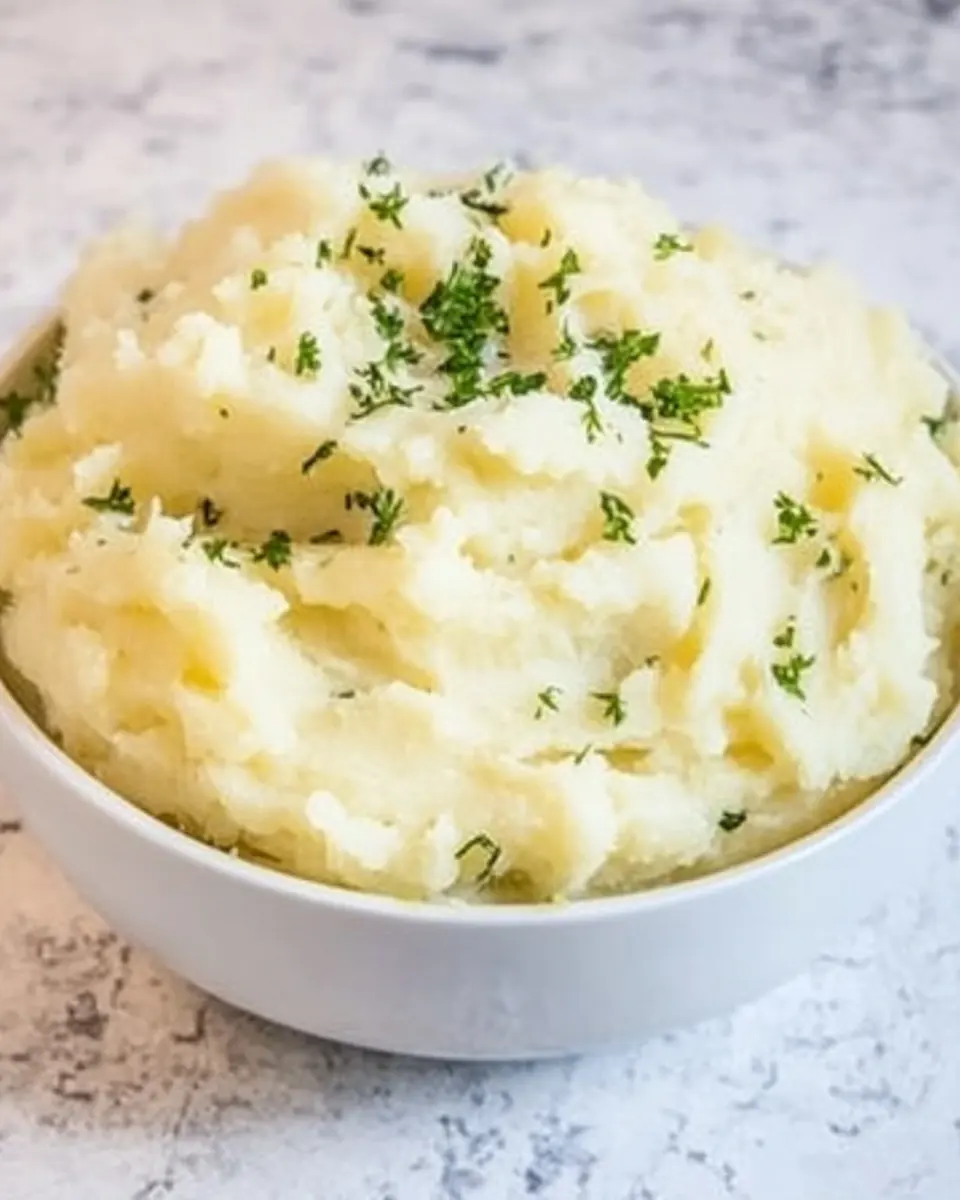
I approach the method like a conversation with the ingredients, responding to texture and smell rather than blindly following a clock. These steps focus on getting the right tenderness from the potatoes, gently warming dairy, and combining everything to a silkous finish. I will walk you through sensory cues and common pitfalls so you can make this reliably every time.
- Place potatoes in a pot and cover with water. Add a teaspoon of salt. Bring to a boil and boil 15 to 20 minutes or until soft. Drain well.: You should notice the water first go from still to lively bubbles as it approaches boil, and then the steam will smell faintly starchy, a clear sign the potatoes are releasing their moisture. When pierced with a fork, the chunks should offer no resistance and collapse slightly, which means the centers are tender. Proper doneness matters because undercooked pieces will leave lumps, while overcooked, waterlogged potatoes can make the mash gluey. A common mistake is starting with very hot tap water which can cause uneven cooking; begin with cold water so the pieces heat through uniformly. After draining, let the potatoes sit briefly to shed excess moisture, and give them a gentle shake in the pot to rough up the edges, which helps them accept butter and dairy.
- Place butter and milk in a small saucepan and heat over low heat until warm.: As the butter melts and the milk warms, you will see a glossy sheen form and a faint toasty aroma from the butter, signaling they are ready to marry with the potatoes . Warming prevents temperature shock which might make the mash seize or become grainy. Stir gently so the dairy and fat homogenize without simmering, because bringing it to a boil can change texture and taste. A frequent oversight is overheating; keep the flame low and remove the pan as soon as the mixture is warm to the touch. This step matters because warm dairy absorbs into the potatoes more readily, creating a silkier mouthfeel.
- Press potatoes through a potato ricer into a large bowl.: As you press, you will hear a soft squeak and see cloudlike ribbons of potato fall into the bowl, which is exactly what you want. The ricer creates a light, airy structure because it separates cells rather than crushing them, reducing glue. This texture is crucial for a tender, pillowy finish. Avoid forcing lumps through or mashing too roughly before this step, which could make the ricer clog and produce uneven texture. One common error is using a food processor here; that will overwork the starch and give an undesirable gummy bite. If you do not have a ricer, use a hand masher but stop when small fluffy pieces remain rather than relentlessly pulverizing the mass.
- Add butter/milk mixture and stir.: When you incorporate the warm butter and milk , you will notice the mash glisten and instantly become silkier, and a faint buttered aroma will lift from the bowl. The visual change is dramatic, signaling proper emulsification. This matters because fat coats starch, creating a smooth mouthfeel and richer flavor. Stir gently and evenly so pockets of cold or fat do not remain, which could make the texture inconsistent. A common mistake is dumping all liquid at once; adding gradually helps you control consistency and prevents the mash from becoming too loose.
- Add buttermilk, salt, and pepper and stir to mix well.: The first spoonful after adding buttermilk should register an immediate lift in brightness, a subtle tang that balances the rich butter . Stir until the color evens and small waves form across the surface, which indicate a cohesive mixture. The seasoning step is critical because salt enhances overall flavors, and pepper adds a faint warmth. Taste and adjust; sometimes the sprightly buttermilk makes you need less salt than expected. Avoid oversalting in one go; add gradually and taste between additions to prevent an overly salty result.
- If desired, garnish with chopped chives.: Fresh chives bring a cool green note and a soft onion scent that contrasts with the warm, creamy mash. Scatter them just before serving so their color and freshness remain vivid. The sound is subtle, but the visual cue of green against creamy white signals readiness and care. A common misstep is adding herbs too early, which can wilt them and dull their flavor. Garnish at the last moment, and serve while the mash is still steamy for the best texture and aroma.
Tips and Variations
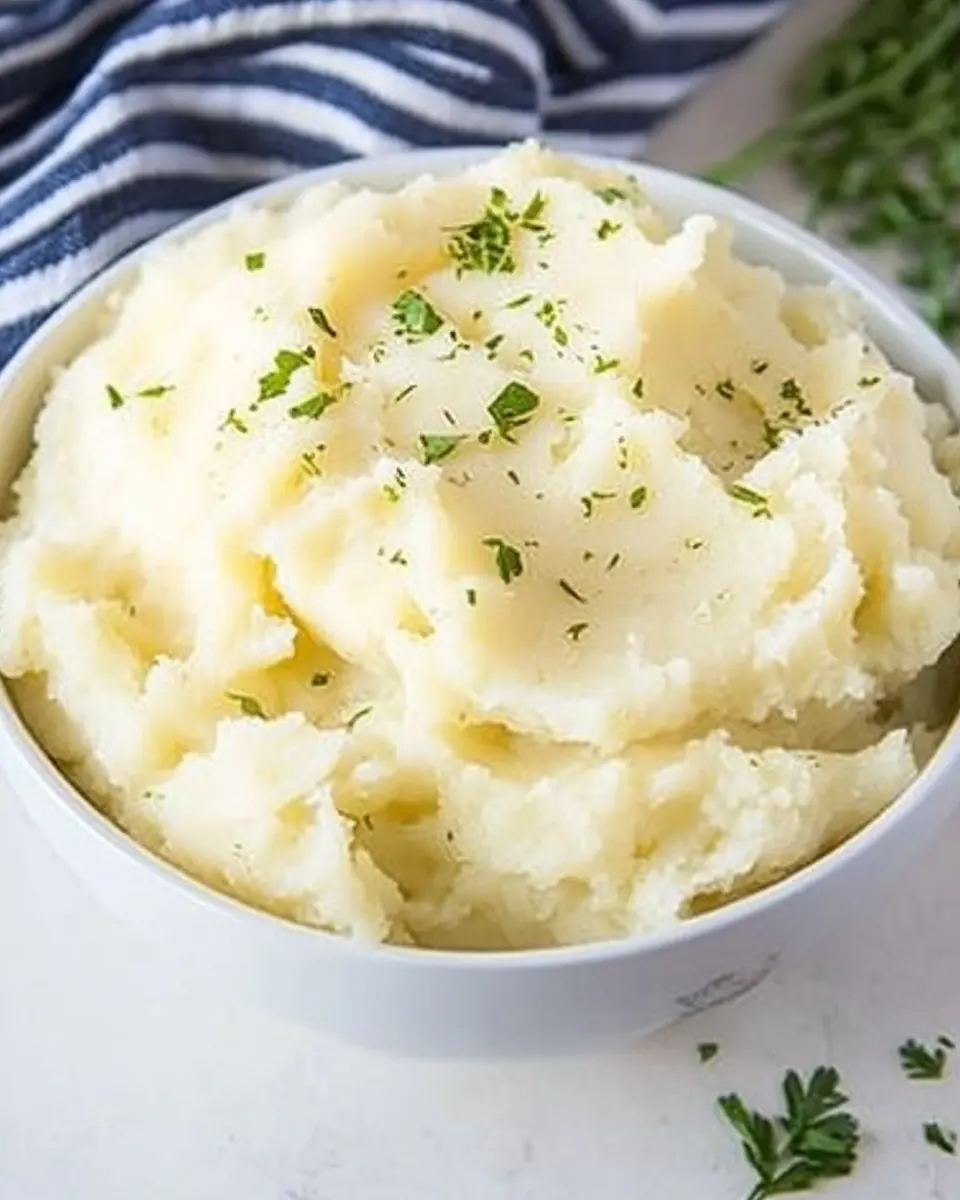
I like to offer options that respect the simple beauty of this recipe while giving you room to personalize. Below are practical tips and small variations that keep the final dish reliable and delicious across different kitchens and occasions.
- Tip 1: If you lack a potato ricer, use a sturdy potato masher and gently work in the dairy, stopping while the mash still has tiny clouds of texture to avoid gummy results.
- Tip 2: Warm the buttermilk slightly to room temperature in a bowl set over warm water so it blends without curdling when added to hot potatoes.
- Tip 3: For a silkier finish, add the warmed butter and milk in two stages, stirring gently, and adjust consistency slowly to avoid over thinning.
- Tip 4: If you prefer a more pronounced tang, increase the buttermilk by a tablespoon at a time, tasting between additions so it never overwhelms the balance.
- Tip 5: To keep leftovers fluffy, reheat gently with a splash of warm milk and stir slowly over low heat, avoiding microwaves at high power which can dry them out.
Serving Suggestions
These mashed potatoes pair well with many mains and occasions, and how you present them can shift the mood from weeknight comfort to festive centerpiece. Below are ways to serve, store, and pair them that will keep guests satisfied and your kitchen running smoothly.
- Classic family dinner: Spoon a generous mound of Buttermilk Mashed Potatoes alongside roasted vegetables and a simple protein for an effortless, hearty plate.
- Holiday table: Serve a large bowl garnished with a pat of melting butter and a sprinkle of chopped chives to add color and freshness for special gatherings.
- Make ahead strategy: Prepare up to the point of finishing, cool, then refrigerate. Rewarm gently with warmed milk while stirring to restore creaminess before serving.
- Storage tips: Keep leftovers in an airtight container for up to three days, and add a splash of warm milk when reheating to regain silky texture.
- Seasonal pairings: In winter, I serve these with roasted root vegetables and braised greens; in spring, they are lovely with lighter preparations to keep the plate balanced.
FAQ
Conclusion
What makes these Buttermilk Mashed Potatoes special is their creamy, tang forward balance and the pillowy texture achieved with a simple technique. The warm dairy and gentle processing create a comforting side that feels both homey and refined. I encourage you to give them a try this week, whether you are cooking for a quiet dinner or a full holiday table; they are forgiving, fast, and reliably delicious. Take pleasure in the little details like warming the buttermilk and finishing with fresh chives, and you will find this recipe earns a permanent spot in your repertoire.
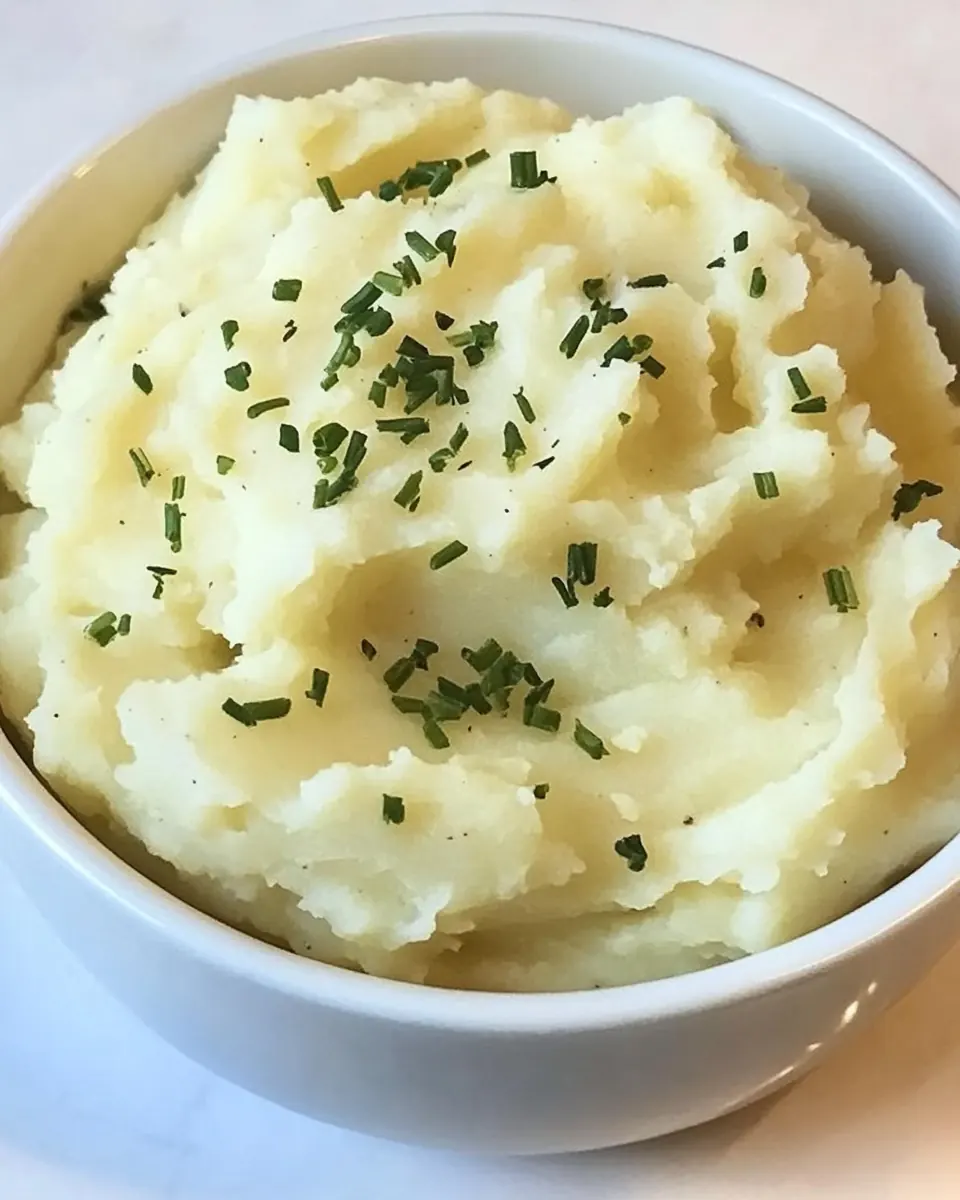
Buttermilk Mashed Potatoes
Ingredients
Equipment
Method
- Place potatoes in a pot and cover with water. Add a teaspoon of salt. Bring to a boil and boil 15 to 20 minutes or until soft. Drain well.: You should notice the water first go from still to lively bubbles as it approaches boil, and then the steam will smell faintly starchy, a clear sign the potatoes are releasing their moisture. When pierced with a fork, the chunks should offer no resistance and collapse slightly, which means the centers are tender. Proper doneness matters because undercooked pieces will leave lumps, while overcooked, waterlogged potatoes can make the mash gluey. A common mistake is starting with very hot tap water which can cause uneven cooking; begin with cold water so the pieces heat through uniformly. After draining, let the potatoes sit briefly to shed excess moisture, and give them a gentle shake in the pot to rough up the edges, which helps them accept butter and dairy.
- Place butter and milk in a small saucepan and heat over low heat until warm.: As the butter melts and the milk warms, you will see a glossy sheen form and a faint toasty aroma from the butter, signaling they are ready to marry with the potatoes . Warming prevents temperature shock which might make the mash seize or become grainy. Stir gently so the dairy and fat homogenize without simmering, because bringing it to a boil can change texture and taste. A frequent oversight is overheating; keep the flame low and remove the pan as soon as the mixture is warm to the touch. This step matters because warm dairy absorbs into the potatoes more readily, creating a silkier mouthfeel.
- Press potatoes through a potato ricer into a large bowl.: As you press, you will hear a soft squeak and see cloudlike ribbons of potato fall into the bowl, which is exactly what you want. The ricer creates a light, airy structure because it separates cells rather than crushing them, reducing glue. This texture is crucial for a tender, pillowy finish. Avoid forcing lumps through or mashing too roughly before this step, which could make the ricer clog and produce uneven texture. One common error is using a food processor here; that will overwork the starch and give an undesirable gummy bite. If you do not have a ricer, use a hand masher but stop when small fluffy pieces remain rather than relentlessly pulverizing the mass.
- Add butter/milk mixture and stir.: When you incorporate the warm butter and milk , you will notice the mash glisten and instantly become silkier, and a faint buttered aroma will lift from the bowl. The visual change is dramatic, signaling proper emulsification. This matters because fat coats starch, creating a smooth mouthfeel and richer flavor. Stir gently and evenly so pockets of cold or fat do not remain, which could make the texture inconsistent. A common mistake is dumping all liquid at once; adding gradually helps you control consistency and prevents the mash from becoming too loose.
- Add buttermilk, salt, and pepper and stir to mix well.: The first spoonful after adding buttermilk should register an immediate lift in brightness, a subtle tang that balances the rich butter . Stir until the color evens and small waves form across the surface, which indicate a cohesive mixture. The seasoning step is critical because salt enhances overall flavors, and pepper adds a faint warmth. Taste and adjust; sometimes the sprightly buttermilk makes you need less salt than expected. Avoid oversalting in one go; add gradually and taste between additions to prevent an overly salty result.
- If desired, garnish with chopped chives.: Fresh chives bring a cool green note and a soft onion scent that contrasts with the warm, creamy mash. Scatter them just before serving so their color and freshness remain vivid. The sound is subtle, but the visual cue of green against creamy white signals readiness and care. A common misstep is adding herbs too early, which can wilt them and dull their flavor. Garnish at the last moment, and serve while the mash is still steamy for the best texture and aroma.
Notes
- Tip 1: If you lack a potato ricer, use a sturdy potato masher and gently work in the dairy, stopping while the mash still has tiny clouds of texture to avoid gummy results.
- Tip 2: Warm the buttermilk slightly to room temperature in a bowl set over warm water so it blends without curdling when added to hot potatoes.
- Tip 3: For a silkier finish, add the warmed butter and milk in two stages, stirring gently, and adjust consistency slowly to avoid over thinning.
- Tip 4: If you prefer a more pronounced tang, increase the buttermilk by a tablespoon at a time, tasting between additions so it never overwhelms the balance.
- Tip 5: To keep leftovers fluffy, reheat gently with a splash of warm milk and stir slowly over low heat, avoiding microwaves at high power which can dry them out.