Place sweet potatoes, cauliflower, broth/water, and salt into a large pot. Bring to a boil, reduce heat, and simmer for 15-20 minutes, until vegetables are fork-tender and easily mashed.: As the pot heats, you will notice a faint steam rising and a subtle mix of sweet and vegetal aromas, signaling the combination is starting to meld. The reason for adding all ingredients together is even cooking, which ensures the sweet potatoes and cauliflower reach tenderness at the same time. A common misstep is overcrowding the pot, which can lead to unevenly cooked pieces, so use a pot with room for a gentle simmer and stirring.
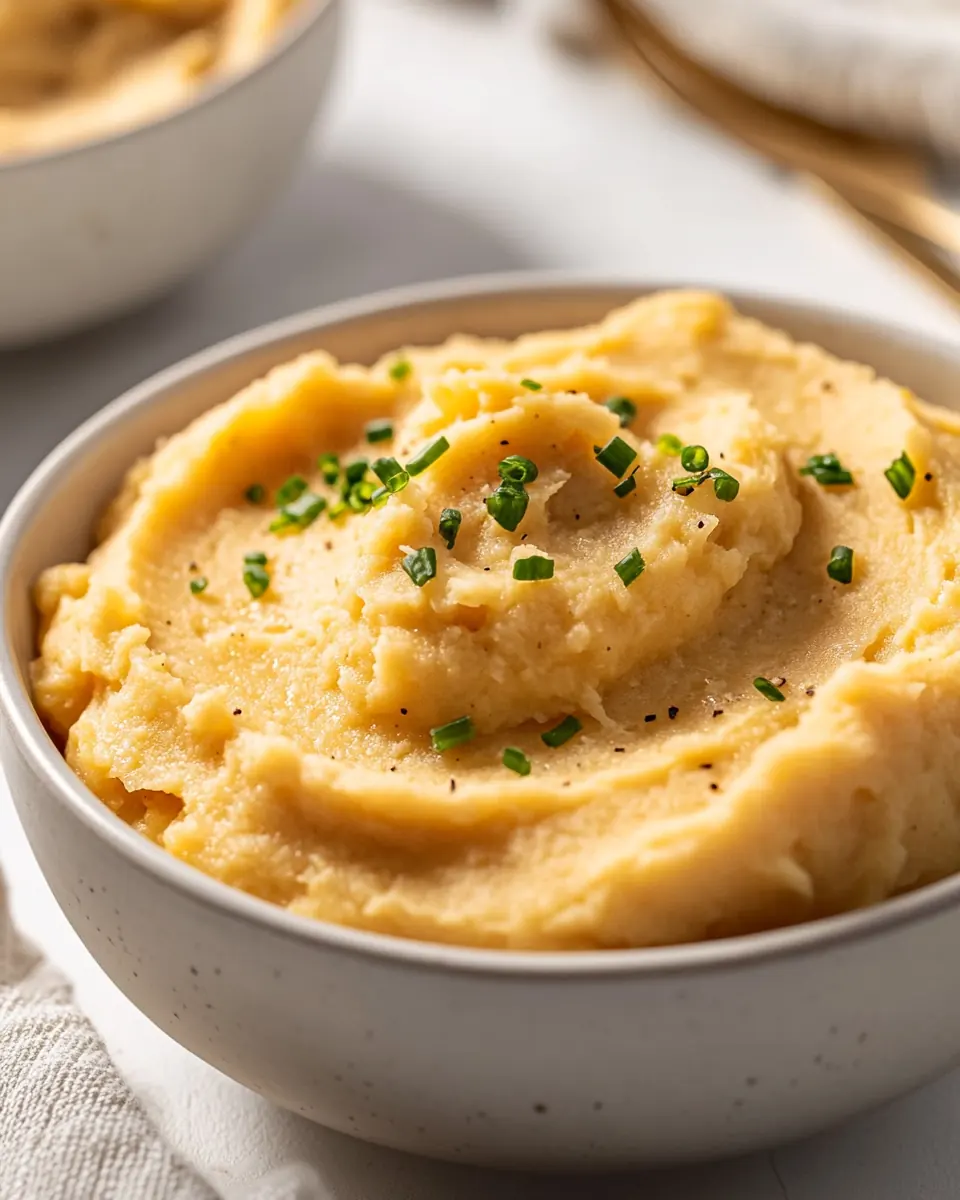
Drain off broth/water and return vegetables to the pot. Add granulated garlic and vegan butter substitute. Mash with a potato masher, and adjust salt to taste.: You will hear a steady bubble that should quiet when you lower the heat, and the scent will deepen into a warm, roasted root aroma. Fork tenderness is the sensory cue to aim for, because undercooked vegetables result in a lumpy mash. If you rush this step by keeping the heat too high, the edges may overcook while the centers remain firm, so maintain a gentle simmer and test frequently.
Alternately, process mixture in a food processor or use an immersion blender until smooth and creamy.: When you pour off the cooking liquid, the kitchen will release a concentrated, earthy scent as steam escapes. Returning the vegetables to the pot lets residual heat continue to soften them while preparing for mashing. Be careful not to discard too much liquid if you prefer a looser mash, instead reserve a cup to adjust consistency later. A frequent error is draining without reserving liquid, which removes a valuable tool for controlling texture.
Add granulated garlic and vegan butter substitute: As you add the granulated garlic and the butter or vegan substitute, the aroma shifts with a savory, buttery warmth that lifts the vegetables. These ingredients are added now so the residual heat melts and disperses them evenly, creating a cohesive flavor. Avoid adding cold liquids at this point, because they can lower the temperature and make it harder for fats to integrate smoothly.
Mash with a potato masher, and adjust salt to taste: When you begin mashing, you will feel the texture move from chunky to a more satiny body under the masher, and the sound will be a soft, rhythmic thump. Mashing releases starches and helps the sweet potatoes and cauliflower bind, creating that pleasing mouthfeel. Taste as you go and add more salt if needed; too little salt leaves the mash flat, while too much is difficult to correct once blended, so season gradually.
Alternately, process mixture in a food processor or use an immersion blender until smooth and creamy: If you choose a food processor or immersion blender, the texture becomes uniformly silky, and you may notice a glossy finish as the starches shear and the fats emulsify. This technique is ideal when you want a refined presentation. One pitfall is over-processing, which can turn the mash gluey, so pulse or pulse and check frequently to stop at the desired creaminess.