Butternut Squash Orzo
Butternut Squash Orzo is one of those recipes that sunk into my autumn routine the first time I roasted a squash for company and realized I had more than I could eat alone.
That evening I walked into the kitchen with the smell of caramelized squash still clinging to my sleeves, and I knew I wanted something cozy yet elegant. I had a bag of orzo in the pantry and a head full of ideas about texture and contrast. I love how a little creamy heavy cream can glue things together, while bright notes from herbs and the crunch of toasted nuts keep each bite interesting.
Over several tries I learned to roast the butternut squash until the edges brown and the centers stay tender, and to toast the pecans with garlic and rosemary so they taste almost savory, like a secret little condiment. The first time I served this at a small dinner, everyone kept returning for more, spooning the spoonable orzo onto their plates like it was a comforting risotto but faster. I remember feeling proud and oddly relieved that a simple mix of pantry staples and fresh produce could feel so elevated.
Now when the evenings get cooler I reach for this recipe because it consistently hits the balance I love: creamy, herbaceous, and textured. It’s great when you want something that feels special without demanding a whole day in the kitchen. Give it a try the next time you have a squash and a spare hour; I think you will love how approachable and satisfying it is.
Recipe Snapshot
1 hr 5 mins
15 mins
50 mins
Medium
450 kcal
American
Gluten-Free, Low FODMAP
Dinner
Large baking sheet, Small skillet, Large pot, Spatula
Why This Butternut Squash Orzo Is So Good
Comfort with a Touch of Sophistication
I love that Butternut Squash Orzo delivers a warm, comforting mouthfeel while still tasting intentionally plated. The creamy heavy cream and grated Parmesan cheese give the orzo a velvety finish, making each forkful feel indulgent without being heavy. When I serve it, people often comment that it could belong on a dinner party menu yet it comes together with minimal fuss.
Seasonal Flavor That Celebrates Fall
Working with roasted butternut squash and fresh herbs like thyme and rosemary makes this dish scream fall in the most tasteful way. I like that the ingredients are at their peak in autumn so you get that concentrated natural sweetness from the butternut squash. It’s an easy way to showcase seasonal produce without complicated technique.
Texture Contrast Keeps It Interesting
The toasted rosemary garlic pecans are my secret weapon. They provide crunch and a savory counterpoint to the silky orzo. I always make the pecans ahead so their aroma has time to bloom, and the contrast between the tender butternut squash and the bright green kale adds lively mouthfeel to every bite.
Flexible and Weeknight Friendly
Even though it tastes special, Butternut Squash Orzo is remarkably forgiving. The technique is straightforward, and it adapts to what you have on hand. I often stretch the broth a bit if I’m short, or add more kale for a heartier dish. It’s a perfect easy weeknight dinner that still earns compliments.
Little Details Make a Big Difference
Small steps like toasting the orzo briefly, finishing with a splash of heavy cream, and adjusting seasoning at the end elevate this from a simple pasta bowl to a composed main. I find that paying attention to those few details is what turns this into a dish people remember.
What You’ll Need for Butternut Squash Orzo
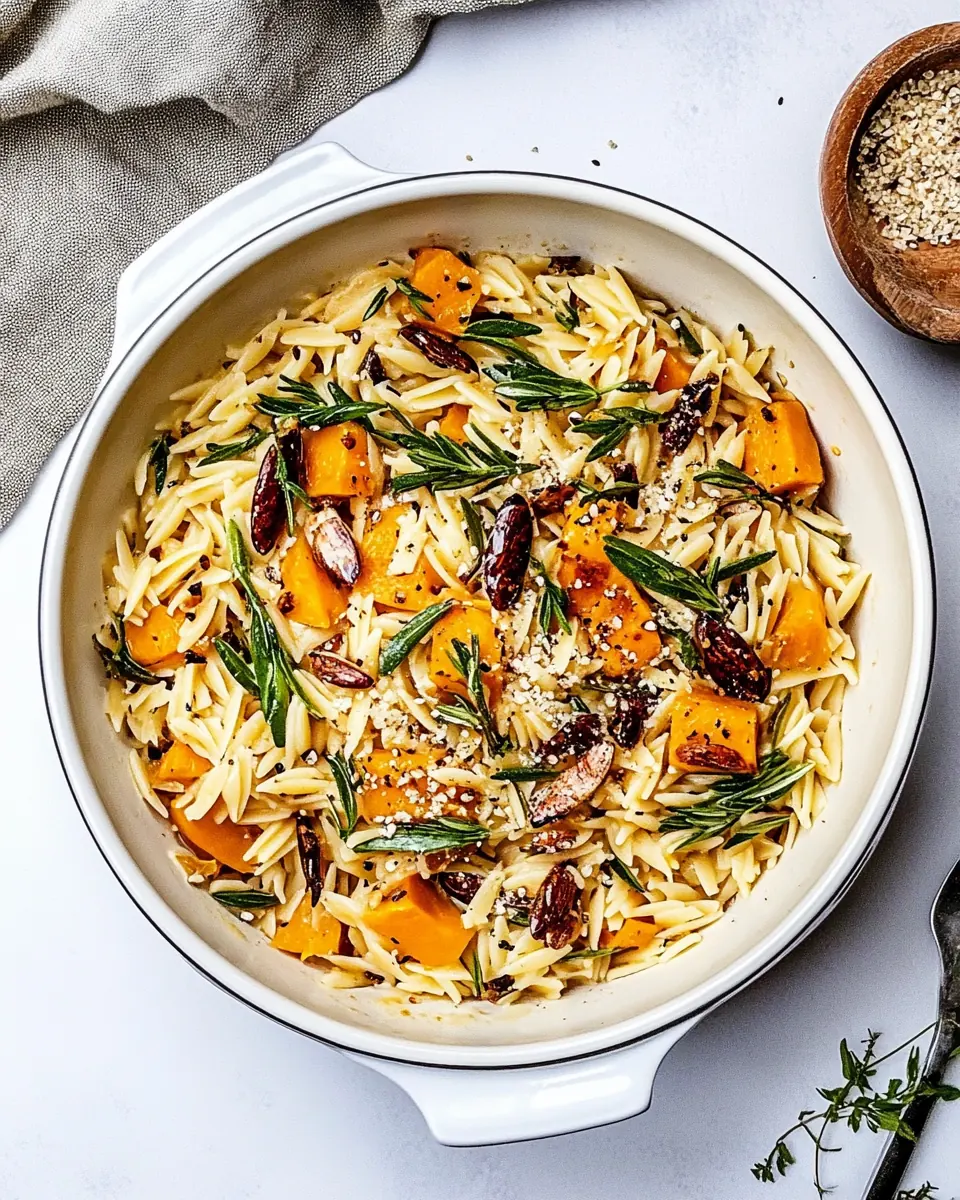
These ingredients work together to create a balance of creamy, sweet, and savory elements. The orzo provides a rice like body that soaks up the vegetable broth and heavy cream, while the roasted butternut squash adds natural sweetness. Fresh herbs and Parmesan cheese build an aromatic backbone, and the toasted rosemary garlic pecans supply the crunch that stops the dish from feeling one note.
- 1 small butternut squash, peeled, seeds removed, & cut into 1/2-inch cubes (about 4 cups): Peeled and cubed into 1/2-inch pieces to provide tender, sweet chunks that roast or sauté evenly and form the dish’s hearty base, contributing both texture and natural sweetness.
- 1 tablespoon olive oil: Used to lightly coat the squash or pan, adding a fruity, aromatic fat that helps with browning and flavor development during the initial sauté or roast steps.
- 2 tablespoons salted butter: Melted for a rich, creamy mouthfeel and nutty depth, enriching the sauce and helping to finish the orzo with a silky texture and savory backbone.
- 1 large shallot, minced: Minced finely to release delicate onion-like sweetness and a mild pungency, building savory complexity when softened in butter or oil at the start of cooking.
- 3 cloves garlic, minced: Mince finely to impart sharp, aromatic pungency and depth; sweated briefly to mellow out harshness and infuse the dish with savory flavor.
- 1 teaspoon fresh thyme: Chopped fresh to add bright, herbaceous notes and a subtle lemony earthiness that complements squash and cream, sprinkled in during cooking for aromatic lift.
- 1/2 teaspoon fresh rosemary: Finely chopped to contribute a piney, resinous aroma and warm, savory undertones that stand up to roasting and cream, used sparingly for balance.
- 1 1/2 cups uncooked orzo pasta: Cooked until al dente to provide a tender, rice-like vehicle that soaks up flavors and binds with the squash and sauce for a satisfying, pasta-like texture.
- 3 to 3 1/2 cups vegetable broth: Added gradually to cook the orzo and create a cohesive, saucy consistency; provides savory depth and seasoning while adjusting the final creaminess.
- 2 cups chopped fresh kale: Roughly chopped to introduce hearty, leafy texture and a slightly bitter, earthy contrast that brightens the rich squash and cream components when wilted into the orzo.
- 1/2 cup heavy cream: Stirred in to lend silky richness and a luxurious mouthfeel, smoothing the sauce and rounding out savory and sweet components for a creamy finish.
- 1/2 cup grated Parmesan cheese: Grated and folded into the hot orzo to add salty, umami richness and a sharp, nutty finish that enhances overall savory depth and ties flavors together.
- Kosher salt and black pepper, to taste: Seasoned to taste to balance sweetness and creaminess, enhancing natural flavors while controlling overall saltiness and peppery heat for a well-rounded dish.
- Garnish: crushed red pepper flakes, freshly grated Parmesan cheese: Sprinkled as a finishing touch to add focused heat and an extra layer of salty, cheesy umami, elevating presentation and flavor contrasts at serving.
- 2 tablespoons butter: Melted for finishing richness and sheen, adding an extra buttery gloss and smoothness to the finished orzo and helping bind ingredients together.
- 1 cup pecans: Toasted to bring warm, toasty crunch and buttery nuttiness that contrasts the creamy orzo; can be chopped or scattered for textural interest.
- 2 cloves garlic, minced: Mince finely to quickly release fragrant, sharp garlic flavor; sauté briefly in butter or oil to deepen savory aromatics for the pecan topping.
- 1 teaspoon rosemary: Used minced to impart concentrated herbal resinous notes that complement the pecans, adding complexity and a Mediterranean touch to the crunchy garnish.
- Pinch of kosher salt: Sprinkled sparingly to season the pecans and garlic topping, enhancing overall flavor balance by elevating savory notes and controlling sweetness.
Recipe Directions for Butternut Squash Orzo
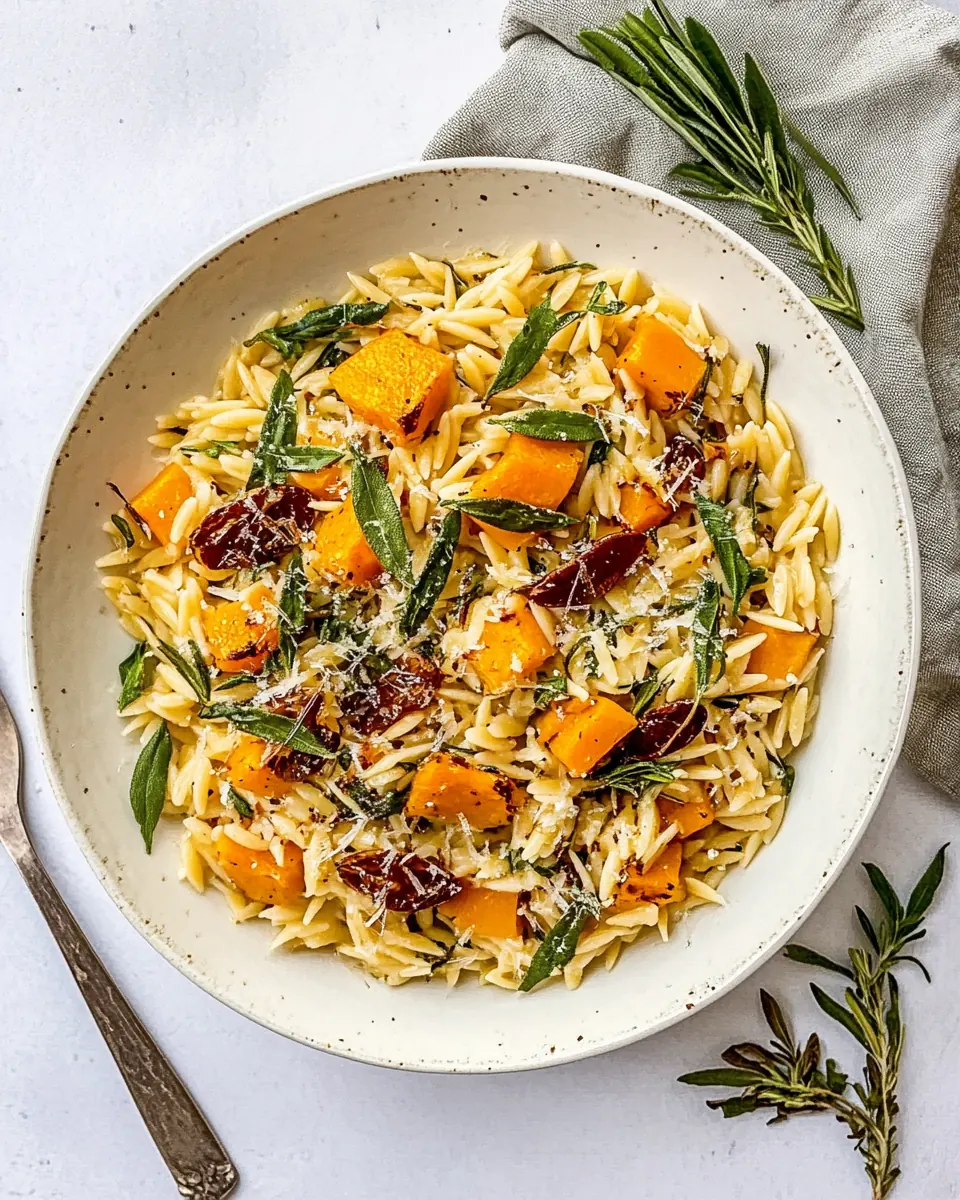
These directions walk you through roasting, toasting, and simmering steps that create a layered, comforting dish. Follow the cues for color, aroma, and texture so you know when each stage is done. I like to keep my tools close and taste as I go to adjust salt and creaminess.
- Preheat oven to 400 degrees F. Place the squash on a large baking sheet and drizzle with the olive oil. Toss until well coated. Season with salt and pepper. Arrange the squash in one layer and roast for 25 to 30 minutes, until the squash is tender, turning once with a spatula.: Warmth and charring are the clues you want here, the edges should show golden brown caramelization while the centers remain tender enough to yield easily to a fork. The scent will shift from raw vegetal to sweet and nutty, and you should hear almost no sound, just a gentle oven hush. This roasting step concentrates sugars, which is crucial to the finished flavor, so resist the urge to under roast. A common mistake is overcrowding the pan, which causes steaming and prevents browning. If pieces are varying dramatically in size, cut them so they finish at the same time. Use a spatula to turn them once midway so multiple faces get caramelized.
- While the squash is roasting, make the toasted rosemary garlic pecans. In a small skillet, melt the butter over medium heat. Add the pecans, garlic, and rosemary. Cook until the pecans are toasted, about 3 to 5 minutes, stirring often. Transfer to a cutting board. Sprinkle with salt. Roughly chop and set aside.: The moment you start toasting the nuts you will smell a warm, toasty aroma combined with the herbal lift of rosemary and the faint sweet savory note of garlic. The nuts will turn a deeper mahogany and develop a satisfying snap when gently pressed. Stirring constantly keeps the garlic from sticking and burning, which is important because scorched garlic becomes acrid. If the butter starts foaming heavily or the pan gives off a bitter smell, lower the heat immediately. After toasting, let the nuts cool briefly on the board so they crisp up before chopping; chopping while too hot can make them gummy.
- Melt the butter in a large pot over medium-high heat. Add the shallot and sauté for 3 to 5 minutes or until softened.: You should see the shallot pieces turn translucent and begin to release a soft, sweet aroma, not brown. The pan will make a gentle sizzling sound as the moisture evaporates. This step builds the flavor base, turning raw sharpness into mellow sweetness that supports the whole dish. Avoid high heat which can cause the shallot to color too fast and introduce burnt flavors. If it starts to brown, lower the heat and stir more frequently.
- Stir in the garlic, rosemary, thyme, and uncooked orzo and reduce the heat to medium low. Cook for 2 to 3 minutes, stirring frequently until some pieces are slightly toasted and brown.: As the orzo toasts, the pan will emit a warm, nutty aroma and you may notice tiny pops as moisture in the pasta releases. Toasting briefly adds depth and prevents the final dish from tasting one dimensional. The herbs will bloom in the fat and infuse the grains. Be careful not to let the garlic scorch during this period; if the pan becomes too lively, move it off heat briefly. If the orzo starts to turn very dark in spots, that is a sign you pushed the heat too high.
- Pour in 3 cups of broth and bring to a boil. Reduce to a simmer and cook for 10 to 12 minutes, stirring often to make sure the orzo doesn’t stick to the bottom of the pan. The orzo is done when it is al dente and most of the broth has been absorbed. If you need to add an extra 1/2 of broth, you can.: You will hear a gentle simmer and see steam lifting from the pot as the orzo swells. Stirring keeps the grains from clumping and ensures even cooking; the surface should look creamy as the starches release. Al dente means there is a slight bite without being chalky in the center, and most liquid should be clinging to the grains rather than pooling. If the mixture seems dry before the orzo is tender, add the optional extra 1/2 cup of vegetable broth . A common error is walking away and letting the bottom scorch, which creates bitter notes, so stay attentive and stir with a wooden spoon.
- Stir in the roasted butternut squash, kale, heavy cream, and parmesan cheese. Stir until the kale is wilted and the orzo is creamy. Season with salt and pepper, to taste.: Once you add the roasted butternut squash and chopped kale , you will see the colors come alive, the orange and deep green contrasting against the pale orzo . The cream should gently warm and sheath each grain, producing a silky, glossy finish, while the Parmesan cheese melts in and contributes savory umami. Wilted kale is the indicator you are at the right temperature; it should be tender but still bright. Taste and adjust seasoning since the Parmesan cheese and broth already contain salt. Adding seasoning earlier can lead to over salting at the end.
- Garnish with the toasted pecans, crushed red pepper flakes, and extra Parmesan cheese, if desired. Serve warm.: The final garnishes bring texture, a faint kick, and an extra layer of savory brightness. Sprinkle the chopped toasted pecans so each serving gets both crunch and herbaceousness; you will hear the contrast in the bite. Crushed red pepper adds a slow warming heat that balances the creaminess. Serve while warm, as orzo tends to firm up as it cools. A mistake people make is letting it sit too long before serving, which causes the sauce to thicken and lose that luxurious mouthfeel.
Making Adjustments
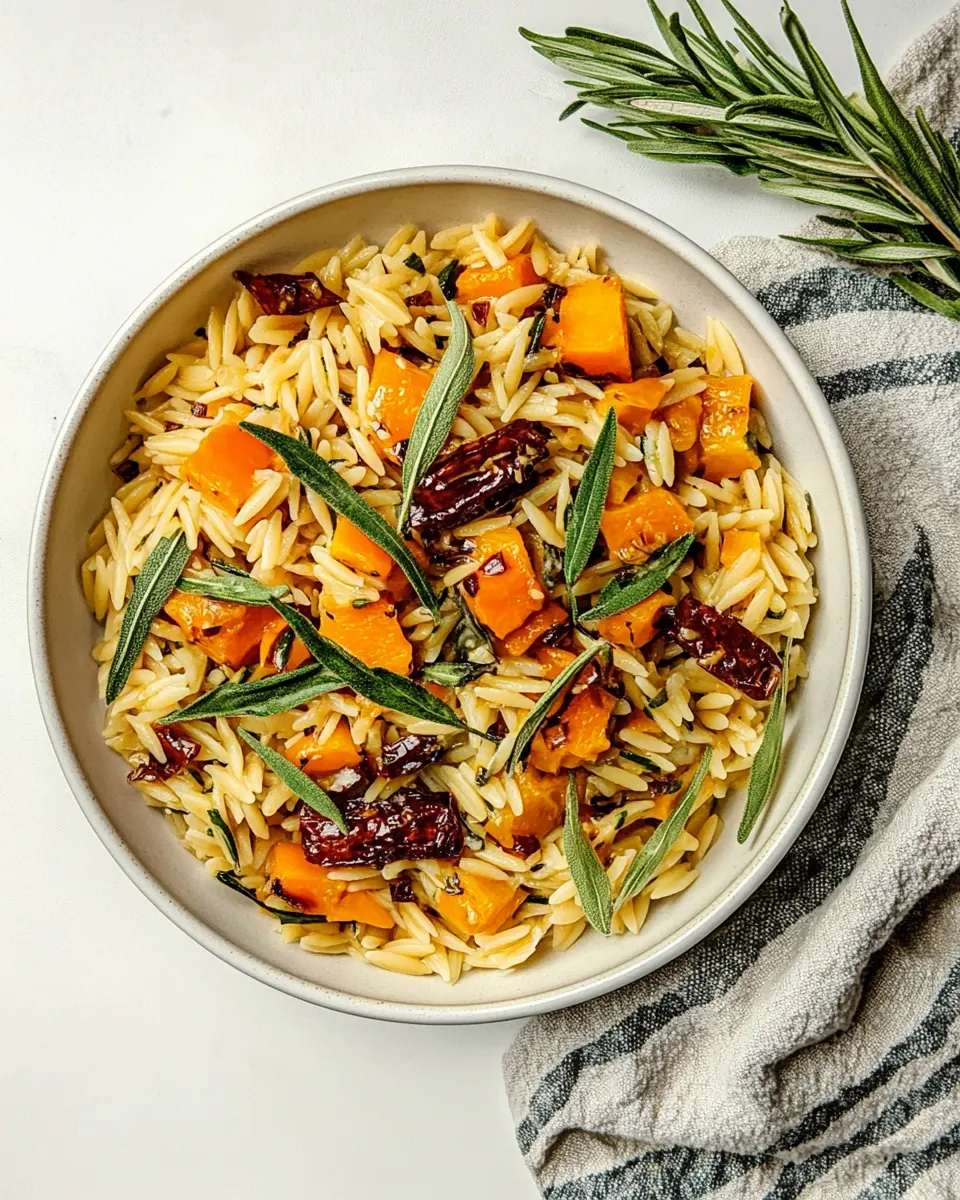
This section offers practical tweaks and ideas for changing the texture, seasoning, and presentation while staying true to the recipe. These tips help you adapt the dish for dietary preferences, pacing, and the number of guests.
- Reduce sodium: Use low sodium vegetable broth and taste before adding extra salt, adjusting with Parmesan cheese at the end for savory depth.
- Increase creaminess: Stir in an additional tablespoon of heavy cream off heat for a silkier finish, being careful not to boil the mixture after adding the dairy.
- Boost texture: Add more toasted pecans or reserve some for sprinkling so every plate gets crunchy contrast without overwhelming the creamy base.
- Make it heartier: Toss in an extra cup of chopped kale during the last few minutes of simmering to increase volume and leafy texture.
- Advance prep: Roast the butternut squash and make the pecans up to two days ahead, refrigerating them separately, then reheat gently before adding to the orzo.
What to Serve With Butternut Squash Orzo
This dish plays well in many contexts, from midweek dinners to holiday sides. Pairings should add contrast in texture or brightness to balance the creamy orzo. Here are serving ideas and occasions to guide your presentation.
- Light Green Salad for balance: A simple salad with crisp leaves and a bright vinaigrette cuts through the richness of the heavy cream and Parmesan cheese.
- Crusty Bread for scooping: Warm slices of crusty bread are perfect for mopping up any remaining creamy sauce on the plate.
- Holiday side for fall gatherings: This fits nicely alongside roasted mains during autumn celebrations where seasonal produce is the theme.
- Weeknight centerpiece: For a casual dinner, serve the Butternut Squash Orzo as the main course with a wedge salad and call it a night.
- Storage tips: Refrigerate leftovers in an airtight container for up to three days; reheat gently with a splash of vegetable broth or heavy cream to loosen the texture.
- Seasonal pairing: Serve during fall when butternut squash is at its sweetest, and add a squeeze of lemon to brighten the flavors if desired.
FAQ
Conclusion
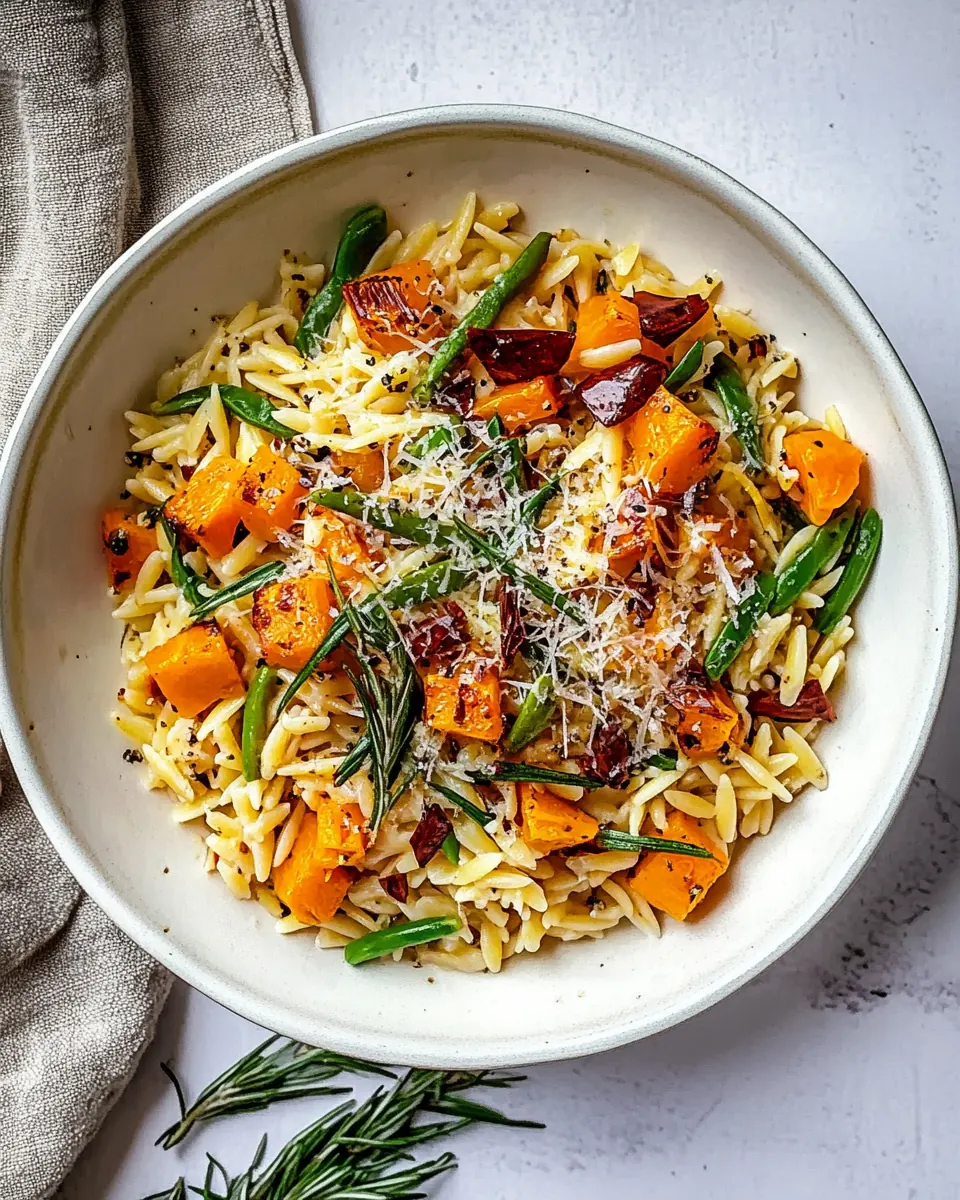
Butternut Squash Orzo stands out because it combines roasted seasonal sweetness, creamy orzo, and crunchy toasted pecans for a balanced, memorable dish. It’s comfortable enough for a weeknight and pretty enough for a small gathering, which makes it a reliable go to when you want food that feels thoughtful without fuss. Try making it soon and notice how a few simple techniques transform pantry staples into something special; I think you will find it becomes a repeat favorite.
Butternut Squash Orzo
Ingredients
Equipment
Method
- Preheat oven to 400 degrees F. Place the squash on a large baking sheet and drizzle with the olive oil. Toss until well coated. Season with salt and pepper. Arrange the squash in one layer and roast for 25 to 30 minutes, until the squash is tender, turning once with a spatula.: Warmth and charring are the clues you want here, the edges should show golden brown caramelization while the centers remain tender enough to yield easily to a fork. The scent will shift from raw vegetal to sweet and nutty, and you should hear almost no sound, just a gentle oven hush. This roasting step concentrates sugars, which is crucial to the finished flavor, so resist the urge to under roast. A common mistake is overcrowding the pan, which causes steaming and prevents browning. If pieces are varying dramatically in size, cut them so they finish at the same time. Use a spatula to turn them once midway so multiple faces get caramelized.
- While the squash is roasting, make the toasted rosemary garlic pecans. In a small skillet, melt the butter over medium heat. Add the pecans, garlic, and rosemary. Cook until the pecans are toasted, about 3 to 5 minutes, stirring often. Transfer to a cutting board. Sprinkle with salt. Roughly chop and set aside.: The moment you start toasting the nuts you will smell a warm, toasty aroma combined with the herbal lift of rosemary and the faint sweet savory note of garlic. The nuts will turn a deeper mahogany and develop a satisfying snap when gently pressed. Stirring constantly keeps the garlic from sticking and burning, which is important because scorched garlic becomes acrid. If the butter starts foaming heavily or the pan gives off a bitter smell, lower the heat immediately. After toasting, let the nuts cool briefly on the board so they crisp up before chopping; chopping while too hot can make them gummy.
- Melt the butter in a large pot over medium-high heat. Add the shallot and sauté for 3 to 5 minutes or until softened.: You should see the shallot pieces turn translucent and begin to release a soft, sweet aroma, not brown. The pan will make a gentle sizzling sound as the moisture evaporates. This step builds the flavor base, turning raw sharpness into mellow sweetness that supports the whole dish. Avoid high heat which can cause the shallot to color too fast and introduce burnt flavors. If it starts to brown, lower the heat and stir more frequently.
- Stir in the garlic, rosemary, thyme, and uncooked orzo and reduce the heat to medium low. Cook for 2 to 3 minutes, stirring frequently until some pieces are slightly toasted and brown.: As the orzo toasts, the pan will emit a warm, nutty aroma and you may notice tiny pops as moisture in the pasta releases. Toasting briefly adds depth and prevents the final dish from tasting one dimensional. The herbs will bloom in the fat and infuse the grains. Be careful not to let the garlic scorch during this period; if the pan becomes too lively, move it off heat briefly. If the orzo starts to turn very dark in spots, that is a sign you pushed the heat too high.
- Pour in 3 cups of broth and bring to a boil. Reduce to a simmer and cook for 10 to 12 minutes, stirring often to make sure the orzo doesn’t stick to the bottom of the pan. The orzo is done when it is al dente and most of the broth has been absorbed. If you need to add an extra 1/2 of broth, you can.: You will hear a gentle simmer and see steam lifting from the pot as the orzo swells. Stirring keeps the grains from clumping and ensures even cooking; the surface should look creamy as the starches release. Al dente means there is a slight bite without being chalky in the center, and most liquid should be clinging to the grains rather than pooling. If the mixture seems dry before the orzo is tender, add the optional extra 1/2 cup of vegetable broth . A common error is walking away and letting the bottom scorch, which creates bitter notes, so stay attentive and stir with a wooden spoon.
- Stir in the roasted butternut squash, kale, heavy cream, and parmesan cheese. Stir until the kale is wilted and the orzo is creamy. Season with salt and pepper, to taste.: Once you add the roasted butternut squash and chopped kale , you will see the colors come alive, the orange and deep green contrasting against the pale orzo . The cream should gently warm and sheath each grain, producing a silky, glossy finish, while the Parmesan cheese melts in and contributes savory umami. Wilted kale is the indicator you are at the right temperature; it should be tender but still bright. Taste and adjust seasoning since the Parmesan cheese and broth already contain salt. Adding seasoning earlier can lead to over salting at the end.
- Garnish with the toasted pecans, crushed red pepper flakes, and extra Parmesan cheese, if desired. Serve warm.: The final garnishes bring texture, a faint kick, and an extra layer of savory brightness. Sprinkle the chopped toasted pecans so each serving gets both crunch and herbaceousness; you will hear the contrast in the bite. Crushed red pepper adds a slow warming heat that balances the creaminess. Serve while warm, as orzo tends to firm up as it cools. A mistake people make is letting it sit too long before serving, which causes the sauce to thicken and lose that luxurious mouthfeel.
Notes
- Reduce sodium: Use low sodium vegetable broth and taste before adding extra salt, adjusting with Parmesan cheese at the end for savory depth.
- Increase creaminess: Stir in an additional tablespoon of heavy cream off heat for a silkier finish, being careful not to boil the mixture after adding the dairy.
- Boost texture: Add more toasted pecans or reserve some for sprinkling so every plate gets crunchy contrast without overwhelming the creamy base.
- Make it heartier: Toss in an extra cup of chopped kale during the last few minutes of simmering to increase volume and leafy texture.
- Advance prep: Roast the butternut squash and make the pecans up to two days ahead, refrigerating them separately, then reheat gently before adding to the orzo.