Toasted S’mores Ice Cream Sandwiches
Toasted S’mores Ice Cream Sandwiches started as one of those happy accidents the summer my sister decided to host an impromptu backyard movie night. I had a tub of vanilla ice cream and a bag of marshmallows, and instead of the usual campfire skewers, we experimented with toasting inside and layering everything into a tray. The first bite that night, sticky and cool at once, made everyone stop talking and grin, and that image has stuck with me ever since.
Years later I still reach for this idea when I want something nostalgic but effortless. The playful contrast between smoky, charred marshmallows and creamy, cold vanilla ice cream is a simple trick that transforms a familiar combo into a party piece. Friends always ask how the toasted bits stay so soft yet slightly chewy, and I tell them it is all about timing and the right assembly. This recipe is forgiving, joyful, and perfect for a warm evening with kids or grown ups who still love sticky fingers.
When I make Toasted S’mores Ice Cream Sandwiches now, I think about texture first. I want the toasted top to have those little bronzed pockets that melt on your tongue, while the graham crackers add a crisp frame that keeps every bar from turning into a puddle. It is a dessert that invites conversation, sharing, and seconds, and it always feels like summer even if the calendar says otherwise.
Recipe Snapshot
4 hr 15 mins
15 mins
240 mins
Hard
250 kcal
American
Gluten-Free, Low FODMAP
Desserts
Broiler or Oven Broiler, 9×13 inch Pan, Parchment Paper, Baking Sheet, Offset Spatula
What’s Great About This Toasted S’mores Ice Cream Sandwiches
One dessert, endless nostalgia
I love how Toasted S’mores Ice Cream Sandwiches taps into childhood memories while feeling grown up enough for an adult gathering. That smoky sweetness from the marshmallows paired with cool vanilla ice cream creates immediate comfort. We get the familiar flavors without fuss, and I often find people closing their eyes during the first bite, which tells me this combination works on a deeply emotional level.
Textural magic
The balance between crisp graham crackers, soft toasted marshmallows, and creamy vanilla ice cream makes this so satisfying. When you bite into a slice, you notice the crack of the cracker, the melt of the ice cream, and the chewy, slightly caramelized marshmallow, all in quick succession. I plan the assembly to preserve these contrasts so every serving delivers that layered sensation.
Easy to scale and share
Whether I am making a dozen sandwiches for a crowd or a smaller, family sized tray, the method adapts easily. The ingredients are straightforward, and the technique does not demand precision. I often multiply the quantities and prepare multiple pans for parties, knowing the basic steps hold up. This makes the recipe perfect for casual entertaining or potlucks.
Customizable yet foolproof
While I stick to the classic lineup here, there is room to personalize. You can adjust the thickness of the ice cream layer, the amount of chocolate fudge sauce, or how dark you toast the marshmallows. I usually keep it simple because the classic flavors shine, but the structure of this dessert welcomes experimentation without risking failure.
Perfect for warm weather
This is a summer standby in my house because it requires minimal stove time and delivers cold refreshment. The frozen core means you can prep ahead and keep things chilled until guests arrive, which keeps hosting stress low. I bring it to barbecues and poolside gatherings, and people always gravitate to the tray first.
What Goes Into Toasted S’mores Ice Cream Sandwiches
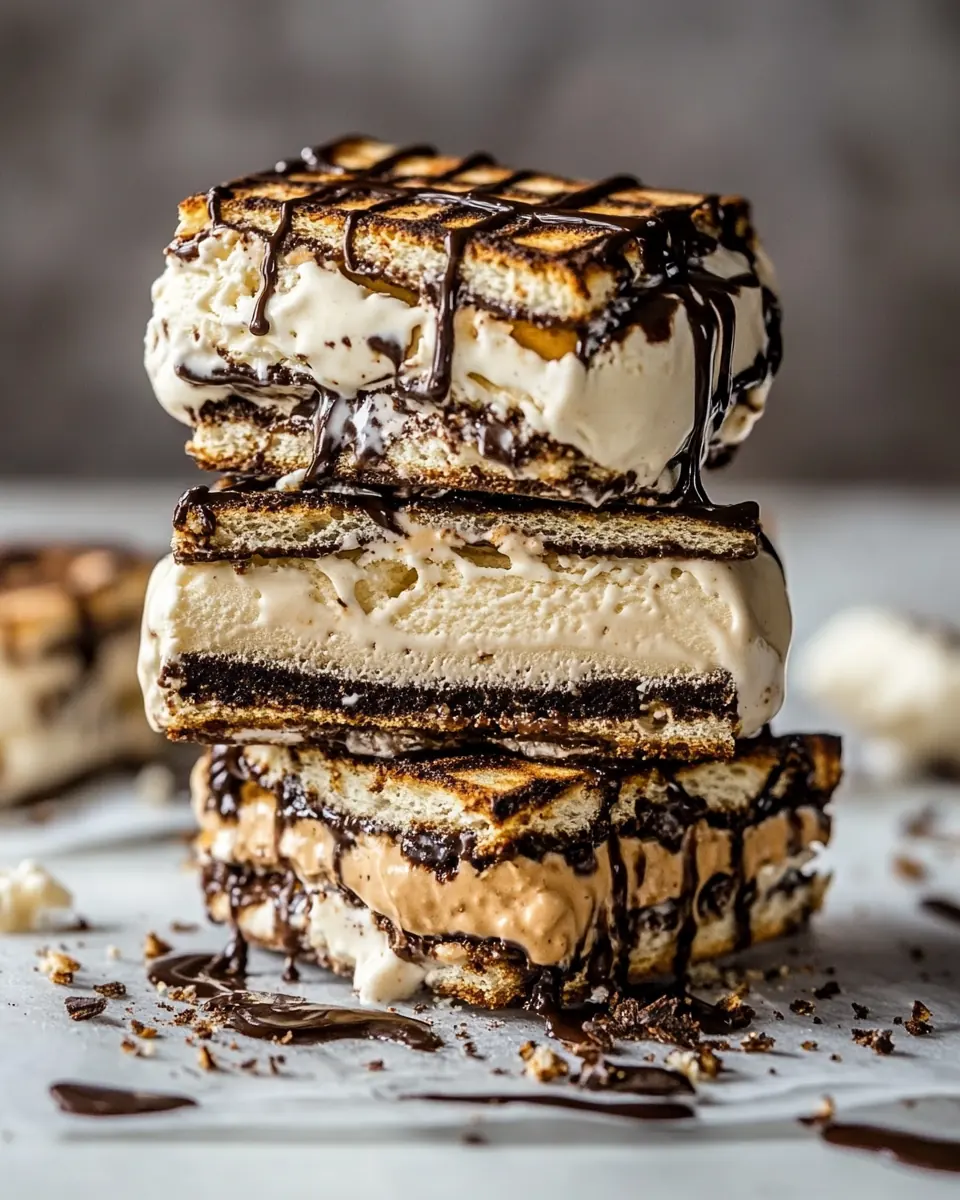
I treat the ingredient list like a small orchestra, where each part has a clear job so the final dish sings. The vanilla ice cream provides a creamy backbone, the toasted marshmallows supply smoky sweetness and chew, the chocolate fudge sauce adds rich pockets of chocolate, and the graham crackers deliver structure and crunch. Together they create contrasts in temperature and texture that are essential to the charm of this dessert.
- 2 3 cups marshmallows: Toasted until golden and gooey, provide the signature smoky sweetness and chewy texture that mimics campfire s'mores. Can be used whole or slightly melted to create an oozy filling between ice cream and graham crackers, adding volume and visual appeal.
- 1 1/2 quarts vanilla ice cream: Churned creamy and cold, supplies the rich, smooth base that balances warm marshmallows and crunchy crackers. Soften slightly before assembling for easy spreading and to achieve a scoopable, sandwich-friendly consistency without melting completely.
- 1/2 cup chocolate fudge sauce: Drizzled or spread as a glossy, decadent layer, contributes concentrated chocolate flavor and a sticky contrast to the airy marshmallows. Warm gently for easier pouring, then cool briefly so it sets enough to hold the sandwich together without making crackers soggy.
- 24 squares graham crackers: Broken into uniform pieces, deliver crisp, slightly sweet structure and a traditional s'mores crunch to each bite. Use whole or halved squares to sandwich fillings, ensuring even support and a familiar graham flavor that complements chocolate and marshmallow.
Cooking Method for Toasted S’mores Ice Cream Sandwiches
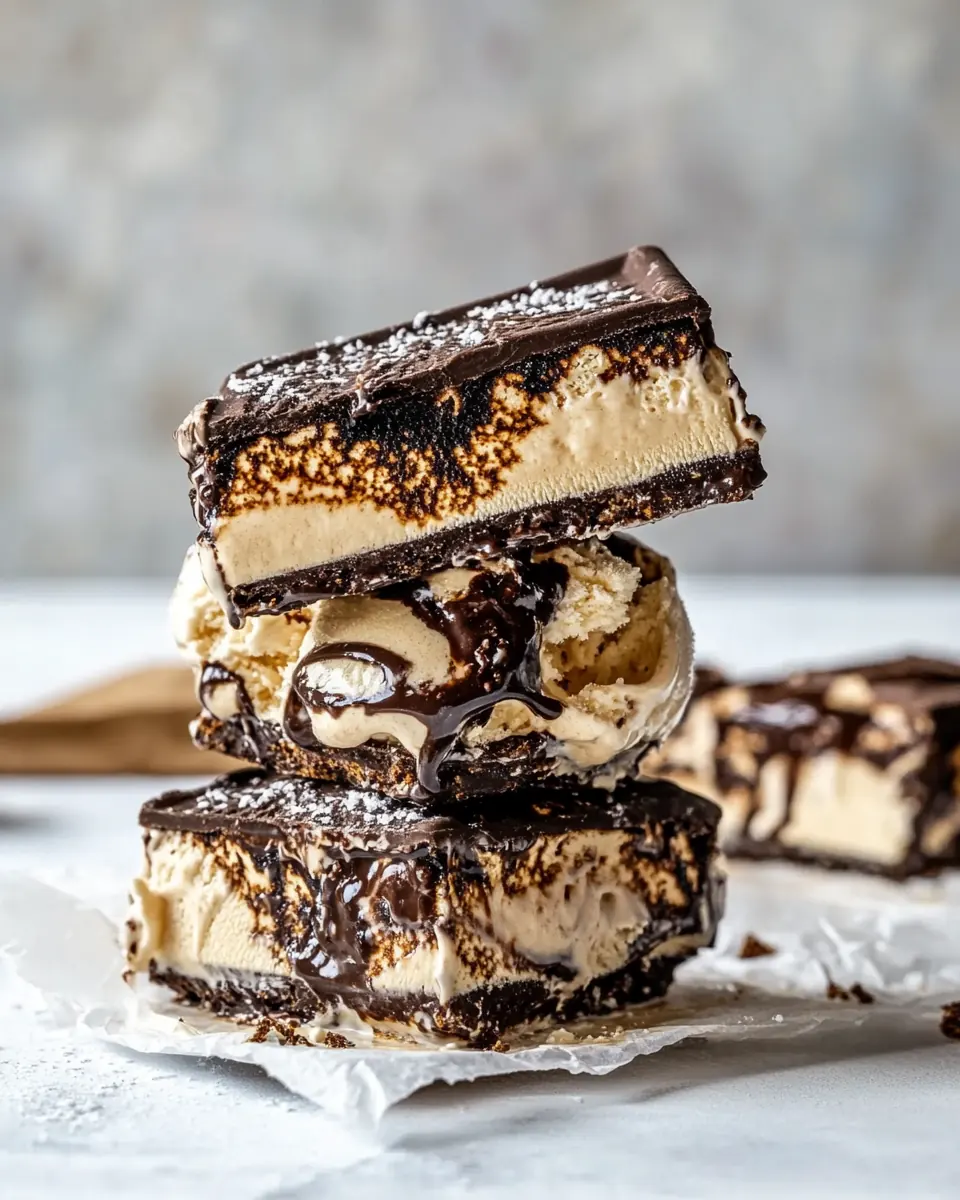
The method is straightforward, and the real attention comes in toasting and layering. I like to work quickly once the marshmallows are toasted so the top layer stays warm enough to meld with the chocolate fudge sauce but not so hot that the ice cream melts. The following steps capture both practical timing and sensory cues to help you succeed.
- Line a 9×13 inch pan with parchment paper. Preheat the broiler. Arrange the marshmallows on a baking sheet. Broil 1-2 minutes, until toasted. Watch closely, the marshmallows will toast FAST. Don't walk away. Remove the pan from the broiler. Let cool.: You will notice a tactile shift as the pan becomes easier to lift and slide after lining, and the parchment protects the finished bars from sticking. The parchment also gives you neat edges when you lift the entire block from the pan, which matters for clean slicing. A common mistake is using too small a piece of parchment, which can bunch and tear; make sure there is enough overhang to grasp easily.
- In the bottom of the prepared pan, spread 3/4 of the ice cream in an even layer, then drizzle over the fudge sauce. Add the toasted marshmallows, then the remaining ice cream on top. Cover and freeze until firm, at least 4 hours.: The broiler should be hot and fierce so the marshmallows toast quickly and develop bronzed spots without collapsing into a single pool. You will hear a faint crackle and see the tops swell and blister in moments, which is the visual cue you want. If the broiler is underpreheated, the marshmallows will brown unevenly and may stick, so always allow a minute for the element to reach full heat.
- Arrange the marshmallows on a baking sheet: Lay the marshmallows in a single layer so each one gets exposure to the heat, which encourages even toasting and those molten pockets. If you crowd them, they will fuse into a single mass and will be harder to distribute later. Avoid using a thin sheet that warps under high heat, which can cause uneven browning.
- Broil 1 to 2 minutes until toasted: Under the broiler the marshmallows will swell, take on gold to deep amber hues, and emit a warm, caramel aroma that signals readiness. Keep the oven door slightly ajar if your broiler manual suggests it, and watch continuously, because those few seconds make the difference between perfectly bubbly toasts and burnt sugar. Turning your head away to do another task is the mistake most people make here.
- Watch closely the marshmallows will toast fast: You will observe rapid color changes, so stay present; the smell will deepen toffee notes as sugars caramelize. This step's care ensures the marshmallows have that smoky, slightly charred edge that complements the cool vanilla ice cream . A typical error is underestimating the speed of broiling, which leads to char that tastes bitter rather than pleasantly smoky.
- Don't walk away: During broiling the visual cues are everything, from bubbling to the sudden darkening at edges, so remain by the oven. The marshmallows are forgiving when monitored, but neglect leads to uneven bites and a disappointed crowd. If you do overtoast, you can trim the darkest bits, but the best approach is vigilance.
- Remove the pan from the broiler: Take the sheet out carefully, and you will feel the immediate change as steam rises and the surface settles into golden blisters. Let the sheet rest briefly on a heatproof surface so the tops set slightly, which helps when transferring them into the pan. A common slip is trying to move them while too hot, which can cause sticking and misshapen pieces.
- Let cool: Allow the toasted marshmallows to cool until they are still soft but not burning hot, which makes them easier to spread and handle. Cooling preserves those airy pockets while letting them firm enough to layer, and it reduces the risk of melting your ice cream prematurely. Rushing this stage can cause the ice cream to weep and ruin texture.
- In the bottom of the prepared pan spread 3/4 of the ice cream in an even layer: The sensation here should be smooth, with the vanilla ice cream gliding as you press it into an even bed; aim for uniform thickness so slices set consistently. Use an offset spatula or the back of a spoon warmed slightly to smooth without melting. If you press too hard you may compact the texture, leading to a dense bar rather than a creamy one.
- Then drizzle over the fudge sauce: Add the chocolate fudge sauce in thin ribbons to create chocolate pockets that remain gooey after freezing. The rich aroma of chocolate will contrast with the cool creaminess and toasted sugar and give each bite complexity. A common error is adding too much sauce in one spot, which creates overly soft pockets that make slicing messy.
- Add the toasted marshmallows: Scatter the cooled toasted marshmallows in an even layer so they nestle into the ice cream and chocolate ribbons, forming textural islands. The marshmallows will slightly adhere to the ice cream and chocolate, creating bonds that hold the bars together when frozen. Overcrowding the layer will make it lumpy, while too sparse placement loses the toasty character.
- Then the remaining ice cream on top: Spread the rest of the vanilla ice cream gently to enclose the marshmallow and chocolate layers, creating a smooth top for freezing. Aim for a neat finish so the final tray slices into tidy sandwiches; a warm metal spatula helps smooth without melting. Avoid gouging down to the crackers below, which can cause uneven portions.
- Cover and freeze until firm at least 4 hours: The freezing stage is where everything sets into a single block, firm enough to slice yet still tender to bite. Four hours is the minimum to ensure structural integrity, but overnight gives the best clean slices. The mistake I see most is underfreezing then trying to slice, which creates squashed, messy servings; patience pays off here.
Helpful Hints
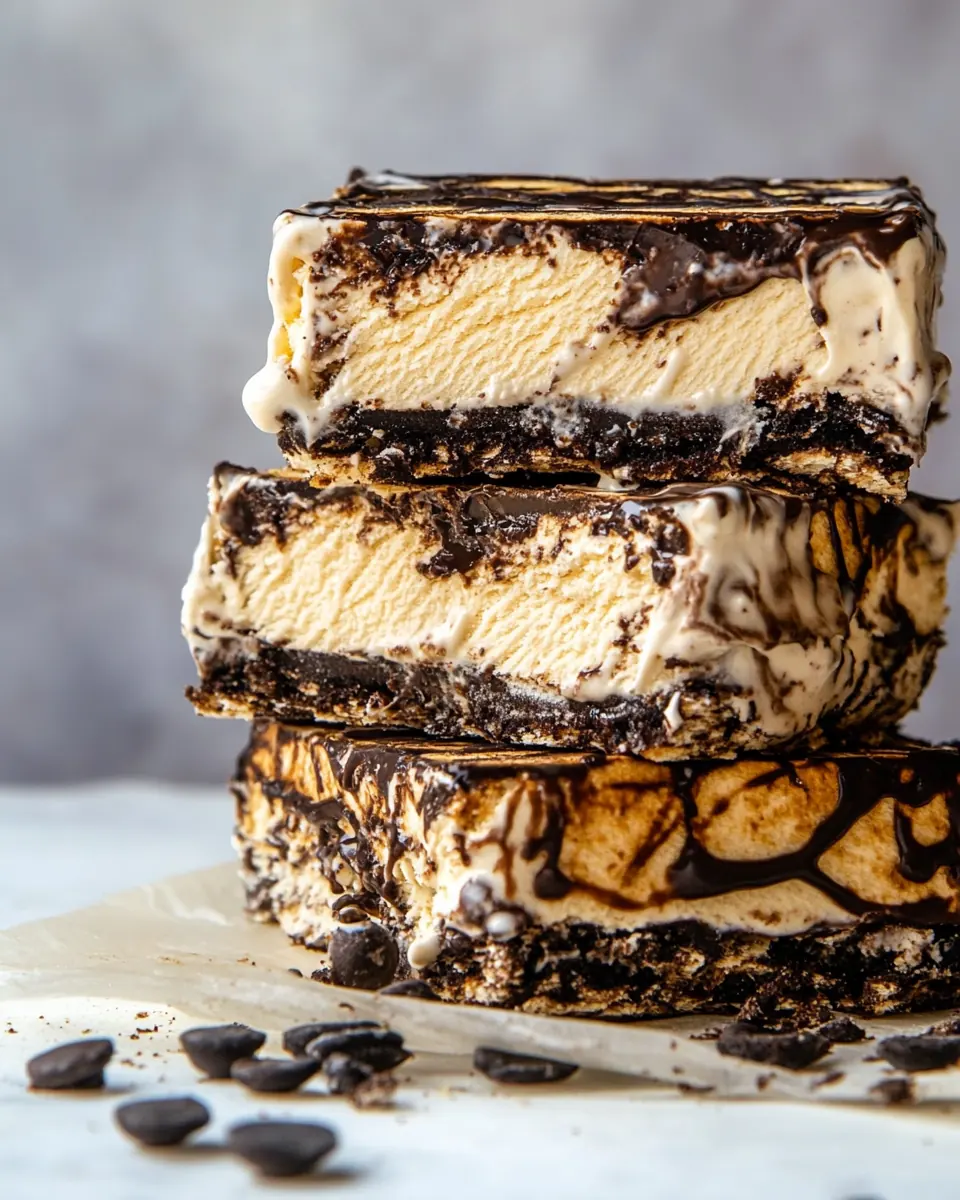
I usually keep a few tricks up my sleeve when assembling Toasted S’mores Ice Cream Sandwiches. These help with texture, presentation, and minimizing melt while you work. Below are practical pointers that I’ve learned from repeating this recipe for years.
- Start with very cold ice cream, scoop it into a bowl and let it sit just long enough to be spreadable; if it is too soft, the layers will meld and freeze into a denser block.
- Firmly press the first ice cream layer, but do not compact; you want even thickness for consistent slices without squeezing out air that would make it icy.
- Toast in short bursts, keeping the oven door open if needed to monitor color changes; this prevents burning and yields those caramelized pockets I love.
- Use an offset spatula warmed under hot water and dried for smoothing; it glides over the ice cream without melting it into a puddle.
- Wrap tightly before freezing, covering the pan with plastic wrap or foil to prevent ice crystals and freezer burn, which preserves texture and flavor.
- Slice with a hot knife, dipping it in hot water and wiping clean between cuts for neater bars and less sticking.
Serve This Toasted S’mores Ice Cream Sandwiches With
This dessert plays well across casual and celebratory settings, and I like to present it in ways that highlight its contrasts. Serve chilled directly from the freezer for a crisp bite, or let slices sit five minutes at room temperature for a softer mouthfeel. Below are serving ideas and pairings I recommend based on occasion and season.
- Poolside parties, serve straight from the freezer as handheld squares for minimal mess and maximum cooling effect on hot days.
- Summer barbecues, pair with other handheld desserts so guests can mingle while snacking, and the frozen element helps beat the heat.
- Family movie nights, pre slice the block and lay out on a platter so everyone can grab a piece without fuss, making it a crowd pleaser with minimal clean up.
- Make ahead for gatherings, freeze overnight and keep wrapped until service to reduce last minute prep and ensure perfect slices.
- Storage tip, wrap leftovers tightly in parchment and foil and store in the coldest part of your freezer to prevent ice crystals and preserve creaminess.
- Seasonal pairing, while this is a summer favorite, it also works for cooler evenings when you want a nostalgic dessert that is still easy to prepare ahead.
FAQ
Conclusion
What makes this recipe special is the way it marries smoky, toasted marshmallow with cool, creamy ice cream and crisp graham crackers in a fuss free format. I encourage you to give it a try because it is forgiving, nostalgic, and scales beautifully for sharing at casual gatherings or family nights. Serve it chilled for a cool bite or let it soften slightly for a creamier mouthfeel, and enjoy the smiles that follow each bite.
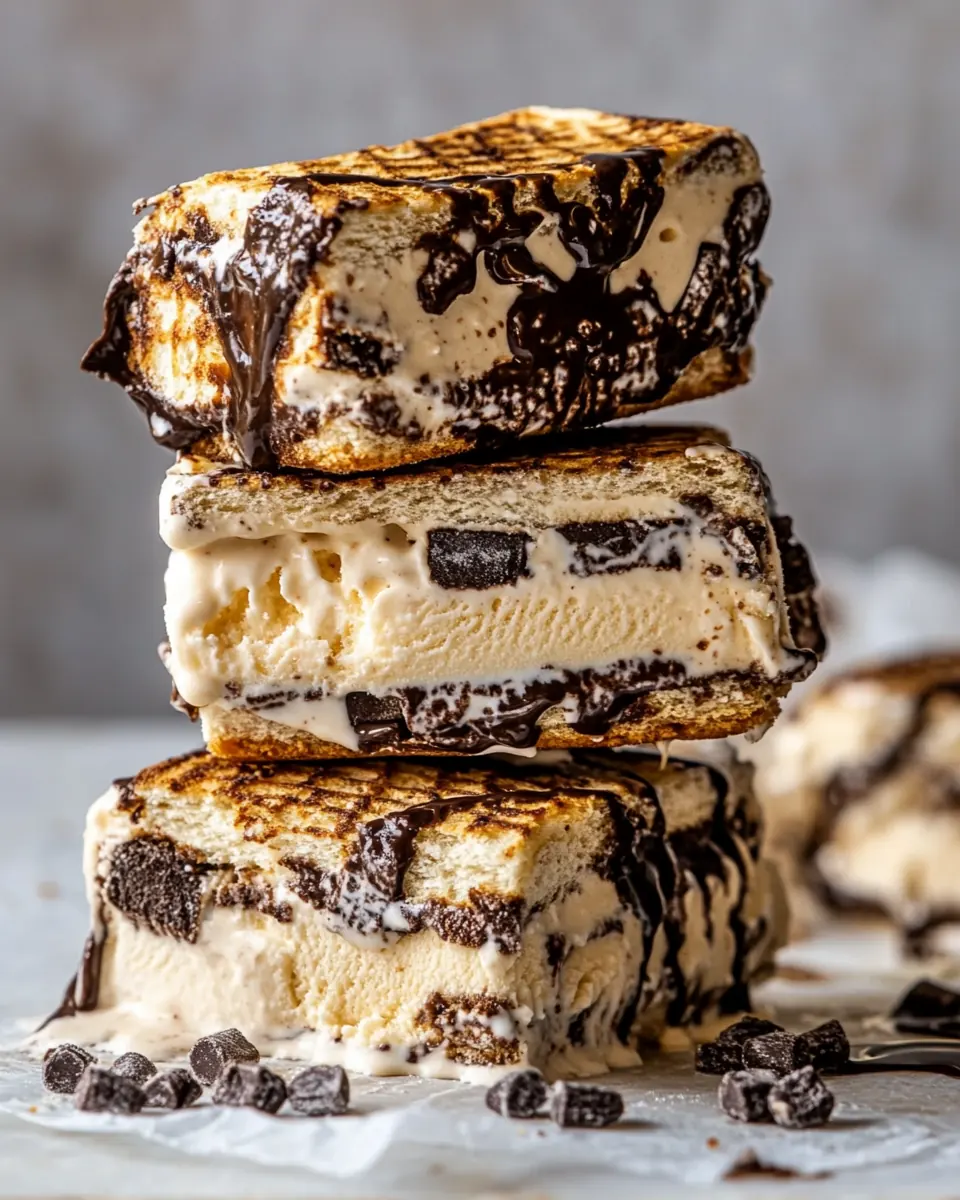
Toasted S'mores Ice Cream Sandwiches
Ingredients
Equipment
Method
- Line a 9×13 inch pan with parchment paper. Preheat the broiler. Arrange the marshmallows on a baking sheet. Broil 1-2 minutes, until toasted. Watch closely, the marshmallows will toast FAST. Don't walk away. Remove the pan from the broiler. Let cool.: You will notice a tactile shift as the pan becomes easier to lift and slide after lining, and the parchment protects the finished bars from sticking. The parchment also gives you neat edges when you lift the entire block from the pan, which matters for clean slicing. A common mistake is using too small a piece of parchment, which can bunch and tear; make sure there is enough overhang to grasp easily.
- In the bottom of the prepared pan, spread 3/4 of the ice cream in an even layer, then drizzle over the fudge sauce. Add the toasted marshmallows, then the remaining ice cream on top. Cover and freeze until firm, at least 4 hours.: The broiler should be hot and fierce so the marshmallows toast quickly and develop bronzed spots without collapsing into a single pool. You will hear a faint crackle and see the tops swell and blister in moments, which is the visual cue you want. If the broiler is underpreheated, the marshmallows will brown unevenly and may stick, so always allow a minute for the element to reach full heat.
- Arrange the marshmallows on a baking sheet: Lay the marshmallows in a single layer so each one gets exposure to the heat, which encourages even toasting and those molten pockets. If you crowd them, they will fuse into a single mass and will be harder to distribute later. Avoid using a thin sheet that warps under high heat, which can cause uneven browning.
- Broil 1 to 2 minutes until toasted: Under the broiler the marshmallows will swell, take on gold to deep amber hues, and emit a warm, caramel aroma that signals readiness. Keep the oven door slightly ajar if your broiler manual suggests it, and watch continuously, because those few seconds make the difference between perfectly bubbly toasts and burnt sugar. Turning your head away to do another task is the mistake most people make here.
- Watch closely the marshmallows will toast fast: You will observe rapid color changes, so stay present; the smell will deepen toffee notes as sugars caramelize. This step's care ensures the marshmallows have that smoky, slightly charred edge that complements the cool vanilla ice cream . A typical error is underestimating the speed of broiling, which leads to char that tastes bitter rather than pleasantly smoky.
- Don't walk away: During broiling the visual cues are everything, from bubbling to the sudden darkening at edges, so remain by the oven. The marshmallows are forgiving when monitored, but neglect leads to uneven bites and a disappointed crowd. If you do overtoast, you can trim the darkest bits, but the best approach is vigilance.
- Remove the pan from the broiler: Take the sheet out carefully, and you will feel the immediate change as steam rises and the surface settles into golden blisters. Let the sheet rest briefly on a heatproof surface so the tops set slightly, which helps when transferring them into the pan. A common slip is trying to move them while too hot, which can cause sticking and misshapen pieces.
- Let cool: Allow the toasted marshmallows to cool until they are still soft but not burning hot, which makes them easier to spread and handle. Cooling preserves those airy pockets while letting them firm enough to layer, and it reduces the risk of melting your ice cream prematurely. Rushing this stage can cause the ice cream to weep and ruin texture.
- In the bottom of the prepared pan spread 3/4 of the ice cream in an even layer: The sensation here should be smooth, with the vanilla ice cream gliding as you press it into an even bed; aim for uniform thickness so slices set consistently. Use an offset spatula or the back of a spoon warmed slightly to smooth without melting. If you press too hard you may compact the texture, leading to a dense bar rather than a creamy one.
- Then drizzle over the fudge sauce: Add the chocolate fudge sauce in thin ribbons to create chocolate pockets that remain gooey after freezing. The rich aroma of chocolate will contrast with the cool creaminess and toasted sugar and give each bite complexity. A common error is adding too much sauce in one spot, which creates overly soft pockets that make slicing messy.
- Add the toasted marshmallows: Scatter the cooled toasted marshmallows in an even layer so they nestle into the ice cream and chocolate ribbons, forming textural islands. The marshmallows will slightly adhere to the ice cream and chocolate, creating bonds that hold the bars together when frozen. Overcrowding the layer will make it lumpy, while too sparse placement loses the toasty character.
- Then the remaining ice cream on top: Spread the rest of the vanilla ice cream gently to enclose the marshmallow and chocolate layers, creating a smooth top for freezing. Aim for a neat finish so the final tray slices into tidy sandwiches; a warm metal spatula helps smooth without melting. Avoid gouging down to the crackers below, which can cause uneven portions.
- Cover and freeze until firm at least 4 hours: The freezing stage is where everything sets into a single block, firm enough to slice yet still tender to bite. Four hours is the minimum to ensure structural integrity, but overnight gives the best clean slices. The mistake I see most is underfreezing then trying to slice, which creates squashed, messy servings; patience pays off here.
Notes
- Start with very cold ice cream, scoop it into a bowl and let it sit just long enough to be spreadable; if it is too soft, the layers will meld and freeze into a denser block.
- Firmly press the first ice cream layer, but do not compact; you want even thickness for consistent slices without squeezing out air that would make it icy.
- Toast in short bursts, keeping the oven door open if needed to monitor color changes; this prevents burning and yields those caramelized pockets I love.
- Use an offset spatula warmed under hot water and dried for smoothing; it glides over the ice cream without melting it into a puddle.
- Wrap tightly before freezing, covering the pan with plastic wrap or foil to prevent ice crystals and freezer burn, which preserves texture and flavor.
- Slice with a hot knife, dipping it in hot water and wiping clean between cuts for neater bars and less sticking.