Tuna Noodle Casserole
Tuna Noodle Casserole has been my go to comfort food on chilly evenings when I want something both nostalgic and entirely satisfying. I remember standing in my kitchen as a teenager watching my mom stir a bubbling pan, the kitchen filling with the warm, savory scent of mushrooms and melted cheese. Ever since then, this dish has felt like a warm blanket on a plate, a recipe that folds practical weeknight ease into something that tastes like care.
Over the years I have tweaked the balance of creamy sauce to tender pasta, learning small tricks that keep the casserole from turning gummy and make the flavors pop. I love how the tender pasta holds the sauce, and how the flaked tuna adds a briny lift without taking over. When friends come by unexpectedly, I often pull this together because it feeds a crowd without fuss and always feels a little celebratory.
What draws me back, again and again, is the way simple pantry staples transform into a dish that feels special. The combination of sautéed mushrooms and sweet onion creates depth, while the creamy binder gives parade of textures from silky sauce to crisp topping. I like to let the casserole rest a few minutes before serving so the sauce sets and the flavors marry, it makes for better scoops and cleaner plates. When winter winds blow, this recipe is the one I reach for to warm both belly and spirit.
Recipe Snapshot
40 mins
15 mins
25 mins
Medium
450 kcal
American
Gluten-Free, Low FODMAP
Dinner
Large pot, Large pan, 9×13 inch baking dish
What Makes This Tuna Noodle Casserole Special
Reliable weeknight comfort
I turn to this Tuna Noodle Casserole when I need dinner that is both effortless and filling. It comes together quickly, uses pantry staples, and serves a crowd without requiring babysitting. I love that you can prep most of it while the pasta cooks, so the hands on time feels minimal yet productive.
Balanced textures and flavors
The recipe layers soft, slightly undercooked pasta with a creamy sauce, tender flakes of tuna, and a gratin top that browns and bubbles beautifully. The sautéed mushrooms and diced onion add savory depth, while frozen peas bring pops of color and sweetness. I find this contrast keeps every forkful interesting, so no mouthful is flat.
Customizable and forgiving
I appreciate how forgiving this casserole is. Swap the stock, use milk or cream, choose different binders, or skip the breadcrumbs if you do not have them. I often adjust seasoning to taste at the end, because salt levels vary between canned tuna and broth. The recipe welcomes small tweaks without drama.
Comfort that feels wholesome
There is something wholesome about a dish that combines simple proteins and pantry carbs into a creamy bake. For me Tuna Noodle Casserole reads as honest food that nourishes. It reheats well, which means leftovers are just as handy for a quick lunch the next day.
Great for sharing
I love making this when friends drop by or when the family is especially hungry. It fills plates quickly and stretches to feed several people. The bubbly, golden top always makes mouths light up, and I enjoy watching plates go empty.
What’s In This Tuna Noodle Casserole
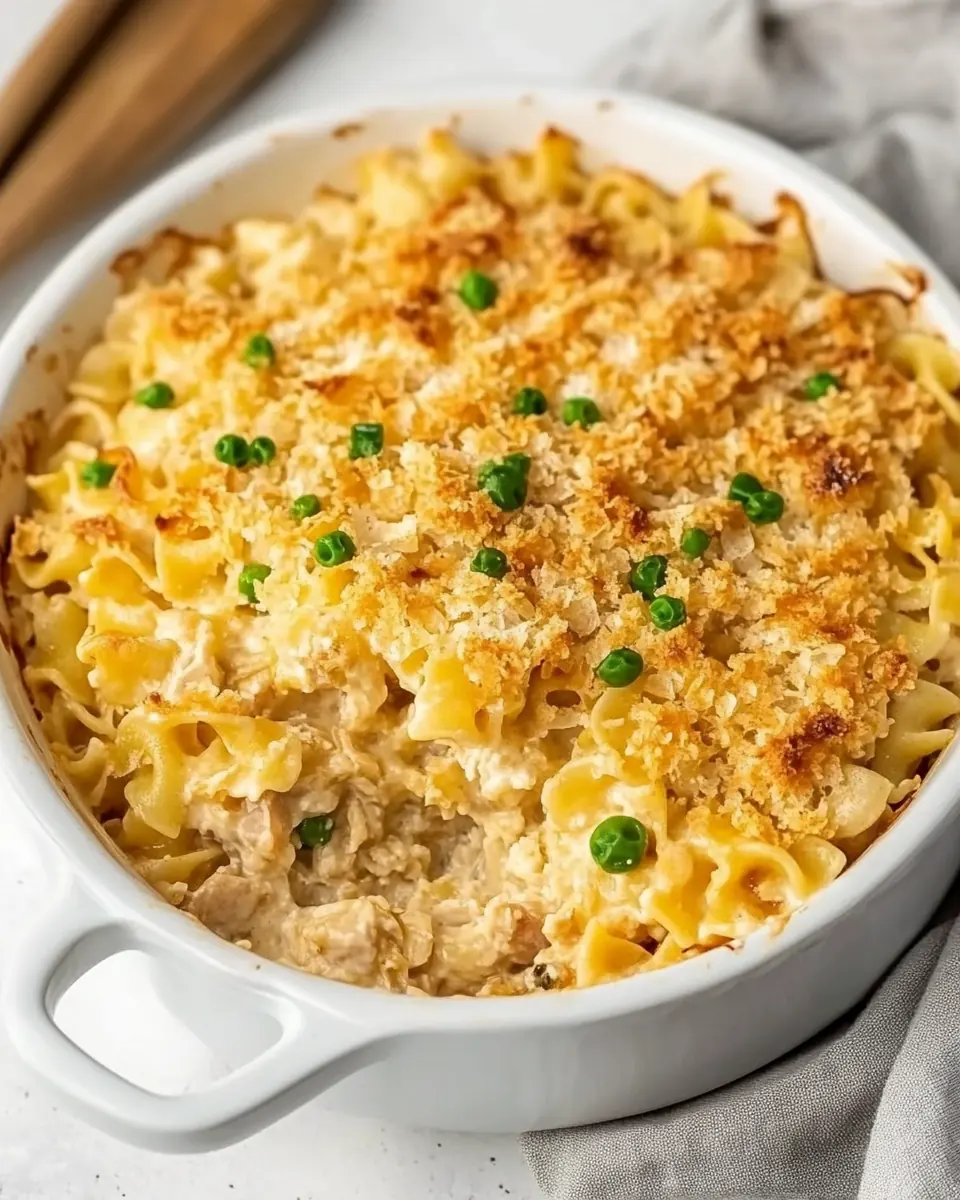
The ingredient list for Tuna Noodle Casserole is intentionally straightforward. Each item plays a clear role: the pasta provides structure, the sautéed vegetables supply depth, the dairy creates a silky sauce, and the tuna offers protein and savory lift. Together they form a balanced casserole that browns on top yet remains creamy inside.
- 8 ounces gluten-free pasta: Cook to al dente according to package directions to provide the pasta base and texture for the casserole, ensuring it holds up during baking and absorbs flavors without becoming mushy.
- 2 tablespoons butter: Melt for sautéing and flavor, creating a rich base to cook mushrooms and onions while adding moisture and a silky mouthfeel to the sauce.
- 8 ounces 220 grams cremini mushrooms, sliced: Sauté until browned to add an earthy, savory depth and meaty texture that complements the tuna and enriches the casserole’s overall flavor.
- 1 small yellow onion, diced: Sweat until translucent to provide sweetness and aromatic foundation, building savory layers that balance the creamy sauce and fish.
- 1 teaspoon garlic powder: Season evenly to contribute a warm, mellow garlic flavor throughout the dish; use sparingly to enhance other aromatics without overpowering them.
- 2 tablespoons cassava flour, tapioca flour, or cornstarch: Thicken when whisked into fat and liquid to create a smooth, stable sauce that binds the ingredients and prevents a watery casserole.
- 2 1/2 cups chicken or vegetable stock: Simmer with thickening agents and dairy to form the sauce base, offering savory broth flavor and additional moisture for the pasta and tuna.
- 1 cup cream or milk: Enrich the sauce by adding creaminess and body; adjust richness depending on whether cream or milk is chosen to control texture.
- 1 teaspoon Italian seasoning: Season the sauce with blended Mediterranean herbs to add brightness and aromatic complexity that complements seafood and cheese.
- 1 teaspoon salt: Enhance overall flavor by providing necessary salt to bring out savory notes, balancing the dairy and fish in the casserole.
- 1/2 teaspoon freshly ground black pepper: Season with warmth and a slight bite to round out flavors; freshly ground pepper adds subtle heat and contrast to creamy elements.
- 1/2 cup cream cheese: Incorporate for extra creaminess and tang, melting into the sauce to create a silky texture and help bind filling ingredients together.
- 3/4 cup frozen peas: Fold in for pops of sweet, tender green color and mild flavor, contributing contrast in texture and freshness to the creamy casserole.
- 35 ounce cans/420 grams tuna, drained: Drain well and flake into the mixture to supply the primary source of savory protein and classic tuna flavor throughout the dish.
- 1/4 cup gluten-free breadcrumbs () (optional): Sprinkle on top for optional crunchy texture and a toasty finish when baked, providing contrast to the creamy interior if used.
- 1/4 cup grated parmesan: Top or fold into the casserole to add umami and sharpness; grated parmesan helps with browning and deepens savory notes.
- 1 cup 113 grams grated cheddar cheese: Melt into the casserole for gooey, cheesy richness and a golden topping; cheddar contributes body, flavor, and a pleasing melt.
How to Prepare Tuna Noodle Casserole
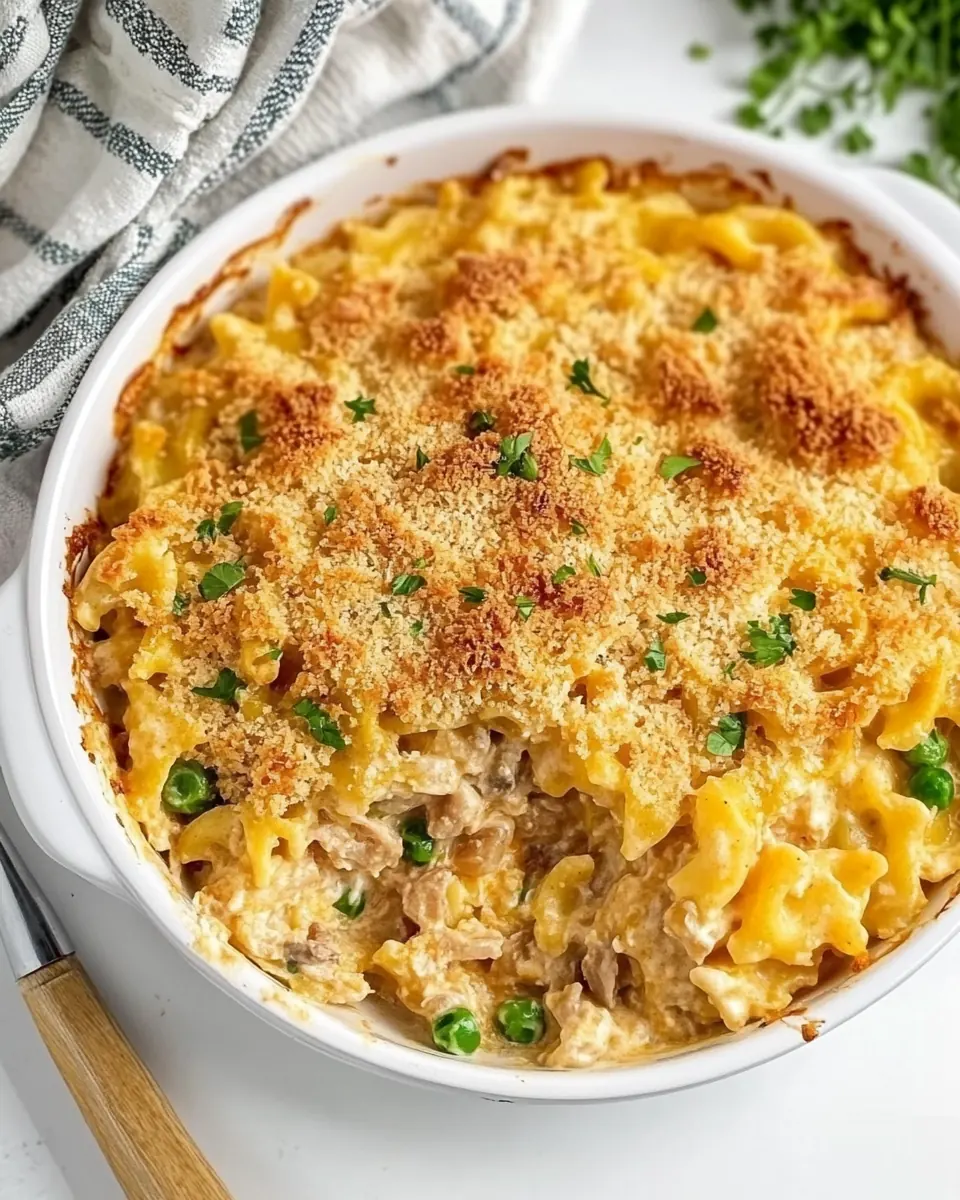
These directions will guide you through turning pantry staples into a creamy, bubbly casserole. I like to work in a rhythm, cooking the pasta while building the sauce so everything arrives at the baking dish at the same moment. Keep tasting and watching textures as you go, because small adjustments make a big difference.
- Preheat the oven to 425℉ (220℃).: When you step into the kitchen you should notice the oven hum coming up to temperature, a dry warmth that promises a crisp top. Preheating ensures the casserole will start browning immediately rather than steaming, which preserves that golden crust. If the oven is not hot enough the top will take longer to brown and the interior may dry slightly. A common mistake is skipping preheat, which leads to uneven baking and soggy topping. If your oven runs hot, reduce to 410 to 415 to prevent overbrowning.
- Cook the noodles, slightly undercooking them. I cooked for 7 minutes instead of 8 stated on the package.: You should feel a tender bite when you test the pasta , not mushy, because it will finish cooking in the oven while absorbing sauce. The pot will give off starchy steam and the water will look cloudy, which helps the sauce cling later. Overcooking here is the most common misstep, creating a gummy casserole; drain promptly and rinse only if you prefer to halt cooking immediately. Reserve a cup of cooking water if you want to adjust sauciness later.
- Add butter to a large pan and melt on medium heat. Add mushrooms and onions, sauté for 6-8 minutes, stirring occasionally, until the veggies soften. Add Italian seasoning and garlic powder, sauté for one more minute.: As the butter melts it should foam slightly and fill the pan with a nutty aroma. Add the sliced mushrooms and diced onion so they sizzle and brown, releasing savory juices that create a deeply flavored base. Stirring occasionally allows odd edges to caramelize without steaming the vegetables. The seasoning added at the end brightens the mixture; garlic powder melds smoothly and avoids raw sharpness. A common error is cranking the heat too high, which scorches the butter and leaves a bitter note, so keep the pan at medium and adjust as needed.
- Add cassava flour and stir until well combined.: The flour will coat the softened vegetables and absorb fat, forming a roux like layer that will thicken the sauce once liquid is added. You will feel the texture change as the pan becomes slightly pasty and the aroma shifts from raw starch to warm, cooked notes. Stir thoroughly to avoid lumps and ensure even thickening later. If you add liquid too quickly without mixing, you will get clumps, so take a moment to integrate it fully.
- Add the stock, milk and cream cheese and cook stirring, until the sauce thickens and becomes creamy.: Pouring in the warm or room temperature stock and milk should create a gentle hiss as the liquid meets the hot pan, and the mixture will begin to loosen then slowly thicken. As you fold in the softened cream cheese , the sauce will transform into a glossy, clingy coating that tastes rich and slightly tangy. Keep the heat moderate and stir so the sauce does not stick or separate. If the sauce seems too thin after thickening, simmer briefly to concentrate it; if too thick, whisk in a splash of stock or milk. A key mistake is boiling vigorously which can break the dairy, so maintain a gentle simmer.
- Turn off the heat. Taste and add more salt and pepper if needed. Add frozen peas, stir to combine. No need to cook the sauce with the peas, they will cook in the oven, this way it will be fresh and have a nice green color.: With the pan off the heat the sauce will settle and become silkier, making it easier to assess seasoning. Stir in the frozen peas , which will release a faint cold burst and a bright green streak through the sauce. They will finish cooking in the oven, preserving texture and color, so there is no need to pre cook them. The common mistake here is over salting before tasting, especially if your canned tuna or stock is already salty; always taste first and adjust sparingly.
- Add cooked pasta and drained tuna to the pan and mix everything together.: The warm sauce will cling to the slightly underdone pasta , coating each piece so you can see a glossy sheen. Flaked tuna folded in should distribute in visible ribbons, not disappear into the sauce. Mix gently to avoid breaking the pasta or over shredding the tuna . A common misstep is stirring too vigorously which can make the casserole mushy; fold with care so textures remain distinct.
- Transfer the mixture to the 9×13-inch baking dish, top with grated cheddar cheese, parmesan and optional gluten-free breadcrumbs.: Spoon the mixture into the baking dish so it sits level, leaving a little space at the edges for bubbling. Scatter the grated cheddar and parmesan evenly so they melt uniformly and the breadcrumbs form a delicate crust. The top should glisten and look well covered; pockets without cheese may dry out. If you add breadcrumbs, toss them with a tiny drizzle of melted butter to encourage golden browning. Avoid piling too much topping in one area, which can burn while other parts remain pale.
- Bake in the preheated oven until the cheese is bubbly, about 15 to 20 minutes.: As the casserole bakes you will hear the gentle bubbling and smell the melted cheese taking on a roasted, nutty scent. The edges should be bubbling and the top a warm golden brown when it is ready. Baking ensures the pasta finishes cooking and the flavors marry under gentle heat. A common error is leaving it in too long for a dry interior, so check at the 15 minute mark and pull when the top is attractively browned and bubbling. Let it rest for a few minutes before serving so the sauce firms slightly for cleaner portions.
Tips and Tricks about Tuna Noodle Casserole
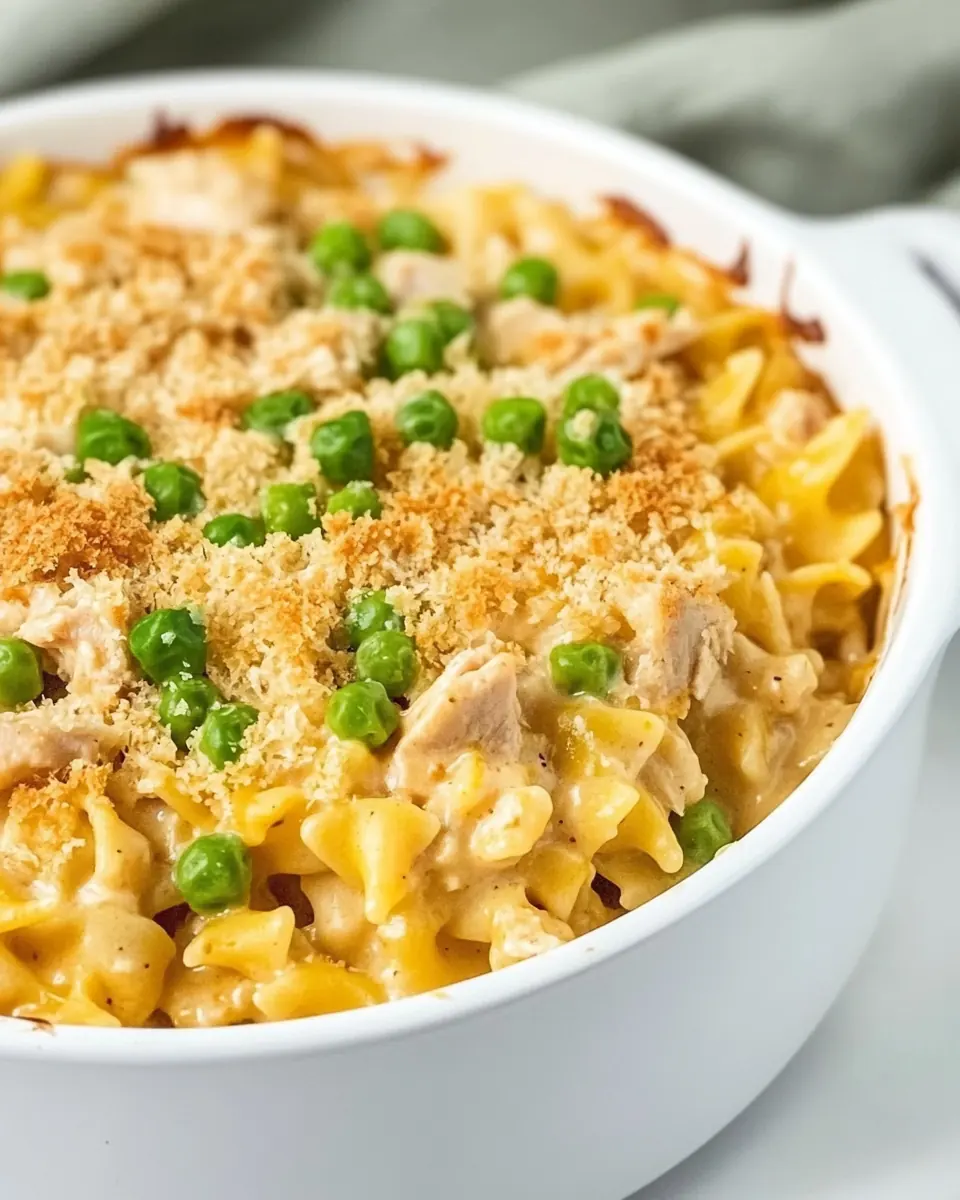
This casserole rewards small, intentional choices. Below are targeted tips to help you nail texture salt balance and topping crispness every time. Read them and pick one to try on your next bake.
- Choose undercooked pasta, cook the pasta one minute shy of the package time so it finishes in the oven without going mushy.
- Brown the mushrooms and onions well to build deep savory notes that make the sauce taste more complex than its simple ingredient list.
- Thicken gradually, whisk the starch into the vegetables before adding all liquid to prevent lumps and achieve a glossy sauce.
- Adjust seasoning at the end, always taste after the sauce comes together because canned tuna and broth can vary in saltiness.
- Butter the breadcrumbs if using them, toss with a little melted butter first so they brown beautifully and add crisp texture.
- Rest before serving, allow the casserole to sit for 5 to 10 minutes after baking so the sauce sets and serves cleaner portions.
Serve This Tuna Noodle Casserole With
This casserole is hearty enough for an easy dinner yet adaptable for lunch or a potluck. Below are thoughtful serving ideas to pair with the dish for different occasions and storage notes to keep leftovers at their best.
- Casual weeknight dinner, serve the casserole straight from the oven with a simple green salad or steamed vegetables for freshness and balance.
- Family style gathering, bring the baking dish to the table and let everyone scoop generous portions, offering extra grated cheddar or pepper on the side.
- Meal prep lunch, portion leftovers into individual containers for easy reheating, keeping any crunchy breadcrumb topping separate to add after warming.
- Seasonal pairing, in winter this casserole pairs well with roasted root vegetables and warm dinner rolls for a cozy plate.
- Storage tips, refrigerate leftovers in an airtight container for up to three days, reheat gently in the oven to revive the topping and avoid microwave sogginess.
- Occasions, it works for casual dinners family potlucks or a comforting meal when you need something straightforward that feeds many.
FAQ
Conclusion
This Tuna Noodle Casserole is special because it balances creamy sauce tender pasta and flaky tuna into a single comforting bake that feels both nostalgic and practical. Give it a try the next time you need a crowd pleasing dinner that is effortless to assemble yet full of satisfying texture and flavor. I hope it becomes one of your reliable weeknight favorites, a dish you return to when you want simple ingredients to feel like a warm, shared meal.
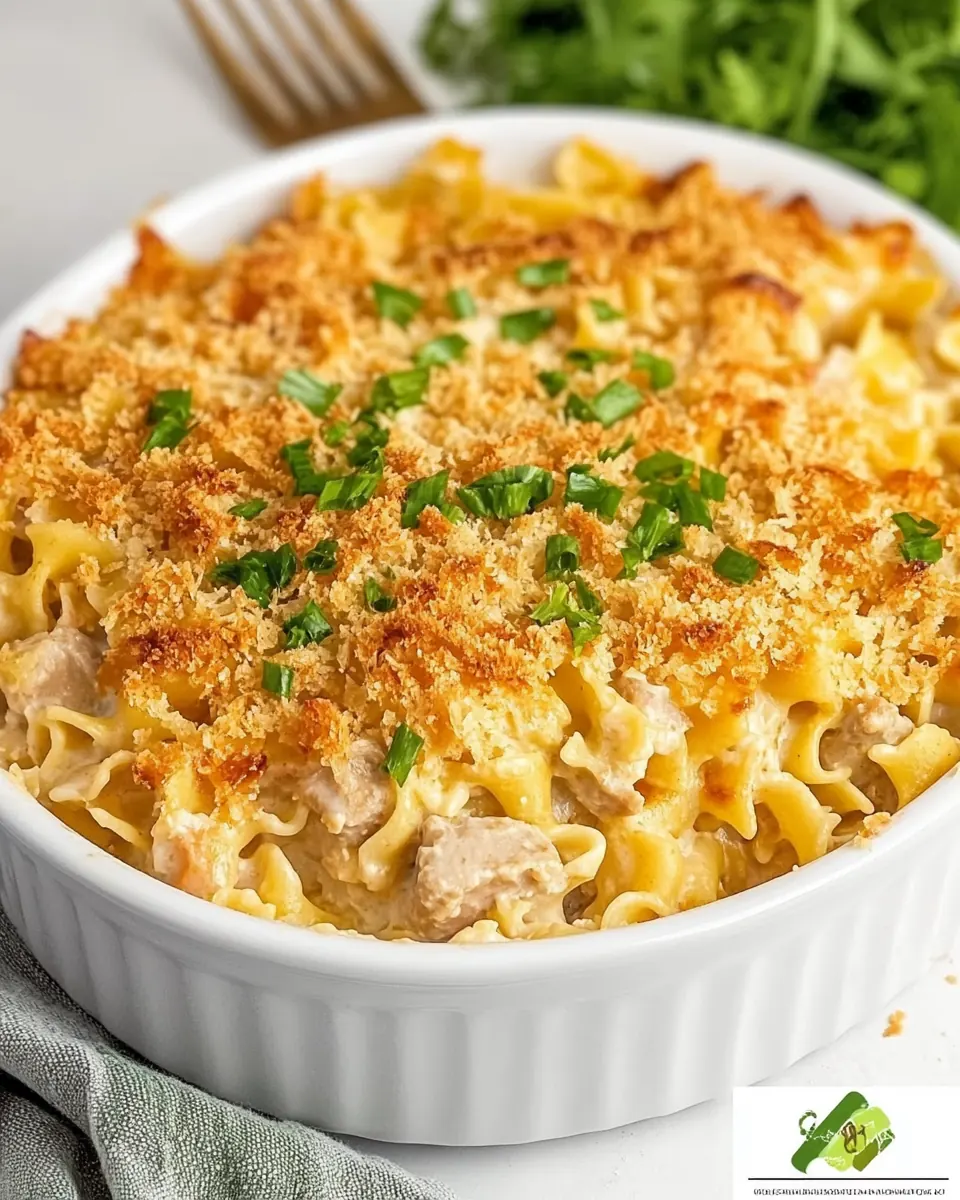
Tuna Noodle Casserole
Ingredients
Equipment
Method
- Preheat the oven to 425℉ (220℃).: When you step into the kitchen you should notice the oven hum coming up to temperature, a dry warmth that promises a crisp top. Preheating ensures the casserole will start browning immediately rather than steaming, which preserves that golden crust. If the oven is not hot enough the top will take longer to brown and the interior may dry slightly. A common mistake is skipping preheat, which leads to uneven baking and soggy topping. If your oven runs hot, reduce to 410 to 415 to prevent overbrowning.
- Cook the noodles, slightly undercooking them. I cooked for 7 minutes instead of 8 stated on the package.: You should feel a tender bite when you test the pasta , not mushy, because it will finish cooking in the oven while absorbing sauce. The pot will give off starchy steam and the water will look cloudy, which helps the sauce cling later. Overcooking here is the most common misstep, creating a gummy casserole; drain promptly and rinse only if you prefer to halt cooking immediately. Reserve a cup of cooking water if you want to adjust sauciness later.
- Add butter to a large pan and melt on medium heat. Add mushrooms and onions, sauté for 6-8 minutes, stirring occasionally, until the veggies soften. Add Italian seasoning and garlic powder, sauté for one more minute.: As the butter melts it should foam slightly and fill the pan with a nutty aroma. Add the sliced mushrooms and diced onion so they sizzle and brown, releasing savory juices that create a deeply flavored base. Stirring occasionally allows odd edges to caramelize without steaming the vegetables. The seasoning added at the end brightens the mixture; garlic powder melds smoothly and avoids raw sharpness. A common error is cranking the heat too high, which scorches the butter and leaves a bitter note, so keep the pan at medium and adjust as needed.
- Add cassava flour and stir until well combined.: The flour will coat the softened vegetables and absorb fat, forming a roux like layer that will thicken the sauce once liquid is added. You will feel the texture change as the pan becomes slightly pasty and the aroma shifts from raw starch to warm, cooked notes. Stir thoroughly to avoid lumps and ensure even thickening later. If you add liquid too quickly without mixing, you will get clumps, so take a moment to integrate it fully.
- Add the stock, milk and cream cheese and cook stirring, until the sauce thickens and becomes creamy.: Pouring in the warm or room temperature stock and milk should create a gentle hiss as the liquid meets the hot pan, and the mixture will begin to loosen then slowly thicken. As you fold in the softened cream cheese , the sauce will transform into a glossy, clingy coating that tastes rich and slightly tangy. Keep the heat moderate and stir so the sauce does not stick or separate. If the sauce seems too thin after thickening, simmer briefly to concentrate it; if too thick, whisk in a splash of stock or milk. A key mistake is boiling vigorously which can break the dairy, so maintain a gentle simmer.
- Turn off the heat. Taste and add more salt and pepper if needed. Add frozen peas, stir to combine. No need to cook the sauce with the peas, they will cook in the oven, this way it will be fresh and have a nice green color.: With the pan off the heat the sauce will settle and become silkier, making it easier to assess seasoning. Stir in the frozen peas , which will release a faint cold burst and a bright green streak through the sauce. They will finish cooking in the oven, preserving texture and color, so there is no need to pre cook them. The common mistake here is over salting before tasting, especially if your canned tuna or stock is already salty; always taste first and adjust sparingly.
- Add cooked pasta and drained tuna to the pan and mix everything together.: The warm sauce will cling to the slightly underdone pasta , coating each piece so you can see a glossy sheen. Flaked tuna folded in should distribute in visible ribbons, not disappear into the sauce. Mix gently to avoid breaking the pasta or over shredding the tuna . A common misstep is stirring too vigorously which can make the casserole mushy; fold with care so textures remain distinct.
- Transfer the mixture to the 9×13-inch baking dish, top with grated cheddar cheese, parmesan and optional gluten-free breadcrumbs.: Spoon the mixture into the baking dish so it sits level, leaving a little space at the edges for bubbling. Scatter the grated cheddar and parmesan evenly so they melt uniformly and the breadcrumbs form a delicate crust. The top should glisten and look well covered; pockets without cheese may dry out. If you add breadcrumbs, toss them with a tiny drizzle of melted butter to encourage golden browning. Avoid piling too much topping in one area, which can burn while other parts remain pale.
- Bake in the preheated oven until the cheese is bubbly, about 15 to 20 minutes.: As the casserole bakes you will hear the gentle bubbling and smell the melted cheese taking on a roasted, nutty scent. The edges should be bubbling and the top a warm golden brown when it is ready. Baking ensures the pasta finishes cooking and the flavors marry under gentle heat. A common error is leaving it in too long for a dry interior, so check at the 15 minute mark and pull when the top is attractively browned and bubbling. Let it rest for a few minutes before serving so the sauce firms slightly for cleaner portions.
Notes
- Choose undercooked pasta, cook the pasta one minute shy of the package time so it finishes in the oven without going mushy.
- Brown the mushrooms and onions well to build deep savory notes that make the sauce taste more complex than its simple ingredient list.
- Thicken gradually, whisk the starch into the vegetables before adding all liquid to prevent lumps and achieve a glossy sauce.
- Adjust seasoning at the end, always taste after the sauce comes together because canned tuna and broth can vary in saltiness.
- Butter the breadcrumbs if using them, toss with a little melted butter first so they brown beautifully and add crisp texture.
- Rest before serving, allow the casserole to sit for 5 to 10 minutes after baking so the sauce sets and serves cleaner portions.