Dark Chocolate Cranberry Bundt Cake
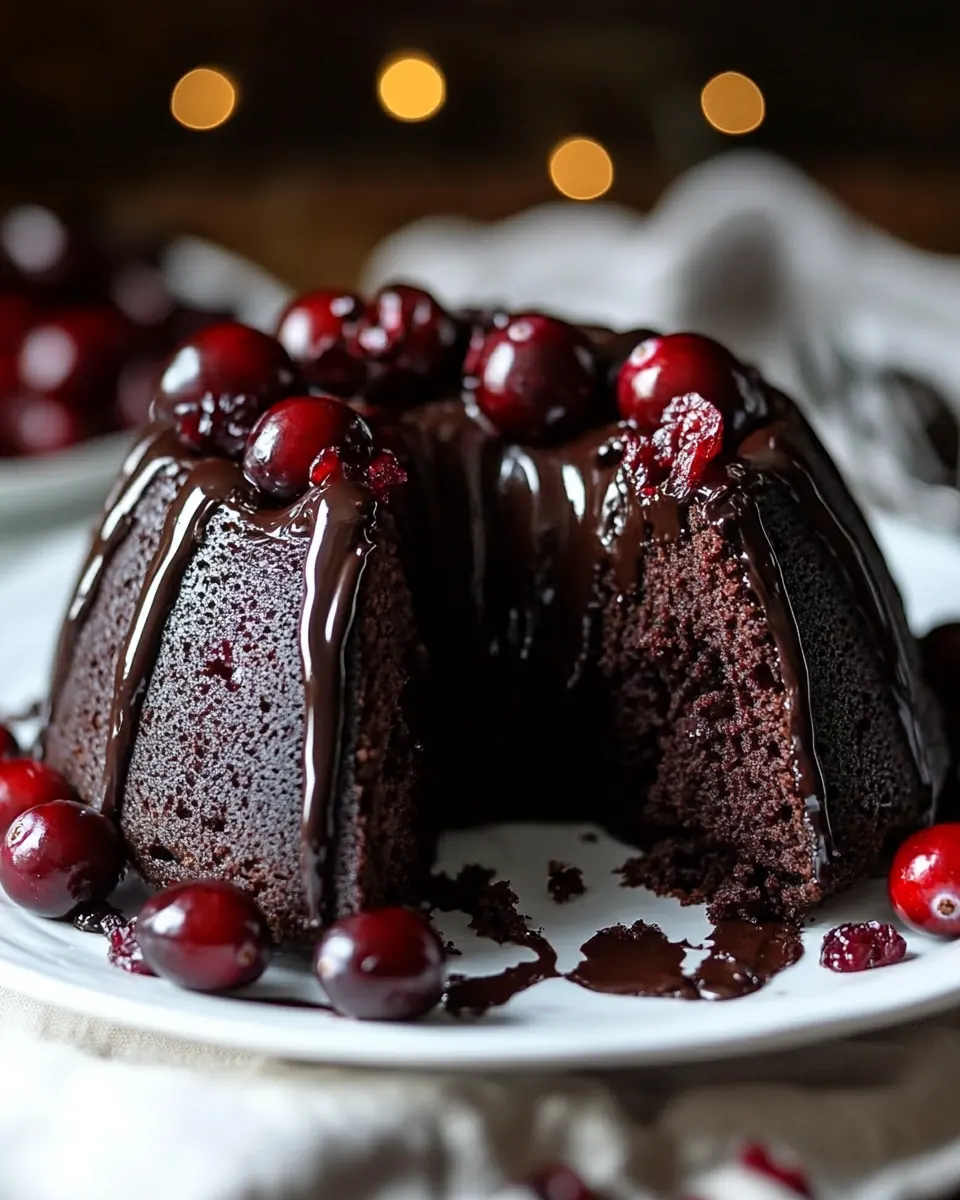
Dark Chocolate Cranberry Bundt Cake is the kind of dessert I reach for when I want something that feels both festive and comforting at once. The first time I baked it I was racing the last golden hour of daylight, arms dusted with flour and a mug of tea cooling on the counter. The kitchen smelled like cocoa and citrus, and the busy hum of the oven felt like an old friend. That initial slice, warm and slightly crumbly, made me believe in the kind of cake that quietly steals a gathering.
I remember serving this cake at a small holiday brunch, and how the tartness of the cranberries cut through the rich, deep chocolate in a way that made everyone pause. One guest asked for the recipe right away, another went back for seconds without a word. Baking it taught me to pay attention to small details, like folding the fruit gently so the crumb stays tender, and not overmixing the batter so the cake remains light. I keep a jar of candied orange peel on hand now because a little citrus zest somehow lifts the whole flavor profile.
Recipe Snapshot
1 hr 25 mins
20 mins
65 mins
Medium
350 kcal
American
Gluten-Free, Low FODMAP
Desserts
Bundt pan, Electric mixer, Mixing bowls, Wire rack, Saucepan, Heatproof bowl
Why Try This Dark Chocolate Cranberry Bundt Cake
Balance of Flavors
I love how Dark Chocolate Cranberry Bundt Cake balances deep, bittersweet dark chocolate with bright, tart cranberry. The contrast keeps each bite interesting, and I always say a dessert that surprises your palate is a keeper. The interplay of bitter and tart prevents the cake from feeling too heavy, and it pairs beautifully with a light cup of tea or coffee.
Textural Contrast
There is a lovely texture here, with a tender crumb from the creamed butter and eggs, punctuated by pockets of slightly softened cranberries and melty chocolate. I intentionally fold the fruit and chocolate in gently to avoid breaking the crumb, and the result is a cake that feels both elegant and homey.
Versatile Occasion Cake
I’ve brought this to Thanksgiving, small dinner parties, and casual coffee mornings. Dark Chocolate Cranberry Bundt Cake dresses up or down easily, which is why I reach for it so often. It travels well, slices cleanly, and holds its own on a dessert table among pies and cookies.
User Friendly Technique
From my point of view, this recipe is forgiving. The method relies on classic creaming and gentle folding, techniques I trust and teach to new bakers. If you watch the batter texture and follow the oven cues, you will get consistent results. Small adjustments, like using room temperature eggs, make a big difference.
Layered Finishes
The finishing touches, a simple chocolate ganache and bright cranberry sauce, elevate the cake without overwhelming it. I enjoy the ritual of making both, because they add shine and freshness to each slice. The sauce also gives you flexibility for plating, letting you control sweetness and tartness for guests.
What’s In This Dark Chocolate Cranberry Bundt Cake
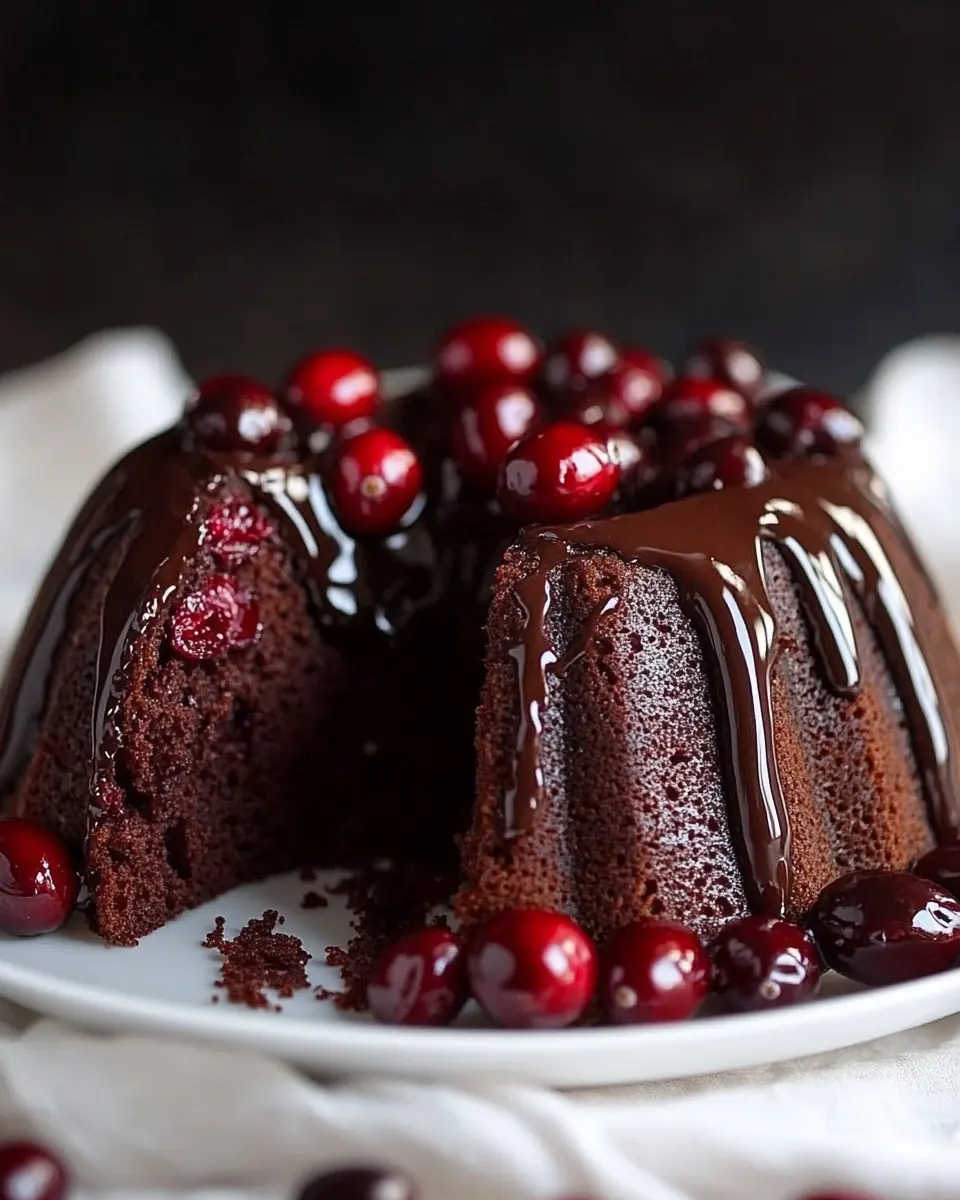
These ingredients were chosen to create a rich, tender cake with bright fruit and glossy finishing sauces. The key players are the dry cocoa and flour for structure, the butter and eggs for richness and lift, and the cranberries and dark chocolate for contrasting flavor. Each element has a role, and together they give a complex but approachable dessert that shines at gatherings.
- 2 1/4 cup all-purpose flour: Sifted to ensure a light crumb and even texture, provides structure and bulk to the cake batter while helping it hold moisture and rise evenly during baking.
- 3/4 cup cocoa powder: Added to impart deep chocolate flavor and rich color, contributes cocoa solids that balance sweetness and enhance the dessert's bittersweet profile.
- 1 teaspoon baking powder: Measured for leavening power to create lift and tenderness, reacts with other ingredients to help the cake rise and achieve a soft, airy crumb.
- 1 teaspoon salt: Balanced to control flavor and strengthen gluten structure slightly, enhances overall taste and accentuates the chocolate while regulating fermentation and leavening.
- 2 sticks 1 cup butter, room temperature: Beaten to room temperature for smooth creaming, supplies fat for tenderness, moisture, and richness while helping to trap air for a lighter cake.
- 1 3/4 cups sugar: Creamed with butter to incorporate air and sweetness, sweetens the batter and contributes to the cake's tender crumb and caramelized surface during baking.
- 4 large eggs room temperature: Brought to room temperature and added for structure and moisture, binds ingredients together, contributes richness, and helps create an emulsion for even texture.
- 2 teaspoons vanilla: Stirred in for flavor enhancement and aroma, adds sweet, warm notes that round out the chocolate and cranberry flavors throughout the cake.
- 1 cup milk: Warmed or at room temperature to help batter consistency, adds moisture and lightness while slightly diluting the batter for proper mixing and bake performance.
- 1 heaping cup fresh or frozen cranberries coarsely chopped: Chopped and folded into the batter to add bursts of tartness and texture, fresh or frozen cranberries provide bright contrast and seasonal flavor throughout the cake.
- 2 ounces dark chocolate chopped (or use chocolate chips): Melted or stirred in to intensify chocolate flavor and create pockets of rich chocolate, small pieces add gooey texture and deepen the overall cocoa profile.
- 1/2 cup heavy cream: Heated to make a silky glaze or ganache component, contributes creaminess and body when combined with chocolate for a glossy, luscious finish.
- 3 ounces dark chocolate coarsely chopped: Coarsely chopped to provide additional intense chocolate pieces, adds rustic texture and concentrated dark chocolate flavor in larger bites throughout the cake.
- 2 tablespoons unsalted butter: Melted into the ganache or glaze to add sheen and silkiness, unsalted butter enriches flavor and improves mouthfeel without adding extra salt.
- 18 oz bag of fresh cranberries: Cooked down separately to create a cranberry compote or garnish, a large bag supplies ample tart berries for sauce, topping, or to fold into batter in portions.
- juice of half an orange plus zest: Zested and juiced to add bright citrus acidity and aromatic oils, complements the cranberries and chocolate by lifting flavors and adding complexity.
- 2 tablespoons water: Simmered to adjust compote consistency, helps dissolve sugars and integrate flavors when cooking cranberries or making a syrup for topping.
- 1/4 cup sugar: Measured to sweeten cooked cranberries or glaze, refines tartness and helps create a balanced syrup or compote with desirable consistency.
- 1 cinnamon stick: Simmered with cranberries to infuse warm, spicy aromatics, adds depth and subtle spiced notes that complement citrus, chocolate, and berry flavors.
Step by Step Instructions for Dark Chocolate Cranberry Bundt Cake
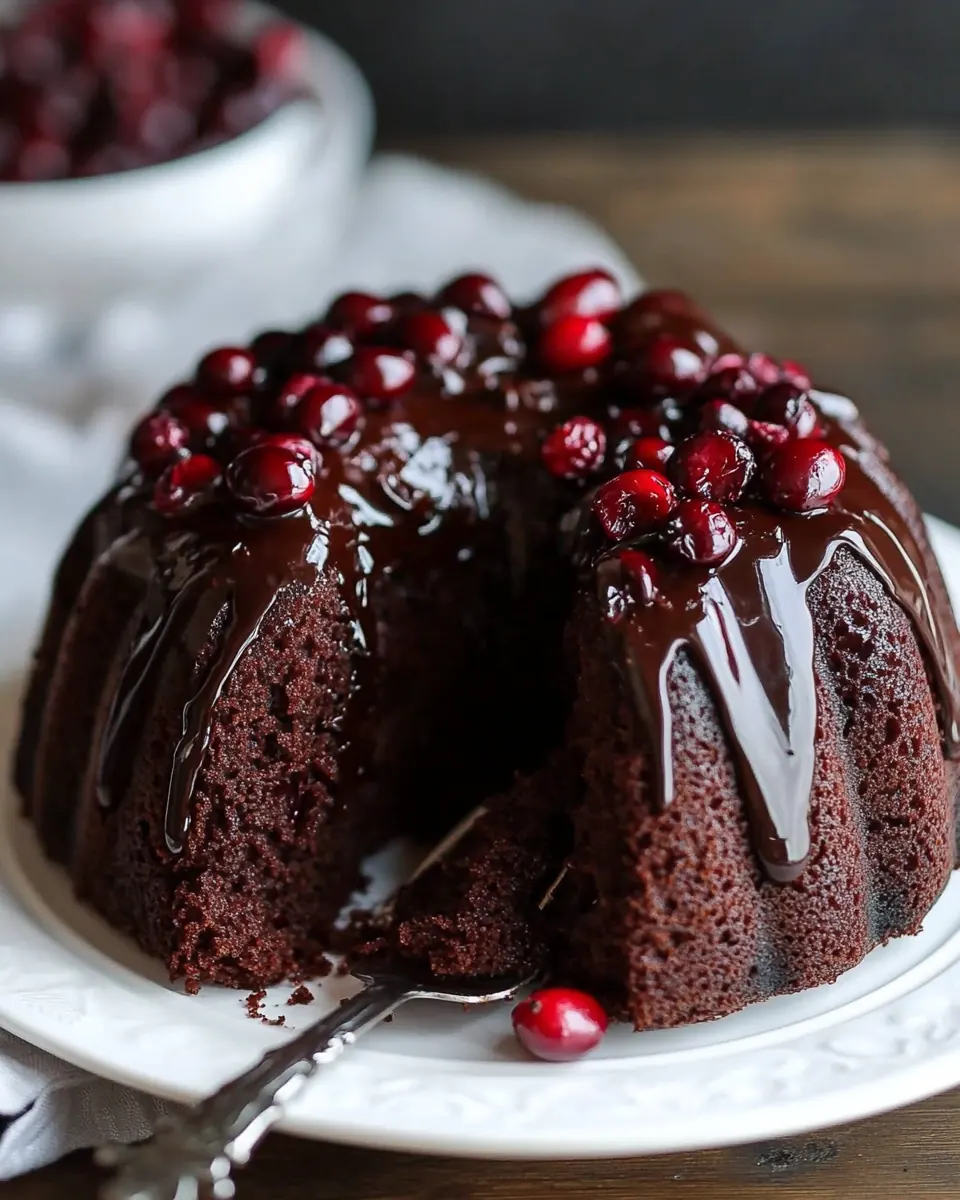
These instructions walk you through batter preparation, baking, and finishing with ganache and a bright cranberry sauce. I find that focusing on sensory cues and gentle handling yields the best results, so I describe what to watch for at each turn to ensure success.
- Preheat the oven to 350 degrees Fahrenheit. Thoroughly grease a 12 cup bundt pan.: You will feel the warmth building in the kitchen as the oven approaches 350 degrees Fahrenheit , and a faint metallic hum signals it has reached temperature. Greasing the bundt pan thoroughly prevents sticking and ensures the cake releases cleanly, creating a smooth exterior. I use a pastry brush or paper towel to get into the pan curves so no batter clings, and I like to dust a touch of flour after greasing for extra insurance. A common mistake is skimping on grease, which leads to tearing when unmolding; if parts of the pan remain ungreased you will see batter residue and an uneven surface. Also, letting the oven fully preheat is crucial because baking in a cooler oven can give a gummy interior and uneven rise.
- Whisk together the flour, cocoa, baking powder, and salt.: As you whisk, you should notice the dry mixture take on a uniform color, with the deep brown of the cocoa blending into the pale flour. This step prevents lumps and distributes the leavening, which is why a thorough whisk matters. The powdery aroma of the cocoa will become more pronounced, and you can sift if you see clumps. One pitfall is adding the dry ingredients directly to wet without mixing them first, which can create pockets of baking powder or concentrated cocoa that discolor the crumb or cause uneven rise. Properly combined dry ingredients lead to a consistent texture throughout the cake.
- In a separate bowl, cream together the sugar and butter with an electric mixer until a thick paste forms. Beat in each egg, one at a time. When the mixture looks smooth, beat in the vanilla.: At the outset the butter and sugar will look grainy, then transform into a pale, fluffy cream as air is incorporated; this is the sound of a tender crumb forming. Adding the eggs one at a time allows the batter to emulsify and prevents separation, producing a glossy texture. After each addition, scrape the bowl so everything mixes evenly; when it looks smooth and slightly shiny, add the vanilla and enjoy the warm, fragrant note it brings. A common error is adding eggs too quickly which can break the emulsion and leave a curdled looking batter; if that happens, slow down and beat until smooth before continuing.
- With the mixer speed on low, add 1/3 of the flour mixture, mixing until combined. Add half of the milk and mix until combined. Repeat until all of the flour and milk has been added.: You will see the batter thicken with each addition, moving from glossy to a more substantial ribbon that holds shape for a beat before settling back. Using low speed prevents overworking the gluten in the flour , which keeps the cake tender rather than tough. Alternating dry and wet ingredients helps them incorporate evenly, and the batter should be smooth with no streaks. One mistake is mixing vigorously after all ingredients are added, which develops gluten and yields a denser cake. Stop mixing as soon as the batter is homogeneous for the lightest texture.
- Gently fold in the cranberries and dark chocolate pieces. Transfer mixture to prepared bundt pan. Bake for 65 to 70 minutes, or until a thin knife inserted into the center comes out clean.: Folding should be a gentle, deliberate motion so you can preserve the air you created, and you will see flecks of red cranberry and pockets of dark chocolate distributed throughout the batter. The batter should flow but still hold some body as you pour it into the greased pan; tap the pan lightly on the counter to settle the batter and release any trapped air bubbles. As the cake bakes you will smell deep chocolate and a faint fruit aroma; the surface should become matte and set, and a thin knife inserted in the center should come out with minimal crumbs. One common mistake is opening the oven frequently, which can cause the center to sink, so avoid peeking for the first 45 minutes unless you are checking through the oven light.
- Cool in pan for 10 minutes. Carefully turn out of pan onto wire rack and cool completely. Serve with Chocolate Ganache and Cranberry Sauce.: After pulling from the oven the cake will release a warm, chocolate aroma and the edges will pull slightly from the pan. Cooling for about 10 minutes lets the cake stabilize so it unmolds cleanly; if you try to invert too soon it may crack. Once turned out, the surface will feel set and slightly springy to the touch; let it reach room temperature on a wire rack to finish setting the crumb. Serving warm is lovely, but fully cooled slices hold the ganache and sauce better. A frequent error is leaving the cake in the pan to cool completely, which can trap steam and make the exterior soggy.
- Set a heatproof bowl over a small saucepan of simmering water.: This double boiler setup creates gentle, even heat for melting, and you will see a little steam rise as the water simmers. It prevents the chocolate from scorching, which can happen quickly with direct heat; a smooth, glossy ganache depends on low, indirect warmth. Keep the water at a low simmer rather than a rolling boil to avoid overheating the bowl, and make sure the bowl does not touch the water. A mistake is letting water splash into the bowl, which can seize the chocolate and ruin the texture.
- Melt the 2 tablespoons of butter, 1/2 cup heavy cream, and 3 ounces dark chocolate in the bowl, stirring often until mixture is smooth. Remove from heat.: As the ingredients melt together you will notice the ganache turn silky and shiny, with a rich chocolate aroma that fills the kitchen. Stirring frequently ensures even melting and a uniform emulsion; once combined, remove from heat so it does not become too thin. The butter contributes sheen and mouthfeel, while the heavy cream softens the chocolate for a glossy pourable glaze. Overheating can make ganache thin and oily, so take it off the heat as soon as it is smooth.
- Add all the ingredients to a medium saucepan. Cook over medium heat until cranberries pop and mixture is thick.: For the sauce you will hear the cranberries begin to pop, a bright popping rhythm that signals they are breaking down; the mixture will bubble and thicken into a jewel toned compote. Stir often to prevent sticking, and scrape the pan sides so nothing burns. The scent of citrus and warm spice will develop as the sauce concentrates. A common mistake is cooking too long at high heat, which can burn the fruit and turn the sauce bitter, so reduce heat if it begins to darken excessively.
Ways to Adapt This Recipe
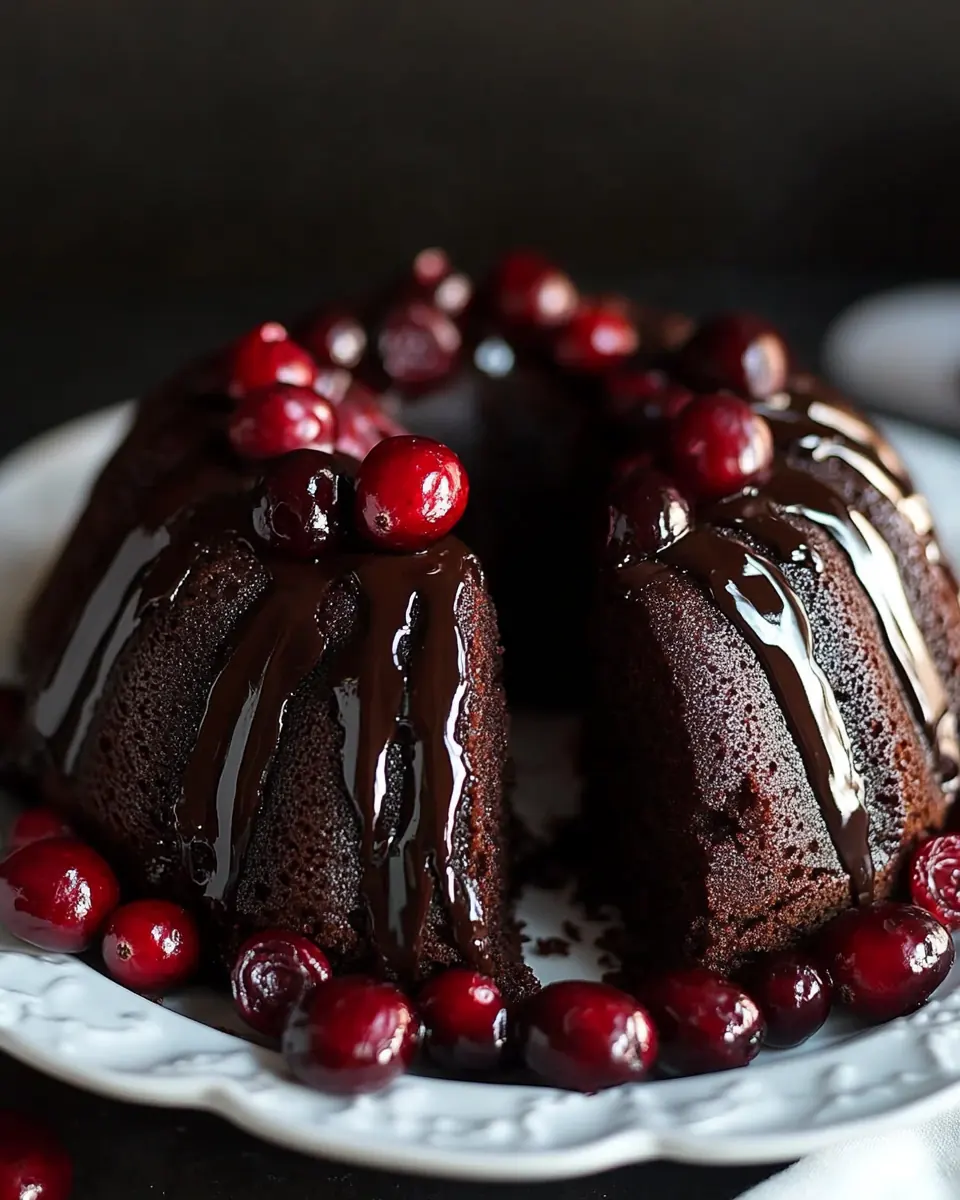
This cake adapts well to small swaps while keeping its character intact. Below are practical ways I have tweaked it over the years to suit taste preferences, dietary needs, and what I have in the pantry.
- Reduce sugar: Cut the sugar in the batter by up to 1/4 cup if you prefer a less sweet cake, especially since the ganache and cranberry sauce add extra sweetness.
- Use frozen cranberries: Frozen chopped cranberries work well and are convenient, just fold them in from frozen to avoid color bleeding too quickly into the batter.
- Chocolate swap: Try a different percentage of dark chocolate for the ganache to adjust bitterness; higher cacao yields a more intense finish while a lower percentage will be creamier.
- Make mini bundts: Divide the batter among mini bundt pans for individual servings, reducing bake time and creating charming single portions for parties.
- Advance prep: Bake the cake a day ahead and store wrapped at room temperature; make the ganache and sauce the same day you serve for maximum freshness.
Serving Ideas for Dark Chocolate Cranberry Bundt Cake
This cake can be dressed for many occasions, from a cozy family brunch to an elegant holiday dessert. Below are detailed ways I like to serve it, including pairings, occasions, and storage suggestions.
- Holiday dessert: Serve slices with a generous spoonful of warm cranberry sauce and a drizzle of glossy chocolate ganache at Thanksgiving or winter gatherings, the tart fruit pairs beautifully with rich cake.
- Casual brunch: Offer the cake alongside coffee and a simple fruit salad, letting guests add sauce as they like to control sweetness and tartness.
- Special occasion plating: For a dinner party, plate a neat slice with a quenelle of whipped cream and a few spoonfuls of warm sauce, finishing with a sprinkle of orange zest for aroma.
- Storage tips: Keep leftover cake covered at room temperature up to two days, or refrigerate up to five days; store ganache separately and rewarm gently before serving.
- Seasonal pairing: In fall and winter, pair with warm spiced tea or coffee; the warming spices in the sauce complement the deep chocolate notes and enrich the tasting experience.
- Travel friendly: The bundt shape holds up well for transport to potlucks; bring the sauce in a sealed container and reheat gently to spoon over slices on arrival.
FAQ
Conclusion
This cake stands out for its elegant pairing of rich dark chocolate and bright cranberries, creating a dessert that feels both celebratory and familiar. Give it a try if you want a show stopping treat that is approachable to bake and rewarding to share. I hope your kitchen fills with the warm aromas that made me fall for this recipe, and that each slice brings a little ceremony to your table.
Dark Chocolate Cranberry Bundt Cake
Ingredients
Equipment
Method
- Preheat the oven to 350 degrees Fahrenheit. Thoroughly grease a 12 cup bundt pan.: You will feel the warmth building in the kitchen as the oven approaches 350 degrees Fahrenheit , and a faint metallic hum signals it has reached temperature. Greasing the bundt pan thoroughly prevents sticking and ensures the cake releases cleanly, creating a smooth exterior. I use a pastry brush or paper towel to get into the pan curves so no batter clings, and I like to dust a touch of flour after greasing for extra insurance. A common mistake is skimping on grease, which leads to tearing when unmolding; if parts of the pan remain ungreased you will see batter residue and an uneven surface. Also, letting the oven fully preheat is crucial because baking in a cooler oven can give a gummy interior and uneven rise.
- Whisk together the flour, cocoa, baking powder, and salt.: As you whisk, you should notice the dry mixture take on a uniform color, with the deep brown of the cocoa blending into the pale flour. This step prevents lumps and distributes the leavening, which is why a thorough whisk matters. The powdery aroma of the cocoa will become more pronounced, and you can sift if you see clumps. One pitfall is adding the dry ingredients directly to wet without mixing them first, which can create pockets of baking powder or concentrated cocoa that discolor the crumb or cause uneven rise. Properly combined dry ingredients lead to a consistent texture throughout the cake.
- In a separate bowl, cream together the sugar and butter with an electric mixer until a thick paste forms. Beat in each egg, one at a time. When the mixture looks smooth, beat in the vanilla.: At the outset the butter and sugar will look grainy, then transform into a pale, fluffy cream as air is incorporated; this is the sound of a tender crumb forming. Adding the eggs one at a time allows the batter to emulsify and prevents separation, producing a glossy texture. After each addition, scrape the bowl so everything mixes evenly; when it looks smooth and slightly shiny, add the vanilla and enjoy the warm, fragrant note it brings. A common error is adding eggs too quickly which can break the emulsion and leave a curdled looking batter; if that happens, slow down and beat until smooth before continuing.
- With the mixer speed on low, add 1/3 of the flour mixture, mixing until combined. Add half of the milk and mix until combined. Repeat until all of the flour and milk has been added.: You will see the batter thicken with each addition, moving from glossy to a more substantial ribbon that holds shape for a beat before settling back. Using low speed prevents overworking the gluten in the flour , which keeps the cake tender rather than tough. Alternating dry and wet ingredients helps them incorporate evenly, and the batter should be smooth with no streaks. One mistake is mixing vigorously after all ingredients are added, which develops gluten and yields a denser cake. Stop mixing as soon as the batter is homogeneous for the lightest texture.
- Gently fold in the cranberries and dark chocolate pieces. Transfer mixture to prepared bundt pan. Bake for 65 to 70 minutes, or until a thin knife inserted into the center comes out clean.: Folding should be a gentle, deliberate motion so you can preserve the air you created, and you will see flecks of red cranberry and pockets of dark chocolate distributed throughout the batter. The batter should flow but still hold some body as you pour it into the greased pan; tap the pan lightly on the counter to settle the batter and release any trapped air bubbles. As the cake bakes you will smell deep chocolate and a faint fruit aroma; the surface should become matte and set, and a thin knife inserted in the center should come out with minimal crumbs. One common mistake is opening the oven frequently, which can cause the center to sink, so avoid peeking for the first 45 minutes unless you are checking through the oven light.
- Cool in pan for 10 minutes. Carefully turn out of pan onto wire rack and cool completely. Serve with Chocolate Ganache and Cranberry Sauce.: After pulling from the oven the cake will release a warm, chocolate aroma and the edges will pull slightly from the pan. Cooling for about 10 minutes lets the cake stabilize so it unmolds cleanly; if you try to invert too soon it may crack. Once turned out, the surface will feel set and slightly springy to the touch; let it reach room temperature on a wire rack to finish setting the crumb. Serving warm is lovely, but fully cooled slices hold the ganache and sauce better. A frequent error is leaving the cake in the pan to cool completely, which can trap steam and make the exterior soggy.
- Set a heatproof bowl over a small saucepan of simmering water.: This double boiler setup creates gentle, even heat for melting, and you will see a little steam rise as the water simmers. It prevents the chocolate from scorching, which can happen quickly with direct heat; a smooth, glossy ganache depends on low, indirect warmth. Keep the water at a low simmer rather than a rolling boil to avoid overheating the bowl, and make sure the bowl does not touch the water. A mistake is letting water splash into the bowl, which can seize the chocolate and ruin the texture.
- Melt the 2 tablespoons of butter, 1/2 cup heavy cream, and 3 ounces dark chocolate in the bowl, stirring often until mixture is smooth. Remove from heat.: As the ingredients melt together you will notice the ganache turn silky and shiny, with a rich chocolate aroma that fills the kitchen. Stirring frequently ensures even melting and a uniform emulsion; once combined, remove from heat so it does not become too thin. The butter contributes sheen and mouthfeel, while the heavy cream softens the chocolate for a glossy pourable glaze. Overheating can make ganache thin and oily, so take it off the heat as soon as it is smooth.
- Add all the ingredients to a medium saucepan. Cook over medium heat until cranberries pop and mixture is thick.: For the sauce you will hear the cranberries begin to pop, a bright popping rhythm that signals they are breaking down; the mixture will bubble and thicken into a jewel toned compote. Stir often to prevent sticking, and scrape the pan sides so nothing burns. The scent of citrus and warm spice will develop as the sauce concentrates. A common mistake is cooking too long at high heat, which can burn the fruit and turn the sauce bitter, so reduce heat if it begins to darken excessively.
Notes
- Reduce sugar: Cut the sugar in the batter by up to 1/4 cup if you prefer a less sweet cake, especially since the ganache and cranberry sauce add extra sweetness.
- Use frozen cranberries: Frozen chopped cranberries work well and are convenient, just fold them in from frozen to avoid color bleeding too quickly into the batter.
- Chocolate swap: Try a different percentage of dark chocolate for the ganache to adjust bitterness; higher cacao yields a more intense finish while a lower percentage will be creamier.
- Make mini bundts: Divide the batter among mini bundt pans for individual servings, reducing bake time and creating charming single portions for parties.
- Advance prep: Bake the cake a day ahead and store wrapped at room temperature; make the ganache and sauce the same day you serve for maximum freshness.