Ultimate Lemon Poppy Seed Muffins
Ultimate Lemon Poppy Seed Muffins have been my go to when I want something bright, tender, and reliably comforting on a slow morning. The first time I baked these I was chasing a memory of a bakery muffin that somehow managed to be both light and satisfyingly cakey, with a glaze that made each bite sing. I remember grating lemon zest until my fingers smelled like citrus for hours later, and thinking that simple pantry staples could create something unexpectedly memorable.
Over many batches I learned how small choices shape the final muffin. Using room temperature eggs and warm melted butter changed the crumb in a way that felt almost magical, and folding the batter just until combined kept the texture tender rather than dense. I started layering a spoonful of lemon curd into each cup which gives a surprised burst of tartness in the center, and friends always ask for the recipe after tasting that little pocket of brightness.
Recipe Snapshot
35 mins
10 mins
25 mins
Easy
200 kcal
American
Gluten-Free, Low FODMAP
Breakfast
Oven, 12 cup muffin tin, Paper liners, Mixing bowls, Rubber spatula, Whisk, Measuring cups and spoons
Why You’ll Love This Ultimate Lemon Poppy Seed Muffins
Bright citrus flavor that wakes up the whole muffin
I love how the lemon zest and juice in Ultimate Lemon Poppy Seed Muffins give a fresh, lively note without being overwhelming. The citrus oils from the lemon zest are aromatic, they perfume the sugar as you rub them together, and that first whiff when the oven door opens is addictive. Because I balance zest with a touch of lemon juice and a small amount of lemon extract, the citrus becomes layered rather than one dimensional.
Wonderful texture from careful mixing
These muffins show how technique matters. I always whisk my wet ingredients until smooth, then gently fold them into the dry mix so the gluten develops just enough to give structure, but not so much that the crumb becomes tough. Adding melted butter at the end keeps the batter silky and the crumb tender, and the result is a muffin that holds together while still feeling soft.
Textural contrast with poppy seeds and curd
The sprinkling of poppy seeds adds a satisfying little crunch in each mouthful. Paired with a spoonful of lemon curd in the center, you get a creamy, tangy surprise that contrasts beautifully with the cakey batter. I enjoy how those two elements make each bite interesting and varied.
Easy to scale and crowd friendly
I appreciate recipes that scale well and these muffins do. The batter mixes quickly, and you can bake them in a standard muffin tin for a brunch or a bake sale. They travel nicely, freeze well, and warm up in minutes, which is why I often make a big batch when friends are coming over.
Finish with a glossy glaze for the perfect bite
The simple glaze made from confectioners’ sugar and fresh lemon juice turns these into slightly more polished pastries. It dries to a glossy shell that adds a touch of sweetness and shine, while a tiny pinch of salt in the glaze balances the sugar and brightens the lemon. I love that final step because it transforms home baked muffins into something that looks bakery worthy.
Shopping List for Ultimate Lemon Poppy Seed Muffins
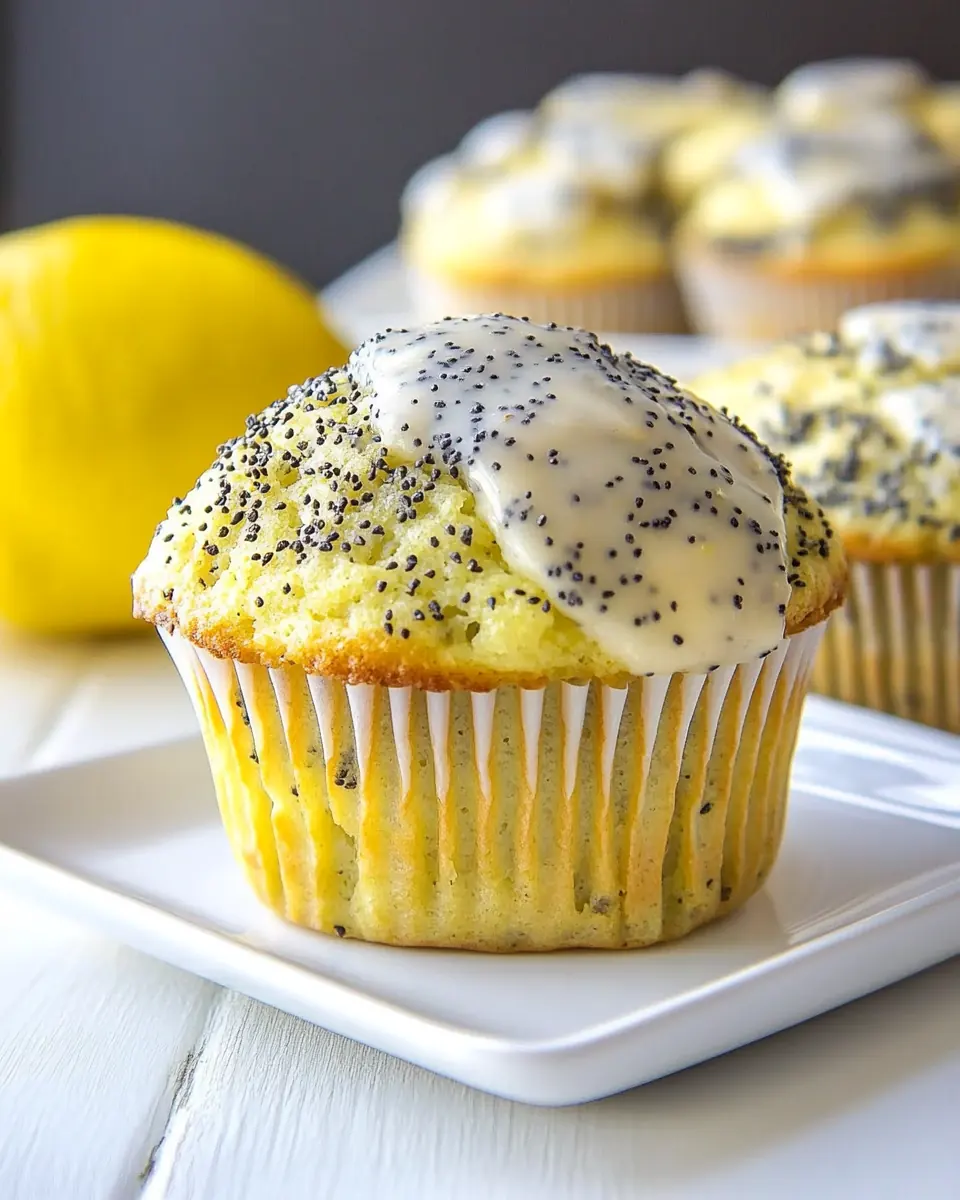
These ingredients are chosen to create a bright, tender muffin with a slight crunch and a glossy lemon finish. The core players include the dry structure builders like all purpose flour and baking powder, flavor anchors like granulated sugar and lemon zest, and rich, moist contributors like whole milk and butter. Each item plays a role in balancing texture, lift, and flavor so the final muffin feels both comforting and refined.
- 1 cup granulated sugar: Sweeten the batter and provide structure by caramelizing slightly during baking, helping tenderize crumbs and balance lemon tartness.
- 2 teaspoons lemon zest (usually the zest of two large lemons): Brighten flavors and deliver concentrated citrus oil for a pronounced lemon aroma throughout the muffins, enhancing overall freshness.
- 3 cups all-purpose flour (not packed): Provide bulk and gluten for structure; sift or measure properly to ensure light, even crumb and prevent dense muffins.
- 1 tablespoon baking powder: Leaven the muffins by releasing carbon dioxide when heated, giving lift and contributing to a tender, airy texture.
- 1/4 teaspoon baking soda: React with acidic components to produce additional lift and help create a light crumb when combined with other leaveners.
- 1/4 teaspoons salt: Enhance overall flavor by balancing sweetness and intensifying other tastes while supporting dough texture and yeast control.
- 1 and 1/2 cups WHOLE milk (whole milk or full-fat will yield the best results): Add richness and moisture while contributing to a tender crumb; higher fat content improves flavor and mouthfeel.
- 2 large eggs, at room temperature: Bind ingredients, add richness, and help create structure and stability while contributing to a glossy, tender interior.
- 1/2 teaspoon lemon extract: Concentrate lemon flavor without adding extra liquid, boosting citrus notes for a brighter, more aromatic muffin profile.
- 1 stick (4 ounces) unsalted butter, melted and slightly cooled: Add richness and moisture from melted fat, promoting tenderness and a soft, moist crumb while aiding batter cohesion.
- 1 teaspoon lemon juice: Provide a burst of fresh acidity to balance sweetness and activate leavening agents for lift and brightness.
- 1/3 cup poppy seeds: Contribute delicate crunch and a subtle nutty flavor while dispersing through the batter to create signature texture.
- 1/4 cup lemon curd: Add concentrated citrus-sweet flavor for pockets of intensity; can be swirled or dotted for bright bursts in each muffin.
- 1 cup confectioners' sugar: Bring light sweetness and smooth texture to glazes or fillings, dissolving easily to create a silky finish.
- 2 3 tablespoons lemon juice: Thin and balance glaze or filling consistency while adding fresh acidity to brighten overall flavor.
- 1 teaspoon lemon zest (usually the zest of one lemon): Reinforce zested citrus aroma and intensify the lemon profile, especially in finishes or glazes for fresh fragrance.
- 1/4 teaspoons salt: Control and balance flavor, helping to enhance other ingredients while preventing cloying sweetness.
- 1/4 teaspoon lemon extract (I recommend tasting the glaze first before adding this; it may be lemony enough and not need it): Boost glaze lemon flavor subtly when desired, adding extra aromatic lift—taste first to avoid overpowering the glaze.
Instructions for Ultimate Lemon Poppy Seed Muffins

These directions will guide you step by step through making a muffin batter that bakes into tender, lemony muffins with a surprise of curd in the center. Read each step before starting and gather your measured ingredients so you can focus on mixing and folding with care for the best texture.
- Adjust an oven rack to the middle position; preheat oven to 375 degrees (F). Line a 12-cup muffin tin with paper liners; spray lightly with non-stick spray; set aside.: The scent of the oven warming signals the start of the bake, and placing the rack in the middle gives even heat so tops brown slowly without overcooking the bottoms. You should hear the quiet hum of the oven and later a gentle crackle as tops set. Preheating ensures the leavening activates properly on first heat, producing better rise and domed muffins. A common mistake is skipping preheat, which yields flat, dense muffins. Make sure the oven reaches the full temperature before putting the tin in.
- Combine sugar and lemon zest in a large bowl; using your fingers rub the lemon zest into the sugar until well combined and fragrant. Add the flour, baking powder, baking soda, and salt into the bowl and mix well to combine.: When you rub lemon zest into granulated sugar , the sugar absorbs the oils and becomes perfumed, a small ritual that dramatically magnifies aroma. Visually the sugar will take on tiny specks of zest and smell intensely citrusy. After adding the all purpose flour and leaveners, whisk to distribute the dry ingredients evenly, which prevents pockets of baking powder or clumps of flour. If you skip rubbing the zest into sugar the lemon will be less present, and uneven mixing can lead to inconsistent rise. Look for an even pale yellow flecking in the dry mix and a smooth, lump free texture.
- In a medium-sized bowl combine the milk, eggs, and lemon extract; whisk well until smooth and combined. Gently fold the liquid mixture into the dry mixture, stirring with a rubber spatula until just combined. Fold in melted butter, then quickly fold in lemon juice and poppy seeds.: As you whisk the whole milk with the eggs and lemon extract the mixture becomes glossy and uniform, which helps the batter come together quickly. Folding rather than vigorously mixing keeps the gluten development controlled so the muffins stay tender. You will see streaks of flour disappear and the batter should be slightly lumpy rather than glassy smooth. Over stirring is a frequent error that creates toughness, so stop folding once the largest dry streaks disappear. The batter will smell faintly of lemon and look cohesive and moist.
- Scoop two tablespoon sized dollops of batter into the bottom of each cup, top with a teaspoon of lemon curd, then top with another 1 and 1/2 tablespoons of muffin batter.: Adding the cooled, melted butter incorporates fat for a soft crumb while maintaining moistness, and then the lemon juice brings brightness that balances sweetness. Stirring in the poppy seeds distributes tiny bursts of texture; their dark flecks will pepper the batter. You should notice the batter take on a slightly glossy sheen from the butter and a gentle, fresh lemon aroma. Be careful not to overmix at this stage, which can make the batter elastic. If the butter is too hot it can curdle the batter, so ensure it has cooled slightly before folding in.
- Bake until set in the center and golden brown; about 22 minutes.: Layering batter and lemon curd creates a delightful center pocket. The initial dollop forms a base that prevents the curd from sinking to the bottom, then the dollop on top seals it into the center. You will notice the batter is thick enough to hold the curd in place, and the tiny domes look ready to rise. The common mistake is over filling, which causes curd to leak out and stick to the tin. Use a measuring spoon to keep portions consistent so muffins bake evenly.
- Allow muffins to cool in the pan 5 minutes, then serve or cool completely and store for later use.: As the muffins bake you will smell deepening citrus and notice the tops turn a warm golden color, and when you gently press the cap it should spring back. The internal temperature is hot and centers should be set, not jiggly. Baking too long dries them out, while under baking leaves gummy centers, so aim for that sweet spot where the exterior is golden and the interior yields slightly to the touch. Rotate the pan halfway through if your oven heats unevenly to avoid lopsided browning.
- Allow muffins to cool in the pan 5 minutes then serve or cool completely and store for later use: Letting the muffins rest briefly in the tin allows them to firm up and makes removal easier, and those five minutes also let steam redistribute so the crumb stays tender. You will sense a faint steam when removing the liners, indicating moisture inside. If you plan to store them, cool completely to room temperature before placing in an airtight container, which prevents sogginess. A common pitfall is packing warm muffins, which creates condensation and soggy tops. For best texture, enjoy slightly warm or reheated gently.
Recipe Notes about Ultimate Lemon Poppy Seed Muffins
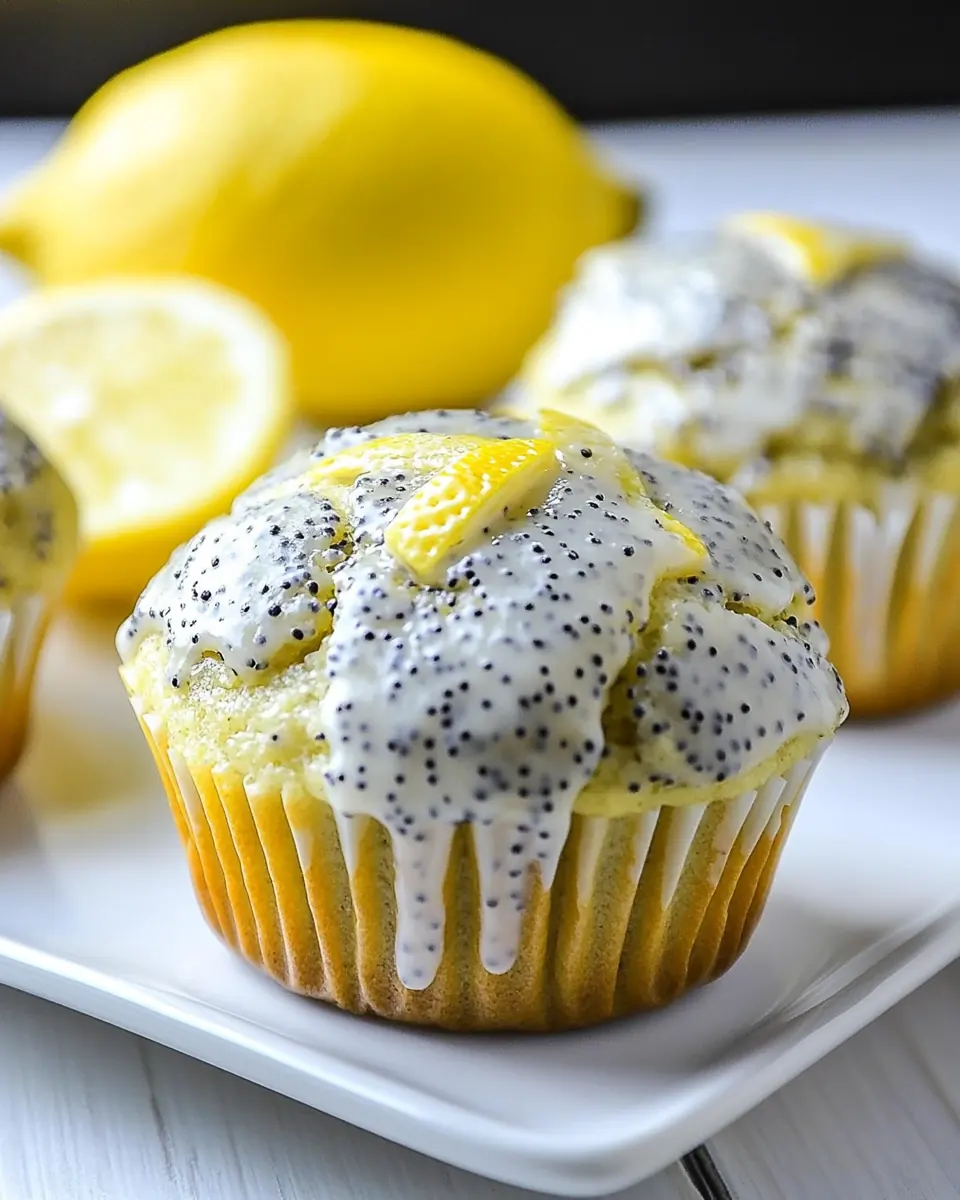
These notes expand on textures, timing, and small tricks that help you nail perfect muffins every time. Read them before you start so you have a clear plan and the right expectations for batter feel and baking cues.
- Butter temperature: Let the melted butter cool until it is warm to the touch to prevent cooking the eggs and breaking the emulsion in the batter.
- Freshness of leaveners: Check baking powder and baking soda by testing a pinch in hot water for fizz if they are older than six months, stale leaveners cause flat muffins.
- Glaze consistency: Start with less lemon juice when mixing the confectioners’ sugar, and add more a few drops at a time to reach a pourable glaze that sets on top.
- Filling technique: Use a small spoon or piping bag to place the lemon curd so it stays centered and does not overfill the muffin cup, which keeps bake time consistent.
- Storage: Once completely cooled, store muffins in an airtight container for up to three days at room temperature, or freeze wrapped individually for longer keeping.
Great Combinations for Ultimate Lemon Poppy Seed Muffins
These muffins pair well with simple beverages and can be adapted for different occasions. They are suitable for brunch, a light dessert after a meal, or a refreshing snack on a spring afternoon. Below I outline serving ideas, storage tips, and seasonal pairings to help you present them beautifully.
- Brunch spread: Arrange the muffins on a platter with fresh fruit and a bowl of extra lemon curd for guests to spoon on. Their bright citrus notes complement softer breakfast items and bring a lively contrast to creamy cheeses and fruit salads.
- Casual coffee break: Serve slightly warm with a simple hot beverage so the glaze is a little tacky. The tender crumb and glossy top feel indulgent without being heavy, which is perfect for mid morning pick me ups.
- Gift or potluck: Place muffins in a lined box with parchment separators to keep the glaze intact during transport. They travel well and make a thoughtful homemade gift for spring gatherings or office treats.
- Storage and reheating: For short term keep in an airtight container at room temperature up to three days. To revive a muffin, warm it for 10 to 15 seconds in the microwave or 5 to 7 minutes in a 325 degree F oven until just warmed through.
- Seasonal pairing: In spring the citrus tones feel especially appropriate, pair with light salads or herbal teas for a fresh seasonal menu. The muffins also brighten a winter brunch when you need a citrus lift.
FAQ
Conclusion
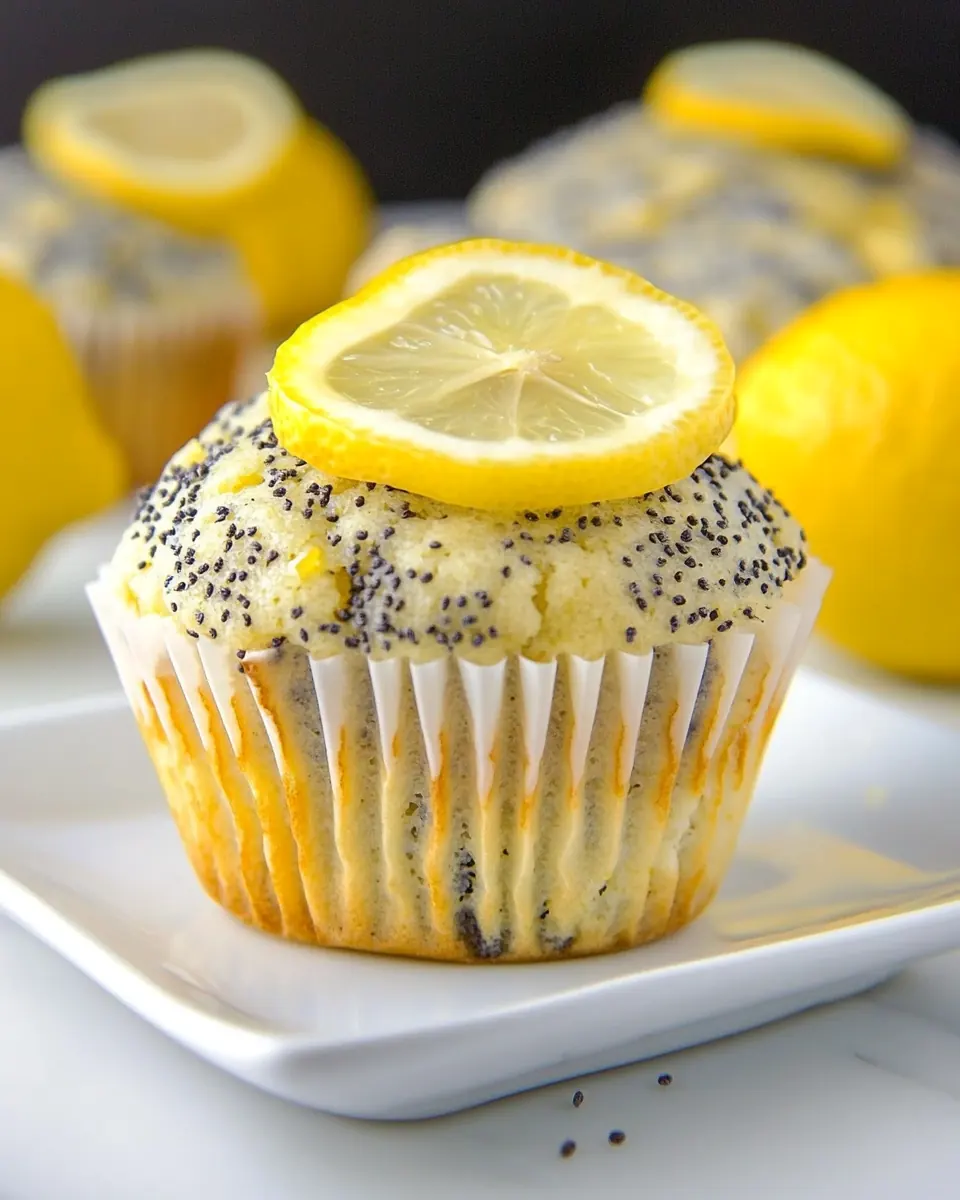
What makes these muffins special is the balance between a tender, cakey crumb and bright, layered lemon flavor with a poppy seed bite and a glossy glaze. They are approachable to make, forgiving to bake, and present beautifully whether for a casual brunch or a small celebration. Give them a try this weekend, and you may find yourself reaching for lemons and a muffin tin whenever you want a quick, cheerful bake.
Ultimate Lemon Poppy Seed Muffins
Ingredients
Equipment
Method
- Adjust an oven rack to the middle position; preheat oven to 375 degrees (F). Line a 12-cup muffin tin with paper liners; spray lightly with non-stick spray; set aside.: The scent of the oven warming signals the start of the bake, and placing the rack in the middle gives even heat so tops brown slowly without overcooking the bottoms. You should hear the quiet hum of the oven and later a gentle crackle as tops set. Preheating ensures the leavening activates properly on first heat, producing better rise and domed muffins. A common mistake is skipping preheat, which yields flat, dense muffins. Make sure the oven reaches the full temperature before putting the tin in.
- Combine sugar and lemon zest in a large bowl; using your fingers rub the lemon zest into the sugar until well combined and fragrant. Add the flour, baking powder, baking soda, and salt into the bowl and mix well to combine.: When you rub lemon zest into granulated sugar , the sugar absorbs the oils and becomes perfumed, a small ritual that dramatically magnifies aroma. Visually the sugar will take on tiny specks of zest and smell intensely citrusy. After adding the all purpose flour and leaveners, whisk to distribute the dry ingredients evenly, which prevents pockets of baking powder or clumps of flour. If you skip rubbing the zest into sugar the lemon will be less present, and uneven mixing can lead to inconsistent rise. Look for an even pale yellow flecking in the dry mix and a smooth, lump free texture.
- In a medium-sized bowl combine the milk, eggs, and lemon extract; whisk well until smooth and combined. Gently fold the liquid mixture into the dry mixture, stirring with a rubber spatula until just combined. Fold in melted butter, then quickly fold in lemon juice and poppy seeds.: As you whisk the whole milk with the eggs and lemon extract the mixture becomes glossy and uniform, which helps the batter come together quickly. Folding rather than vigorously mixing keeps the gluten development controlled so the muffins stay tender. You will see streaks of flour disappear and the batter should be slightly lumpy rather than glassy smooth. Over stirring is a frequent error that creates toughness, so stop folding once the largest dry streaks disappear. The batter will smell faintly of lemon and look cohesive and moist.
- Scoop two tablespoon sized dollops of batter into the bottom of each cup, top with a teaspoon of lemon curd, then top with another 1 and 1/2 tablespoons of muffin batter.: Adding the cooled, melted butter incorporates fat for a soft crumb while maintaining moistness, and then the lemon juice brings brightness that balances sweetness. Stirring in the poppy seeds distributes tiny bursts of texture; their dark flecks will pepper the batter. You should notice the batter take on a slightly glossy sheen from the butter and a gentle, fresh lemon aroma. Be careful not to overmix at this stage, which can make the batter elastic. If the butter is too hot it can curdle the batter, so ensure it has cooled slightly before folding in.
- Bake until set in the center and golden brown; about 22 minutes.: Layering batter and lemon curd creates a delightful center pocket. The initial dollop forms a base that prevents the curd from sinking to the bottom, then the dollop on top seals it into the center. You will notice the batter is thick enough to hold the curd in place, and the tiny domes look ready to rise. The common mistake is over filling, which causes curd to leak out and stick to the tin. Use a measuring spoon to keep portions consistent so muffins bake evenly.
- Allow muffins to cool in the pan 5 minutes, then serve or cool completely and store for later use.: As the muffins bake you will smell deepening citrus and notice the tops turn a warm golden color, and when you gently press the cap it should spring back. The internal temperature is hot and centers should be set, not jiggly. Baking too long dries them out, while under baking leaves gummy centers, so aim for that sweet spot where the exterior is golden and the interior yields slightly to the touch. Rotate the pan halfway through if your oven heats unevenly to avoid lopsided browning.
- Allow muffins to cool in the pan 5 minutes then serve or cool completely and store for later use: Letting the muffins rest briefly in the tin allows them to firm up and makes removal easier, and those five minutes also let steam redistribute so the crumb stays tender. You will sense a faint steam when removing the liners, indicating moisture inside. If you plan to store them, cool completely to room temperature before placing in an airtight container, which prevents sogginess. A common pitfall is packing warm muffins, which creates condensation and soggy tops. For best texture, enjoy slightly warm or reheated gently.
Notes
- Butter temperature: Let the melted butter cool until it is warm to the touch to prevent cooking the eggs and breaking the emulsion in the batter.
- Freshness of leaveners: Check baking powder and baking soda by testing a pinch in hot water for fizz if they are older than six months, stale leaveners cause flat muffins.
- Glaze consistency: Start with less lemon juice when mixing the confectioners' sugar, and add more a few drops at a time to reach a pourable glaze that sets on top.
- Filling technique: Use a small spoon or piping bag to place the lemon curd so it stays centered and does not overfill the muffin cup, which keeps bake time consistent.
- Storage: Once completely cooled, store muffins in an airtight container for up to three days at room temperature, or freeze wrapped individually for longer keeping.