Adjust an oven rack to the middle position; preheat oven to 375 degrees (F). Line a 12-cup muffin tin with paper liners; spray lightly with non-stick spray; set aside.: The scent of the oven warming signals the start of the bake, and placing the rack in the middle gives even heat so tops brown slowly without overcooking the bottoms. You should hear the quiet hum of the oven and later a gentle crackle as tops set. Preheating ensures the leavening activates properly on first heat, producing better rise and domed muffins. A common mistake is skipping preheat, which yields flat, dense muffins. Make sure the oven reaches the full temperature before putting the tin in.
Combine sugar and lemon zest in a large bowl; using your fingers rub the lemon zest into the sugar until well combined and fragrant. Add the flour, baking powder, baking soda, and salt into the bowl and mix well to combine.: When you rub lemon zest into granulated sugar , the sugar absorbs the oils and becomes perfumed, a small ritual that dramatically magnifies aroma. Visually the sugar will take on tiny specks of zest and smell intensely citrusy. After adding the all purpose flour and leaveners, whisk to distribute the dry ingredients evenly, which prevents pockets of baking powder or clumps of flour. If you skip rubbing the zest into sugar the lemon will be less present, and uneven mixing can lead to inconsistent rise. Look for an even pale yellow flecking in the dry mix and a smooth, lump free texture.
In a medium-sized bowl combine the milk, eggs, and lemon extract; whisk well until smooth and combined. Gently fold the liquid mixture into the dry mixture, stirring with a rubber spatula until just combined. Fold in melted butter, then quickly fold in lemon juice and poppy seeds.: As you whisk the whole milk with the eggs and lemon extract the mixture becomes glossy and uniform, which helps the batter come together quickly. Folding rather than vigorously mixing keeps the gluten development controlled so the muffins stay tender. You will see streaks of flour disappear and the batter should be slightly lumpy rather than glassy smooth. Over stirring is a frequent error that creates toughness, so stop folding once the largest dry streaks disappear. The batter will smell faintly of lemon and look cohesive and moist.
Scoop two tablespoon sized dollops of batter into the bottom of each cup, top with a teaspoon of lemon curd, then top with another 1 and 1/2 tablespoons of muffin batter.: Adding the cooled, melted butter incorporates fat for a soft crumb while maintaining moistness, and then the lemon juice brings brightness that balances sweetness. Stirring in the poppy seeds distributes tiny bursts of texture; their dark flecks will pepper the batter. You should notice the batter take on a slightly glossy sheen from the butter and a gentle, fresh lemon aroma. Be careful not to overmix at this stage, which can make the batter elastic. If the butter is too hot it can curdle the batter, so ensure it has cooled slightly before folding in.
Bake until set in the center and golden brown; about 22 minutes.: Layering batter and lemon curd creates a delightful center pocket. The initial dollop forms a base that prevents the curd from sinking to the bottom, then the dollop on top seals it into the center. You will notice the batter is thick enough to hold the curd in place, and the tiny domes look ready to rise. The common mistake is over filling, which causes curd to leak out and stick to the tin. Use a measuring spoon to keep portions consistent so muffins bake evenly.
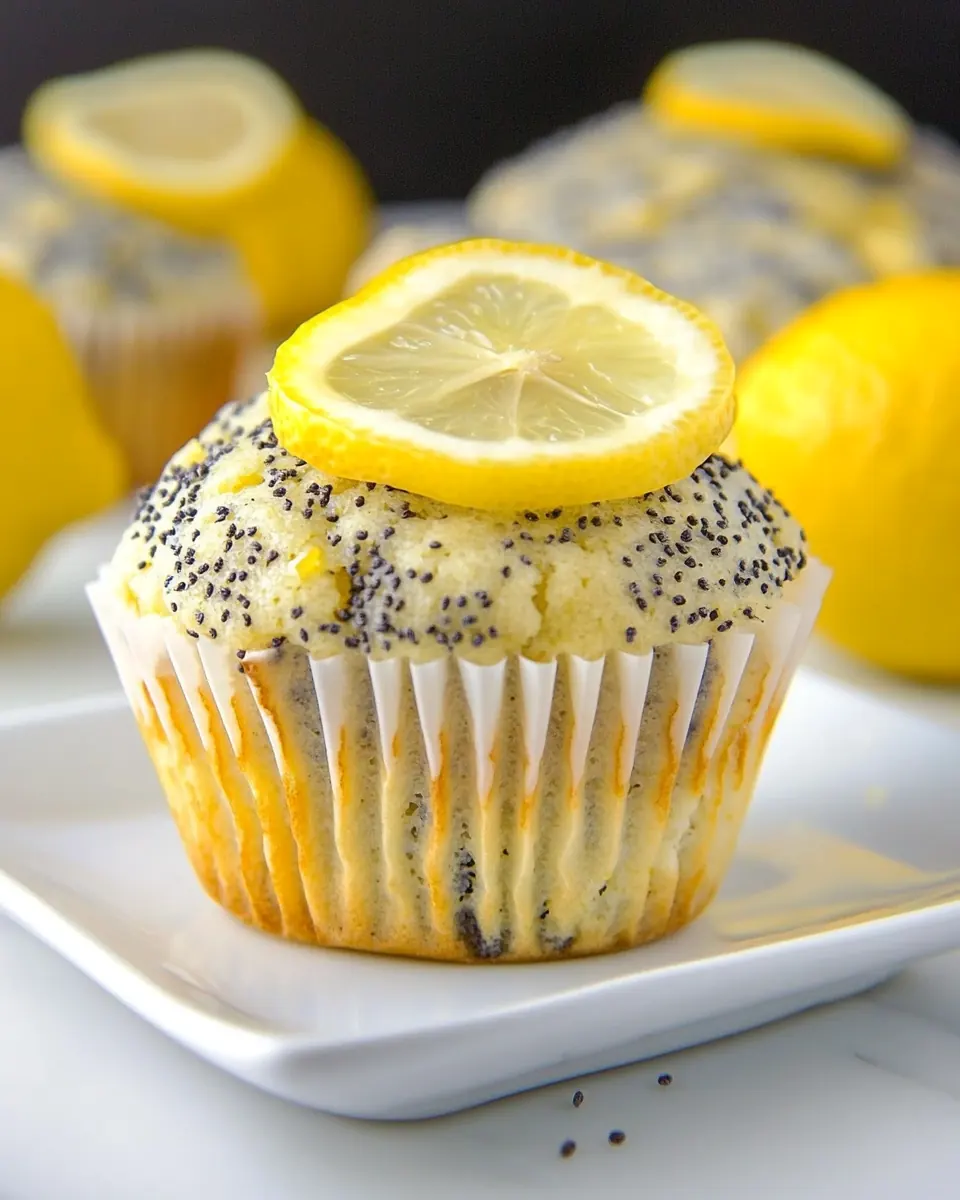
Allow muffins to cool in the pan 5 minutes, then serve or cool completely and store for later use.: As the muffins bake you will smell deepening citrus and notice the tops turn a warm golden color, and when you gently press the cap it should spring back. The internal temperature is hot and centers should be set, not jiggly. Baking too long dries them out, while under baking leaves gummy centers, so aim for that sweet spot where the exterior is golden and the interior yields slightly to the touch. Rotate the pan halfway through if your oven heats unevenly to avoid lopsided browning.
Allow muffins to cool in the pan 5 minutes then serve or cool completely and store for later use: Letting the muffins rest briefly in the tin allows them to firm up and makes removal easier, and those five minutes also let steam redistribute so the crumb stays tender. You will sense a faint steam when removing the liners, indicating moisture inside. If you plan to store them, cool completely to room temperature before placing in an airtight container, which prevents sogginess. A common pitfall is packing warm muffins, which creates condensation and soggy tops. For best texture, enjoy slightly warm or reheated gently.