Texas Sheet Cake
Texas Sheet Cake has been the kind of dessert that shows up at family gatherings, school potlucks, and lazy Sunday afternoons at my house, always disappearing faster than any other sweet. The first time I made this I remember the kitchen filling with a warm chocolate scent that made everyone stop whatever they were doing. I loved how the cake was thin yet deeply chocolatey, and how the frosting soaked into the top just enough to create a glossy, tender surface that begged for a second piece.
Over the years I tweaked tiny details, like toasting the nuts or stirring the batter by hand for a more old fashioned texture. I have stories tied to each pan, from a rushed holiday where I swapped bowls at the last minute, to a summer picnic where the cake held up beautifully in the heat. Sharing Texas Sheet Cake feels like passing along a warm, reliable secret that always brings people together, no matter the occasion.
Recipe Snapshot
45 mins
15 mins
30 mins
Medium
350 kcal
American
Gluten-Free, Low FODMAP
Desserts
13-inch x 18-inch x 1-inch jelly roll pan, Nonstick cooking spray, Mixing bowls, Medium saucepan
Why This Texas Sheet Cake Works
Deep chocolate flavor without fuss
I love how Texas Sheet Cake delivers a bold chocolate kick with very little effort. The combination of cocoa and boiling butter with water extracts a concentrated cocoa flavor that tastes far fancier than the simple method suggests. I find that when I want a rich dessert that does not require tempering or multi step ganache, this recipe always satisfies.
Speed and crowd pleasing scale
One of the reasons I reach for this recipe is the size. A single 13 inch by 18 inch pan feeds a crowd, so I can prep once and relax. When I am hosting a big family get together, the ease of slicing into uniform squares makes serving smooth and stress free. It is the kind of cake you can double down on mentally and not worry.
Texture that balances tender and fudgy
The interplay between a thin cake layer and a shiny, slightly set frosting creates a textural contrast I adore. The cake bakes up tender and slightly springy, while the frosting seeps into the top and forms pockets of fudgy richness. That contrast makes every bite interesting, and I always tell guests to let it cool properly so they get the full range of textures.
Flexible finishing touches
I often change up the final garnishes for different events. Toasted nuts bring a toasty crunch, while leaving them off creates a smoother, more classic finish. Because the frosting is applied hot, it accepts toppings immediately, which gives me control over the final presentation, whether I want rustic or refined.
Comfort food that spans occasions
Finally, Texas Sheet Cake sits comfortably at potlucks, school events, and casual dinners. It is nostalgic, forgiving, and reliably delicious, which is why I continue to reach for it when I want a dessert that feels like home and gets people smiling.
What to Gather for Texas Sheet Cake
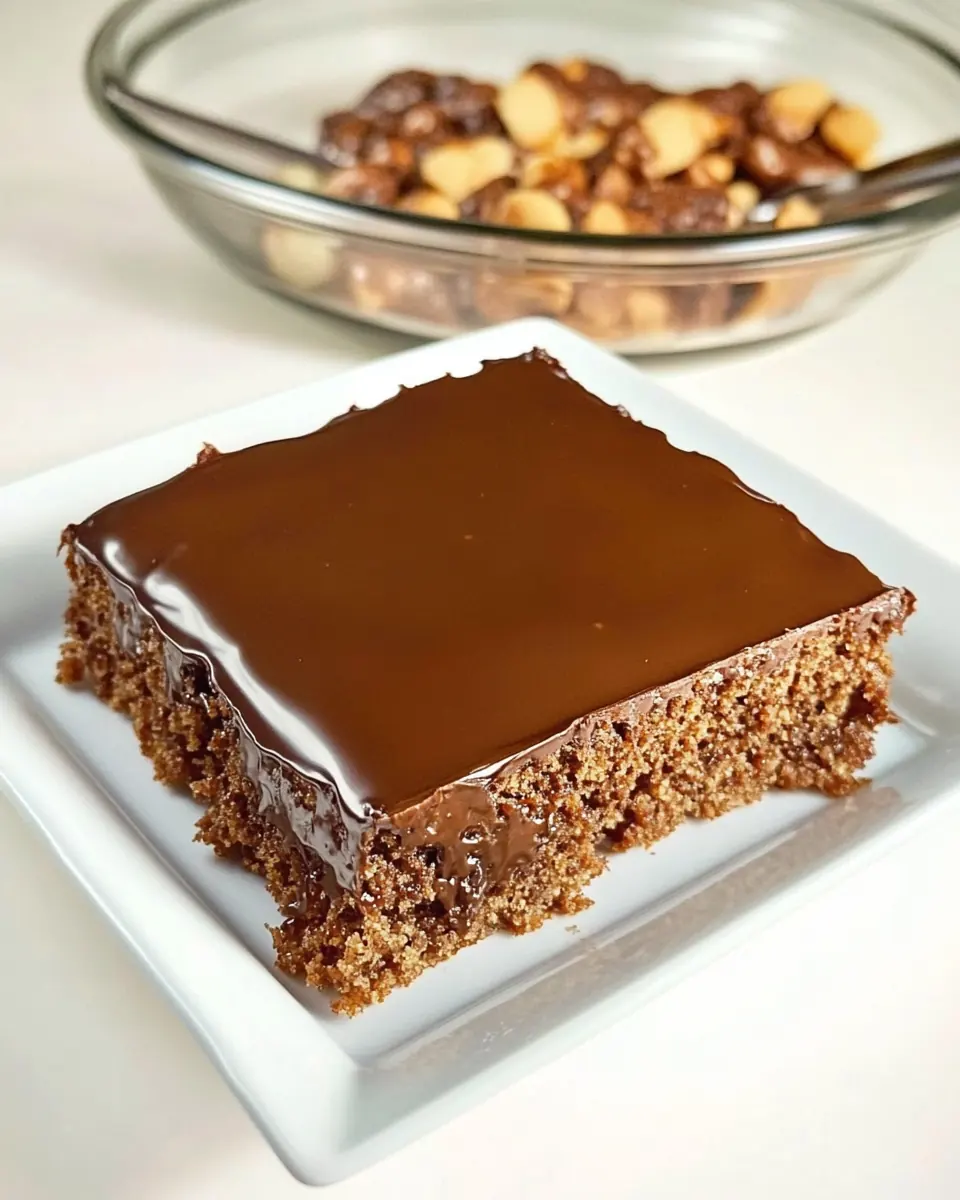
The ingredients here are straightforward and intentionally complementary. This cake relies on basic pantry staples to build deep chocolate flavor, tender crumb, and a glossy frosting that melds into the top. The key players are the all purpose flour which provides structure, the cocoa powder and sugar which deliver sweetness and chocolate intensity, and the two types of butter which create richness and shine. Together they produce a cake that is both simple and comforting.
- 2 cups all-purpose flour: Combine to provide structure and bulk to the cake batter; sifts easily and creates a tender crumb when mixed with wet ingredients. Use at room temperature in measured cups to ensure consistent texture and proper rise during baking.
- 2 cups sugar: Sweeten and balance flavors while contributing to moistness and caramelization; granulated sugar dissolves in the batter to help create a soft, slightly crisp crust. Adjust only by taste, as sugar amount affects crumb and browning characteristics.
- 1 teaspoon baking soda: Leaven and react with acidic components to produce carbon dioxide, helping the cake rise and become light; measure precisely for consistent lift without chemical aftertaste. Distribute evenly by sifting or whisking with dry ingredients before combining with wet ingredients.
- 1 teaspoon kosher salt: Season and enhance overall flavor while also affecting yeast-free chemical reactions; kosher salt brings out sweetness and rounds chocolate notes. Use the specified measure to avoid over-salting, especially with any salted butter variations.
- 1 cup butter (2 sticks): Provide fat for richness, tenderness, and flavor while assisting with creaming and steam generation during baking; at room temperature, butter helps incorporate air when mixed. Confirm whether salted or unsalted to adjust additional salt, and cut into pieces for even melting during heating steps.
- 1 cup water: Thin and transfer heat during the initial chocolate infusion step; water extracts cocoa and melts butter to create a smooth chocolate base for the batter. Use at simmering temperature as specified to bloom cocoa and dissolve sugars effectively.
- 1/3 cup cocoa powder: Concentrate chocolate flavor and deepen color while adding dry bulk to the chocolate mixture; cocoa powder gives the cake its characteristic chocolate intensity. Sift to remove lumps and blend with hot liquids to fully hydrate and prevent gritty texture.
- 1 cup sour cream: Contribute moisture, tenderness, and slight tang that complements chocolate while balancing sweetness; sour cream improves crumb and prevents dryness. Fold gently into batter to maintain moisture without overmixing, which can deflate leavening.
- 2 eggs: Bind ingredients, add richness, and contribute to structure and tenderness; eggs also help emulsify the batter for a uniform texture. Beat lightly and incorporate at room temperature to achieve even distribution and proper volume.
- 1 teaspoon vanilla: Enhance aroma and round out flavors with a warm, sweet note that complements chocolate; vanilla deepens the overall taste profile. Add as specified to avoid overpowering other flavors, and use pure vanilla for best results.
- 1/2 cup butter, melted (1 stick): Create a glossy, buttery frosting base and add richness and smooth texture when combined with other topping ingredients; melted butter mixes easily with powdered sugar and cocoa. Pour warm but not hot to prevent melting the sugar too rapidly and ensure a smooth emulsion.
- 1/3 cup milk: Loosen and adjust consistency of the frosting while contributing slight dairy richness; milk helps the glaze spread more easily and achieve desired sheen. Add gradually to reach a spreadable texture without making the icing too thin.
- 1/4 cup cocoa powder: Intensify chocolate notes in the glaze and enhance visual depth; additional cocoa powder boosts flavor concentration in the topping. Whisk thoroughly to dissolve lumps and incorporate fully with melted butter and milk for a silky finish.
- 1 pound powdered sugar: Sweeten and thicken the glaze while providing a smooth, creamy texture when sifted and combined with butter and liquids; powdered sugar is essential for the classic glossy frosting. Sift to remove lumps and add gradually to control consistency of the icing.
- 1 tablespoon vanilla: Contribute concentrated flavor and aromatic warmth to the glaze, tying together chocolate and sugar; vanilla enhances sweetness perception and complexity. Use the measured amount to prevent overpowering and to keep the frosting balanced and aromatic.
- 1 cup chopped pecans, toasted () (optional): Add crunch, nutty flavor, and optional textural contrast when sprinkled over the finished cake; toasted pecans bring depth and a buttery note that complements chocolate. Chop to uniform size and toast briefly to intensify aroma before sprinkling as an optional final touch.
How to Assemble Texas Sheet Cake
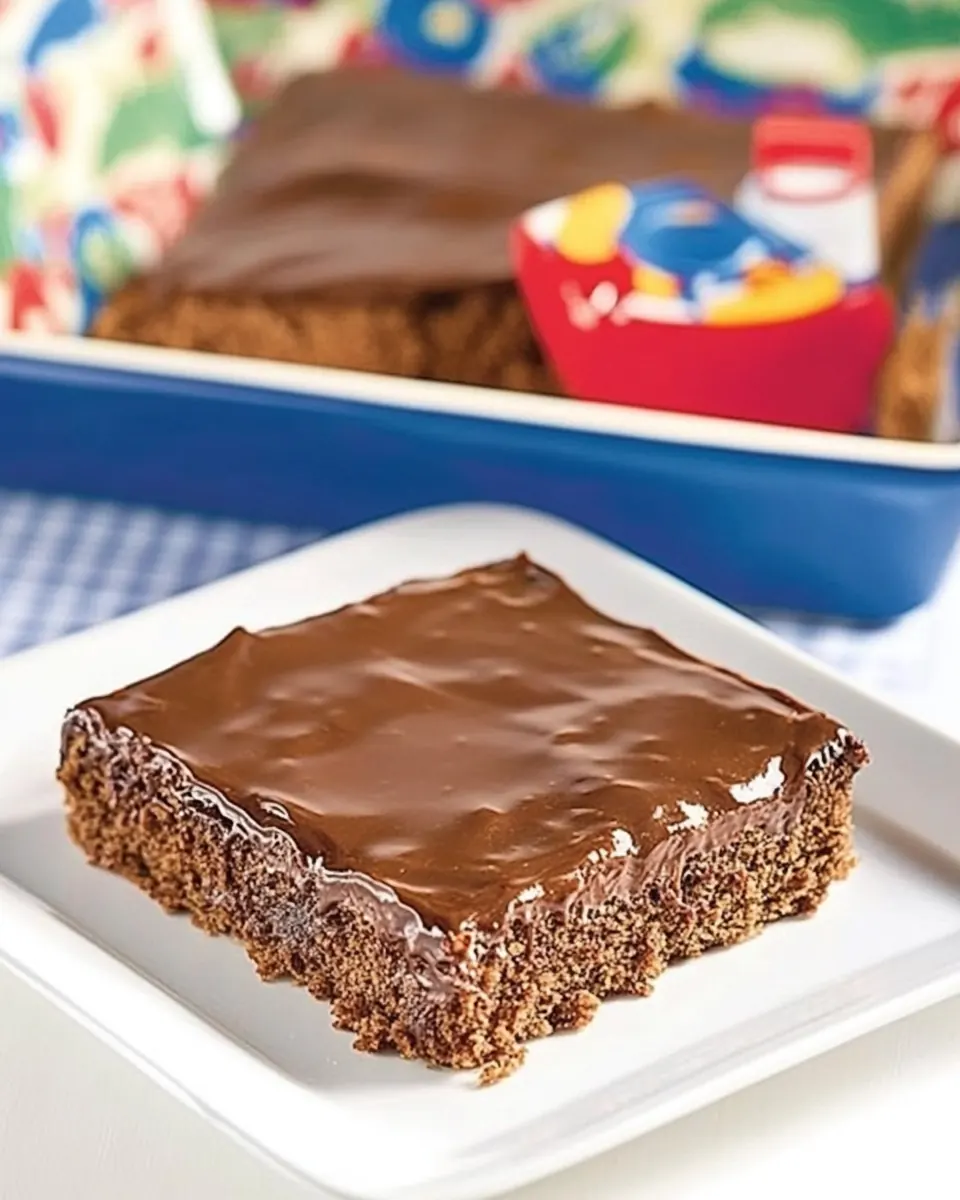
Turning basic ingredients into a glossy, crowd pleasing Texas Sheet Cake is straightforward and satisfying. Below I expand each direction into detailed, sensory rich steps so you know how the cake should look, feel, and smell as you work. Read each step fully before beginning so you feel confident at the stove and oven.
- Heat the oven to 350°F and spray a 13-inch x 18-inch x 1-inch jelly roll pan with non-stick cooking spray. In a large bowl combine the flour, sugar, baking soda, and salt. Whisk the mixture until well combined and set aside.: Warmth from the oven means the cake will begin baking in a stable environment, and preparing the pan prevents sticking. As you whisk the flour , sugar , baking soda , and salt , you should notice the dry ingredients lighten in color and become evenly textured, which helps achieve a uniform rise. A common mistake is uneven measuring, which leads to dense patches, so spoon and level the flour to get consistent results. The dry mix should look smooth, with no visible clumps.
- In a medium saucepan over medium heat add 1 cup of butter, water, and 1/3 cup cocoa powder.: As the butter melts, the aroma changes from creamy to toasted butter, and the cocoa will bloom in the hot liquid releasing a deep chocolate scent. Stirring helps dissolve the cocoa and prevents the butter from separating. Listen for gentle bubbling as the mixture approaches a simmer, and watch for a glossy sheen that signals it is ready. Avoid high heat which can scorch the butter and create a bitter taste.
- Bring the mixture to a boil, stirring often, then remove from the heat and add to the flour mixture. Mix to combine then add the sour cream, eggs, and vanilla and mix thoroughly.: Boiling extracts flavor and slightly alters the texture so the batter thins properly. Once you pour the hot mixture into the dry ingredients, steam will rise and the bowl will feel warm; this is normal and helps integrate flavors. When adding sour cream , eggs , and vanilla , fold gently until uniform. Overmixing will develop gluten, causing toughness, while undermixing leaves pockets of dry flour .
- Spread the mixture into the prepared pan and bake for 20-22 minutes, or until the cake springs back when gently pressed in the center and the edges of the cake are coming away from the sides of the pan.: The batter should flow evenly into the pan, creating a smooth surface. As it bakes the edges will darken slightly and pull away, and a gentle touch in the center should bounce back, signaling doneness. If you insert a toothpick and it comes out with moist crumbs, that is acceptable for this thin cake; a wet batter suggests underbaking. Baking too long dries the thin sheet, so watch closely near the lower end of the time range.
- While the cake is baking prepare the frosting. In a medium bowl combine 1/2 cup melted butter, milk, and 1/4 cup cocoa powder and mix until smooth. Add the powdered sugar to a large bowl and add the butter mixture and vanilla.: The frosting base should be glossy and aromatic when the butter and milk are combined with cocoa powder . When you whisk powdered sugar in, the texture changes from liquid to a spreadable glaze. A common pitfall is adding all the powdered sugar at once, which can create lumps, so mix gradually until silky. The frosting should be free of sugar grit and pourable while still warm.
- Whisk until no lumps remain. Cover with plastic wrap or a damp tea towel until the cake has finished baking.: A smooth frosting is achieved through persistent whisking, which aerates and dissolves any residual sugar. Covering prevents a skin from forming and keeps the glaze ready to pour. If you let it sit too long, it can thicken and become harder to spread, so timing is important. If it does thicken, a splash of warm milk will loosen it.
- Pour the frosting on the cake as soon as it comes out of the oven. Spread the frosting to the edges of the cake.: The heat from the freshly baked cake helps the frosting settle into the top, creating that signature glossy surface with slight soaking. As you pour, listen to a soft hiss and watch the glaze even out; use a spatula to coax it to the corners quickly. Waiting too long will prevent the frosting from melding with the cake, leading to a more separated, less integrated finish.
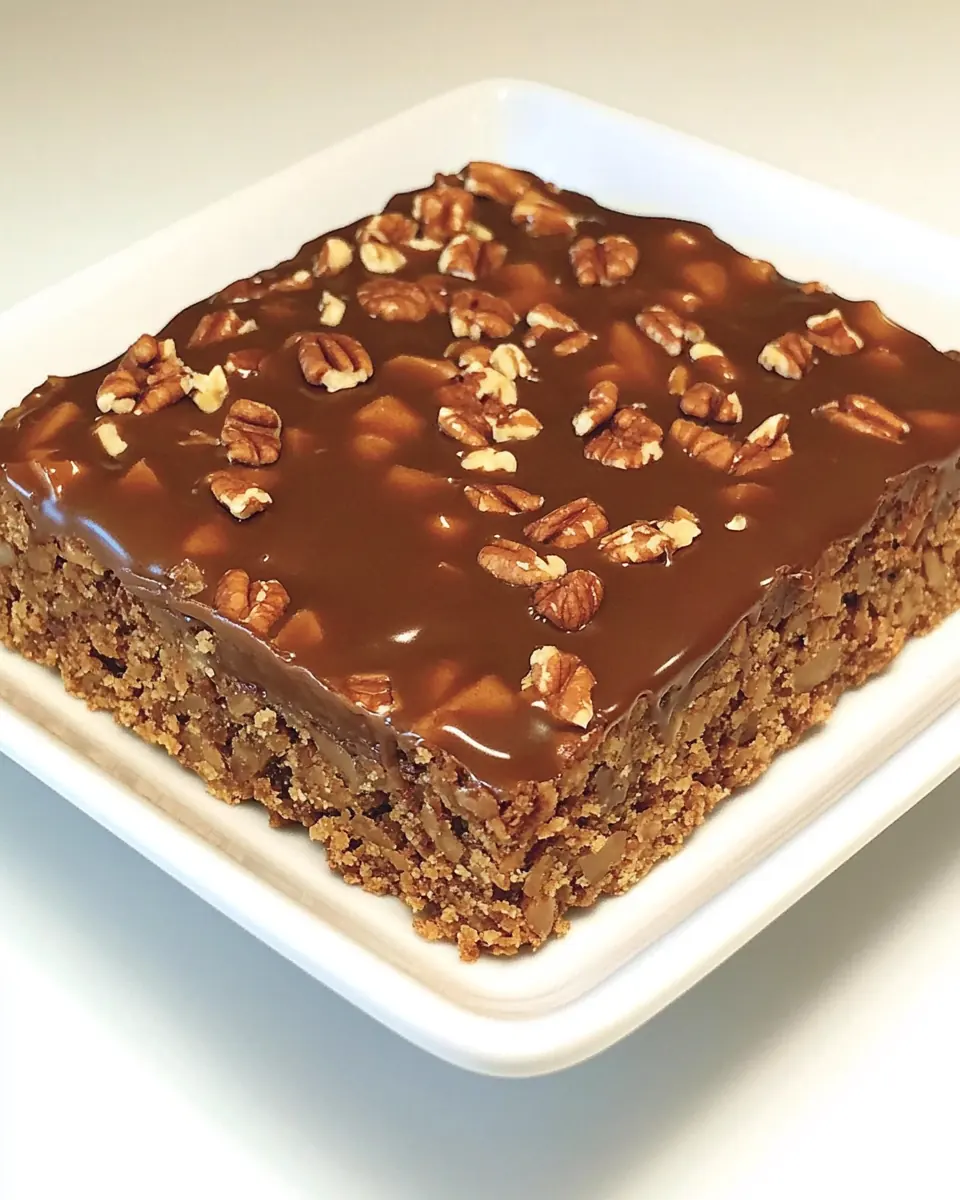
- Then immediately sprinkle the toasted pecans over frosting.: Adding the toasted pecans while the frosting is hot ensures they stick and their oils mingle with the glaze, giving a toasty aroma and textured contrast. You should hear a faint crackle as the nuts meet the warm surface. If you wait, the nuts may slide when the frosting firms, resulting in uneven coverage. Make sure the pecans are cooled after toasting to avoid overcooking the glaze.
- Let the cake cool completely to room temperature before serving.: Cooling allows the frosting to set slightly and the flavors to harmonize, resulting in cleaner slices and a perfect mouthfeel. The cake will emit a lingering chocolate fragrance as it cools. Cutting too soon can cause the frosting to smear and the slices to collapse, so patience here yields the best presentation and texture.
Ways to Customize
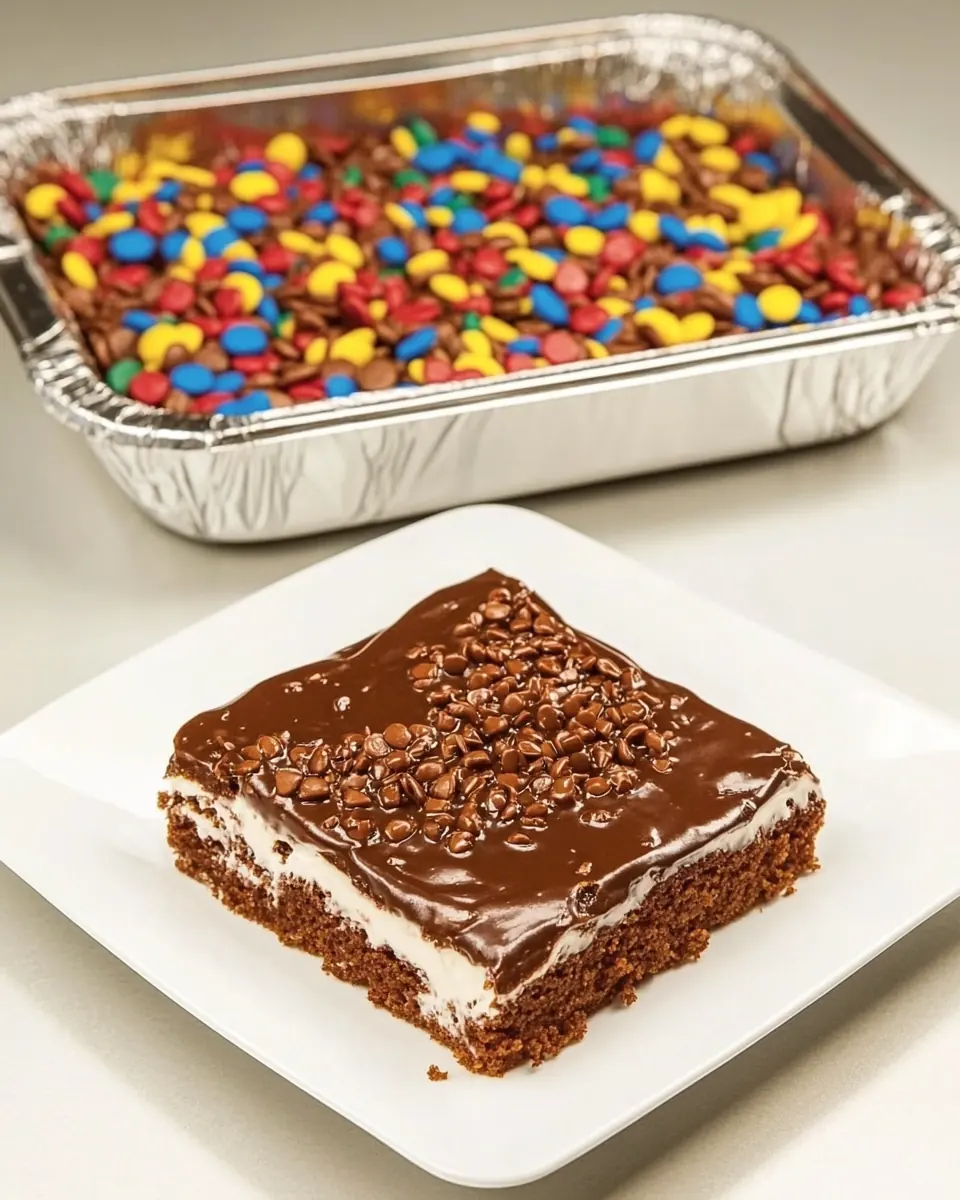
This cake is wonderfully adaptable without losing its soul. Below are thoughtful, experience based tips that expand flavor and texture while keeping the classic method intact.
- Swap the nuts thoughtfully Try walnuts or almonds if you prefer, and toast them to deepen their flavor before sprinkling so they contribute a warm crunch.
- Adjust frosting thickness Add a splash more milk if the glaze sets too quickly, whisking until it reaches a smooth pourable consistency that still holds on the cake surface.
- Enhance chocolate depth Use a higher quality cocoa powder for richer flavor, and sift it into both the batter and the frosting to avoid lumps and ensure even distribution.
- Make it ahead Bake the day before and store covered at room temperature, then add the toasted pecans just before serving to keep them crunchy.
- Control sweetness If you prefer a slightly less sweet result, reduce the frosting powdered sugar incrementally while maintaining enough to achieve a thick glaze.
How to Serve Texas Sheet Cake
This cake serves beautifully in many contexts. Below I describe several serving ideas and practical storage notes so you can present it perfectly for any gathering.
- Cut into uniform squares Slice the cooled cake into 2 inch squares for easy serving at potlucks, making sure to wipe the knife between cuts for cleaner edges.
- Pair with simple beverages Serve alongside coffee or tea to balance the sweetness and enrich the chocolate experience for casual afternoon gatherings.
- Bring to celebrations This cake is ideal for school events and family reunions, as the sheet format feeds many and is easy to transport when covered with foil or a cake carrier.
- Store properly Keep wrapped at room temperature for up to three days, or refrigerate in an airtight container for up to five days, bringing to room temperature before serving for best texture.
- Occasion flexibility Offer it at holiday dessert tables or weekend lunches, it’s versatile enough to feel homemade and special without demanding extra effort.
- Make it ahead Bake and frost the cake the day before; store covered and add the pecans the next day for peak crunch and flavor.
FAQ
Conclusion
What makes this recipe special is its combination of deep chocolate flavor, easy technique, and a glossy frosting that melts into the top, creating a tender, crowd friendly dessert. You should try this because it reliably produces a rich, nostalgic cake with minimal fuss, and it scales perfectly for gatherings or simple family treats. Give it a go at your next event, and you might find it becoming your go to sheet cake for celebrations and casual afternoons alike. Enjoy the process and the warm, chocolatey results.
Texas Sheet Cake
Ingredients
Equipment
Method
- Heat the oven to 350°F and spray a 13-inch x 18-inch x 1-inch jelly roll pan with non-stick cooking spray. In a large bowl combine the flour, sugar, baking soda, and salt. Whisk the mixture until well combined and set aside.: Warmth from the oven means the cake will begin baking in a stable environment, and preparing the pan prevents sticking. As you whisk the flour , sugar , baking soda , and salt , you should notice the dry ingredients lighten in color and become evenly textured, which helps achieve a uniform rise. A common mistake is uneven measuring, which leads to dense patches, so spoon and level the flour to get consistent results. The dry mix should look smooth, with no visible clumps.
- In a medium saucepan over medium heat add 1 cup of butter, water, and 1/3 cup cocoa powder.: As the butter melts, the aroma changes from creamy to toasted butter, and the cocoa will bloom in the hot liquid releasing a deep chocolate scent. Stirring helps dissolve the cocoa and prevents the butter from separating. Listen for gentle bubbling as the mixture approaches a simmer, and watch for a glossy sheen that signals it is ready. Avoid high heat which can scorch the butter and create a bitter taste.
- Bring the mixture to a boil, stirring often, then remove from the heat and add to the flour mixture. Mix to combine then add the sour cream, eggs, and vanilla and mix thoroughly.: Boiling extracts flavor and slightly alters the texture so the batter thins properly. Once you pour the hot mixture into the dry ingredients, steam will rise and the bowl will feel warm; this is normal and helps integrate flavors. When adding sour cream , eggs , and vanilla , fold gently until uniform. Overmixing will develop gluten, causing toughness, while undermixing leaves pockets of dry flour .
- Spread the mixture into the prepared pan and bake for 20-22 minutes, or until the cake springs back when gently pressed in the center and the edges of the cake are coming away from the sides of the pan.: The batter should flow evenly into the pan, creating a smooth surface. As it bakes the edges will darken slightly and pull away, and a gentle touch in the center should bounce back, signaling doneness. If you insert a toothpick and it comes out with moist crumbs, that is acceptable for this thin cake; a wet batter suggests underbaking. Baking too long dries the thin sheet, so watch closely near the lower end of the time range.
- While the cake is baking prepare the frosting. In a medium bowl combine 1/2 cup melted butter, milk, and 1/4 cup cocoa powder and mix until smooth. Add the powdered sugar to a large bowl and add the butter mixture and vanilla.: The frosting base should be glossy and aromatic when the butter and milk are combined with cocoa powder . When you whisk powdered sugar in, the texture changes from liquid to a spreadable glaze. A common pitfall is adding all the powdered sugar at once, which can create lumps, so mix gradually until silky. The frosting should be free of sugar grit and pourable while still warm.
- Whisk until no lumps remain. Cover with plastic wrap or a damp tea towel until the cake has finished baking.: A smooth frosting is achieved through persistent whisking, which aerates and dissolves any residual sugar. Covering prevents a skin from forming and keeps the glaze ready to pour. If you let it sit too long, it can thicken and become harder to spread, so timing is important. If it does thicken, a splash of warm milk will loosen it.
- Pour the frosting on the cake as soon as it comes out of the oven. Spread the frosting to the edges of the cake.: The heat from the freshly baked cake helps the frosting settle into the top, creating that signature glossy surface with slight soaking. As you pour, listen to a soft hiss and watch the glaze even out; use a spatula to coax it to the corners quickly. Waiting too long will prevent the frosting from melding with the cake, leading to a more separated, less integrated finish.
- Then immediately sprinkle the toasted pecans over frosting.: Adding the toasted pecans while the frosting is hot ensures they stick and their oils mingle with the glaze, giving a toasty aroma and textured contrast. You should hear a faint crackle as the nuts meet the warm surface. If you wait, the nuts may slide when the frosting firms, resulting in uneven coverage. Make sure the pecans are cooled after toasting to avoid overcooking the glaze.
- Let the cake cool completely to room temperature before serving.: Cooling allows the frosting to set slightly and the flavors to harmonize, resulting in cleaner slices and a perfect mouthfeel. The cake will emit a lingering chocolate fragrance as it cools. Cutting too soon can cause the frosting to smear and the slices to collapse, so patience here yields the best presentation and texture.
Notes
- Swap the nuts thoughtfully Try walnuts or almonds if you prefer, and toast them to deepen their flavor before sprinkling so they contribute a warm crunch.
- Adjust frosting thickness Add a splash more milk if the glaze sets too quickly, whisking until it reaches a smooth pourable consistency that still holds on the cake surface.
- Enhance chocolate depth Use a higher quality cocoa powder for richer flavor, and sift it into both the batter and the frosting to avoid lumps and ensure even distribution.
- Make it ahead Bake the day before and store covered at room temperature, then add the toasted pecans just before serving to keep them crunchy.
- Control sweetness If you prefer a slightly less sweet result, reduce the frosting powdered sugar incrementally while maintaining enough to achieve a thick glaze.