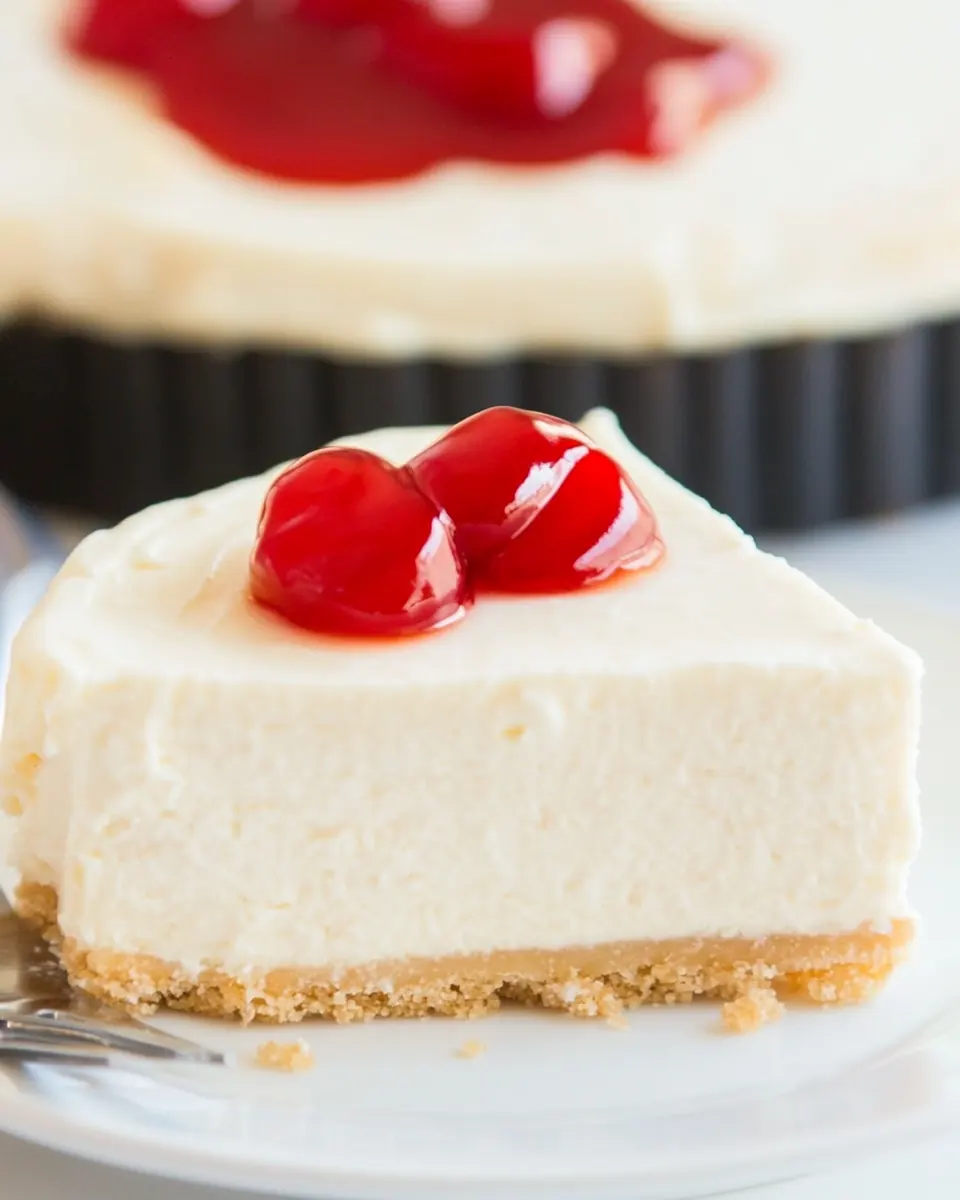
To make vegan cheesecake, first preheat the oven to 350 F. Fill any baking pan about halfway with water and place it on the oven’s lower rack. Prepare your crust in a 9 inch springform pan, and set aside. Bring cream cheese to room temperature. Beat all cheesecake ingredients in a blender or food processor just until smooth. (For best results, do not overbeat, which can introduce air bubbles that might burst in the oven and cause cracking.) Smooth the filling on top of your prepared crust. Place on the middle rack, above the rack with the water pan. Bake 30 minutes. When the time is up, keep the oven door completely closed but turn off the heat. Leave the pan in the closed oven for an additional 5 minutes. Then remove the still underdone cake and let cool at least 20 minutes on the counter before refrigerating until chilled. It is important to let the vegan cheesecake cool gradually so it does not crack. The cake firms up considerably as it chills and will be ready to slice after a few hours. Or you can make it the day before and let it firm up overnight. Store leftovers covered in the refrigerator for 4 days or in the freezer for up to 2 months.: The filling will smell subtly sweet and buttery as it comes together in the blender, with a faint lemon brightness mingling with the vanilla, and you should notice a silky sheen when it is fully emulsified. Proper texture matters because it determines how the cake sets and slices, and under mixing or over mixing can lead to a loose set or air pockets. A frequent oversight is blending too long; that can introduce air which forms bubbles that expand in the oven and may cause cracking. If you see small bubbles on the surface before baking, gently tap the pan on the counter to release them.
first preheat the oven to 350 F: You will feel the warm oven heat and possibly smell a faint dry heat as it reaches temperature, which ensures the cake bakes evenly from the start. Consistent oven temperature is important to prevent uneven rise and cracking. A common mistake is starting with a cold oven, which can lead to prolonged bake times and a denser texture. Use an oven thermometer if your oven runs hot or cold to achieve the correct 350 F environment.
Fill any baking pan about halfway with water and place it on the oven’s lower rack: The steam and gentle heat from the water bath create a moist oven environment that prevents the top from drying and cracking and yields a tender surface. The visual cue is a steady little steam presence when the oven door is briefly opened after baking. Forgetting the water bath increases the chance of a cracked top and a firmer, less delicate crumb; ensure the pan has enough water but not so much that it might slosh into the springform pan.
Prepare your crust in a 9 inch springform pan, and set aside: The crust should feel slightly firm when pressed into the pan, with an even thickness across the base and up the sides, which creates a supportive shell for the filling. This structural role affects the mouthfeel contrast between the crumbly base and the smooth filling. A common error is an uneven crust thickness that causes the cheesecake to bake inconsistently; press the crust evenly with the back of a spoon or a measuring cup for a level surface.
Bring cream cheese to room temperature: When the vegan cream cheese is at room temperature, it blends into the batter easily without cold lumps, and the aroma becomes milder and more workable. This step matters because cold cream cheese resists emulsification and can create grainy textures. Rushing this step by microwaving can over soften the cheese and introduce moisture, so allow it to sit until just soft to the touch.
Beat all cheesecake ingredients in a blender or food processor just until smooth: You will notice the filling become glossy and homogeneous, and the sound will shift from a chunky thunk to a steady whir as everything combines. Achieving a smooth batter is important for consistent texture, while overbeating traps air that can expand and create fissures. To avoid this, pulse and scrape the sides, and stop as soon as you see a uniform, velvety consistency.
For best results do not overbeat which can introduce air bubbles that might burst in the oven and cause cracking: The mixture should be calm and dense rather than frothy, and the surface should show a mirror like sheen when it is ready. The reason this matters is that air pockets expand in heat and often make cracks or uneven surfaces. Avoid the temptation to blend longer than necessary; if you see foam forming, pause and let it settle before proceeding.
Smooth the filling on top of your prepared crust: As you spread the filling, the surface should look satiny and even, and the filling will settle to a uniform height without gaps. This matters because an even top bakes uniformly and looks attractive after slicing. A common slip is to leave ridges from the spatula, which can bake into irregularities; use gentle long strokes to level the surface.
Place on the middle rack above the rack with the water pan: Positioning affects how heat circulates and how evenly the cake bakes, and the middle rack gives the best balance for even browning and set. Visual cues include a slow, gentle jiggle in the center when lightly nudged, indicating it is near set. Placing it too low or too high can produce uneven texture; confirm the pan is centered in the oven for the most consistent result.
Bake 30 minutes: During baking you may notice a faint sweet aroma and a barely trembling center which indicates the custard is setting while retaining silkiness. The timing is chosen to set the edges firmly while keeping the center slightly underdone to finish setting as it cools. Overbaking creates a dry, crumbly texture and increases cracking; check for a slight wobble rather than complete firmness at the end of the baking time.
When the time is up keep the oven door completely closed but turn off the heat: The residual heat will complete the cook gently, which helps prevent sudden temperature shifts that cause cracks, and the environment inside will stay humid and warm. This gradual transition promotes a smooth top and a custardy interior. Opening the door too early creates a draft and sudden cooling that often leads to the surface splitting; resist the urge to peek.
Leave the pan in the closed oven for an additional 5 minutes: Those extra minutes allow the center to finish setting without direct heat, and you may hear a soft settling sound or see the very center firm slightly. The gentle finishing step yields a creamier interior and reduces textural shocks. Skipping this pause risks a less even set and more brittle surface.
Then remove the still underdone cake and let cool at least 20 minutes on the counter before refrigerating until chilled: As it cools you will notice the cake slowly lose its tremble and begin to firm, signaling the structure forming as the gelatinized cornstarch sets. Slow cooling reduces cracking and creates a dense, sliceable finished texture. A frequent misstep is moving the cake while it is too warm which can cause settlement marks; let it rest undisturbed during this phase.
It is important to let the vegan cheesecake cool gradually so it does not crack: The surface will remain smooth if you allow a gentle temperature drop, and the internal crumb firms up without stress. This matters for both appearance and texture. Rapid cooling in a cold space or refrigerator can cause stress cracks; always start with room temperature cooling before chilling.
The cake firms up considerably as it chills and will be ready to slice after a few hours: After refrigeration the cake will take on a denser, creamy structure and slicing will yield clean edges and consistent layers of crust and filling. Proper chilling improves flavor melding and sliceability. Cutting it too early can yield a slumping center and messy slices; patience rewards you with neat, beautiful servings.
Or you can make it the day before and let it firm up overnight: Overnight chilling deepens the flavors and produces the most reliable texture for serving the next day, and the cake will be easier to transport and present. This planning step makes entertaining low stress. A common error is not covering the cake which can lead to fridge odors transferring; wrap or cover it tightly before chilling overnight.
Store leftovers covered in the refrigerator for 4 days or in the freezer for up to 2 months: Proper storage preserves texture and flavor, and refrigerated slices remain moist while frozen portions can be thawed for future treats. When freezing, wrap tightly to prevent freezer burn that dulls flavor. A common mistake is leaving it uncovered which causes drying and flavor loss; always store in an airtight container.